

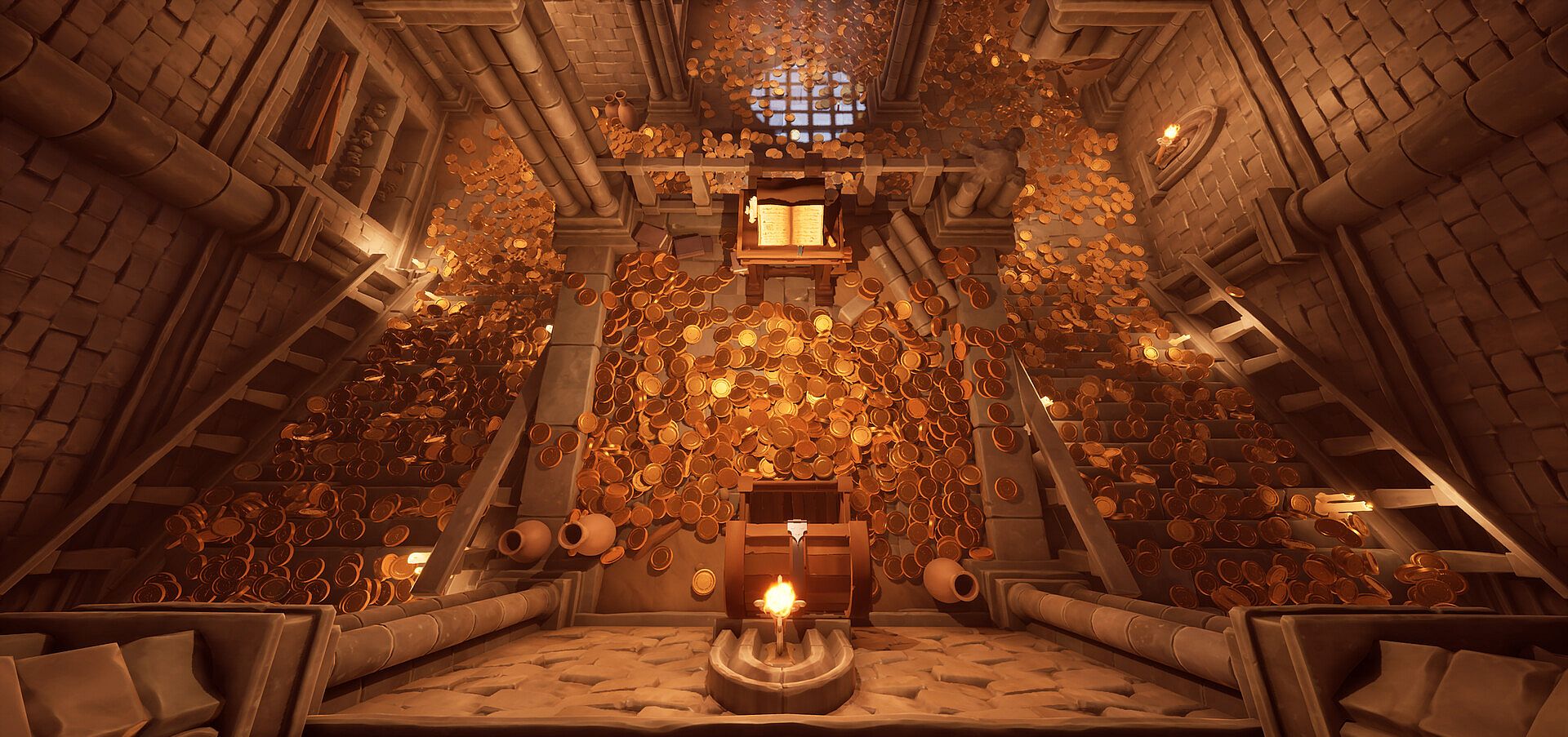
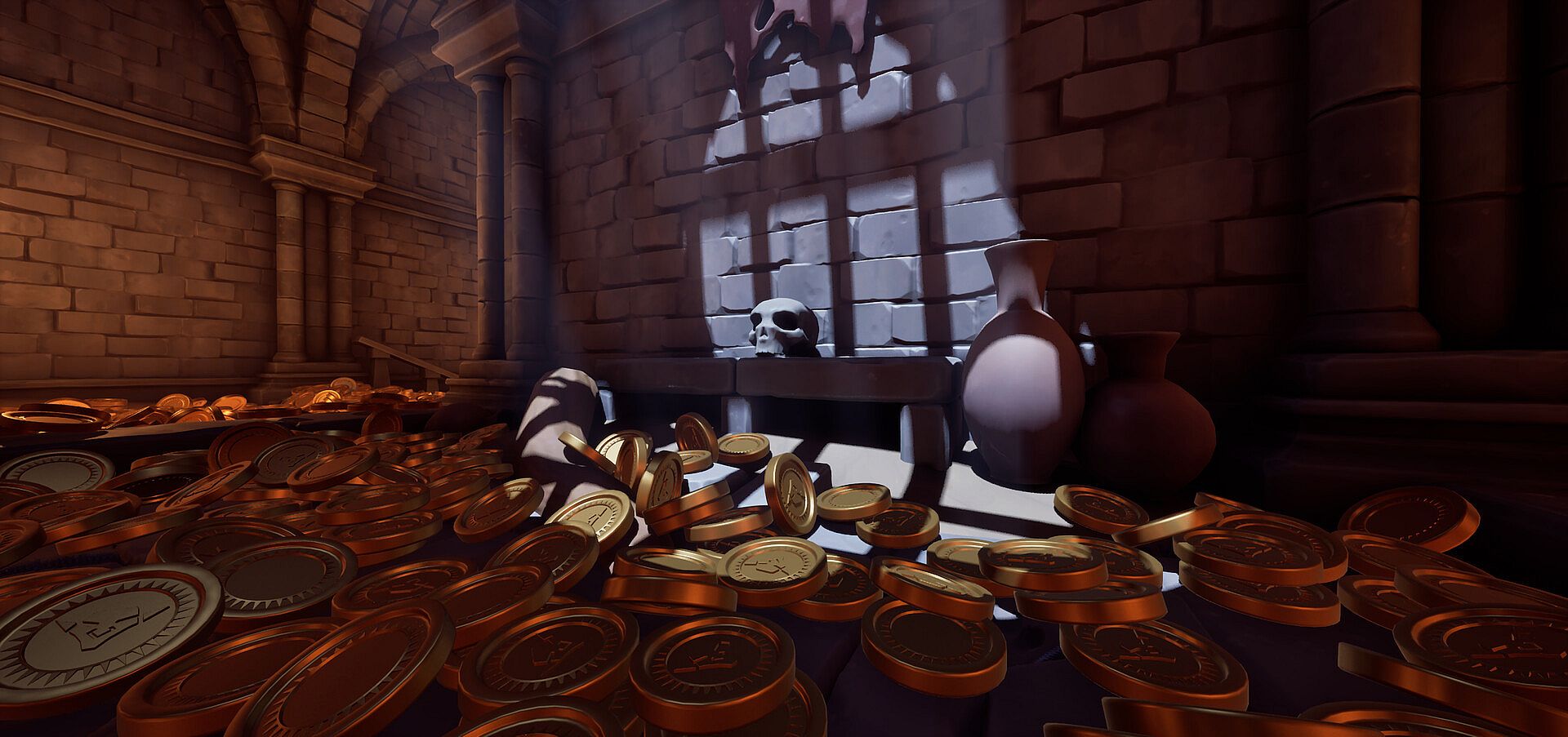
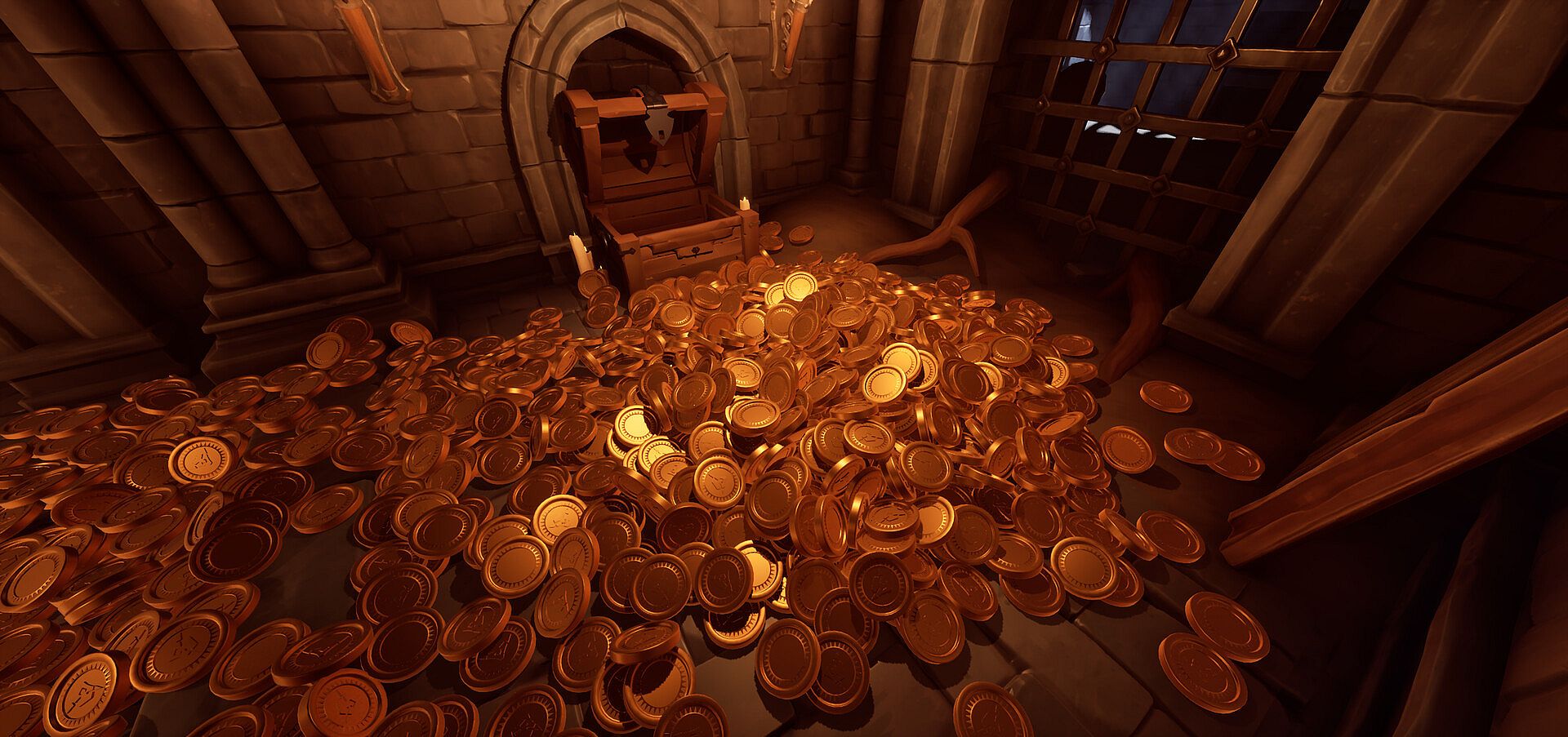
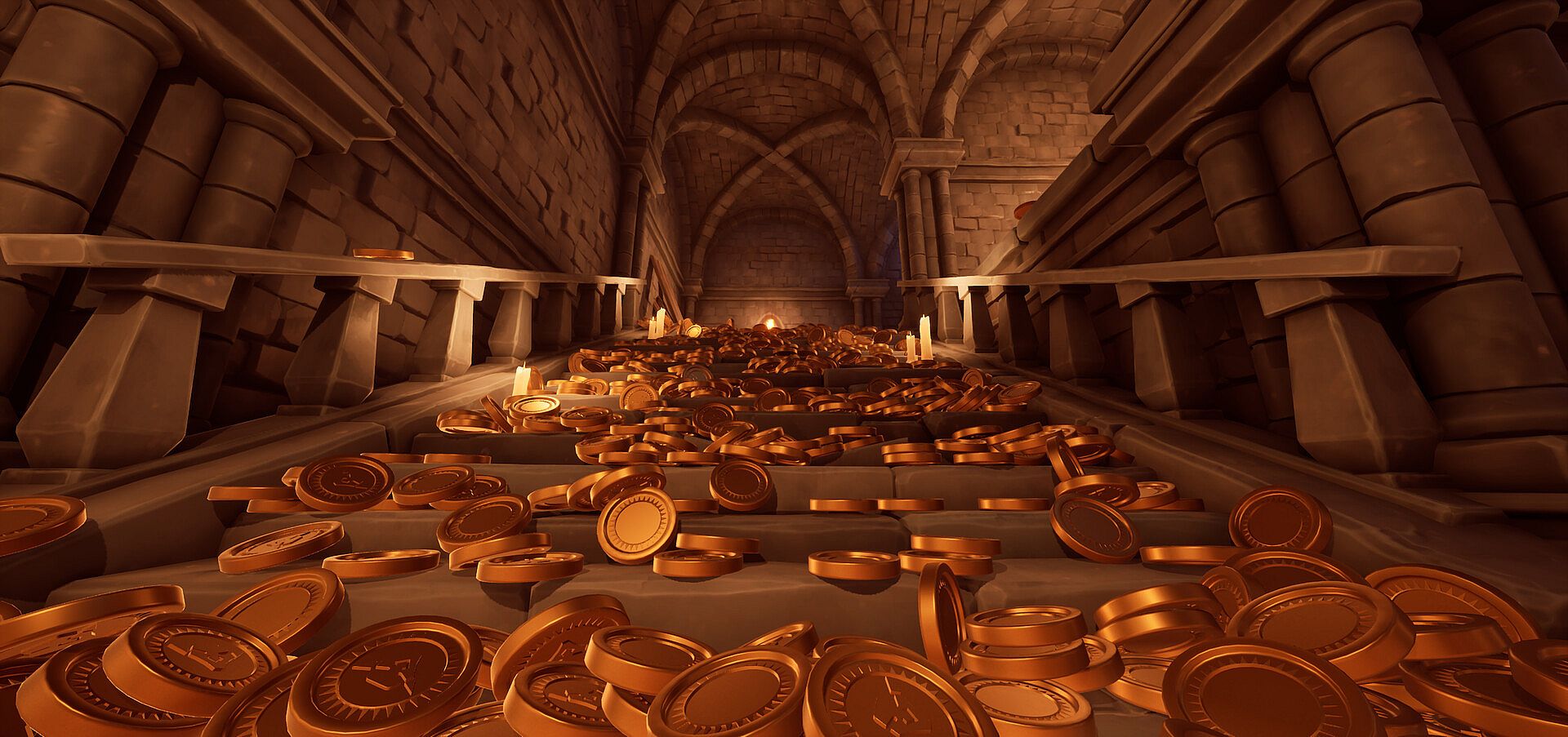
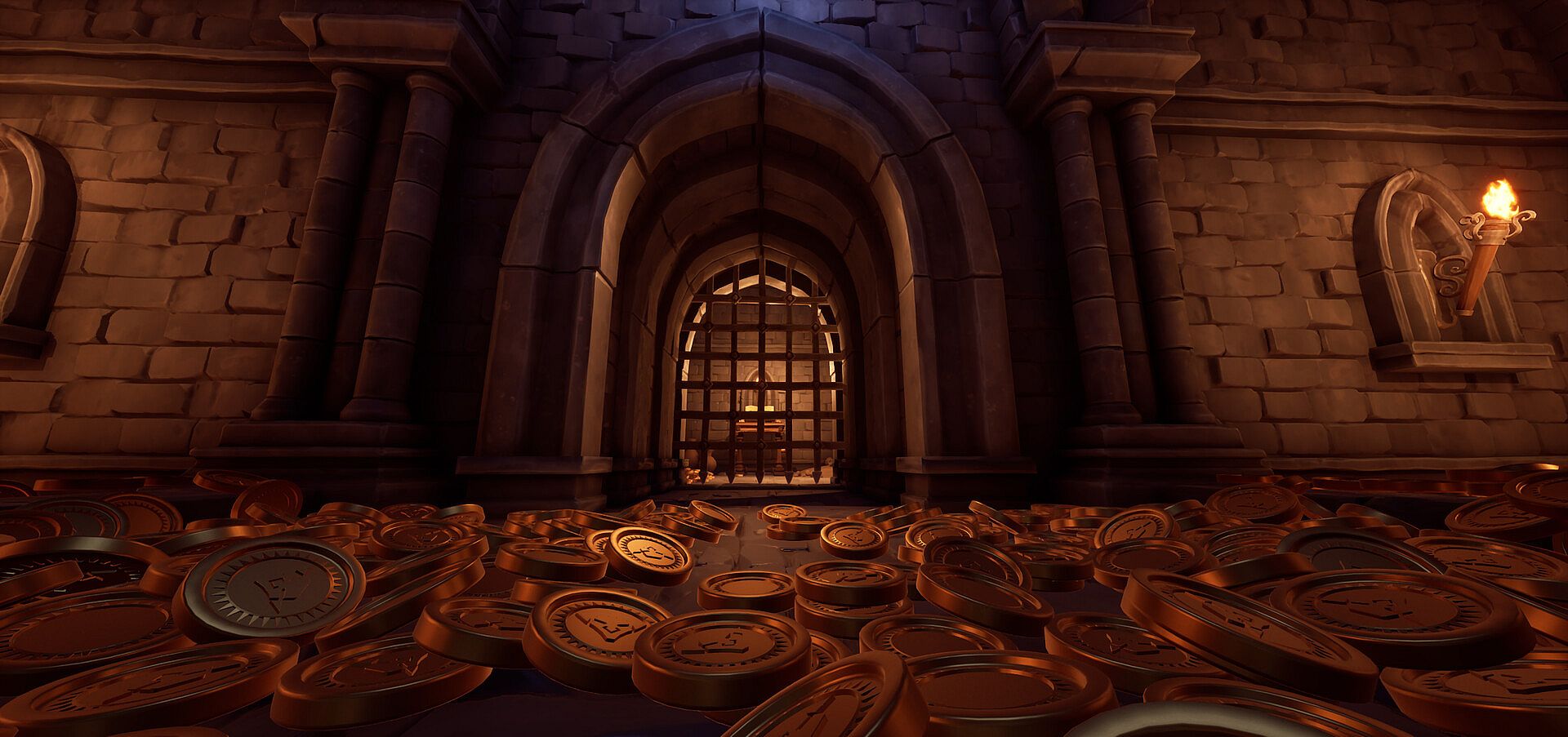
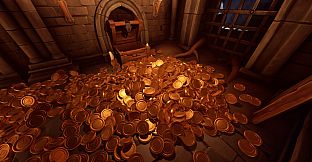
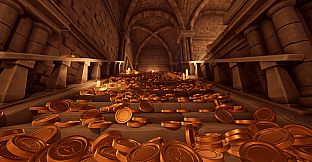
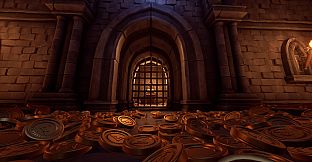
The Coin Goblin is a simulation game for PC in which players take on the role of a collector navigating a dungeon filled with scattered coins. The experience centers on gathering resources, improving efficiency, and progressing further into the environment through upgrades purchased with collected earnings.
Gameplay
Core play revolves around moving through dungeon spaces to pick up coins from the floor. Earnings from these collections fund tool upgrades that improve gathering speed and capacity. As efficiency increases, players can reach deeper sections of the dungeon where more coins become available. The loop emphasizes steady progression through repeated collection runs and reinvestment in better equipment. Single-player focus keeps attention on personal optimization rather than competition or external elements.
Game Modes
The game presents a unified single-player simulation experience built around coin collection and tool progression. Players start with basic gathering methods and expand capabilities over time by unlocking improved options. This structure supports repeated sessions focused on refining techniques and advancing further into the dungeon layout without separate named variants or alternate rulesets.
Progression and Upgrades
Upgrades form the main advancement system. Collected coins convert directly into purchases that enhance tools for faster or more effective collection. Each improvement opens access to previously unreachable areas, creating a clear path from initial basic efforts to more advanced gathering setups. The solo development approach keeps mechanics straightforward and centered on this incremental efficiency cycle.
Is It Worth Playing?
Players interested in simulation titles that emphasize resource gathering and steady mechanical improvement may find value in the focused loop of collection and upgrades. The game remains in a pre-release state with its core concept centered on dungeon coin collection and tool enhancement. Those who enjoy solo progression systems without additional layers such as combat or narrative branches can evaluate it based on how well the described mechanics match their preferences for incremental management gameplay.