

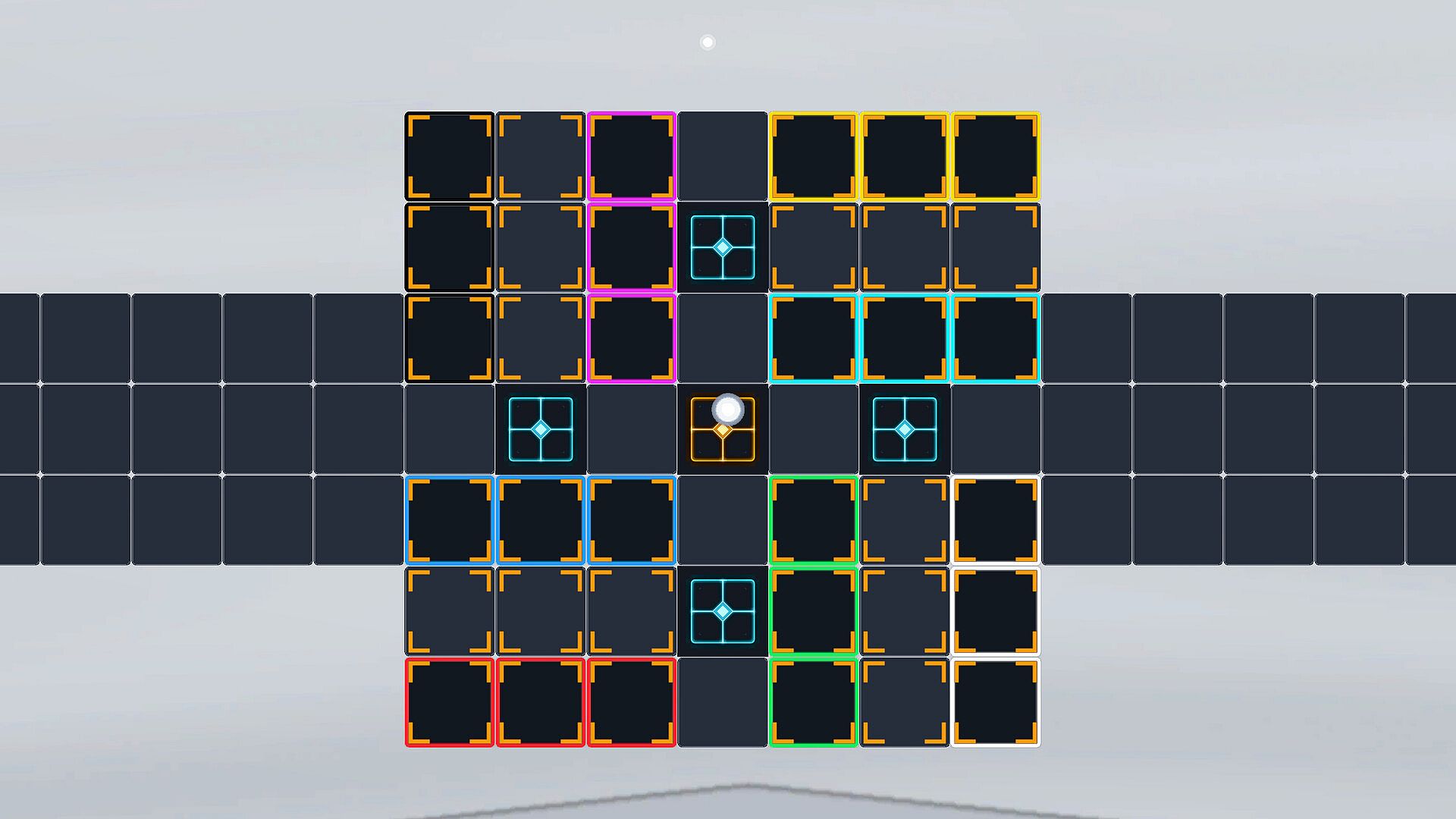
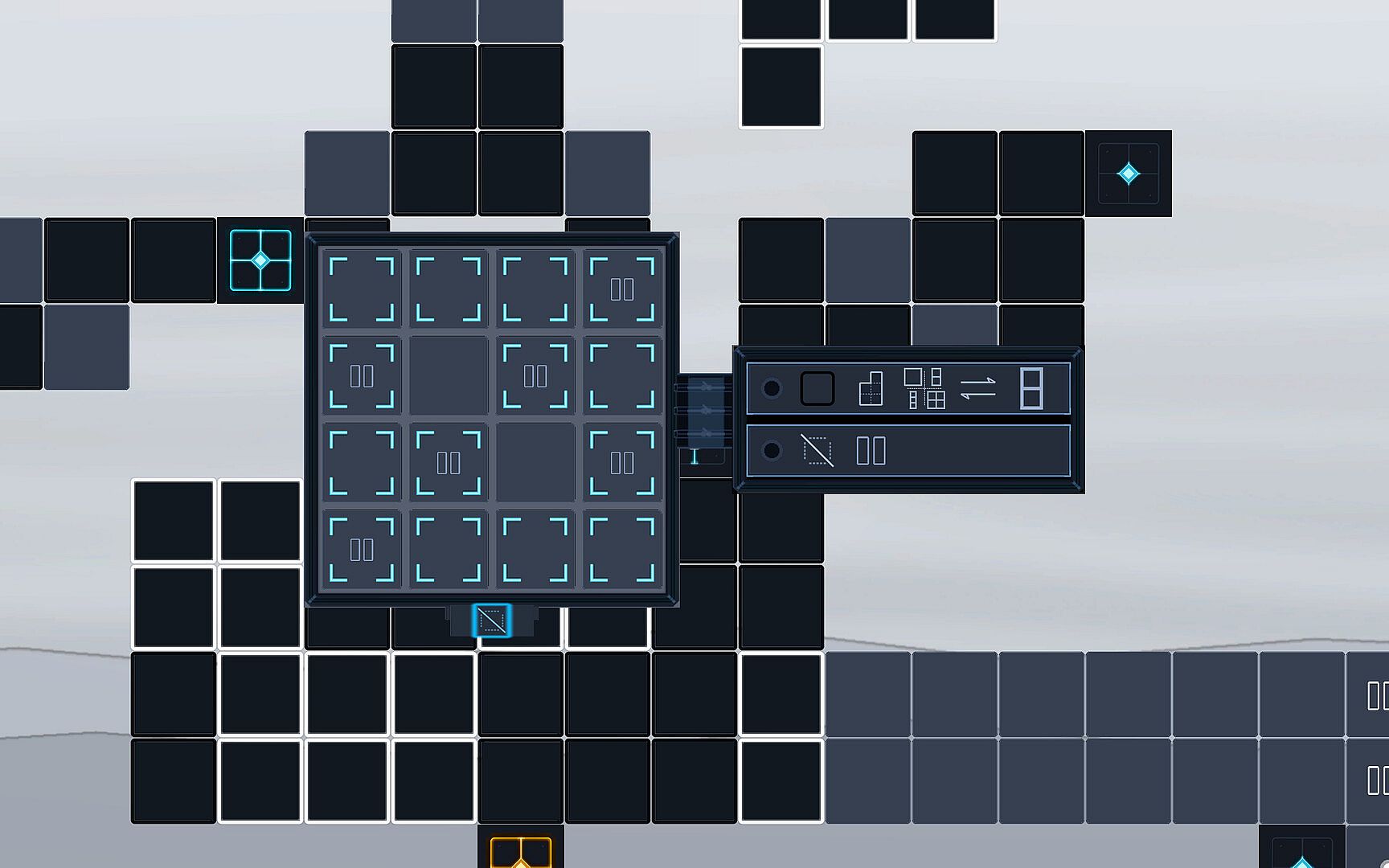
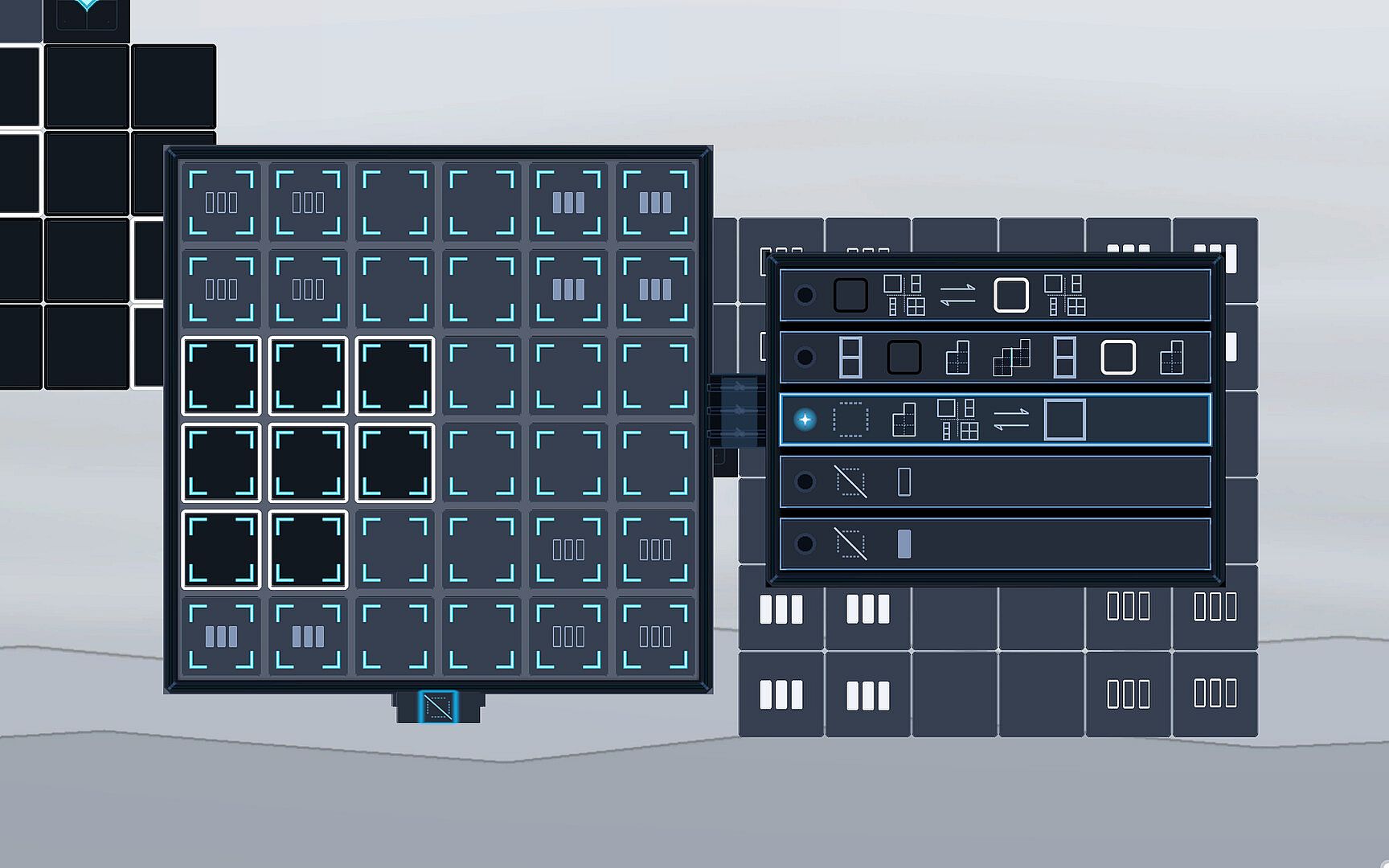
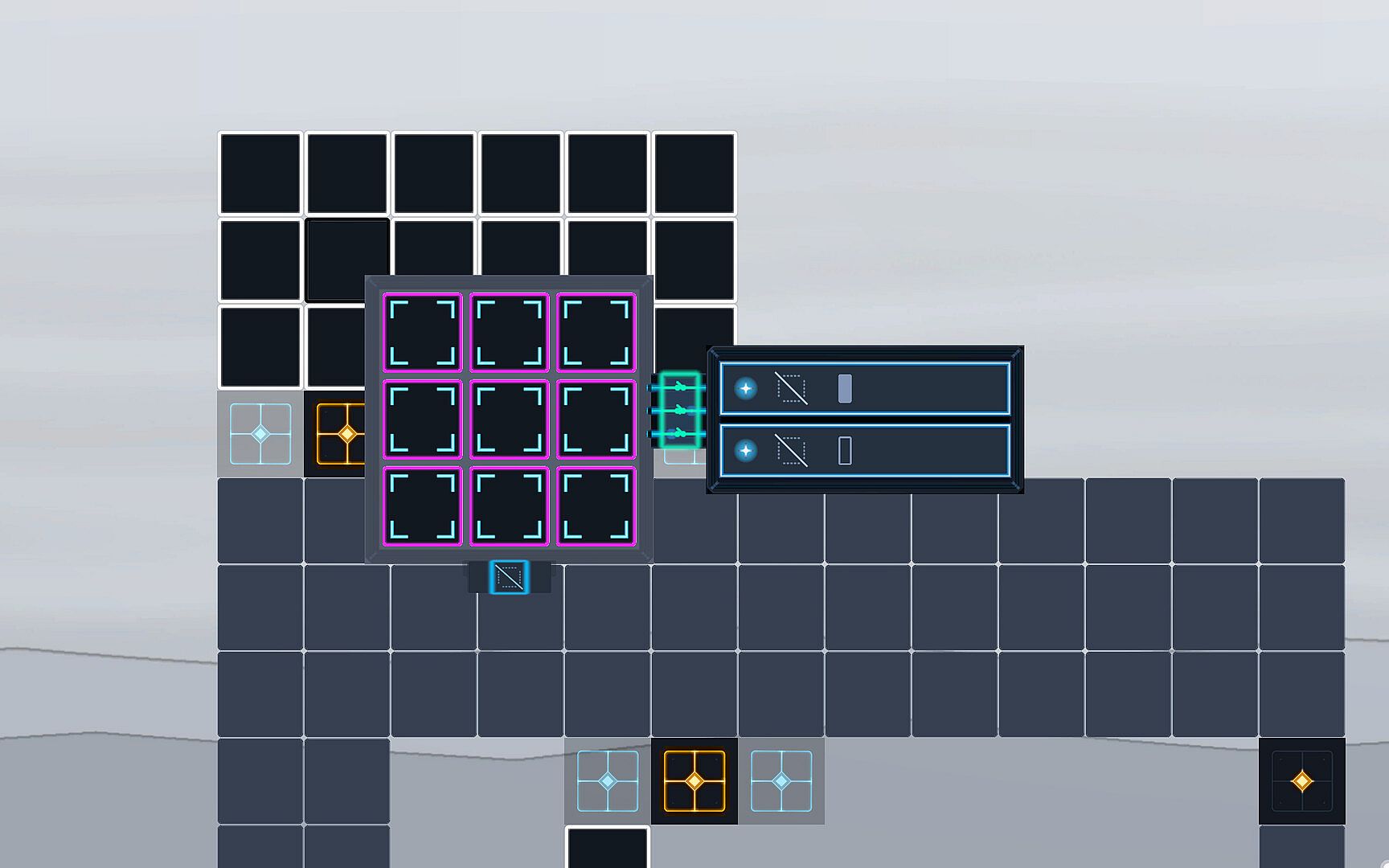
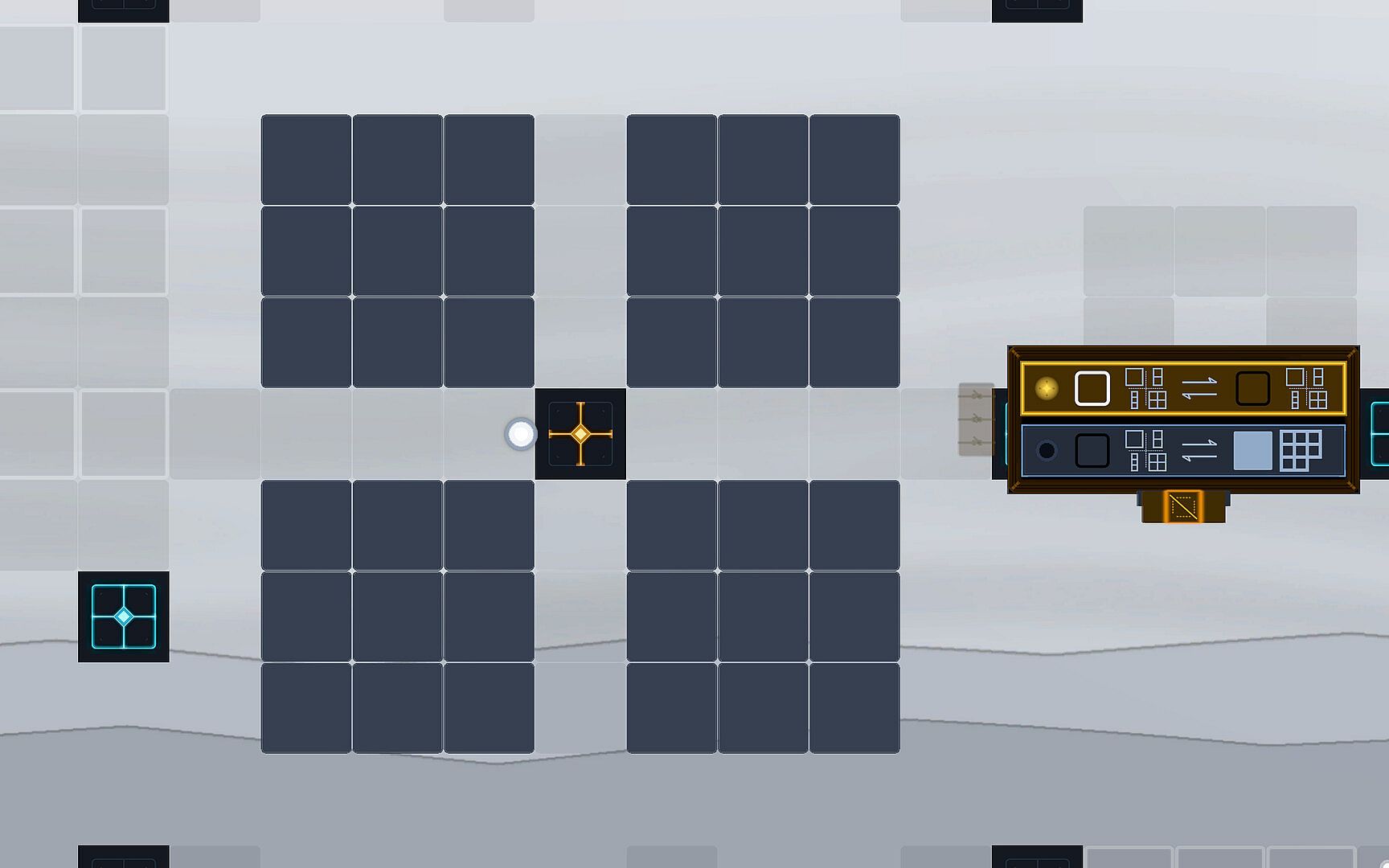
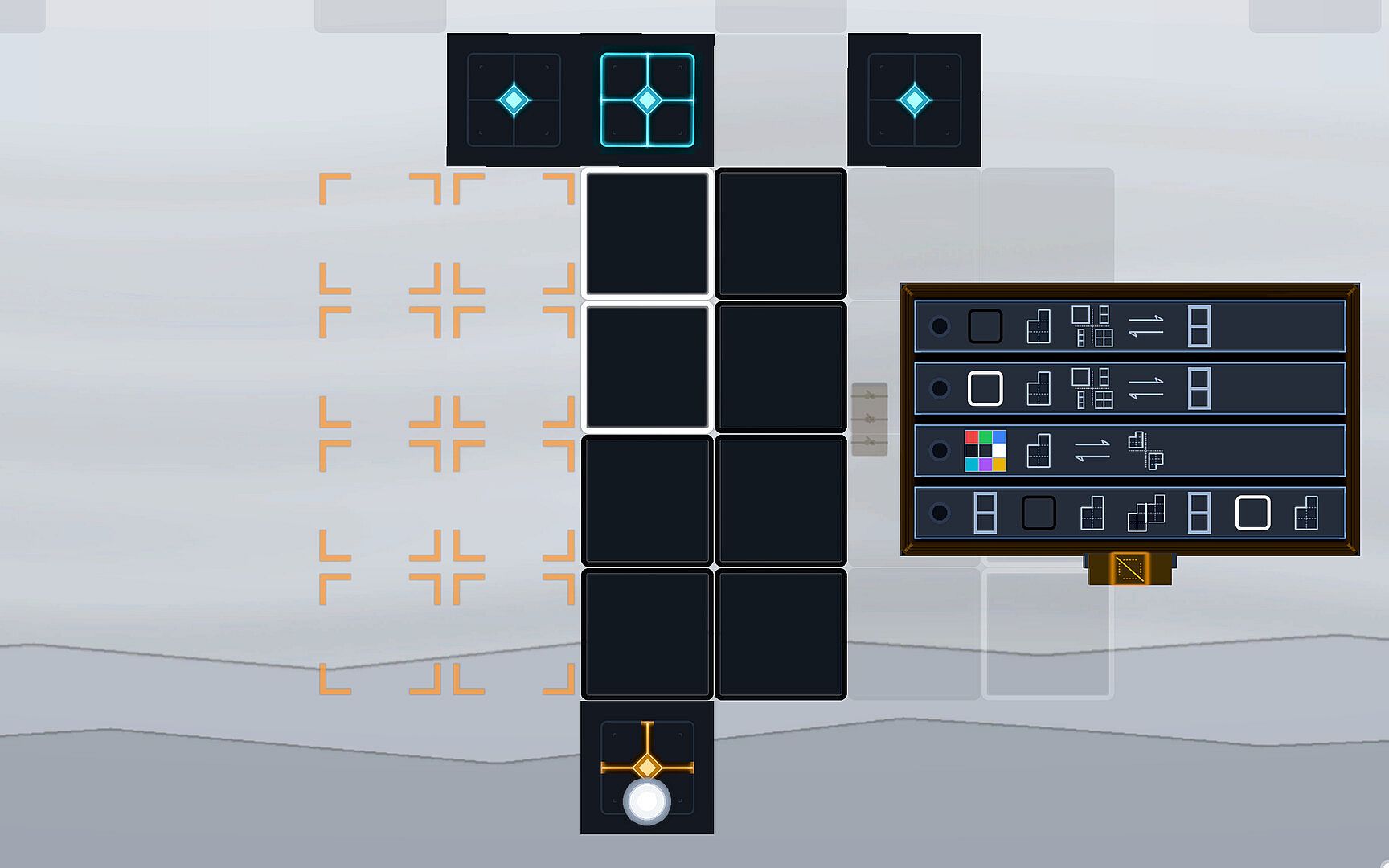





Temple of Glyphs is a logic puzzle game developed as an indie casual title for PC. Players connect glyph-inscribed tiles in sequences that transform them into colored tiles once specific conditions are met. Each puzzle requires careful arrangement to achieve the required transformations and clear the level.
Gameplay
The core loop centers on linking tiles marked with glyphs. Connections must satisfy hidden rules that determine which tiles change color and how the board resolves. Early puzzles introduce basic linking patterns, while later ones layer additional constraints that build on prior solutions. The game reveals glyph meanings gradually through play rather than upfront explanations, encouraging experimentation and pattern recognition as progress continues.
Tile connections form chains across the board, and successful matches convert glyphs into solid colors that fulfill puzzle goals. Failures leave the board unchanged, prompting players to adjust their approach and test different linking orders. The system rewards observation of how individual glyphs interact when joined, turning each attempt into a step toward understanding the underlying logic.
Game Modes
The experience unfolds through a sequence of standalone puzzles. These increase in complexity as new glyph types and transformation rules appear. Players advance by completing each puzzle in turn, with no separate competitive or timed variants confirmed in the available information. The focus remains on methodical solving rather than speed or multiplayer elements.
Is It Worth Playing?
Temple of Glyphs suits players who enjoy deliberate logic puzzles where rules emerge through repeated attempts. The gradual unveiling of glyph functions creates a steady sense of discovery without requiring external guides. As an indie casual release on PC, it offers a contained experience centered on tile connections and color transformations. Those drawn to abstract puzzle mechanics that reward patience and pattern spotting will find the progression aligns with that preference. Limited public reception data exists at this stage, so individual interest in the described tile-linking system serves as the primary indicator of suitability.