


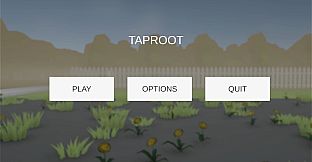
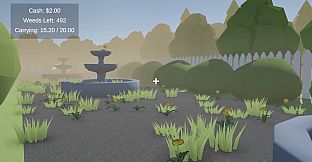
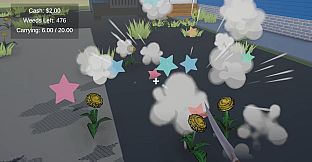
Taproot es un indie casual para PC que sitúa al jugador en la piel de alguien que regresa a una propiedad invadida por la maleza tras una larga ausencia. La experiencia se centra en el trabajo metódico del jardín en primera persona, con el objetivo de arrancar las malas hierbas y devolver el orden al espacio a lo largo de una tarde. Su ritmo pausado y sus acciones deliberadas atraen a quienes buscan una sesión breve y autoconclusiva, sin campañas extensas ni elementos competitivos.
Gameplay
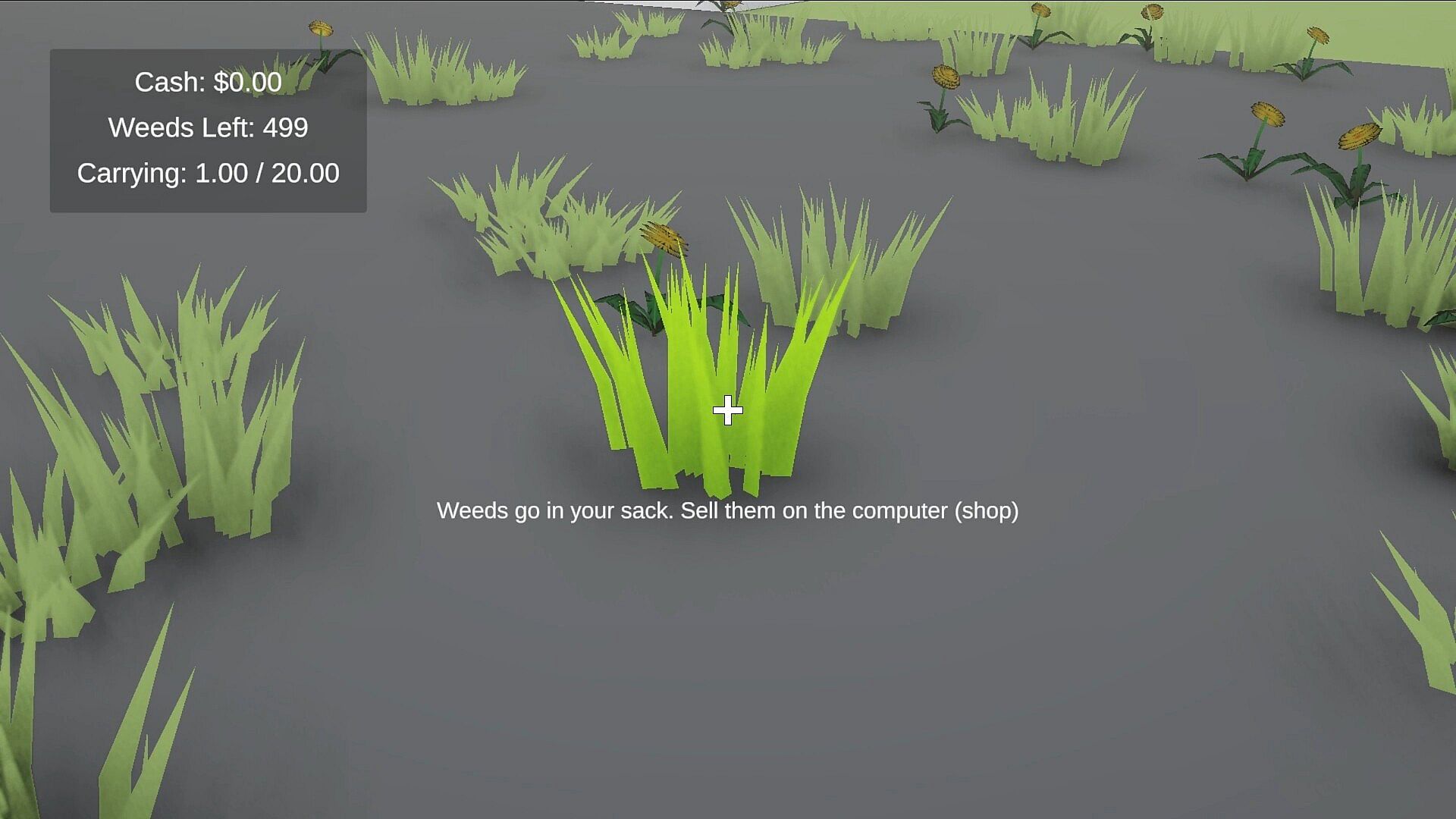
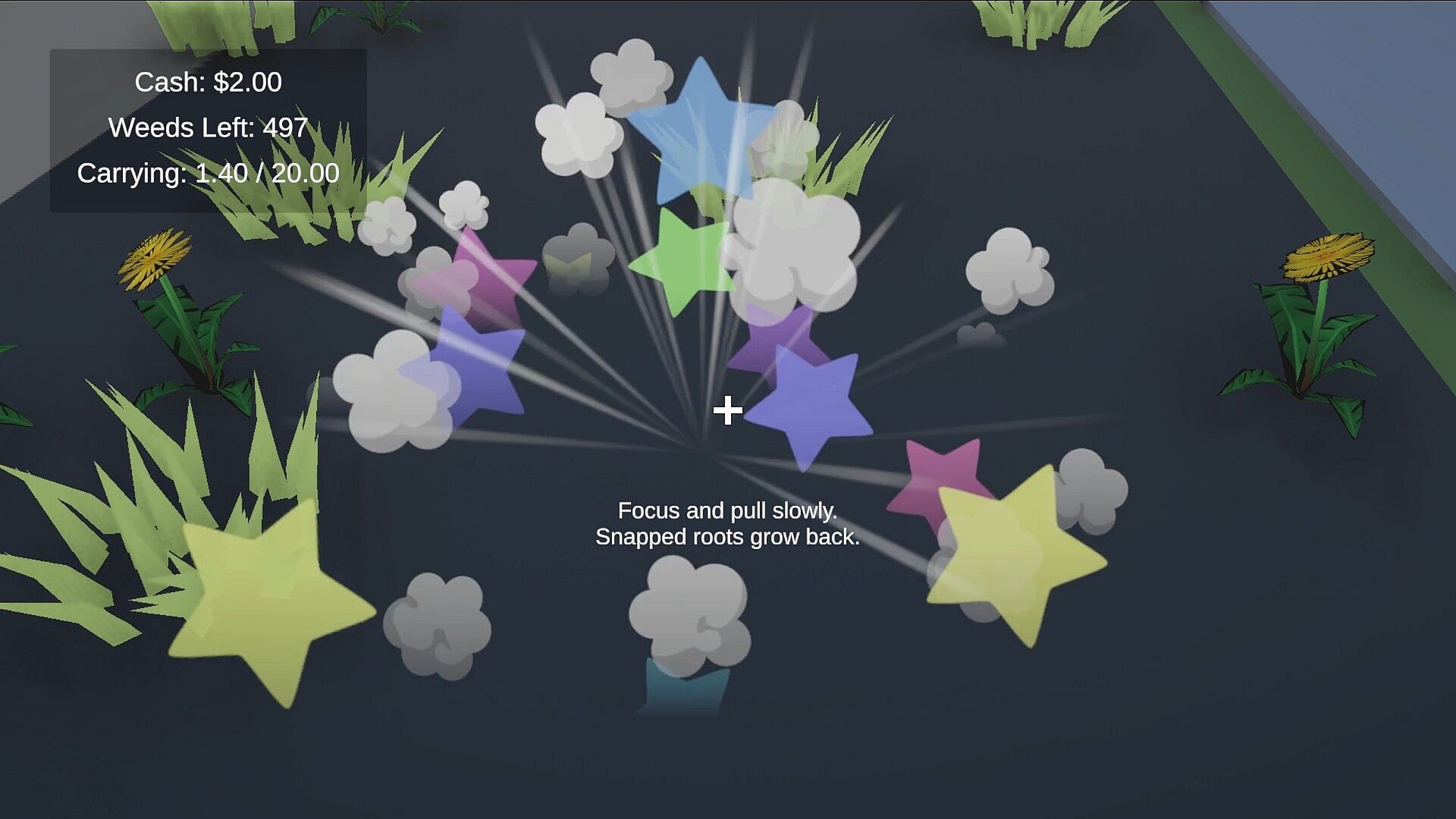
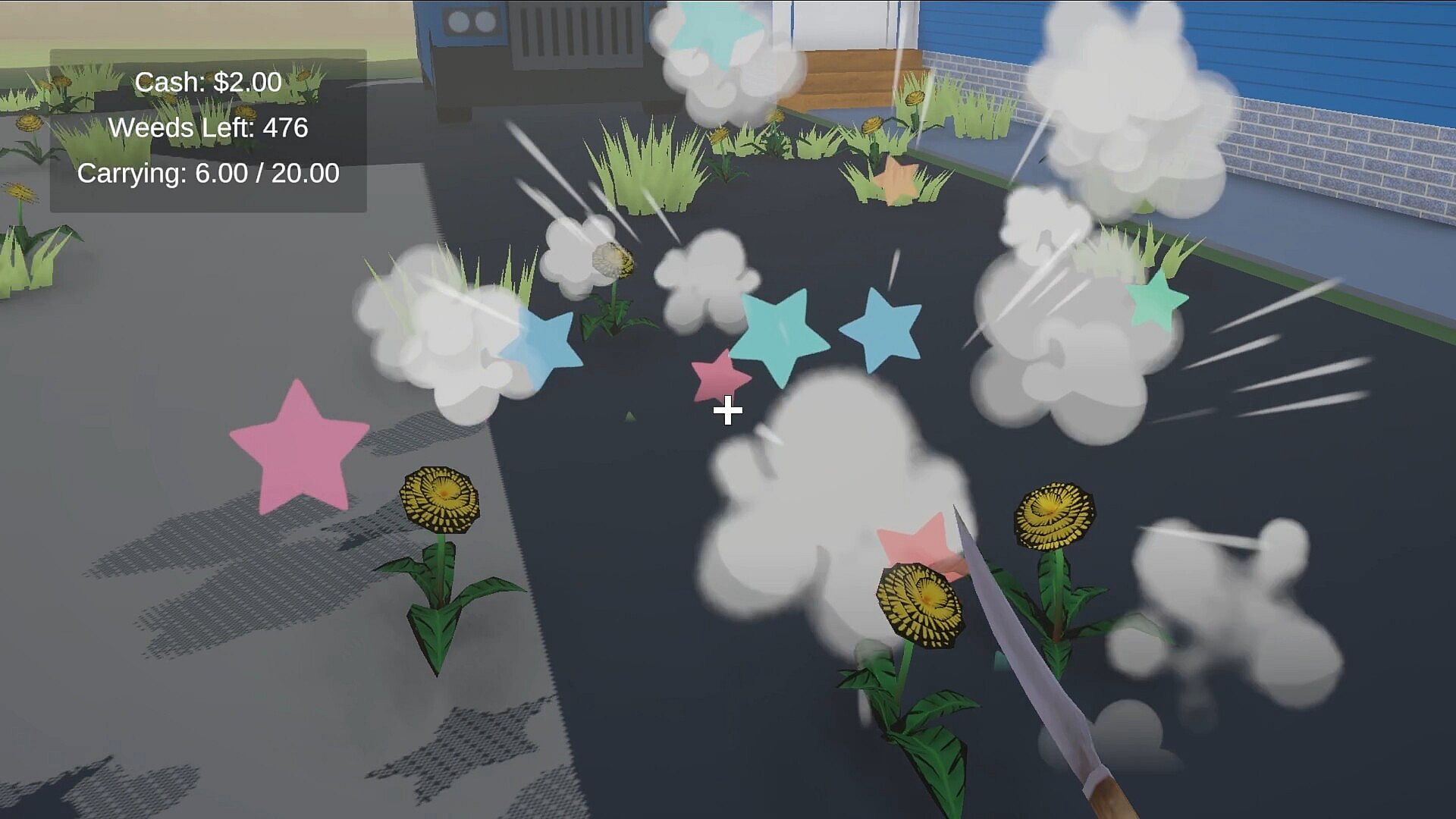
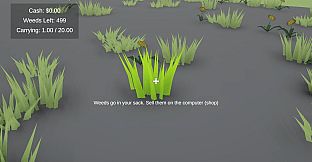
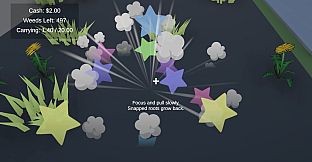
El bucle principal consiste en acercarse a las malas hierbas repartidas por la propiedad y usar un sistema de arranque para retirarlas. El jugador mantiene pulsado el botón de interacción para tirar de las raíces de forma constante y solo las suelta cuando la planta se desprende. Si suelta antes de tiempo o cambia de objetivo, la raíz se rompe y la hierba permanece intacta, obligando a intentarlo de nuevo. Existen tres tipos de maleza: diente de león, hierbas comunes y grama, cada una con una ligera diferencia en la resistencia al tirar.
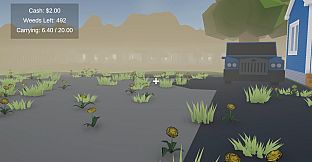
Cuando el saco se llena de vegetación arrancada, el jugador lo lleva al cobertizo para venderlo. El dinero obtenido permite comprar herramientas mejoradas que agilizan las tareas de limpieza. La propiedad incluye un camino de entrada, senderos y una zona de cobertizo donde la vegetación ha invadido el espacio, creando un entorno contenido para el trabajo. Una vez retirada la última hierba, el sol se pone y el jugador puede caminar libremente por el terreno despejado sin más objetivos.
Las mecánicas eliminan la presión al no incluir temporizadores ni penalizaciones por arranques imperfectos. El movimiento es sencillo y se centra en desplazarse entre los parches de maleza y el cobertizo. La sesión termina de forma natural al completar la limpieza, ofreciendo un inicio y un final definidos sin sistemas de progresión continuos ni capas adicionales.
Game Modes
Taproot ofrece una experiencia para un solo jugador centrada en la limpieza de la propiedad. No existen modos aparte de este bucle principal, que se desarrolla en una sesión continua de aproximadamente una hora. El diseño mantiene toda la actividad dentro del mismo entorno invadido por la maleza, sin ramificaciones, escenarios alternativos ni opciones multijugador.
La progresión depende directamente de las herramientas mejoradas que se compran con el dinero de las ventas. Estas mejoras afectan a la velocidad y eficiencia del arranque, pero no desbloquean nuevas zonas ni modifican la tarea principal. El juego mantiene un enfoque constante en un trabajo tranquilo e ininterrumpido desde el principio hasta el final.
Atmósfera y ritmo
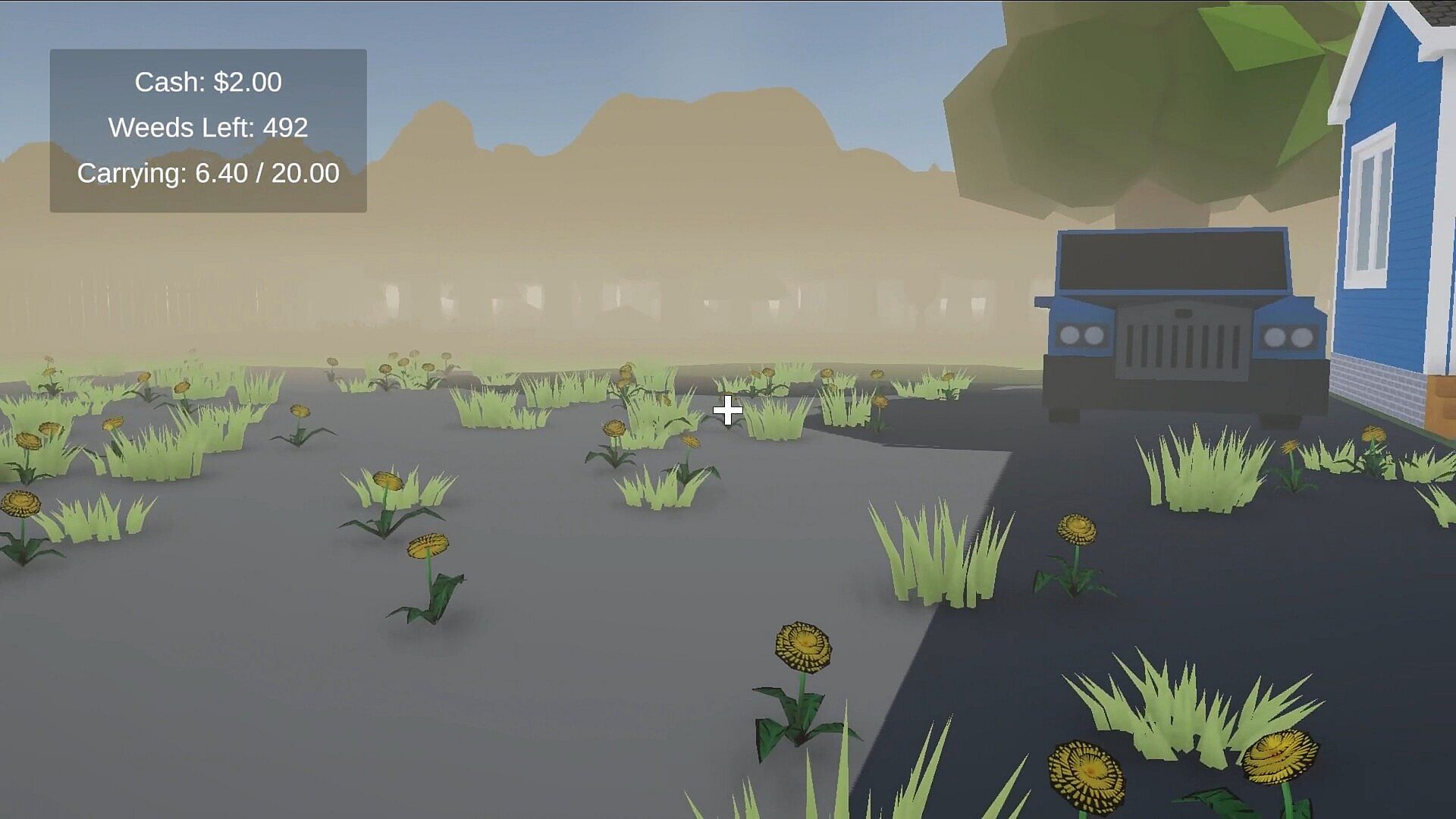
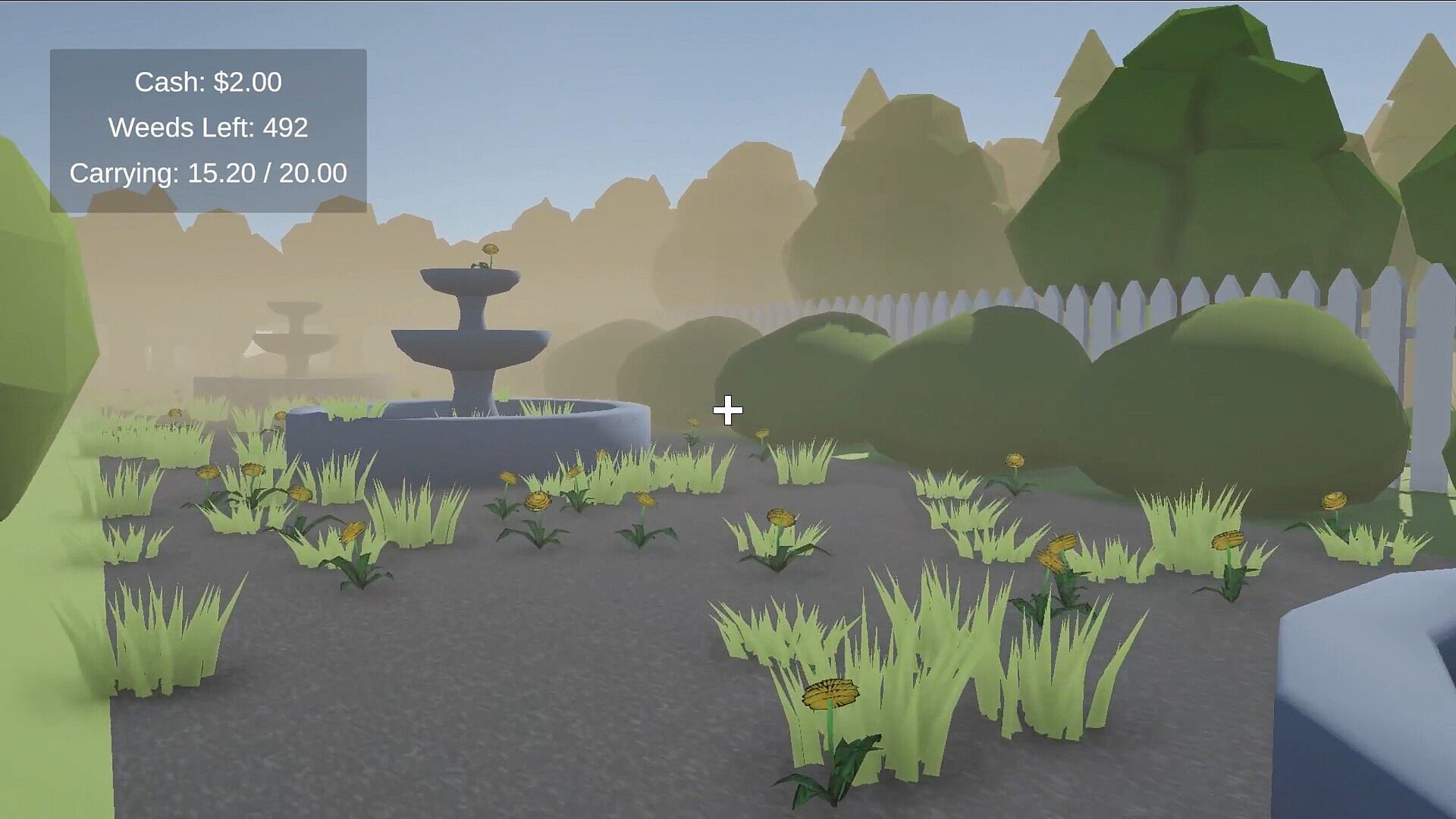
El entorno refleja un largo abandono, con vegetación que emerge por las grietas del camino de entrada y cubre el sendero hacia la puerta. Los detalles visuales destacan el estado de abandono, incluida la vegetación que crece desde la losa del cobertizo. El audio refuerza el tono relajado, con una pieza clásica en el tráiler que acompaña el ritmo pausado de la actividad.
El ritmo permite al jugador moverse a su propio paso entre tareas. No hay urgencia por completar los arranques rápidamente ni por gestionar múltiples amenazas. La estructura garantiza que toda la actividad quepa en una tarde definida, sin extenderse a repeticiones ni a exploración abierta tras completar la tarea principal.
¿Merece la pena jugarlo?
Taproot está dirigido a jugadores que prefieren sesiones cortas y enfocadas en un solo jugador, centradas en tareas simples y repetitivas con una conclusión satisfactoria. La ausencia de estados de fallo o temporizadores lo hace accesible para quienes buscan una actividad sin estrés que comienza y termina de forma clara. Las mejoras de herramientas ofrecen una sensación moderada de progreso dentro de la hora de juego, mientras que el paseo final por la propiedad despejada proporciona un momento de reflexión.
Dado que el juego aún no está disponible y no existen reseñas de usuarios, su atractivo se basa en las mecánicas y la estructura descritas. Quienes se sientan atraídos por los indies casuales que destacan acciones deliberadas y una experiencia contenida pueden encontrar en él algo acorde a sus preferencias. El título evita elementos habituales como combates, ramificaciones argumentales o juego competitivo, ofreciendo en su lugar un bucle directo de mantenimiento del jardín en primera persona.