


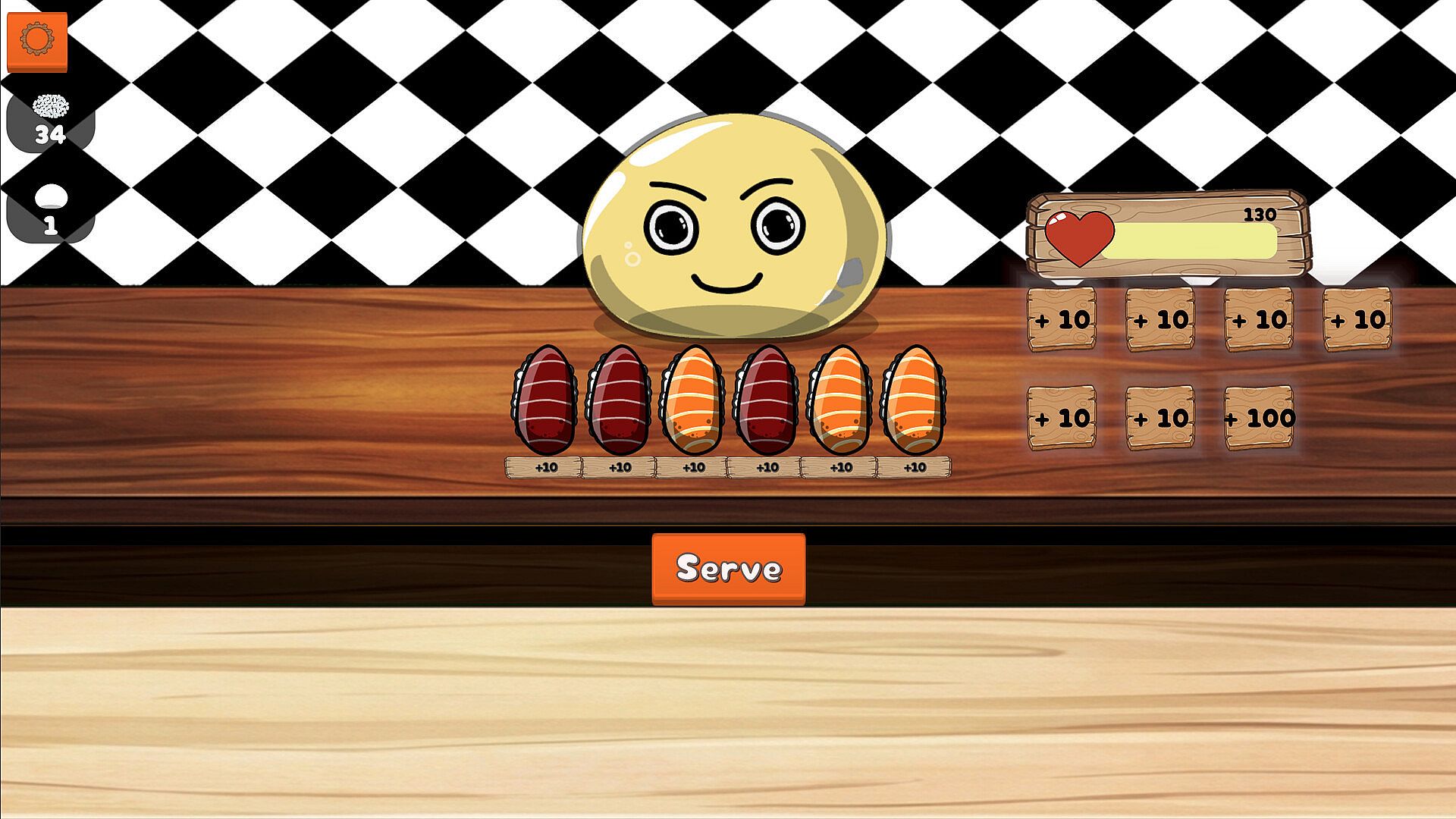





Sushi Sushi is a cozy strategy indie game that blends roguelike deckbuilding with casual management elements on PC. Players take on the role of Futago, an ambitious chef who operates a food truck in an enigmatic realm populated by slimes that value handcrafted sushi above all else. Kindness serves as the primary currency in this setting, shifting the focus from conflict to creative preparation and positive interactions.
Gameplay
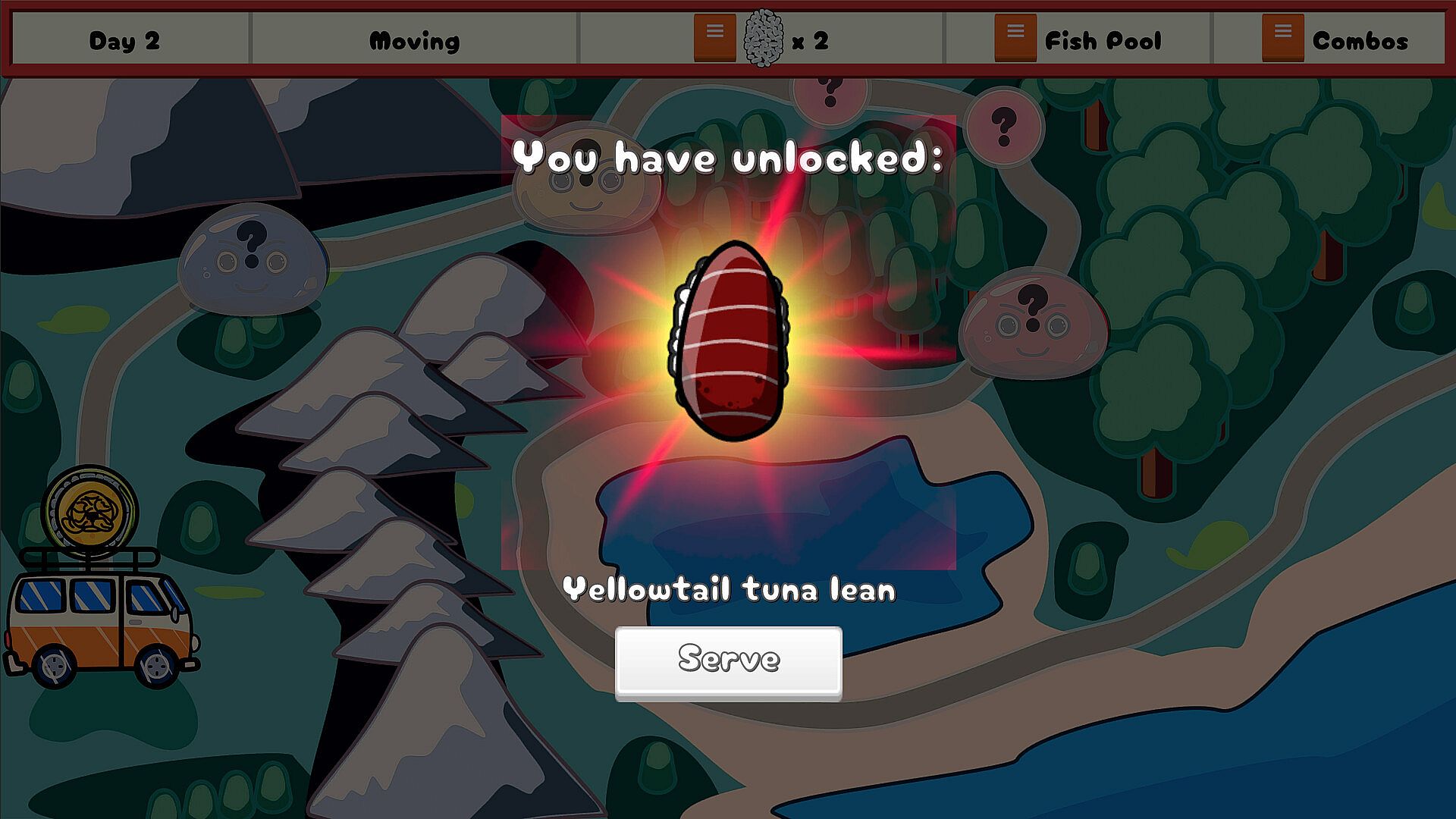
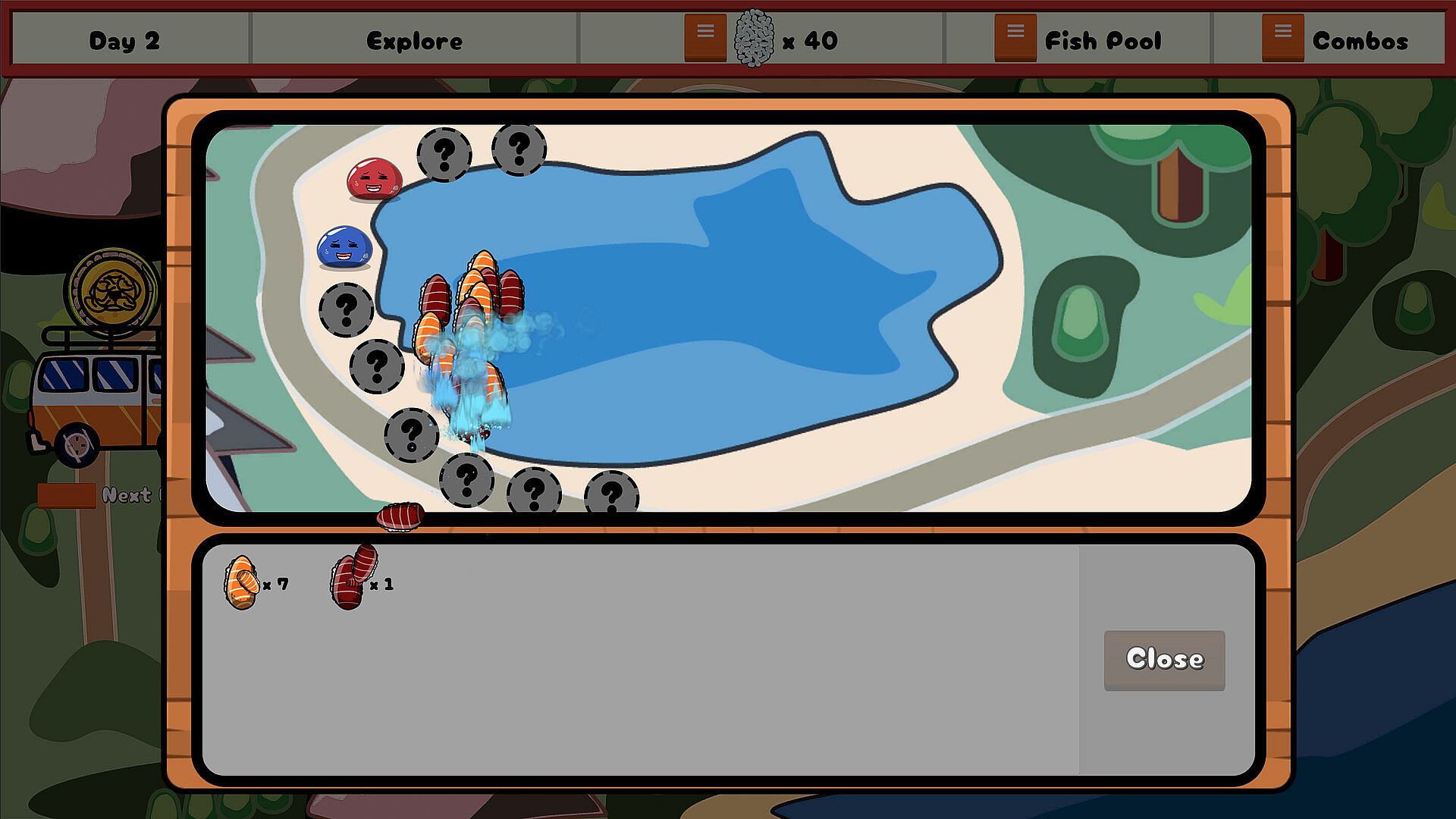
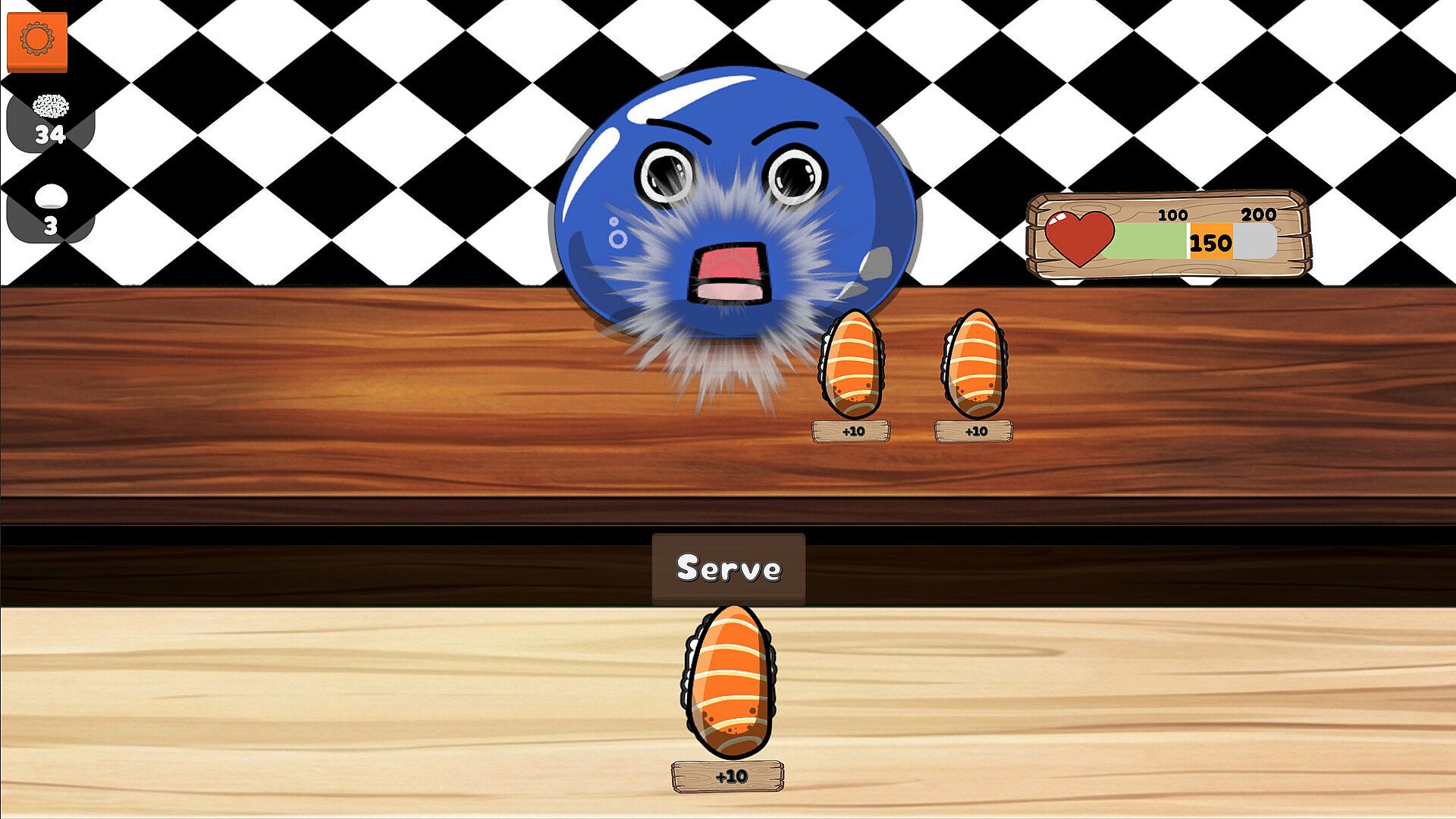
The core loop centers on drafting ingredients during runs to build and refine a deck of sushi recipes. Each decision involves selecting components that enable chaining combos for more effective servings. Exploration takes players through varied biomes where the food truck travels, allowing encounters that emphasize non-combat problem solving through culinary creativity rather than direct confrontation. The system rewards thoughtful deck construction that turns basic ingredients into elaborate, high-value sushi offerings tailored to the preferences of local inhabitants.
Mechanics highlight resource management tied to kindness exchanges, where successful sushi creations strengthen relationships and unlock further opportunities. The roguelike structure means each attempt introduces procedural variations in ingredient availability and biome layouts, encouraging repeated plays to experiment with different deck synergies. Casual pacing keeps sessions approachable while the strategy layer demands careful planning around combo potential and long-term deck evolution.
Game Modes
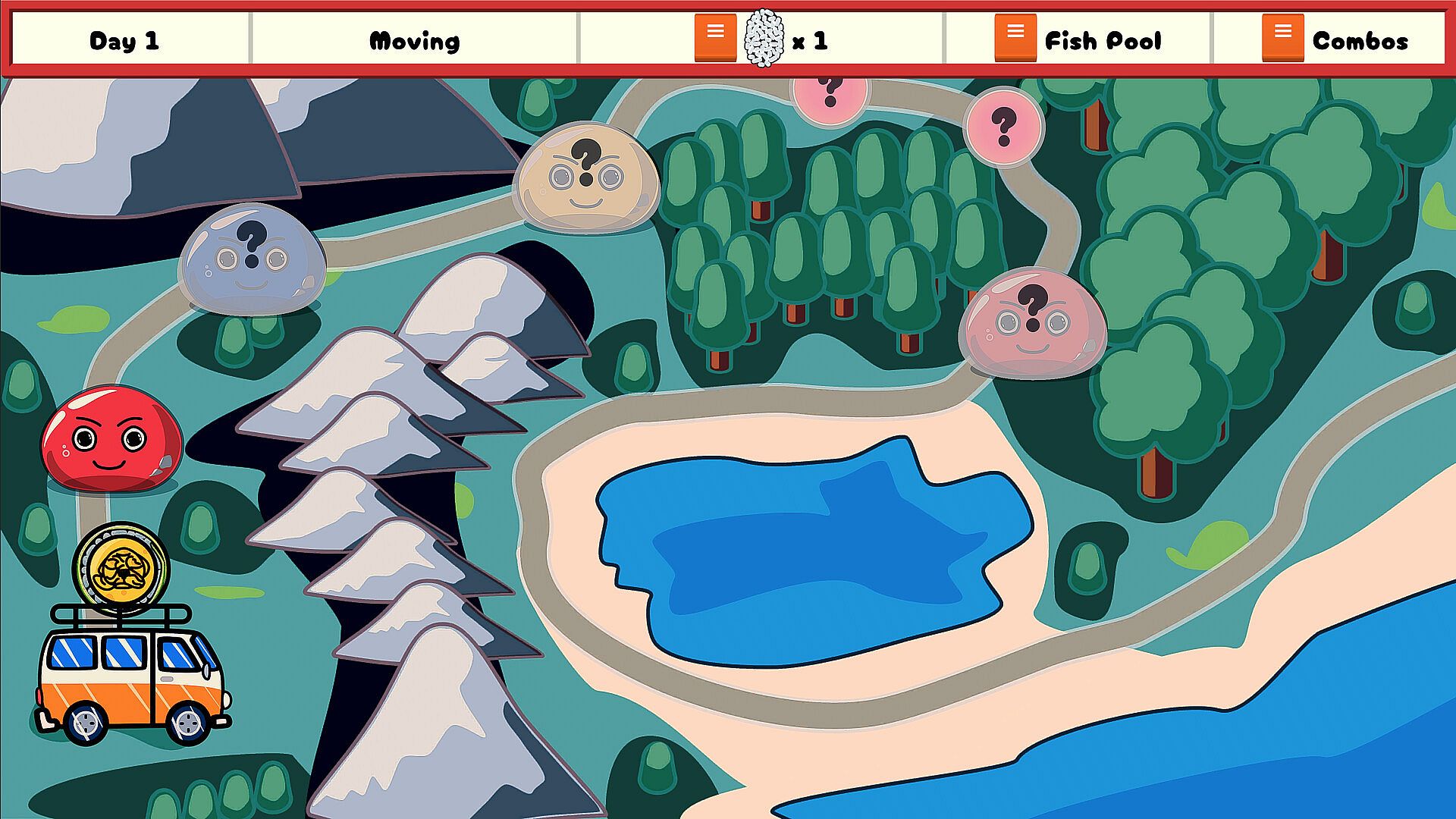
Progression unfolds through successive roguelike runs that build on previous outcomes. Players navigate the world map with the food truck, stopping at locations to gather ingredients and serve slimes in sequence. These runs incorporate deckbuilding choices at key points, with outcomes influencing available options in future attempts. The absence of combat shifts emphasis to efficient recipe chaining and adaptive responses to the needs encountered along the way.
Overall structure supports both shorter sessions focused on quick deck tests and longer explorations that accumulate upgrades through sustained kindness accumulation. The design integrates casual accessibility with strategic depth, allowing different approaches to ingredient drafting and combo execution across multiple attempts.
Setting and Atmosphere
The game world presents an inviting yet mysterious environment centered on culinary adventure. Vibrant biomes provide visual variety as the food truck moves between areas, each with distinct characteristics that affect ingredient types and slime interactions. The emphasis on handcrafted sushi creates a thematic thread that ties together the deckbuilding and exploration elements into a cohesive experience.
Futago's journey highlights themes of ambition and connection in a realm where food preparation fosters goodwill. This setup supports the casual tone while embedding strategic choices within the narrative of running a mobile sushi operation.
Is It Worth Playing?
Sushi Sushi appeals to players who enjoy strategy games with a relaxed pace and creative deckbuilding focus. The non-combat roguelike format offers replayability through varied runs and ingredient combinations without requiring intense reflexes or competitive elements. Those drawn to indie titles that combine management simulation with roguelike progression will find the food truck concept and slime interactions distinctive.
Availability on PC makes it accessible for solo play sessions of varying lengths. The game suits individuals seeking a fresh take on deckbuilders where success comes from culinary ingenuity and positive exchanges rather than traditional battle systems. Its current development stage includes a demo that demonstrates the core drafting and combo mechanics, providing a solid basis for deciding on full engagement.