


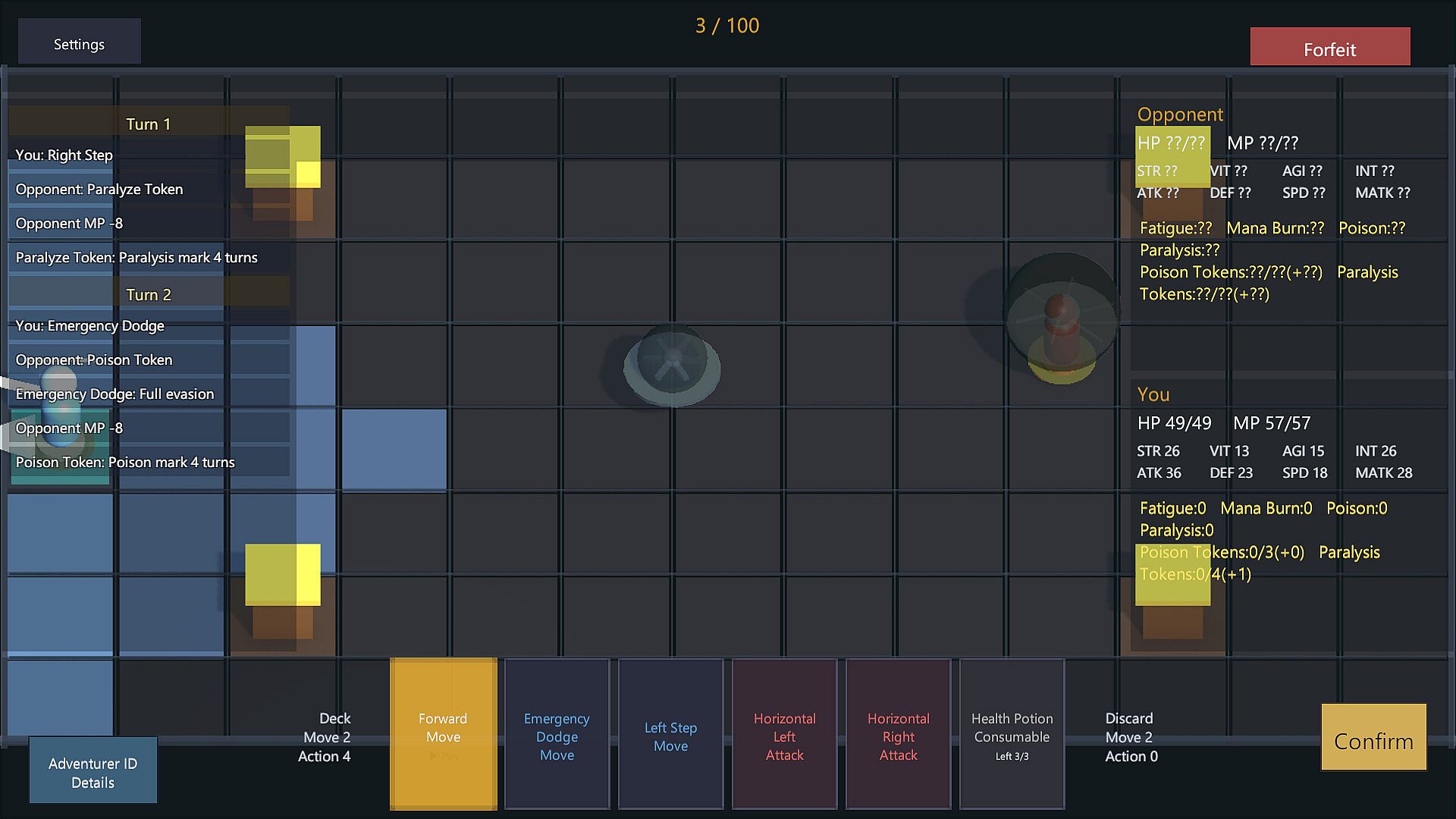
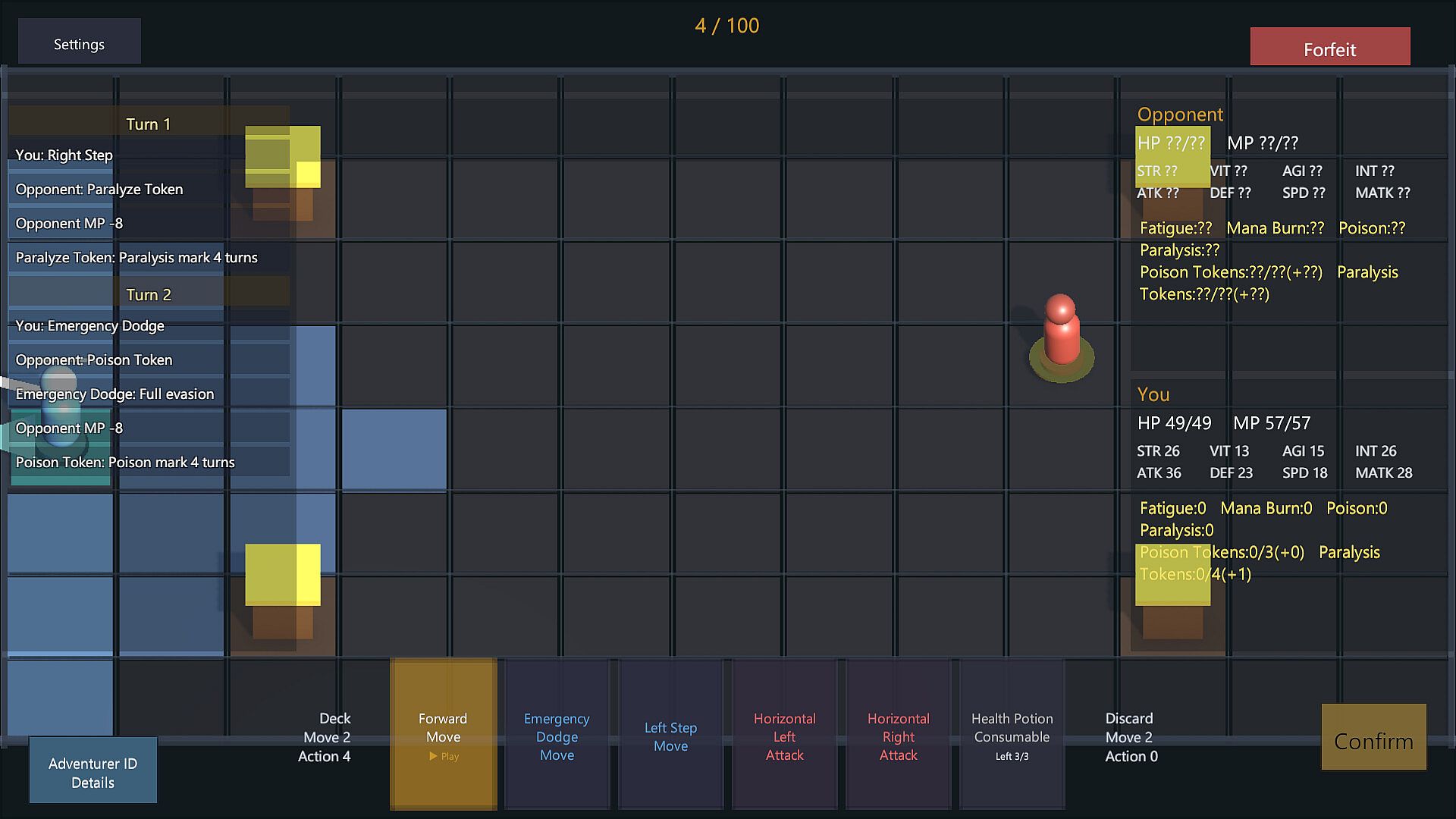
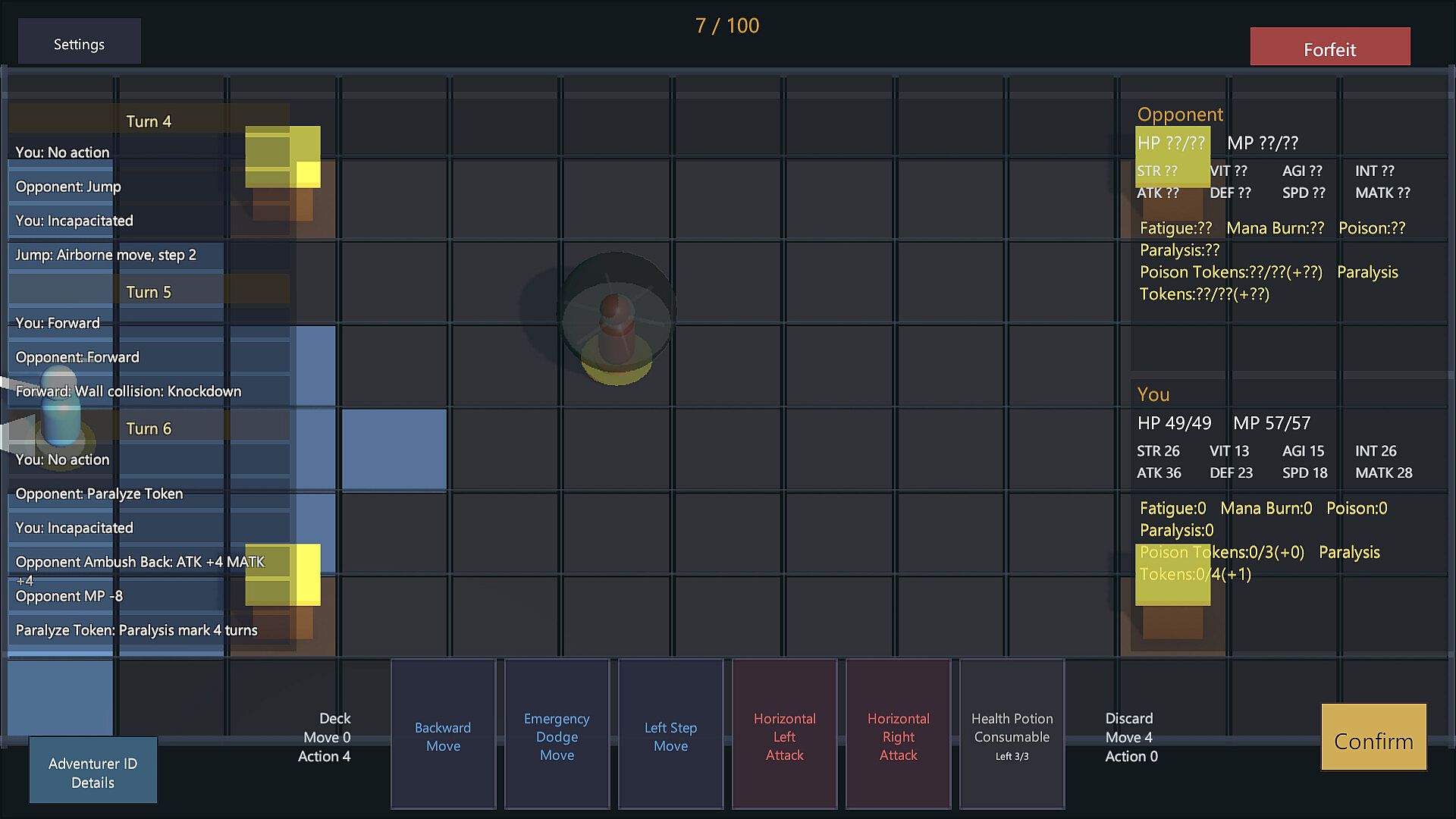
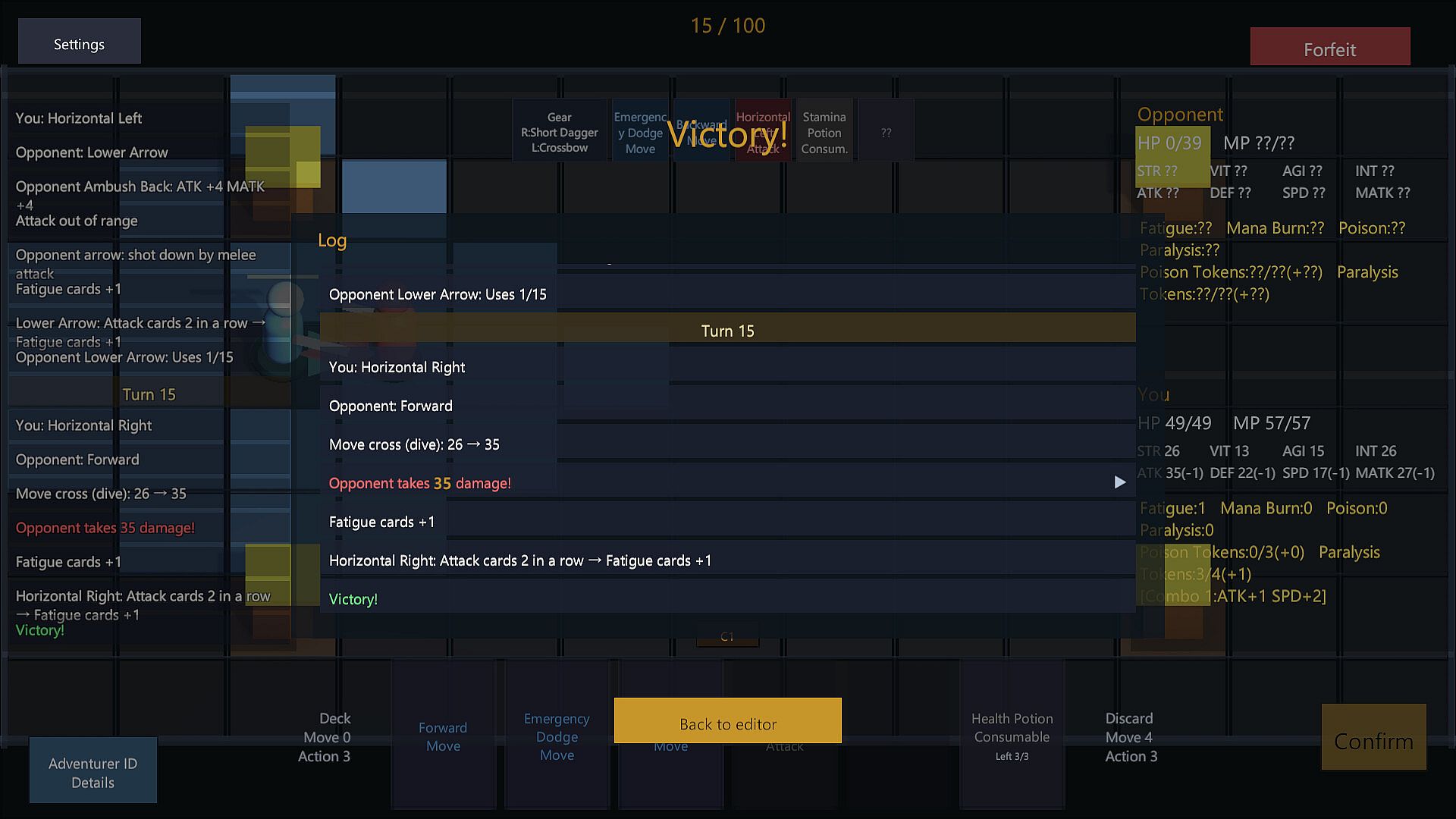
Speed RPG is a free-to-play indie RPG for PC that blends simultaneous card resolution with grid-based tactics. Players select one card to play and one to discard from a hand of three movement options and three actions each turn. Both players commit choices in secret, and resolutions occur at the same moment, creating a layer of prediction and risk assessment that defines every encounter.
Gameplay
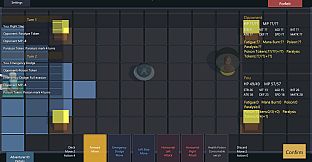
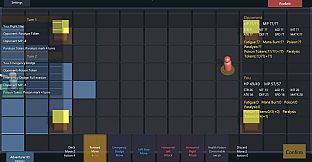
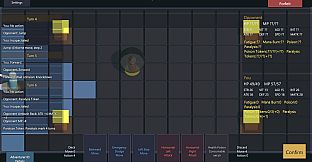
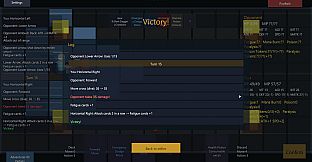
Combat unfolds on a 13x8 grid where positioning delivers clear advantages. Strikes from the flank grant a +2 bonus to attack power, while attacks from behind add +4. Players can use Dodge Step to reposition around opponents, and facing directions matter because stepping onto the same tile locks the pair in melee. Shoving an enemy into an obstacle risks Knockdown, and obstacles like pillars force route adjustments throughout the match.
Speed differences alter the action economy. Leading an opponent by 60 or more in speed allows two cards per turn, and a lead of 80 or more permits three. Combo chains on physical melee attacks build a bonus to attack and speed that lasts through one additional move before resetting. Defenders have options too, including full or partial shield blocks, Airborne movement that ignores ground melee at a mana cost, and the ability to shoot down arrows.
Information asymmetry adds tension. Opponent hands, health, and mana stay hidden by default. Scouting reveals the three tiles around the player, with presence markers indicating direction beyond that range. Eye skills such as Foresight Eye, Far Sight Eye, Observation Eye, and Analysis Eye remove fog and help predict the next card. Mid- and high-tier spells require a Chant commitment that leaves the caster Defenseless for the turn.
Game Modes
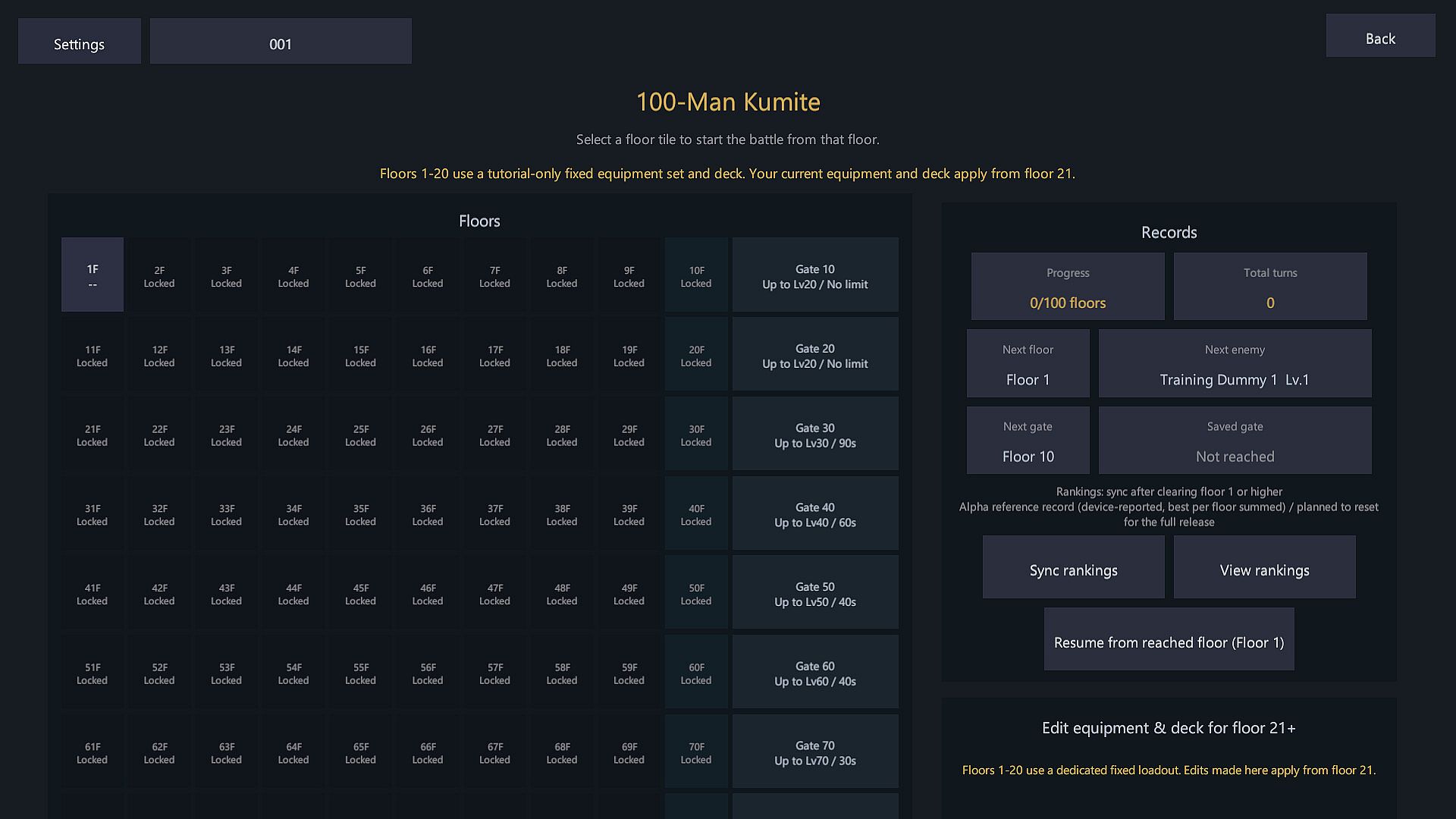
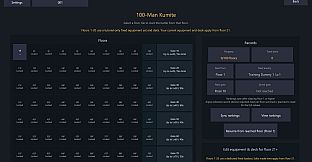
100-Man Kumite serves as the main single-player progression. Players climb 100 floors of PvE encounters. The first 20 floors act as a four-chapter tutorial, and gates every 10 floors allow runs to resume. Higher floors increase enemy difficulty and reduce the turn timer, reaching just six seconds per turn from floor 91 onward.
Practice Kumite offers local PvE sparring with complete control over enemy setup, equipment, and decks. Kumite Matchmaking provides online matches under even conditions, locked at level 50 with a 40-second turn timer and training weapons. A tag or bounty system operates here, and letting the timer expire locks in No Action, leaving the player Defenseless.
Room Match supports private games through an eight-character code. The host configures the level between 1 and 80 and sets the turn timer. Rankings track performance in 100-Man Kumite by floor reached and total turns, plus nine views of Kumite Matchmaking data that include role-play tags and win rates. Online features and rankings require an online name registration, though local play works without it.
Deck Building and Builds
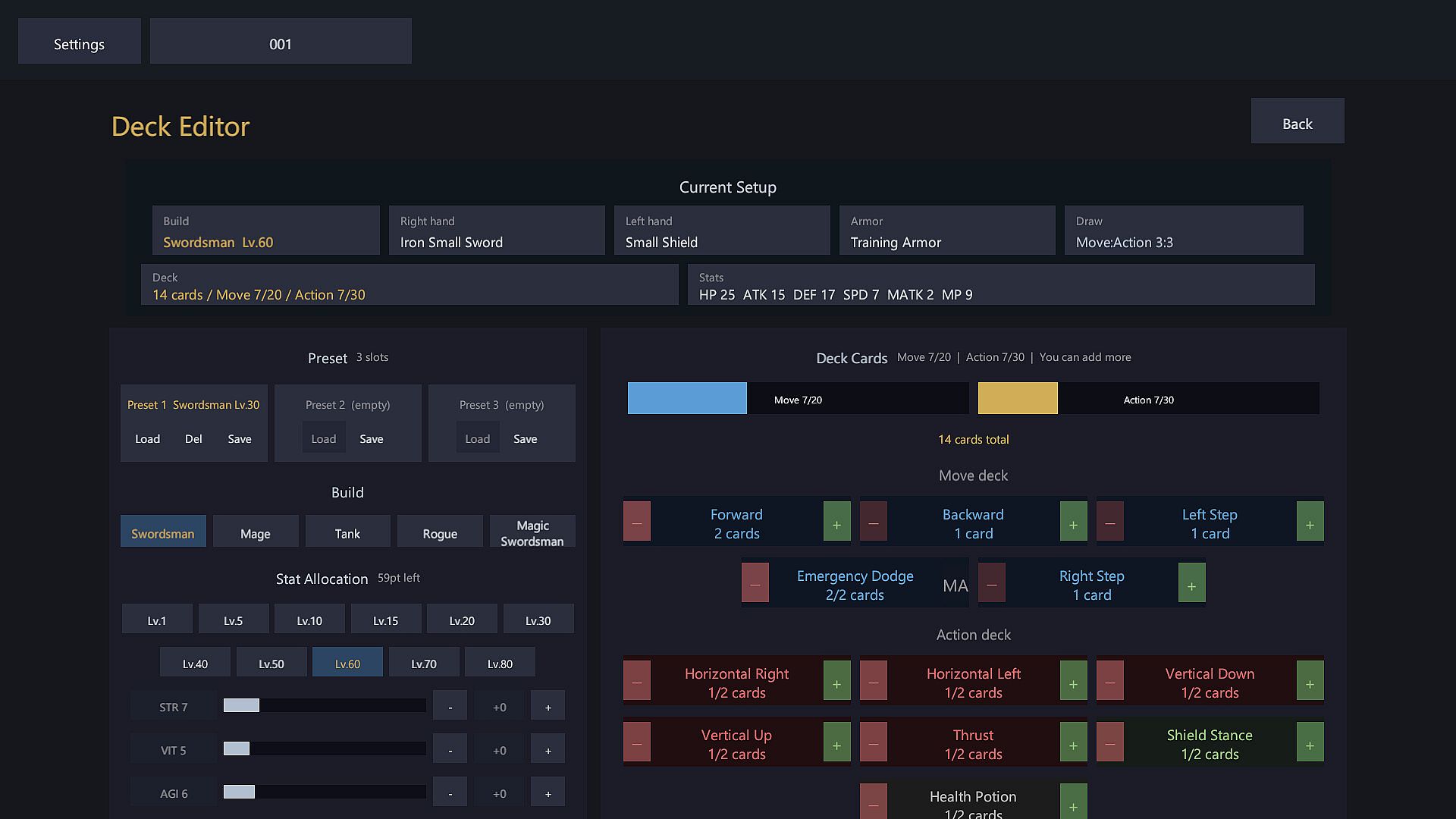
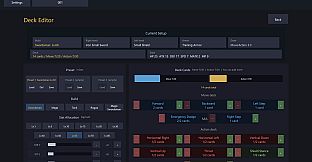
Each player assembles a Move deck of up to 20 cards and an Action deck of up to 30 cards. Seventy-four distinct cards cover movement, attacks, defense, magic, skills, and consumables. Before battle, players choose a hand refill ratio of 2:4, 3:3, or 4:2, which shapes how the game flows over multiple turns.
Eight builds exist, including Swordsman, Mage, Tank, Rogue, and Magic Swordsman along with three specialized variants. Ten weapon classes, ranging from great swords to great staves, assign to either hand and modify reach plus available cards. Battles introduce pollution cards such as Fatigue, Poison, Paralysis, and Mana Burn that remain active in the draw pile, discard pile, or hand until cleansed with items like Antidote or Awakening Potion.
An Adventurer ID provides a passive boost of +2 to attack, defense, speed, and magic attack, plus one full dodge per battle. Below 20 percent health, Last Stand and Great Roar become available. The game supports toggling the battle board between 2D and 3D views for different perspectives on positioning.
Is It Worth Playing?
Speed RPG targets players who enjoy tactical card games with simultaneous decisions and grid positioning. The alpha stage features a playable core combat loop that solo developer Harmony Project continues to refine through playtests. All game modes described above operate in the current build, and the free-to-play model removes any purchase barrier for testing the systems.
Those drawn to deck construction, reading opponents, and managing hidden information will find the simultaneous resolution and speed-based action economy distinctive. The 100-Man Kumite provides a structured climb with escalating pressure, while matchmaking and room matches support competitive or private sessions. Because the game remains in active development with provisional alpha rankings that will reset at full release, expectations should center on the core mechanics rather than polished balance or extensive content.
Local play without registration allows immediate access to practice and single-player modes. The combination of risk-reward card choices, positional tactics, and dual-deck building creates a focused experience suited to short sessions or repeated runs. Players seeking conventional RPG progression or narrative depth may find the emphasis on tactical combat narrower than expected, yet the verified systems deliver consistent depth within their scope.