




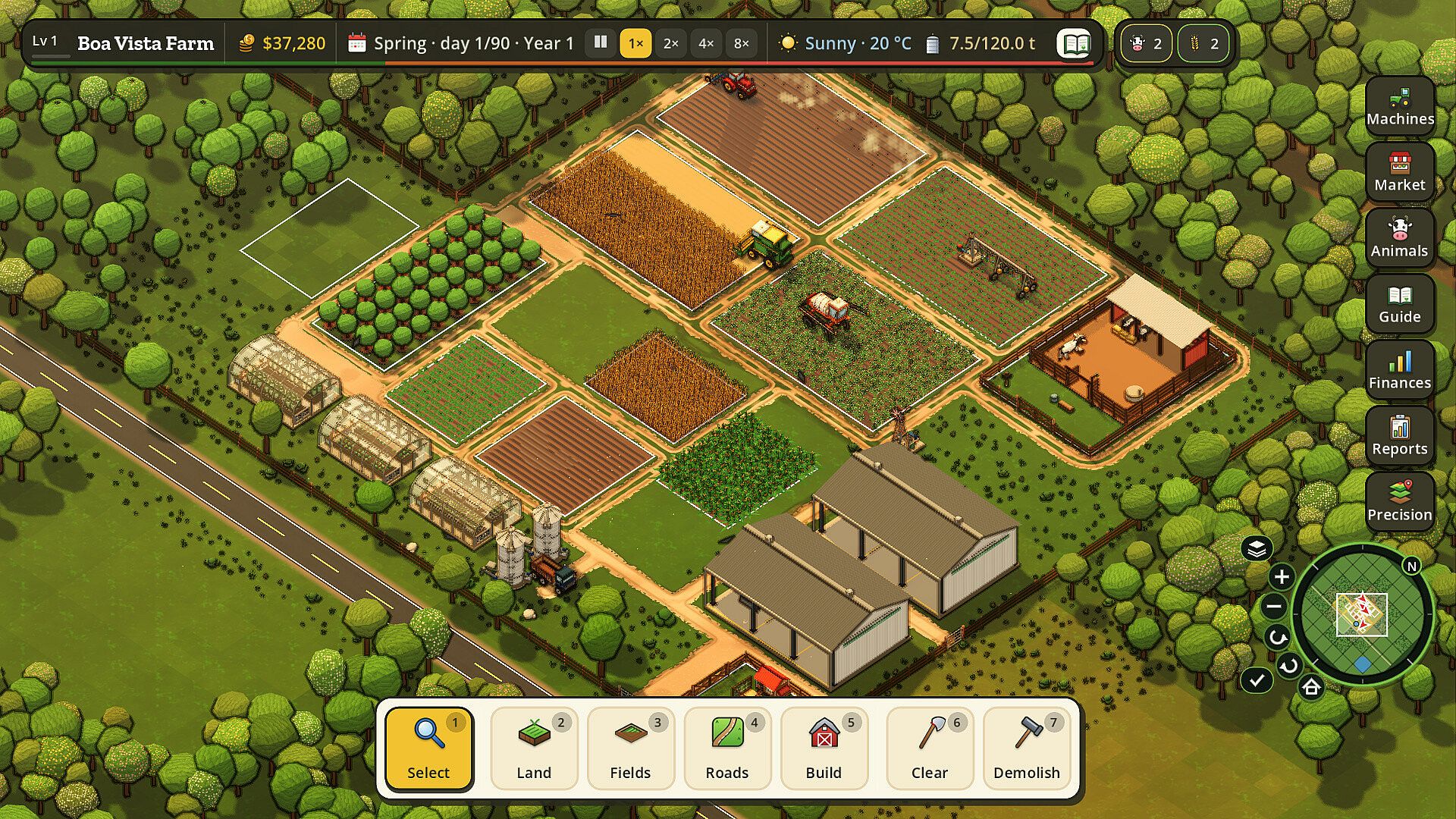
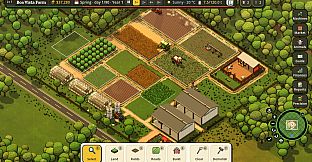
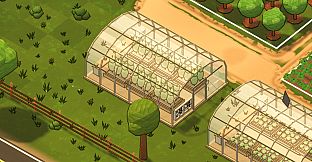
SimFarm is a 3D farming simulation game that puts players in charge of turning bare land into a working operation. The experience centers on planning fields, directing machinery, managing livestock, and balancing soil, water, and finances on a single persistent map. Available on PC, it blends strategy and simulation elements with realistic agricultural details drawn from Brazilian farming practices.
Gameplay
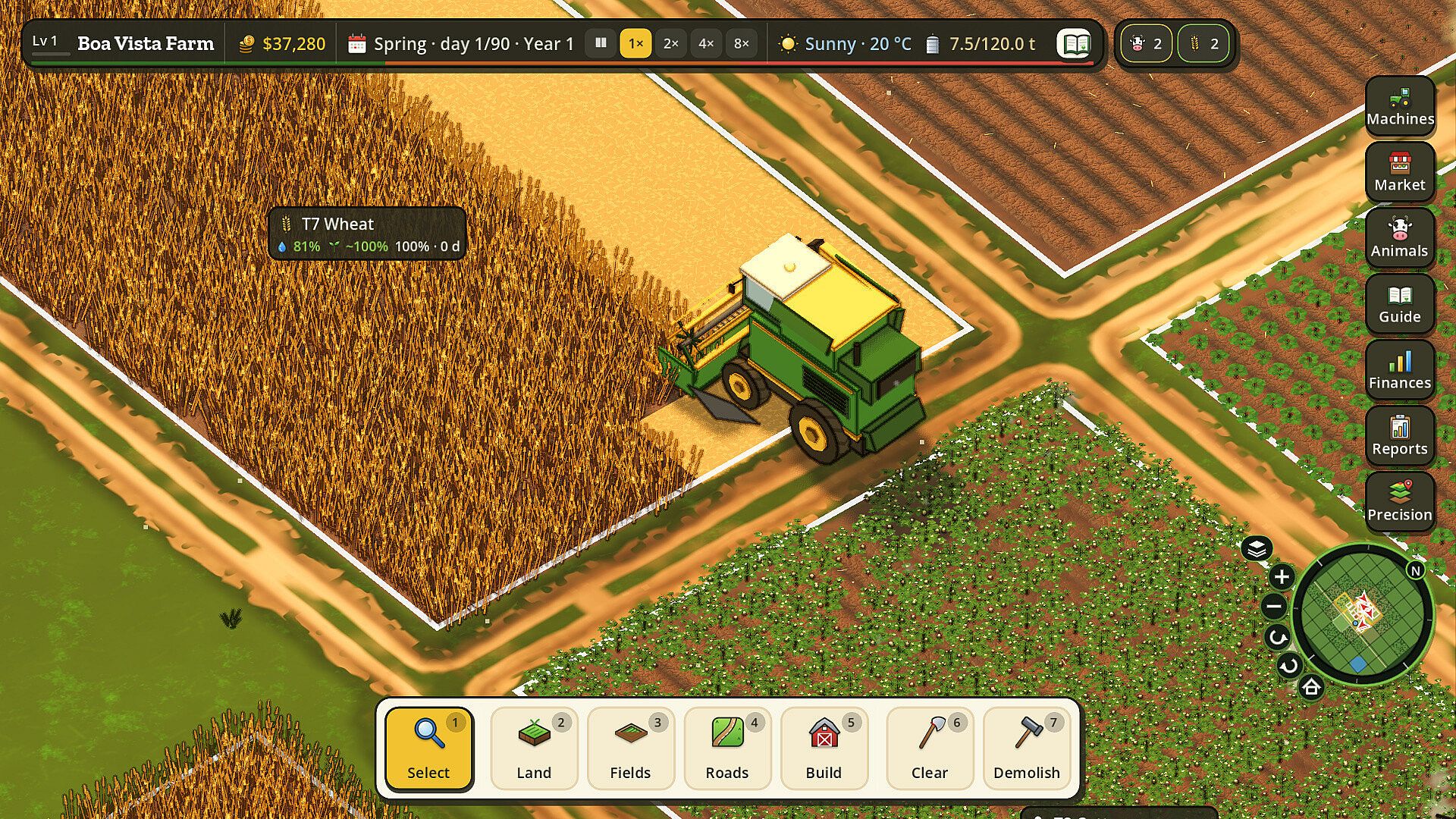
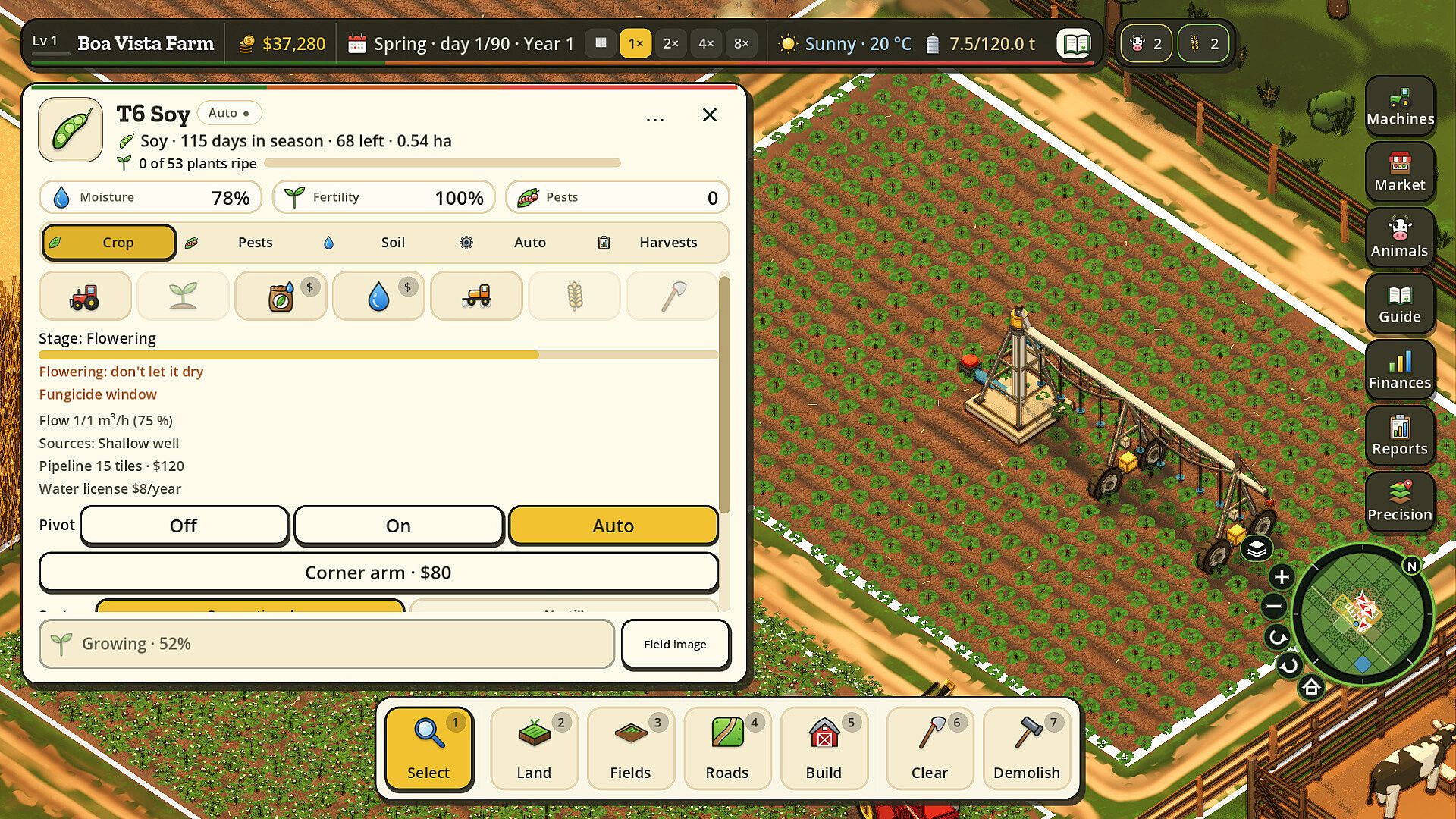
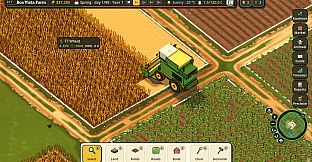
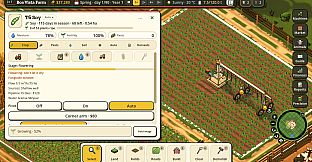
Players begin with empty ground, a highway access point, and limited starting funds. Fields are drawn once on the map, after which orders for plowing, planting, fertilizing, irrigating, spraying, and harvesting are issued. Machines then leave storage, complete the work in lanes across the field, and return to the shed. When equipment is unavailable, services can be rented, though peak-season demand creates queues and higher costs.
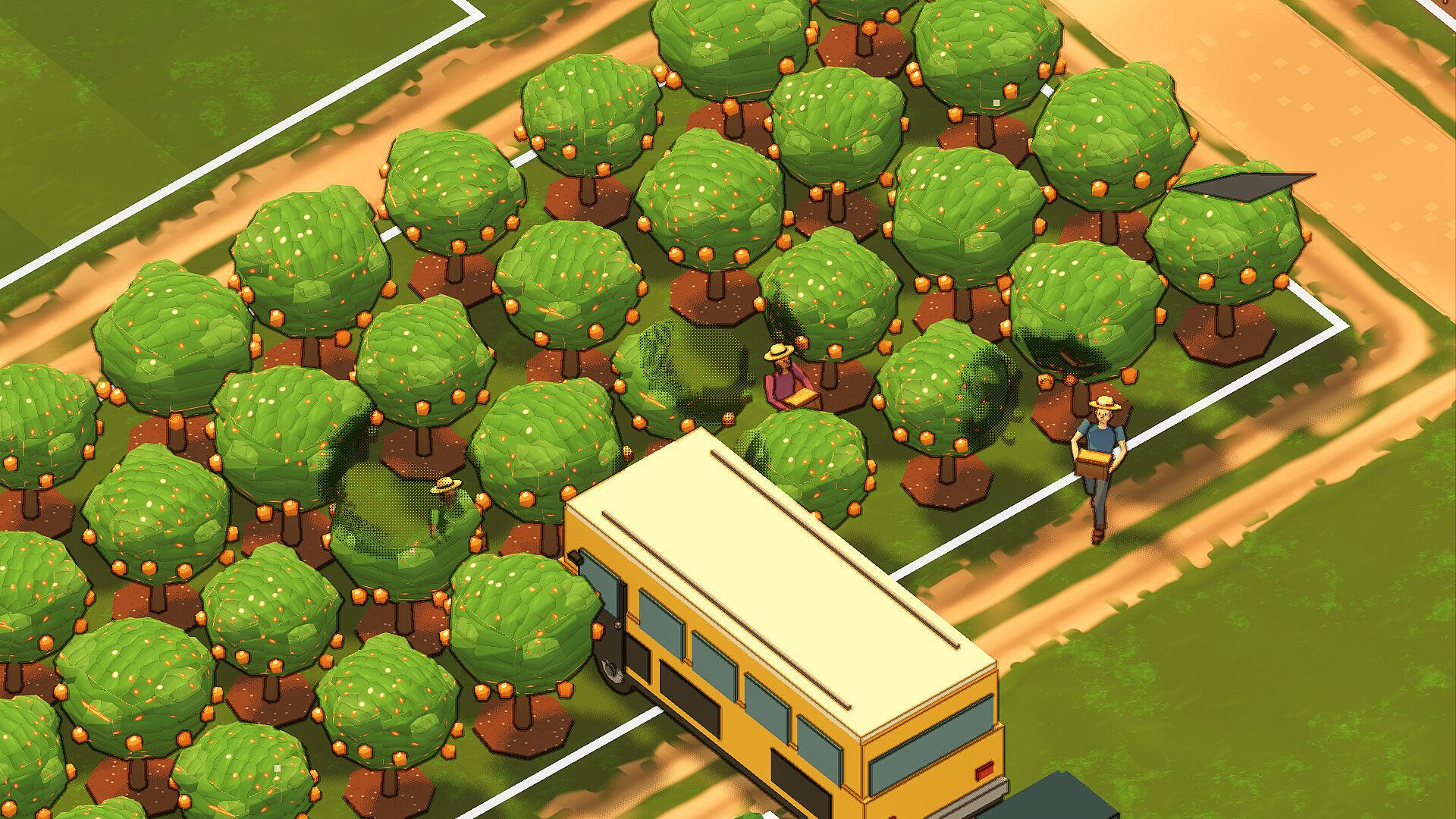
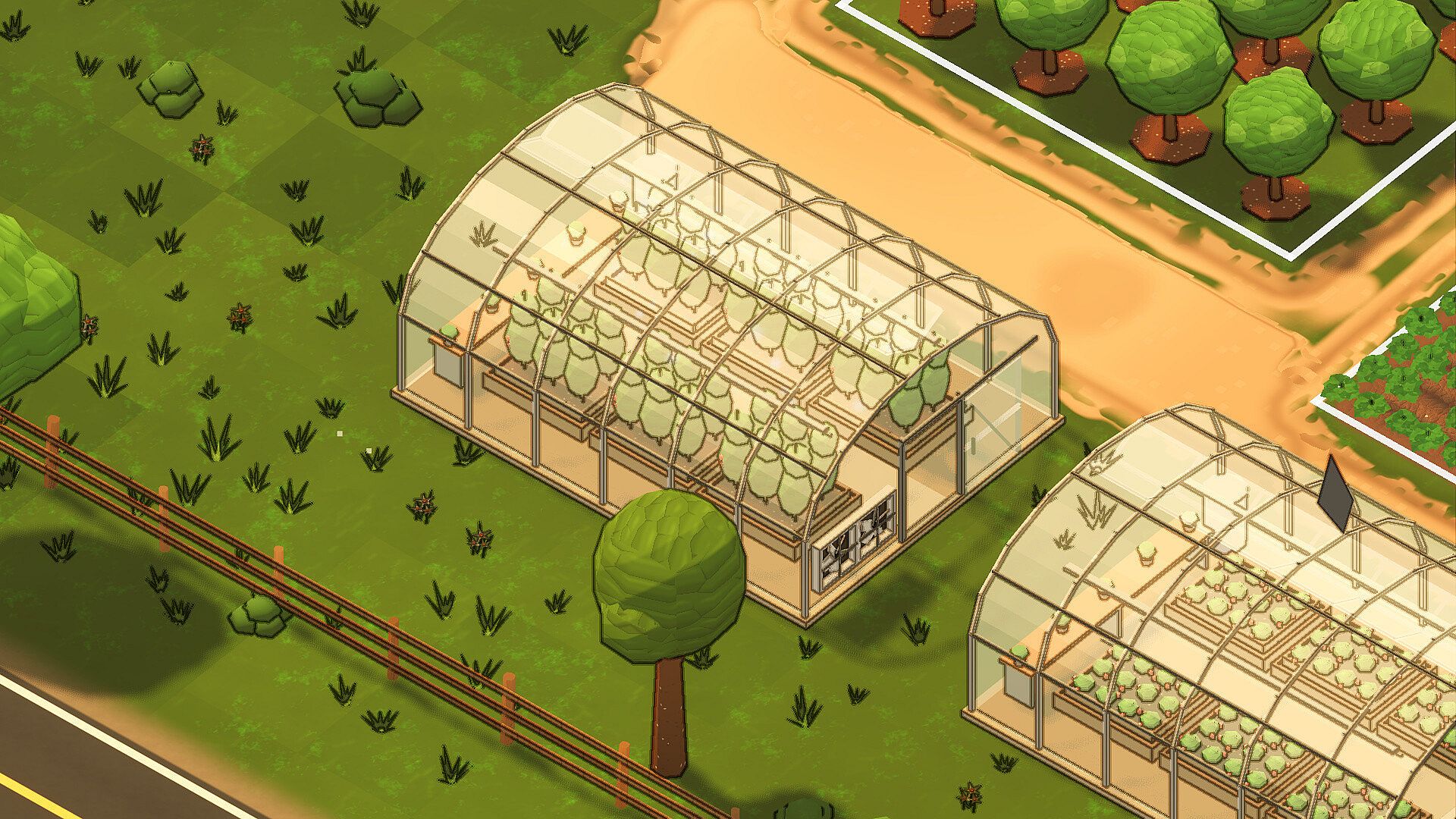
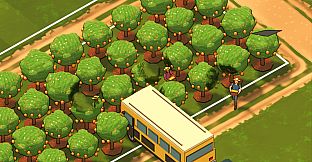
Crops include corn, soy, wheat, cotton, second-season corn known as safrinha, lettuce, and beet, along with cover crops. Orchards feature orange, coffee, apple, and grape trees, while a greenhouse supports additional production. Soil is modeled per 10-by-10-meter tile, tracking pH, organic matter, nitrogen, phosphorus, potassium, sulfur, and other nutrients. Sampling provides reports that guide lime and fertilizer applications.
Water management involves wells, ponds, tanks, and dams feeding center pivots, reels, and drip lines. Weather includes rain, drought, frost, and hail, with El Niño and La Niña events influencing both conditions and market prices. Pests appear as localized spots that spread if untreated, allowing targeted interventions rather than blanket applications.
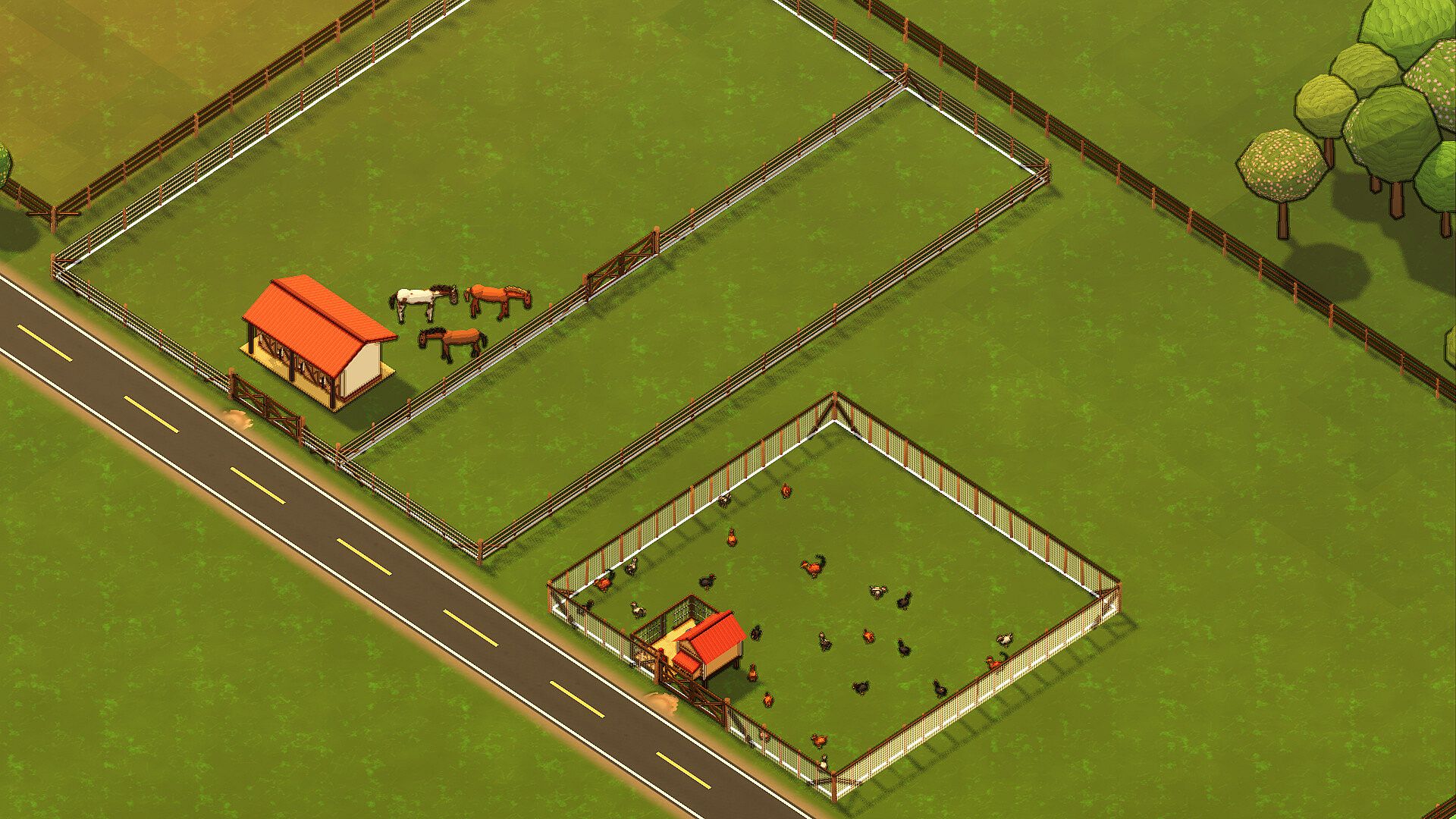
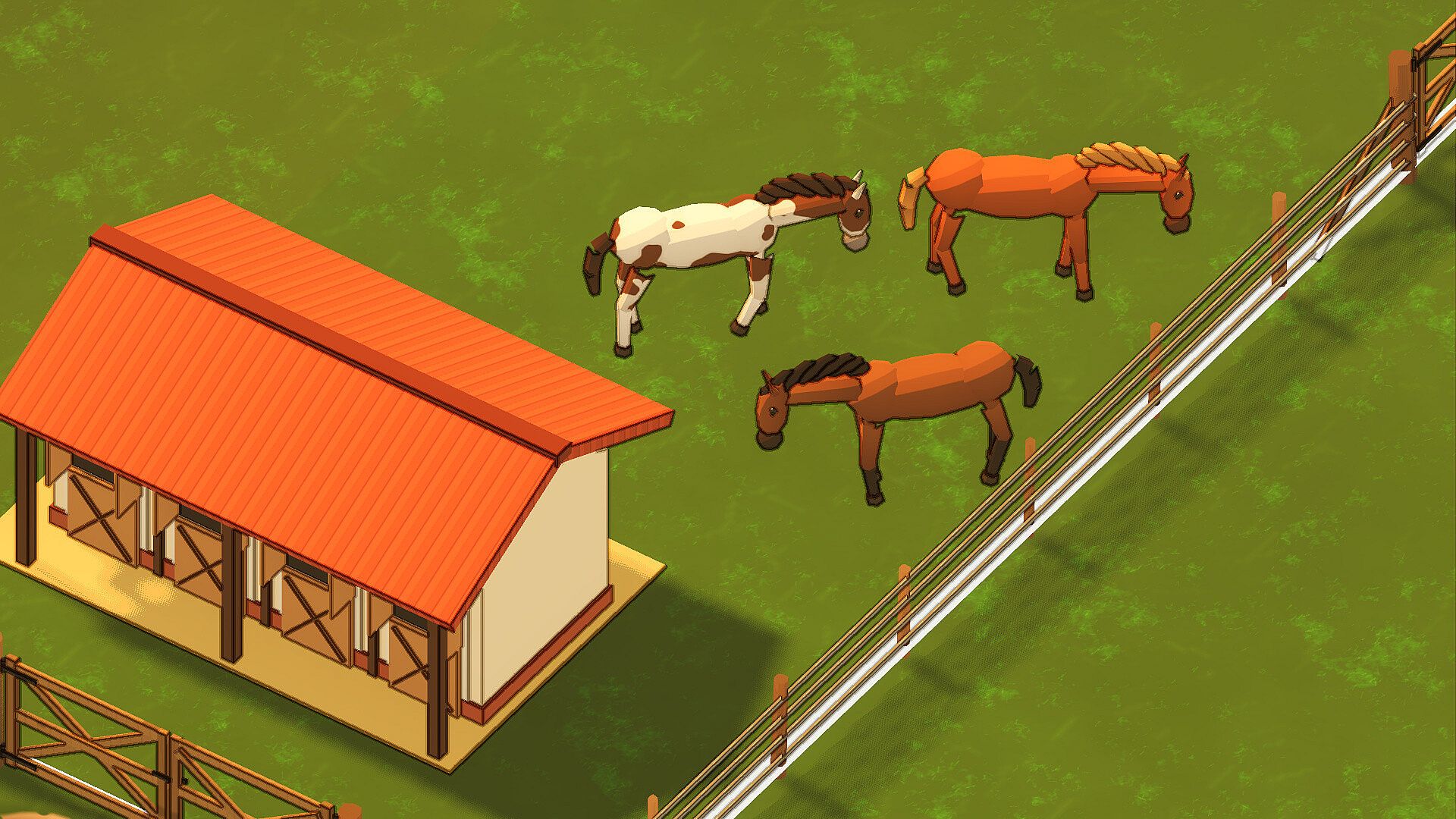
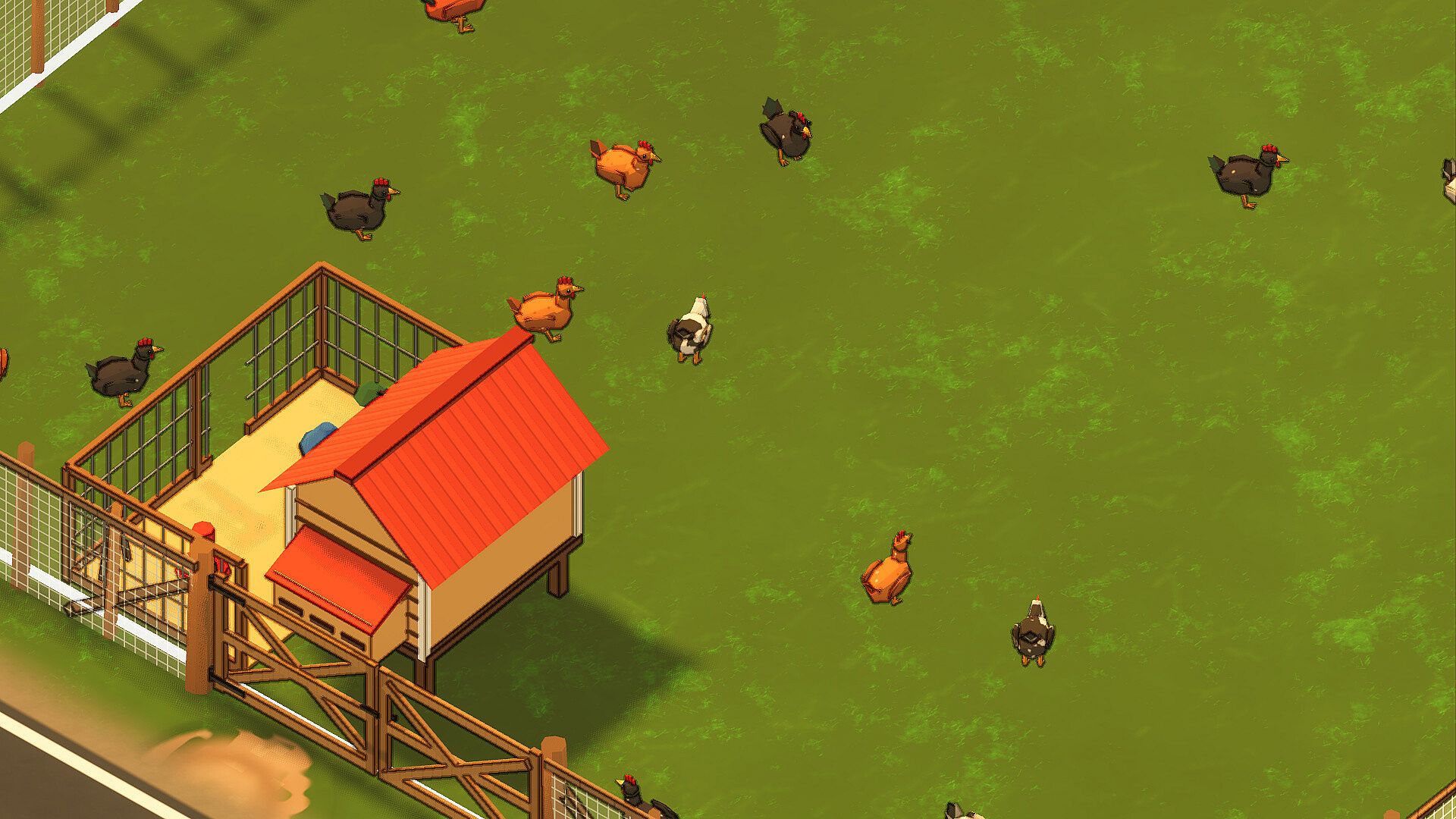
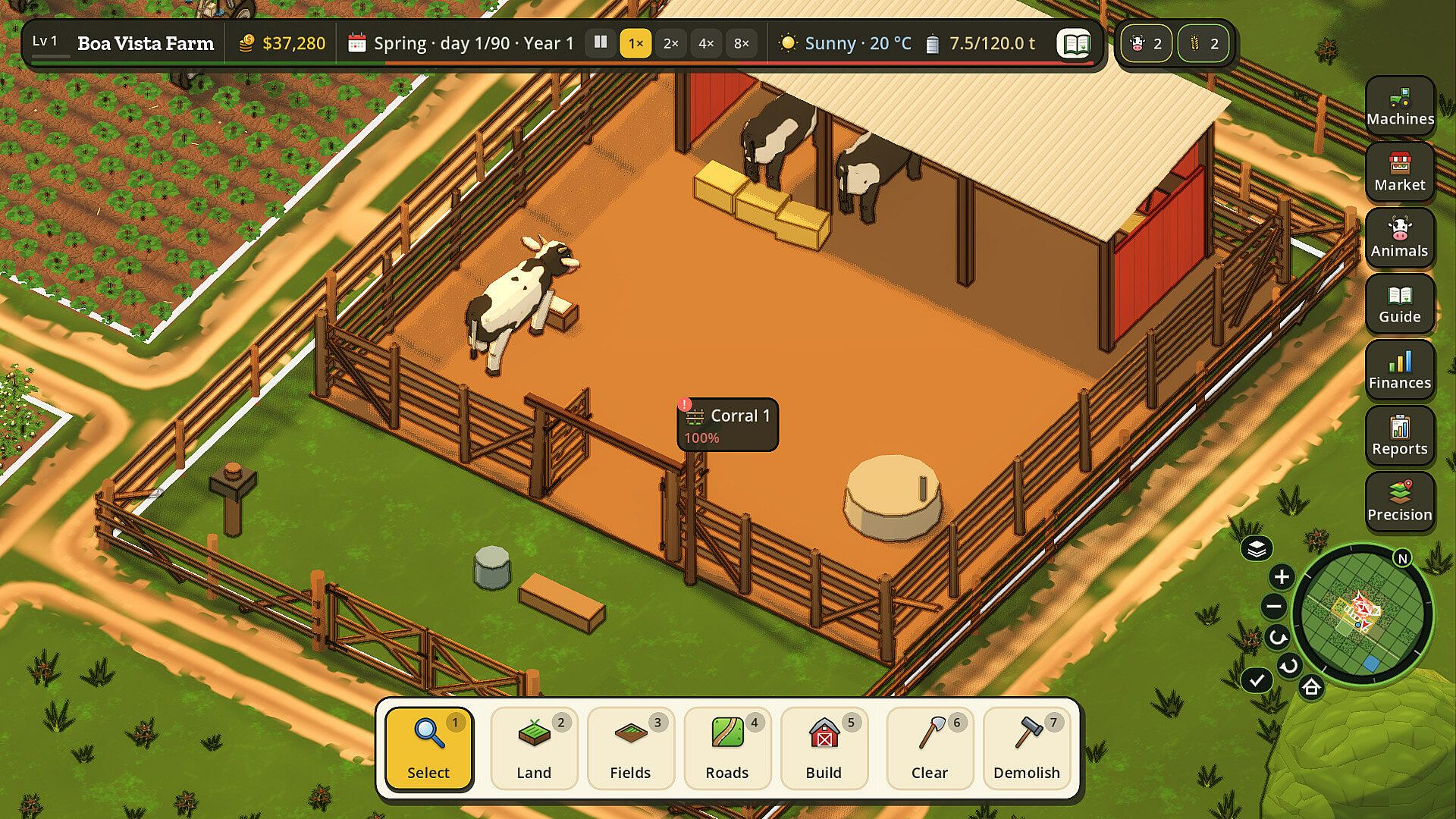
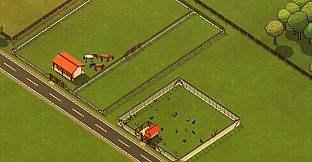
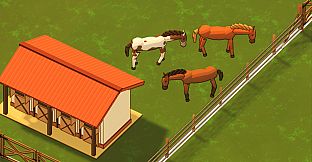
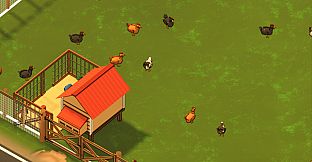
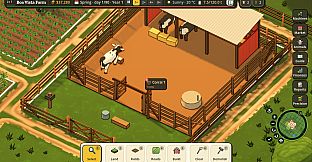
Livestock operations use pastures divided into paddocks for rotational grazing. Animals such as chickens, ducks, broilers, pigs, dairy cows, sheep, and horses require specific shelters, fencing, feeders, and waterers. Disease outbreaks demand prompt treatment to prevent spread. Products like eggs, milk, and wool are collected, while manure returns nutrients to the soil.
Game Modes
Three economy modes alter only the financial parameters while keeping the same map and crops. Fertile Land offers relaxed pricing and forgiving costs, making mistakes inexpensive. Down to Earth introduces realistic expenses, rent, and loans that can lead to bankruptcy and game over. Real Farm applies the precise numbers from an actual Brazilian operation, maintaining the same strict failure condition without any financial cushion.
These modes let players select their preferred level of challenge. The relaxed setting suits those exploring systems for the first time, while the harder options test cash-flow management and long-term planning under tighter constraints.
Advanced Systems
Growth stages follow degree-day calculations, with specific markers such as corn at V6, soy at R1, and wheat at Z51. Temperature extremes affect each stage, and every field operation records the crop condition at the time it occurred. No-till and conventional tillage options influence straw cover, erosion, organic matter buildup, and a multi-year transition period before benefits appear.
Precision tools include grid sampling, layered maps for pH, nutrients, NDVI, yield, moisture, pests, and management zones, plus variable-rate application, yield monitoring, and section control. Accounting tracks costs per field and season, cost per bag, and break-even points through a full ledger. Operations and maps export as CSV files for external analysis.
Time advances quickly, with one game day taking about 20 seconds and a full year roughly two hours at normal speed. Market prices fluctuate randomly with seasonal and news influences rather than following real forecasts. The simulation runs on Windows, Linux, and macOS.
Is It Worth Playing?
SimFarm targets players interested in detailed agricultural strategy and simulation. The core loop of planning operations, observing results across seasons, and adjusting practices rewards careful observation of soil, weather, and financial data. Early Access status means the animal systems remain incomplete, with full poultry, beef cattle, and expanded sheep features planned for later updates.
Those who enjoy experimenting with variables such as planting dates, tillage methods, or irrigation setups will find value in the farm-as-laboratory approach. The three economy modes provide clear progression in difficulty without changing core mechanics. Because the game is still developing, expectations should focus on the existing crop, soil, and machinery systems rather than a finished product.












