




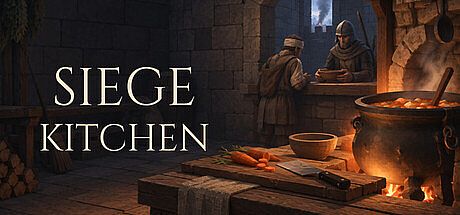


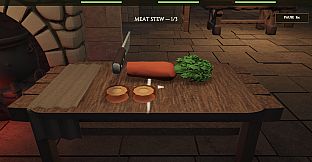
Siege Kitchen is a strategy and simulation game set during a prolonged medieval siege. Players take on the role of the castle cook responsible for stretching limited supplies across thirty days while the fortress holds out against attackers. The experience centers on daily resource decisions that directly influence the survival of soldiers, civilians, and the wounded inside the walls.
Gameplay
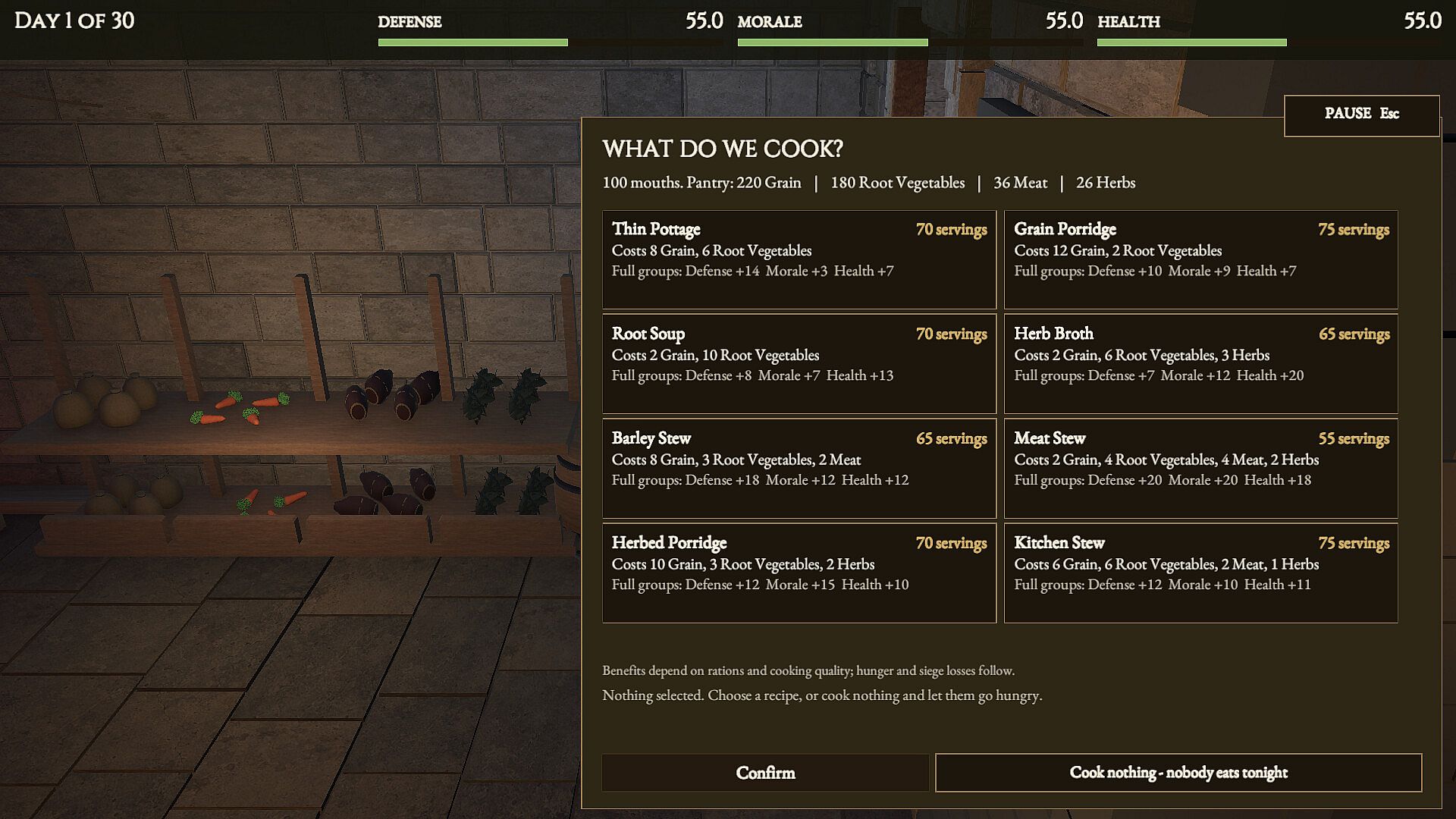
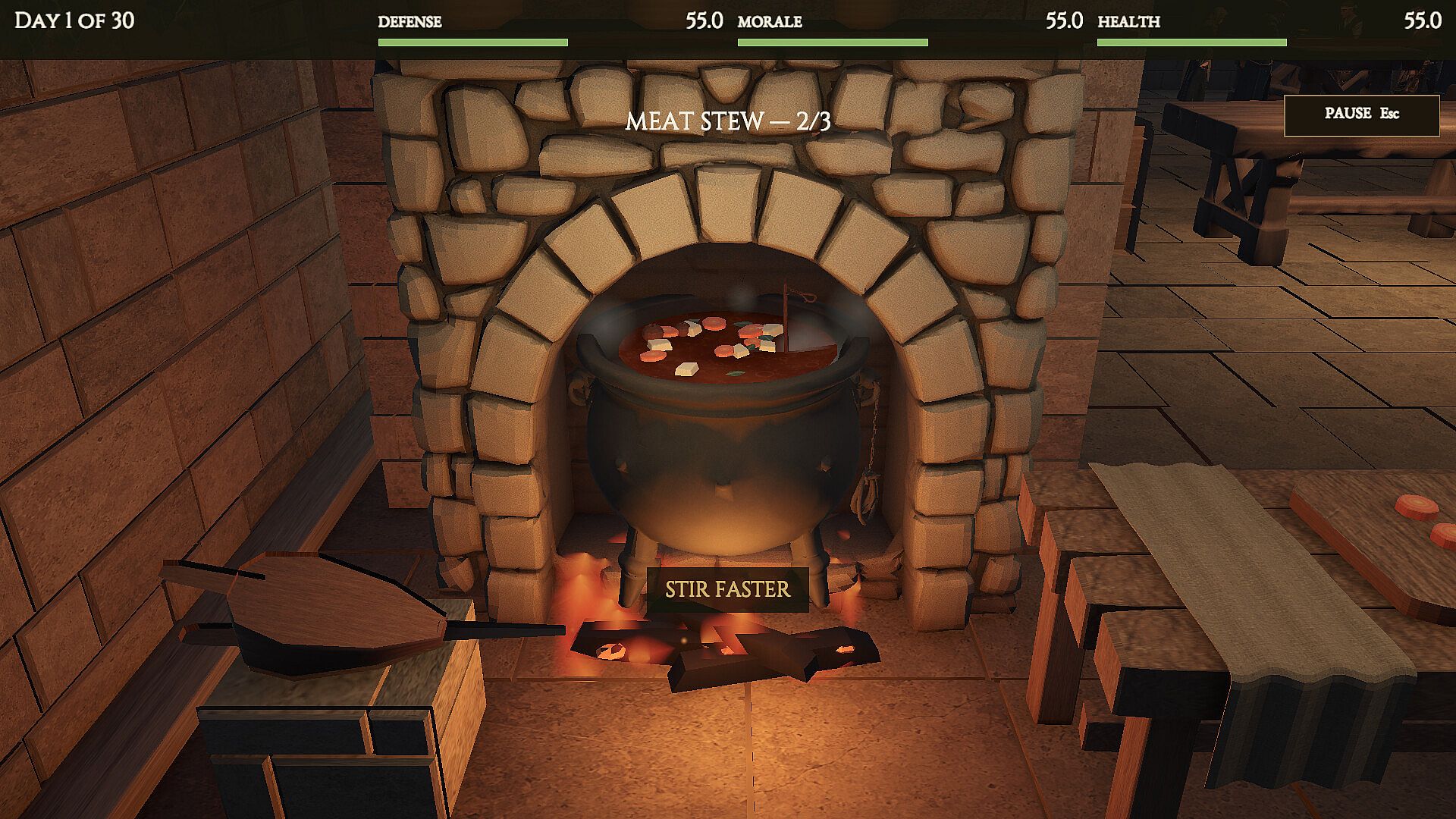
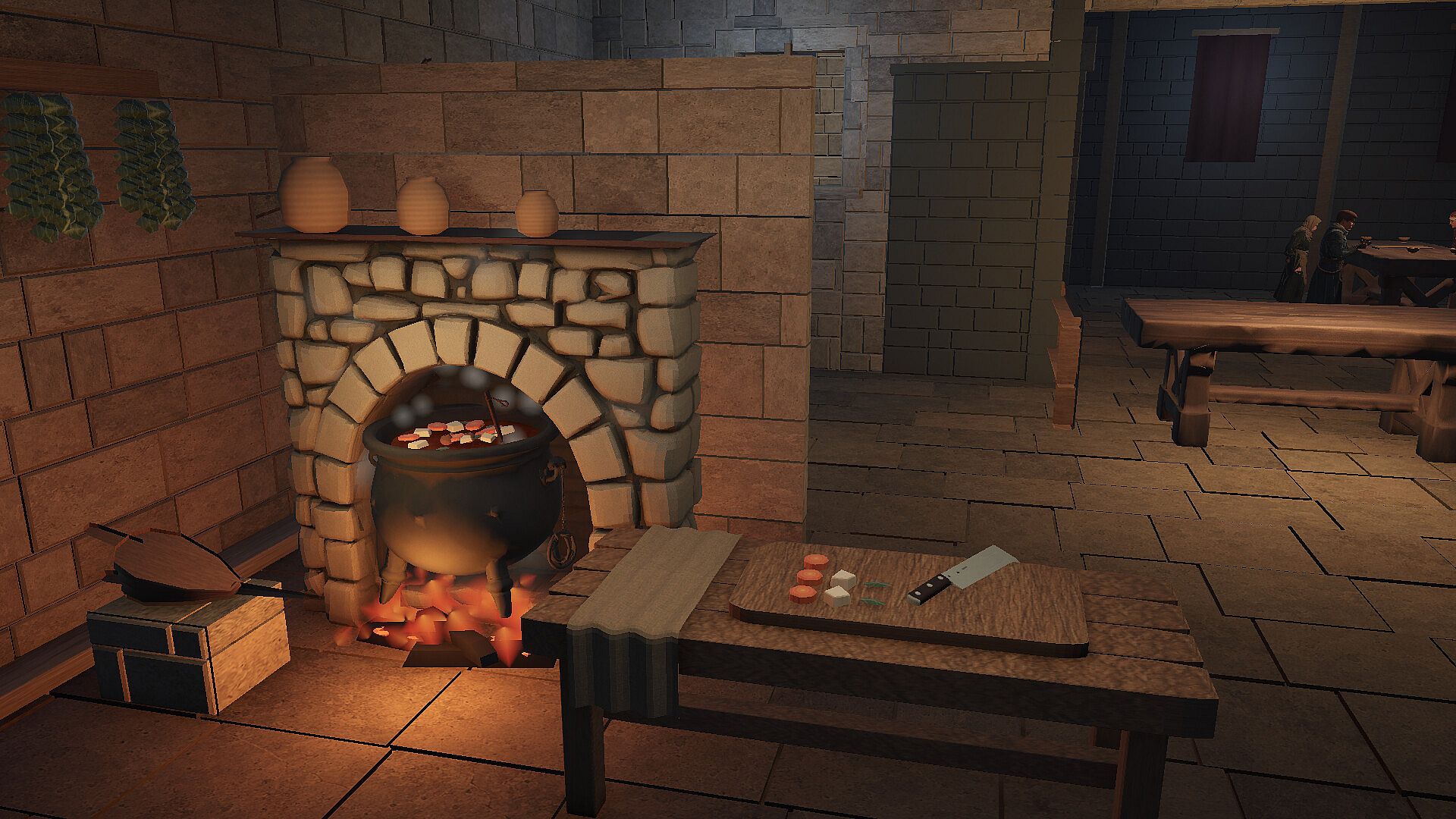
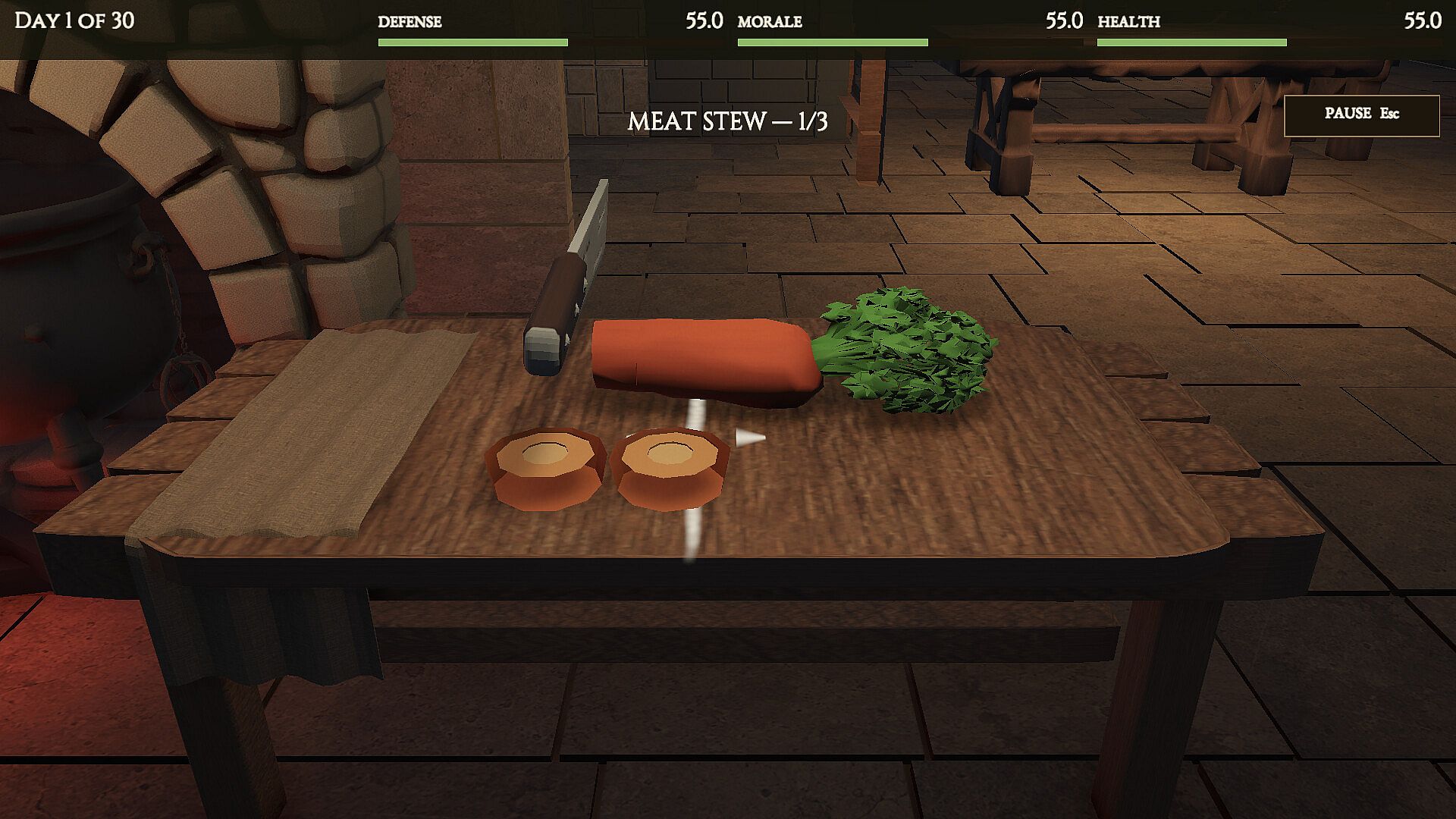
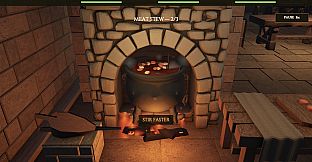
Each morning begins with an assessment of remaining stores in the pantry. Available ingredients include grain, vegetables, meat, and herbs. Players select recipes that match current supplies and then move through the preparation table to ready components. Attention to cooking quality at the hearth determines how effective each batch becomes once it reaches the serving counter.
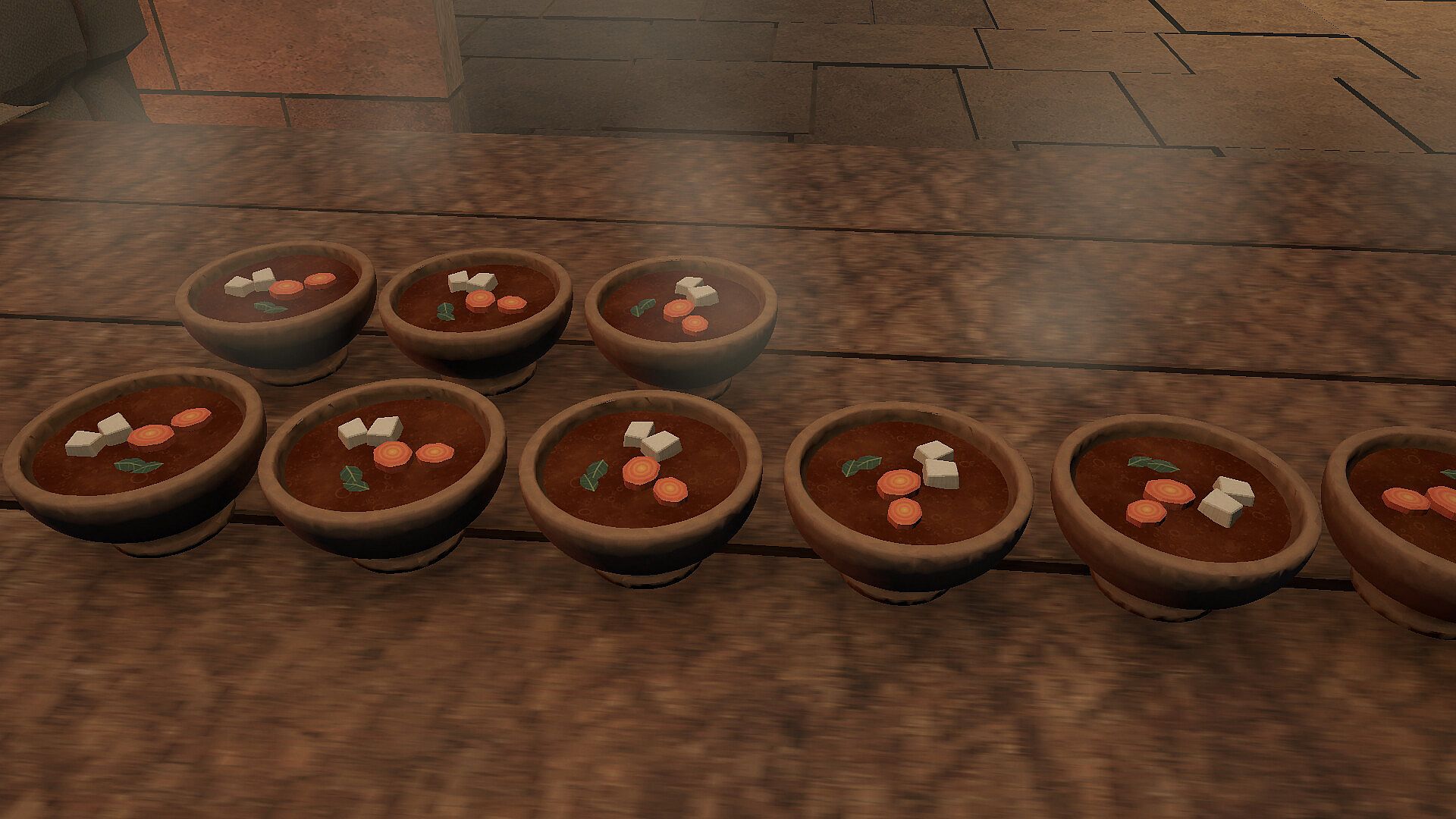
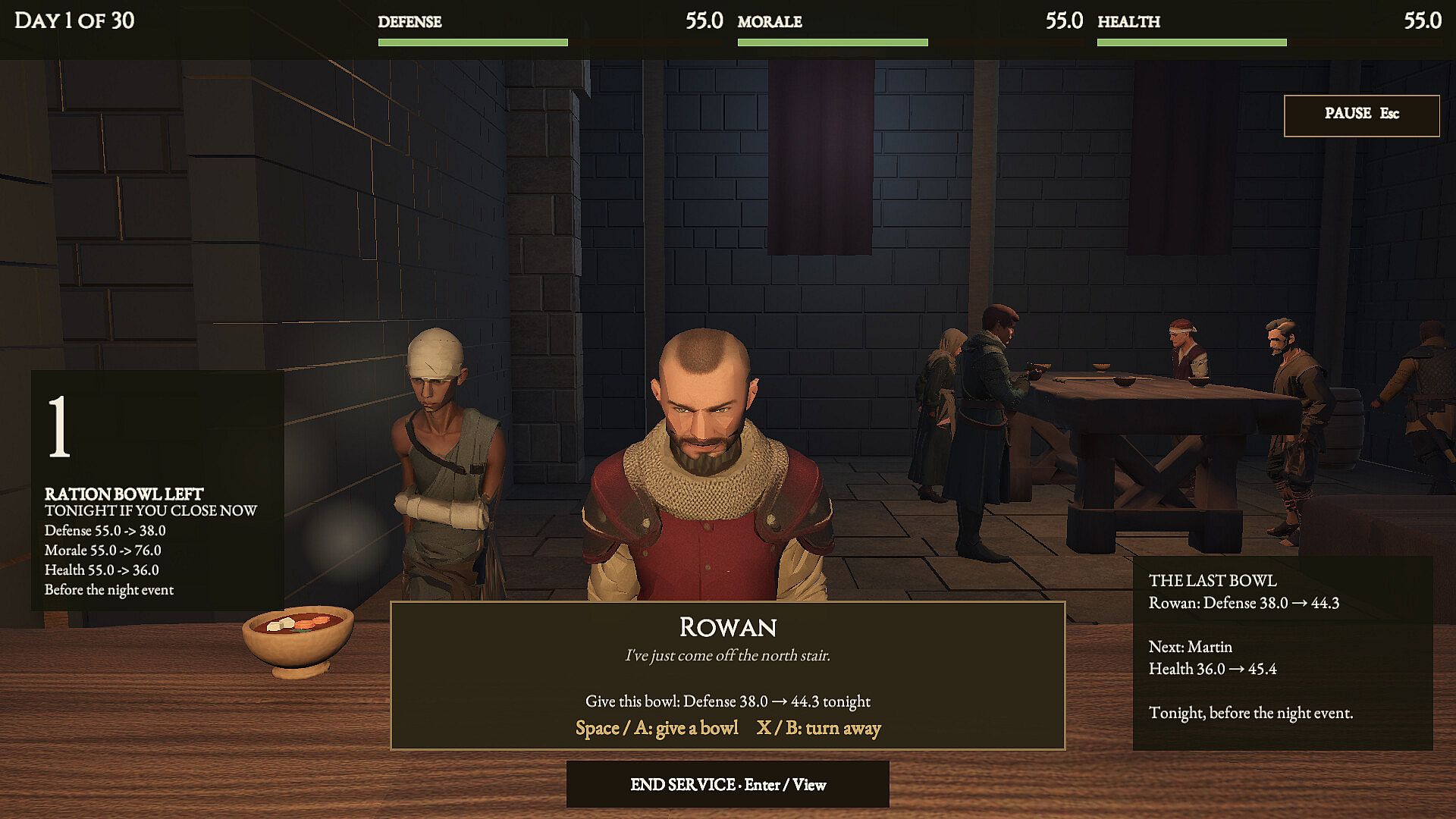
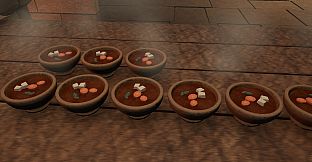
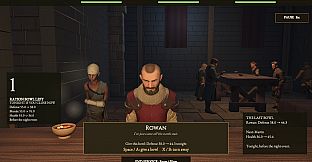
At the serving table the cook distributes meals to those waiting. Assigning food to soldiers supports ongoing defense efforts. Civilians receive portions that sustain overall morale. The wounded benefit from targeted care that improves health. Every bowl served carries consequences, and supplies that run out leave someone without food for the day.
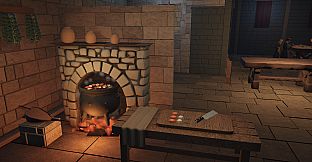
Between these steps the player travels between the pantry, preparation area, hearth, and serving counter. The same kitchen layout remains consistent while external pressures from the siege steadily reduce available resources and introduce new shortages. Quality of preparation affects how much benefit each meal provides to the three key metrics of defense, morale, and health.
Game Modes
The game presents a single continuous campaign focused on surviving the full thirty-day siege. Daily cycles of planning, cooking, and distribution form the core loop, with events and shortages appearing as the campaign progresses. No separate multiplayer or alternative modes are present. The emphasis stays on managing the same working kitchen under increasing strain until relief arrives or one of the tracked conditions fails.
Core Mechanics and Decision Making
Recipe selection requires balancing immediate needs against future requirements. A richer meal can restore more health or boost morale, yet it consumes ingredients that might be needed later in the siege. Cooking quality further modifies outcomes, rewarding careful attention to heat and preparation steps. These choices accumulate across the thirty days and determine whether the castle remains viable.
Distribution decisions carry similar weight. Prioritizing soldiers keeps defenses intact longer. Supporting civilians maintains hope among the population. Caring for the wounded prevents health from collapsing. When bowls run short, the player must accept that one group will go hungry, directly impacting the tracked conditions that govern overall survival.
Is It Worth Playing?
Siege Kitchen suits players who enjoy resource management and tough daily choices in a compact single-player format. The thirty-day structure creates a clear endpoint while allowing the siege to feel increasingly desperate as supplies dwindle. Those drawn to simulation games that reward careful planning and accept the possibility of failure will find the focused loop engaging. The absence of additional modes keeps the experience tightly centered on the kitchen routine and its consequences. If the premise of sustaining a besieged fortress through cooking appeals, the game delivers a consistent challenge without unnecessary distractions.











