

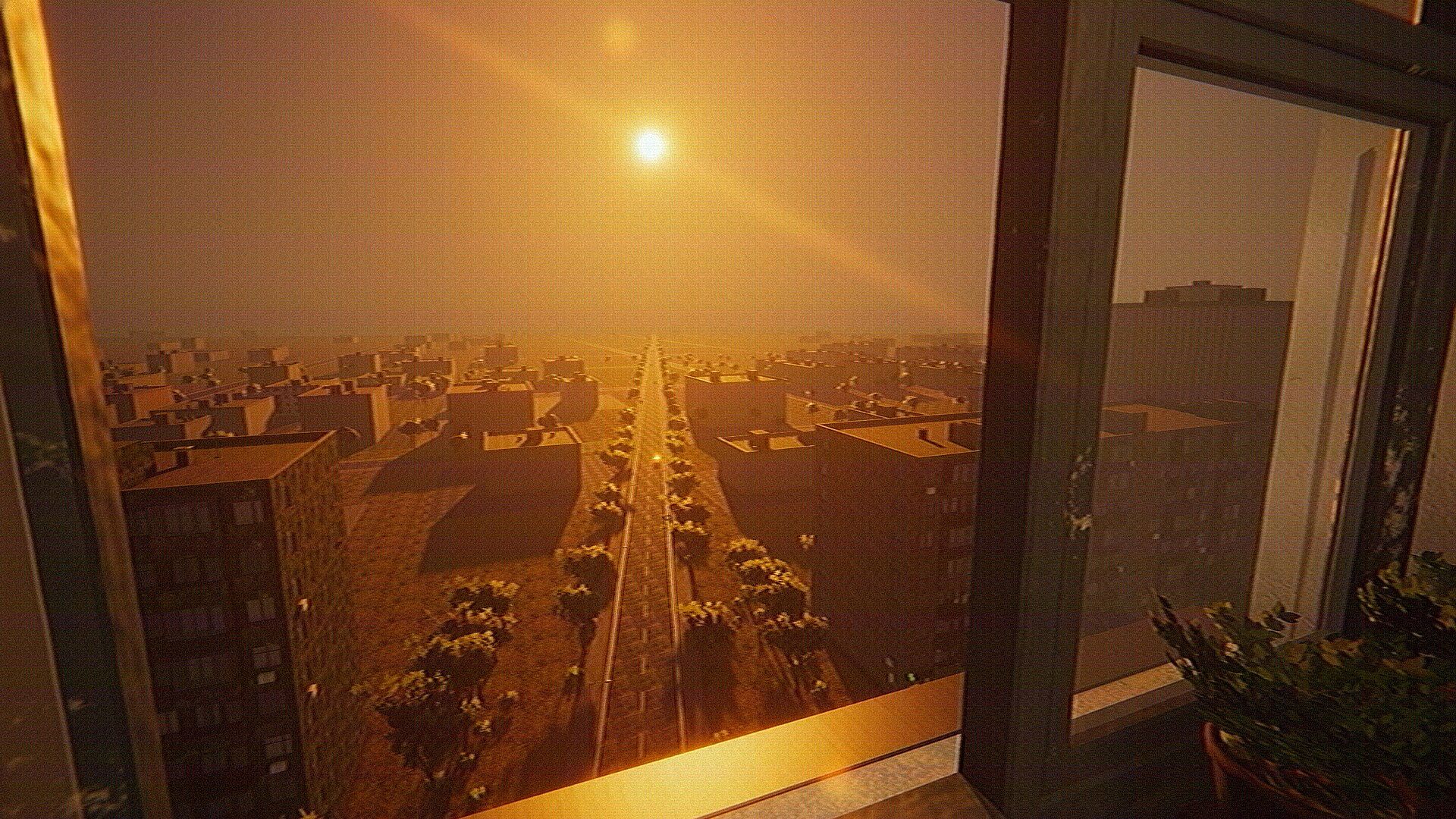
SEE YOU ON THE ROOF is an indie single-player narrative experience set in a residential building on the final evening of summer. Players take on the role of someone rushing upstairs to meet friends on the roof for sunset, only to encounter neighbors who pause the journey with conversations that shape their own stories.
Gameplay
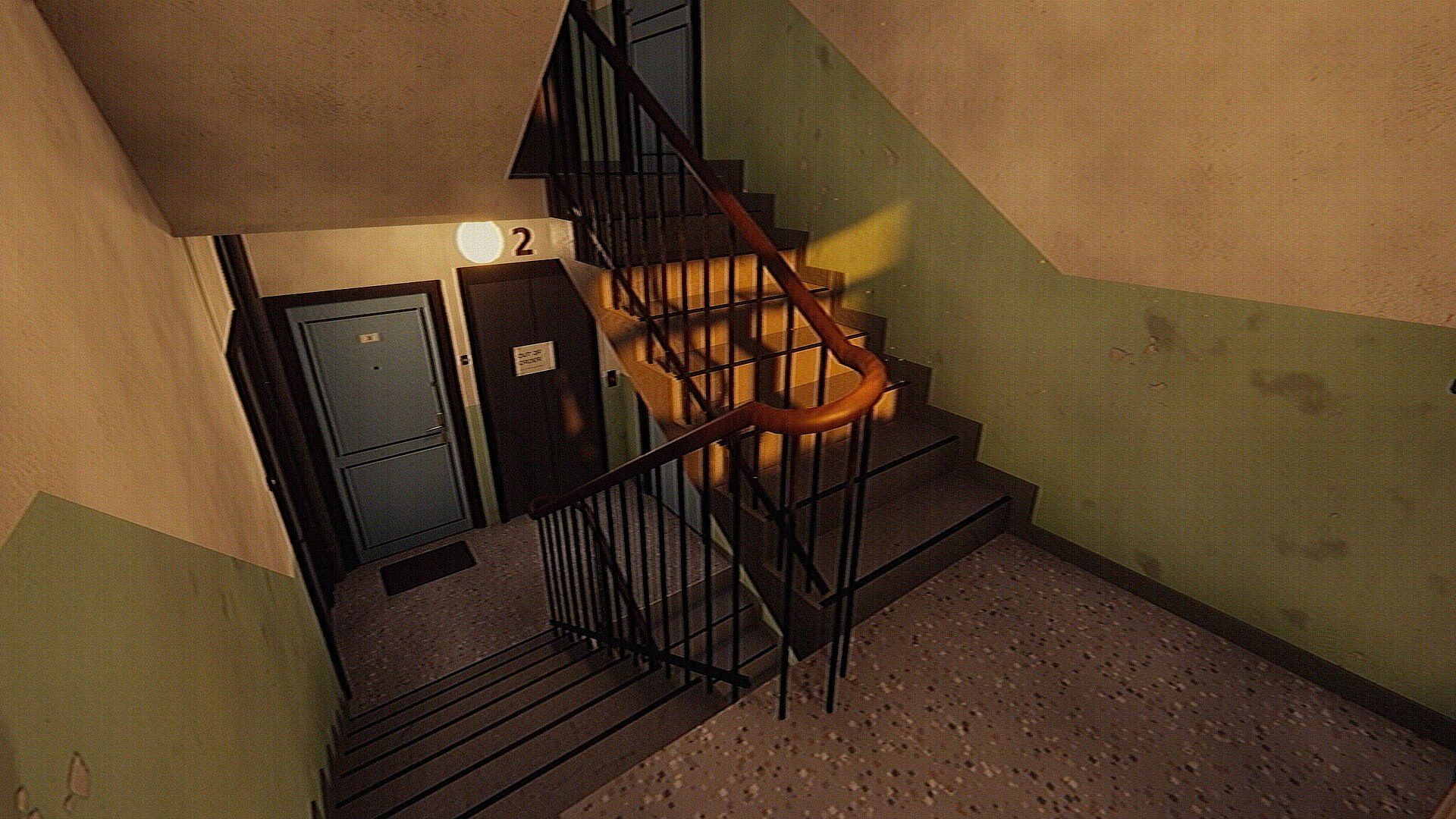
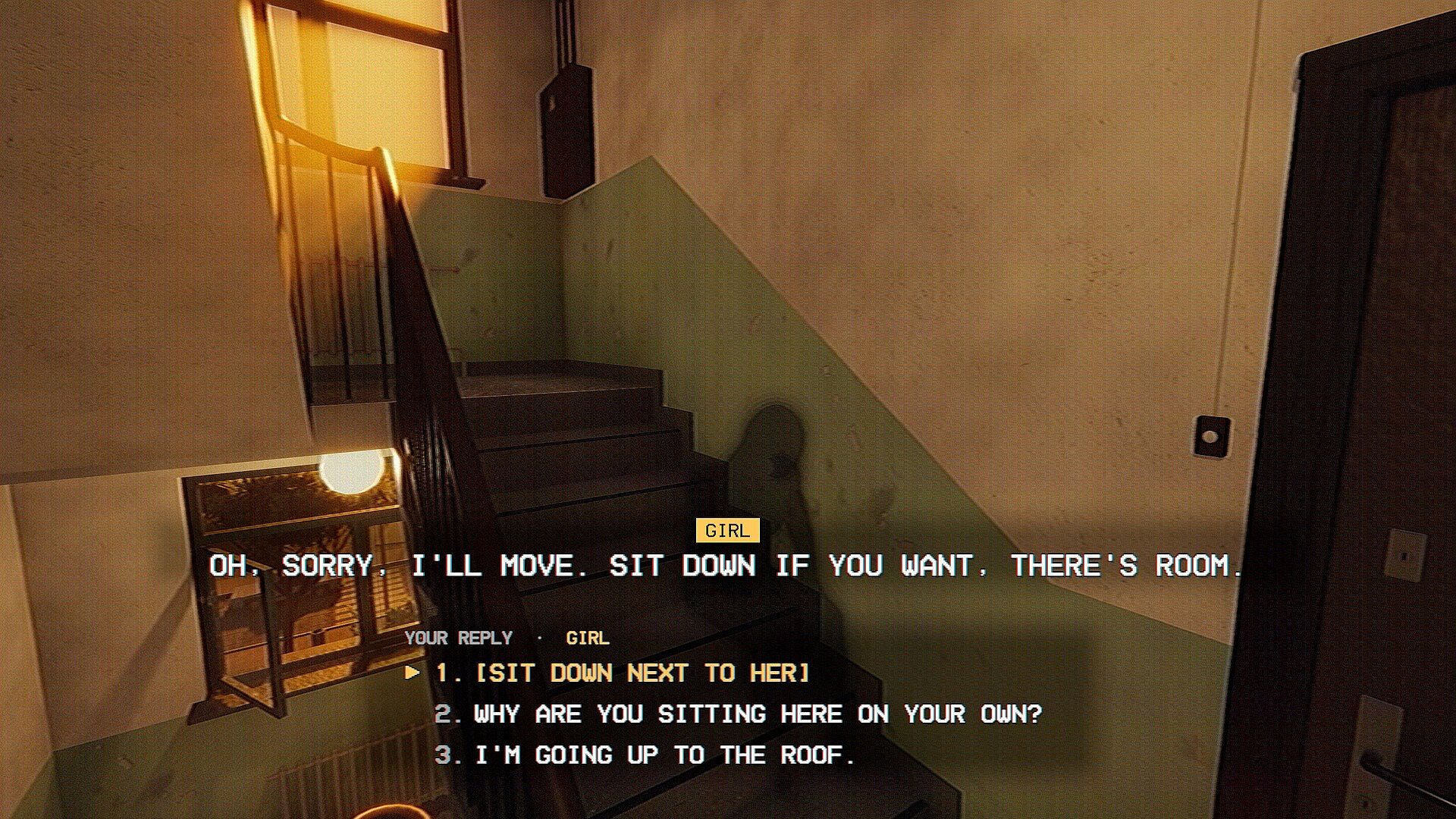
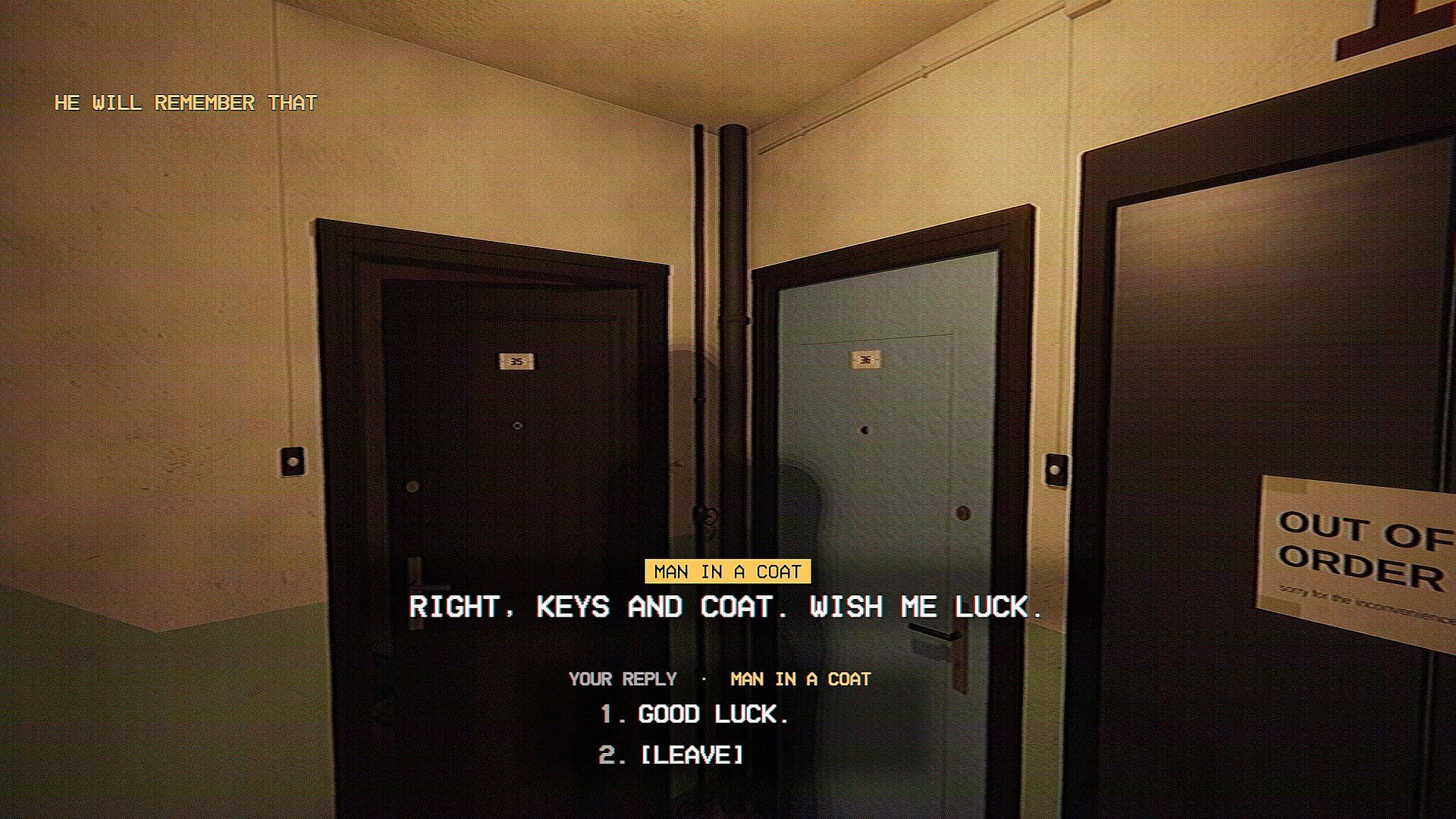
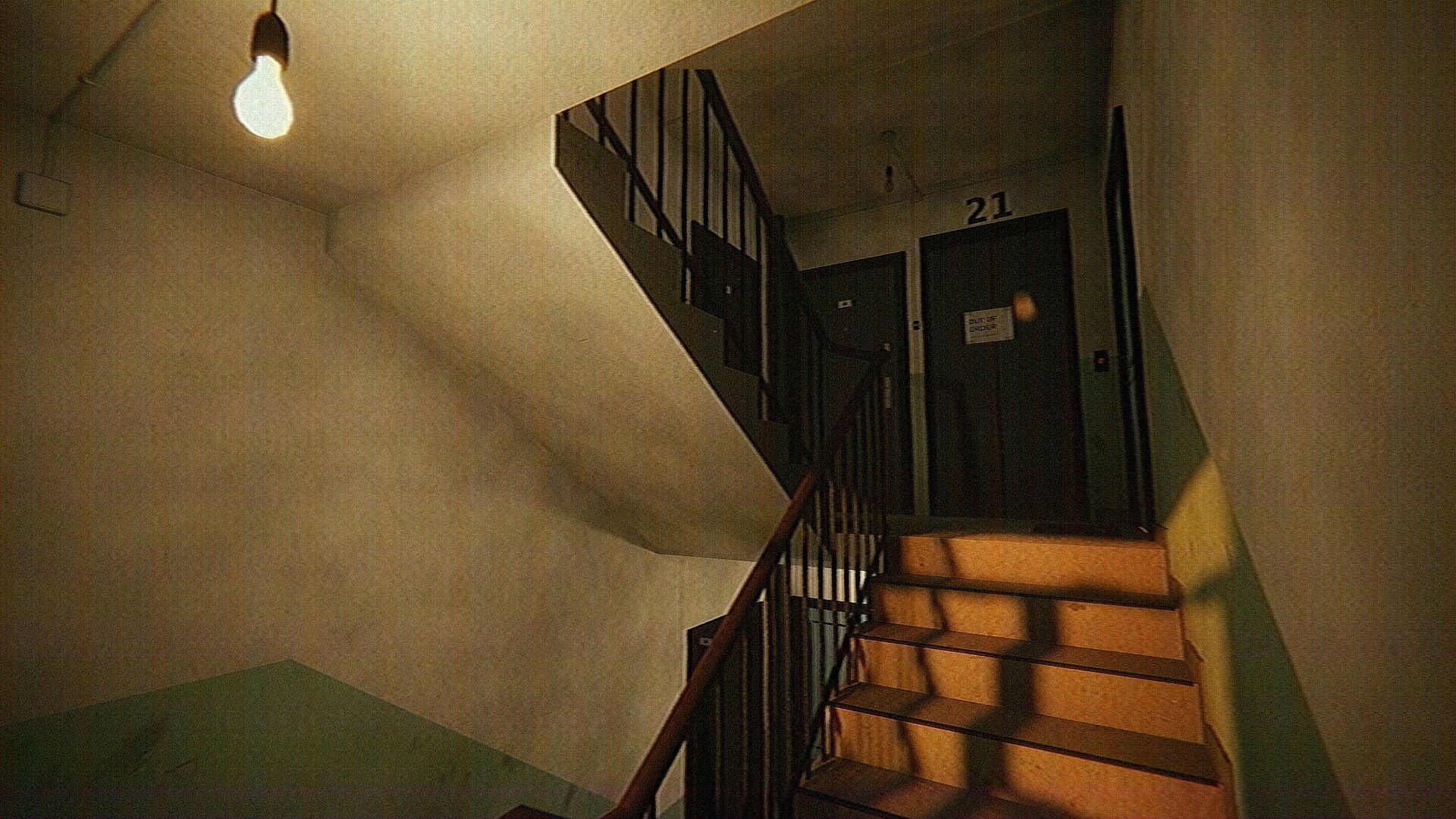
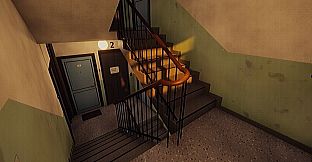
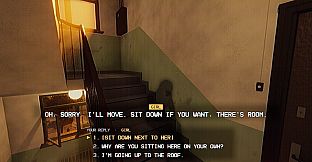
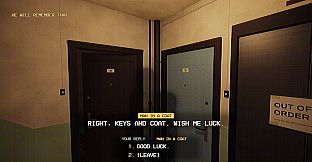
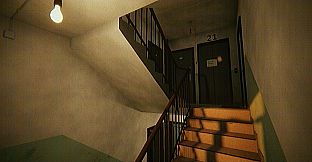
The core loop centers on ascending a single staircase in first-person view. The lift remains out of order, forcing a climb through landings where residents stand ready to engage. Each interaction presents dialogue options that influence how those characters remember the evening and what paths their personal narratives follow afterward. Progress feels deliberate, with time spent listening and responding rather than racing toward an objective. The environment stays confined to the stairwell and adjacent doorways, emphasizing quiet observation of open doors and overheard voices over exploration or action sequences.
Choices carry weight because they linger with the neighbors rather than resetting at the end of the night. Players decide how much to share or withhold, and those decisions echo in the brief exchanges that unfold. Movement remains straightforward, focused on steady forward progress interrupted by these moments of connection. No combat or timed challenges appear, allowing attention to rest on the tone and content of each conversation.
Game Modes
The game operates as a single continuous story without separate modes or multiplayer components. All play occurs in one evening sequence that unfolds through the stairwell encounters. Branching arises naturally from dialogue selections, yet the overall structure stays linear in its progression toward the roof. There are no additional campaigns, difficulty settings, or alternate scenarios confirmed beyond this core narrative path.
Story and Setting
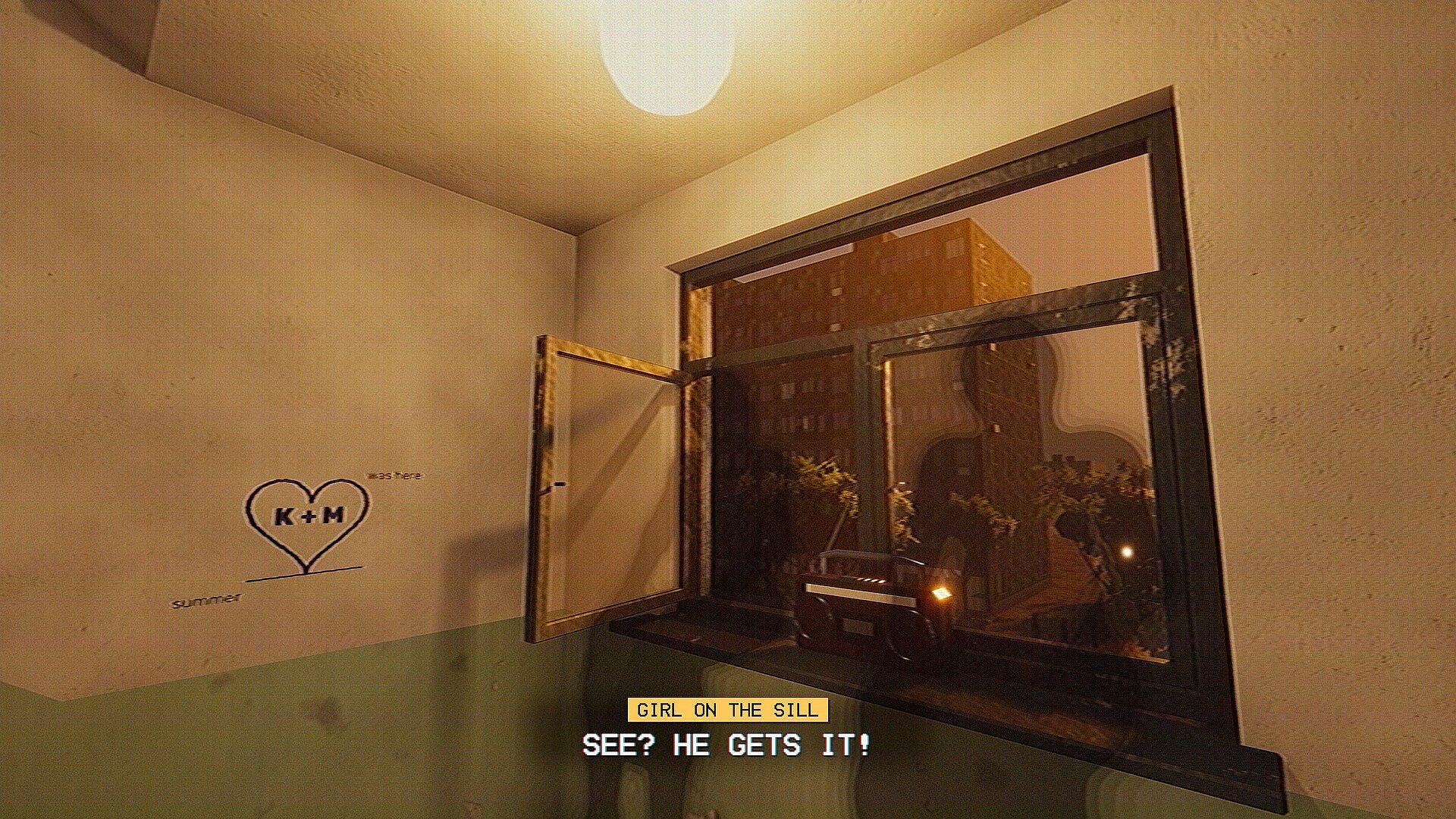
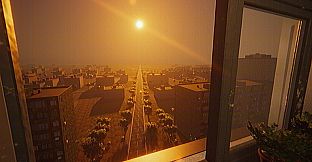
The events take place on August 31, capturing the last light of summer as friends gather above. The building itself becomes the stage, with landings serving as brief stages for neighbor interactions. Each resident carries their own concerns, turning the climb into a series of intimate stops rather than a solitary ascent. The narrative remains grounded in everyday exchanges that reveal small personal details without relying on external threats or dramatic reveals.
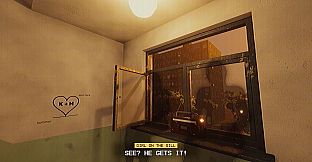
Atmosphere builds through the passage of time and the gradual dimming of daylight visible through windows and open doors. The setting avoids exaggeration, presenting a familiar apartment block where ordinary lives intersect for one evening. Players piece together fragments of these lives through what they choose to say and how they respond to the people they meet along the way.
Atmosphere and Presentation
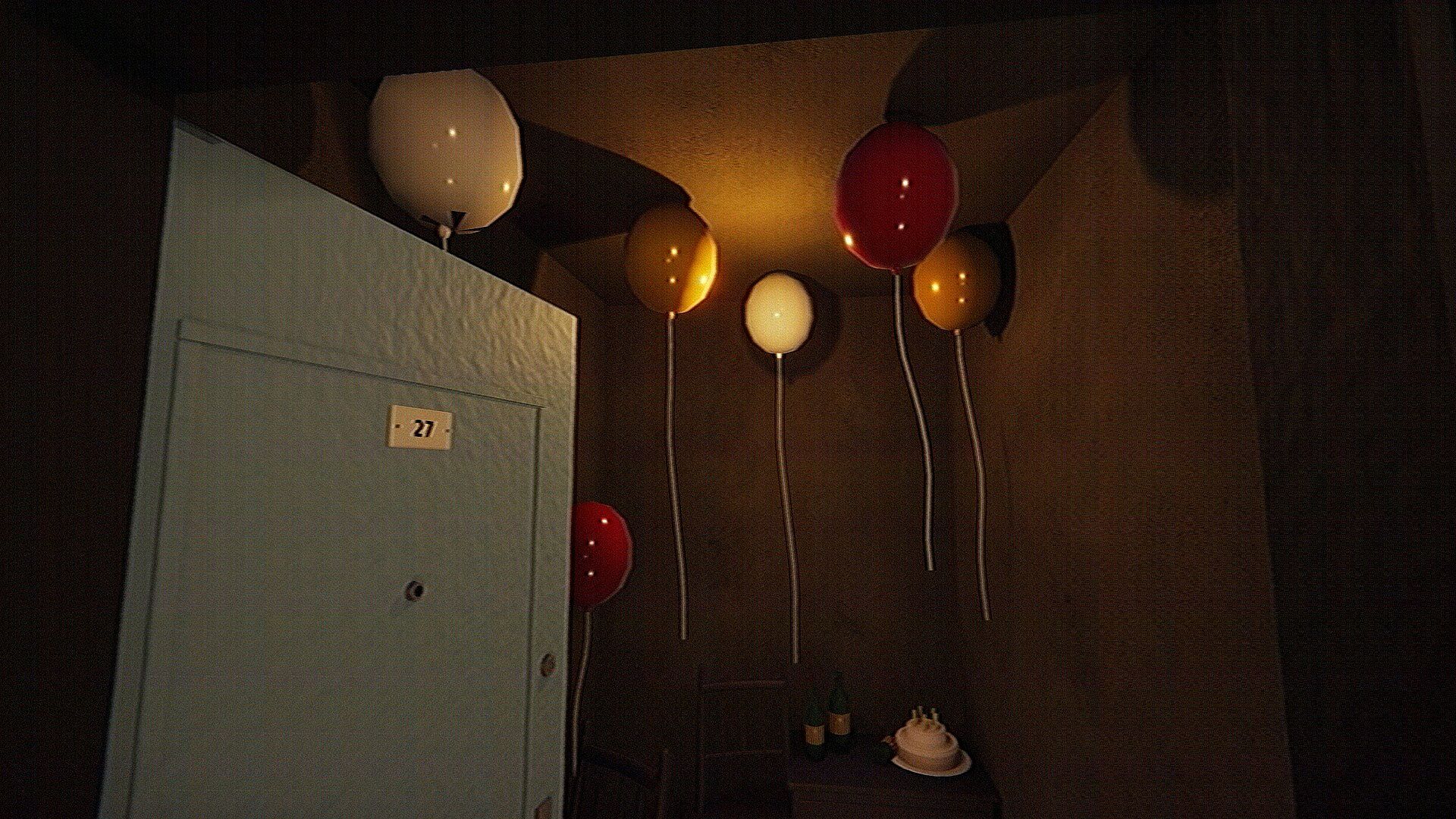
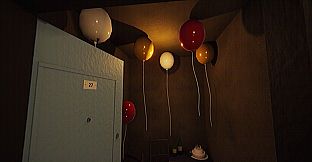
Quiet tension replaces traditional horror elements. The experience relies on the unease of empty landings, half-open doors, and voices that invite or interrupt the climb. An original piano score accompanies the journey, providing a sparse musical backdrop that matches the introspective tone. Visuals focus on realistic details of the stairwell and surrounding spaces, keeping the focus on the human elements rather than spectacle.
The short length suits players seeking a focused session that can be completed in one sitting. Emphasis falls on emotional resonance through conversation rather than length or complexity in systems.
Is It Worth Playing?
This title suits those who enjoy narrative-driven indie games centered on dialogue and personal choices. The single-player format delivers a contained story where interactions with neighbors form the main draw, and decisions influence how those characters carry forward. With its emphasis on atmosphere over action, it appeals to players comfortable with slower pacing and reflective moments. The game remains in a pre-release state with a planned launch in December 2026, so current information centers on the described features and tone. For audiences drawn to quiet, choice-based experiences in everyday settings, the premise offers a distinct alternative to more conventional story games.