






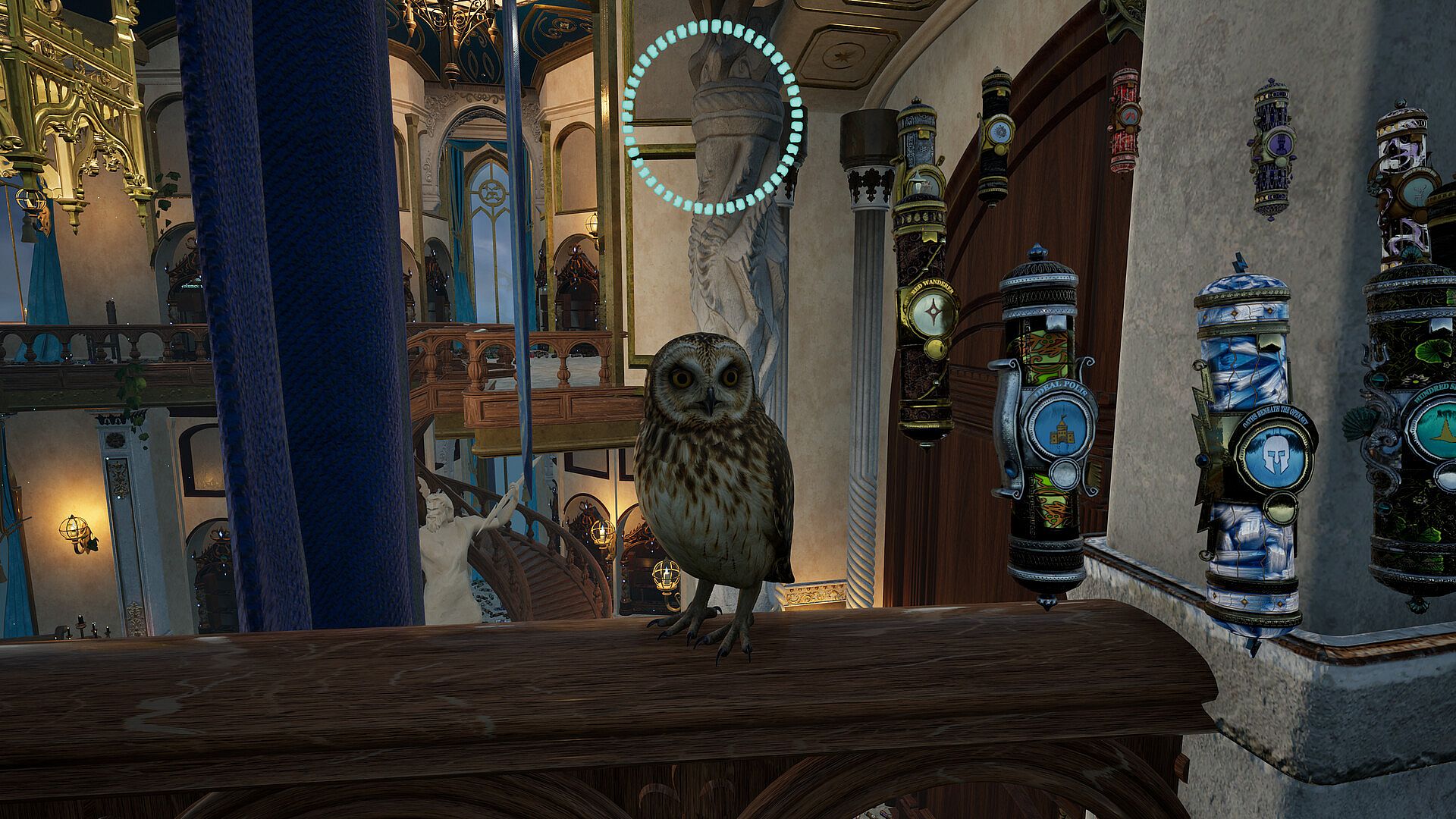
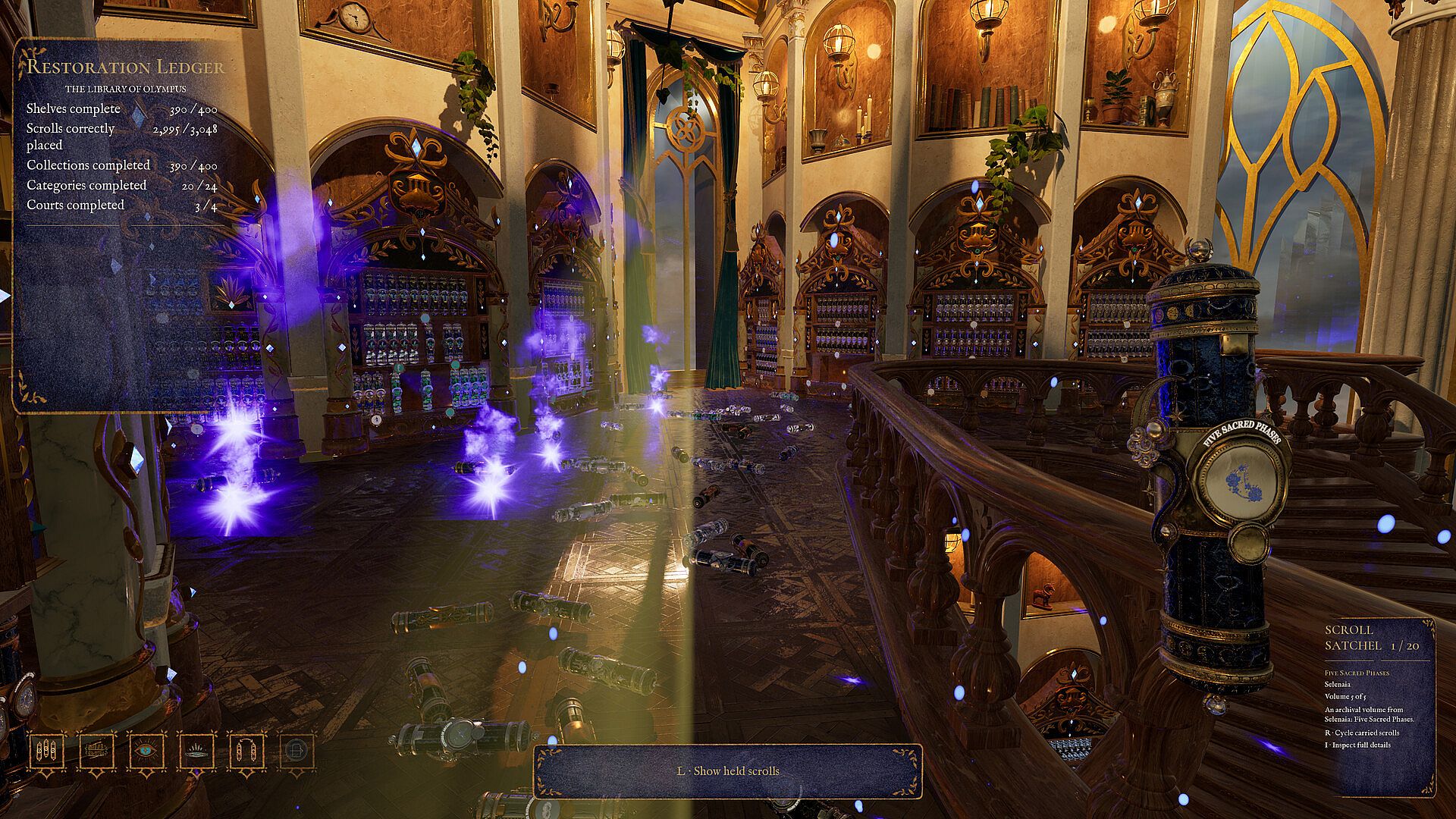
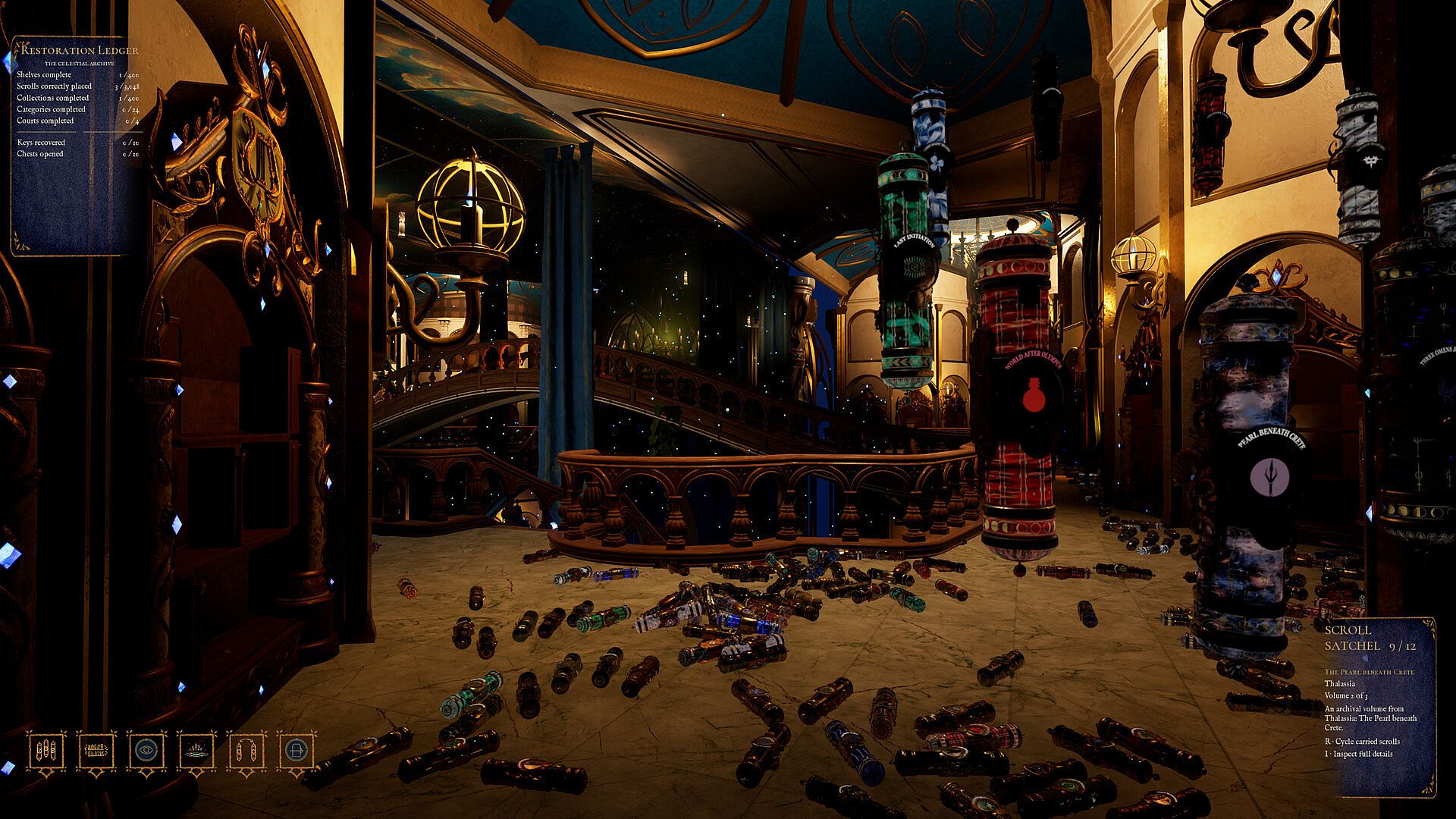
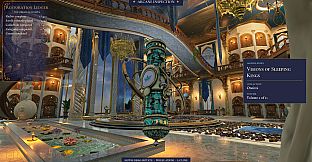
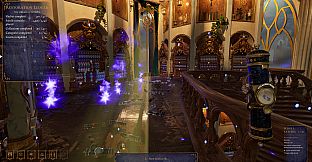
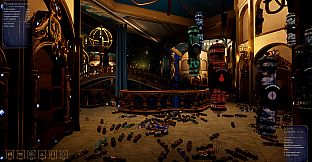
SCROLLS: Tidy up the Library of Olympus! is a casual indie simulation game built around the satisfying process of restoring order to a vast collection of ancient knowledge. Set in the Mouseion, a library dedicated to the wisdom of Olympus, players sort thousands of scattered scrolls into their proper places on the shelves. The experience emphasizes careful observation and methodical placement rather than speed or competition, making it a relaxed activity suited to solo sessions or shared play with others.
Gameplay
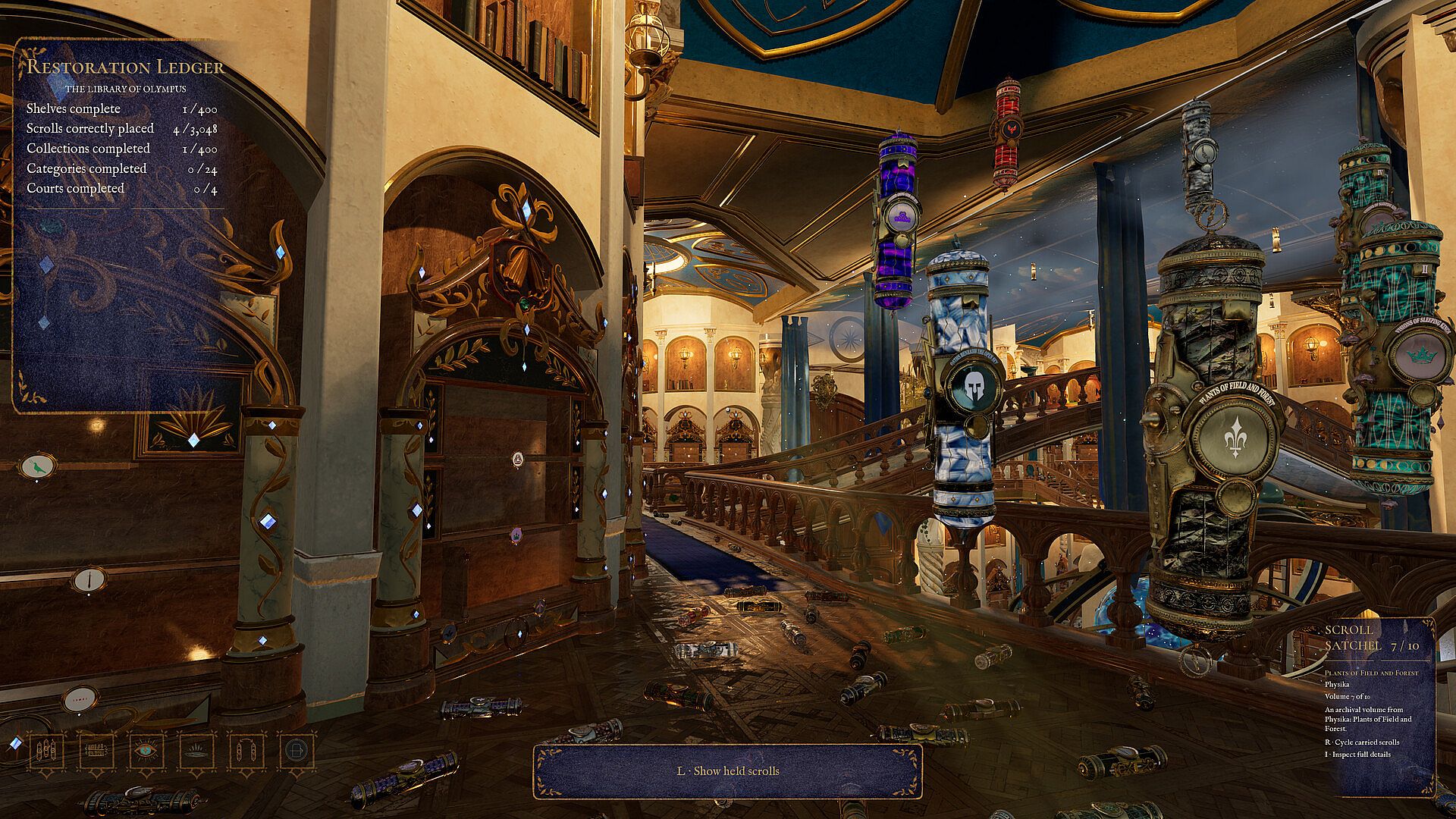
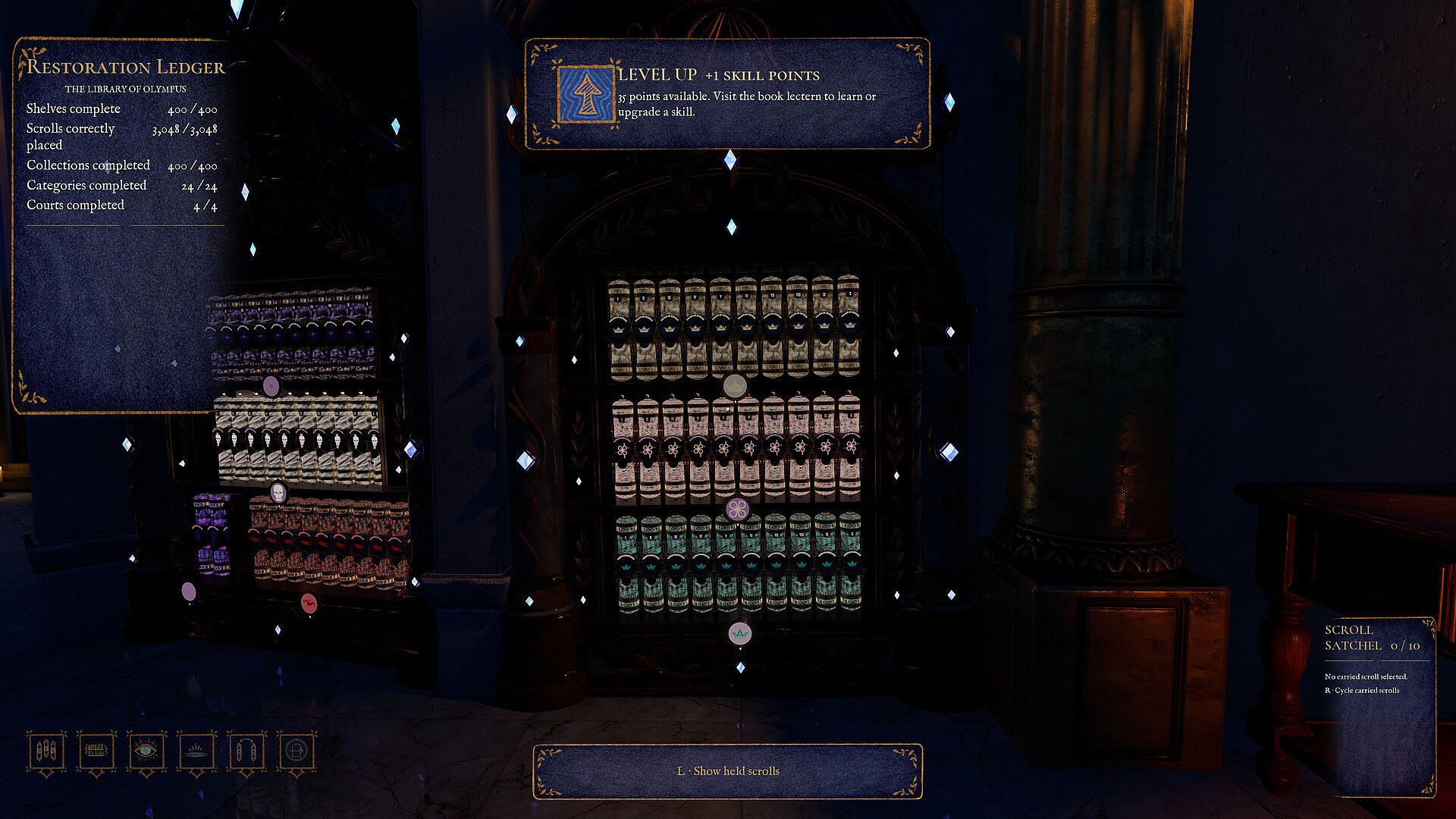
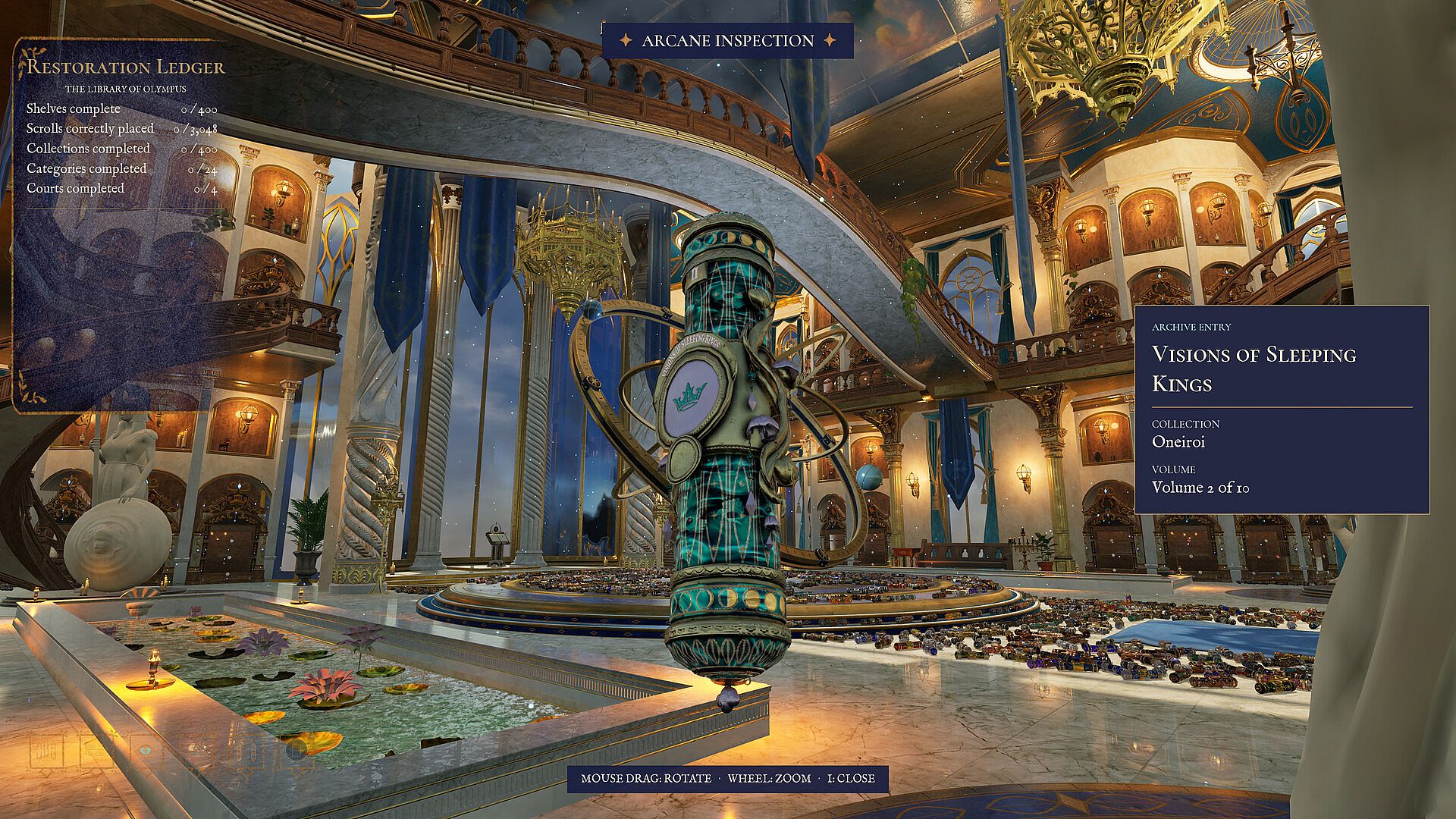
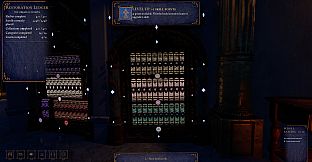
The core loop revolves around examining individual scrolls up close. Each one carries distinct markings including its title, color, emblem, and Roman numeral that identify its collection and position within that group. Players pick up scrolls from piles scattered across the library floor, carry stacks to the correct shelves, and arrange volumes in the precise sequence required by their numerals. Movement feels deliberate as stacks must be managed carefully to avoid dropping items, and shelves demand exact ordering before they register as complete.
Progression comes through repeated sorting sessions that unlock abilities to streamline the work. These powers range from commanding scrolls in hand to arrange themselves automatically to revealing the rightful shelf for any carried item or summoning missing volumes from a collection directly into reach. Additional improvements expand carrying capacity, increase movement speed, and allow higher reaches, turning an initially manual task into a more efficient and almost magical routine. The library itself remains consistent between sessions, with three save slots available to pick up exactly where progress left off.
Game Modes
Players can tackle the full restoration alone at their own pace or invite friends for online co-op sessions. In cooperative play, participants divide collections among themselves, locate volumes for one another, and coordinate to fill shelves together. The shared library state means progress carries over for the group, encouraging teamwork or lighthearted debate over placement decisions. Both approaches draw from the same pool of 3,048 scrolls organized into 400 collections across 24 thematic categories such as astronomy, geography, history, and epic poetry.
Upgrades and Progression
Restoring order gradually grants access to specialized tools that alter how scrolls are handled. Early abilities focus on inspection and guidance, while later ones introduce automation features like direct auto-shelving of matches or assembling an entire collection into hand at once. These upgrades reward consistent effort without altering the fundamental requirement to match emblems, colors, and numerals correctly. The system supports different play styles, from methodical manual sorting to leveraging powers for faster completion of larger sections.
Is It Worth Playing?
This simulation appeals most to those who enjoy methodical organization tasks and the visual satisfaction of turning disorder into neat, labeled shelves. The handcrafted materials for each collection add variety to the recognition process, and the co-op option extends the experience for groups looking for a low-pressure collaborative activity. Player feedback on similar organizing titles highlights the addictive rhythm of spotting patterns and completing collections, with many noting strong replay value through different upgrade paths or speed-focused runs. The game runs on PC and maintains a steady, unhurried pace that suits short or extended sessions without external time pressure. Those drawn to casual simulation experiences centered on sorting and arrangement will find a focused, self-contained loop here that delivers consistent moments of completion.











