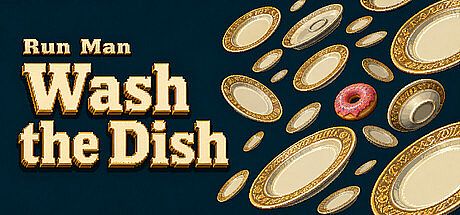


Run Man: Wash the Dish is a casual indie pixel-art game set on PC that puts players in the role of Wang, a newcomer starting over in a restaurant kitchen. The experience centers on the daily routine of washing dishes while managing limited resources and navigating personal decisions that shape his path forward.
Gameplay
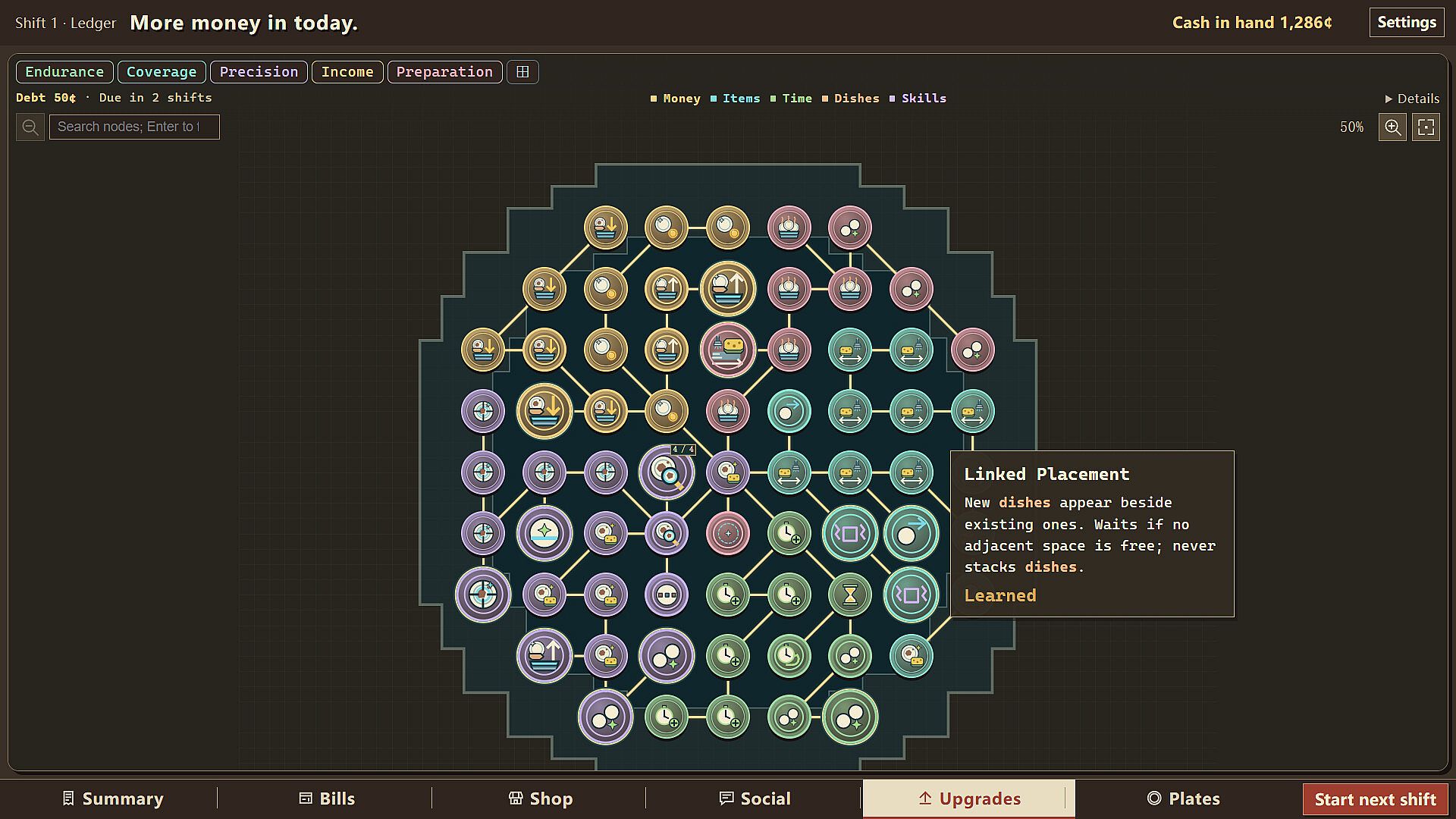
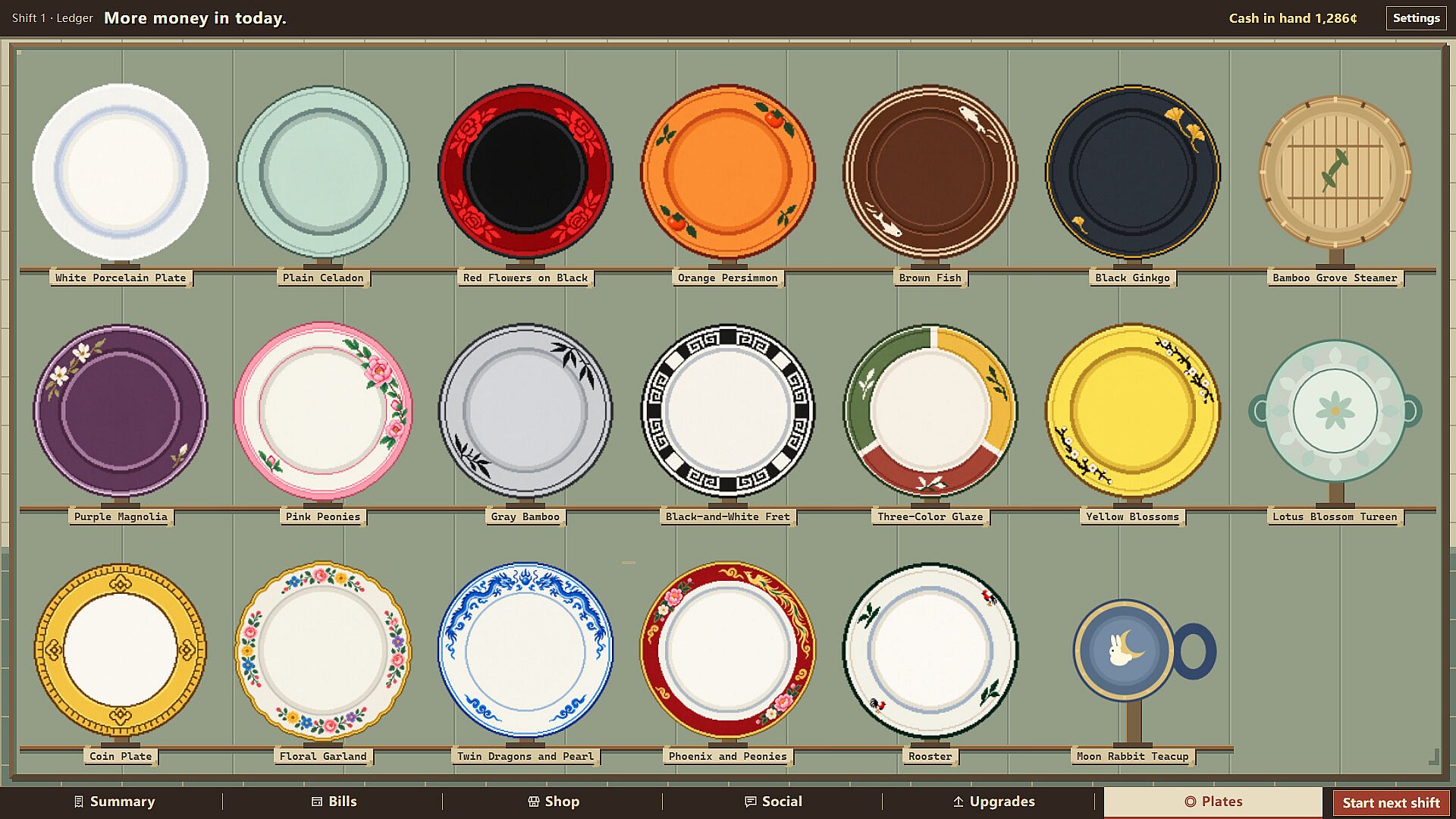
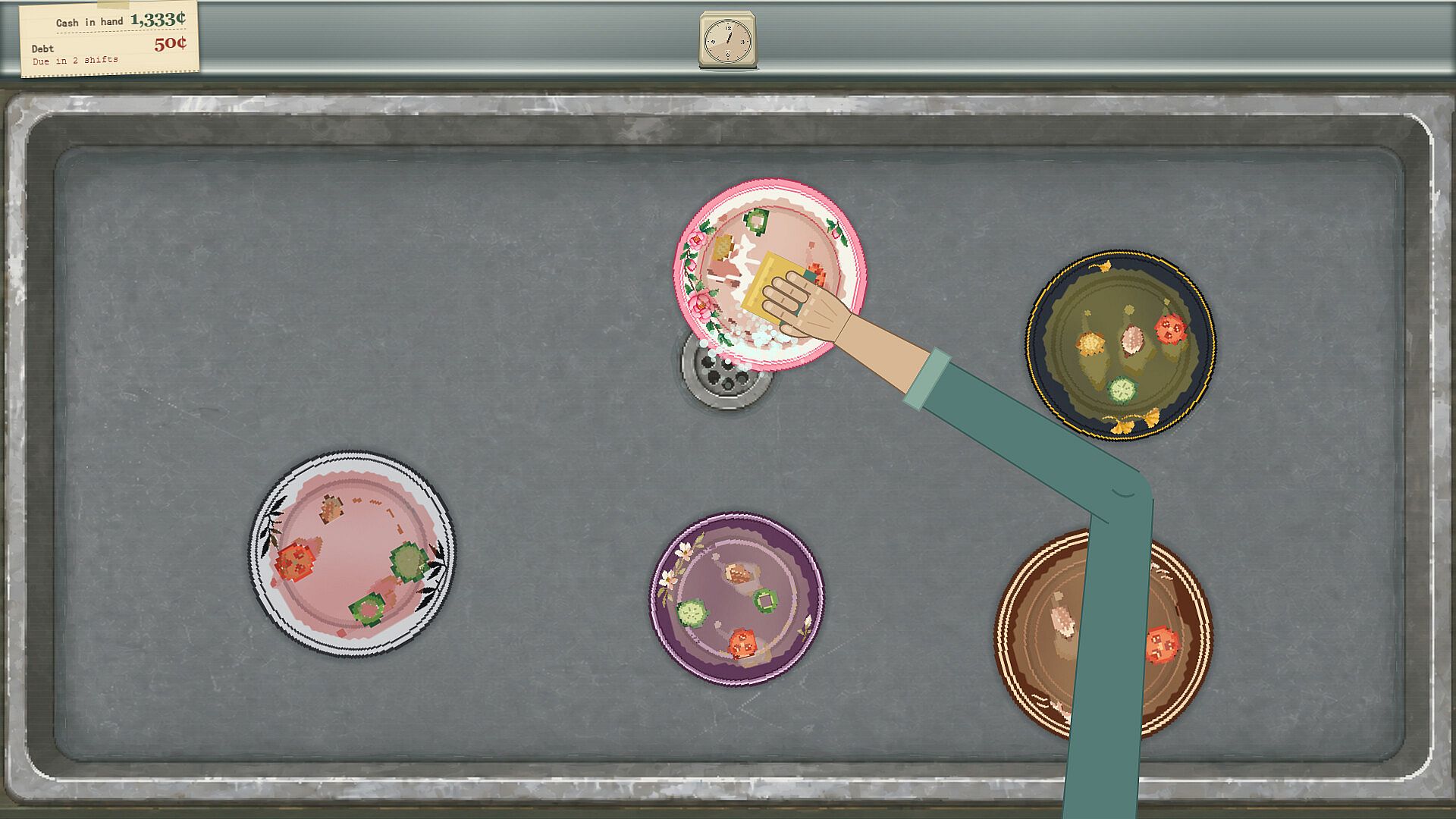
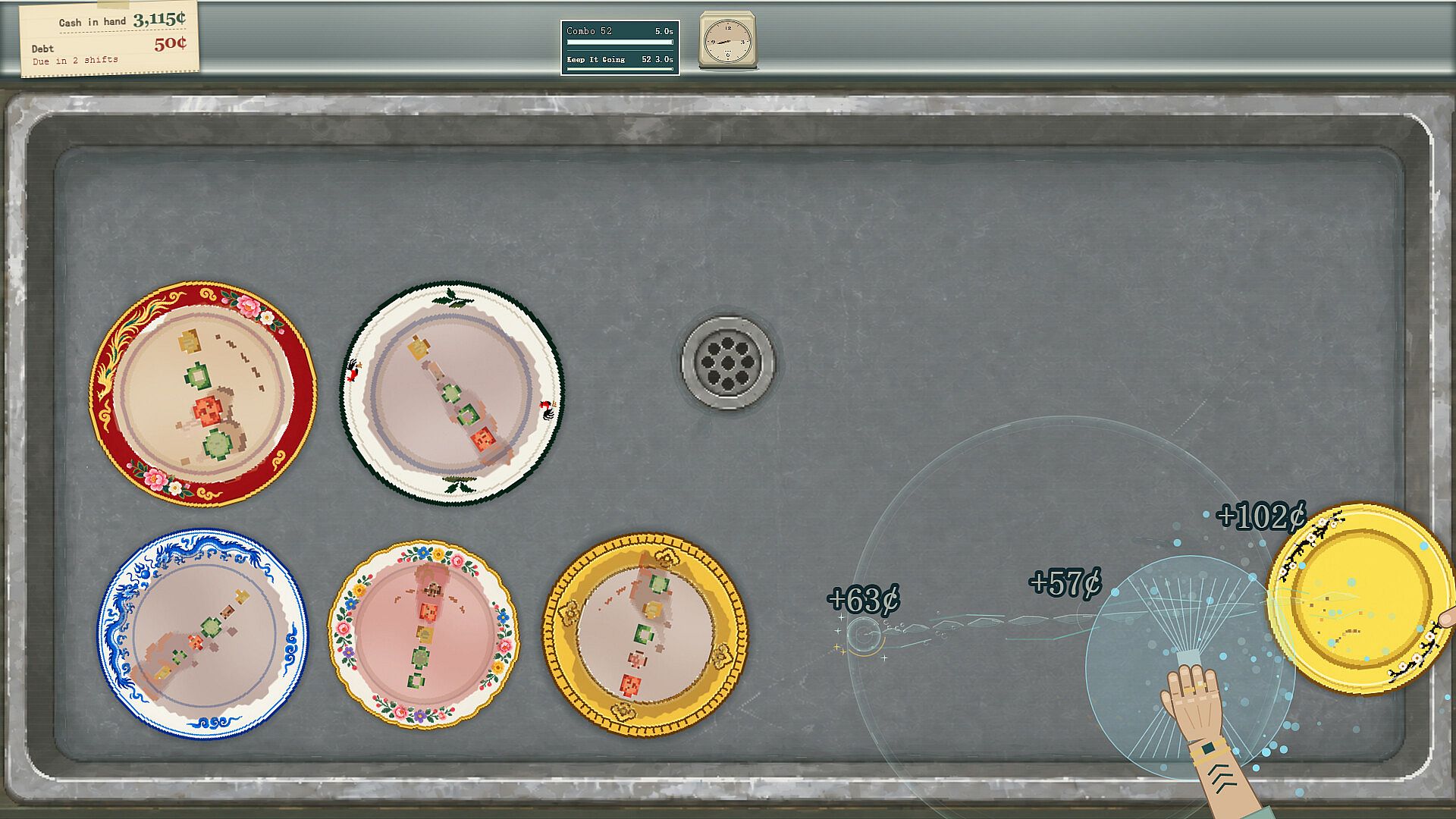
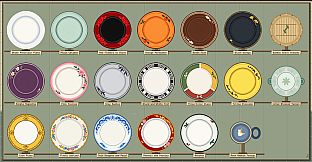
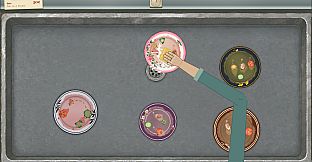
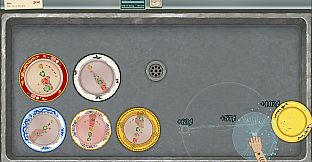
The core loop involves using the mouse to scrub away grime from plates and reveal underlying patterns. Clean plates are collected by a coworker, triggering immediate pay that players can use to upgrade tools or talents. Starting with a basic sponge, the game encourages saving for improvements like a wide spray nozzle. Six talent branches offer options such as extending shift time, expanding the cleanable area, or boosting earnings per plate. An active skill helps handle stubborn spots or clear batches quickly. Ten distinct plate designs appear over time, each with different levels of grime that require varying effort to clean. Progression feels steady as better equipment leads to higher paydays, though real-world expenses like car repairs or medical needs can interrupt the flow. The pixel-art style keeps the focus on the repetitive yet satisfying motion of scrubbing while the story unfolds through short scenes between shifts.
Game Modes
Run Man: Wash the Dish operates as a single-player experience built around the dishwashing routine and branching narrative. There are no separate competitive or cooperative modes. Instead, the game emphasizes repeated shifts at the sink combined with choice-driven story segments. Players track hours worked, balance income against costs, and respond to unexpected events that affect daily life. The structure rewards consistent play through tool upgrades and talent selections that alter how each shift unfolds. Multiple endings emerge from the cumulative impact of these choices, encouraging players to revisit the kitchen with different priorities in mind.
Story and Progression
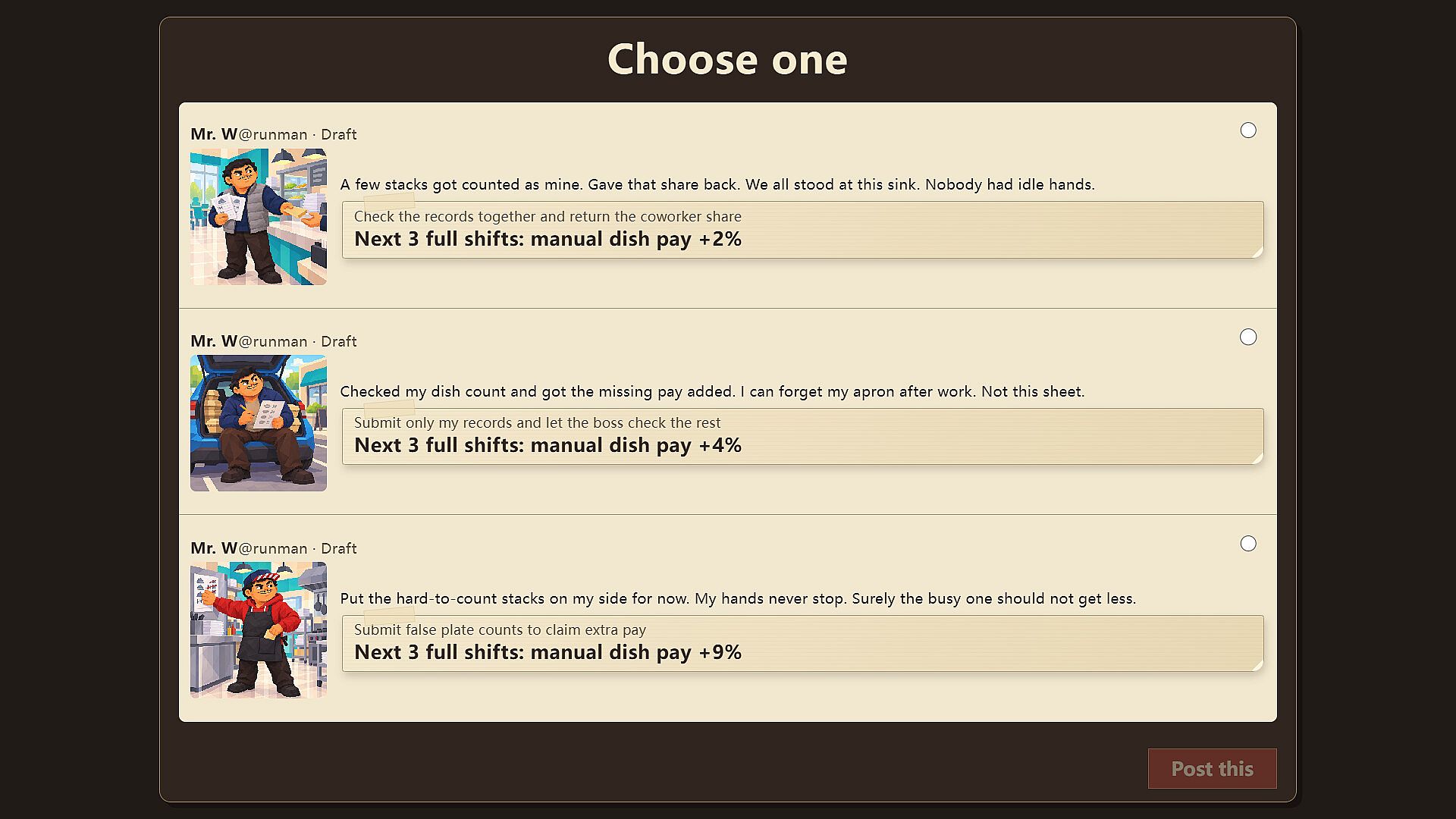
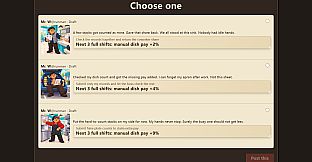
Wang arrives with hopes of building a better life after reaching America, viewing the restaurant job as a stepping stone toward ownership. Between washing sessions, short narrative moments present decisions about finances, health, and how much of his reality to share with others watching from afar. Some situations involve practical trade-offs, such as choosing between a new tool or a place to sleep. Others touch on family expectations or the pressure to present success on camera. The story develops gradually across shifts, revealing more about Wang's situation and the people around him. Ten plate designs and six talent branches tie directly into this progression, as improved performance opens new options for handling both the work and the personal challenges that follow.
Is It Worth Playing?
Run Man: Wash the Dish suits players who enjoy casual indie titles that blend simple mechanical loops with meaningful choices. The dishwashing activity provides a steady, tactile rhythm that rewards upgrades and practice, while the story branches offer replay value through different outcomes. Those interested in short sessions focused on resource management and light narrative will find the experience engaging without overwhelming complexity. The pixel-art presentation and focus on everyday struggles make it a distinctive entry in the casual genre. Availability on PC keeps the barrier low for anyone curious about this particular take on starting over abroad.