

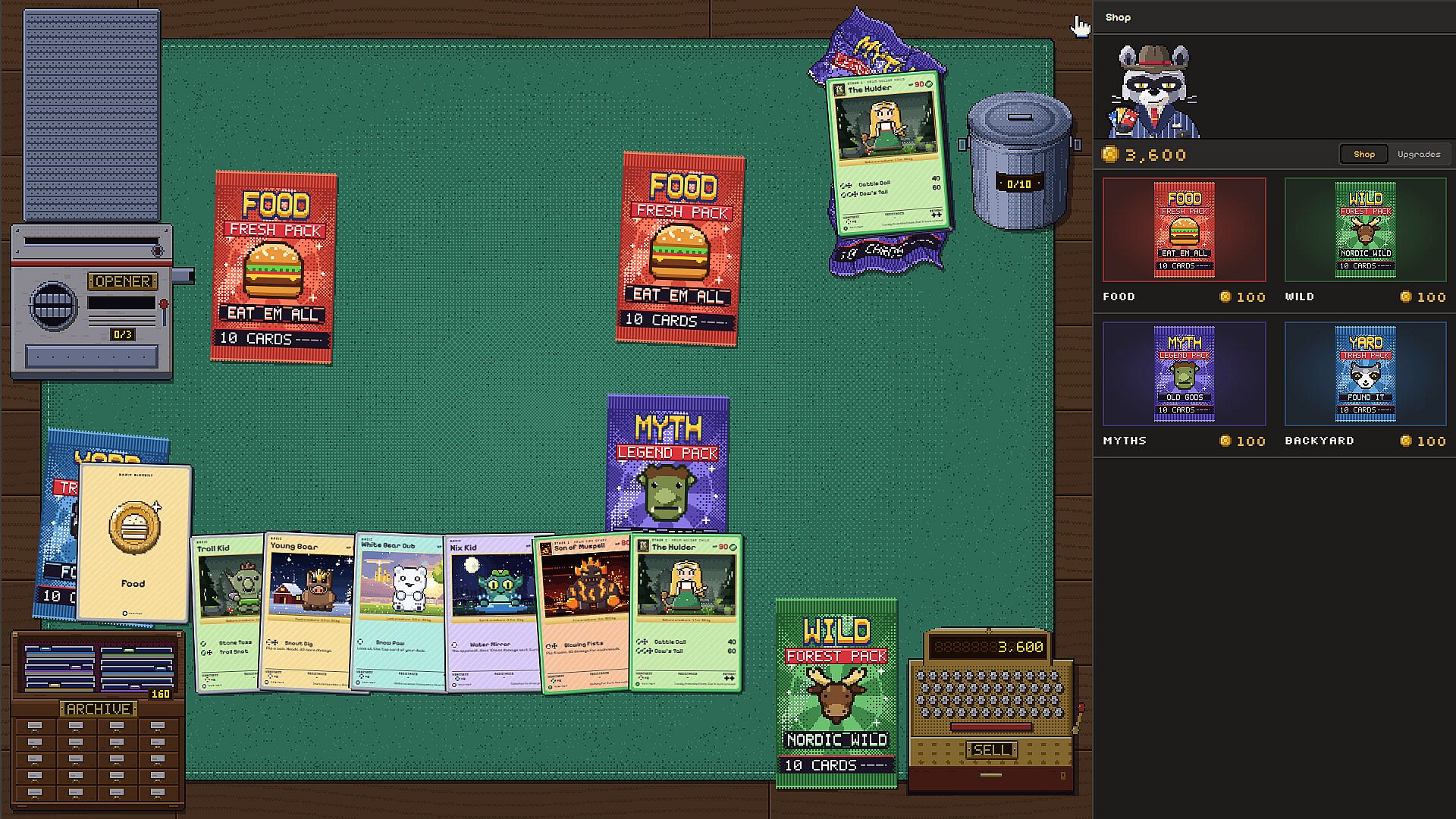
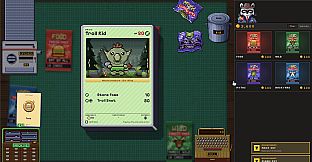
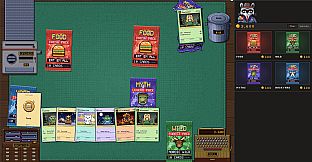
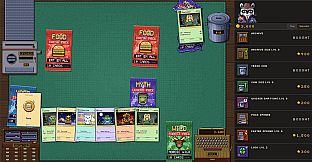
RIP-OFF is a single-player indie casual simulation game built around the tactile pleasure of opening booster packs in a pixel-art card shop. Players step into a cozy setup where they buy packs from a shady raccoon dealer named Panda, slice them open with a knife swipe, sort the cards, archive the keepers, sell the rest, and handle the resulting trash. The experience emphasizes hand-crafted pixel art, a crunchy cutting mechanic, and a steady loop of earning coins to buy more packs while upgrading the workspace over time.
Gameplay
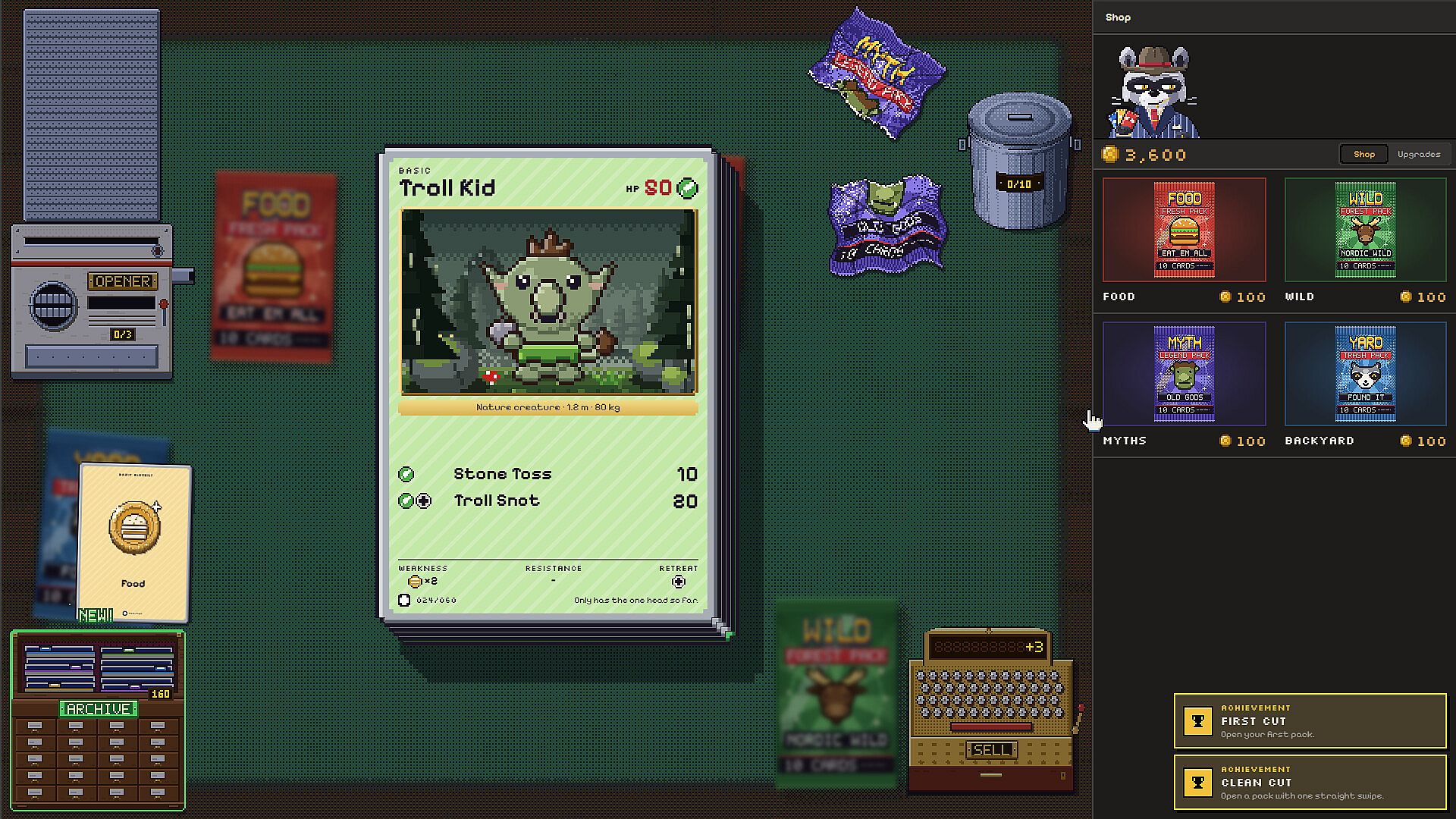
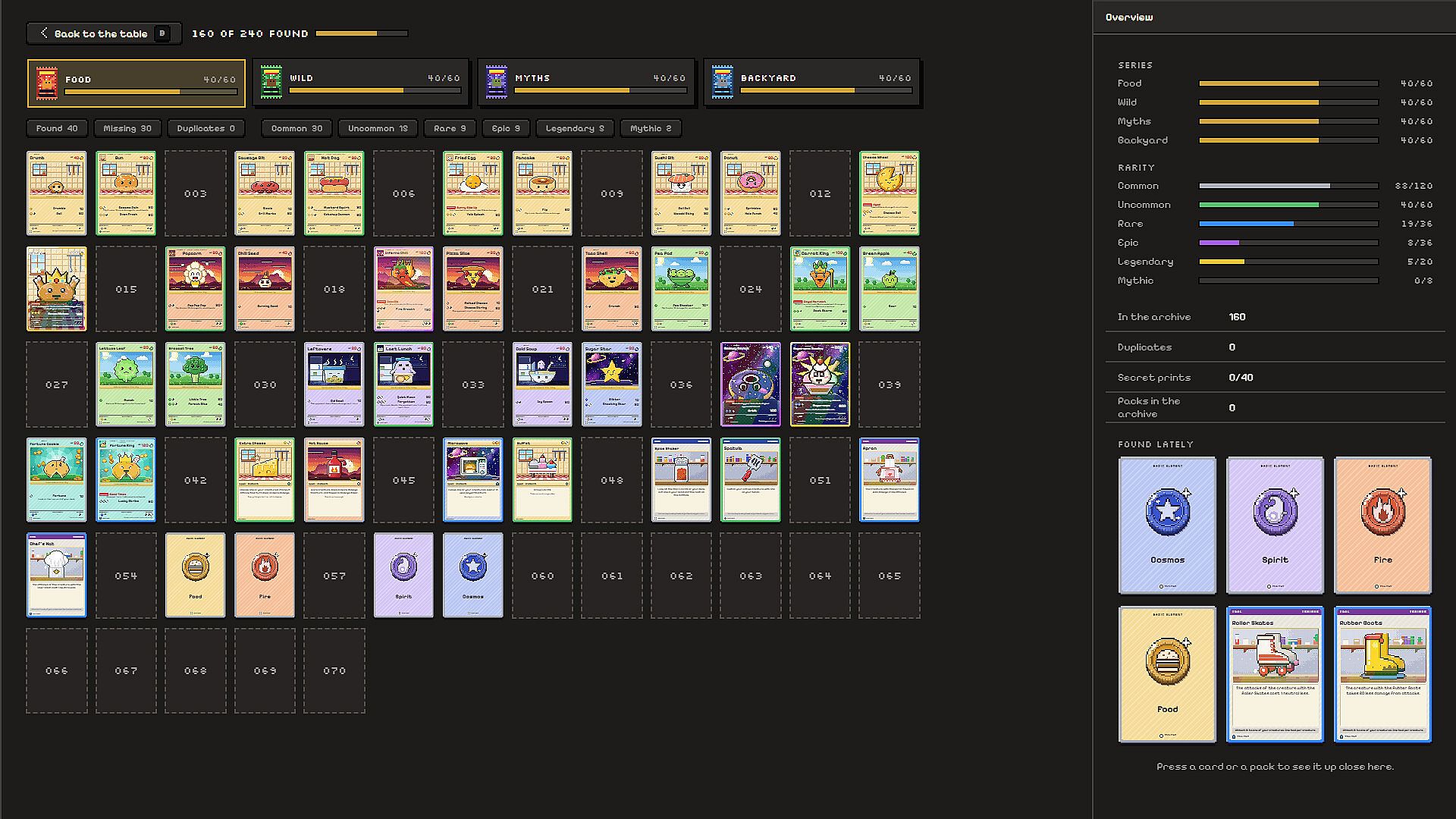
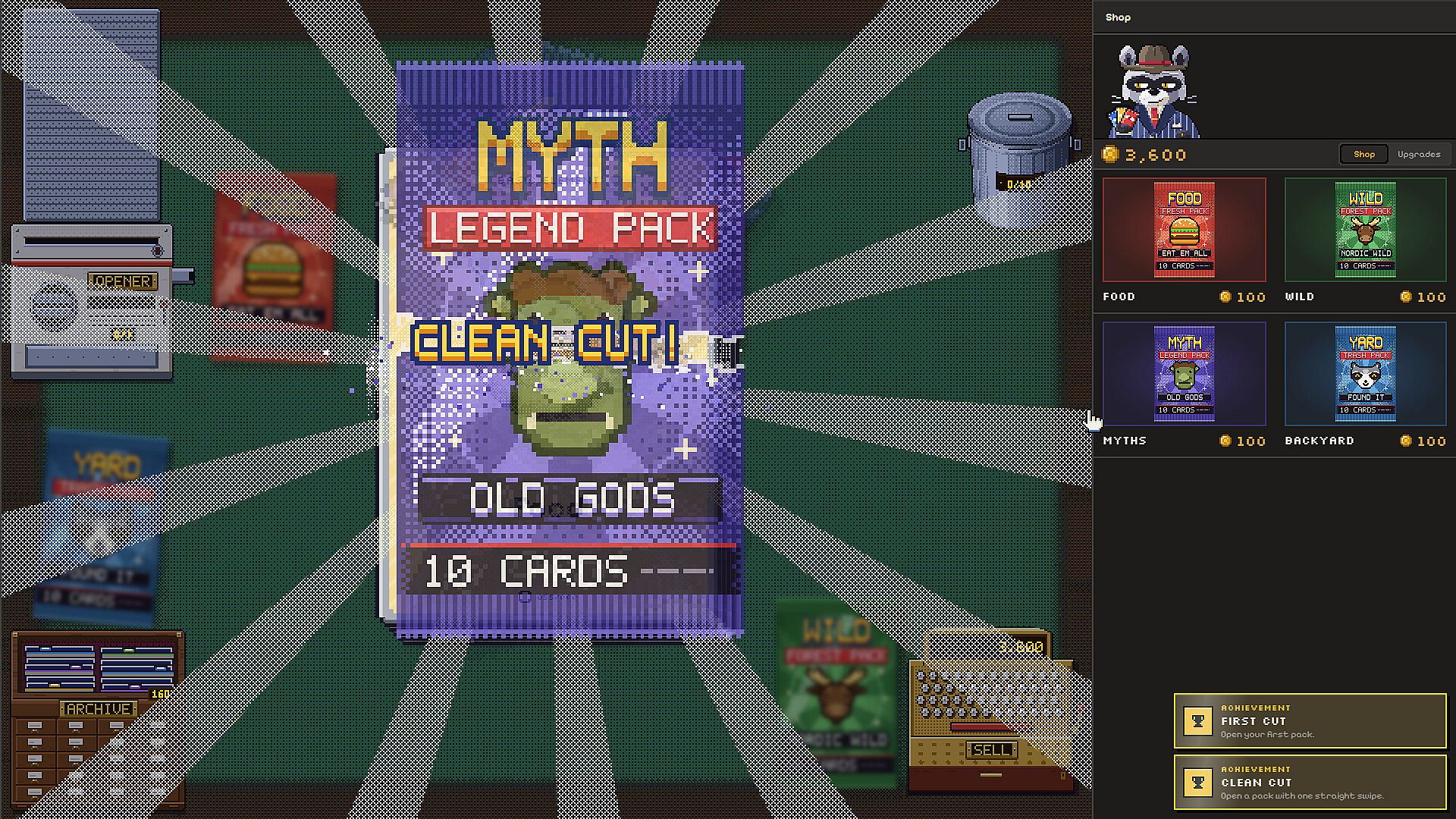
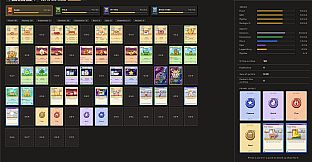
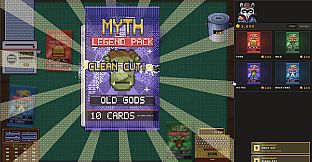
The core loop begins with purchasing booster packs using coins earned in the shop. Players hold each pack and perform a single swipe with the knife to open it, with a clean straight cut earning a special reward. Cards spill out and land on the table, where they can be dragged individually, spread across the surface, or stacked neatly for inspection. Keepers go into a growing catalogue that fills binders for each series, including secret prints and variants. Duplicates and less desirable cards head straight to the till for sale, with rarer finds bringing higher payouts that fund additional packs. Torn wrappers accumulate as trash that must be tossed into the bin, and recycling them yields a small extra coin bonus.
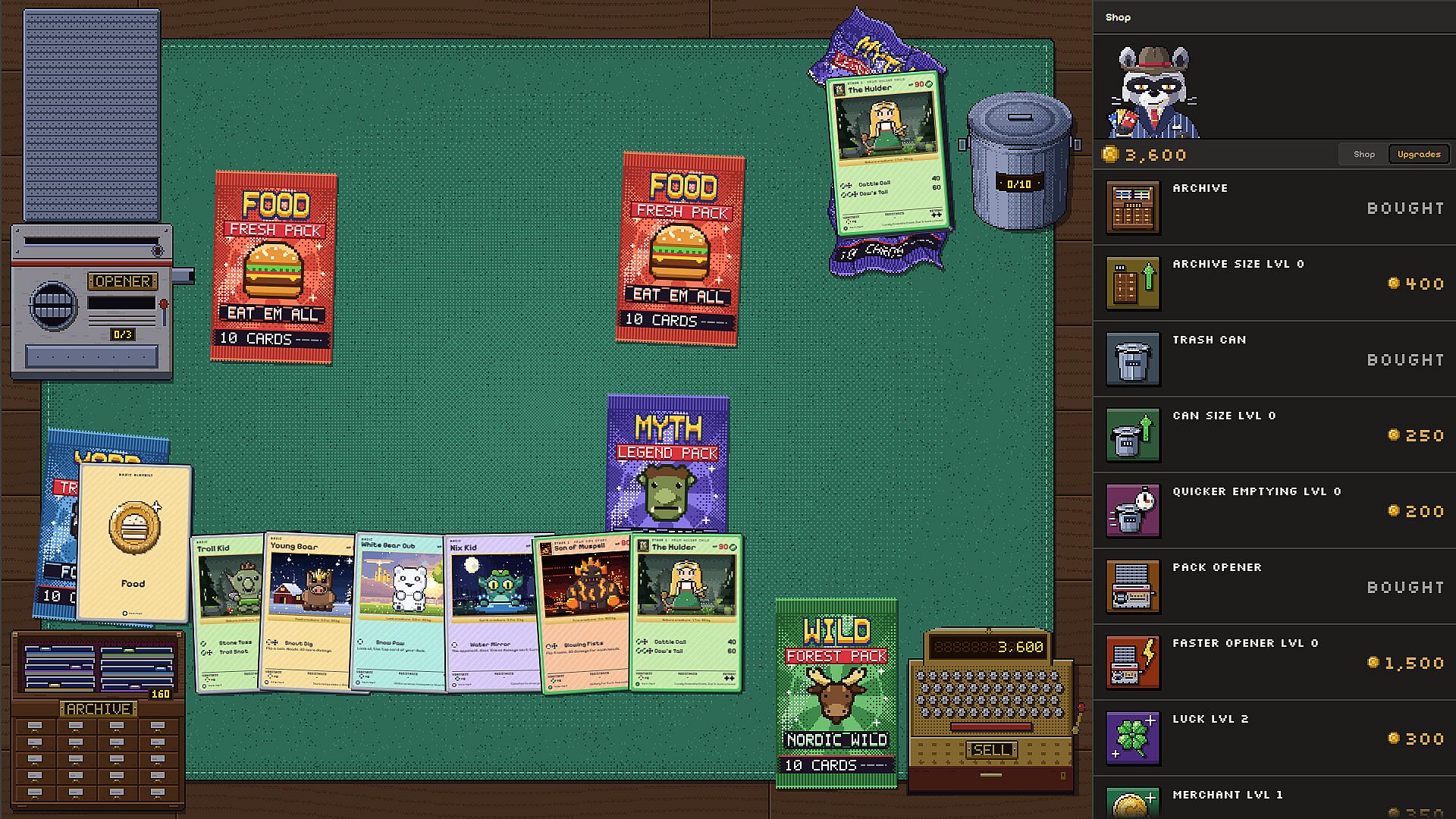
Progression comes through table upgrades purchased with earned coins. Early sessions require manual pack opening and dealing, but investments unlock tools such as an automatic pack opener that also shreds wrappers, a larger trash can, and stat boosts like improved luck on final cards in a pack, better merchant prices, and faster card handling. The shady raccoon dealer provides guidance on each new feature as it unlocks. Hand-made pixel art gives every card and environment a distinct look, while the physical-feeling cut mechanic adds satisfying feedback to every opening.
Game Modes
RIP-OFF runs entirely as a single-player experience with no separate competitive or multiplayer modes. The entire session revolves around the repeated cycle of buying, opening, sorting, selling, and cleaning within the card shop. Players advance at their own pace through the four series, filling binders and unlocking upgrades without time limits or external objectives beyond personal collection goals and achievement tracking for every card discovered. Bilingual support allows play in English or Norwegian, and the absence of real-money purchases keeps all pack acquisitions tied strictly to in-game coin earnings.
Card Series and Collection
Four distinct series make up the 280 cards available. The Food series follows a progression from crumbs to buns and finally to burgers. The Wild series features Nordic animals ranging from barn settings to mountain environments. The Myths series draws from Norse myths and folk tales with creatures such as trolls, wights, Sleipnir, and the Midgard Serpent. The Backyard series captures everyday scenes including rats, gulls, moldy pizza, and the bins behind the shop. Each series contains six rarities spanning common to mythic, along with foil and full-art prints plus hidden secret cards. Achievements track every unique card found, encouraging completion of the full binders.
Upgrades and Progression
Coins spent on table improvements shift the workflow from fully manual to increasingly automated. Early upgrades focus on basic conveniences like a bigger trash receptacle, while later ones introduce mechanical assistance for cutting packs and improved probabilities or pricing. The progression rewards consistent play by turning repetitive tasks into background processes, allowing more time for the enjoyable aspects of card examination and binder organization. The dealer character introduces each upgrade with explanatory dialogue that ties directly into the expanding shop capabilities.
Is It Worth Playing?
RIP-OFF suits players who enjoy relaxed single-player simulation and collecting mechanics without pressure or external purchases. The verified features include hand-made pixel art, a tactile pack-opening system, four themed series with multiple rarities and secret cards, table upgrades that automate parts of the loop, achievements for card discovery, and full support for English and Norwegian. With no real-money transactions and a focus on earned coins, the game delivers a self-contained cozy experience centered on the satisfaction of opening packs and building a catalogue. Those drawn to indie casual titles that emphasize tactile feedback and steady progression will find the core loop rewarding, while the coming-soon status means the full release will determine long-term reception once players can engage with the complete set of 280 cards and upgrades.