








Rewind to Coding is a single-player simulation game set on PC that places players in the role of a programmer navigating the realities of the coding profession around 2010. The experience centers on daily problem-solving through documentation, web searches, and personal reasoning rather than automated tools, while balancing personal finances and advancing through a career path that begins in college and progresses toward higher earnings.
Gameplay
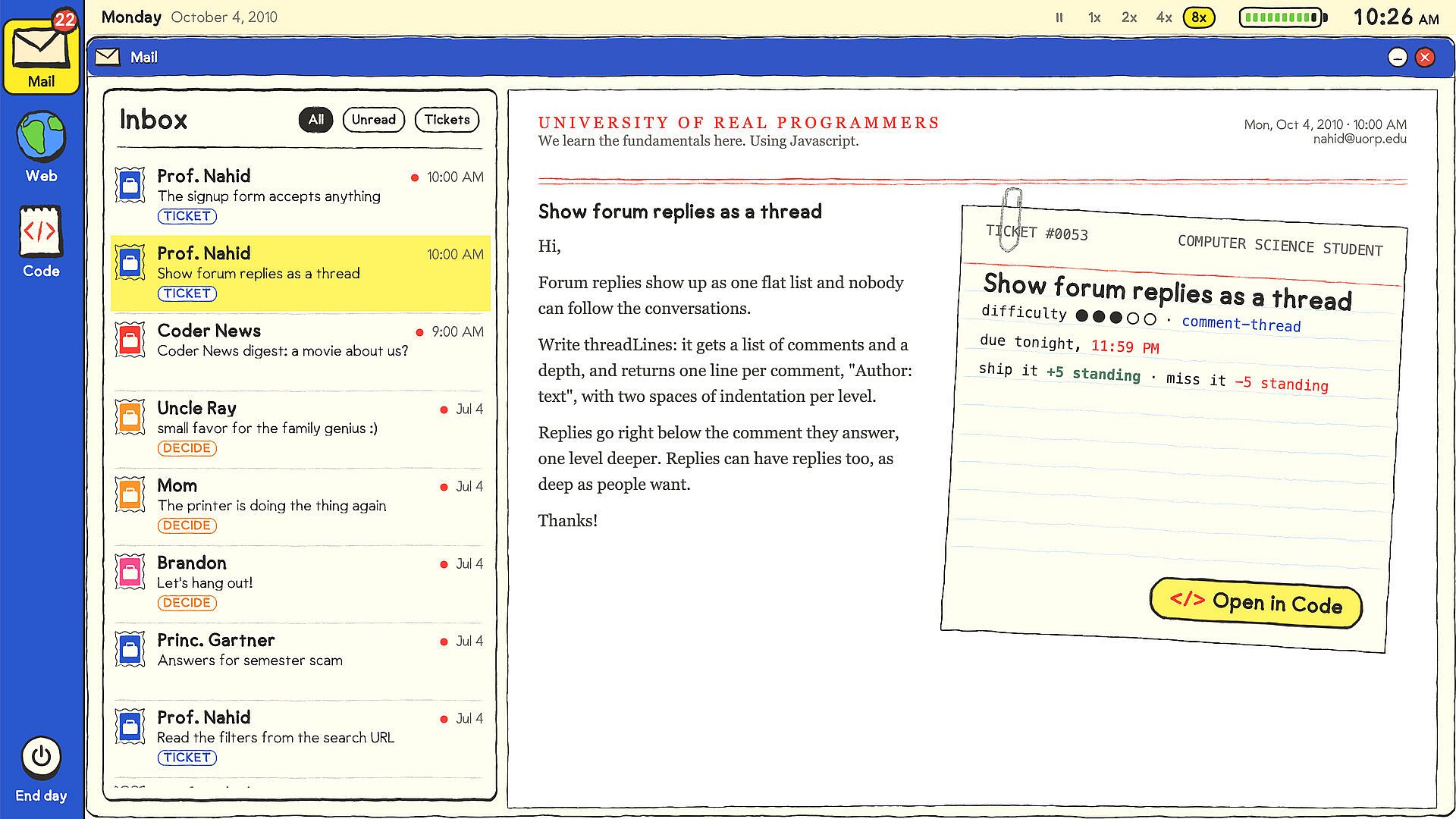
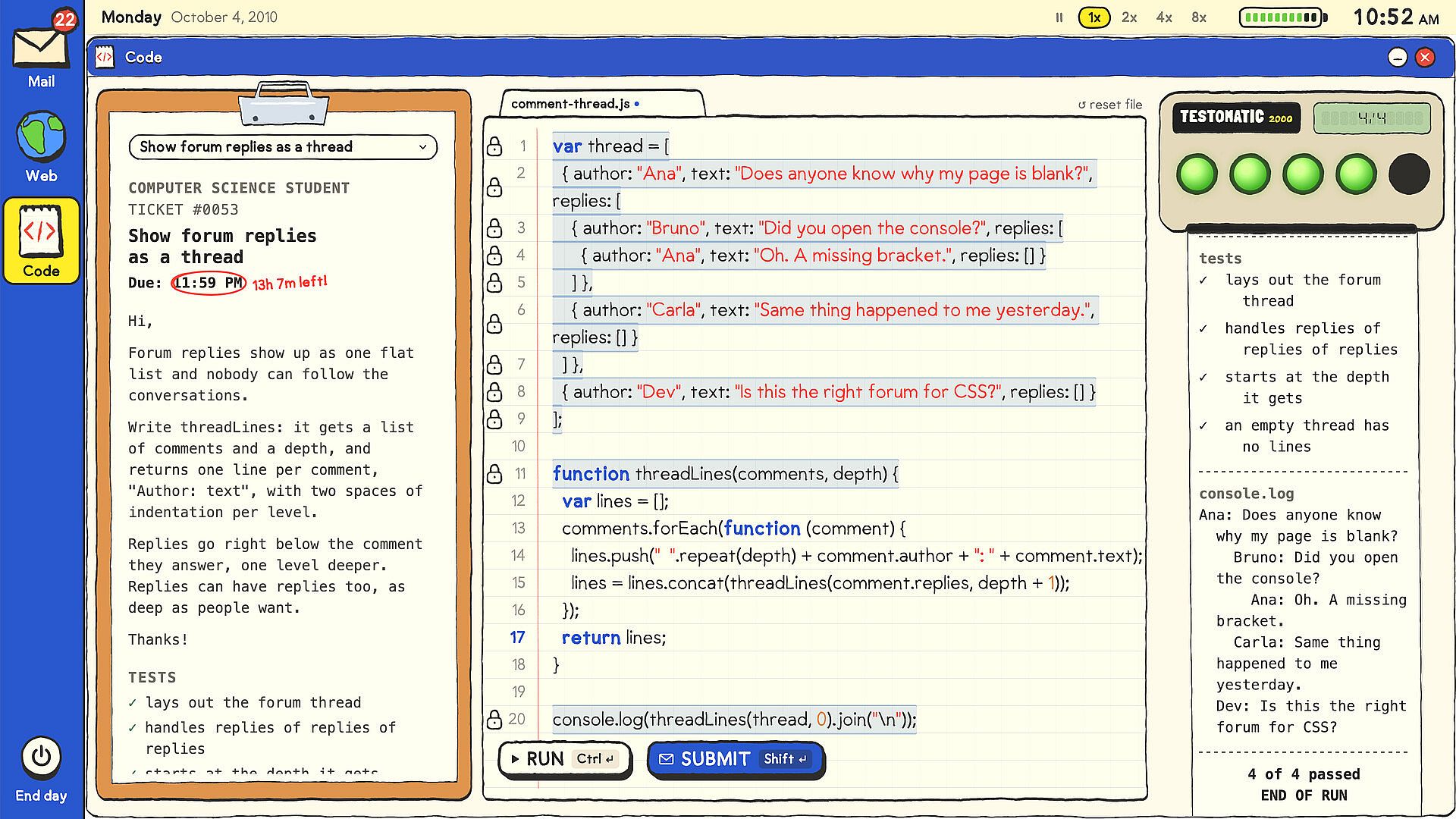
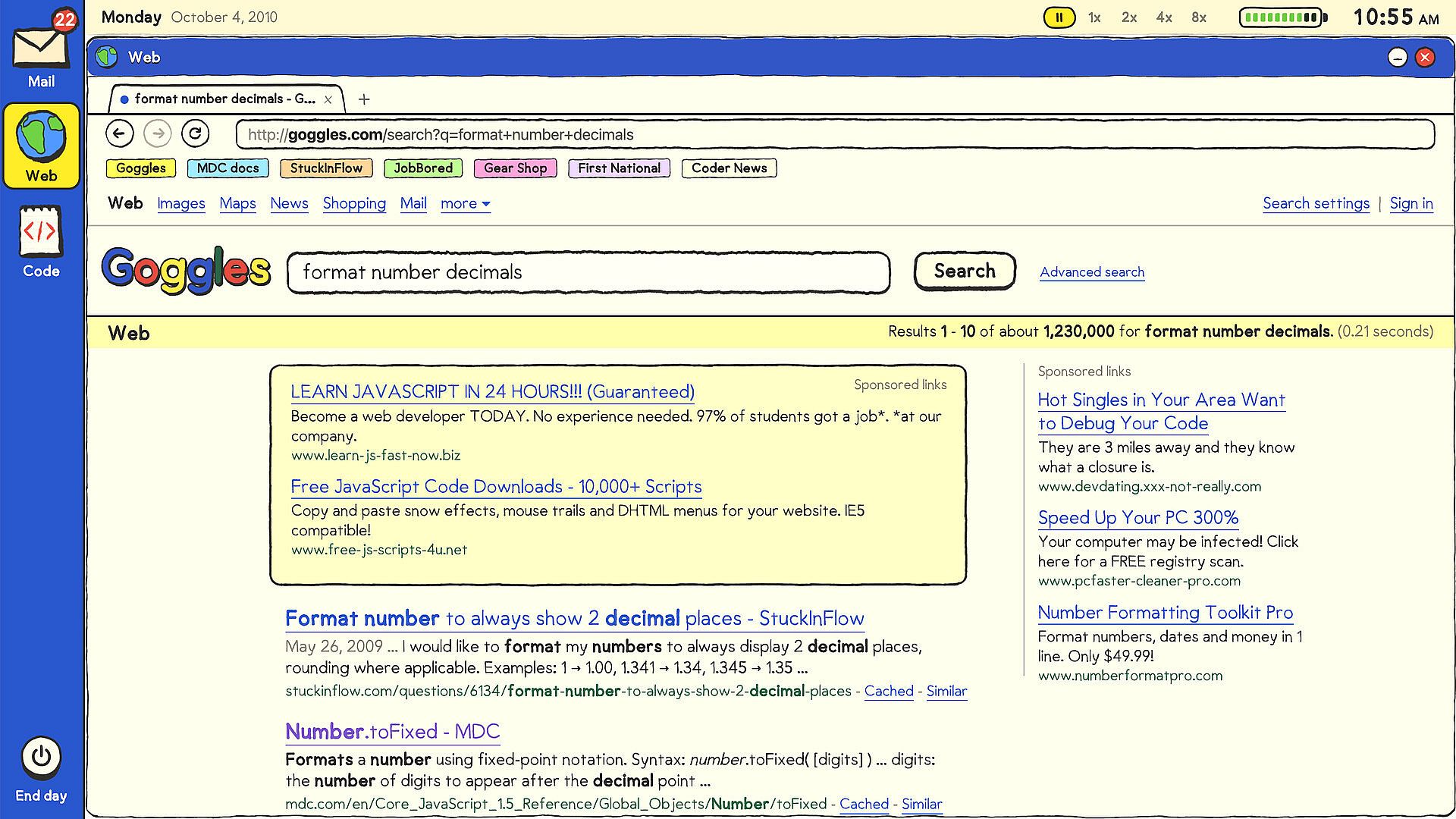
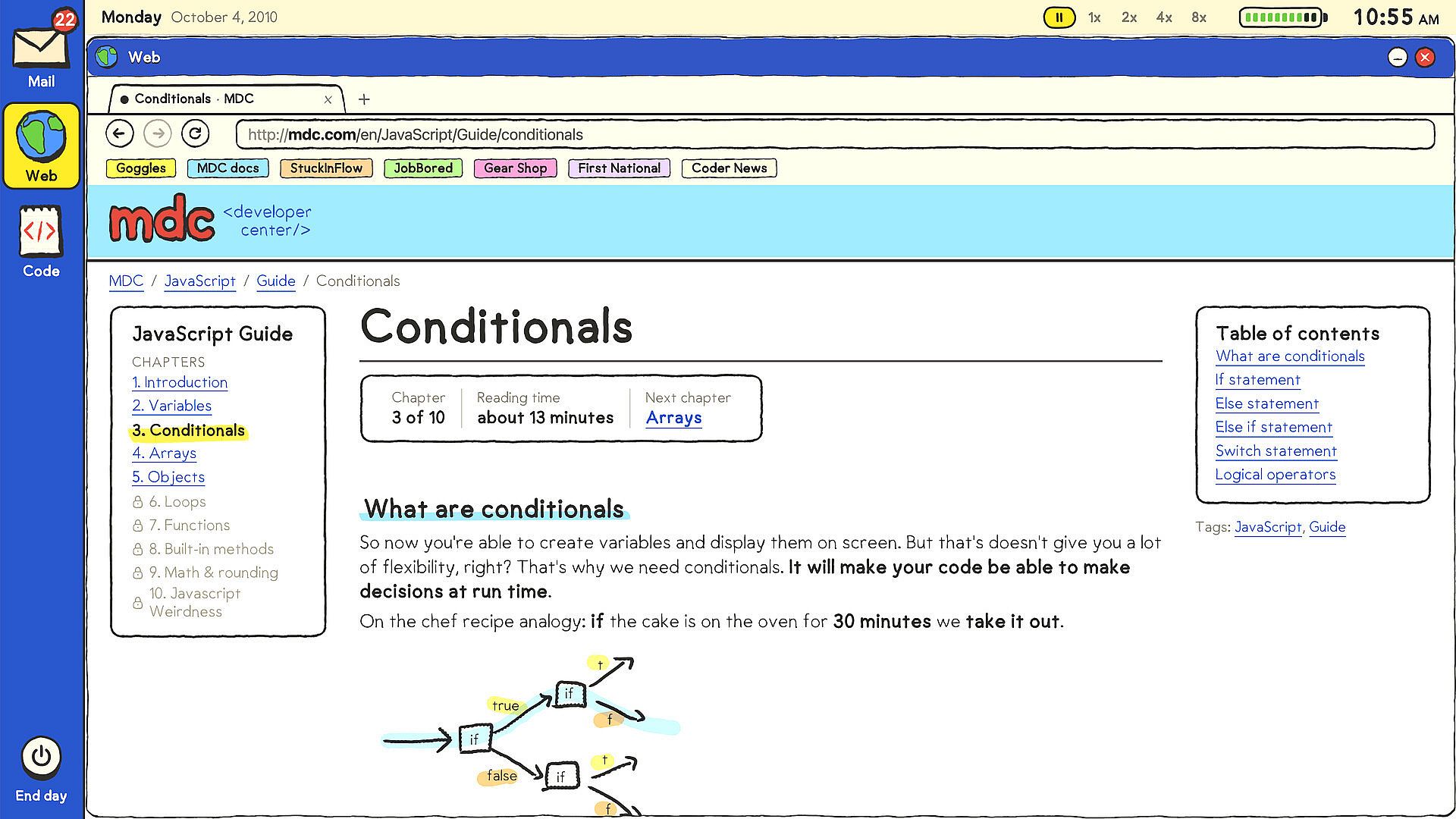
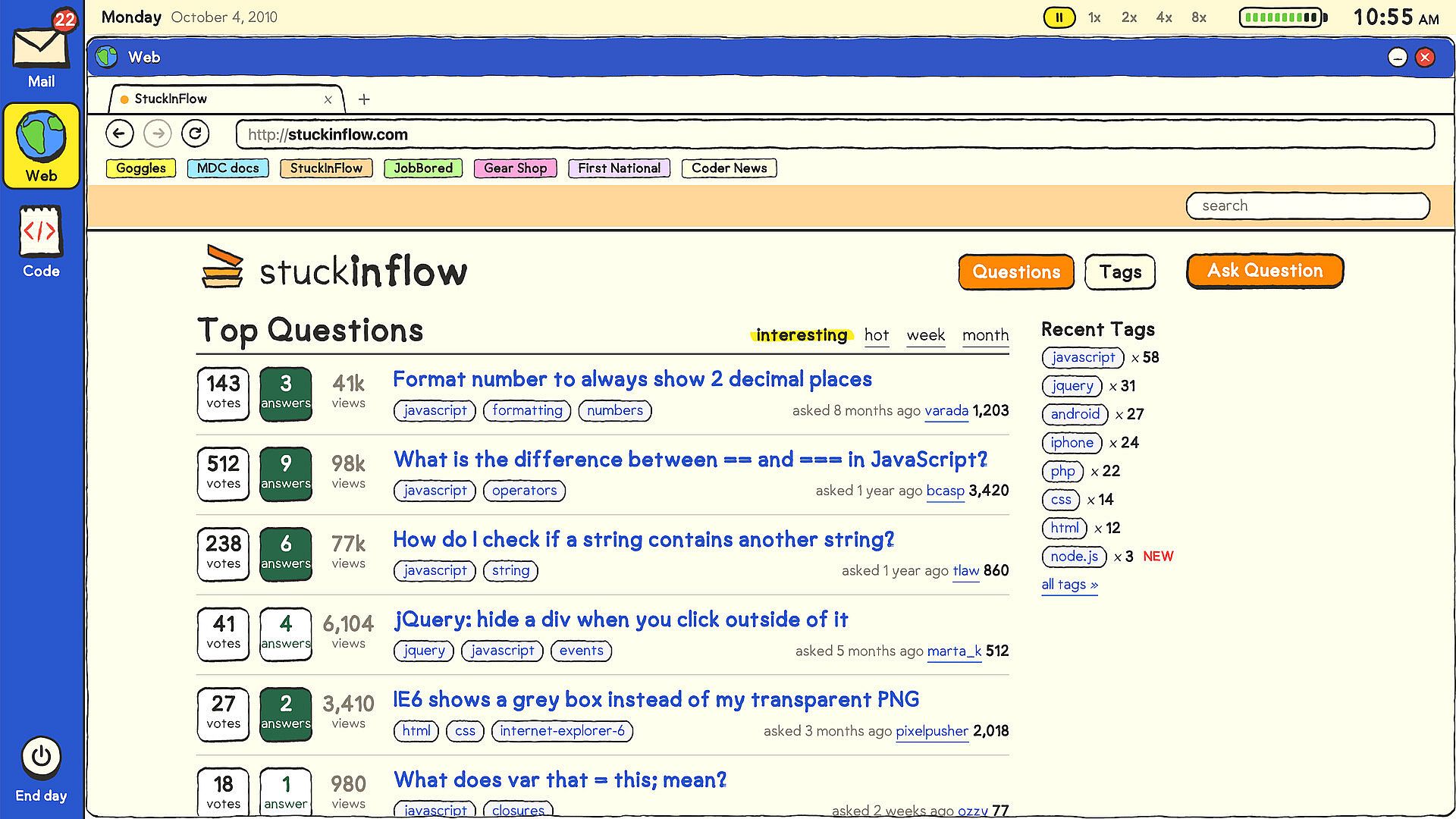
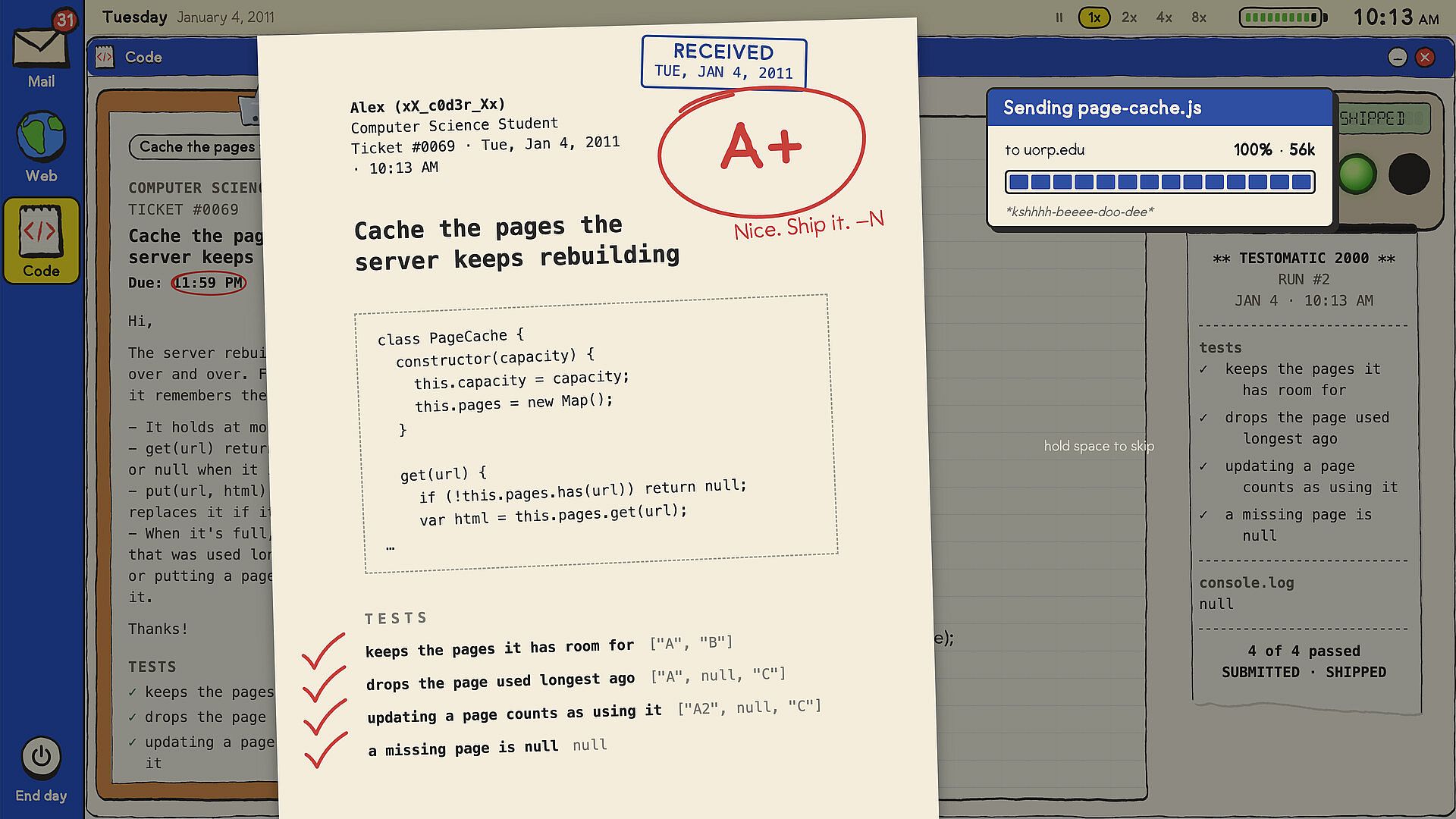
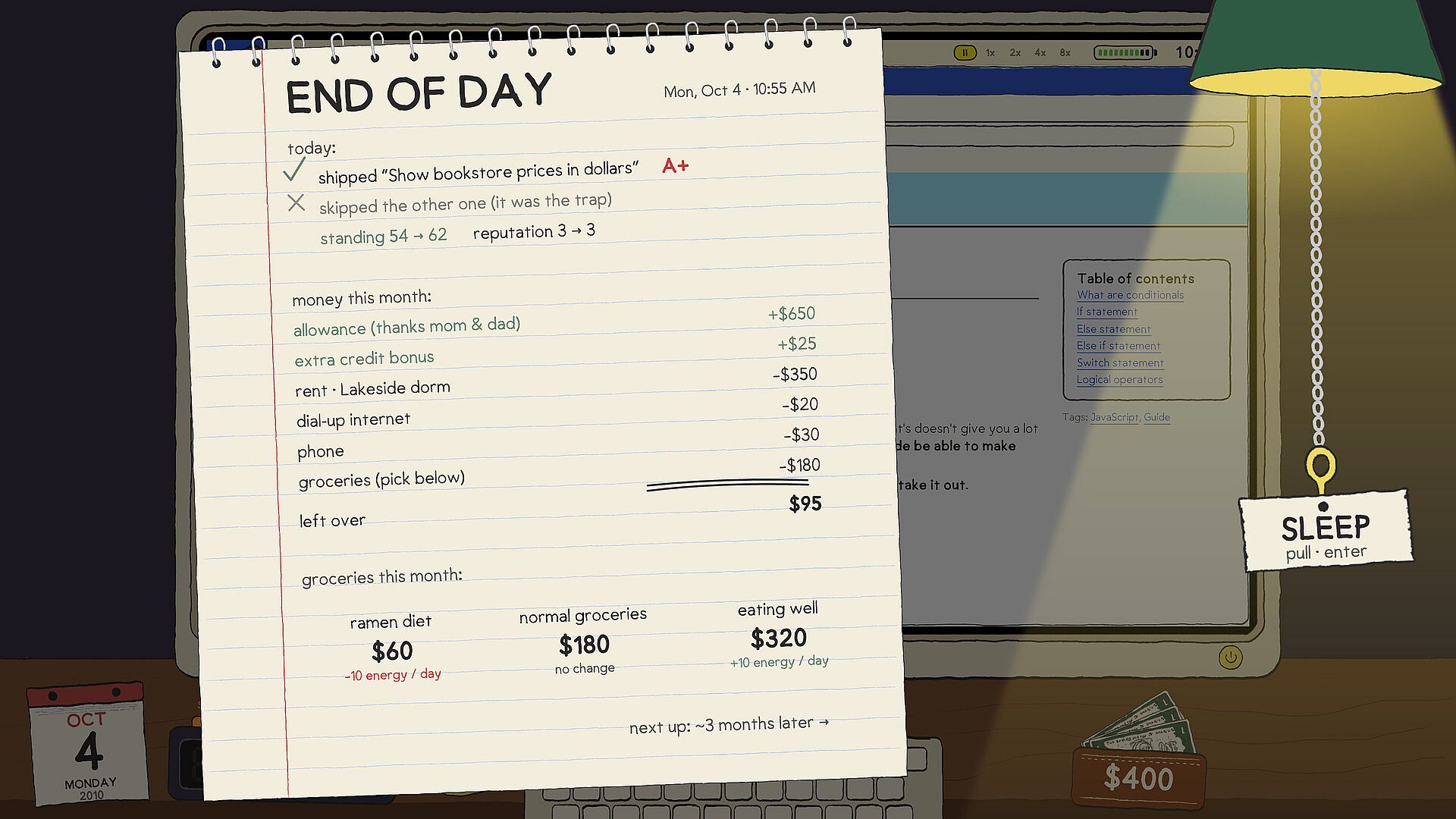
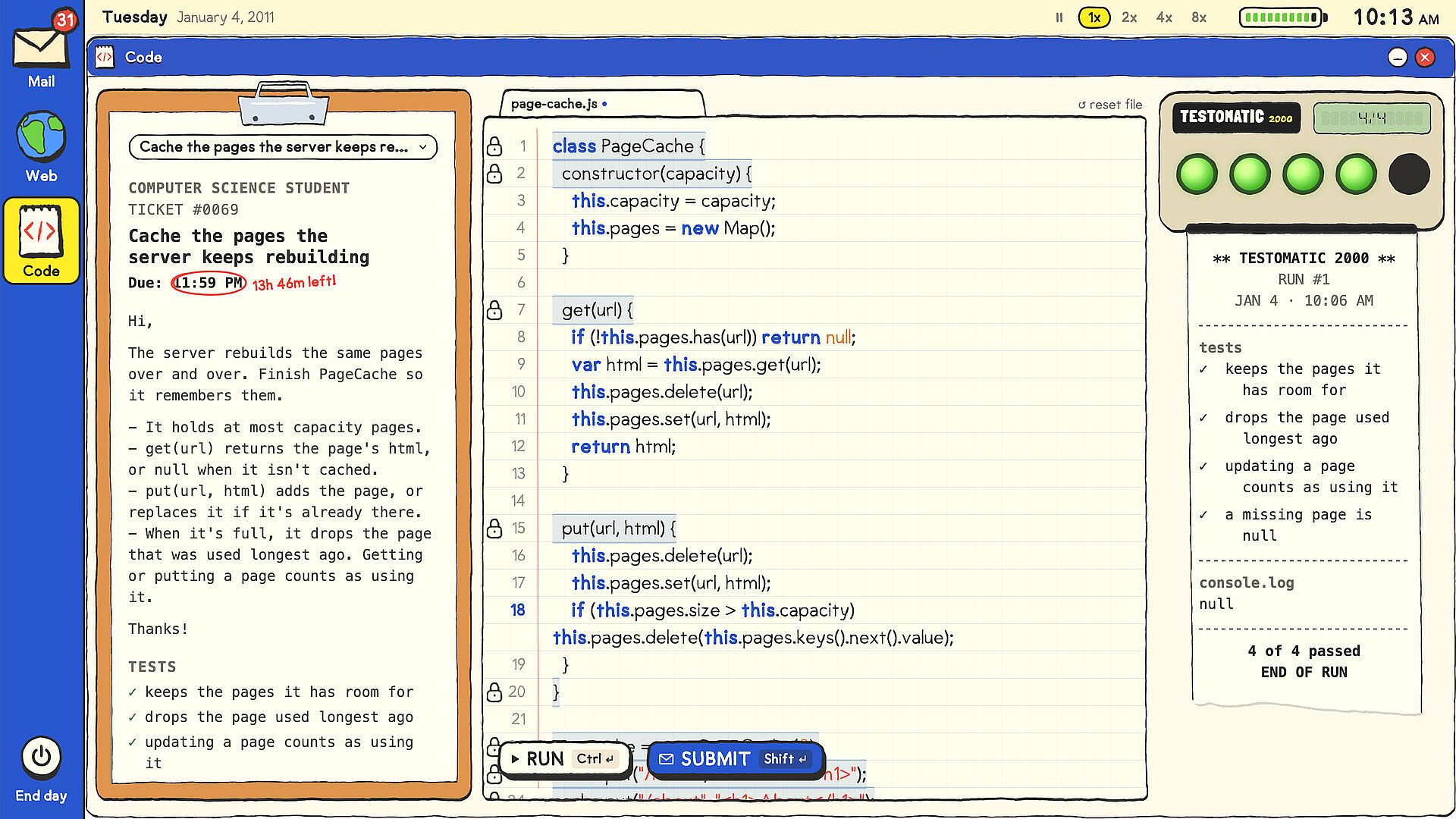
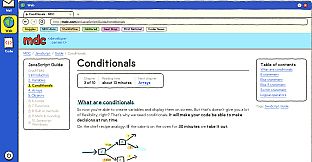
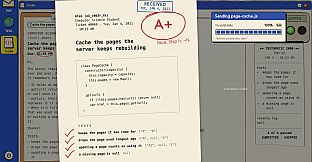
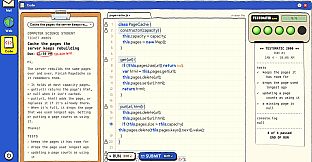
Players start their journey as a student tackling introductory coding tasks in JavaScript. Progress involves completing challenges by consulting in-game resources that mimic real documentation and forum discussions. The core loop requires active searching across simulated web pages to locate relevant information, building familiarity with how coders historically located solutions. Career advancement comes through consistent completion of these tasks, which unlocks opportunities for better positions and increased income. Financial management forms a key layer, as players handle recurring bills and decide on upgrades that support further growth in skills and living standards. The system emphasizes self-reliance, with tutorial materials provided in a structured format to guide newcomers through foundational concepts without overwhelming complexity.
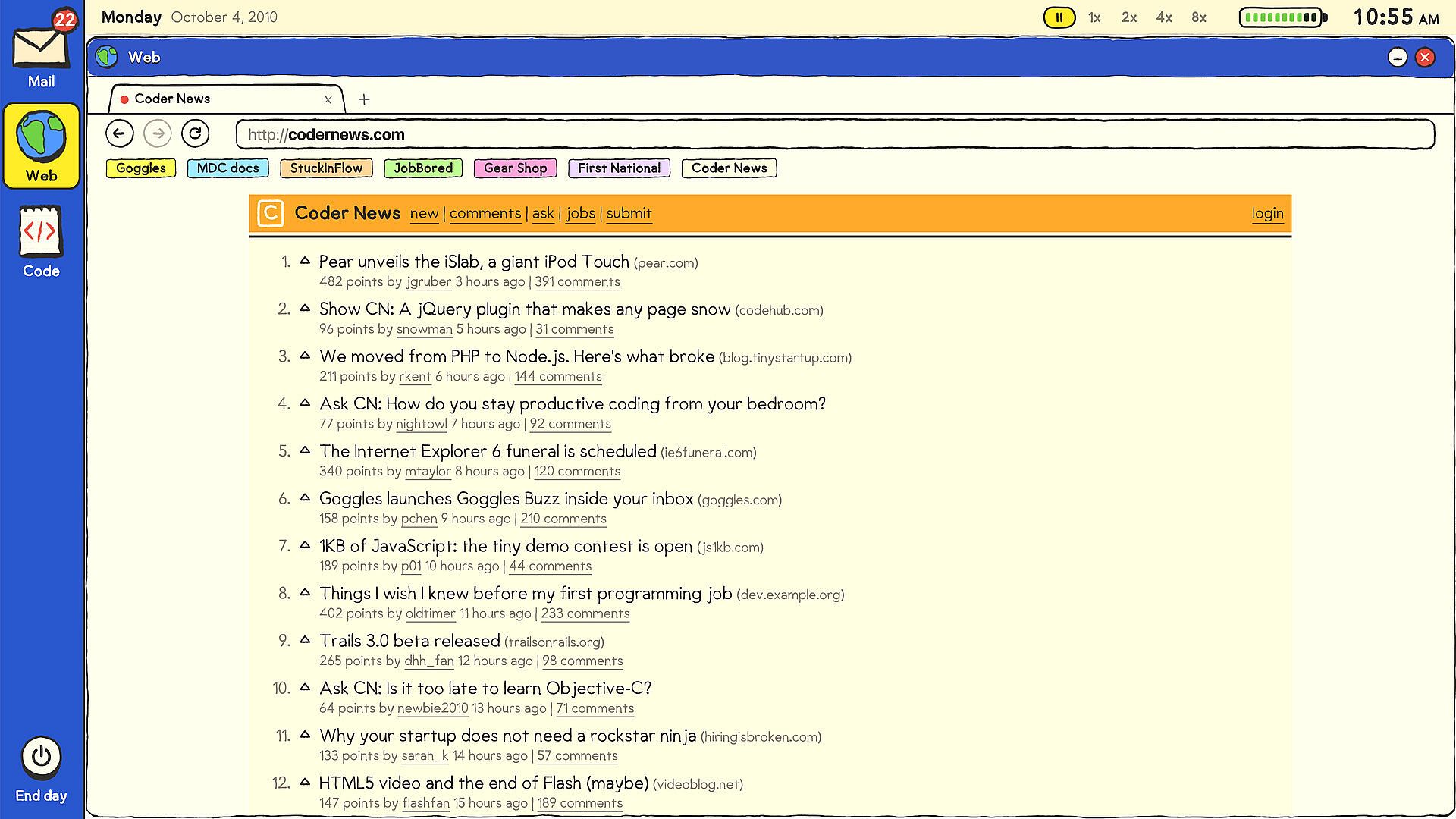
Exploration of the in-game internet adds depth, as hundreds of pages contain scattered but useful details that reward careful reading and cross-referencing. This mechanic reinforces searching as a deliberate skill rather than an instant lookup. Upgrades and lifestyle choices influence daily efficiency, creating trade-offs between immediate expenses and long-term career benefits. The simulation avoids abstract lists of exercises, instead embedding coding within the broader context of maintaining stability and climbing professional ranks.
Game Modes
The game operates as a continuous single-player career simulation without separate competitive or multiplayer modes. Progression unfolds through a linear yet flexible path that mirrors real-world development stages, from academic beginnings to established professional roles. Players shape their trajectory by prioritizing certain skills or financial strategies, though the central focus remains on repeated cycles of challenge resolution and resource management. No additional variants such as time-limited events or alternate scenarios appear in the available details.
Career Progression and Daily Life
Advancement follows a structured climb where early college-level assignments give way to more demanding professional work. Success depends on consistent problem-solving that builds both in-game reputation and practical familiarity with coding practices. Bill payments and upgrade decisions introduce ongoing pressure that affects available time and resources for learning. The environment recreates the pre-automated workflow of the era, highlighting the satisfaction derived from independent research and incremental mastery. Players encounter scenarios that reward persistence in locating answers across forums and reference materials, gradually expanding their ability to handle complex tasks independently.
Accessibility for New Players
Handcrafted tutorial documentation supports entry for those without prior coding experience. These materials integrate directly into the simulation, allowing players to follow along while addressing actual challenges. The design prioritizes clarity, presenting concepts in an order that builds confidence before introducing greater difficulty. This approach suits individuals curious about programming fundamentals or seeking a reflective take on the profession's earlier days, when manual research formed the primary path forward.
Is It Worth Playing?
Rewind to Coding appeals most to players interested in a grounded simulation of a coder's routine, particularly those drawn to the mechanics of research-driven problem-solving and long-term career building. The emphasis on managing finances alongside skill development creates a cohesive loop that reflects real pressures without relying on external assistance features. Since the title remains in development with a planned release in Q2 2027 and no completed player feedback available, suitability depends on personal interest in the described systems. Those who value deliberate, self-directed learning in a simulation context may find the experience rewarding, while others seeking faster-paced action or established multiplayer elements may prefer alternatives. The single-player focus keeps attention on personal progression and the satisfaction of overcoming obstacles through documented methods.