



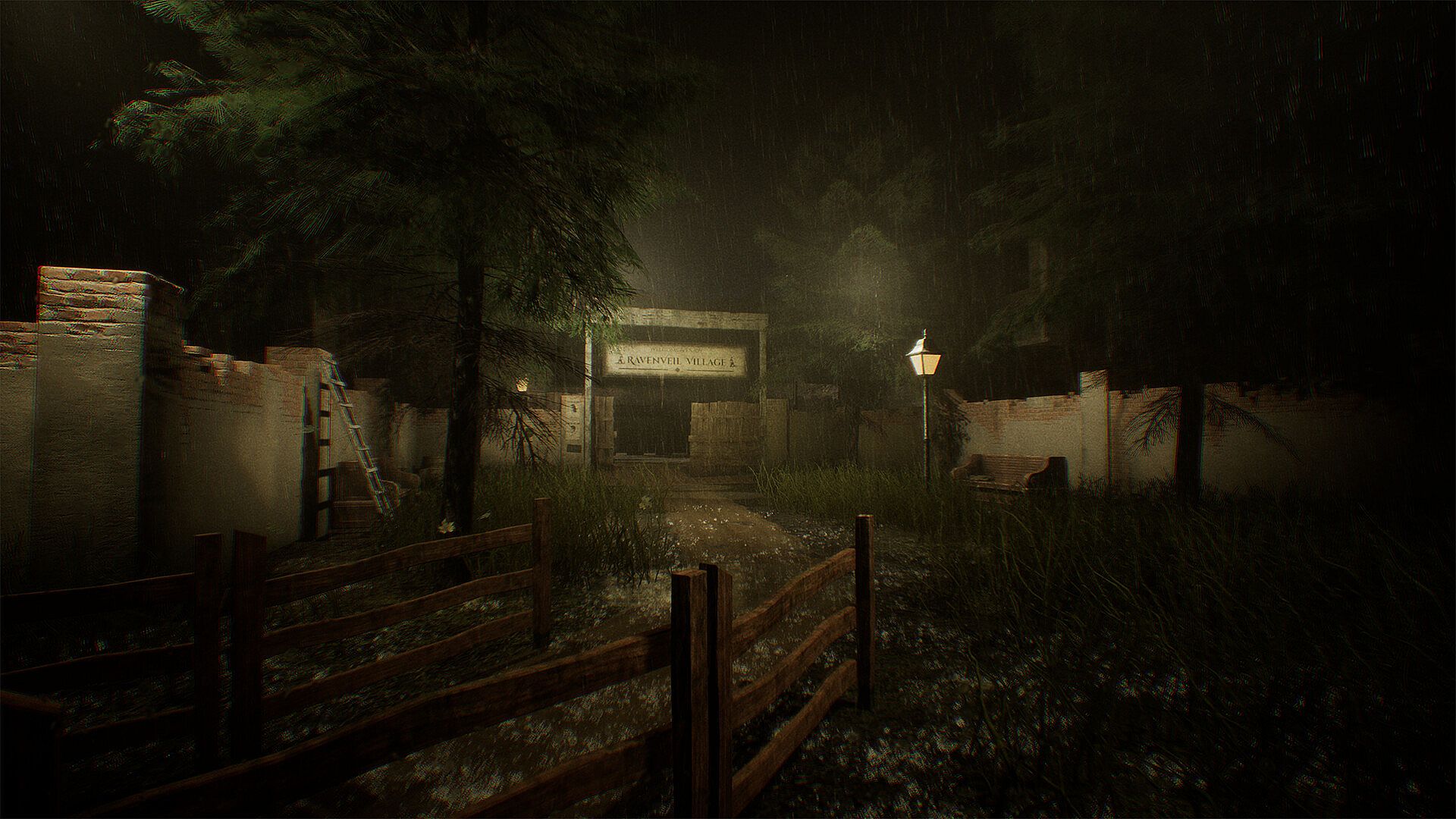
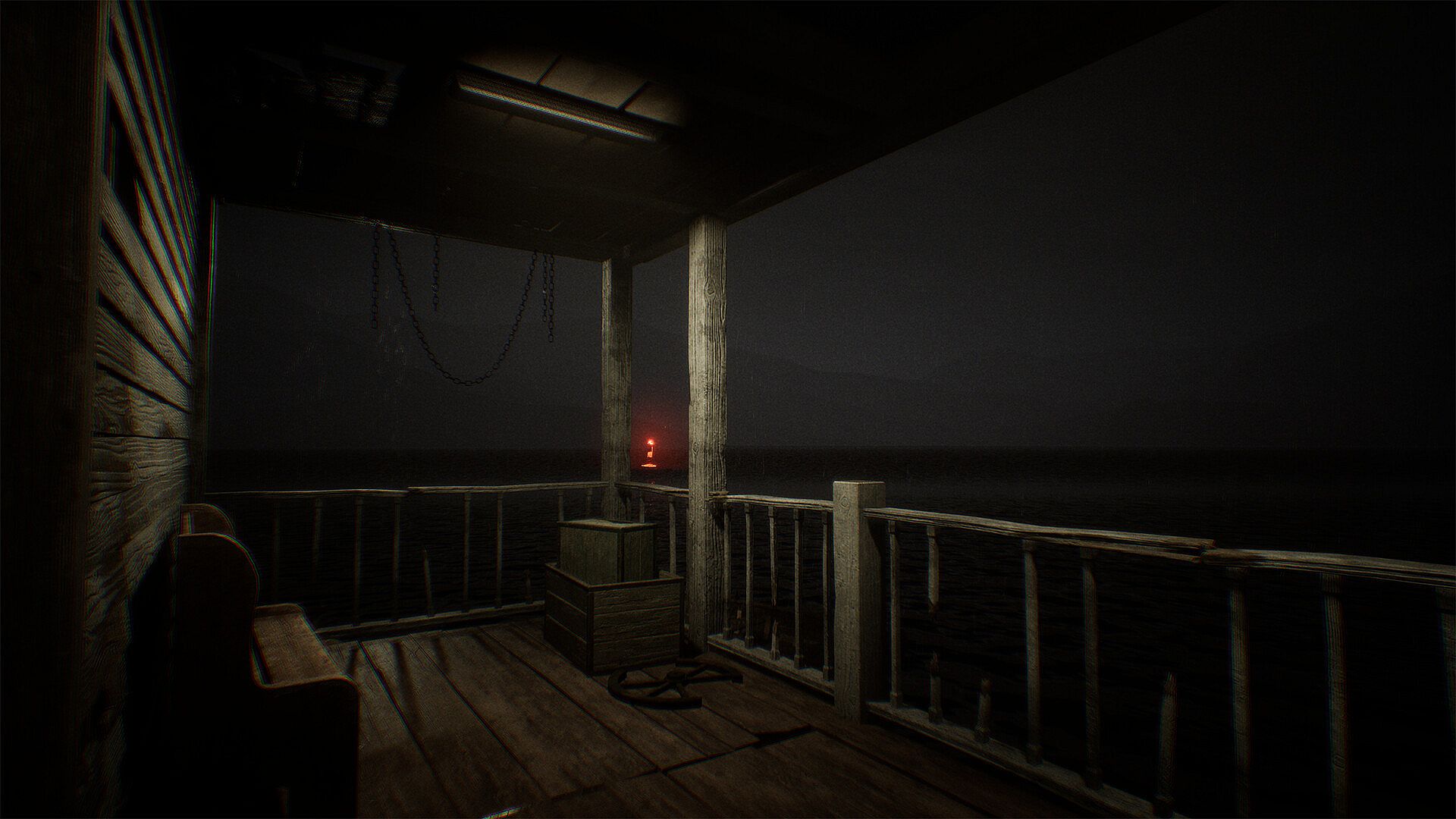
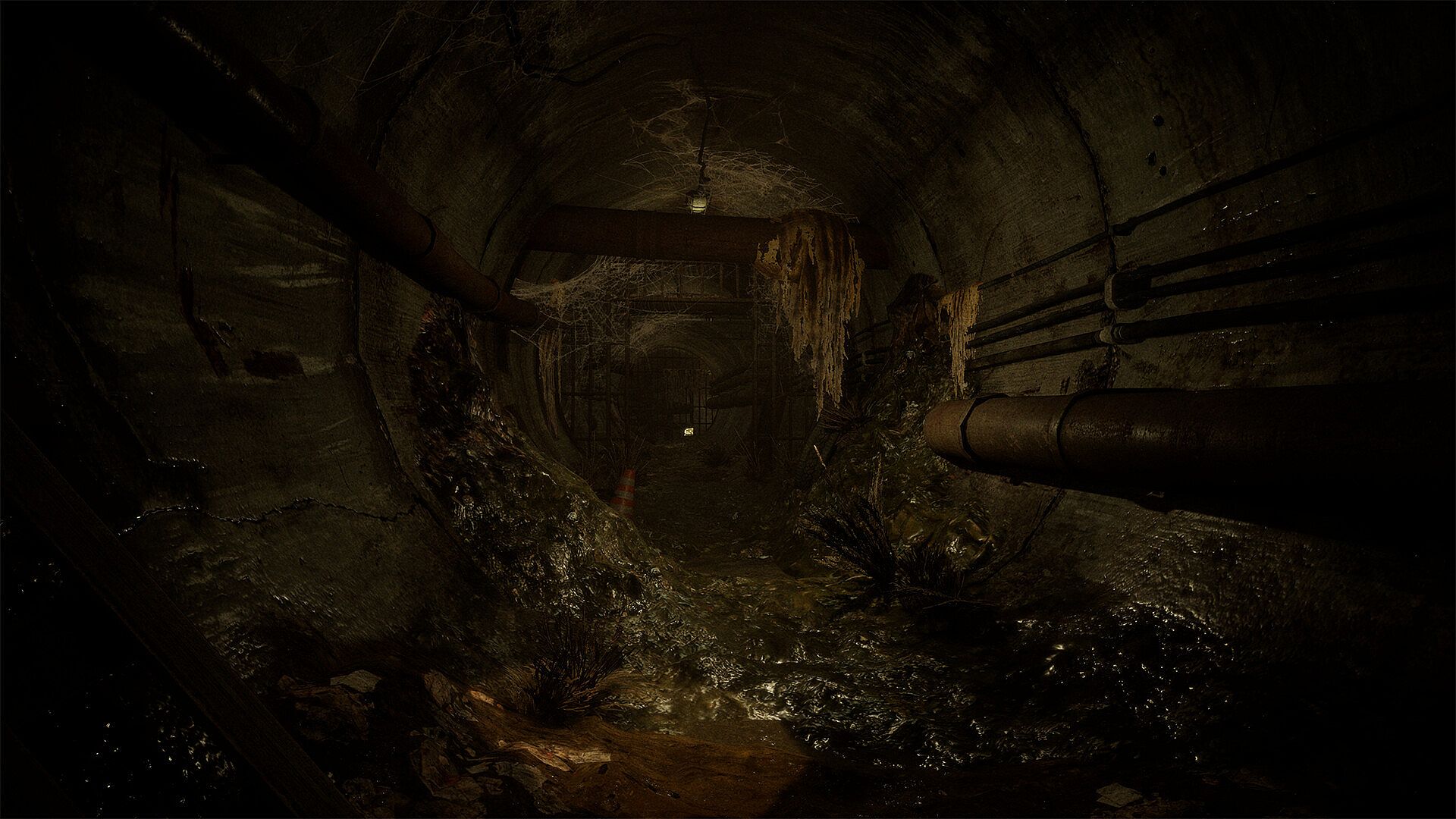
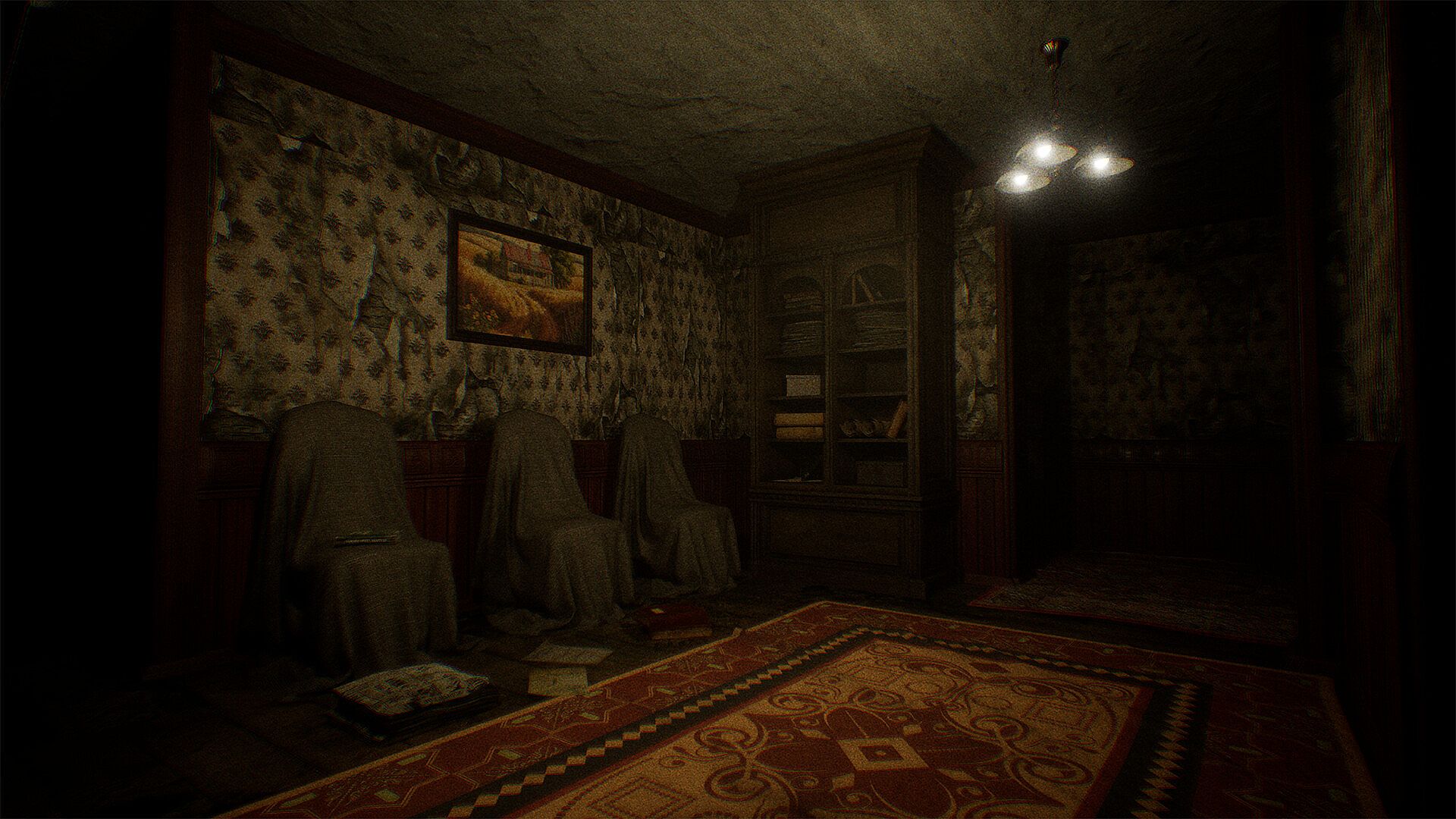
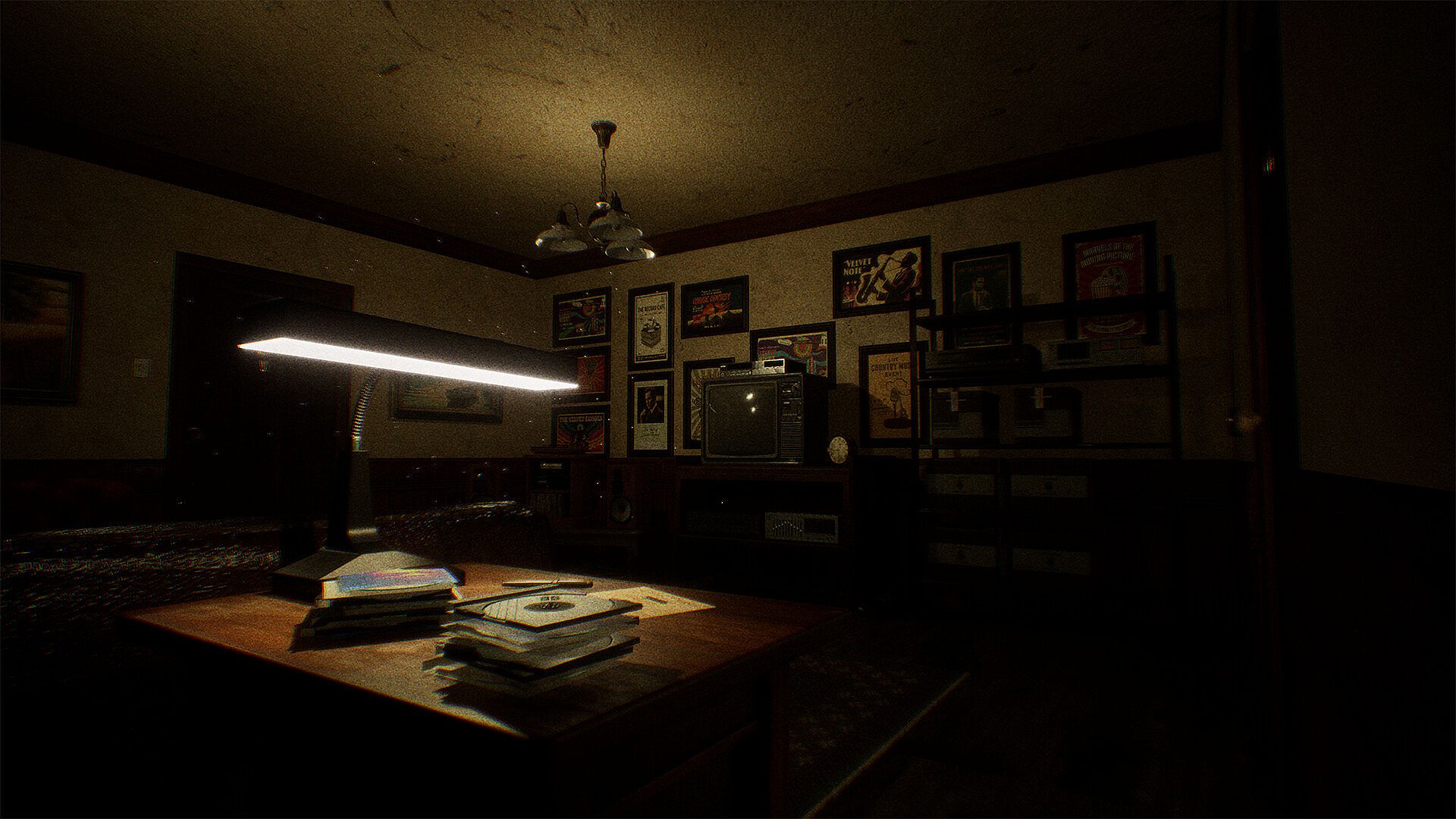
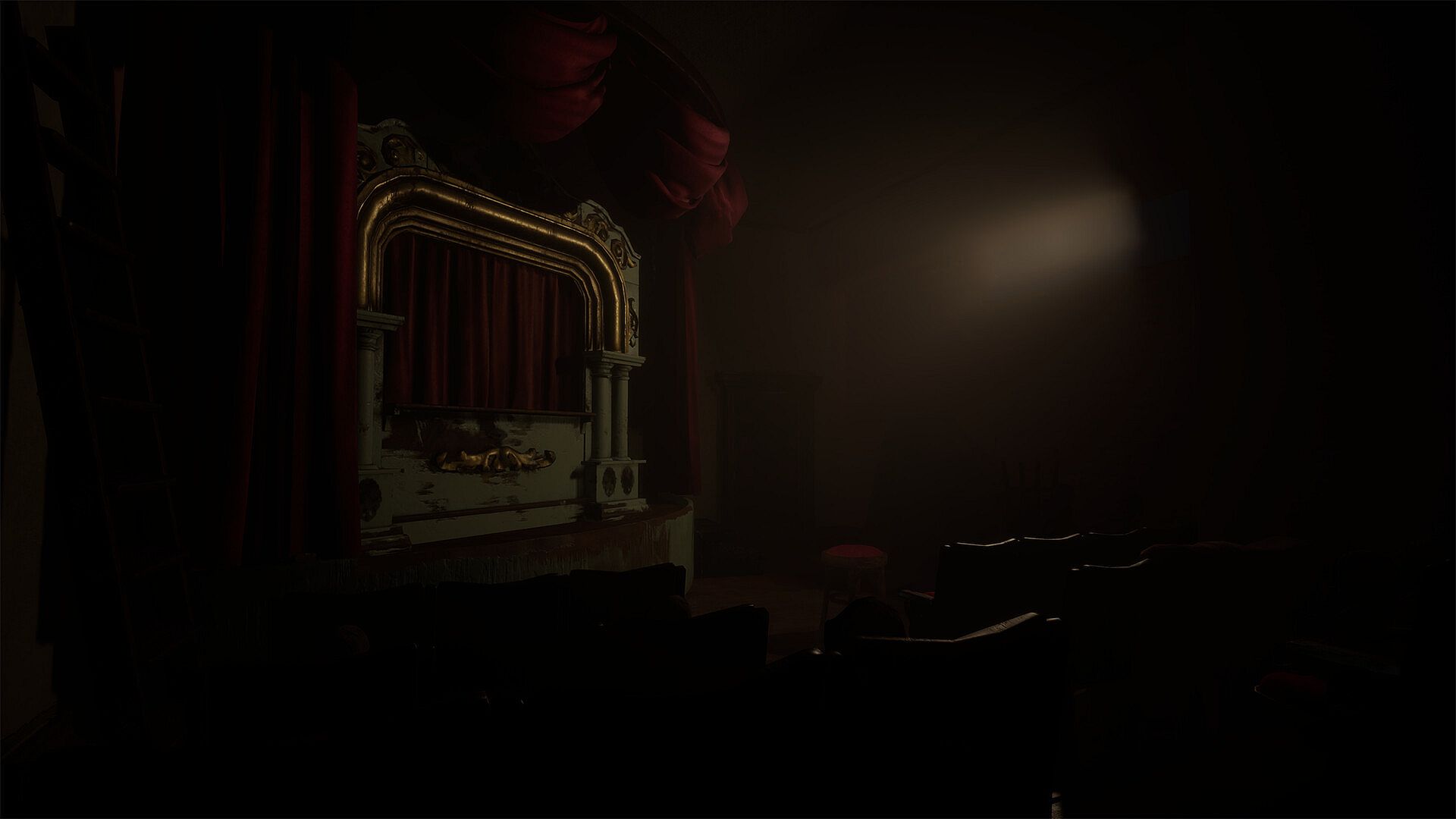

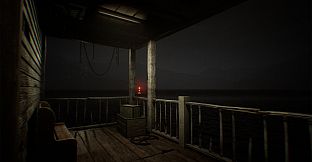
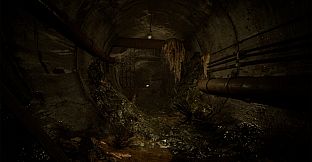
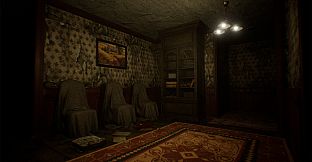



RavenVeil es un juego de terror psicológico en primera persona desarrollado como título indie para PC. El jugador llega a la aldea abandonada de RavenVeil tras el suceso conocido como el Incidente de la Novia, que obligó a todos sus habitantes a huir aterrorizados. La experiencia se centra en desentrañar lo ocurrido aquella noche mediante la exploración de calles vacías, edificios en ruinas y lugares ocultos, reuniendo pistas sobre la oscuridad que aún persiste.
Gameplay
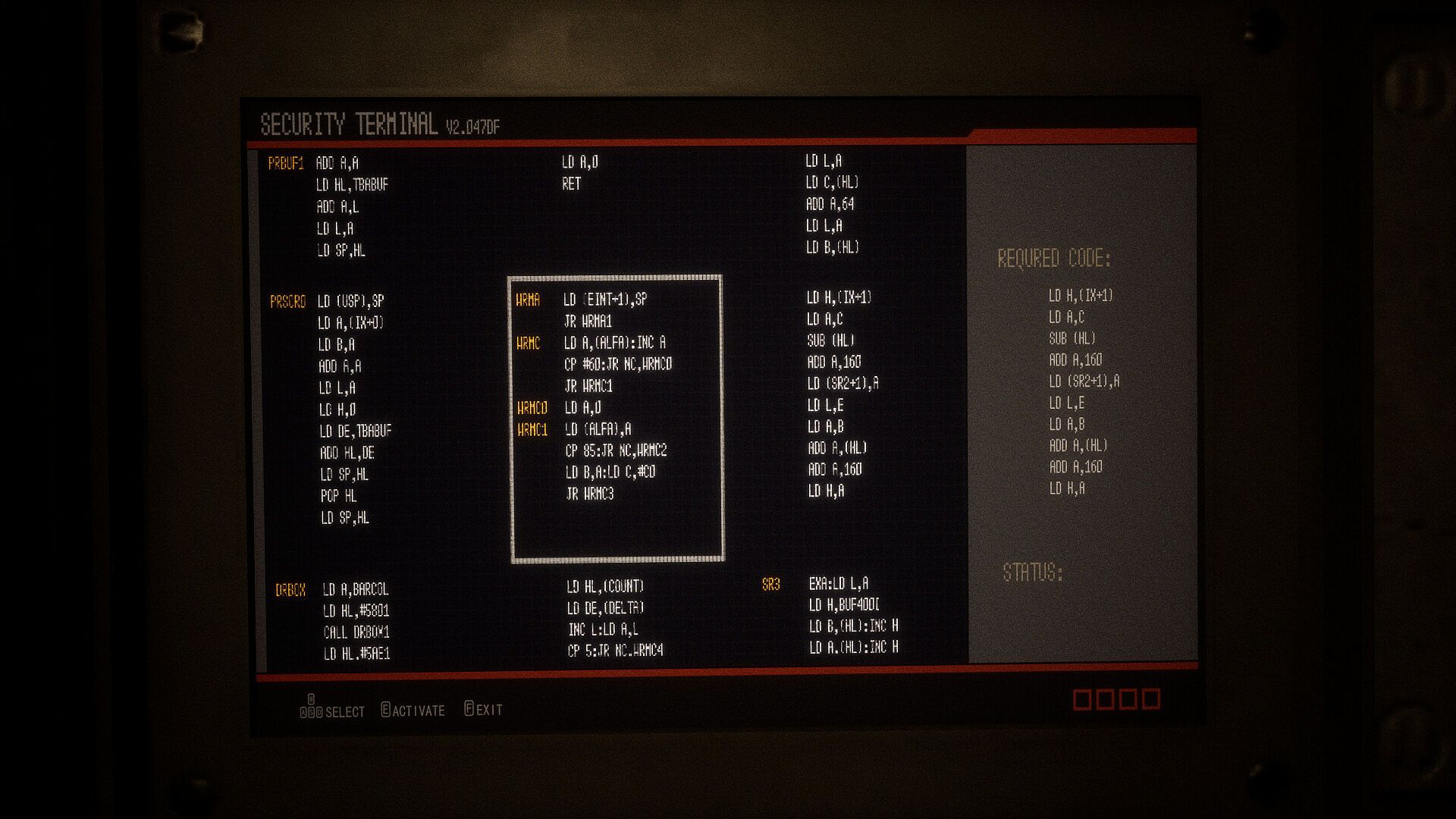
El juego propone una navegación metódica por el entorno de la aldea. El jugador examina casas abandonadas y caminos olvidados en busca de pistas que hagan avanzar la historia. Los puzles exigen observación y conexiones lógicas para acceder a zonas restringidas o descubrir nuevas capas del relato. La tensión surge del aislamiento y del peso psicológico de enfrentarse a los miedos personales ligados al misterio central. La perspectiva en primera persona refuerza la inmersión al situar al jugador directamente en el papel de investigador, donde cada hallazgo intensifica la sensación de inquietud y revelación.
Los detalles ambientales, como las calles desiertas y los espacios ocultos, invitan a una búsqueda minuciosa en lugar de un avance apresurado. La experiencia se basa en la deducción y la paciencia, ya que el progreso depende de interpretar la narrativa ambiental y resolver los obstáculos que impiden acceder a los secretos de la aldea. El diseño confirmado no incluye sistemas de combate ni amenazas externas, centrándose exclusivamente en la tensión interna y el descubrimiento narrativo.
Modos de juego
RavenVeil se presenta como una experiencia para un solo jugador sin otros modos indicados en la información disponible. Su estructura sigue una progresión lineal basada en la exploración y la resolución de puzles para desentrañar la historia de la Novia. Este formato resulta adecuado para quienes prefieren sesiones concentradas y sin interrupciones, centradas en la atmósfera y la investigación en lugar de elementos competitivos o cooperativos.
Historia y ambientación
La narrativa se apoya en el trágico Incidente de la Novia que vació la aldea. El jugador recoge fragmentos de información dispersos por el lugar para reconstruir los hechos y comprender las fuerzas sobrenaturales o psicológicas que siguen actuando. El propio escenario funciona como protagonista, con su estado de abandono y los vestigios de vida pasada creando un fondo que genera horror a través de la sugerencia y el descubrimiento, sin recurrir a la acción directa.
Los secretos se revelan poco a poco a medida que se abren zonas selladas y aparecen nuevas pistas. Este enfoque premia la atención del jugador al conectar los detalles del entorno con el misterio general, construyendo una imagen coherente de lo sucedido y de por qué la aldea sigue marcada por el recuerdo y la presencia.
¿Merece la pena jugarlo?
RavenVeil está dirigido a jugadores que buscan terror psicológico basado en la exploración, la resolución de puzles y la tensión atmosférica, sin elementos de acción ni multijugador. Su diseño para un solo jugador y su enfoque en un misterio de escala personal lo convierten en una opción para quienes disfrutan de un ritmo pausado y profundidad narrativa en entornos aislados. El juego sigue en fase de «próximamente» sin versión disponible ni opiniones de jugadores, por lo que su ejecución final determinará su atractivo a largo plazo. Los aficionados a títulos indie de terror centrados en la historia y el entorno encontrarán que sus mecánicas coinciden con ese estilo, aunque esperar al lanzamiento sigue siendo la forma más clara de tomar una decisión informada.