

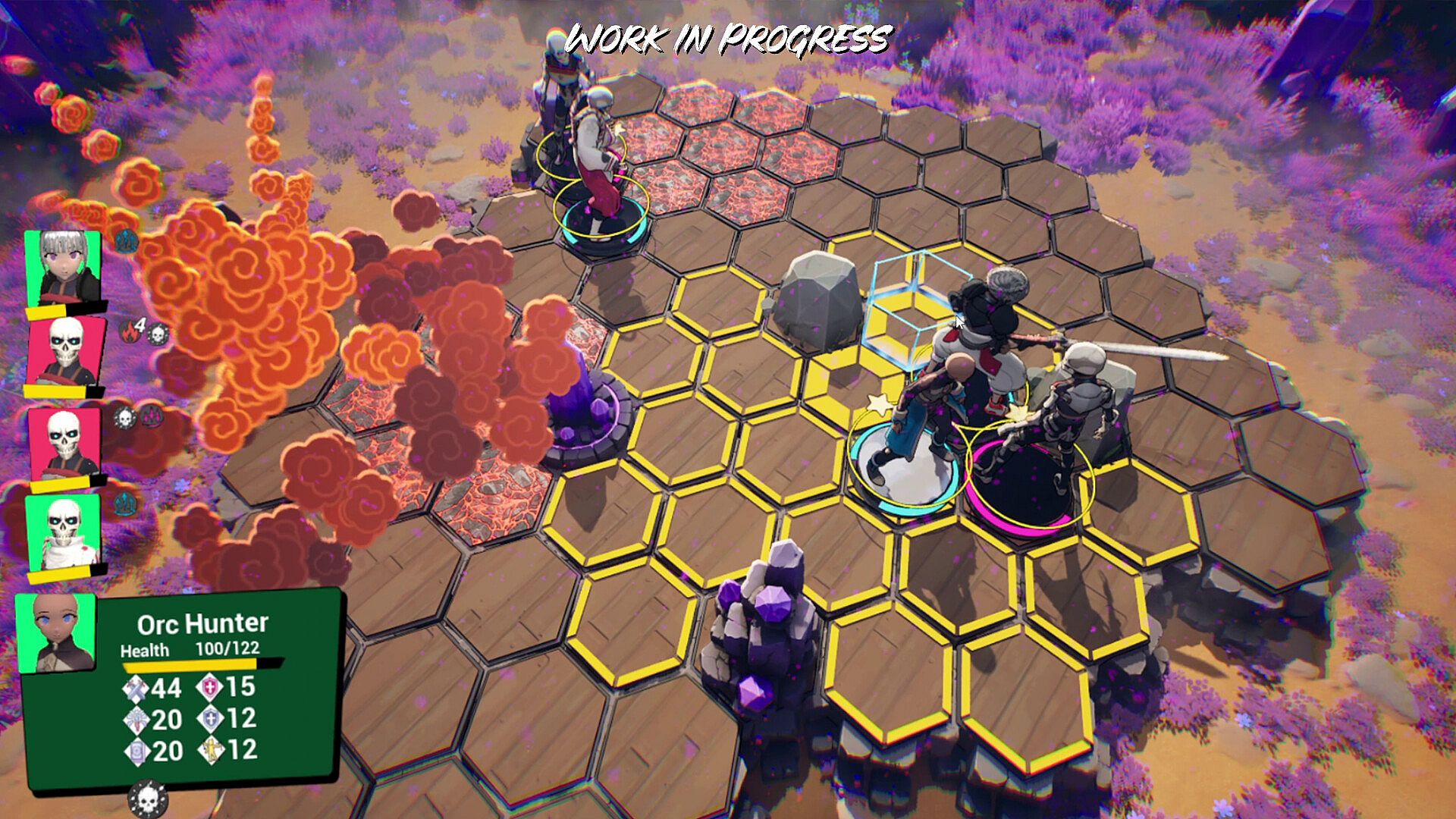

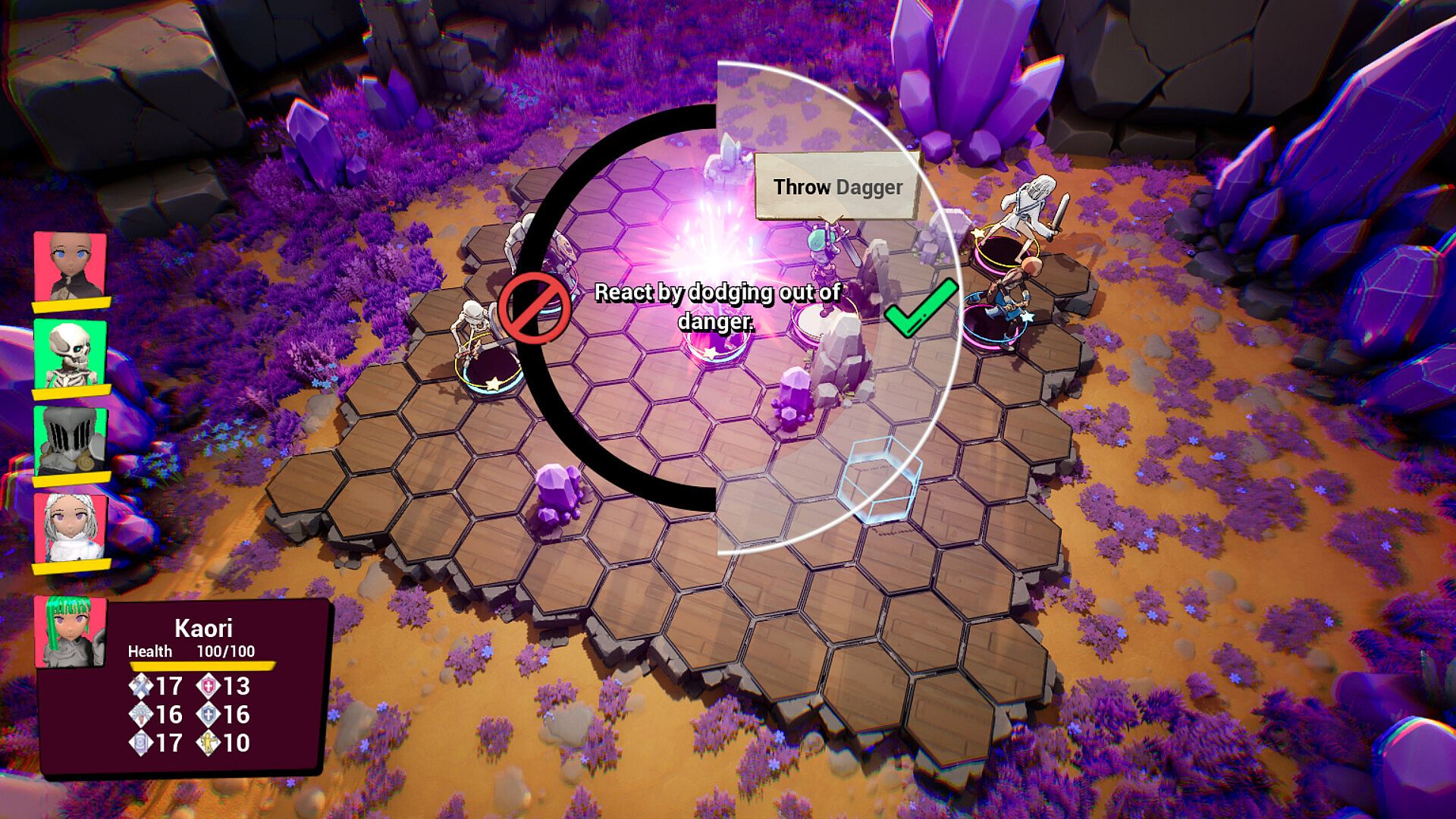
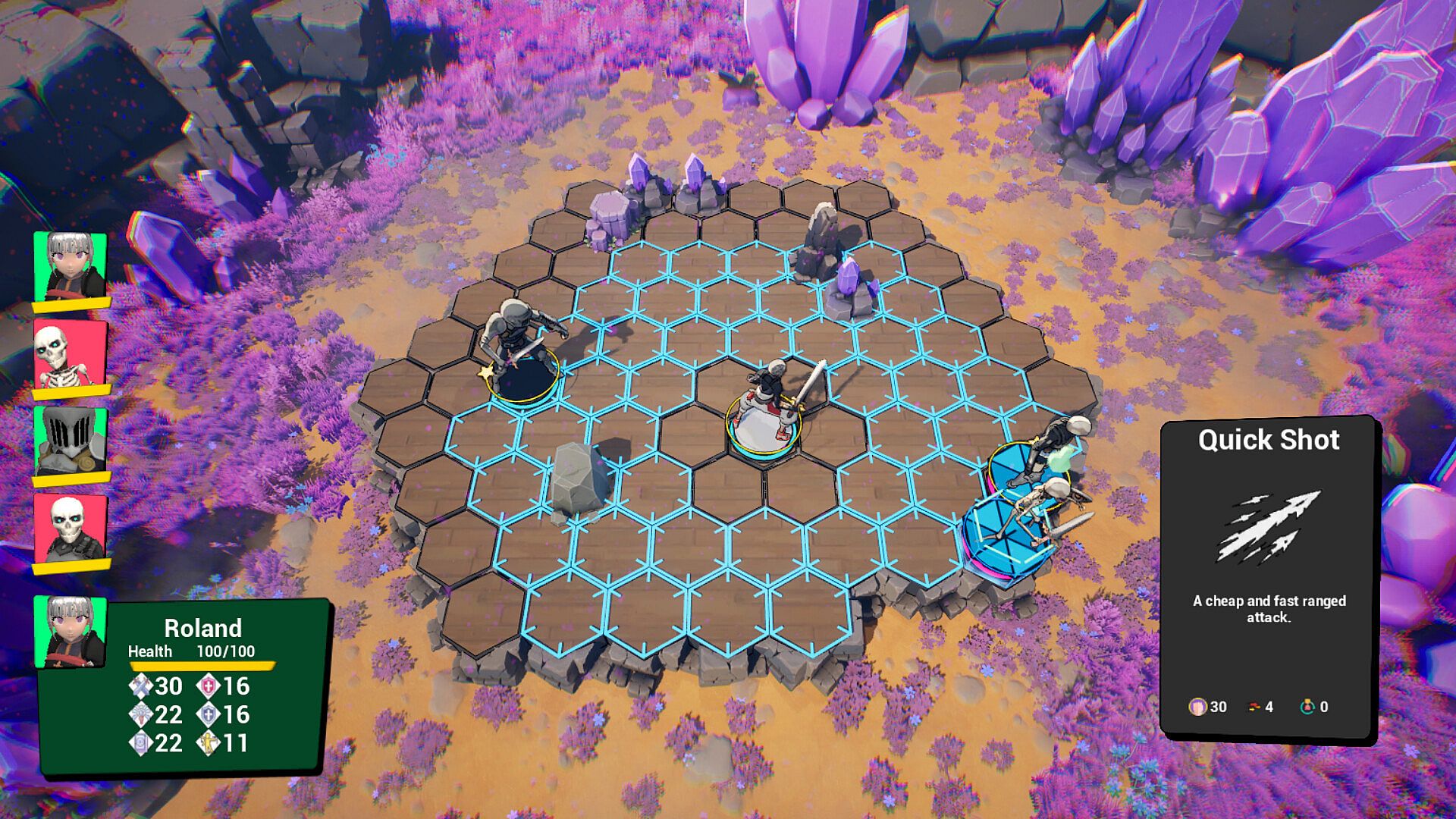
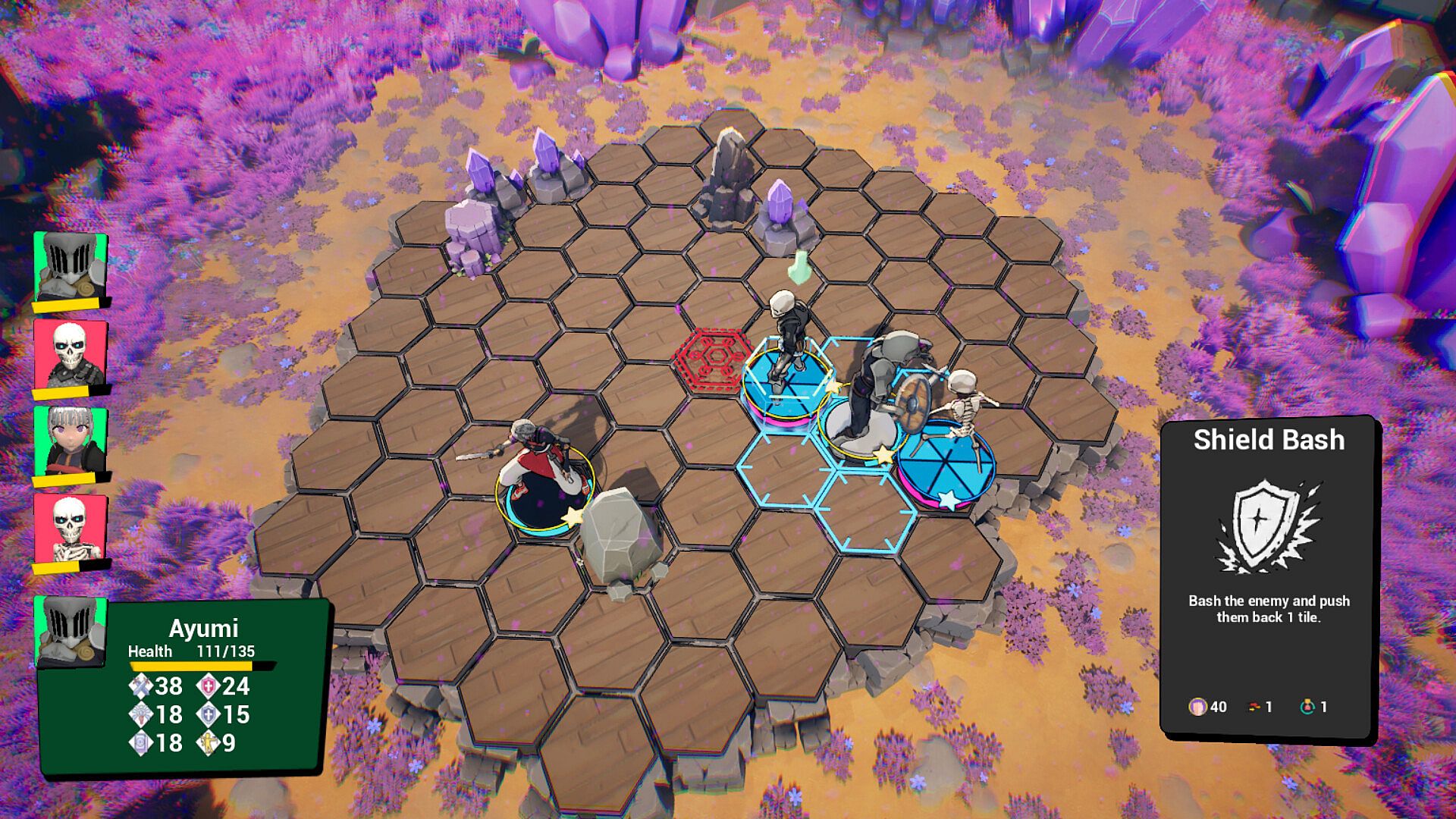

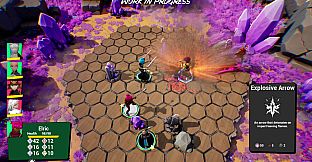
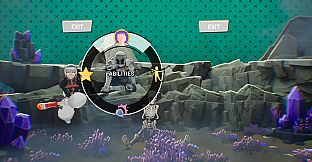

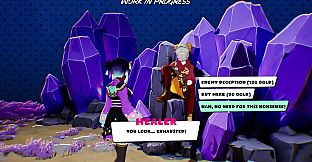
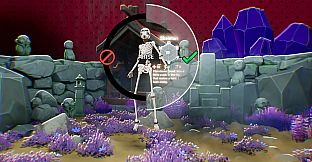
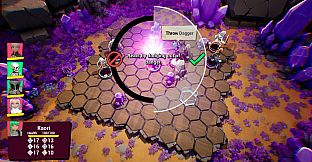
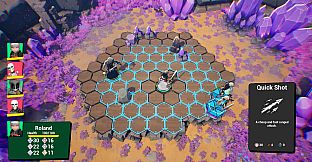
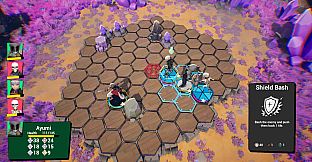
RANOKA es un juego de estrategia táctica roguelite de fantasía oscura para PC en el que controlas a una joven nigromante llamada Ranoka mientras escala una torre gigantesca poblada de muertos. La experiencia gira en torno al combate por turnos en un tablero hexagonal, la gestión del grupo y los ascensos repetidos por pisos generados de forma procedimental. En su estado de Acceso Anticipado, el núcleo del juego se centra en levantar enemigos caídos, fortalecer lazos con los compañeros y avanzar hacia arriba, sin componentes multijugador.
Gameplay
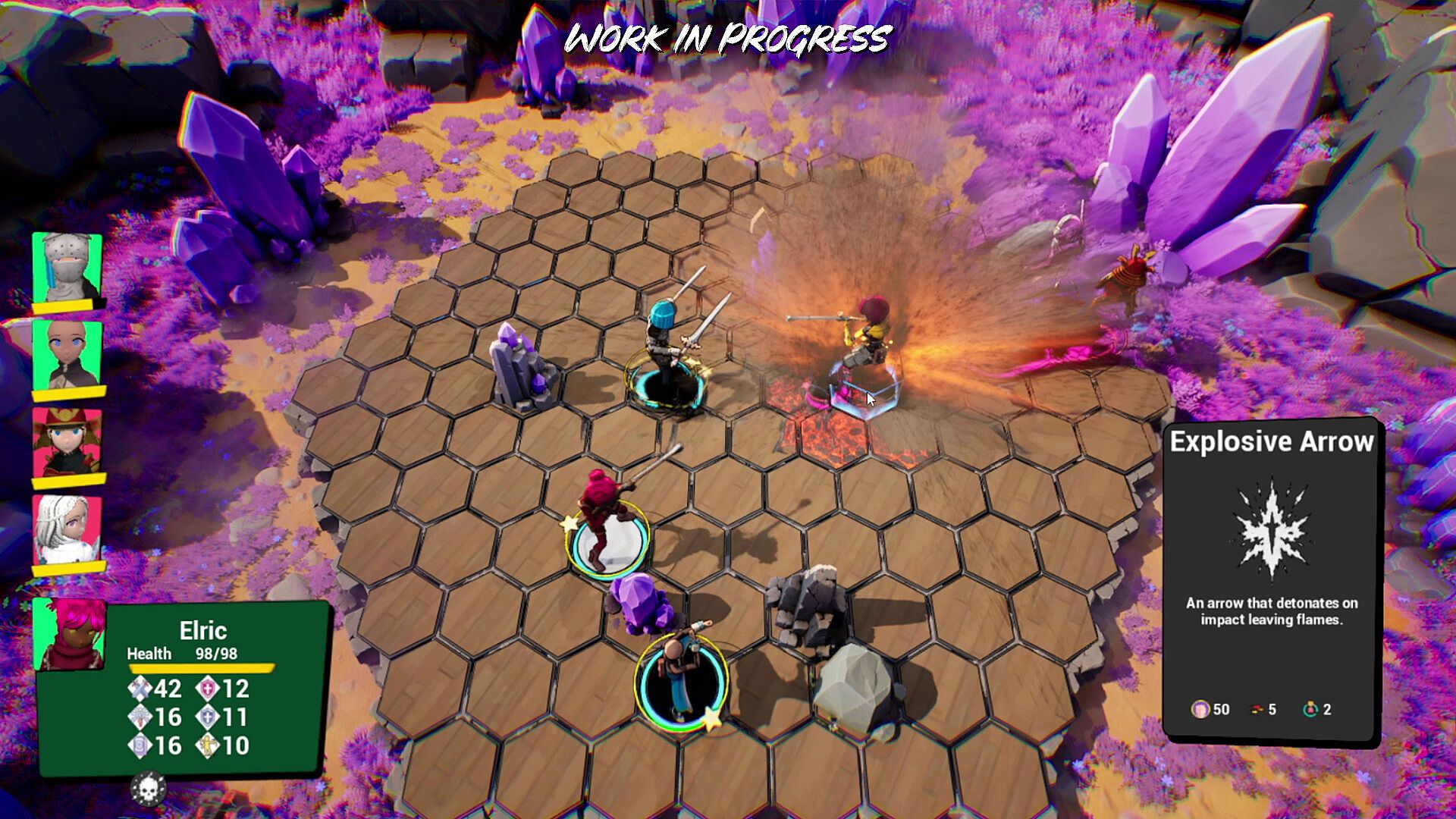
El bucle principal consiste en entrar en combates por turnos donde la posición en el hexágono decide el resultado. Diriges unidades de seis clases distintas: caballeros, exploradores, clérigos, magos, pícaros y aventureros, además de opciones no muertas como esqueletos, zombis y gólems. Las mecánicas destacan el rol de cada clase, las posturas, las reacciones, los ataques por el flanco, los efectos de superficie, las trampas, la curación y las habilidades de desplazamiento para controlar el ritmo de cada encuentro.
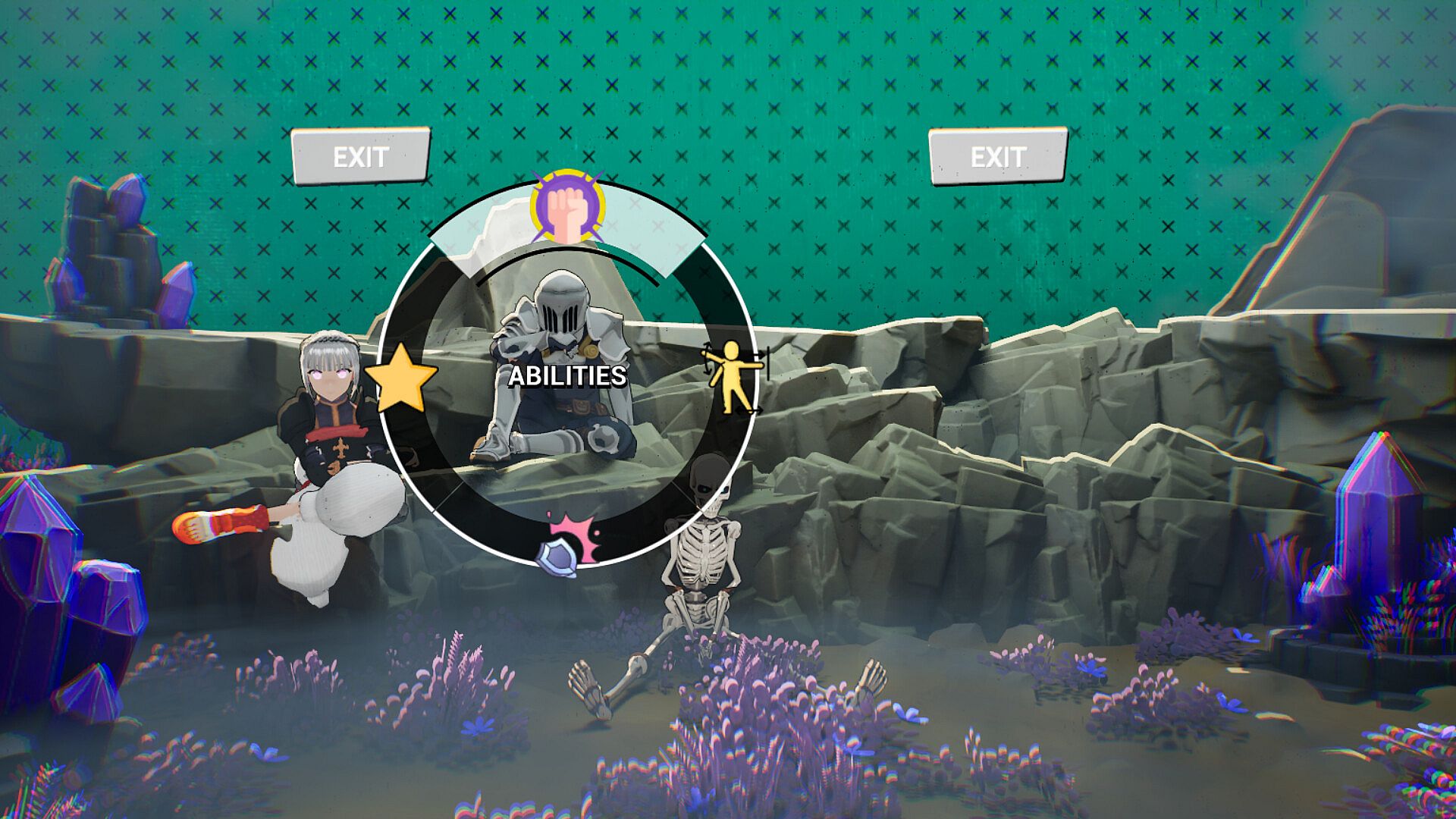
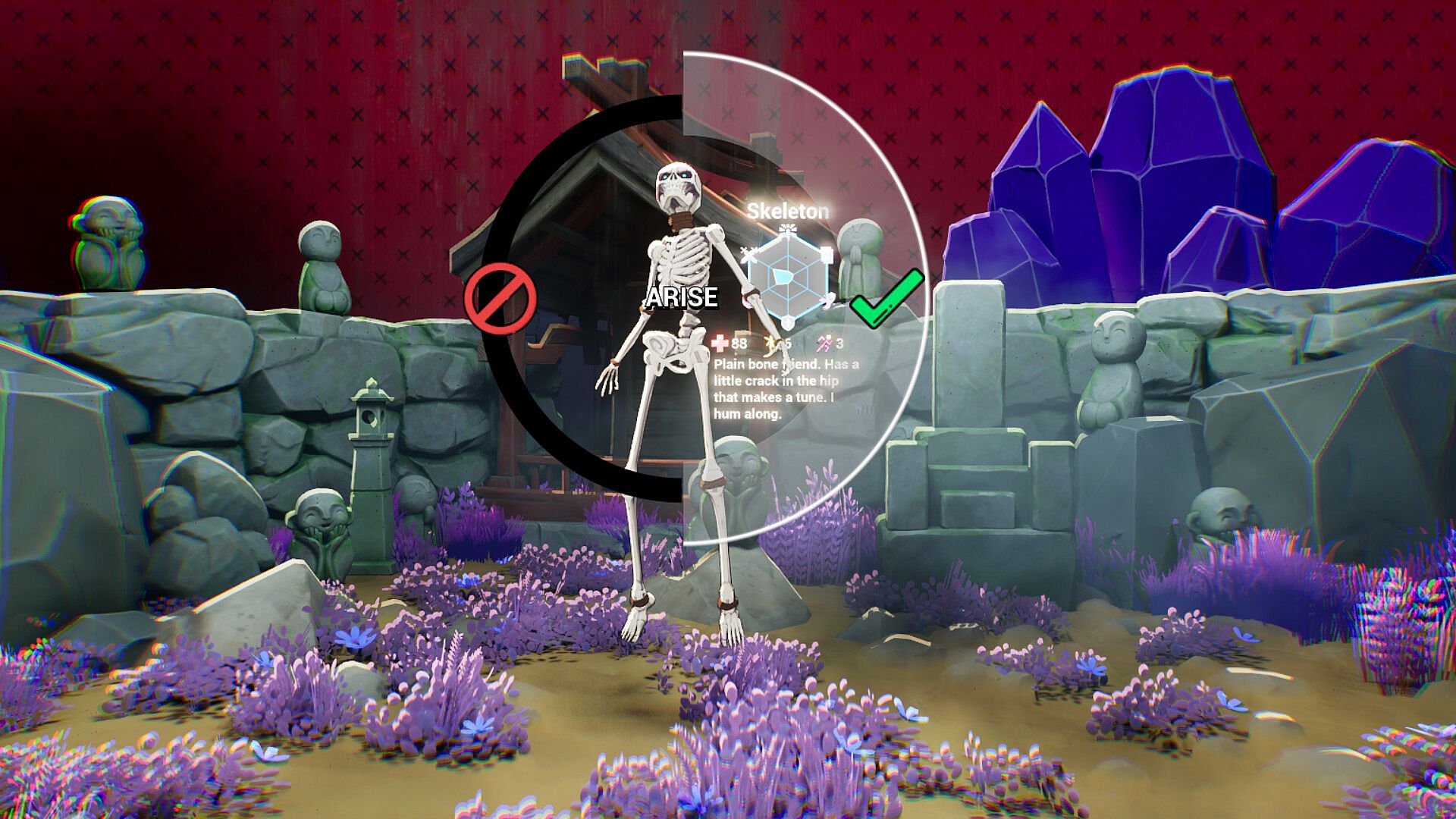
Entre combates, en el refugio puedes reorganizar el grupo, cambiar equipamiento, tratar heridas y decidir qué compañeros seguirán subiendo. Algunos enemigos derrotados se unen de forma permanente, mientras que los artefactos recogidos durante la partida introducen modificaciones que afectan al movimiento, a las sinergias de combate o generan compensaciones. Las heridas y los tiempos de reanimación mantienen el riesgo constante, ya que la pérdida permanente de un compañero es posible si las condiciones empeoran a lo largo de varios pisos.
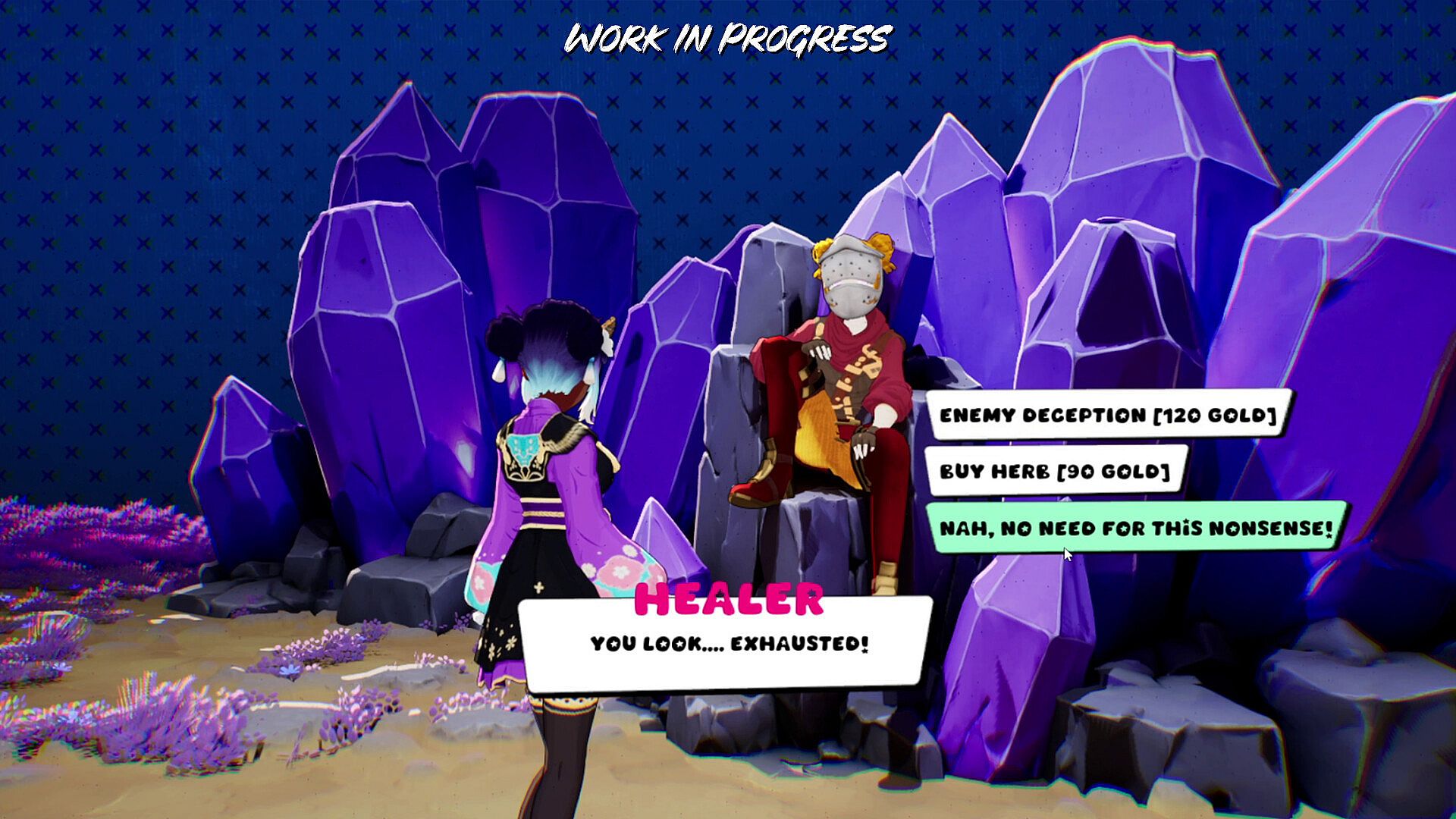
La torre funciona como un mapa de nodos que ofrece elecciones entre combates, visitas a mercaderes, paradas de curación, eventos de historia o enfrentamientos directos contra jefes. La progresión abarca más de cuarenta pisos que cambian de ambientación, pasando por criptas, caminos, campos de peste, campamentos de guerra y minas. Perder una partida hace retroceder varios pisos, pero conserva parte del progreso, lo que incentiva nuevos intentos con un grupo más evolucionado.
Game Modes
Los encuentros van más allá de los combates directos e incluyen defensa de balizas, control de zonas clave al estilo King of the Hill, escapes de arenas que se derrumban y escoltas de unidades vulnerables por zonas hostiles. Estos objetivos obligan a adaptar la colocación de las unidades y el uso de habilidades, ya que las estrategias centradas solo en infligir daño pueden no ser suficientes.
La estructura roguelite une toda la actividad en ascensos completos repetidos en lugar de modos independientes. Cada intento se construye sobre fracasos anteriores gracias al conocimiento retenido de las rutas y al desarrollo de los compañeros, mientras que el mapa de nodos permite elegir caminos que prioricen momentos de historia o recolección de recursos frente al combate puro.
Story and Setting
Ranoka comienza al pie de la torre entre cadáveres y, a medida que asciende, descubre capas de nigromancia, duelo y memoria. La historia sigue su transformación de una niña obstinada en algo potencialmente más oscuro, con las personalidades de sus compañeros que resurgen a través de los lazos formados en distintas partidas. La variedad de entornos a lo largo de los pisos respalda esta evolución sin depender de una narrativa lineal.
Is It Worth Playing?
RANOKA está dirigido a jugadores que disfrutan de decisiones tácticas meditadas dentro de un marco roguelite donde la composición del grupo y el posicionamiento tienen un peso importante. El énfasis en levantar y retener enemigos caídos genera un ciclo distintivo de reclutamiento y gestión de pérdidas que premia la planificación cuidadosa frente a reinicios rápidos. Quienes buscan combates en hexágonos con sinergias de clase y experimentación con artefactos encontrarán que los sistemas descritos se ajustan directamente a esa preferencia. El estado de Acceso Anticipado implica que las funciones pueden ampliarse, pero el enfoque actual en ascensos individuales por la torre y en la formación de un grupo no muerto ofrece una experiencia completa para el público objetivo sin necesidad de validación externa.