







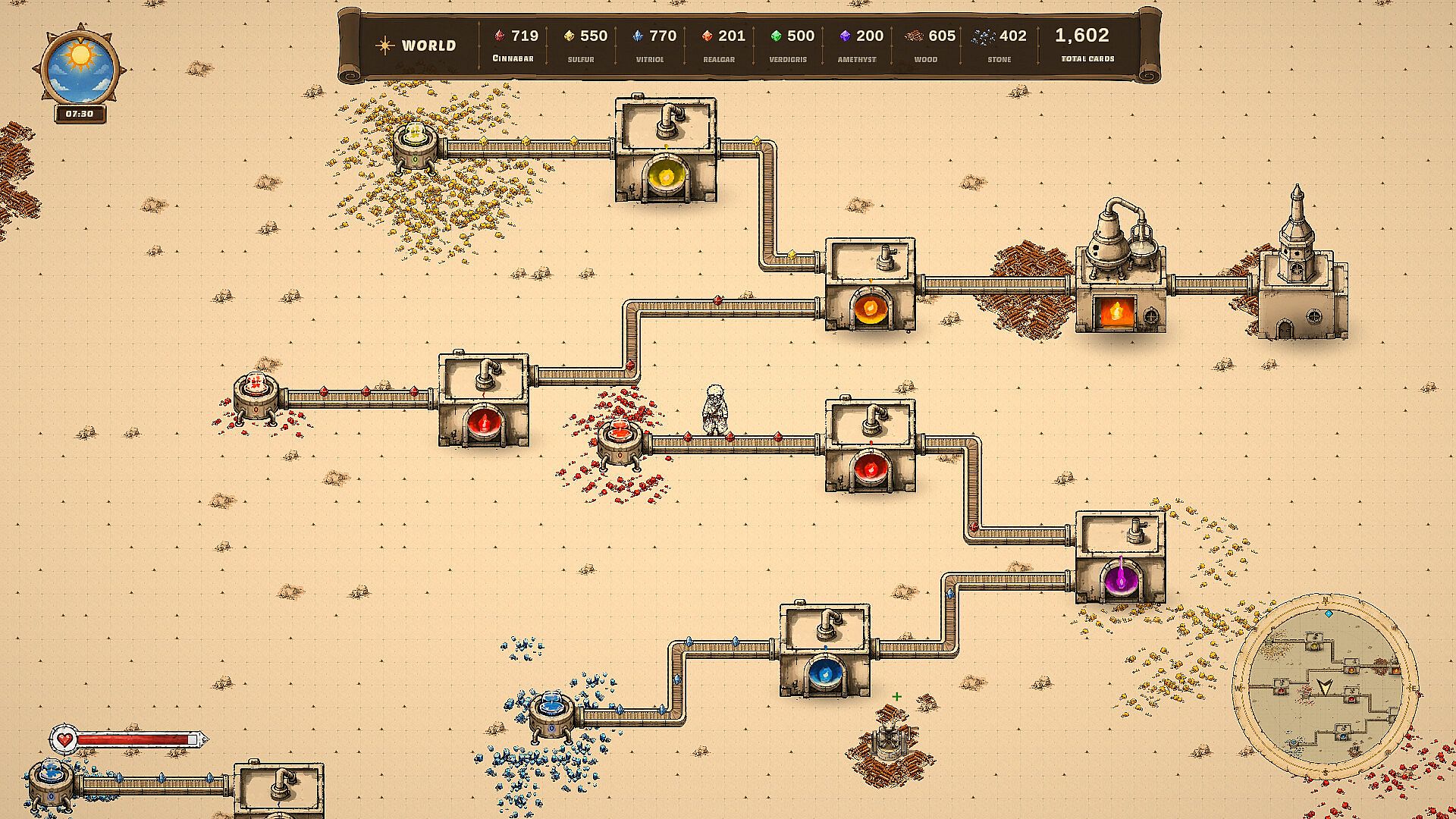
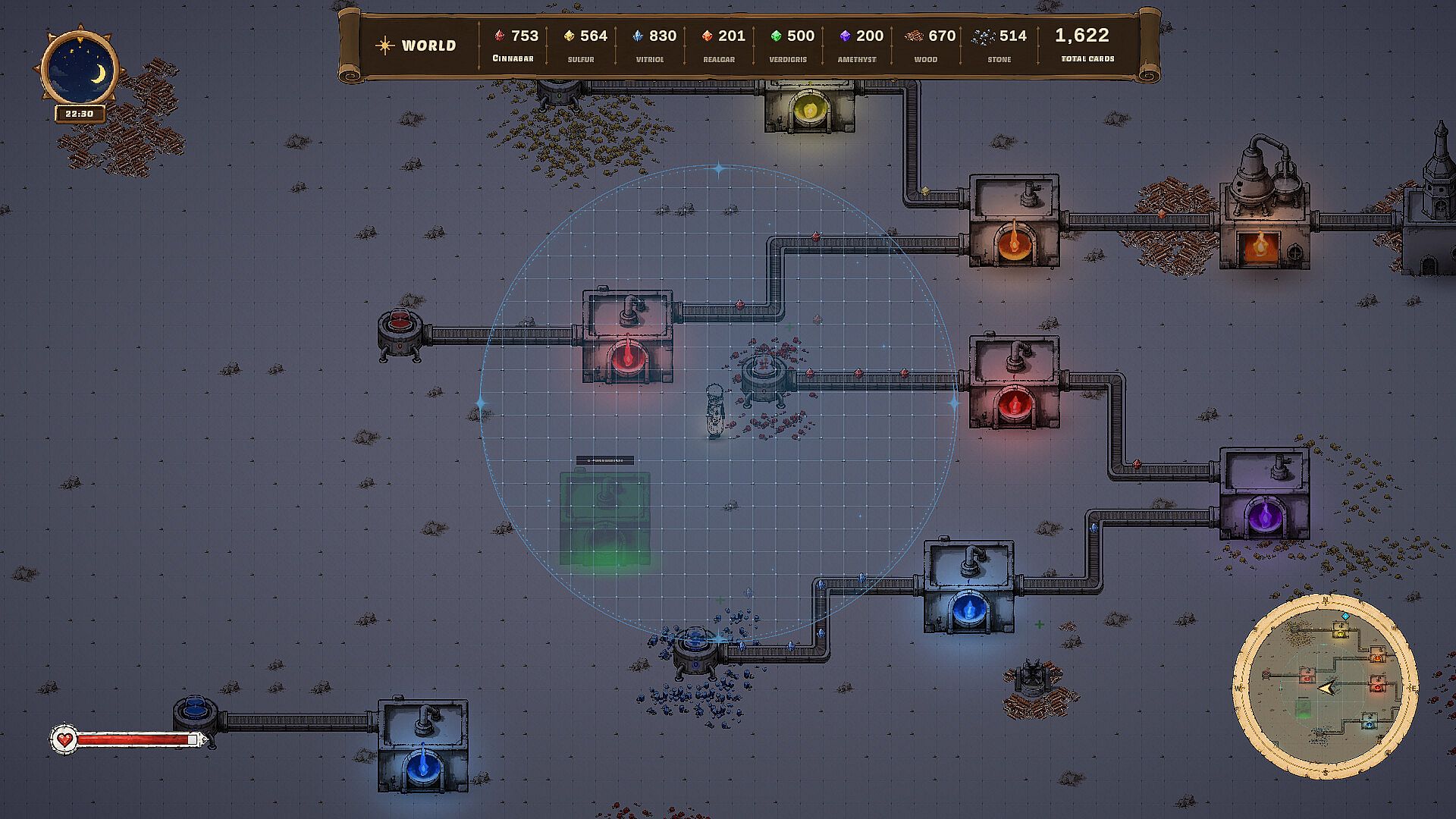
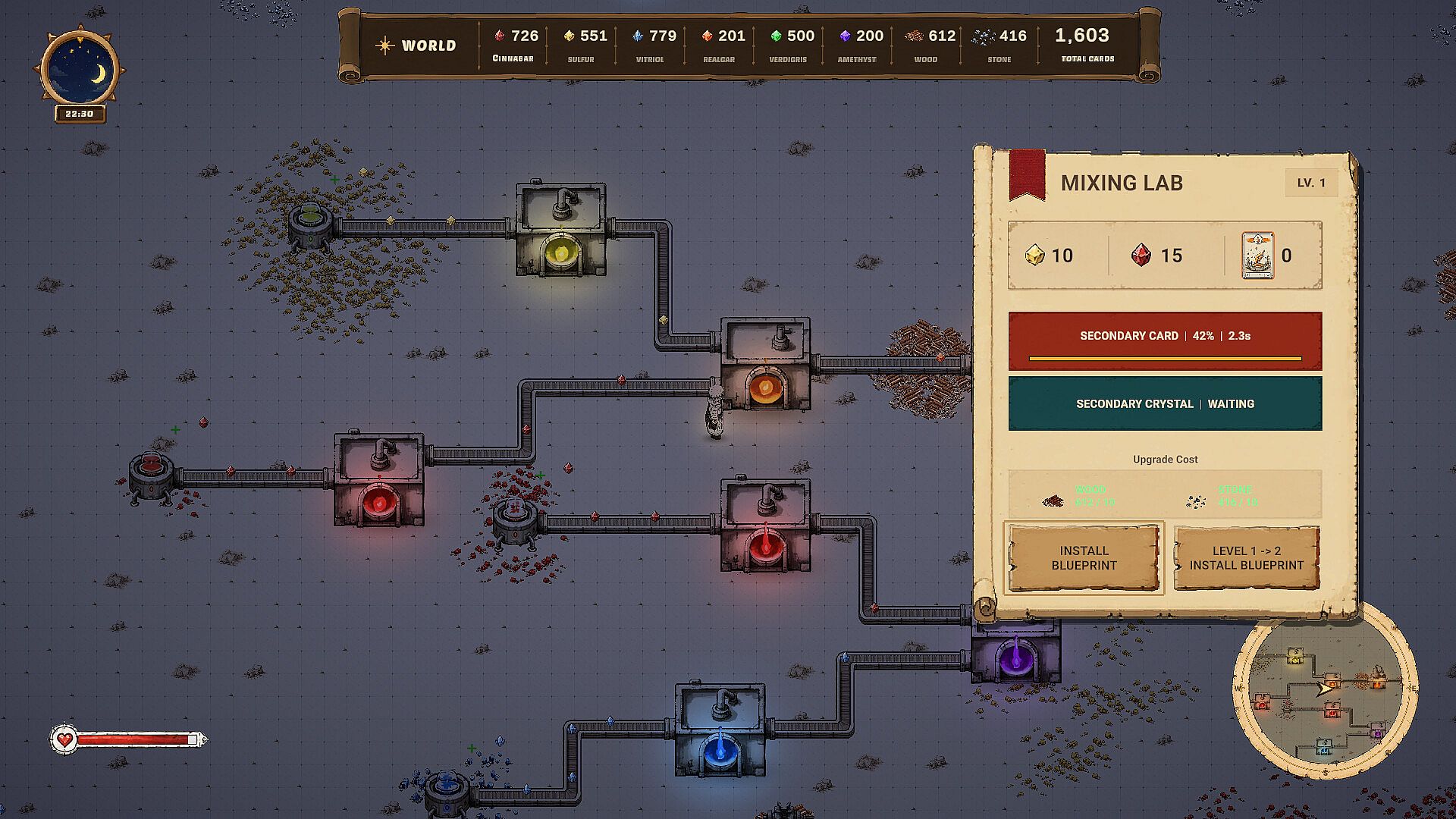
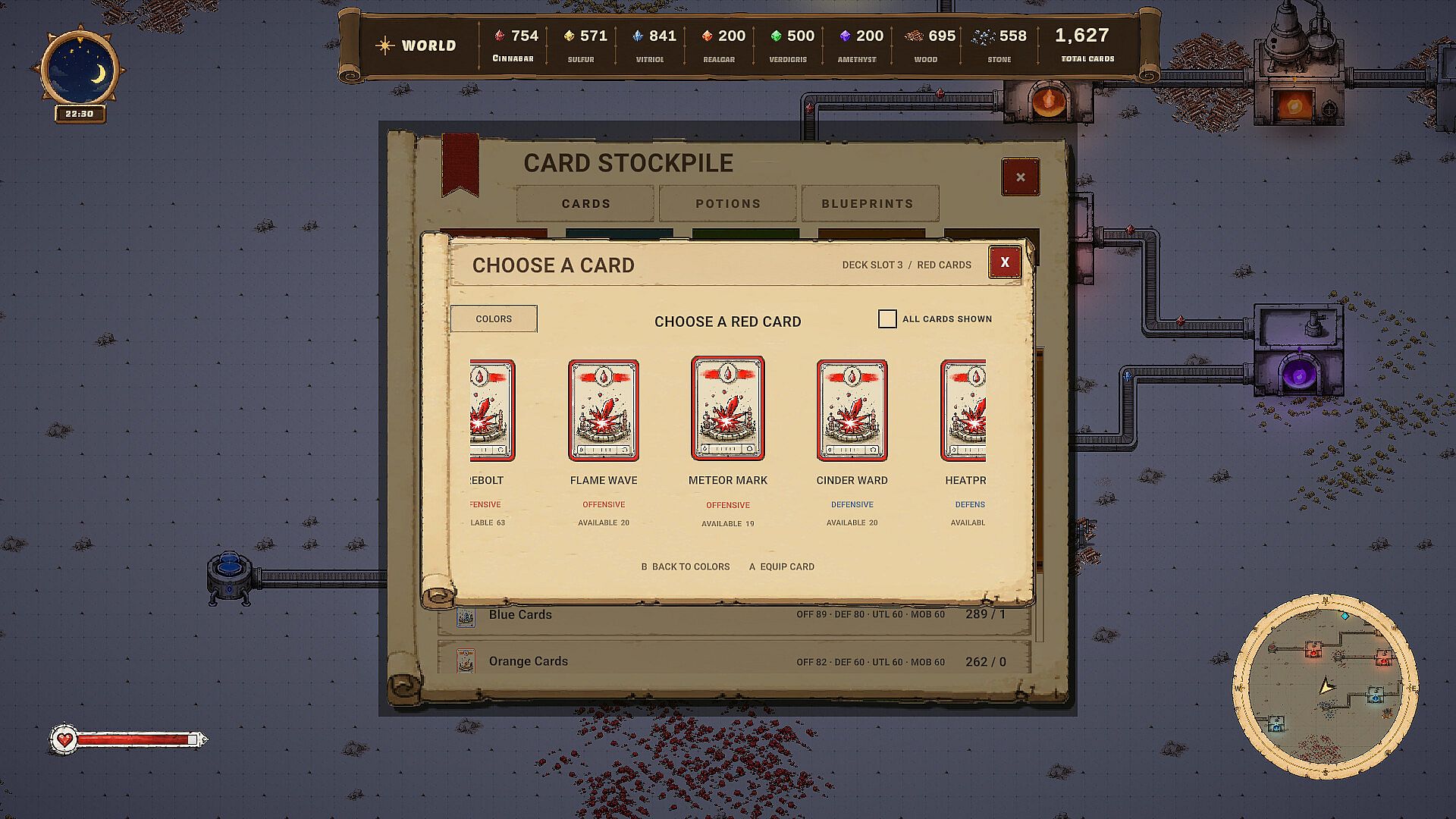
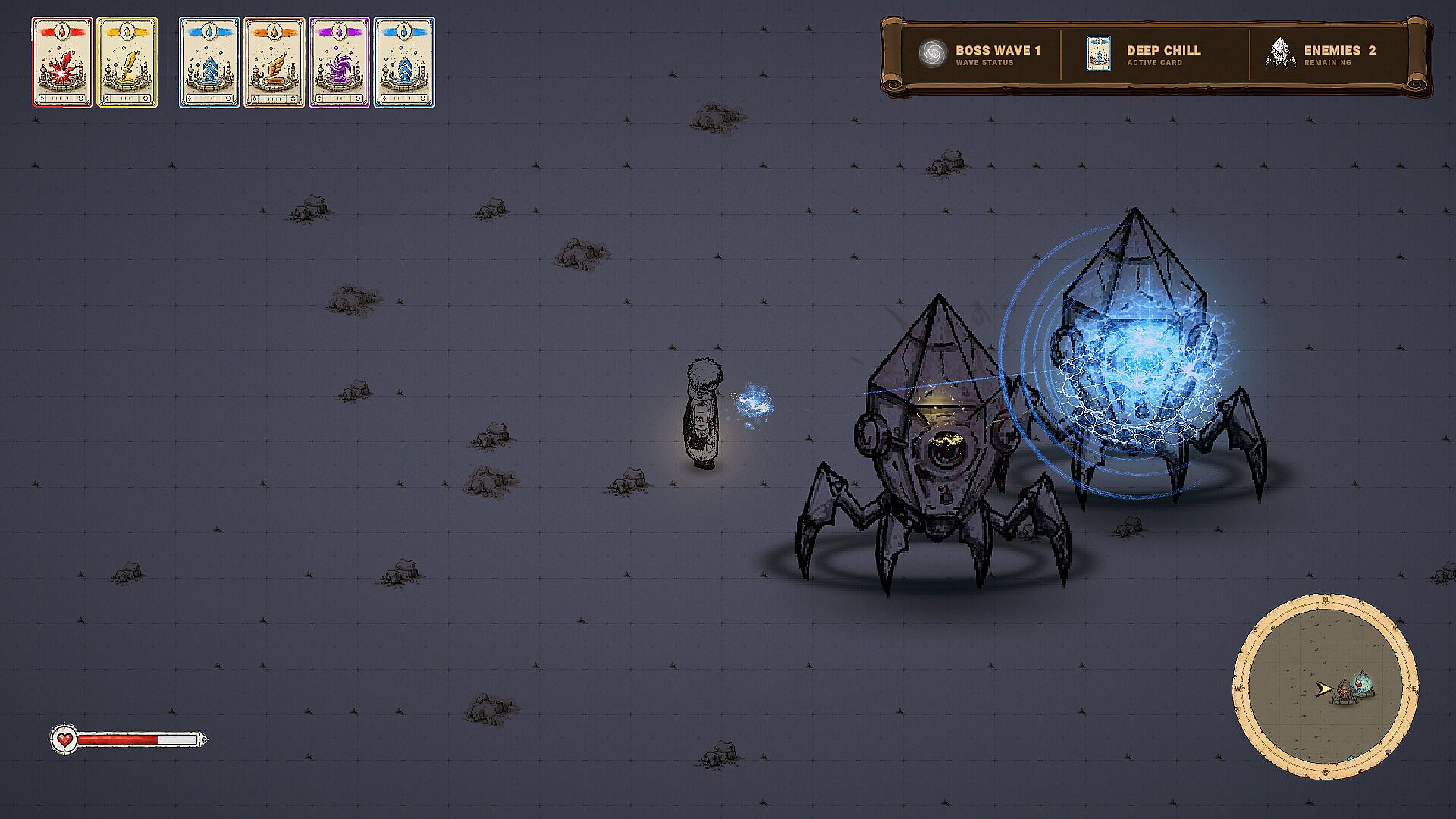
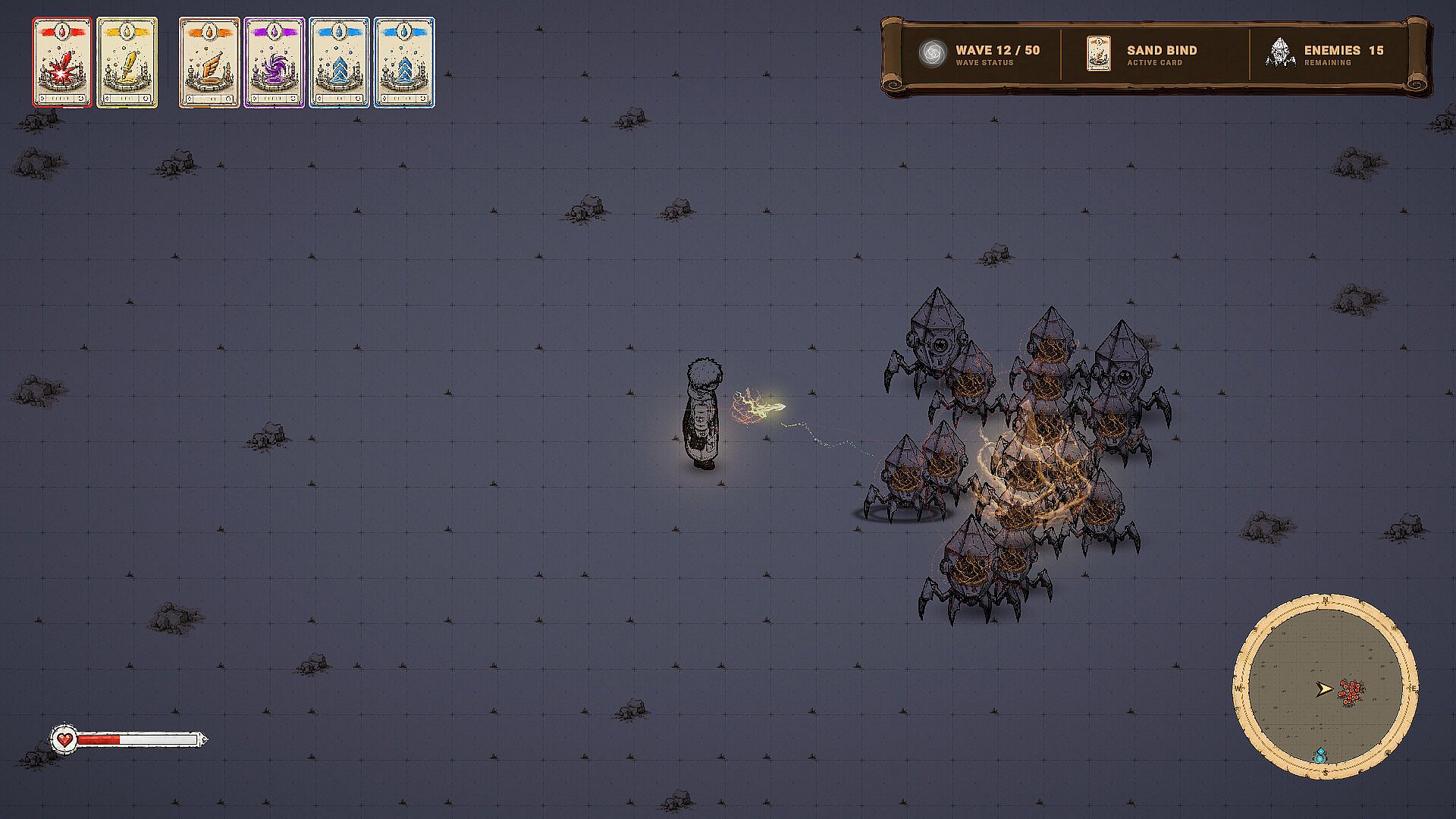
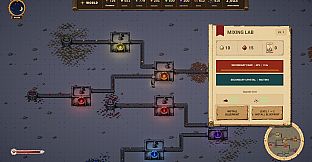
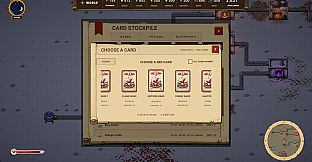
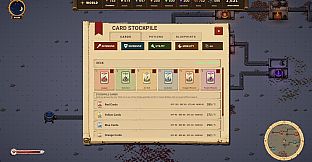
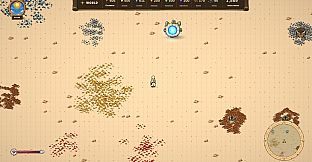
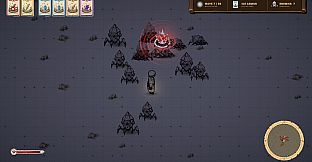
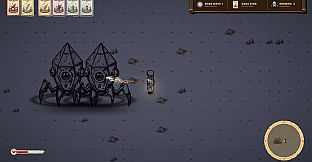
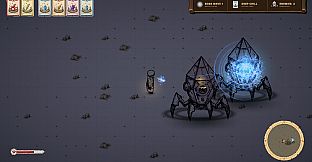
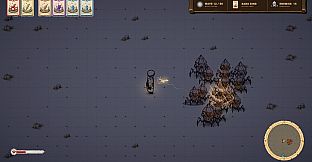
Project Athanor is a single-player strategy, indie, and simulation game for PC that blends roguelike deckbuilding with factory automation and survivor-style arena combat. Players construct production systems to generate elemental cards, assemble a compact deck, and test those builds against waves of enemies in arenas that grow more intense over time.
Gameplay
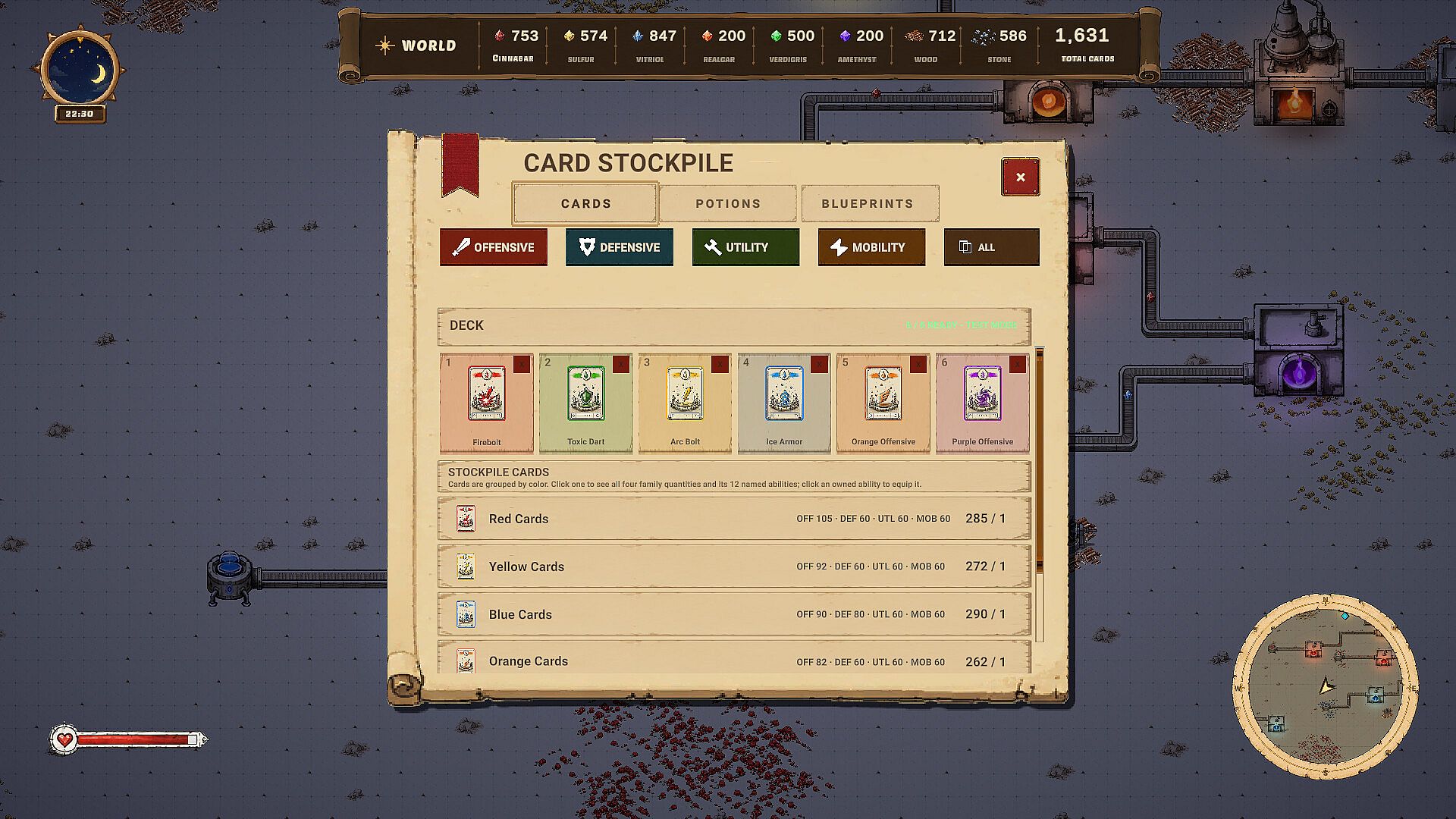
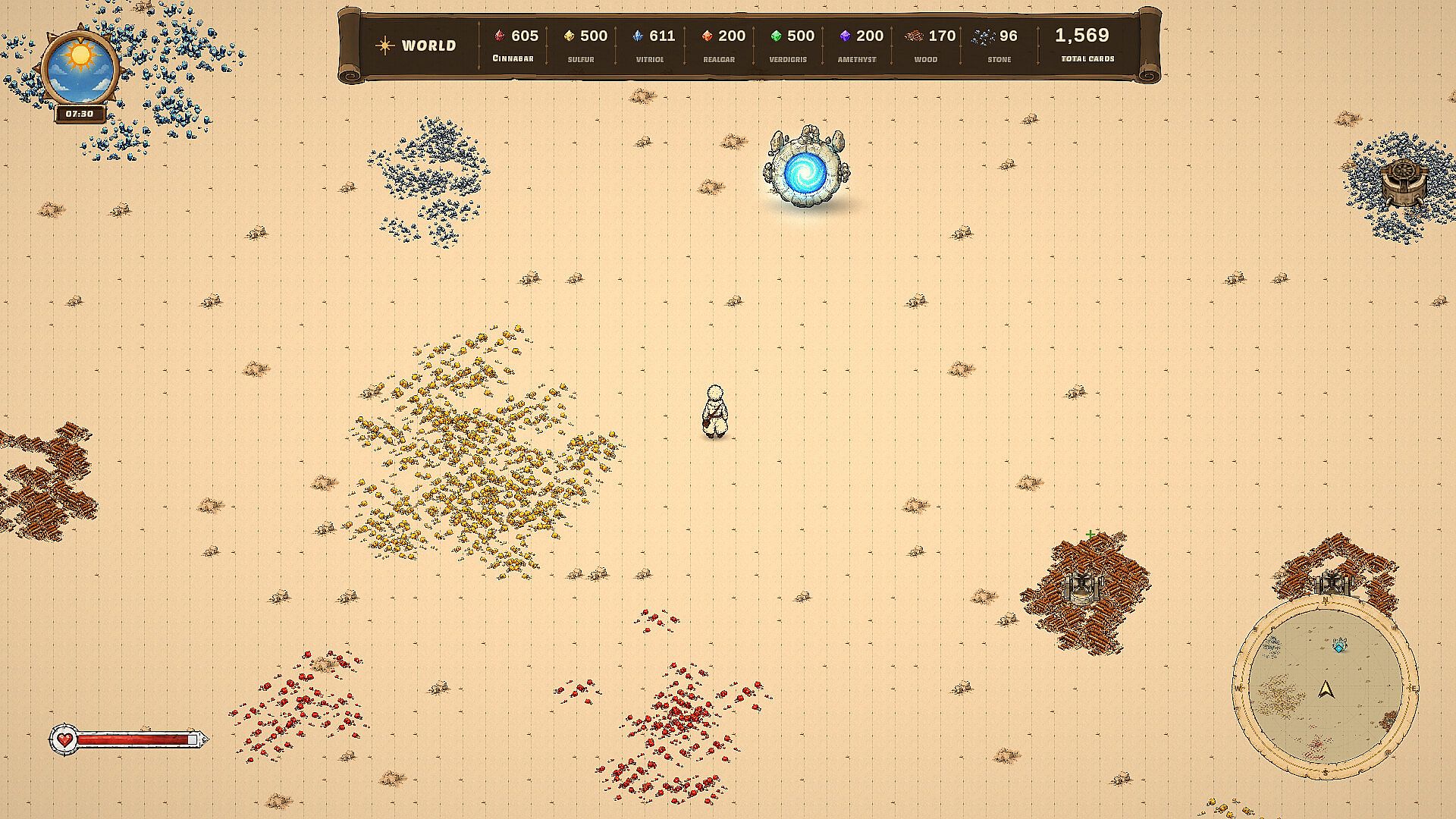
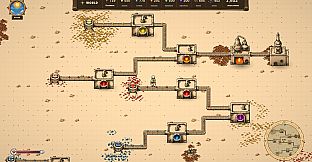
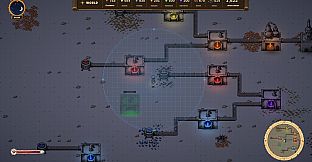
The core loop centers on factory management and combat preparation. Players produce six elemental colors and combine them to unlock cards with distinct properties. Production lines can emphasize one color for focused strategies or balance multiple colors for broader options. Cards fall into four families that shape combat roles: offense cards handle automatic attacks, defense cards manage damage mitigation and recovery, utility cards apply control effects like stuns or debuffs, and mobility cards enable repositioning and escapes. Each color carries its own identity, such as fire for direct damage or frost for slowing effects, and mixing them creates layered interactions across damage output, crowd control, and sustain.
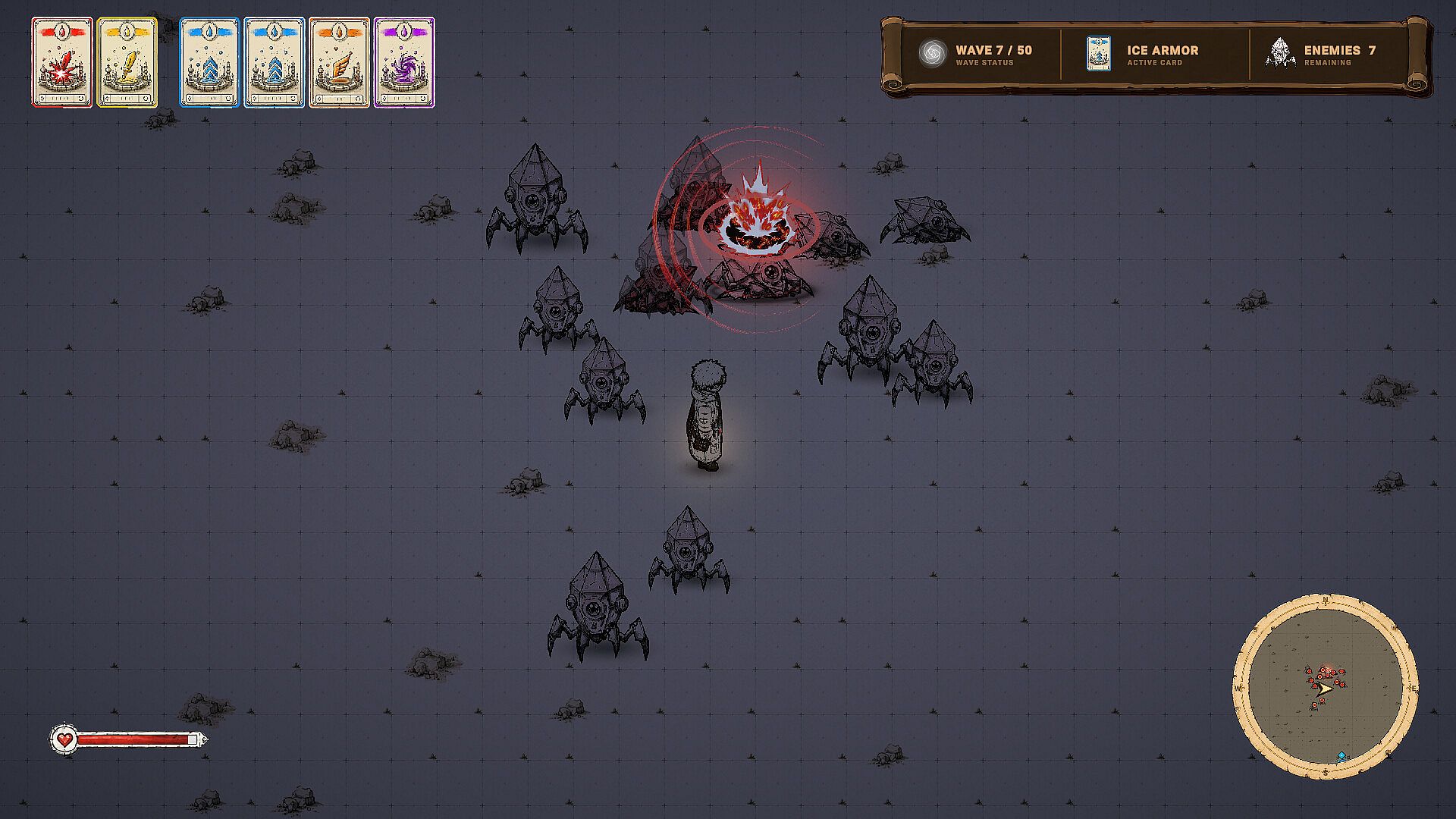
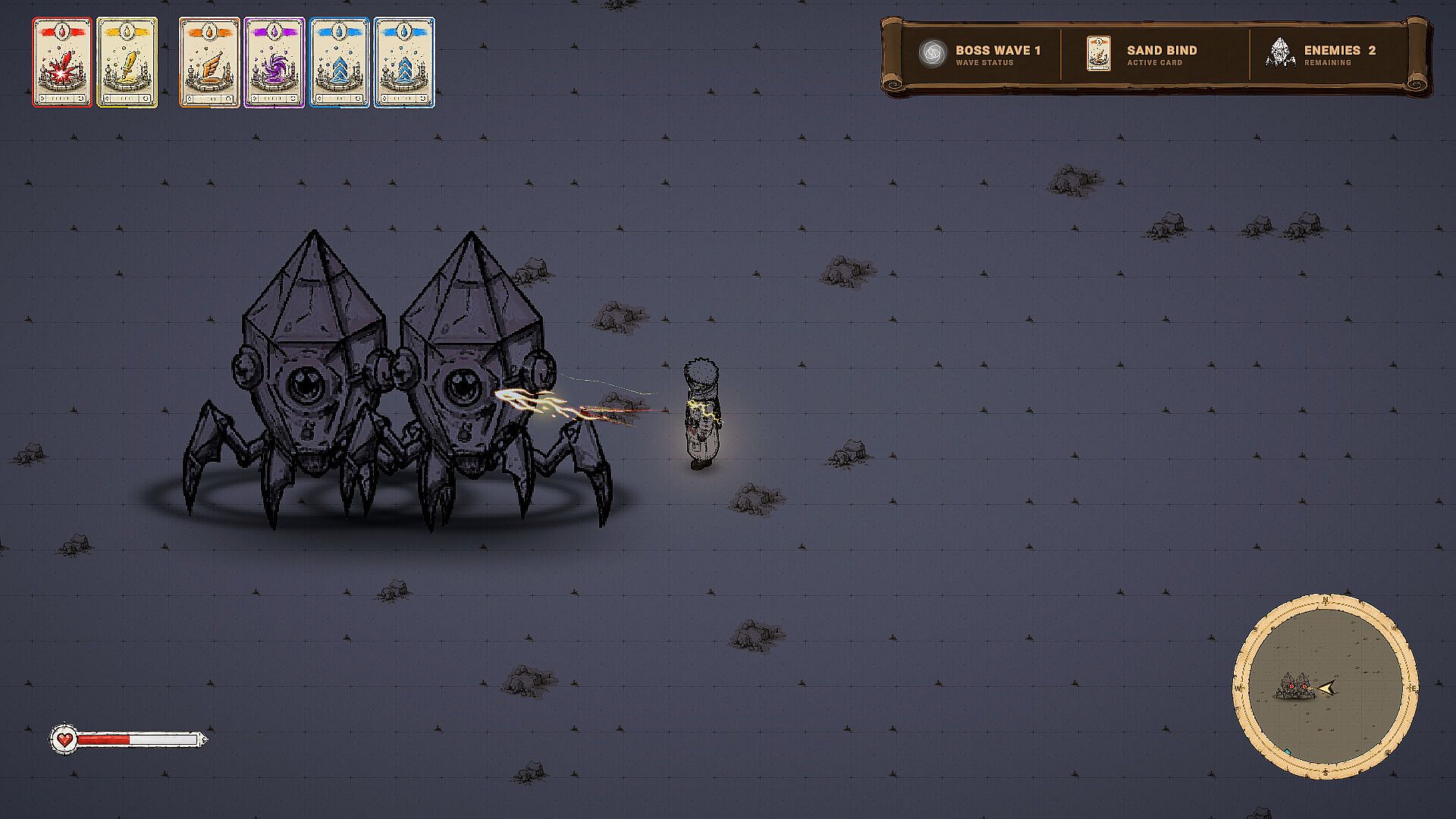
Once a deck is ready, players enter arenas where the build faces escalating enemy waves. Temporary power-ups appear during runs and can enhance specific cards, introduce new synergies, or alter play patterns entirely. These choices encourage adaptation within a single attempt. When a run concludes, players return to the factory to refine production lines, test different card combinations, and prepare for subsequent attempts. The process repeats with variations driven by random elements and player experimentation.
Game Modes
Project Athanor operates as a single-player experience built around repeated arena runs. Each run involves surviving as long as possible against increasing threats while selecting power-ups that modify the current deck. There are no separate multiplayer components or additional named modes confirmed at this stage. The structure emphasizes iterative improvement through factory adjustments between runs rather than distinct competitive or cooperative formats.
Core Systems and Progression
Factory automation forms the foundation for card creation and upgrades. Players manage resource flows across elemental types to expand available options without relying on external unlocks during combat. Deck assembly stays limited to six cards, which keeps focus on meaningful combinations rather than large collections. Combat unfolds in real time within arenas, where card effects activate automatically or through positioning. The survivor-like wave structure rewards builds that scale effectively over longer durations while punishing those that lack adaptability to new threats.
Elemental mixing adds depth to strategy. A fire-focused setup might prioritize offense for rapid clears, while incorporating earth or poison could shift emphasis toward control and attrition. Power-ups during runs serve as the main source of variability, allowing the same base deck to perform differently across attempts. This setup supports experimentation without requiring permanent changes until the player returns to the factory.
Is It Worth Playing?
Project Athanor remains in development with a planned release date to be announced and no user reviews available yet. The described systems appeal to players who enjoy roguelike deckbuilders that incorporate automation elements and wave-based survival. Those interested in managing production lines to enable varied combat builds may find the loop engaging, particularly if they value iterative refinement over one-off sessions. Availability is limited to the PC platform once released, with single-player focus throughout. Potential buyers can monitor official channels for updates on the final feature set and launch timing.











