




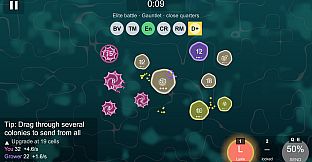
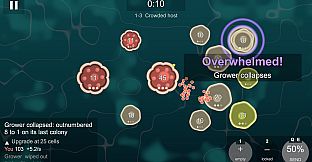
Petri: Microbe Swarm is a single-player strategy game that places players in control of evolving microbe colonies across five distinct animal hosts. The experience blends real-time swarm management with roguelike progression in a compact, decision-heavy format suited to short sessions on PC.
Gameplay
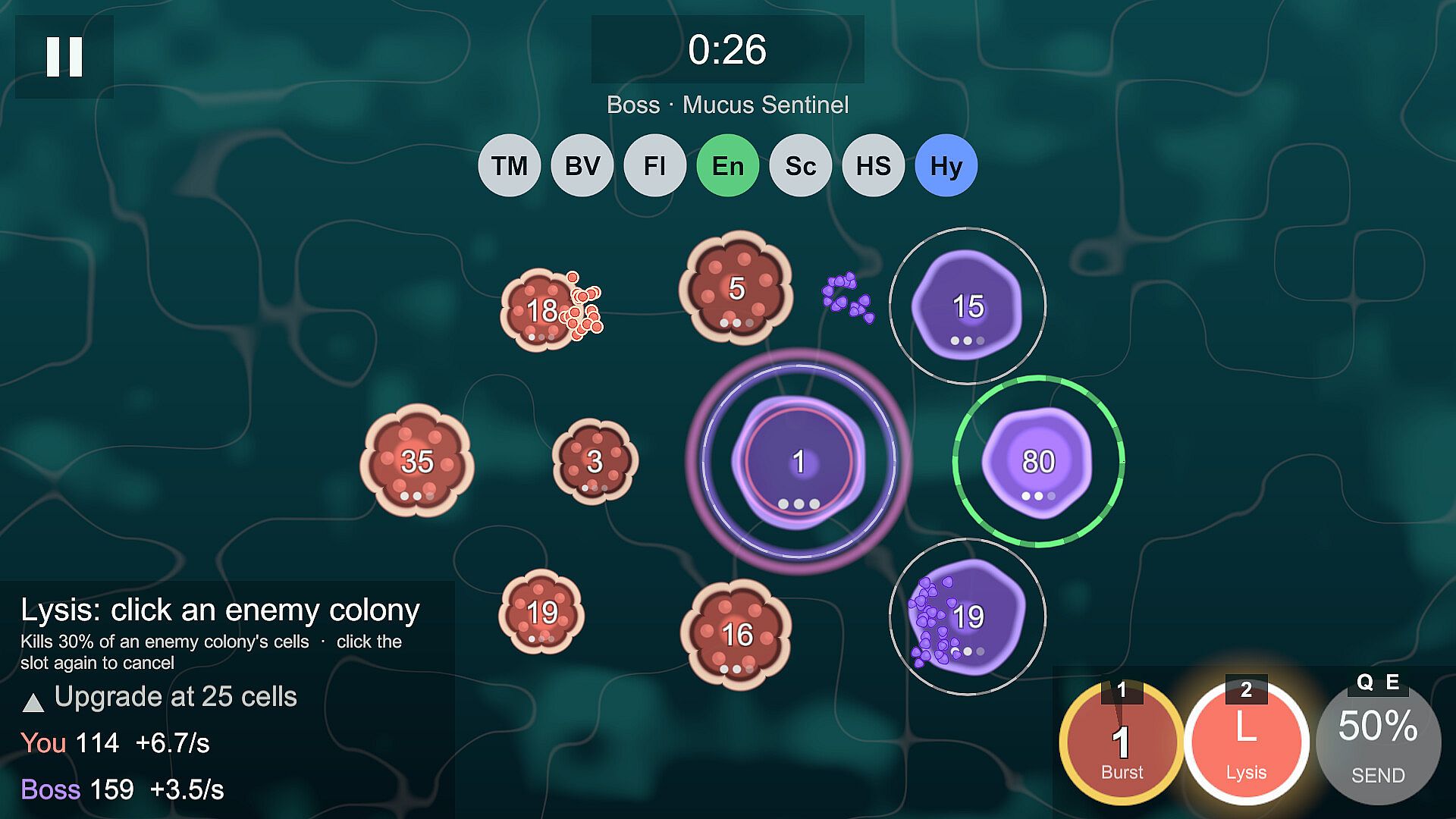
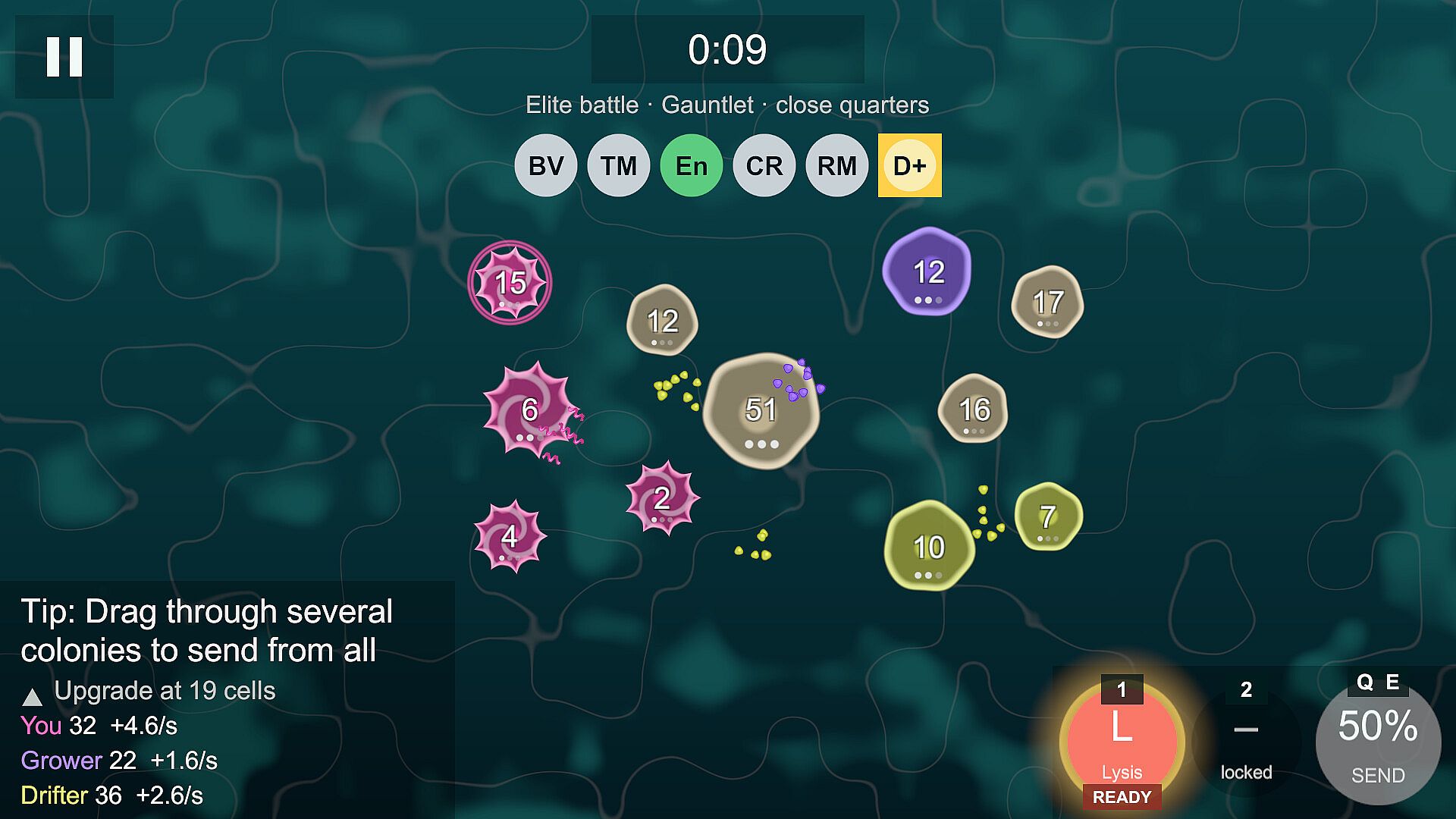
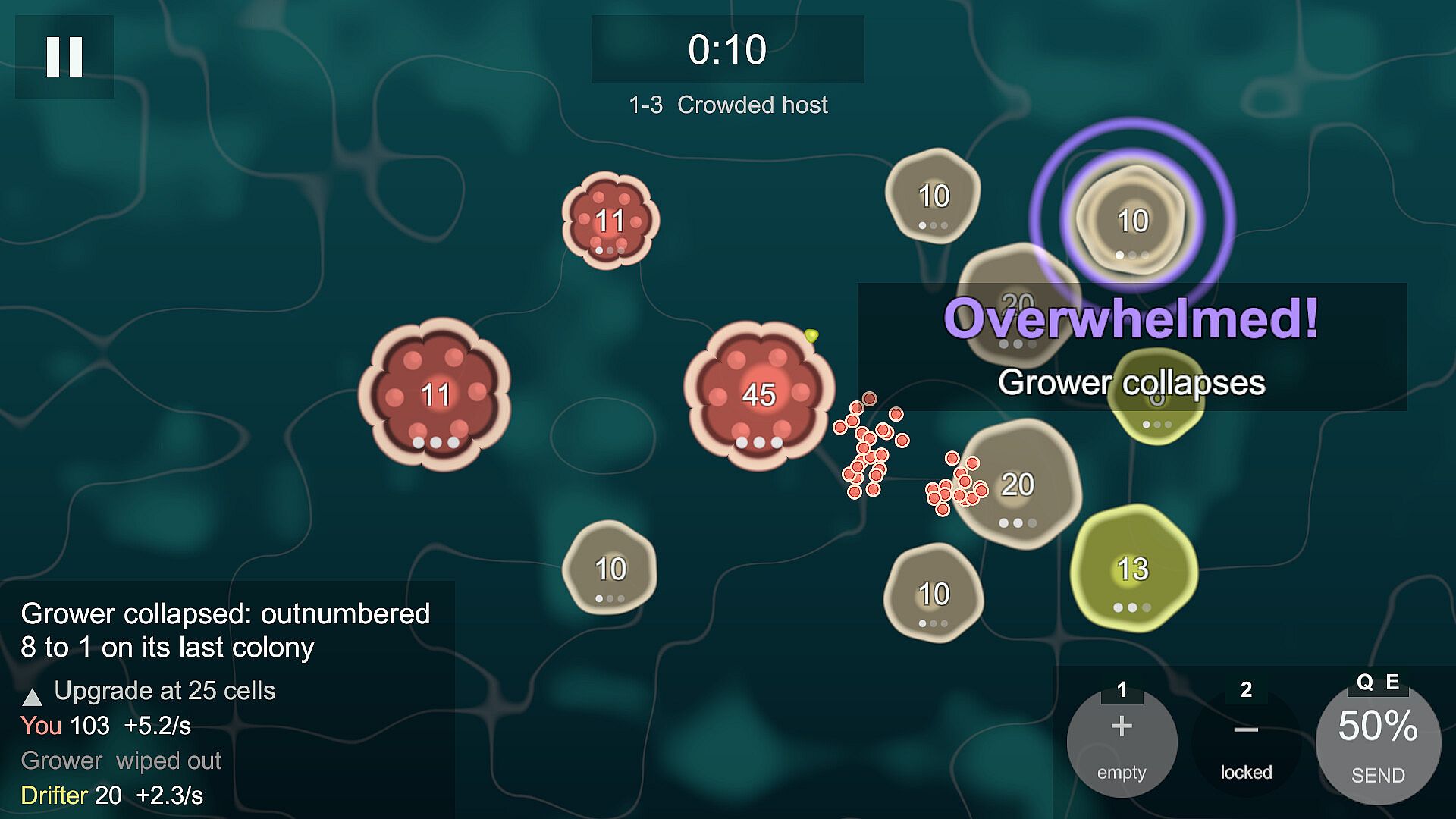
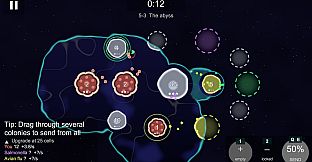
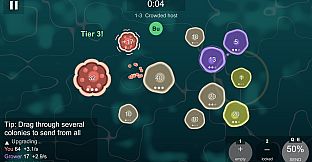
Players begin as a new microbe strain and expand colonies that produce cells automatically. Swarms are sent by dragging from colonies to targets, allowing attacks, reinforcements, or captures on the host body. Larger groups succeed in clashes, yet every cell dispatched weakens its origin colony, forcing careful resource allocation.
Controls remain straightforward yet layered. Swarms launch from one or multiple colonies at 25, 50, 75, or 100 percent strength. Colonies upgrade through three tiers by investing cells for improved future growth. Mid-flight clashes resolve cell by cell, making timing and positioning decisive. Rival microbes compete simultaneously, creating opportunities to exploit weakened foes after mutual attrition.
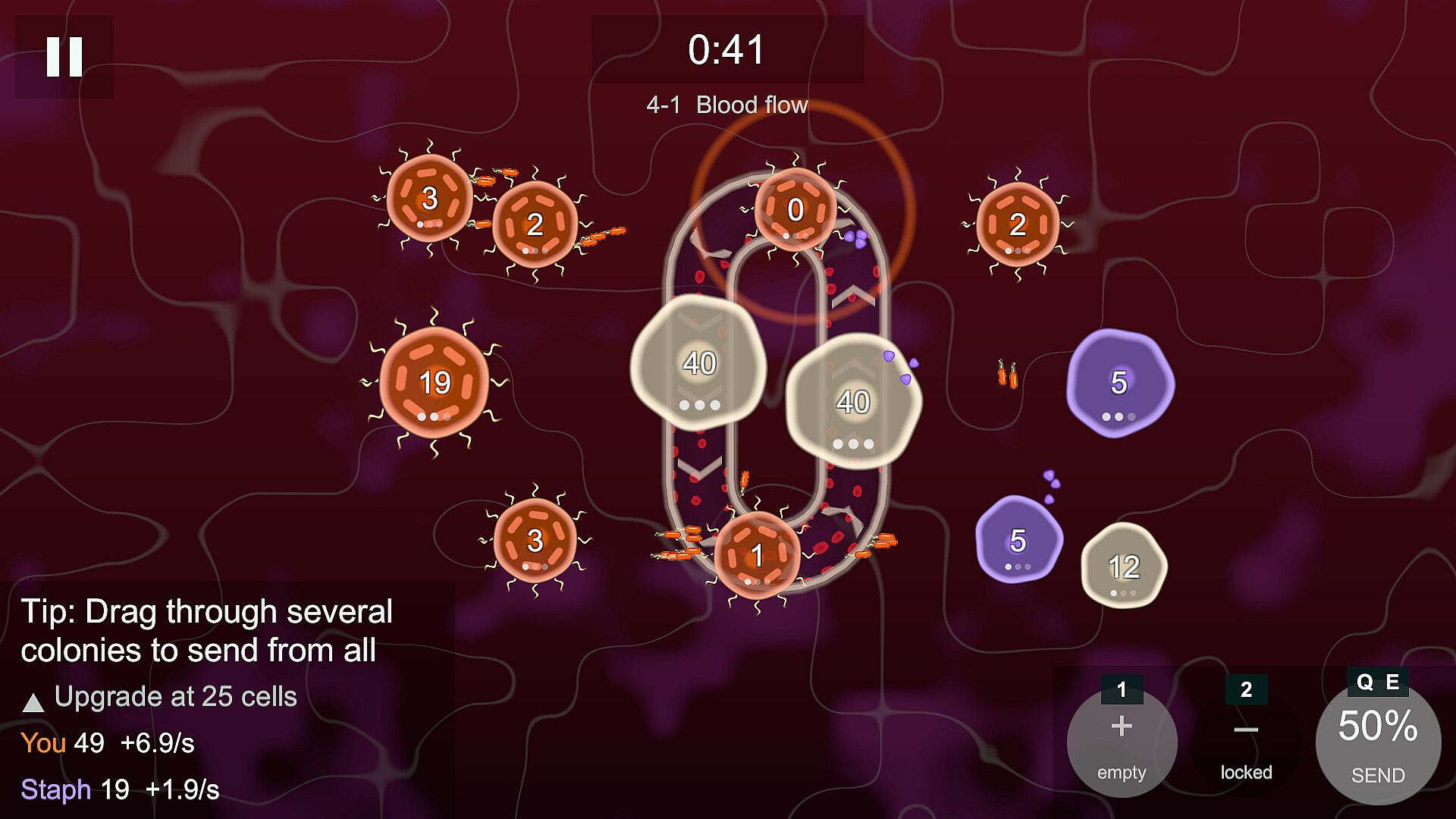
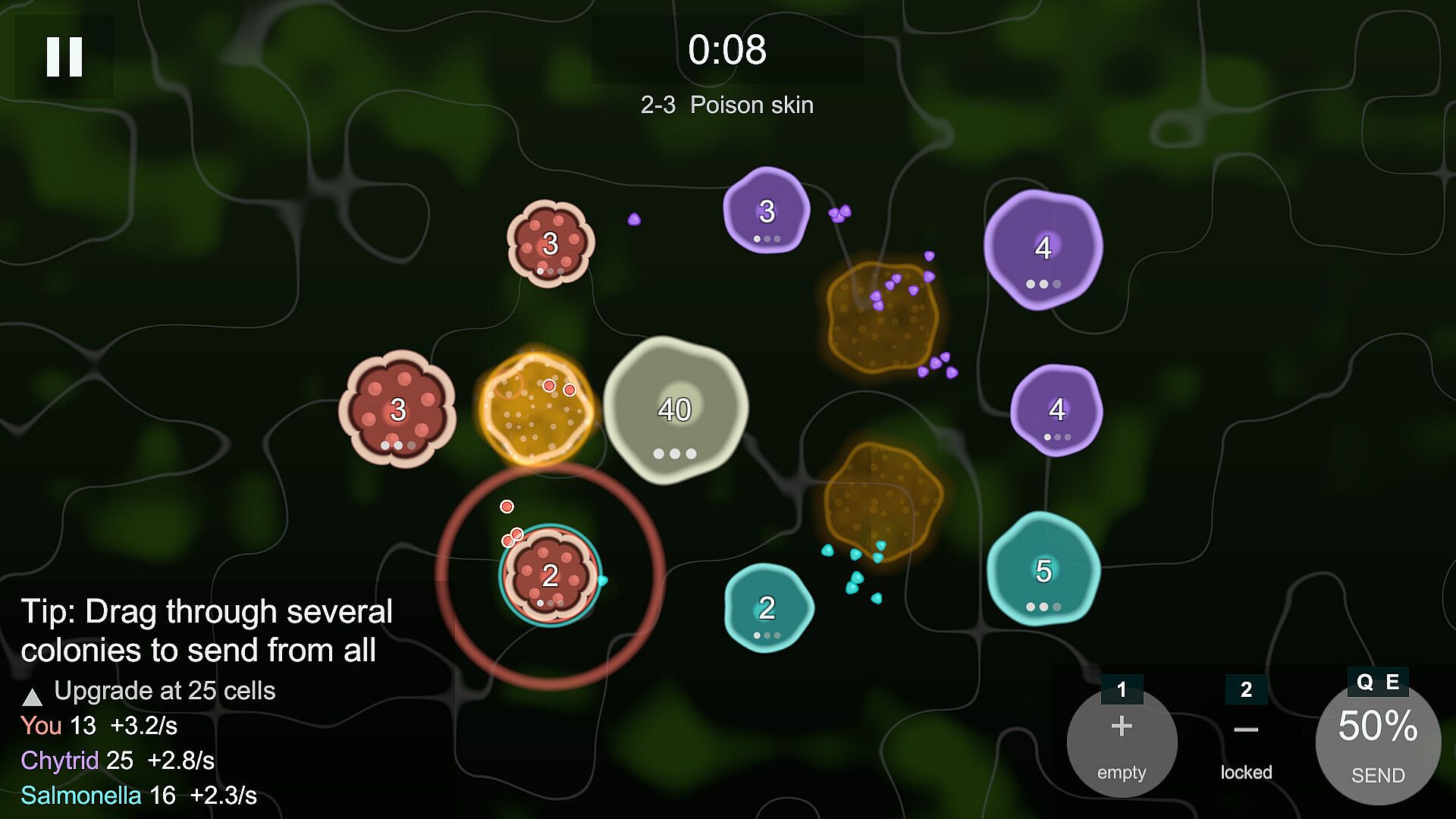
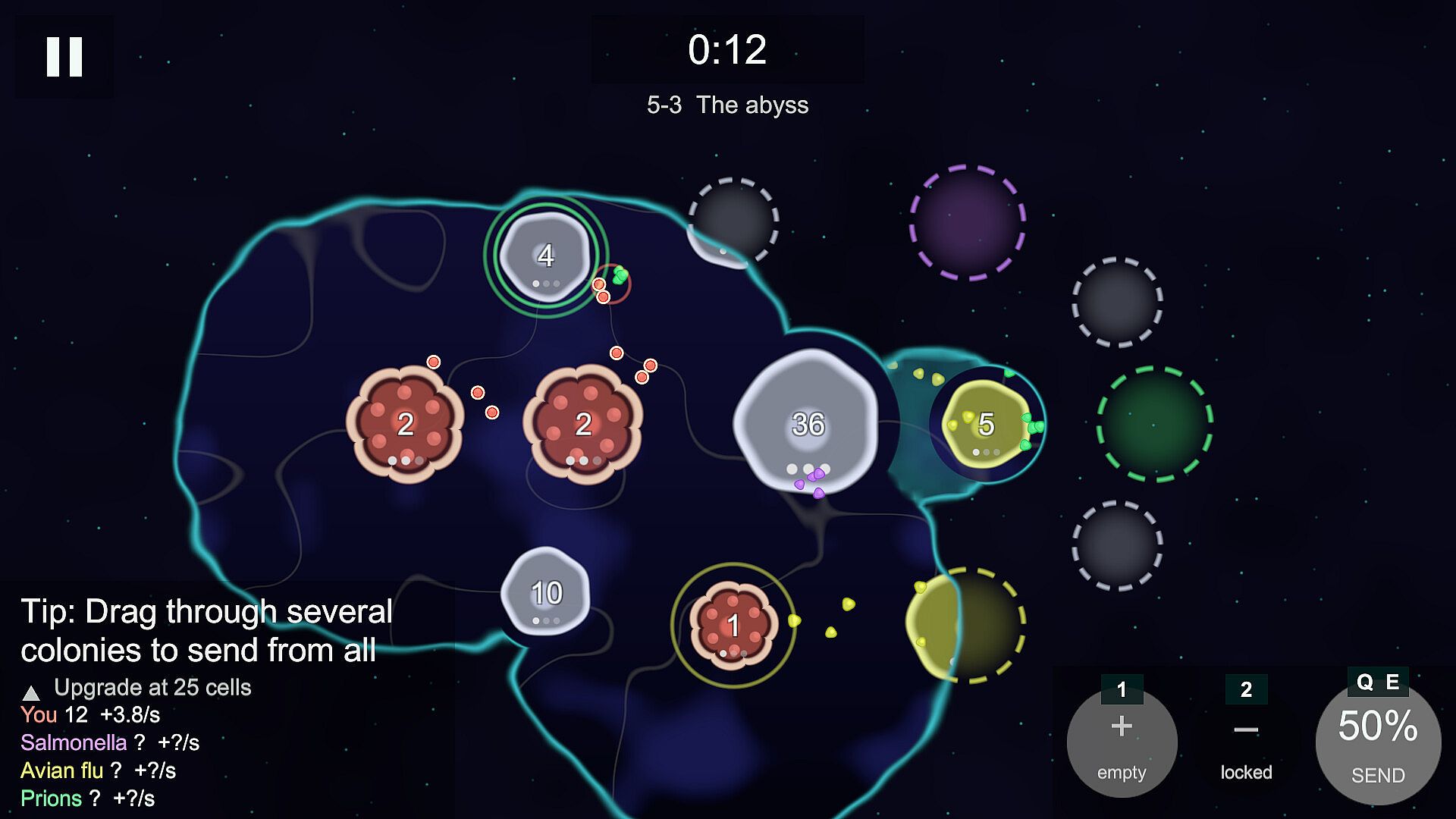
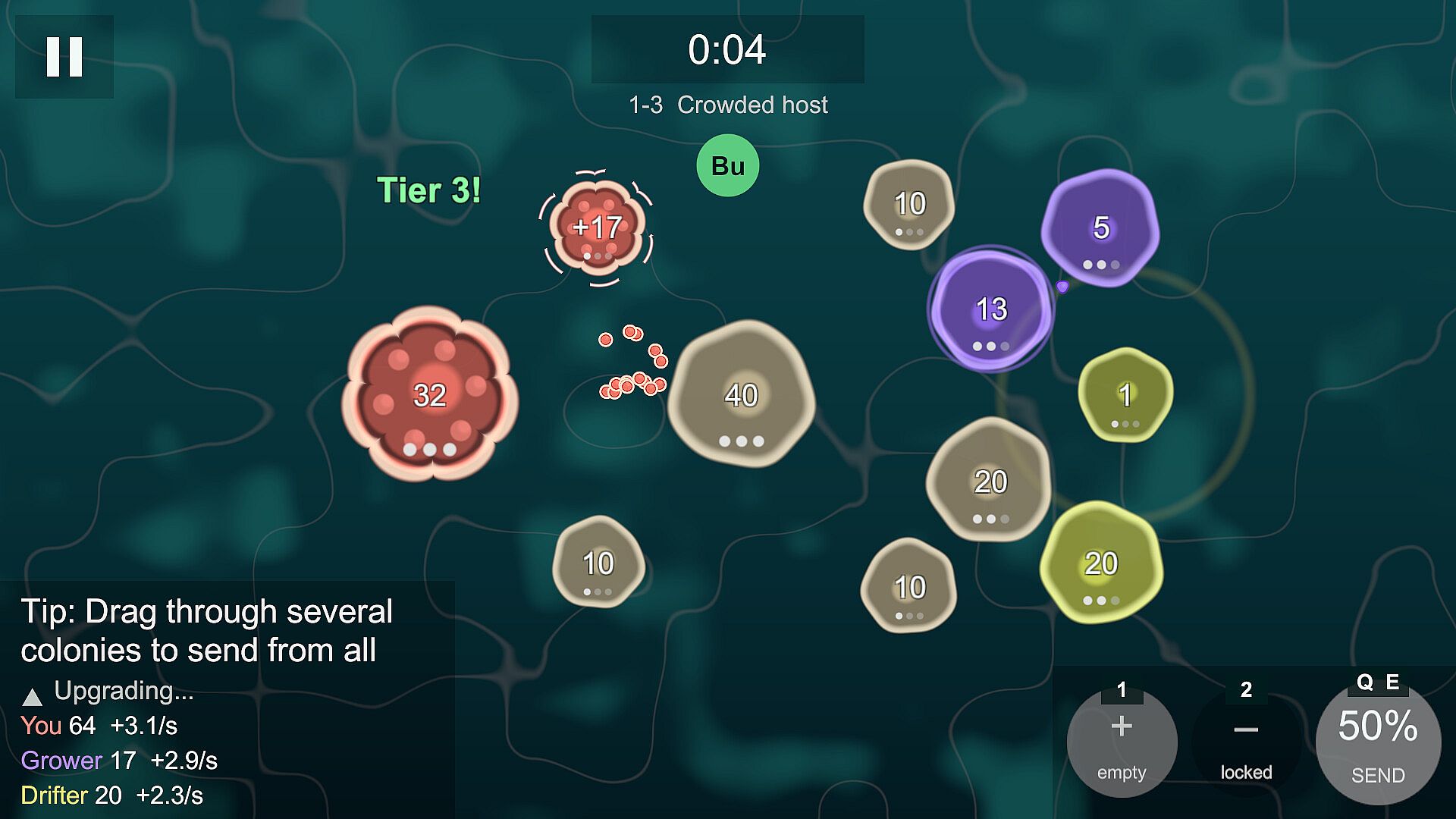
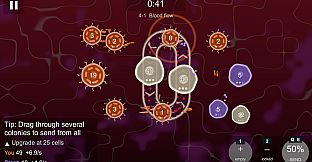
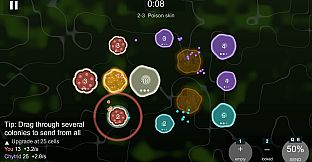
Each of the five hosts introduces unique environmental rules. The fish host serves as an introductory arena with basic rival strains. The frog features pulsing toxin glands that eliminate crossing swarms at inopportune moments. The bird host expands and contracts its lungs, altering travel distances. The wolf circulates colonies through a bloodstream loop that players must contest. The whale offers limited visibility in dark tissue, where prions advance undetected.
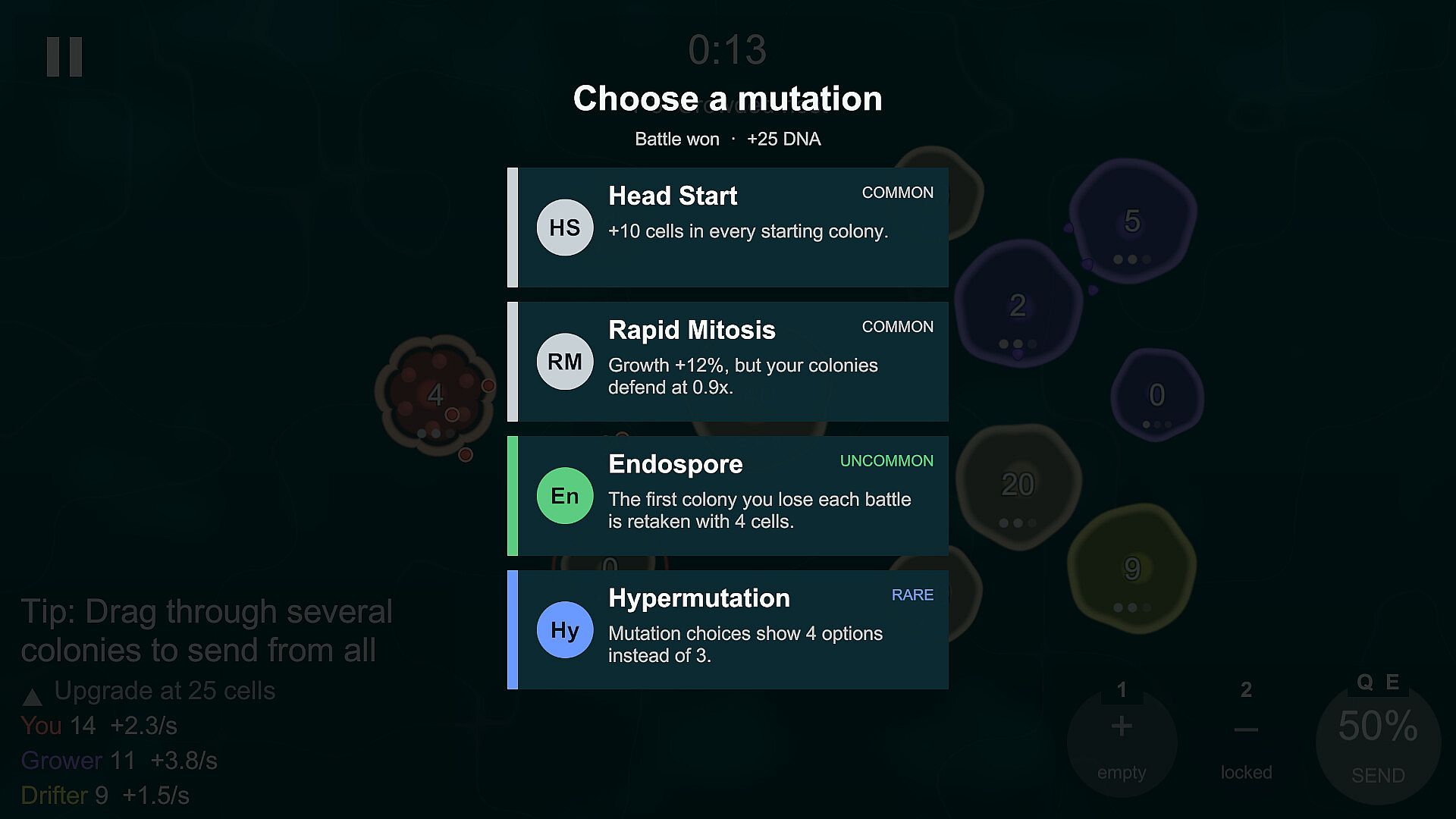
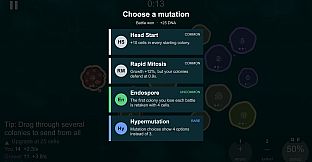
Three starting strains provide varied entry points, each carrying a distinct mutation and ability. Mid-battle triggers include Burst, Surge, Lysis, and Membrane Wall. Permanent Biomass upgrades accumulate across runs, while DNA choices after victories unlock options such as stronger membranes, faster flagella, quorum sensing, endospores, and budding colonies.
Game Modes
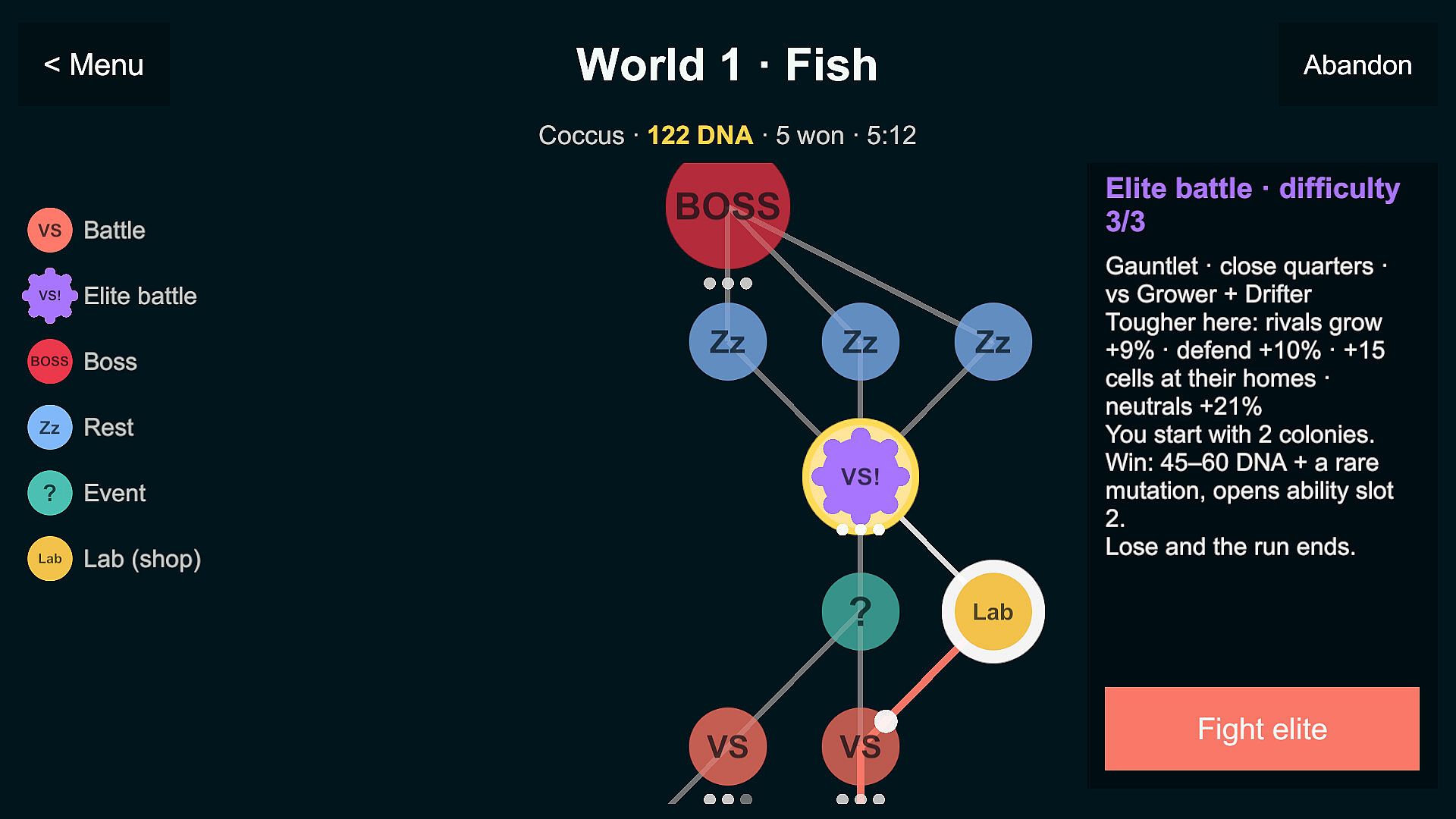
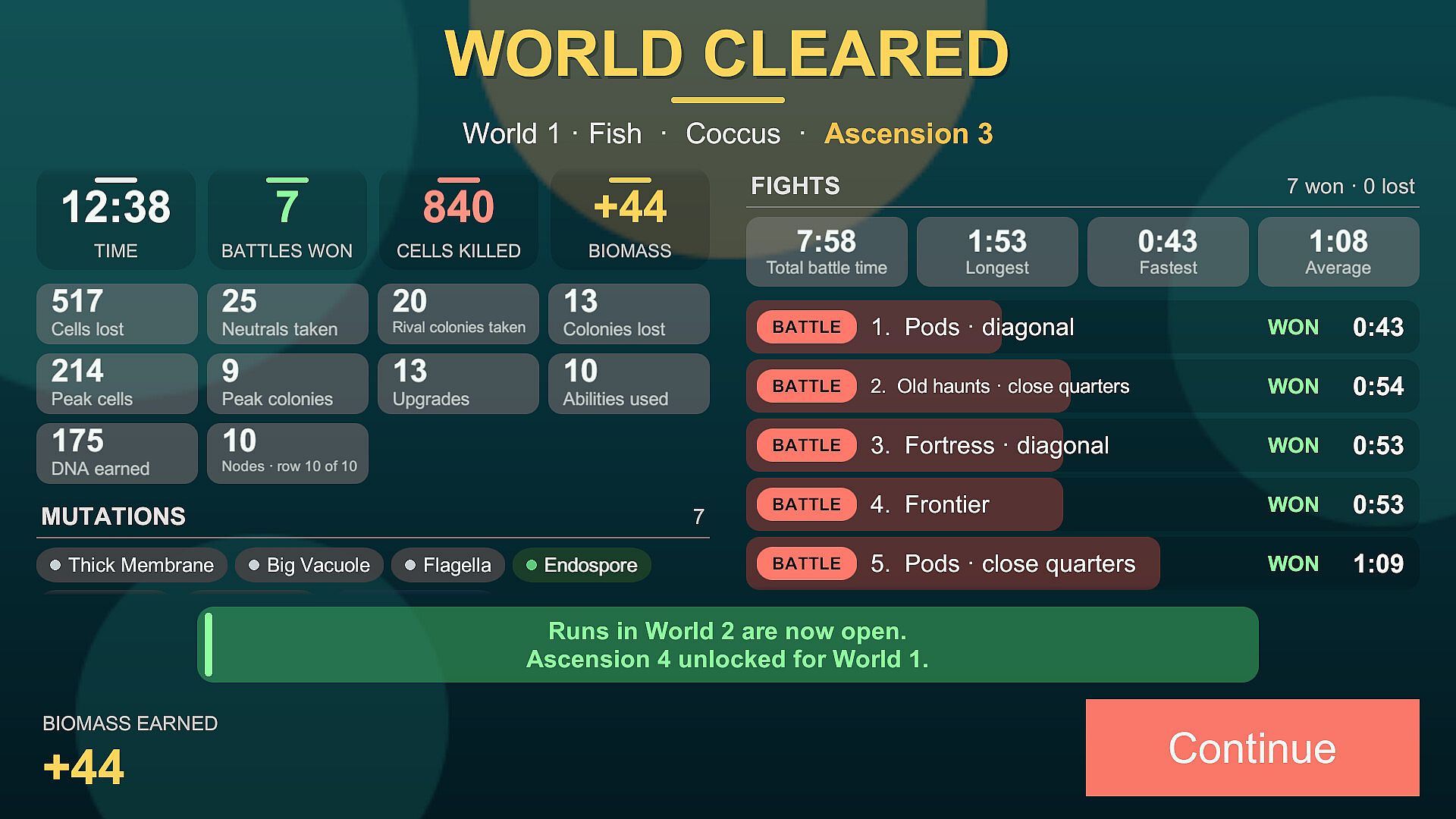
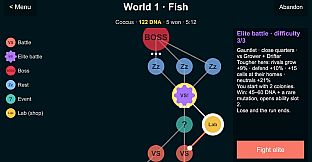
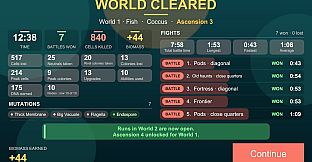
Roguelike runs form the core loop. A seeded branching map presents battles, elite encounters, events, a Mutation Lab for DNA spending, rest stops, and a concluding boss fight per world. Runs support mid-session saves for resumption later. Ascension levels from A1 through A10 increase difficulty after initial world completions and reward additional Biomass.
Levels mode supplies a fixed alternative with fifteen hand-crafted stages, three per host. This structure emphasizes repeatable challenges without procedural variation.
Both modes operate entirely offline with no multiplayer components, advertisements, or purchases. Input supports mouse and keyboard alongside full controller layouts compatible with Xbox, PlayStation, and Steam Deck configurations.
Progression and Strategy
Each run encourages adaptation through mutation selection and ability timing. Colony management requires balancing expansion against offensive commitments, while host hazards demand observation of patterns like toxin pulses or breathing cycles. Rival interactions add indirect tactics, rewarding players who monitor multiple fronts rather than direct confrontation alone.
Biomass earned from completed runs funds lasting improvements that carry forward. Ascension scaling extends replay value by intensifying threats and altering encounter density. The Mutation Lab serves as a focal point for customizing strain capabilities between attempts.
Is It Worth Playing?
Petri: Microbe Swarm suits players seeking concise strategy sessions with meaningful choices and incremental growth. Its single-developer Early Access status means the listed features represent the current build, with planned additions including immune-system bosses, expanded mutations, abilities, unlocks, layouts, and music. Those who enjoy resource tension, pattern recognition across varied arenas, and roguelike structure without long commitments will find consistent engagement. The absence of external dependencies keeps focus on core systems that reward repeated play through escalating difficulty and customization depth.












