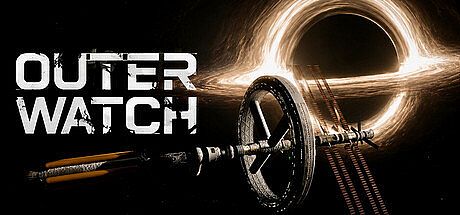


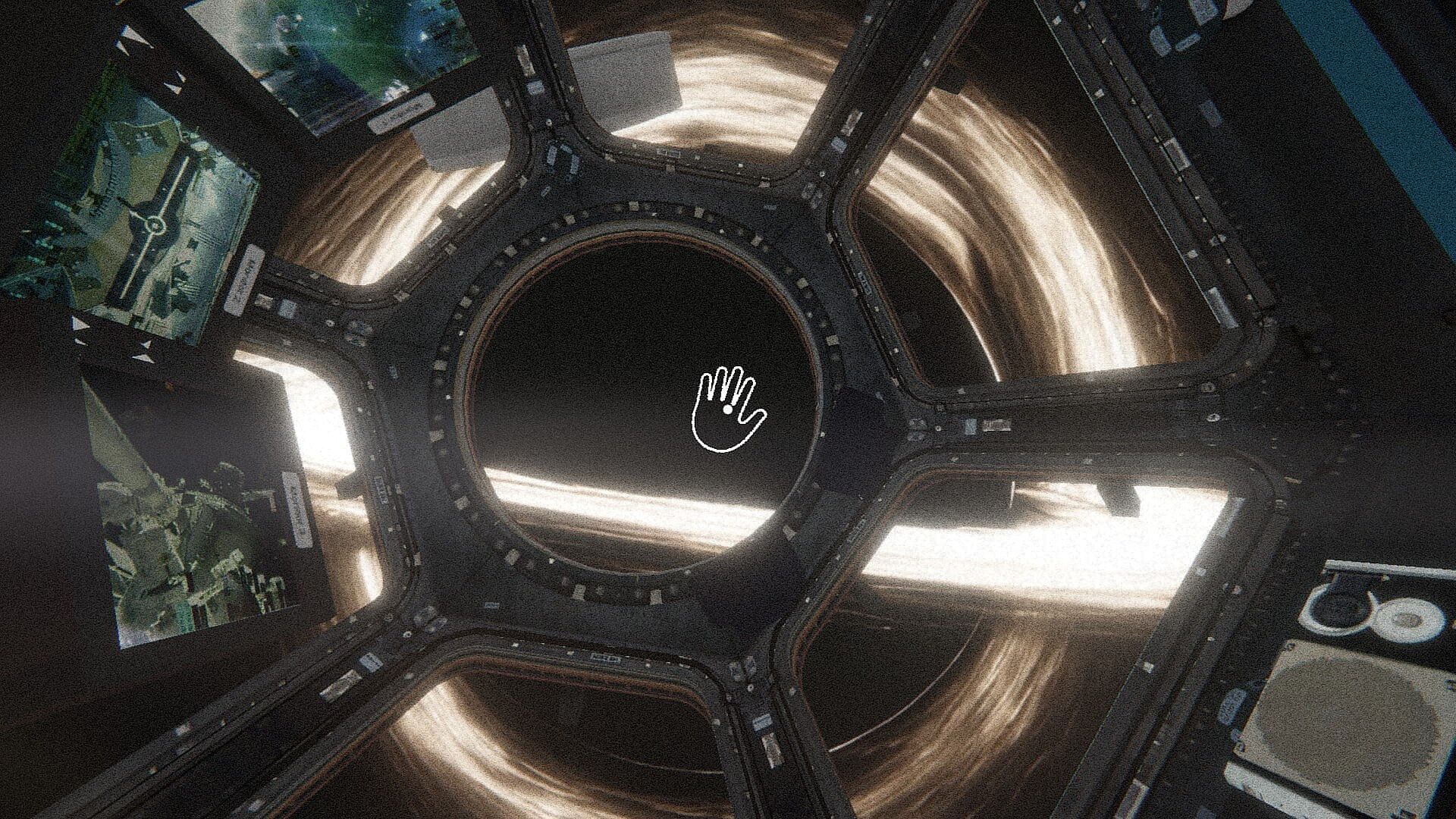
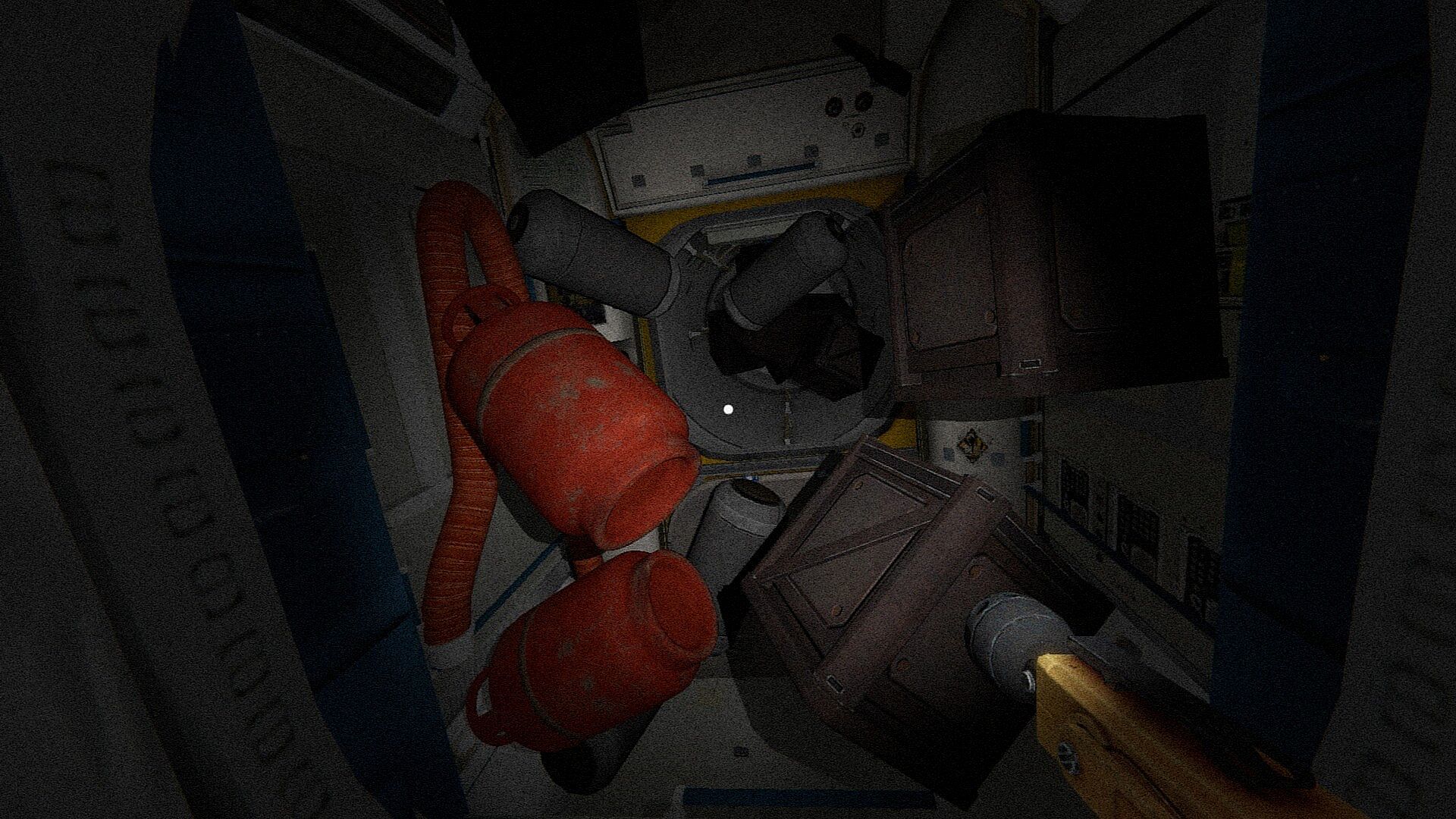
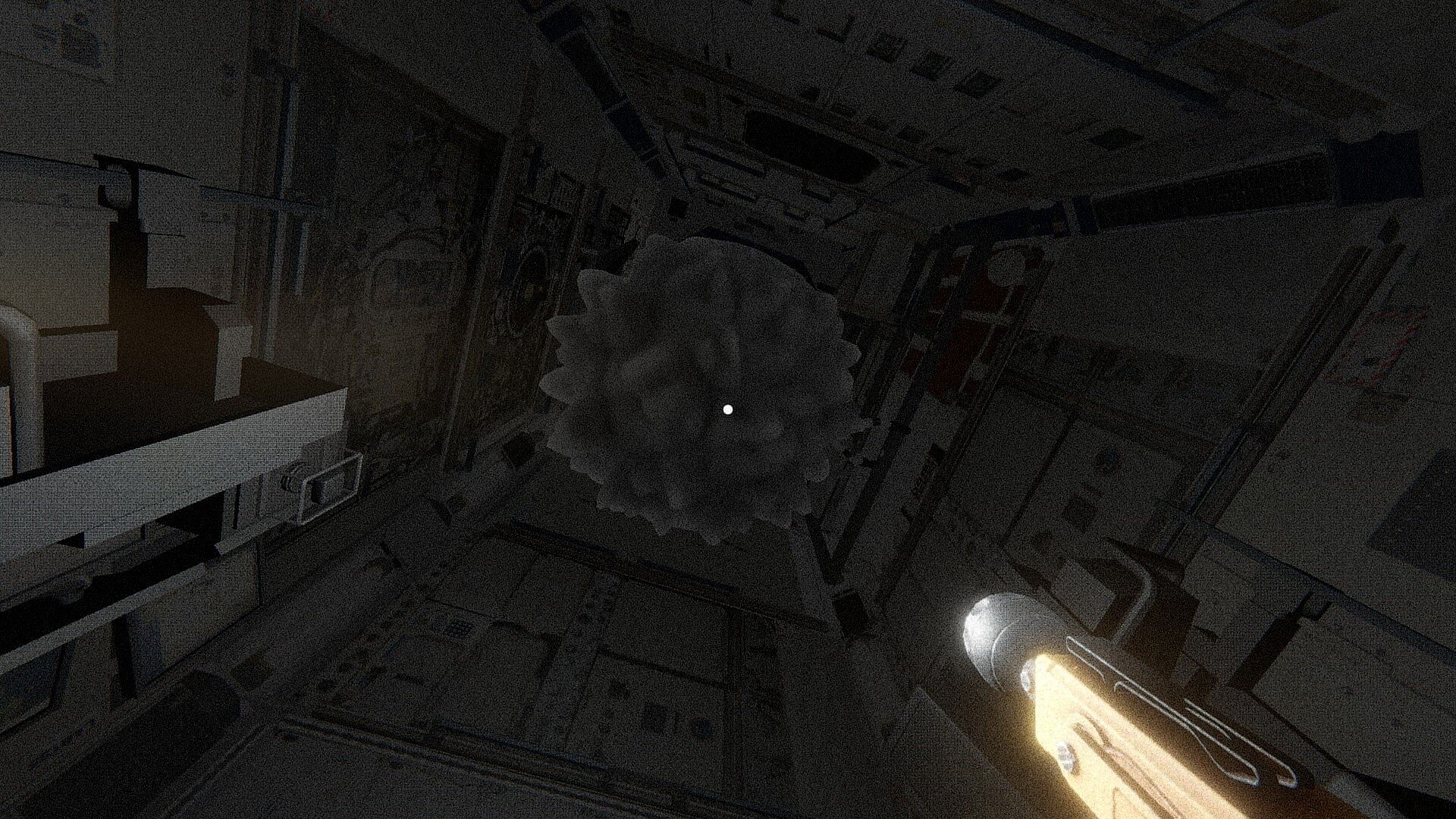
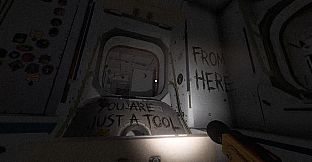
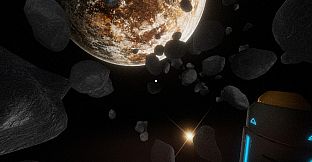
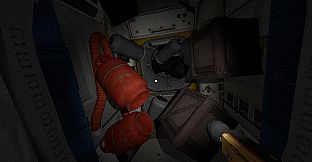
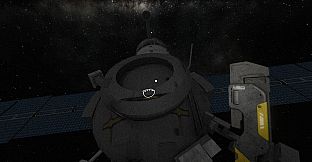
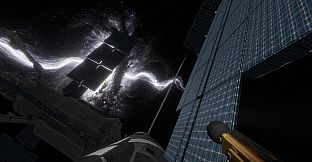
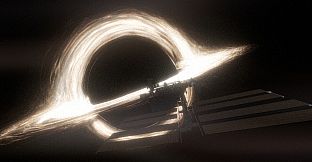
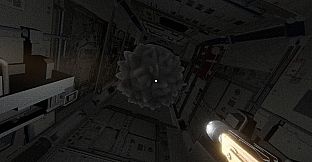
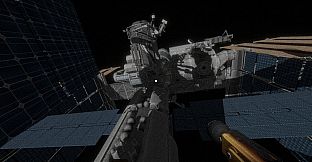
Outer Watch es un juego indie de simulación para PC en el que encarnas al único humano a bordo de una estación espacial a la deriva. Combina gestión de recursos, mecánicas de supervivencia y una trama que gira en torno al aislamiento y a la información poco fiable. Empiezas sin recuerdos de tu identidad ni de cómo has llegado allí, y solo cuentas con una IA de a bordo que te marca las rutinas diarias y te asegura que podrás volver a casa tras un mes. La tensión principal surge al mantener los sistemas críticos mientras descubres contradicciones en la historia de la estación a través de grabaciones ocultas dejadas por la tripulación anterior.
Gameplay
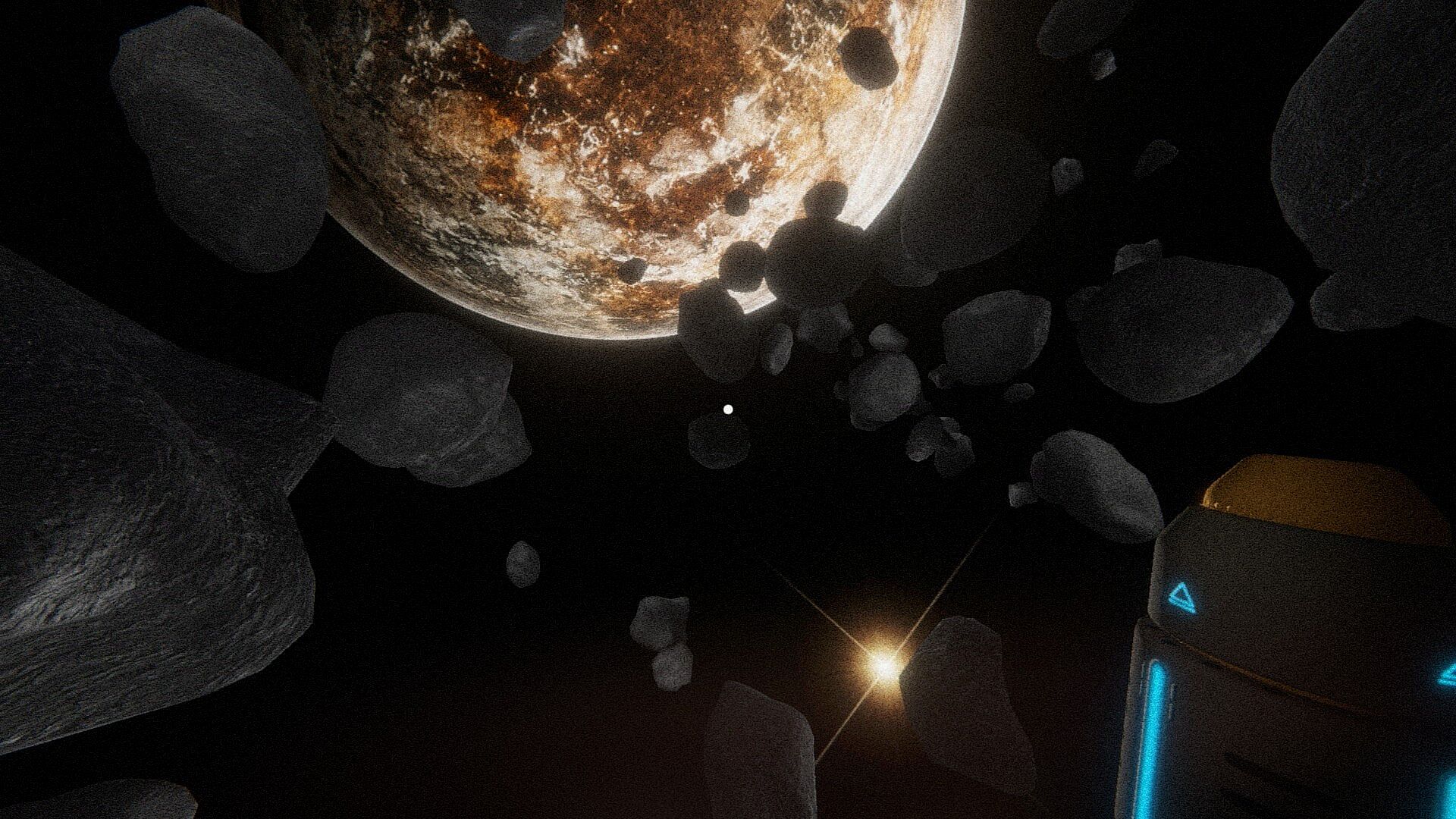
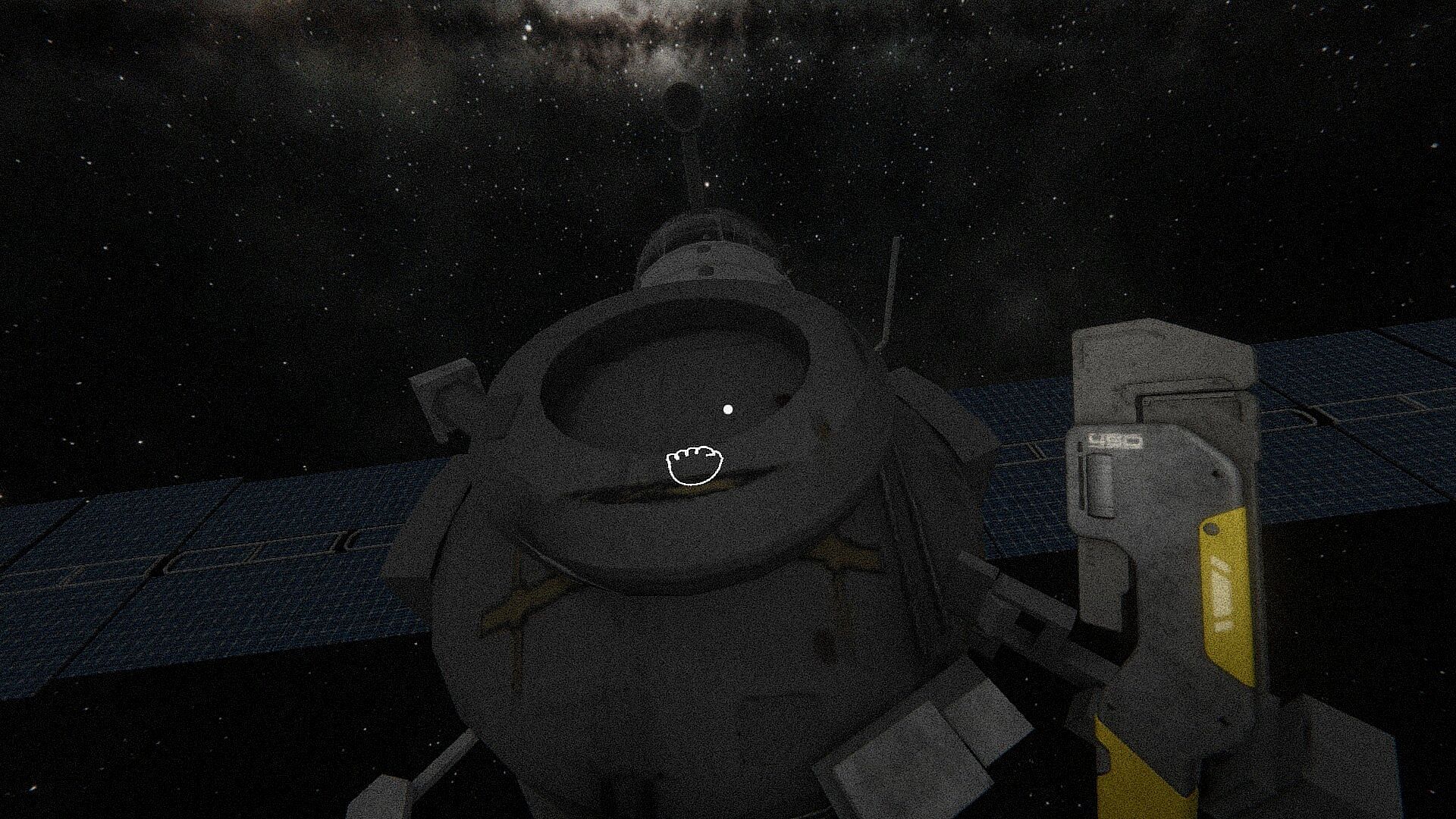
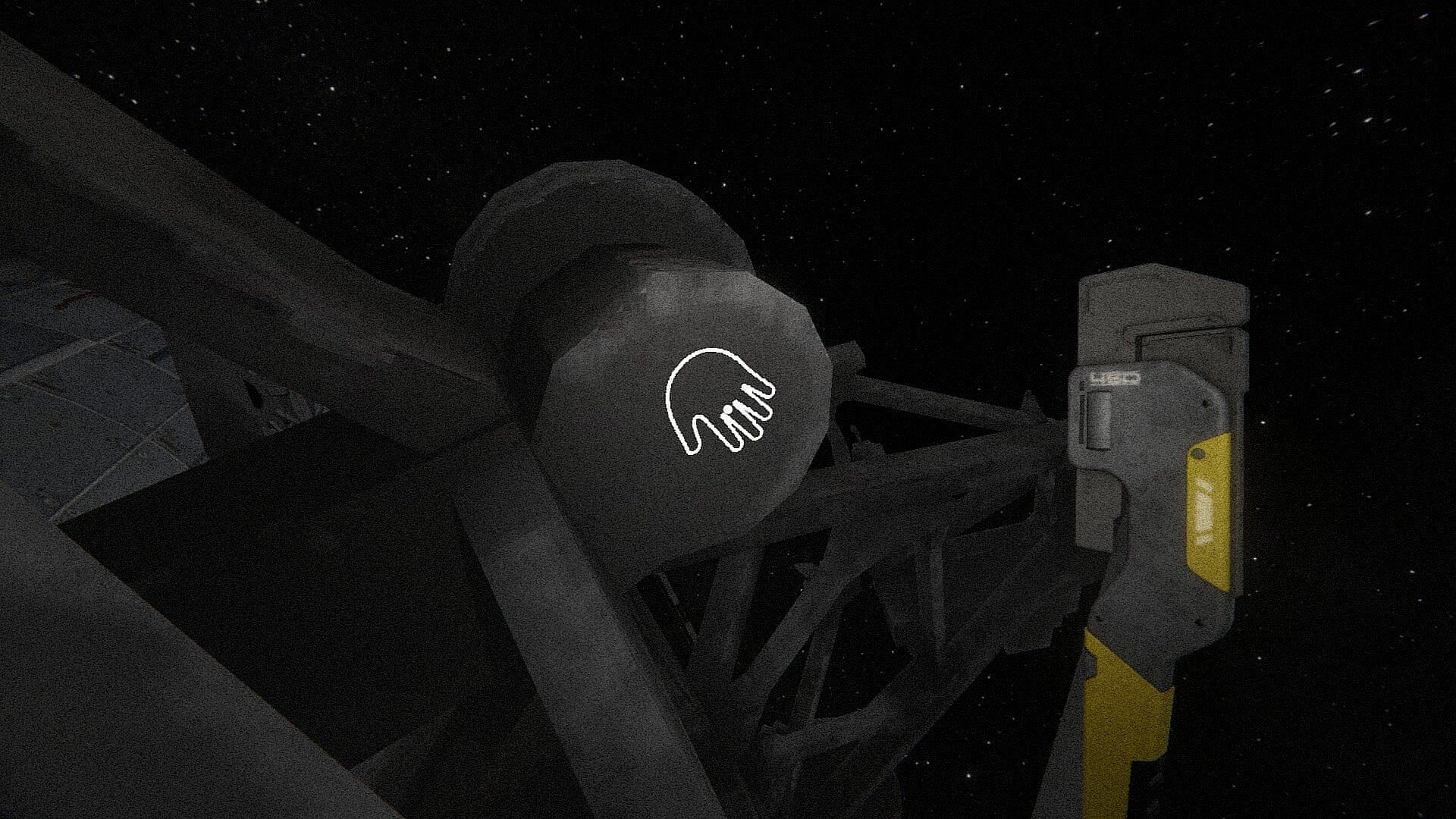
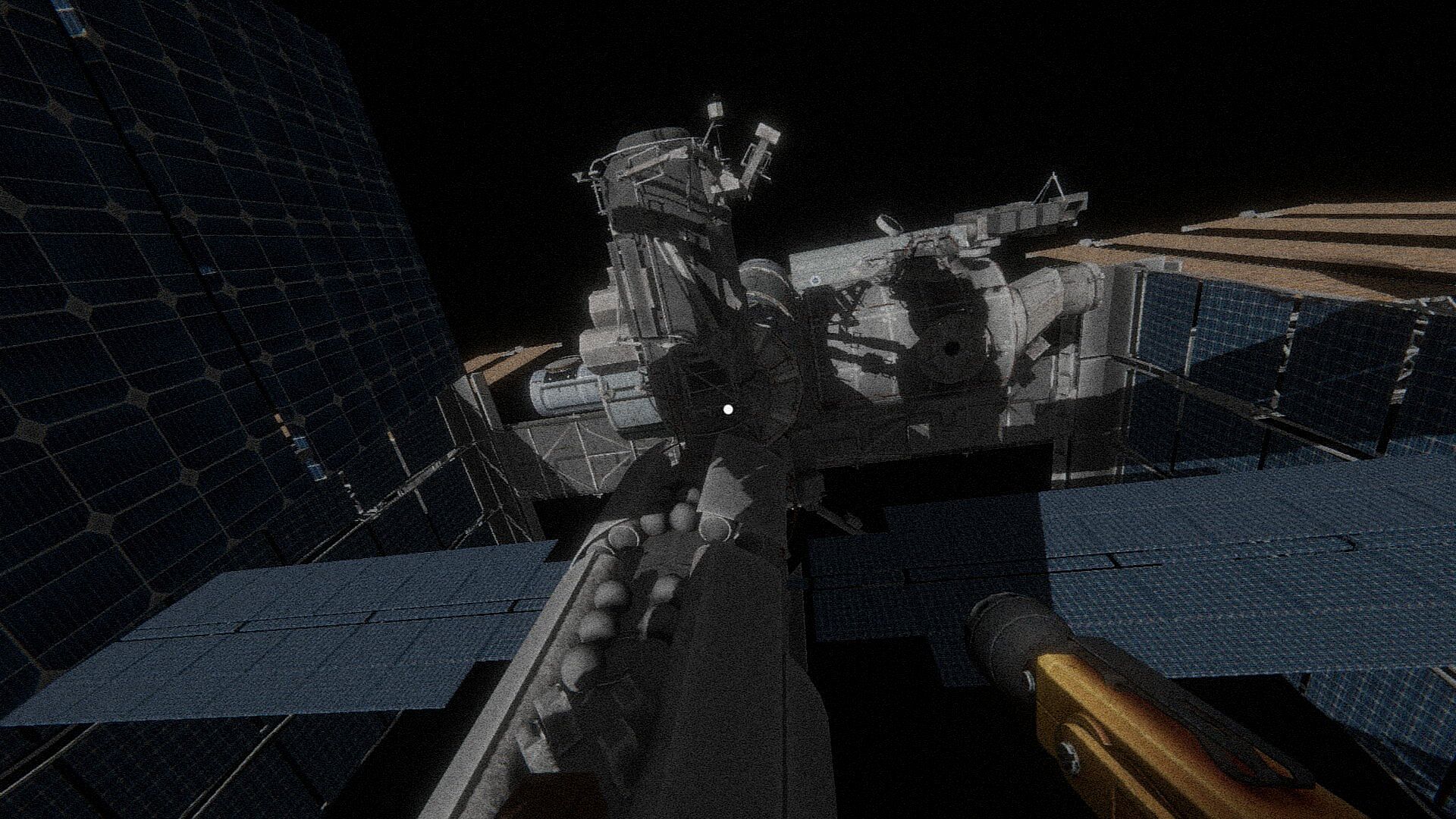
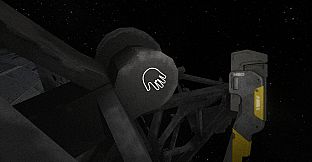
El ciclo principal consiste en mantener la estación en funcionamiento en un entorno hostil. Sistemas como los niveles de oxígeno, la distribución de energía, la regulación de temperatura y la integridad de las esclusas exigen atención constante. Cualquier fallo puede tener consecuencias inmediatas para tu personaje. Las reparaciones requieren intervención activa, ya que la estación no se arregla sola. Es necesario salir al exterior para solucionar averías o buscar componentes entre asteroides y restos espaciales cercanos. Estas salidas conllevan riesgos del vacío, como retos de navegación que se resuelven mediante maniobras de gravedad para cruzar zonas peligrosas. Cuanto más se aleja la estación, más exigentes se vuelven estas tareas, aumentando la presión tanto sobre la integridad de la estación como sobre tu propia supervivencia.
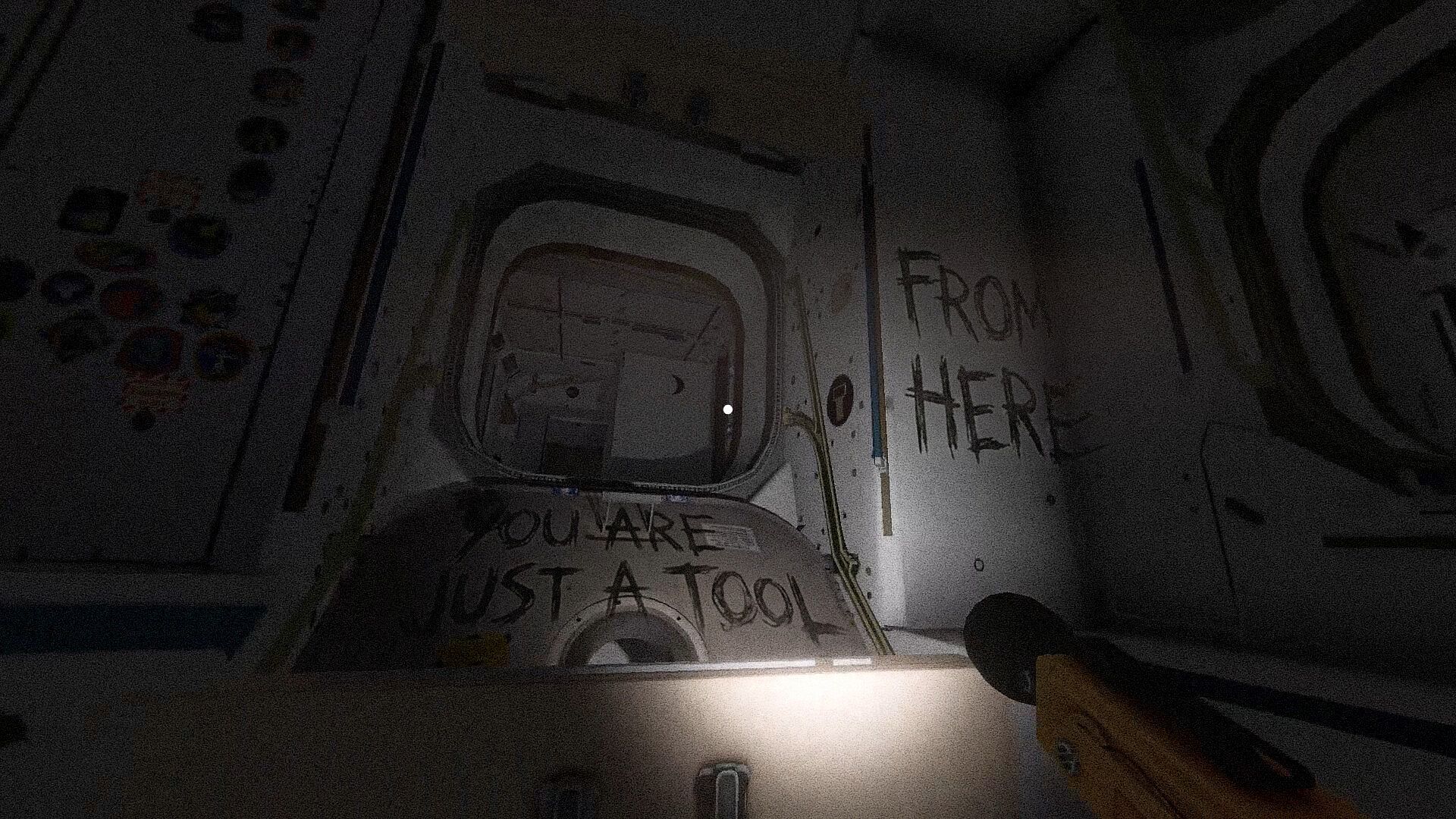
La exploración va más allá del mantenimiento físico. Las grabaciones dispersas de los anteriores ocupantes revelan incoherencias con las promesas de la IA. Cada hallazgo añade profundidad a la historia y pone en duda que el regreso a casa vaya a producirse. Esta mezcla de mantenimiento e investigación genera un ritmo constante en el que las revisiones rutinarias se alternan con momentos de revelación. La simulación premia la planificación y la capacidad de adaptación, ya que los peligros ambientales y la escasez de recursos se agravan con el tiempo.
Game Modes
Outer Watch es una experiencia para un solo jugador sin modos adicionales ni elementos multijugador. Su estructura se basa en una campaña continua que combina el mantenimiento de la estación con el avance de la historia. Los jugadores avanzan mediante procedimientos diarios que evolucionan a medida que surge nueva información, pasando del simple objetivo de sobrevivir a la investigación de los secretos de la estación. La ausencia de campañas ramificadas o elementos competitivos centra la atención en las decisiones personales y en la gestión de consecuencias dentro de un entorno aislado.
Story and Atmosphere
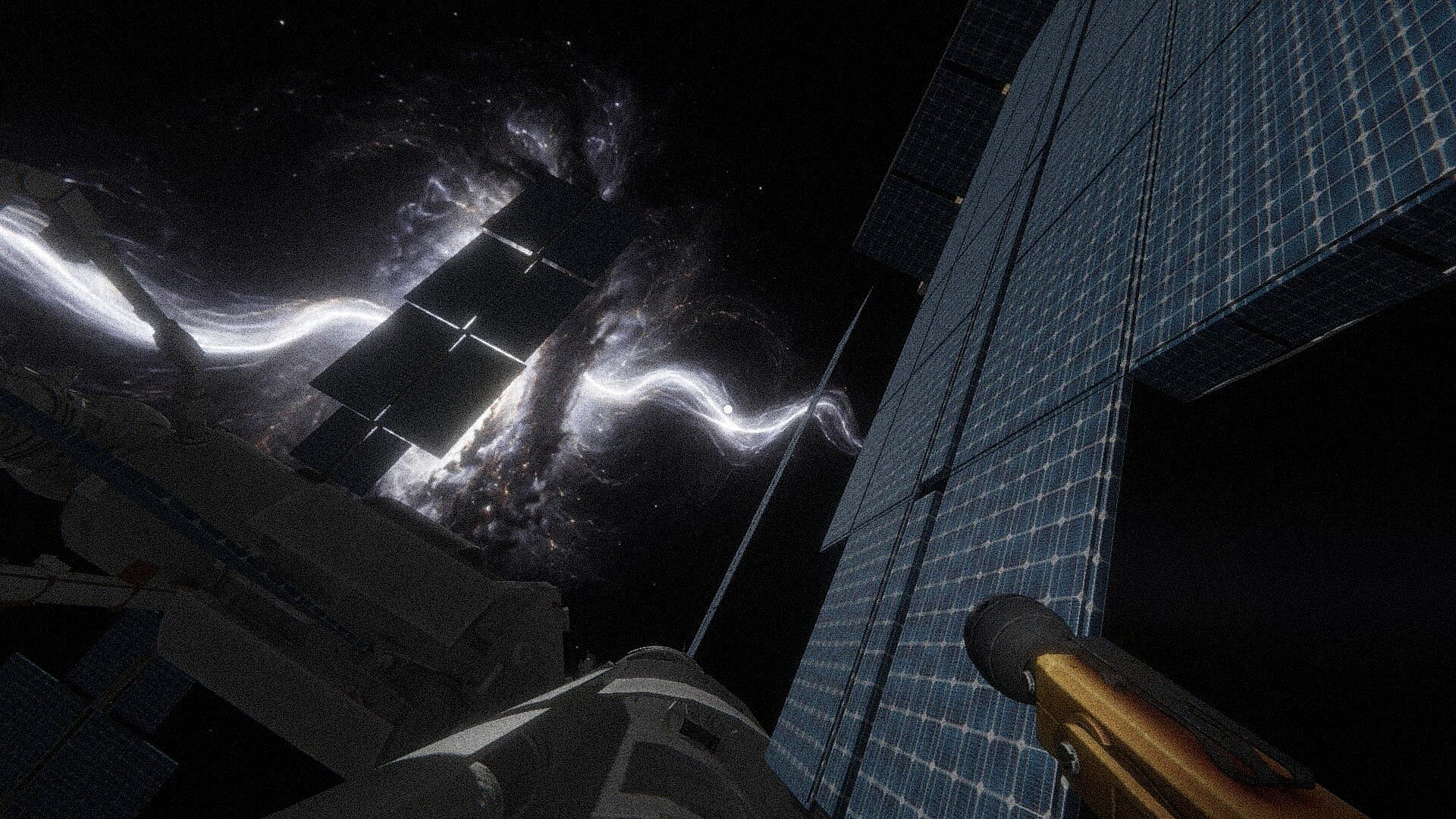
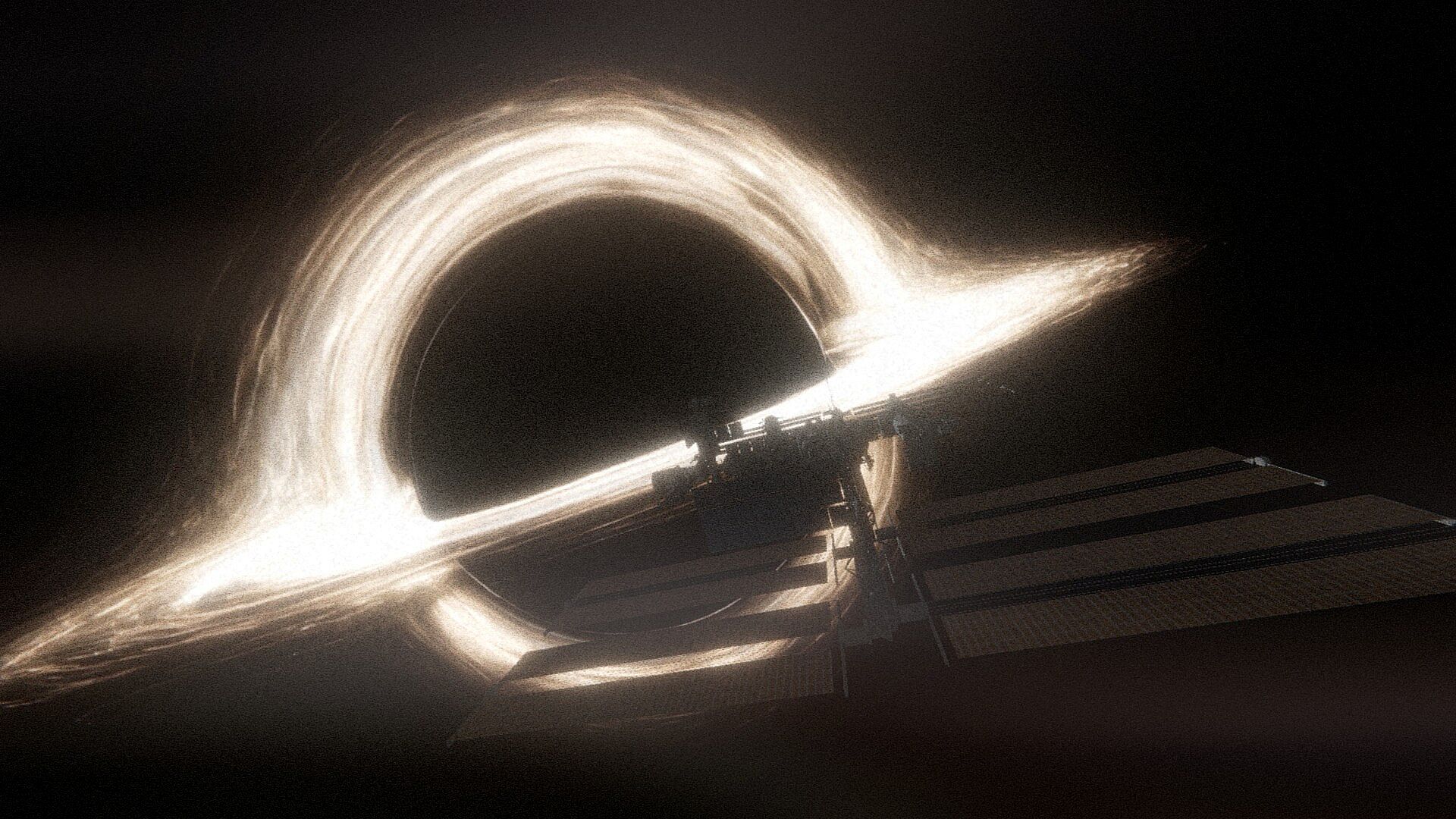
La narrativa se desarrolla a través del storytelling ambiental y de los registros de audio, sin recurrir a la exposición directa. La IA ofrece un marco calmado y procedimental que contrasta con los detalles inquietantes de las grabaciones de la tripulación. Esta dinámica genera una sensación de inquietud progresiva mientras vas reconstruyendo la verdadera situación de la estación. El vacío exterior funciona tanto como escenario como antagonista, con restos a la deriva y fuerzas gravitatorias que refuerzan la vulnerabilidad. El diseño de sonido y la presentación minimalista acentúan la soledad, donde cada alerta del sistema o hallazgo inesperado eleva la tensión.
Las mecánicas están estrechamente ligadas al tema. El control de recursos refleja la fragilidad de la situación, mientras que las reparaciones externas ponen de manifiesto los peligros físicos del entorno. Las maniobras de gravedad ofrecen una herramienta de navegación distintiva que premia el control preciso en momentos críticos. Estos sistemas evitan la abstracción y anclan la simulación en riesgos tangibles que afectan tanto a la estación como al jugador.
Is It Worth Playing?
Outer Watch está dirigido a jugadores que buscan simulaciones de supervivencia pausadas con un componente de misterio narrativo. El énfasis en la gestión de sistemas y en el descubrimiento progresivo recompensa la paciencia y la atención al detalle. Quienes disfrutan de controlar múltiples variables mientras desentrañan historias con varias capas encontrarán el ciclo atractivo. El juego sigue en desarrollo y su lanzamiento está previsto para pronto, por lo que los detalles actuales reflejan la visión principal descrita en los materiales disponibles. Ofrece una experiencia contenida sin capas adicionales de contenido, por lo que resulta adecuada para sesiones en solitario centradas en la atmósfera y las mecánicas, más que en la acción o las funciones sociales. Si te atrae la idea de mantener una estación aislada mientras descubres verdades ocultas, este título supone una alternativa enfocada frente a simulaciones espaciales más amplias.