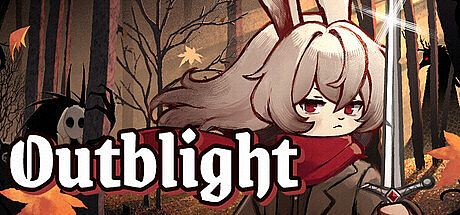


Outblight is a singleplayer strategy indie game for PC that blends roguelite structure with a distinctive clash combat system. Players take on the role of Kirs, a hunter who accepts contracts against void creatures emerging from abyssal holes in an ordinary world. The experience centers on short runs where tactical decisions in combat determine success, drawing direct inspiration from the clash mechanics found in Library of Ruina and Limbus Company but delivered at a faster, more accessible pace without grinding.
Gameplay
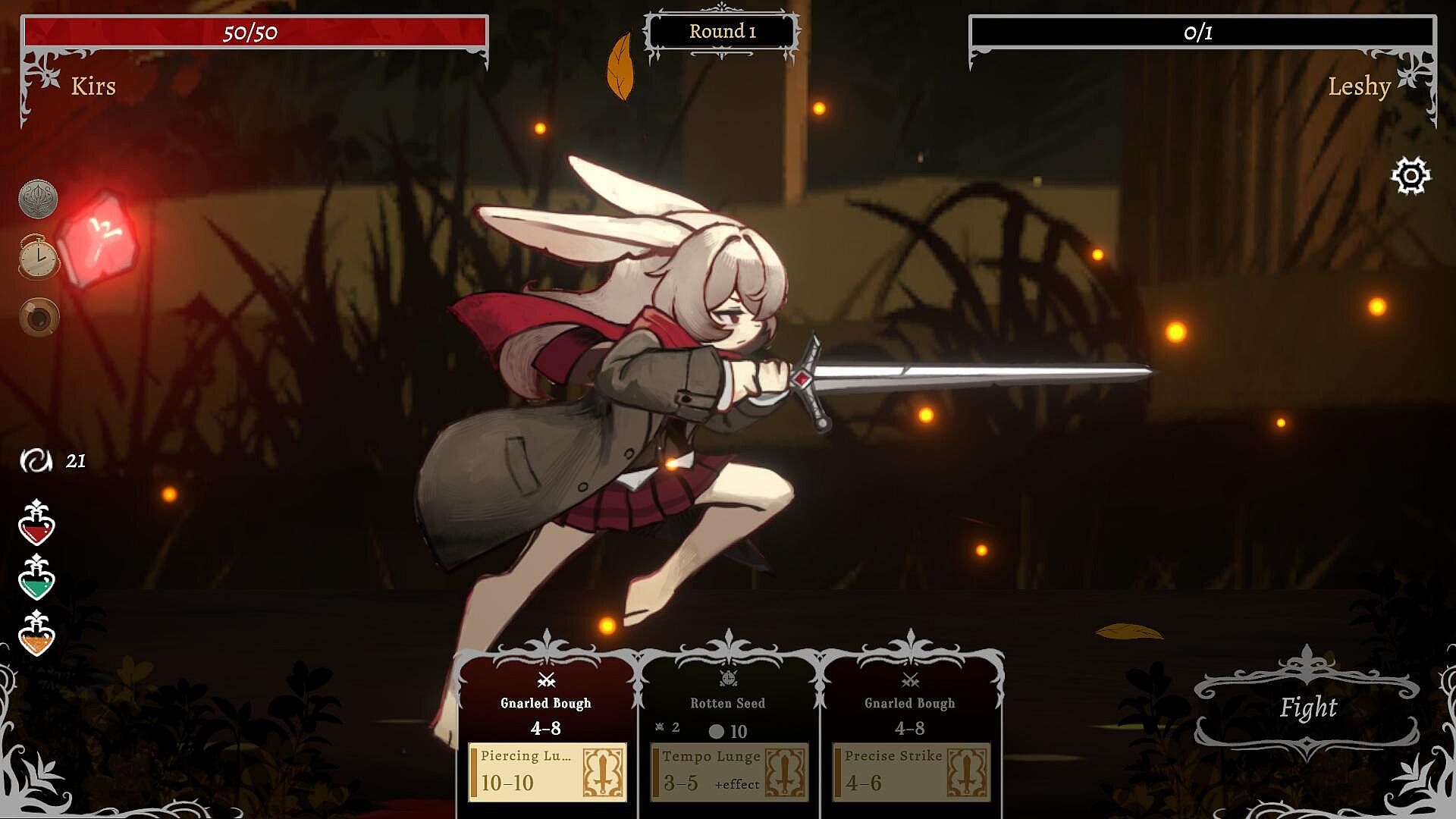
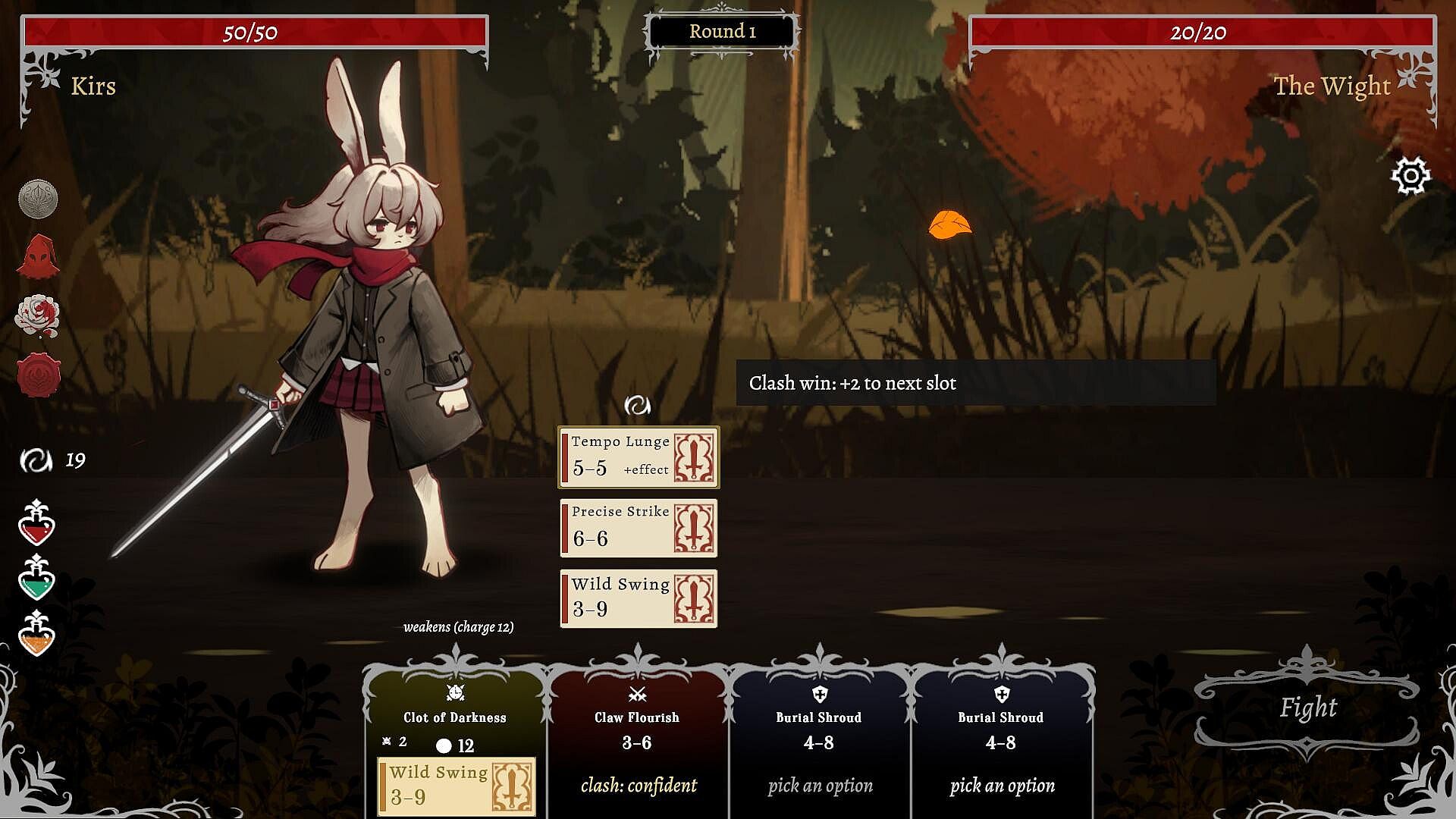
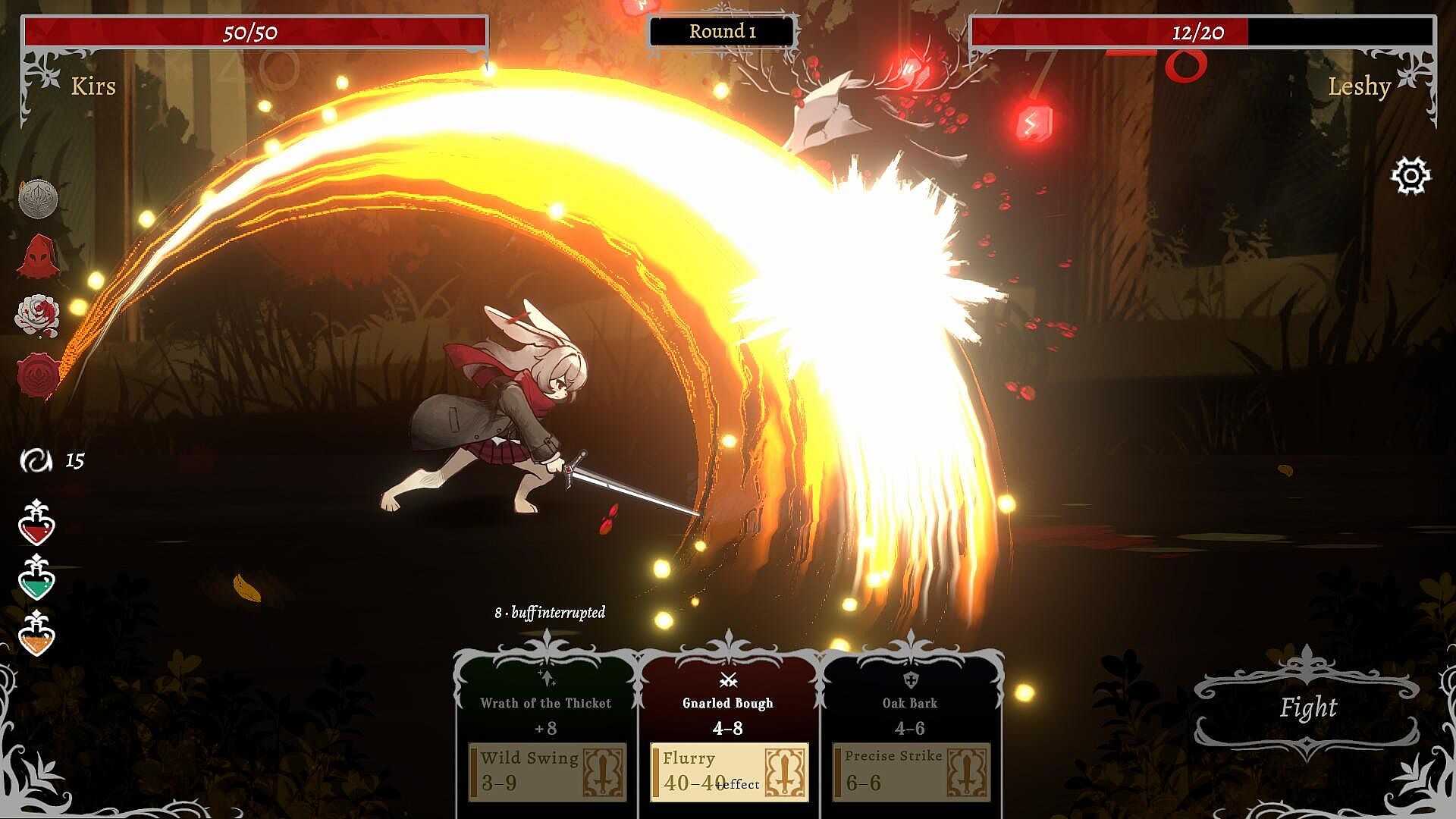
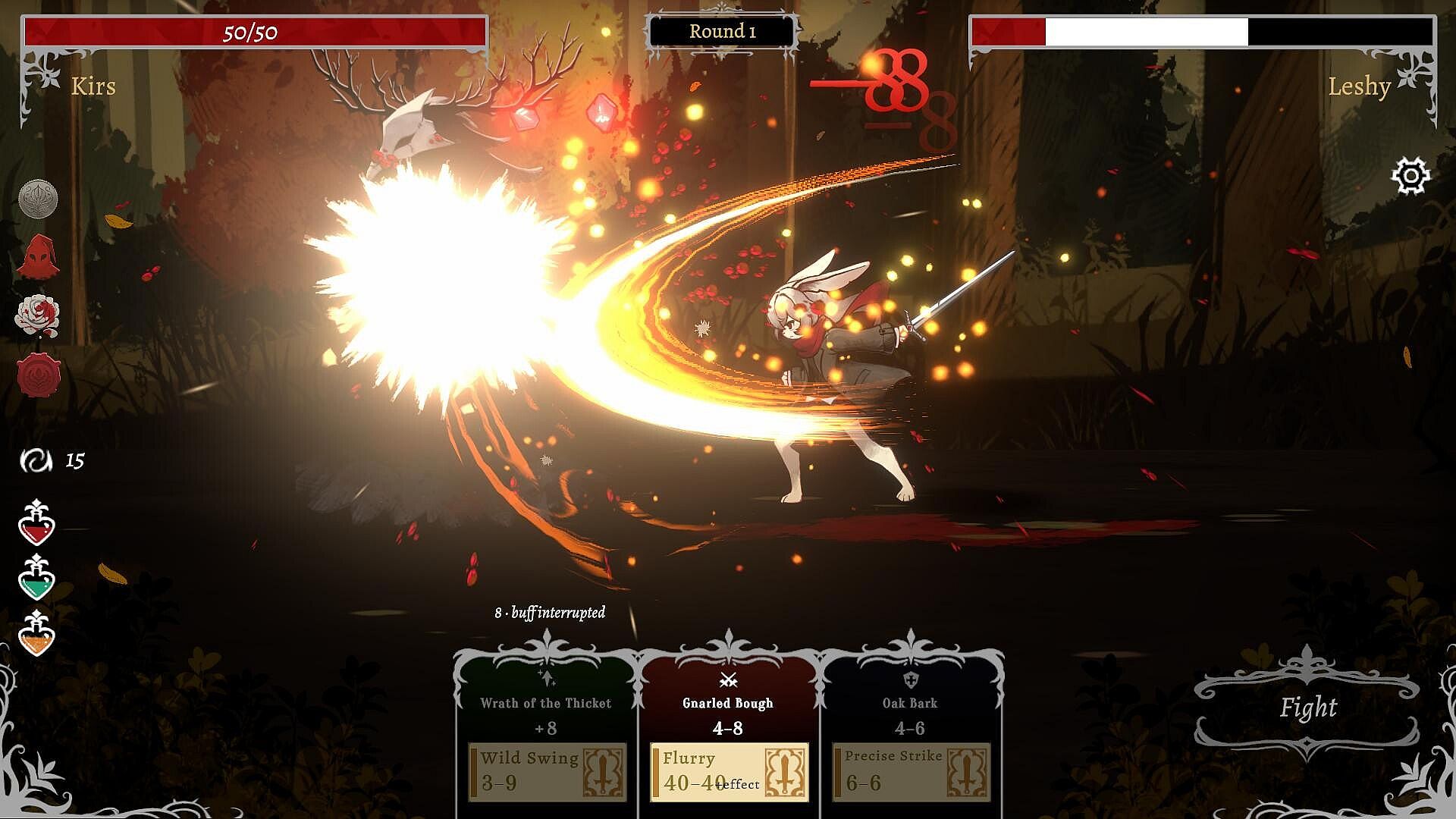
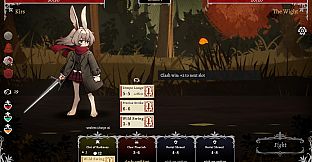
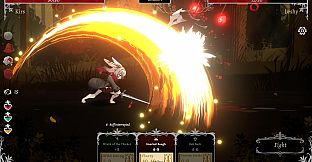
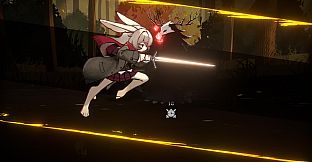
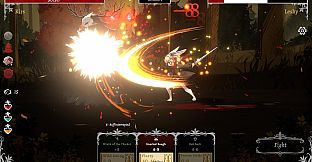
Combat unfolds through chains of moves that collide slot by slot between the player and the enemy. The enemy's side of the board reveals every attack, guard, and timed bomb from the start, giving full visibility into their plan. On the player's side, each slot presents three options, and one must be selected to form the chain before committing to the fight. Stronger strikes break through opposing moves, creating a back-and-forth resolution that rewards careful chain construction over raw power.
Moves rely on dice ranges rather than fixed damage values. A consistent 4 to 6 guard can counter a volatile 1 to 9 attack, turning each engagement into a calculated risk. Before finalizing a chain, the game displays clear probability statements so players understand their odds without needing to calculate manually. This system keeps focus on positioning and selection instead of number crunching.
Between clashes, short runs allow contract selection, gold spending, and relic acquisition that alters clash rules. Knowledge carries across runs through new skills unlocked for slots and additional pages detailing prey behaviors. The dice values themselves remain unchanged throughout, emphasizing reading patterns and adapting tactics over progression through stats.
Game Modes
The core loop revolves around posted contracts that send Kirs into encounters with void creatures. Each contract follows the same clash structure but varies in enemy composition and environmental threats, building toward deeper runs that reveal more about the abyss through folk tale references and survivor lore.
Runs stay brief by design, focusing on a handful of fights punctuated by preparation phases. Between runs, accumulated skills and prey pages provide lasting advantages that improve future attempts without altering the fundamental dice mechanics. This structure supports repeated playthroughs centered on mastery of the clash system rather than extended campaigns or separate competitive formats.
Core Mechanics and Progression
Relics introduce rule-bending effects that modify how chains resolve or how dice interact, adding variety without complicating the base slot system. Gold earned from successful contracts funds these upgrades and contract choices, creating a tight loop of risk and reward within each attempt. The emphasis remains on interpreting enemy intentions and optimizing personal chains rather than collecting power-ups that scale numbers upward.
Prey pages expand the player's understanding of specific creatures, offering insights that inform better slot selections in later encounters. This knowledge-based progression rewards observation and pattern recognition across multiple short runs, allowing skilled players to succeed even on early attempts if they adapt quickly to the revealed enemy boards.
Is It Worth Playing?
Outblight suits players who enjoy deliberate, information-rich combat systems over fast reflexes or long grinds. The roguelite format with short runs makes it approachable for sessions of varying length, while the dice-driven clash mechanics provide consistent tension through visible odds and chain building. Those familiar with similar clash systems will recognize the core loop immediately, and newcomers can learn it through the transparent probability displays and open enemy boards.
Without external updates or additional modes confirmed, the game stands on its focused singleplayer experience. It appeals most to strategy fans seeking tactical depth in compact packages rather than expansive worlds or multiplayer elements. If the described clash and relic systems align with your preferences for readable decisions and repeatable short runs, the title delivers a coherent and self-contained challenge.