


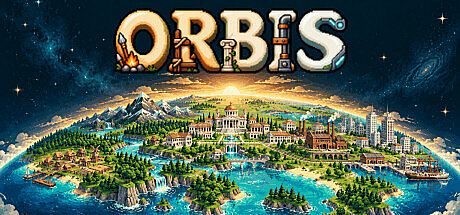


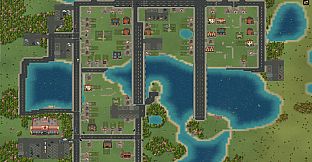
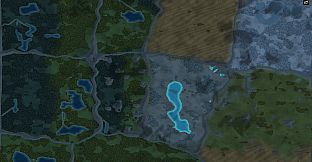
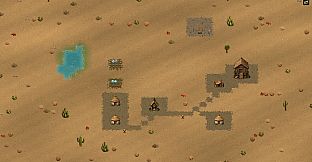
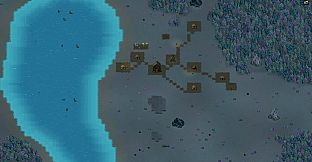
ORBIS: God Simulator is a pixel-art strategy, indie, and simulation game for PC in which players take on the role of a deity guiding the rise and fall of civilizations across procedurally generated worlds.
Gameplay
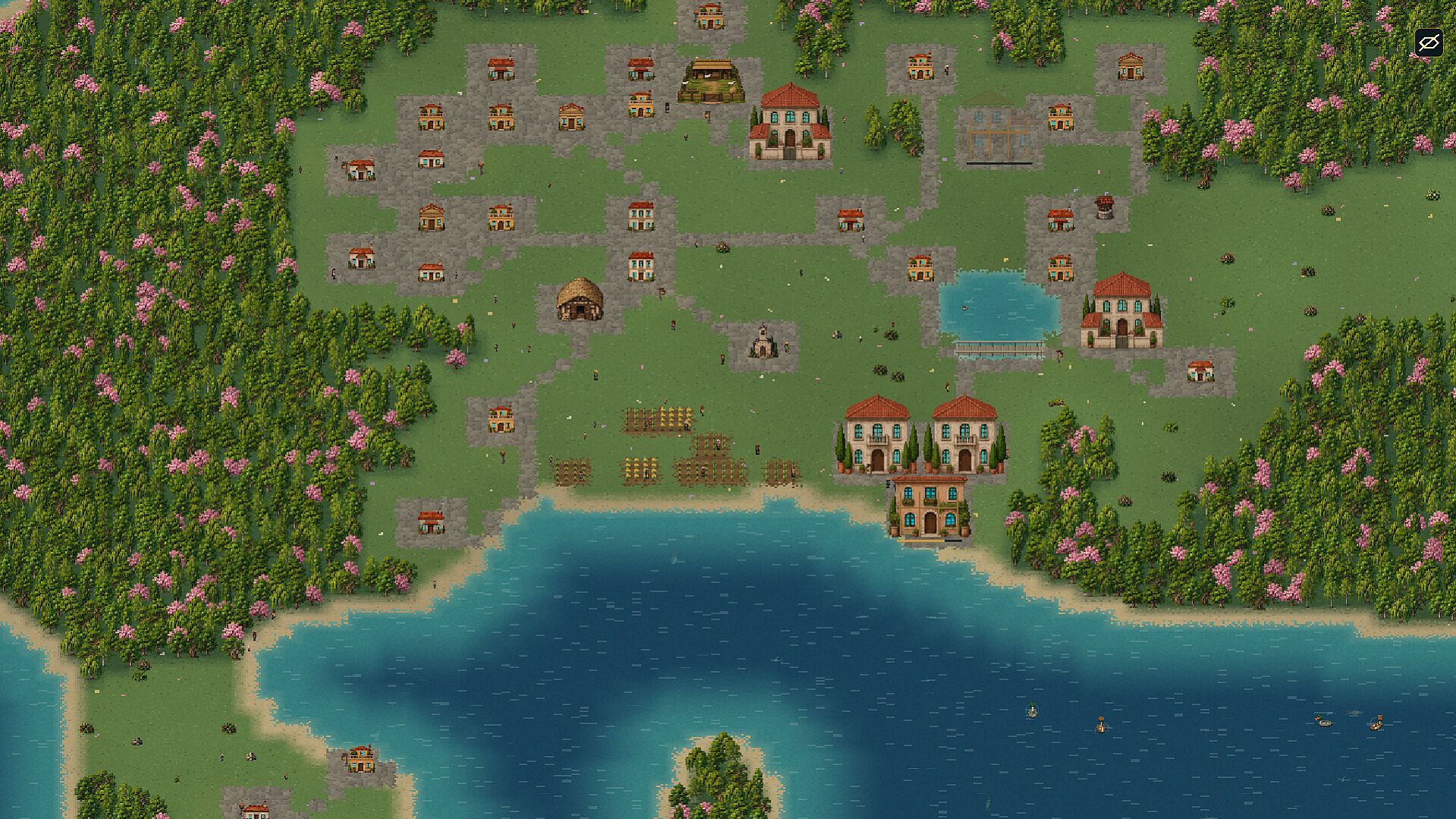
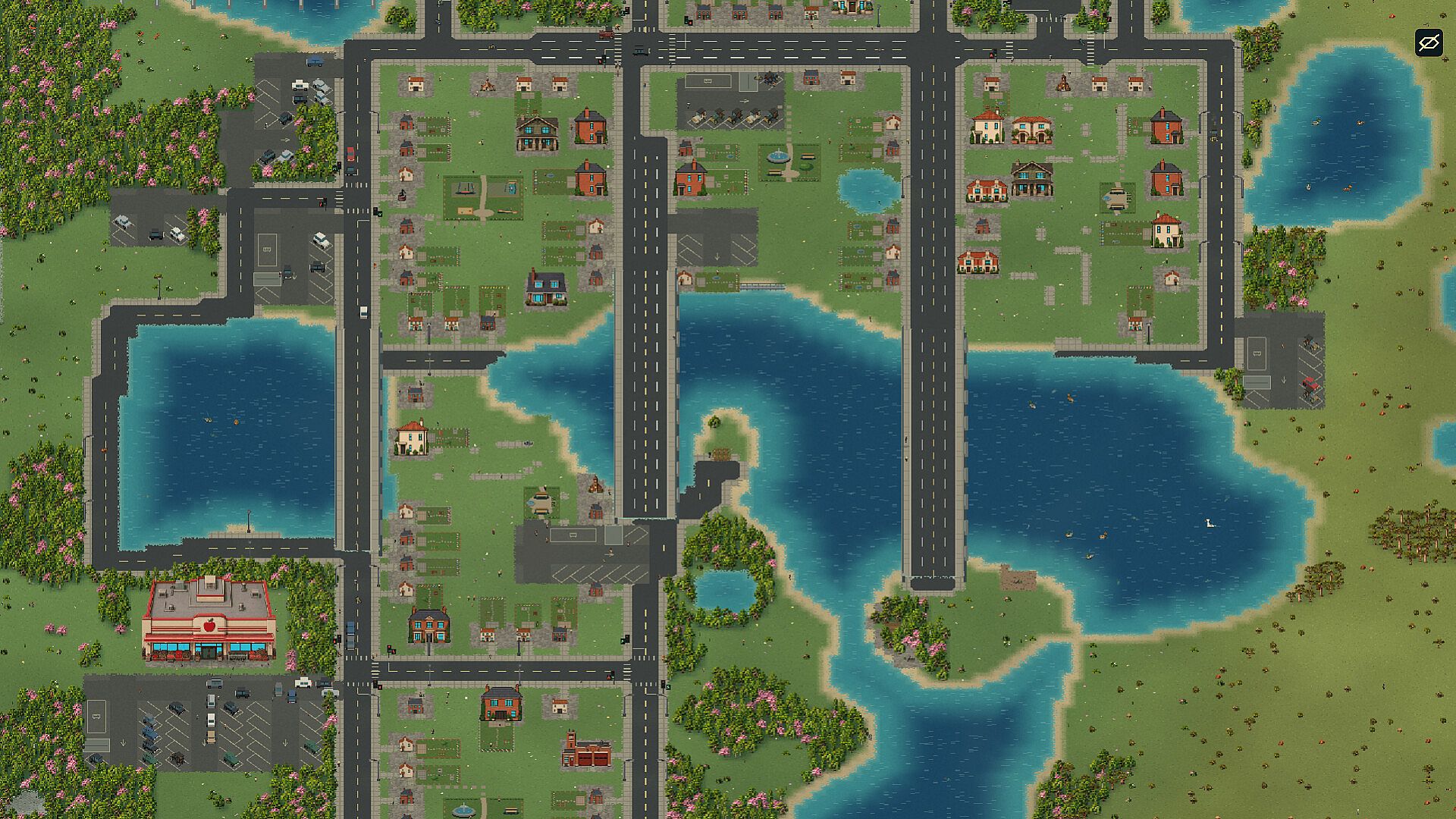
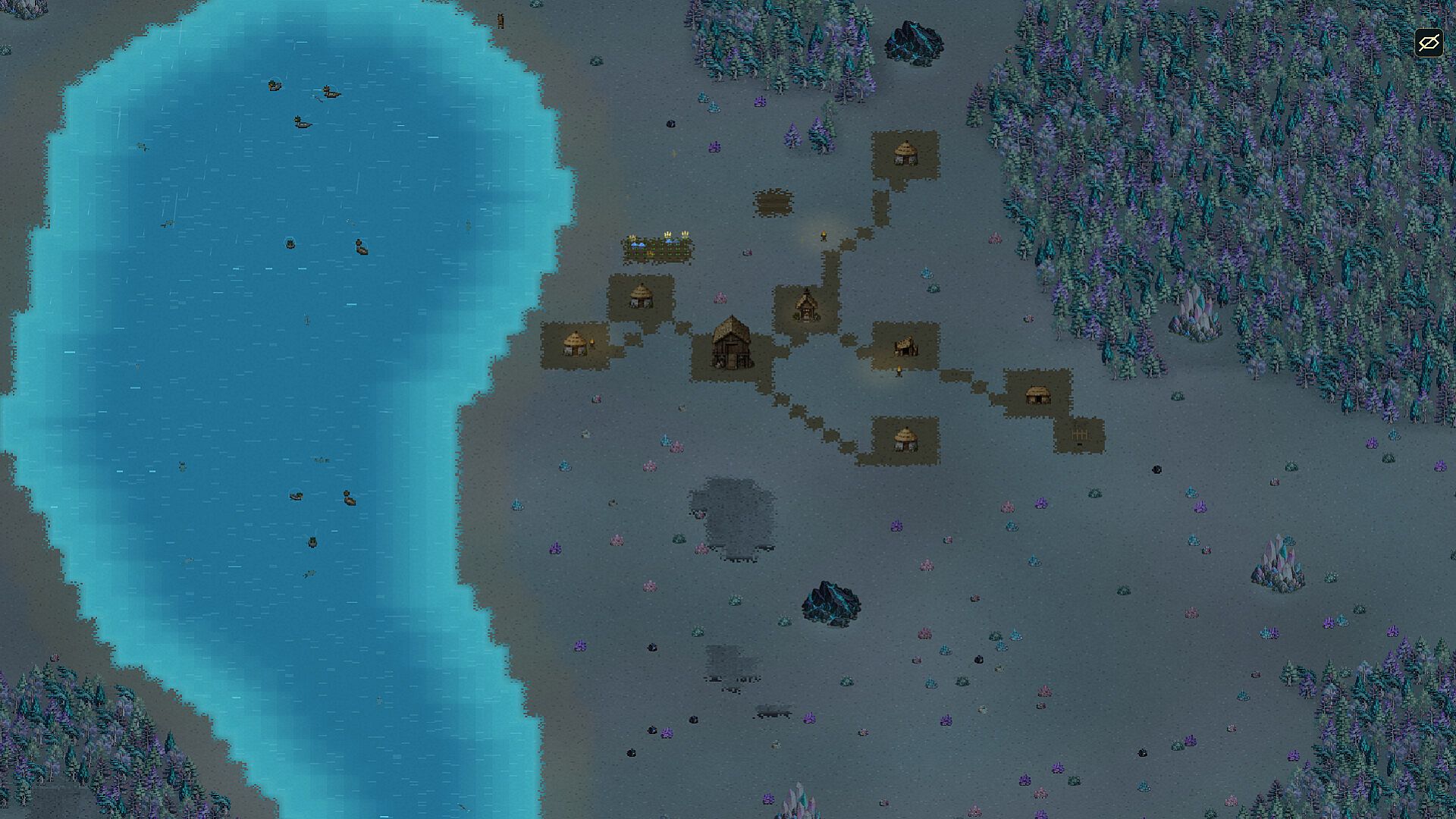
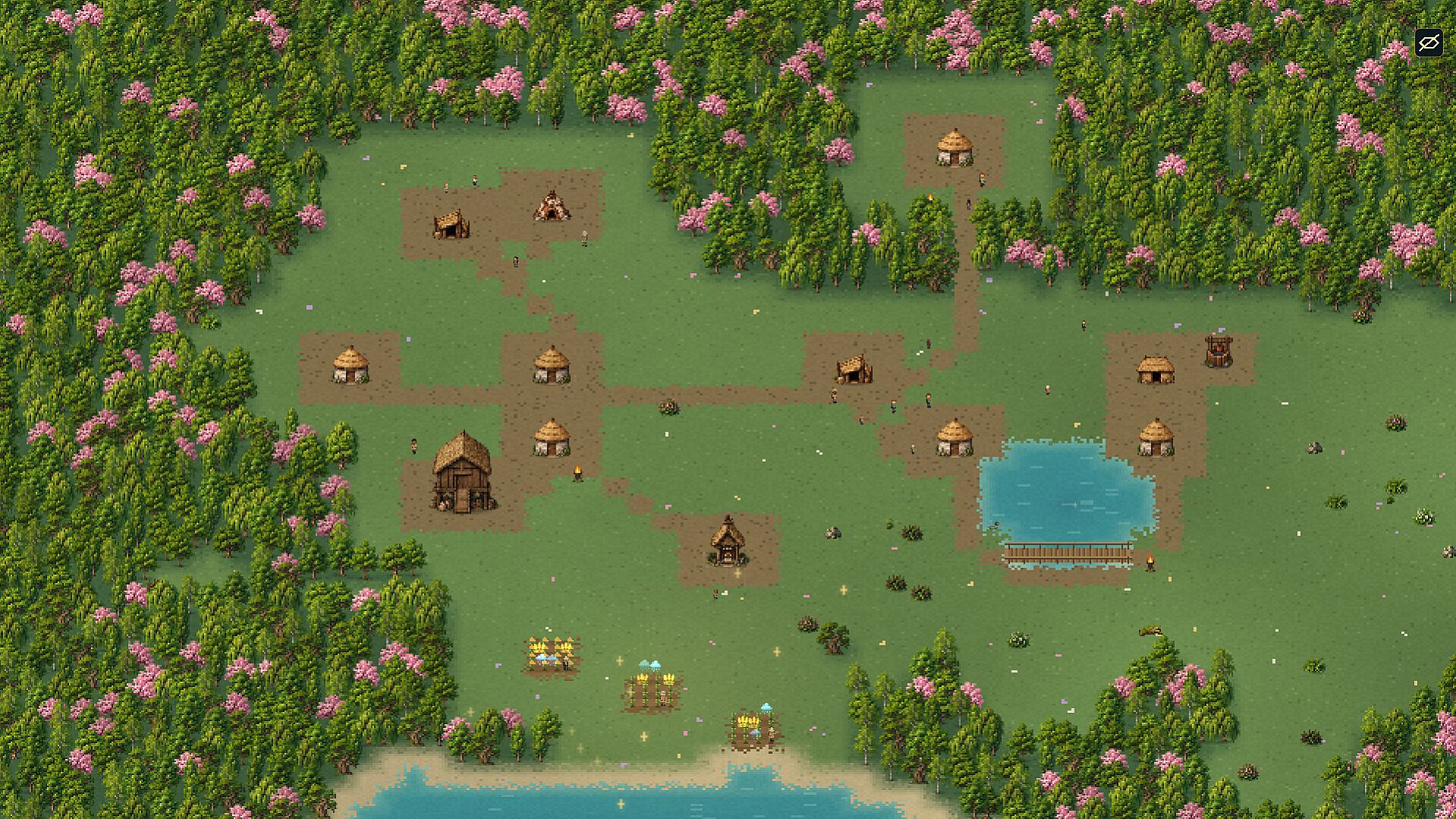
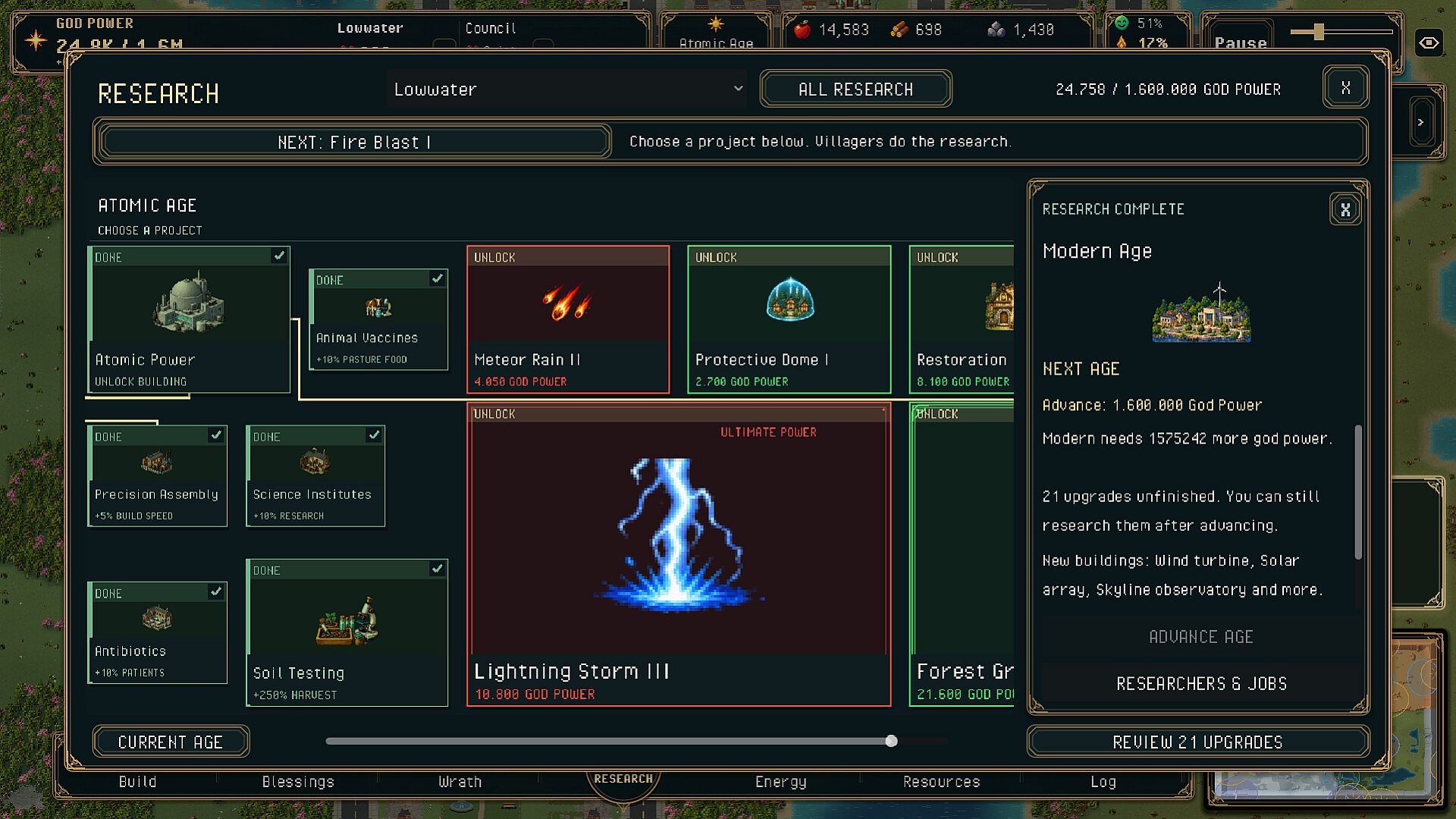
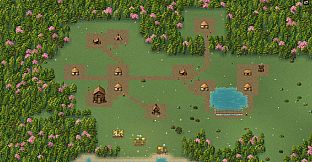
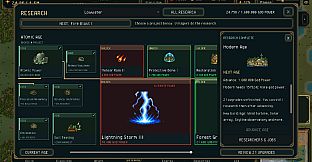
The core experience centers on watching settlements develop while intervening with divine abilities. Civilizations advance through twelve technological ages, beginning with primitive villages and progressing toward futuristic urban centers as villagers construct buildings, expand territories, and pursue technological research. Each decision influences how societies form, trade, and interact with their surroundings.
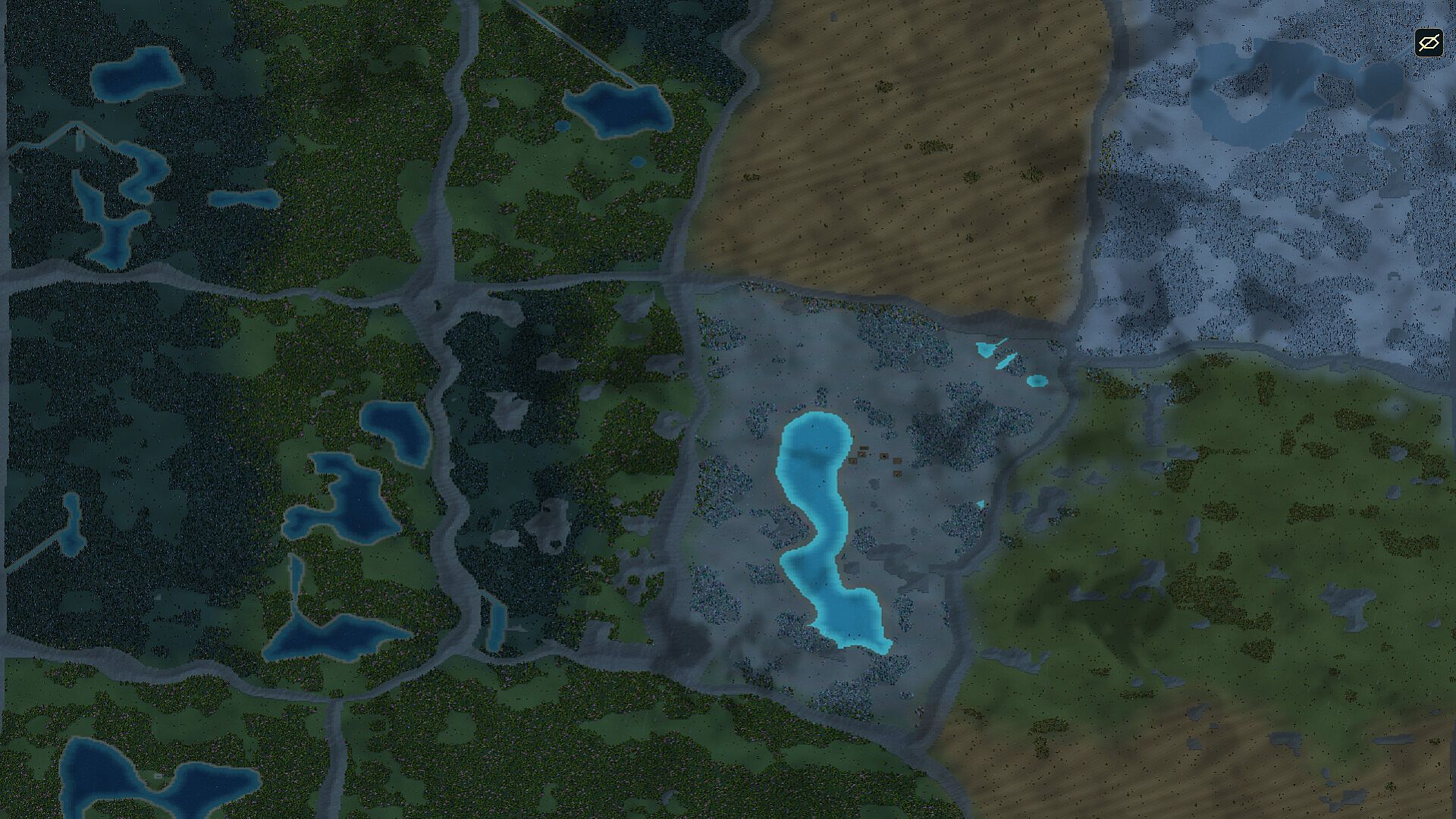
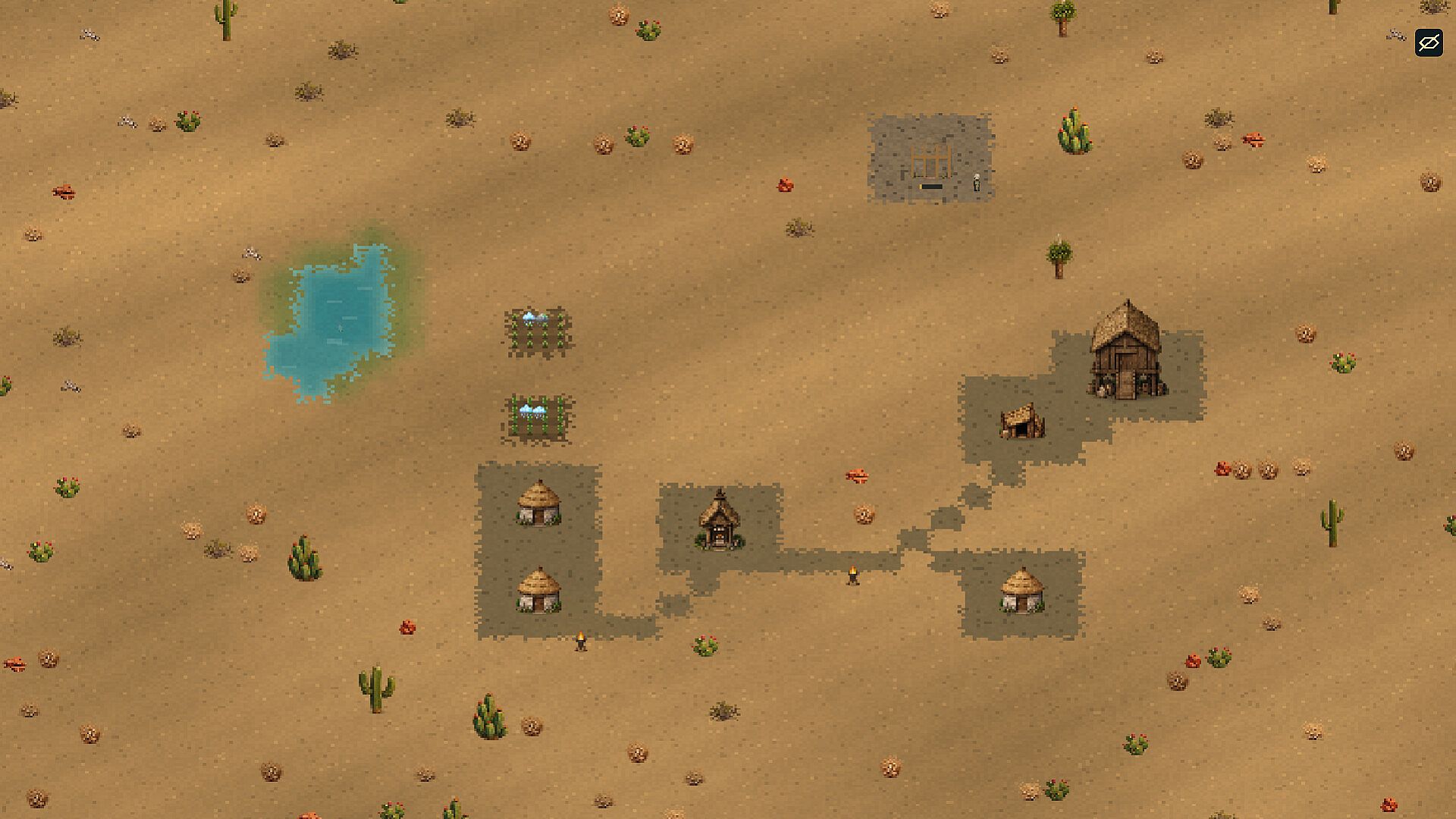
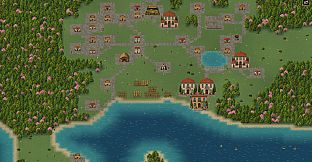
Worlds feature between two and twenty-four valleys filled with varied environments. Lush forests, frozen snowfields, and arid deserts each impose unique survival pressures that shape development patterns. Procedural generation ensures no two maps play identically, with rare biomes adding further variety to the challenges faced by growing populations.
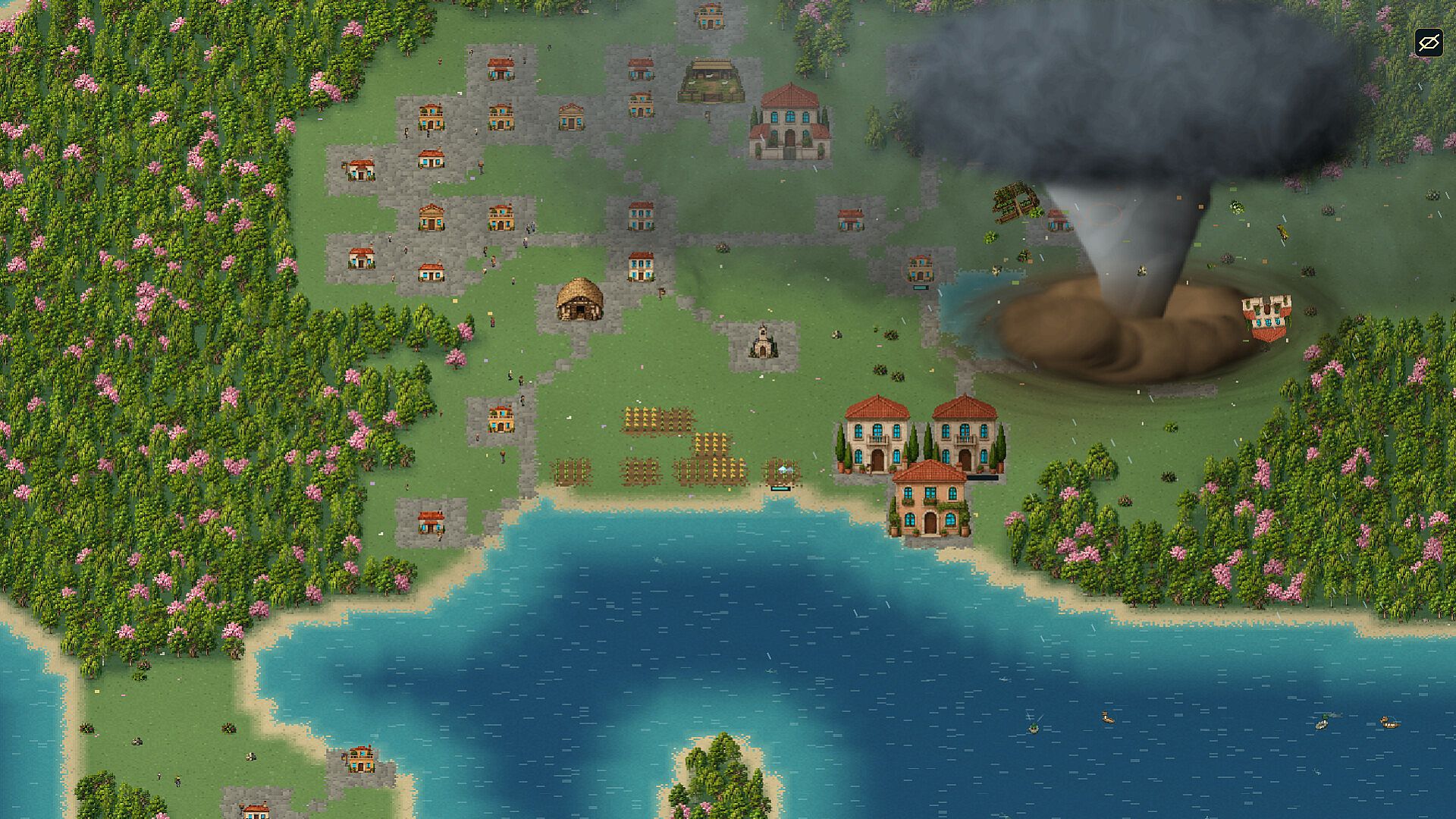
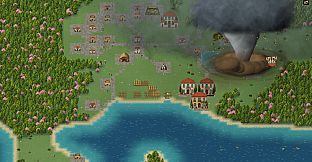
Divine powers allow direct manipulation of the environment. Players can summon storms or tornadoes that test the resilience of settlements, or apply protective measures to support expansion. The simulation reacts dynamically, showing how natural forces and godly actions alter the landscape and the course of history.
Game Modes
The primary mode revolves around creating and managing a living world where civilizations evolve autonomously. Players observe organic growth, step in to protect or disrupt progress, and experiment with different approaches to see long-term consequences unfold.
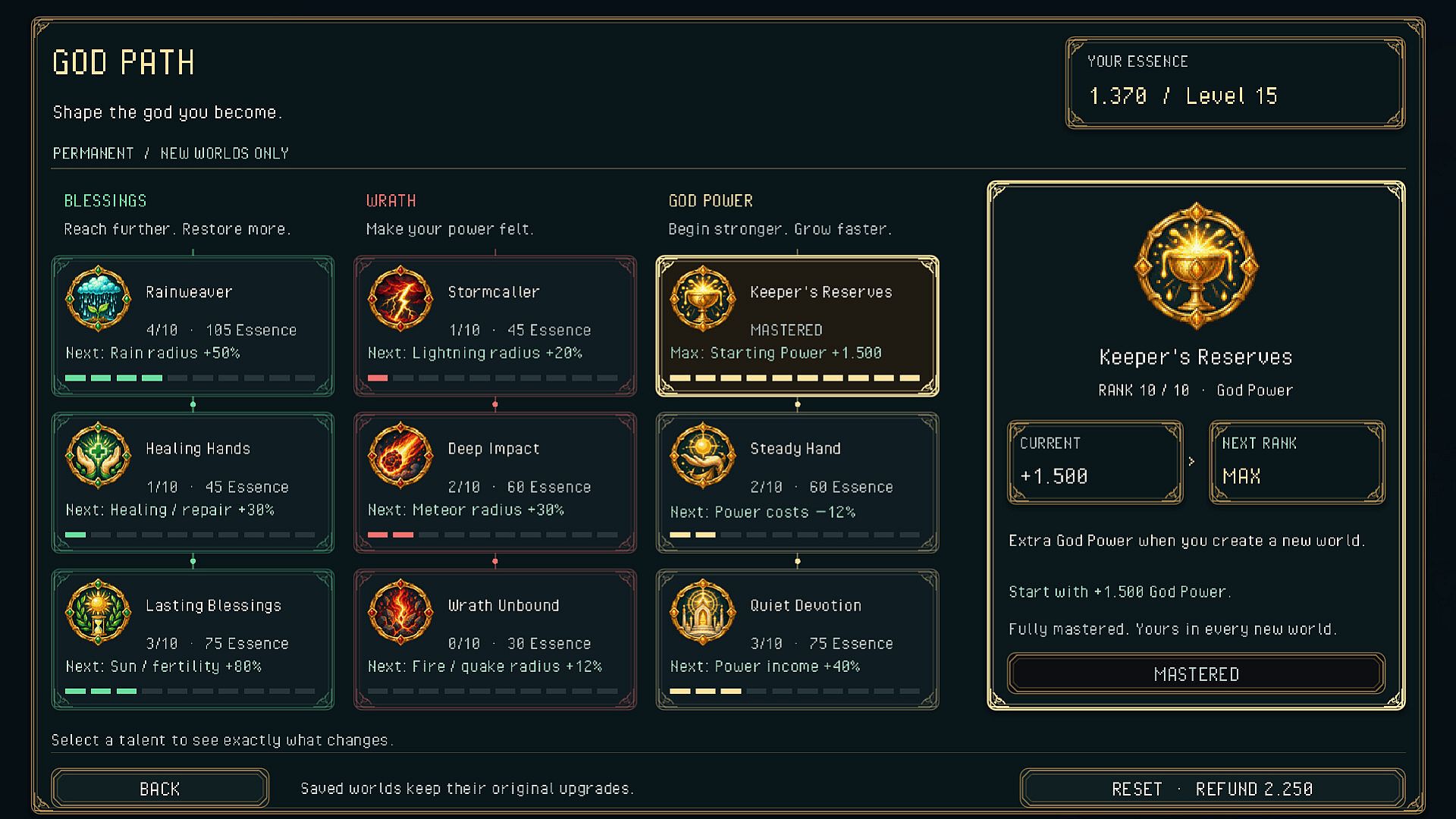
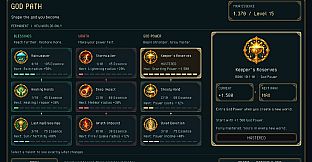
Separate from the main simulation are 240 optional Essence Challenges. These self-contained minigames offer distinct mechanics and visual styles. Completing them yields Essence used for permanent upgrades while also providing cosmetic rewards. The challenges can be accessed at any time without pausing or affecting the ongoing civilization simulation.
World Creation and Player Choices
New worlds can be generated repeatedly to test varied strategies. Achievements track different milestones, and the simulation records the independent stories that emerge from each civilization. Outcomes depend entirely on the balance between supportive actions and destructive interventions chosen by the player.
Biomes and environmental factors create ongoing variables. A desert settlement may require different divine support than one in a snowy region, encouraging repeated playthroughs to explore how geography influences technological and social development.
Is It Worth Playing?
ORBIS: God Simulator targets players who enjoy observing emergent systems and experimenting with cause-and-effect scenarios in a god-game format. The combination of long-term civilization progression, procedural variety, and optional short-form challenges provides multiple layers of engagement for those interested in strategy and simulation titles.
As an upcoming release with no user reviews available yet, its value will depend on how well the described systems deliver on release. The single-player focus and emphasis on consequence-driven gameplay suit individuals who prefer thoughtful experimentation over direct control or competitive elements.











