




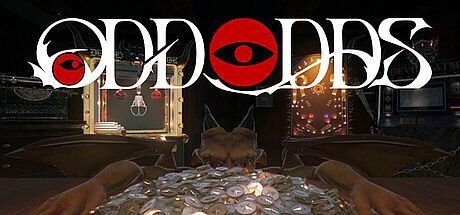


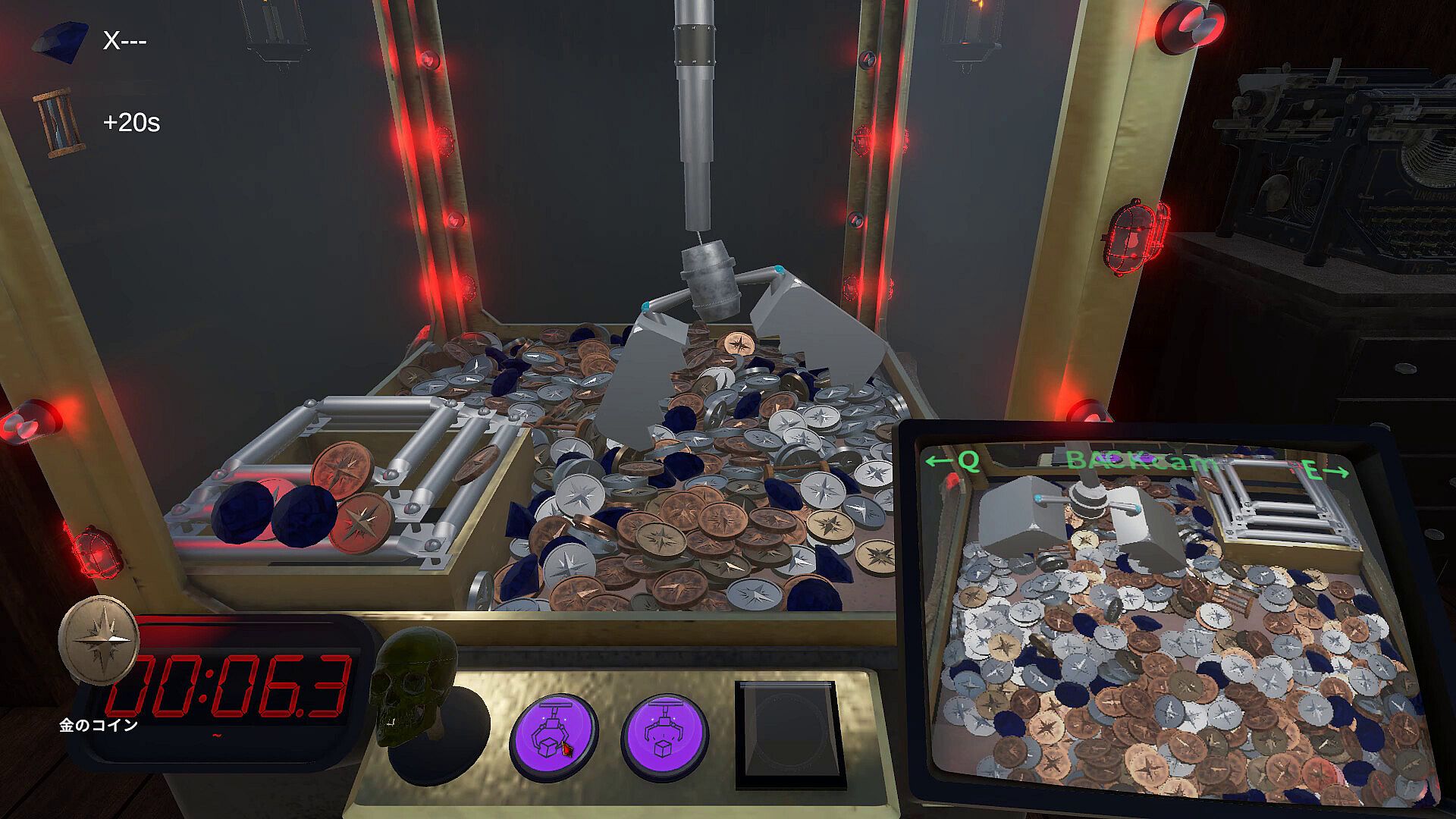
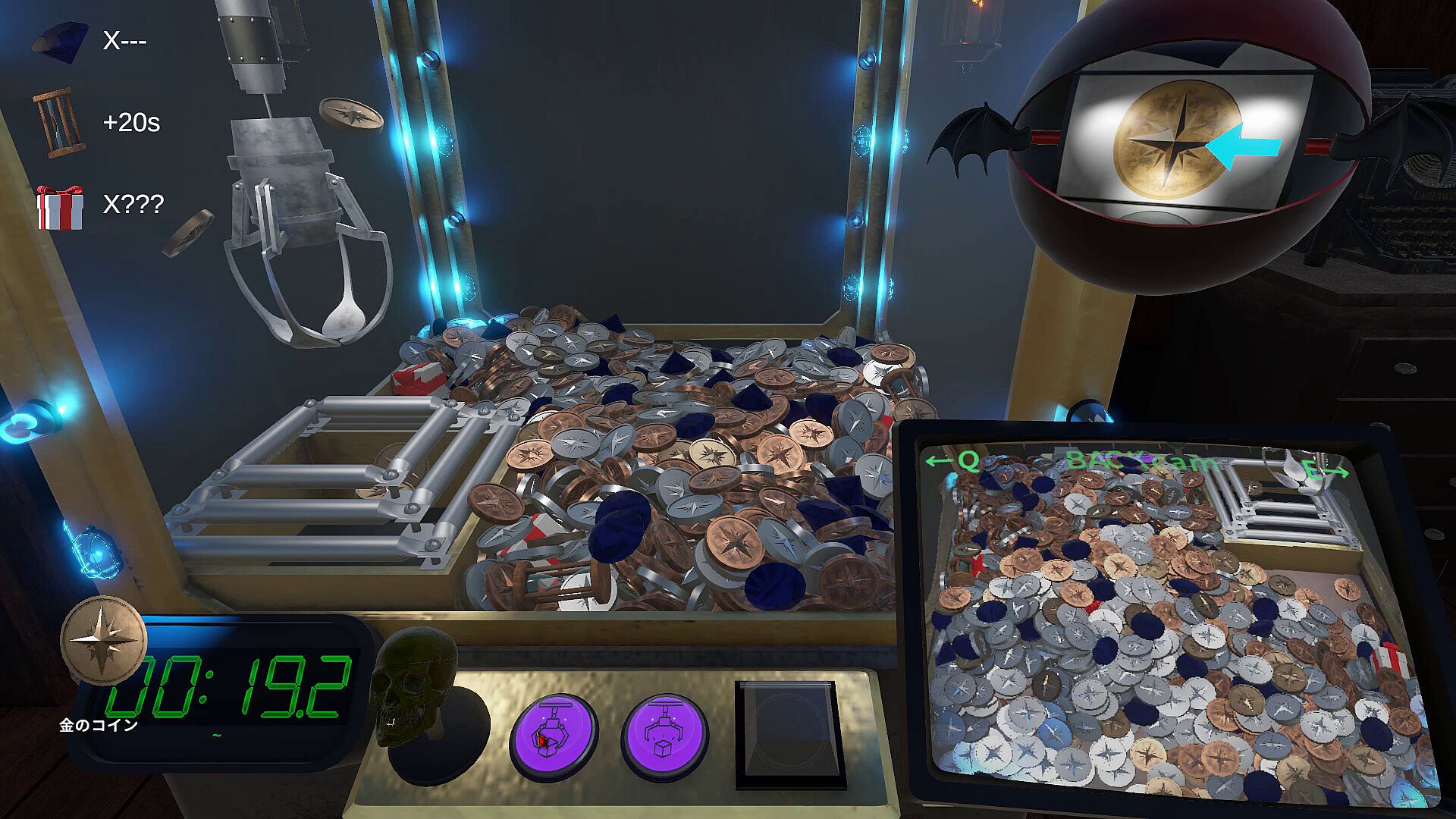
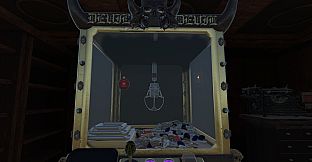
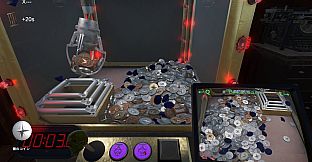
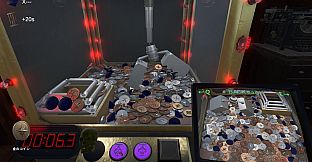
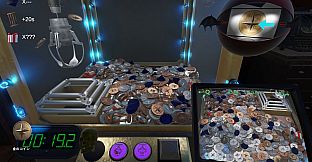
ODD ODDS is a single player roguelike strategy and simulation game set entirely within one dimly lit room on PC. Players manage mounting debt through repeated cycles of earning resources, selecting upgrades, and surviving periodic collections by a devilish figure. The experience centers on tense resource management and procedural variation across short runs that can end abruptly if earnings fall short.
Gameplay
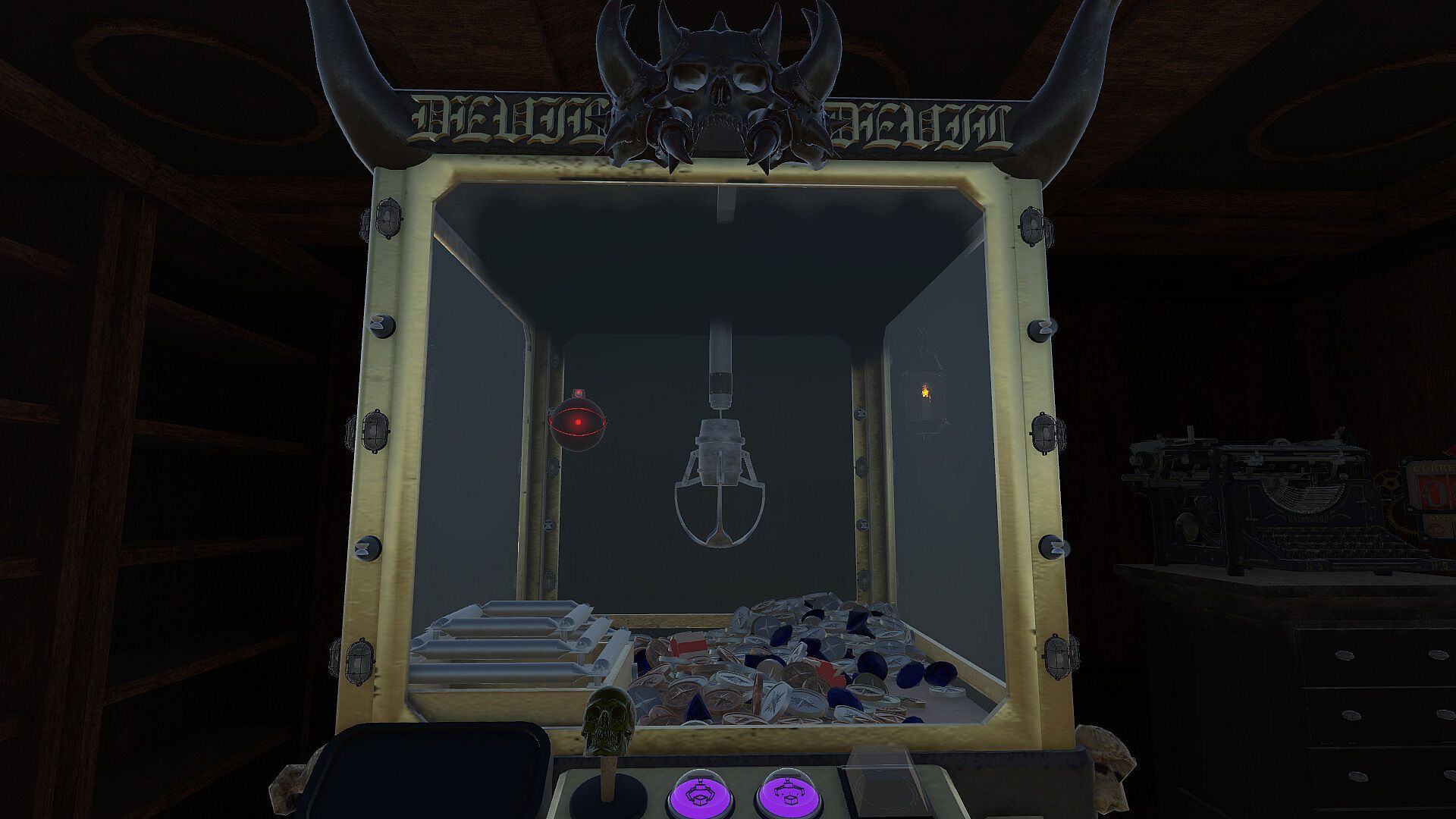
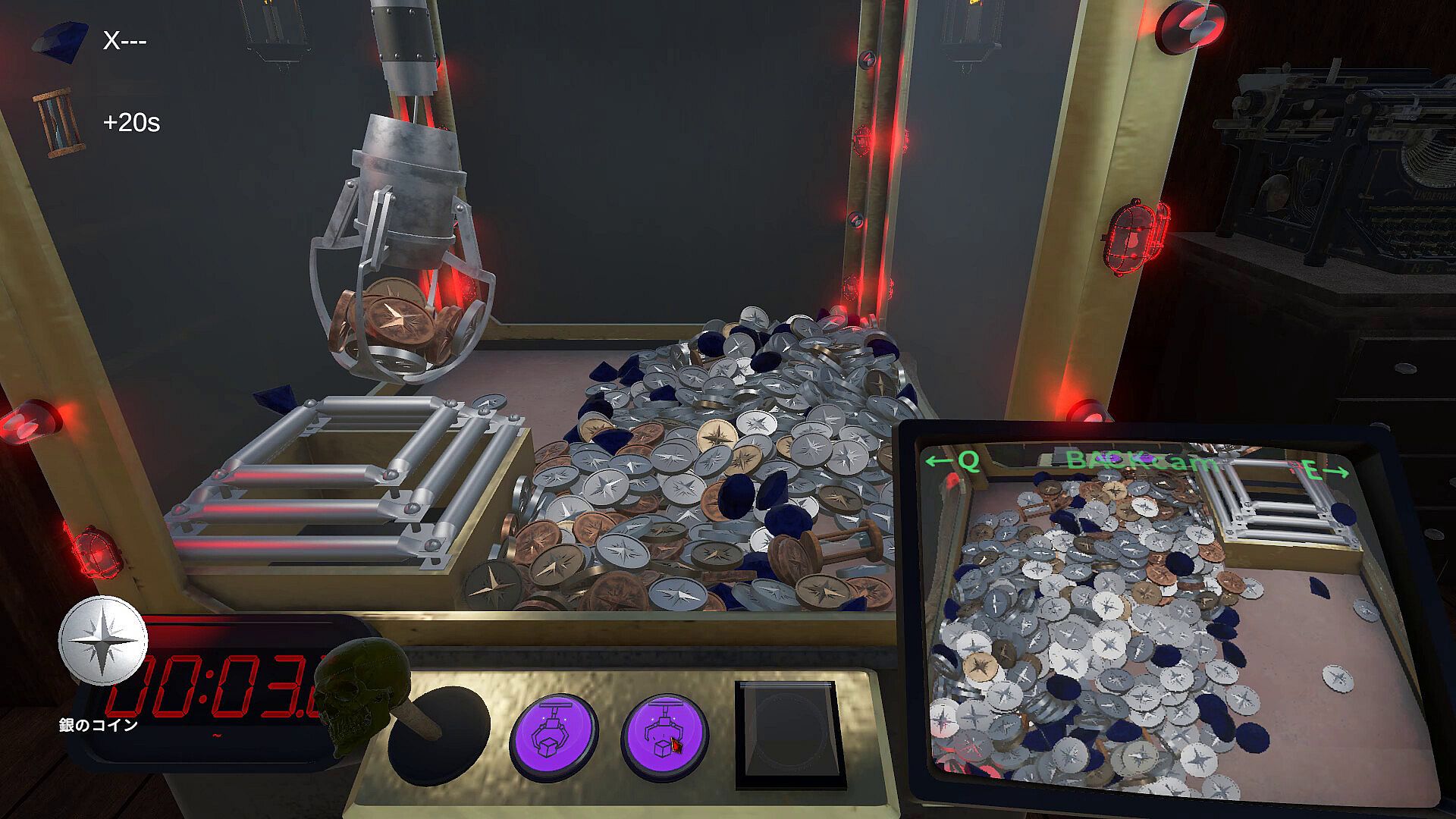
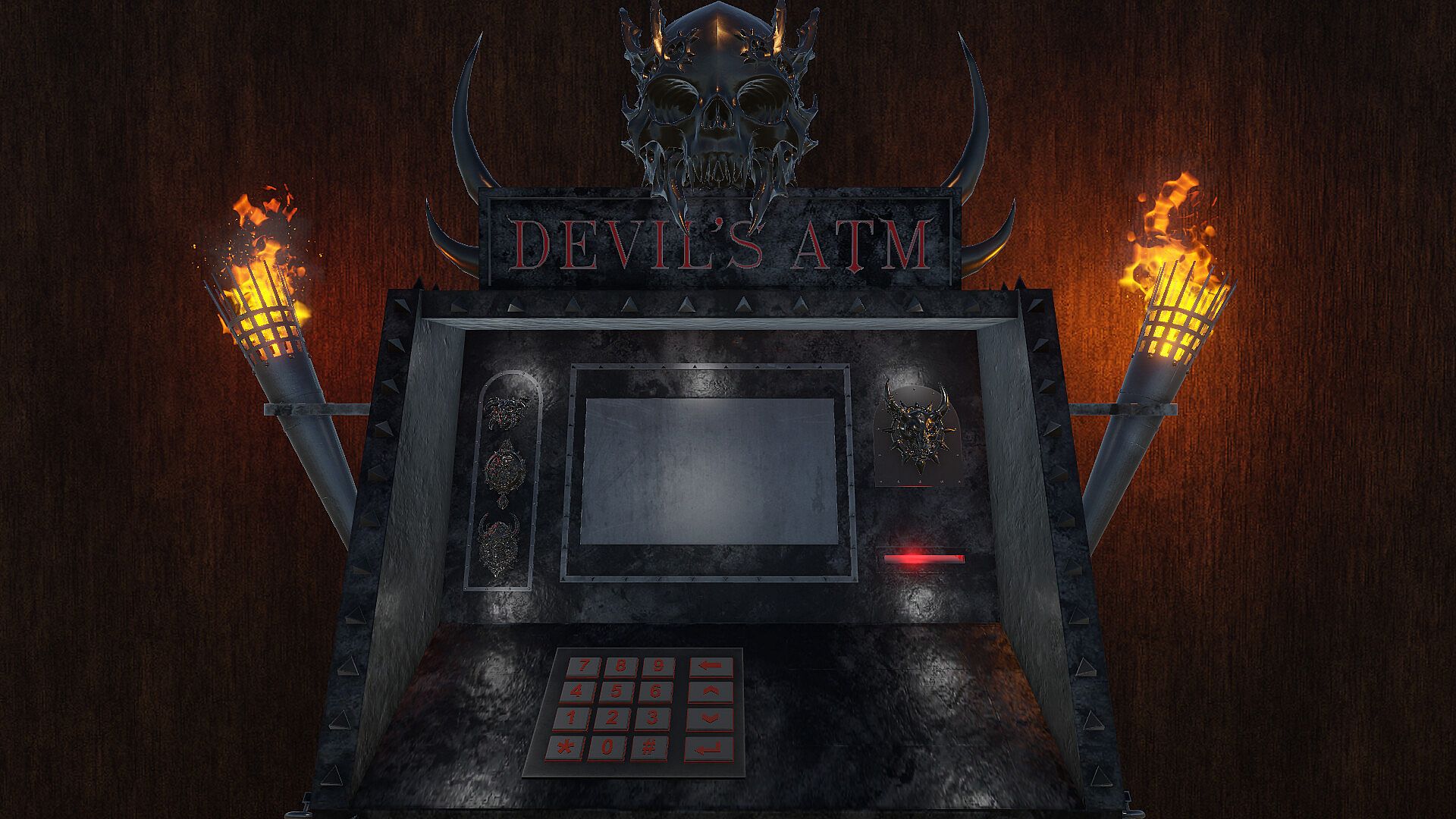
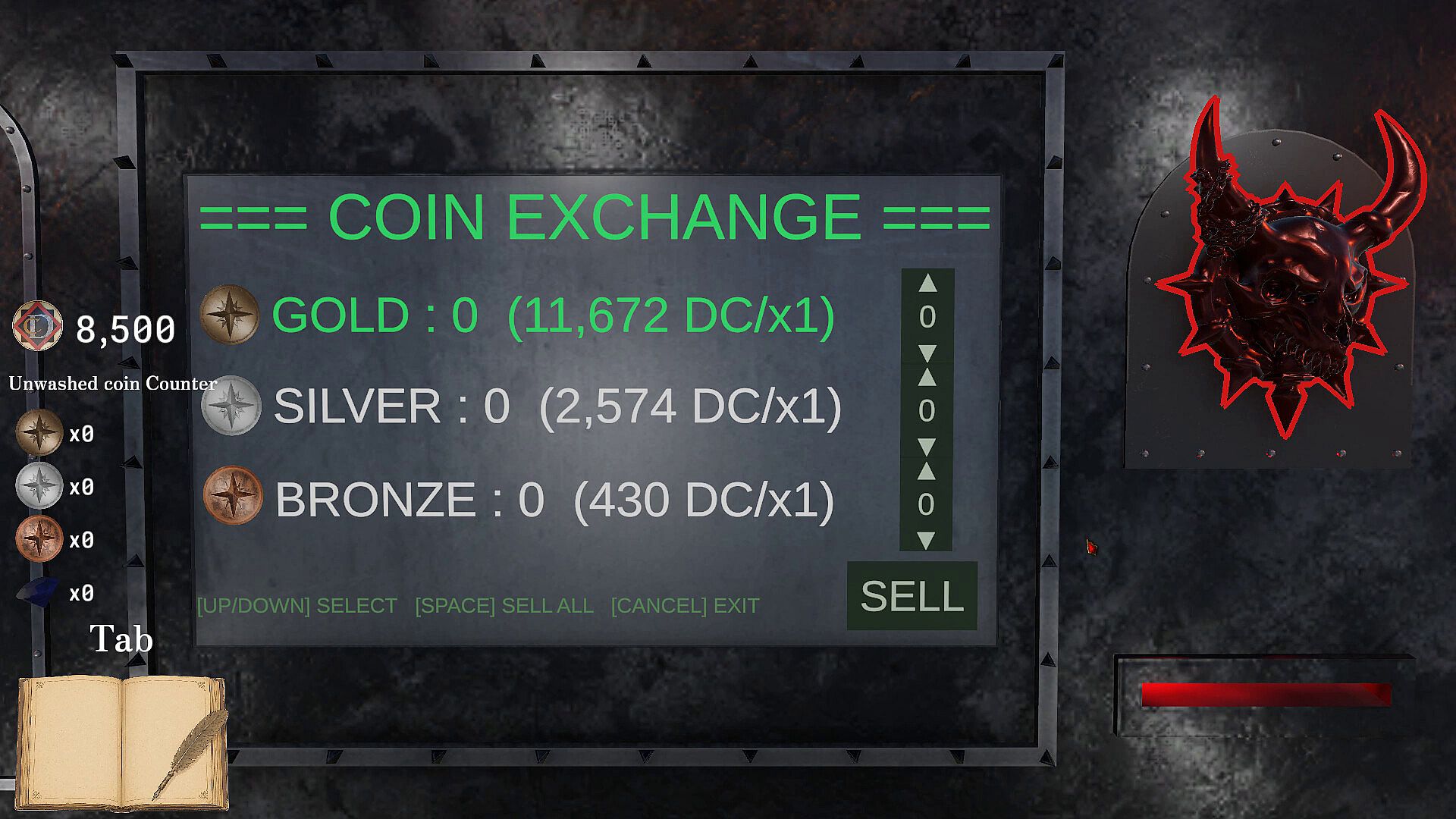
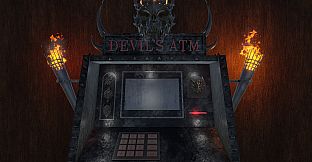
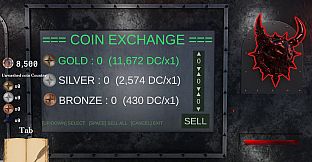
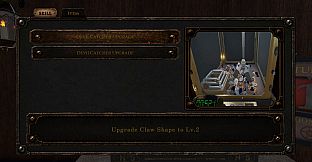
The core loop revolves around three fixed stations in the room. The claw machine requires precise control of a physics based arm to extract coins and items from a cabinet. Players adjust the arm through upgrades to alter reach, drop rates, and item types, turning each grab into a calculated risk. Cash flows only through the ATM, where grabbed items convert into usable funds that build toward survival.
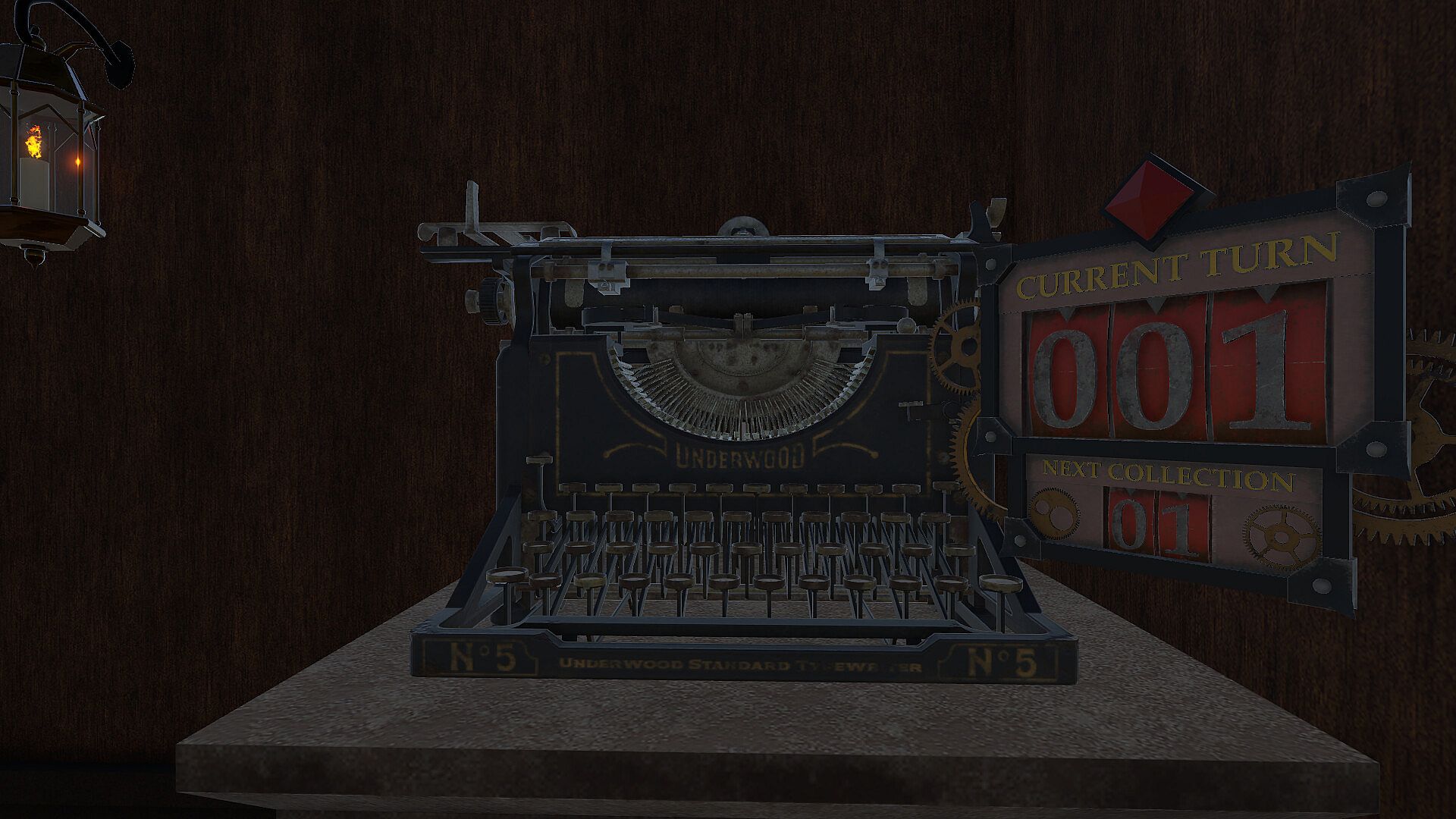
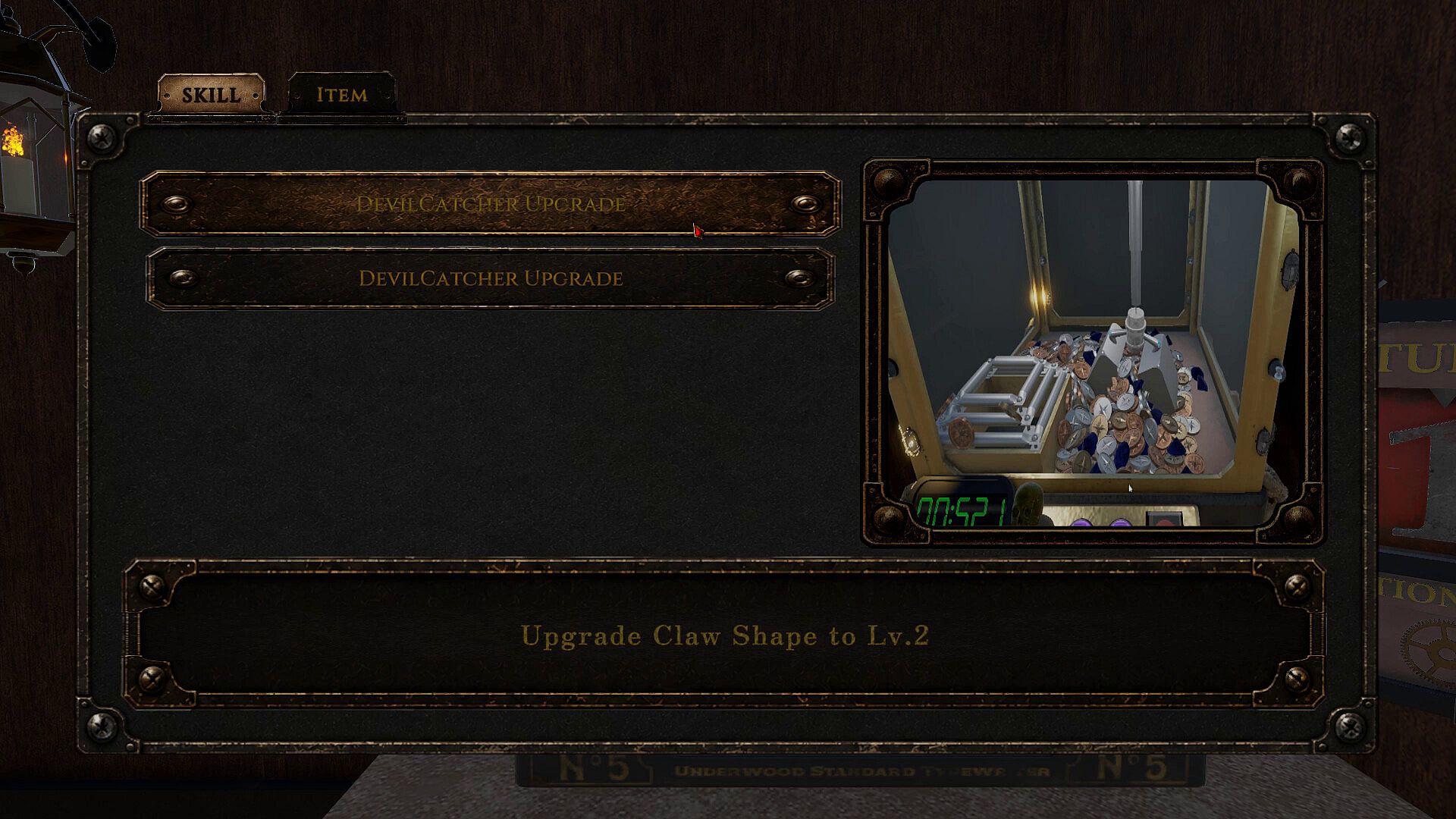
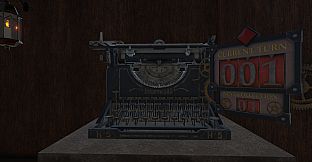
Each turn ends at the typewriter, where a roguelike upgrade is chosen. These selections reshape the claw arm, modify what falls from the machine, or introduce new earning mechanics. No two runs follow the same path because upgrades stack differently and visitors can appear at any moment to offer deals or complications. The room remains the sole environment, with all progression happening through these interactions under constant pressure from an unseen collector.
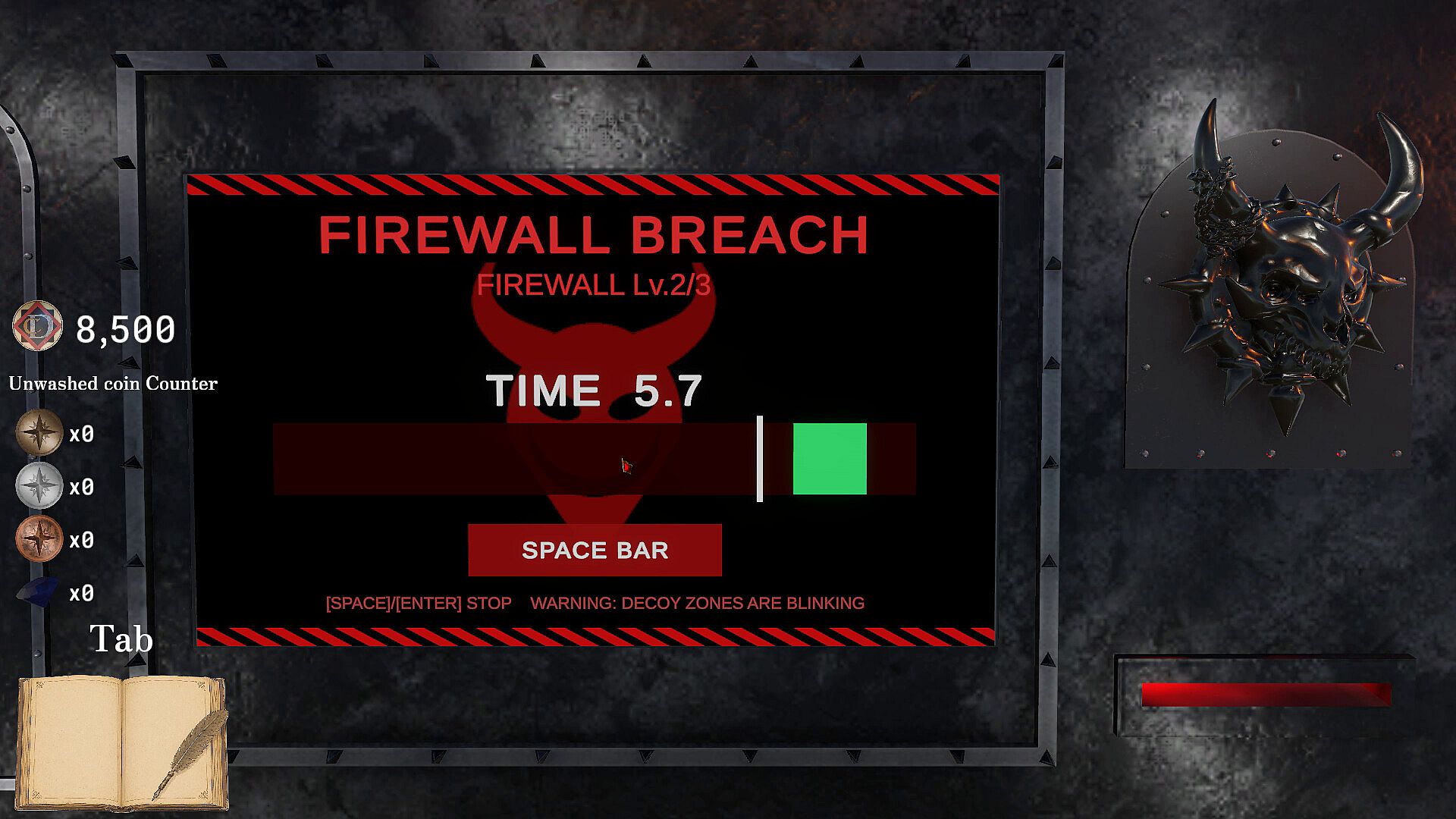
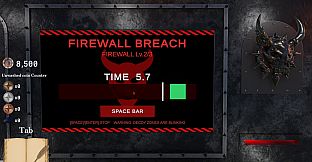
Atmosphere stays consistently dark and oppressive. A demonic presence lingers nearby, reinforced by the poor lighting and the knowledge that every decision carries irreversible weight. The hidden ATM function activates only in dire straits, allowing a risky bank transfer that can clear debt but carries clear narrative consequences if discovered.
Game Modes
ODD ODDS offers a single focused experience built around roguelike runs. Each attempt begins with the same room setup but diverges through upgrade choices and random visitor arrivals. Collection turns occur every few cycles, demanding an exact balance amount that rises steadily. Failure to meet the figure ends the run immediately with no negotiation possible.
Visitors provide branching decisions when they appear. Some act as potential allies while others seek to exploit the situation. Choosing which offers to accept or reject influences long term survival more than raw earning efficiency. The structure emphasizes replayability through procedural upgrades rather than separate named modes or multiplayer elements.
Key Mechanics and Features
Physics driven claw operation demands careful timing and positioning to maximize hauls. Arm reshaping upgrades allow players to customize earning potential over successive turns, creating personalized strategies for each run. The typewriter serves as the central hub for these permanent changes within a single attempt.
Debt collection adds strict timing pressure. The required payment grows with each cycle, forcing players to balance immediate gains against future needs. Intercom interruptions introduce variable events that can aid or hinder progress depending on choices made. The final ATM option provides a high risk escape route available only when all other paths close.
- Physics based claw machine for item retrieval
- Procedural upgrades at the typewriter each turn
- Escalating collection demands from the devil
- Visitor encounters with alliance or threat options
- Hidden high stakes ATM function for desperate situations
Is It Worth Playing?
ODD ODDS suits players who enjoy short, high tension roguelike sessions focused on resource decisions and risk assessment. The confined setting and escalating demands create consistent pressure without requiring long sessions. Its indie origins as a project by four university students show in the focused scope and clear thematic intent around debt and difficult choices.
The game includes an explicit disclaimer that it is fictional and does not promote real world gambling. In game currency holds no external value. Those drawn to simulation and strategy titles with roguelike elements may find the one room constraint and upgrade variety compelling for repeated attempts. Availability remains limited to PC at present, with the experience standing alone without additional content layers.











