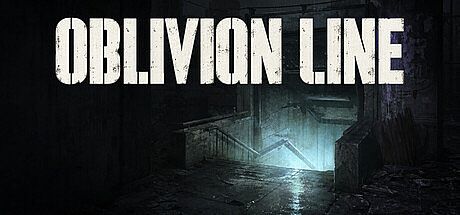


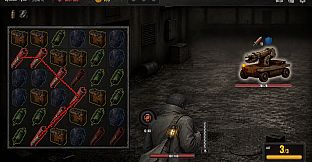
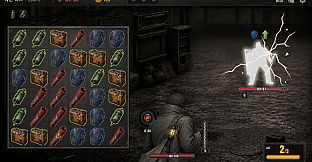
Oblivion Line is a single-player strategy indie RPG that blends deckbuilding roguelike elements with one-stroke puzzle mechanics. Players awaken at the end of an abandoned subway line with no memory of their identity, only the instincts to fight and protect someone important. The game unfolds in a lawless underground network where lost items and memories fuel a hidden economy, and every decision shapes the path forward.
Gameplay
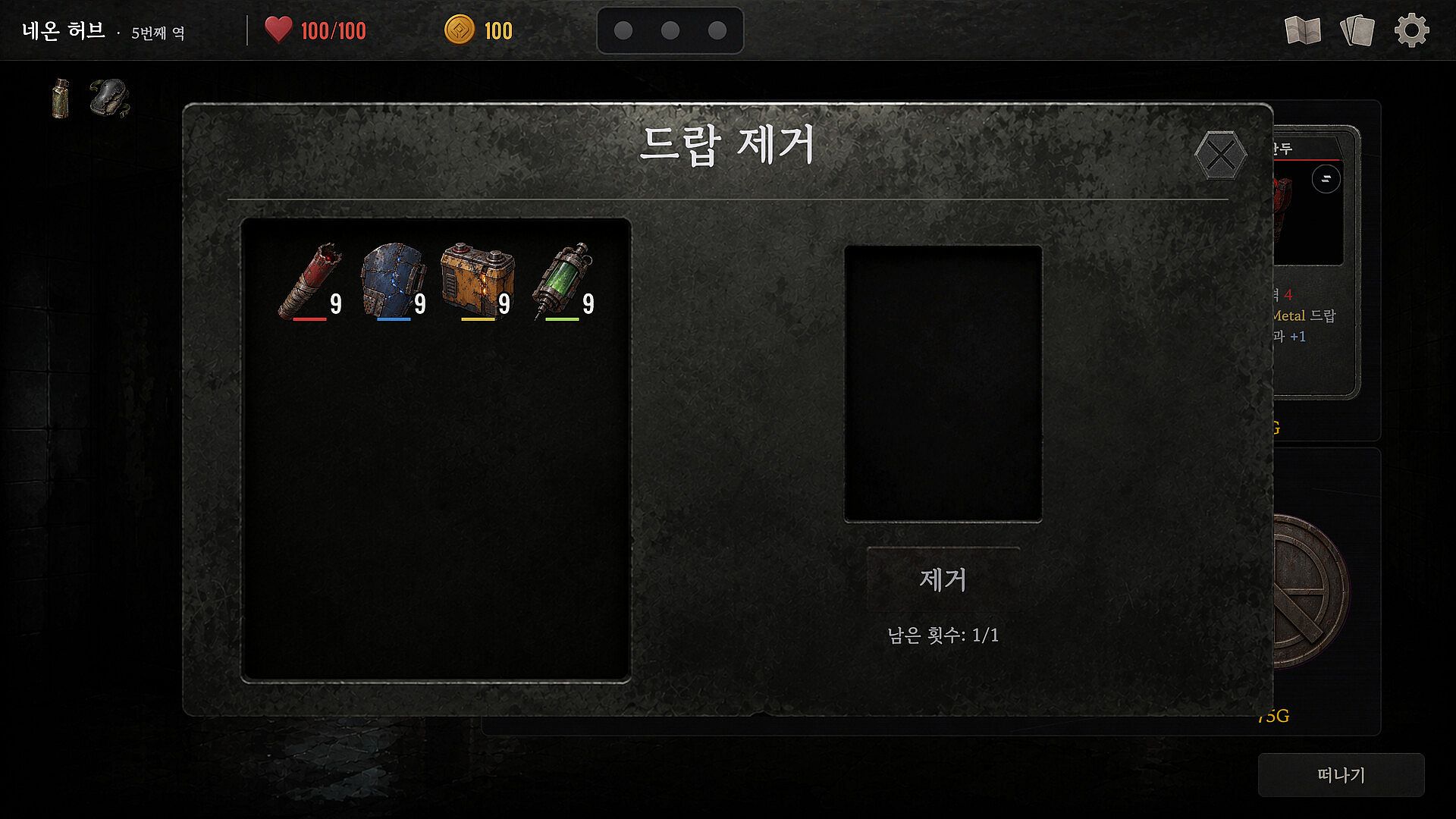
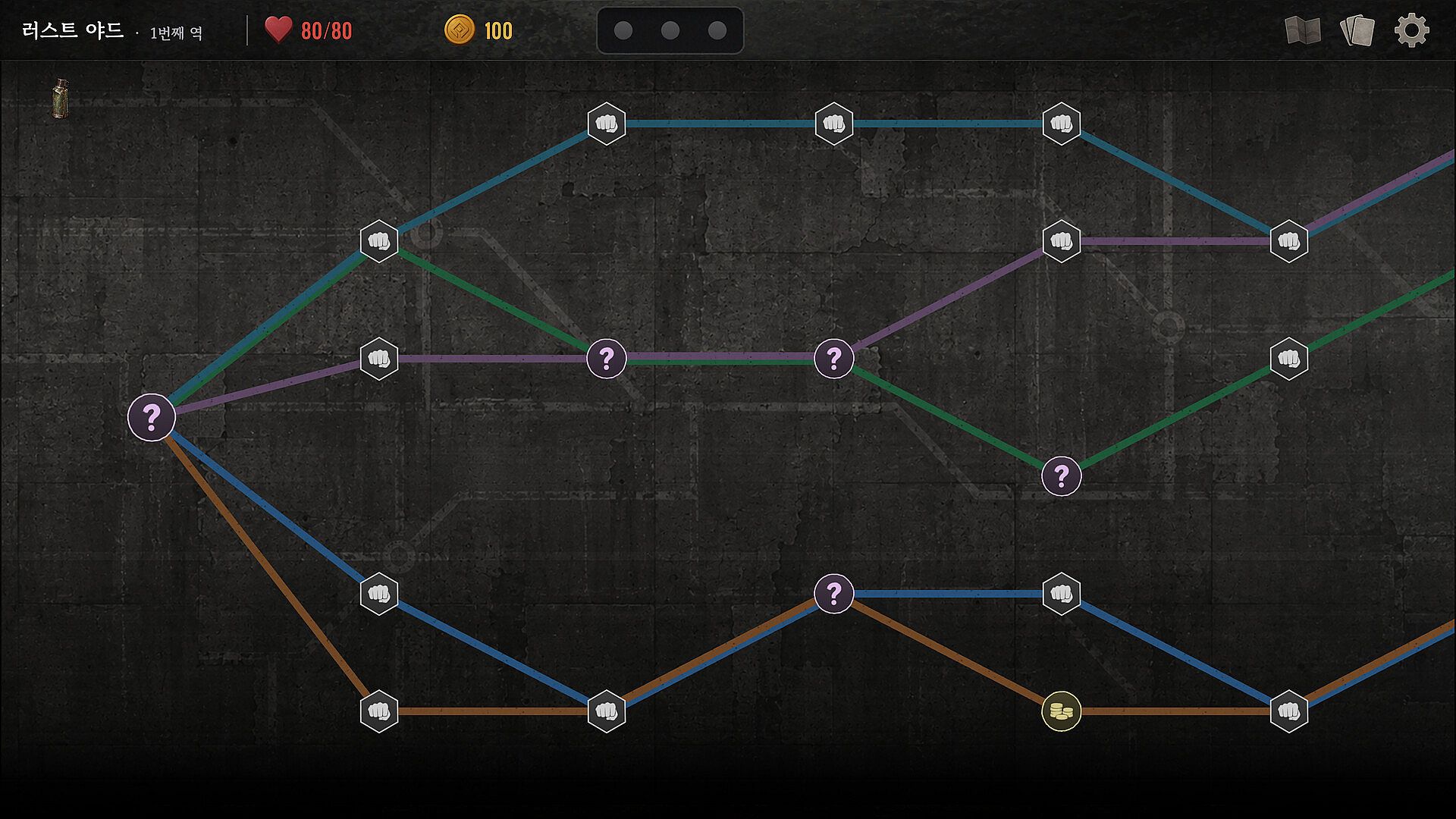
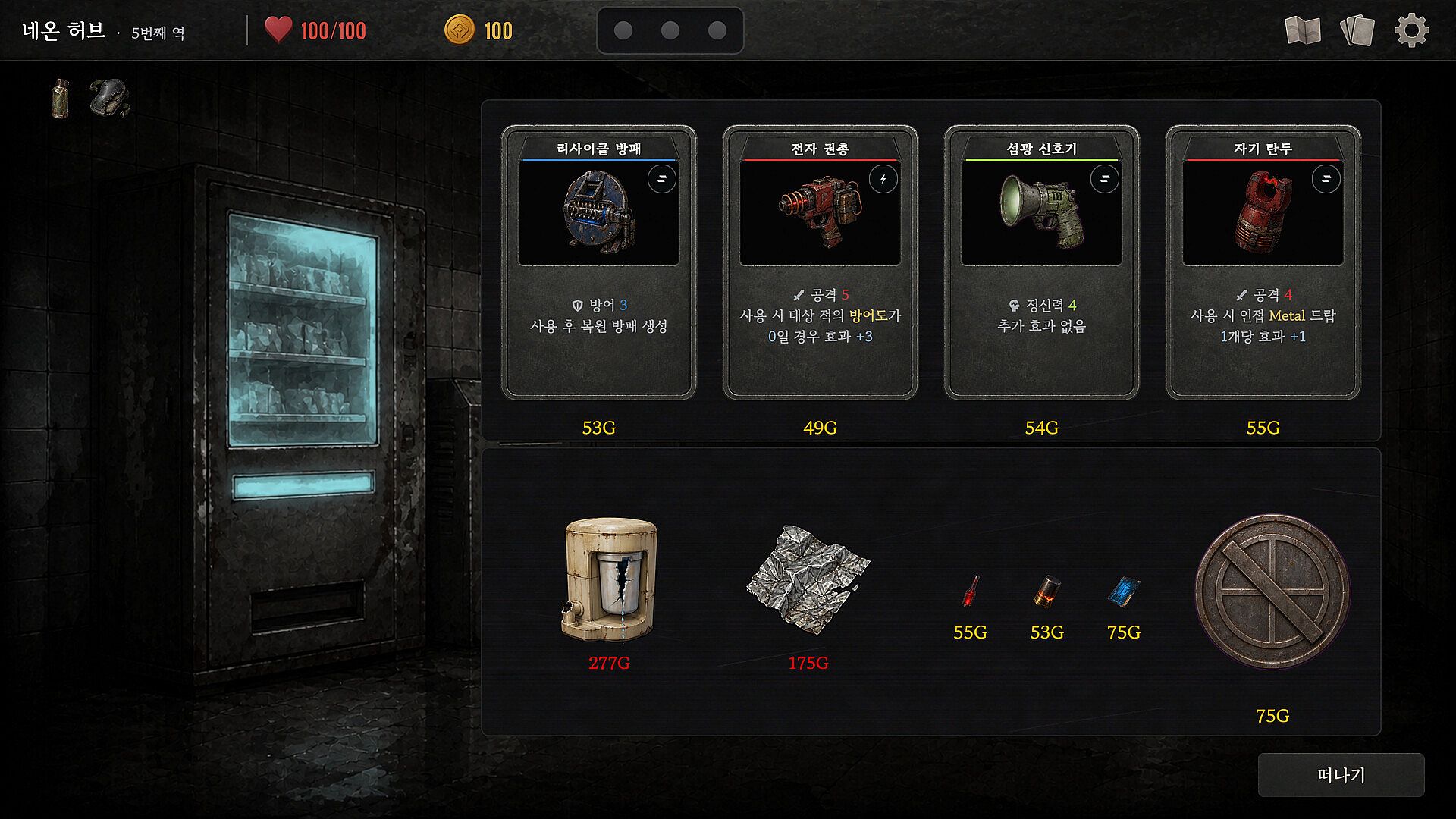
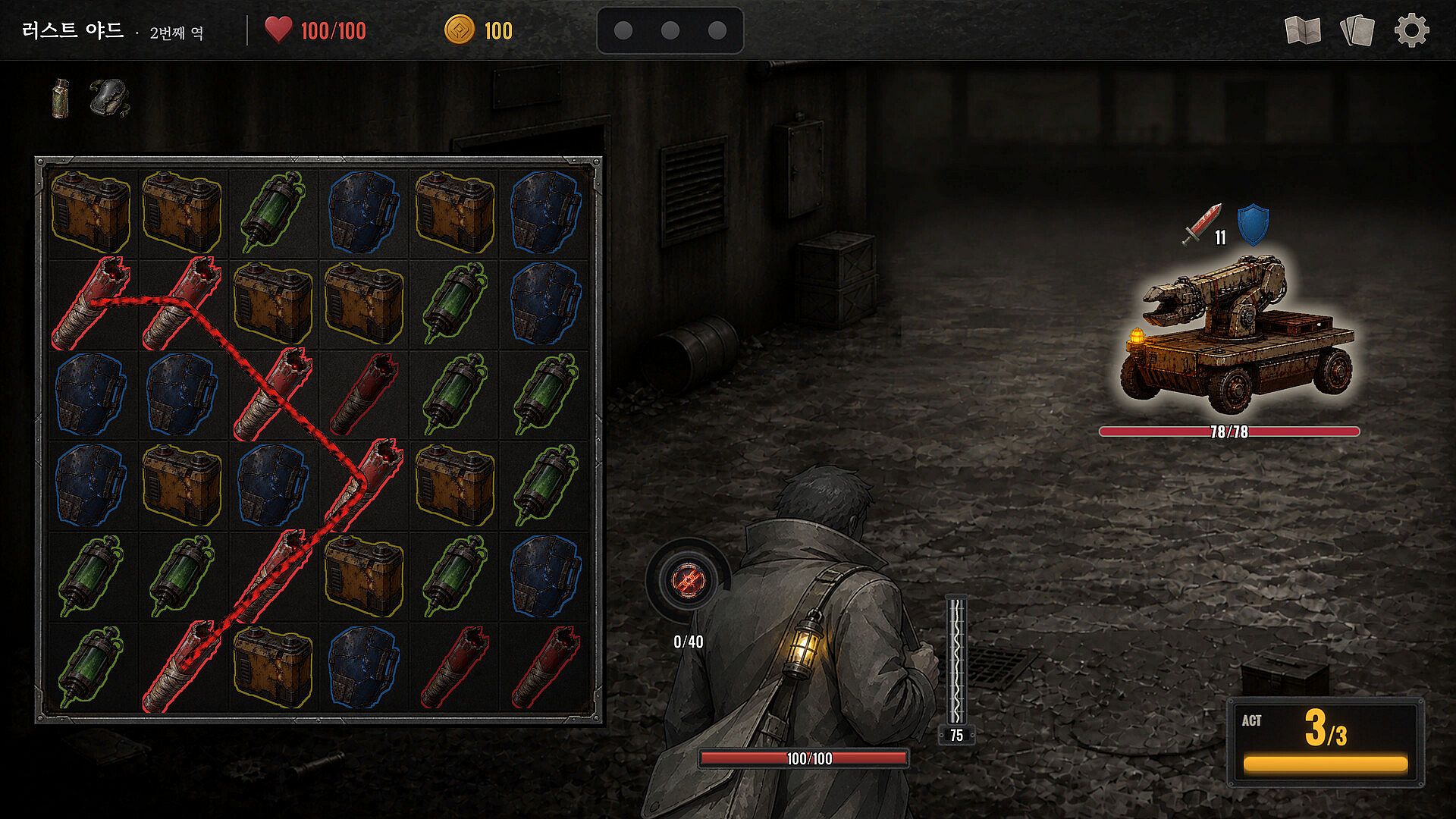
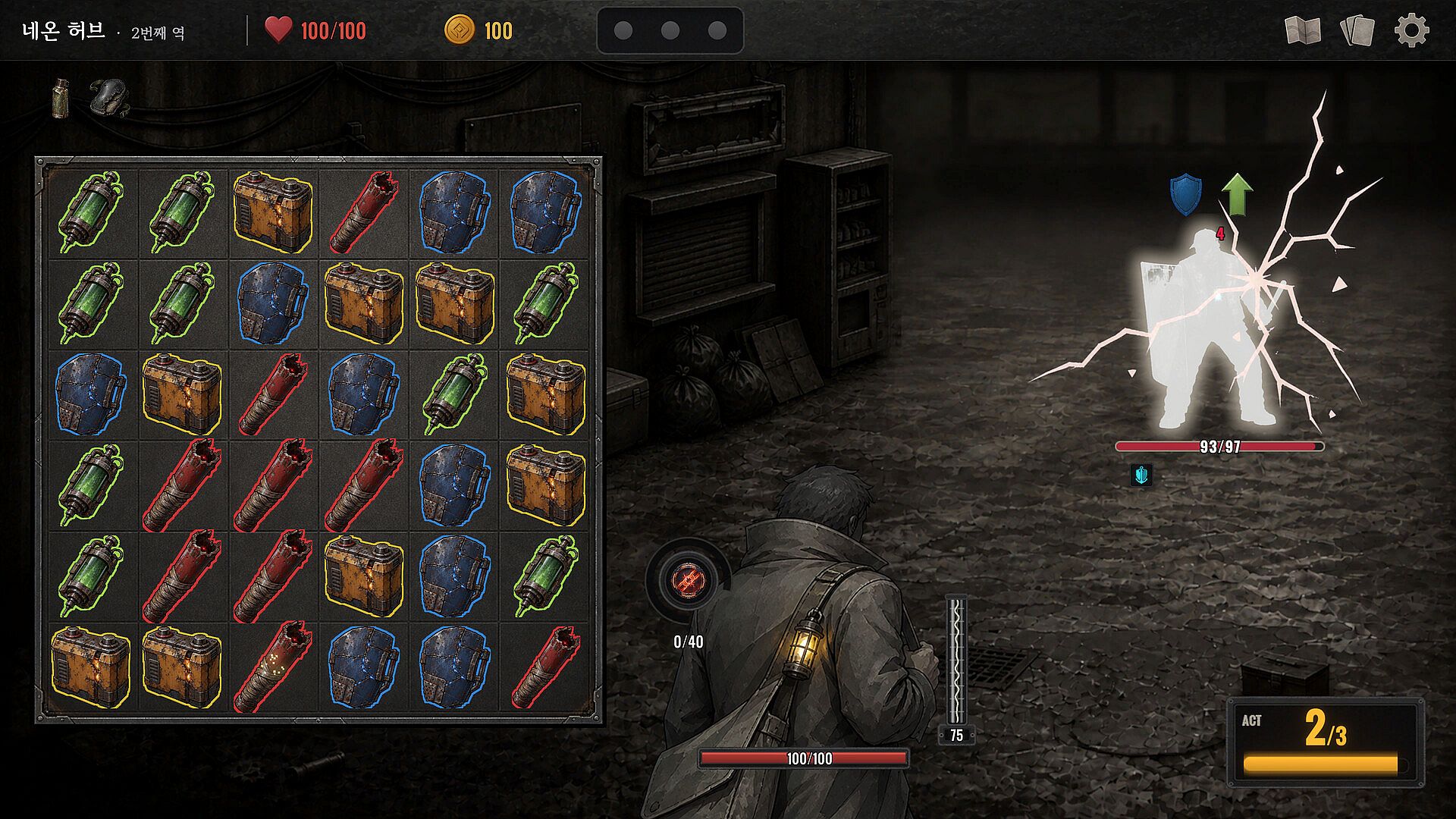
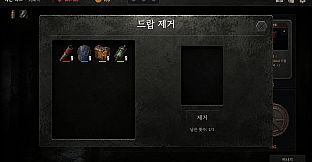
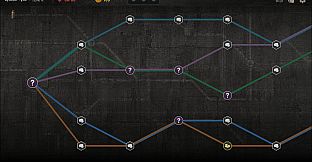
The core loop centers on navigating an abandoned subway system through deliberate choices at each junction. Players connect a single line to execute actions, turning simple connections into powerful sequences that resolve conflicts or advance progress. Lost property scattered throughout the tunnels serves as collectible drops that expand the deck and unlock new synergies. These items carry personal histories, from family photos to final letters, and integrating them into builds allows for creative combinations that alter how encounters unfold.
Combat and interactions avoid traditional monsters. Instead, opponents include hawkers, collectors, pawn clerks, memory extractors, and auctioneers who operate in this forgotten zone. Strength grows by claiming what others have discarded, turning everyday remnants into tools for survival. Sanity management adds tension, as repeated exposure to the underground environment influences available options and long-term outcomes.
Game Modes
Oblivion Line operates entirely in a single-player format focused on roguelike runs. Each attempt involves selecting stops along the subway lines, transferring between routes, and pushing toward the center while adapting to the consequences of prior choices. The structure emphasizes replayability through varied paths and the accumulation of drops that enable different deck configurations on subsequent attempts.
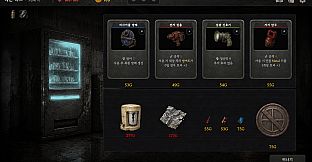
Narrative branches emerge from on-the-spot decisions rather than separate modes. At vendor stalls or confrontations, players weigh options such as intervening in deals, paying tolls, or aligning temporarily with local figures. These moments feed into the roguelike progression, where the same scenario can resolve differently based on the current deck and accumulated items.
Narrative and Choices
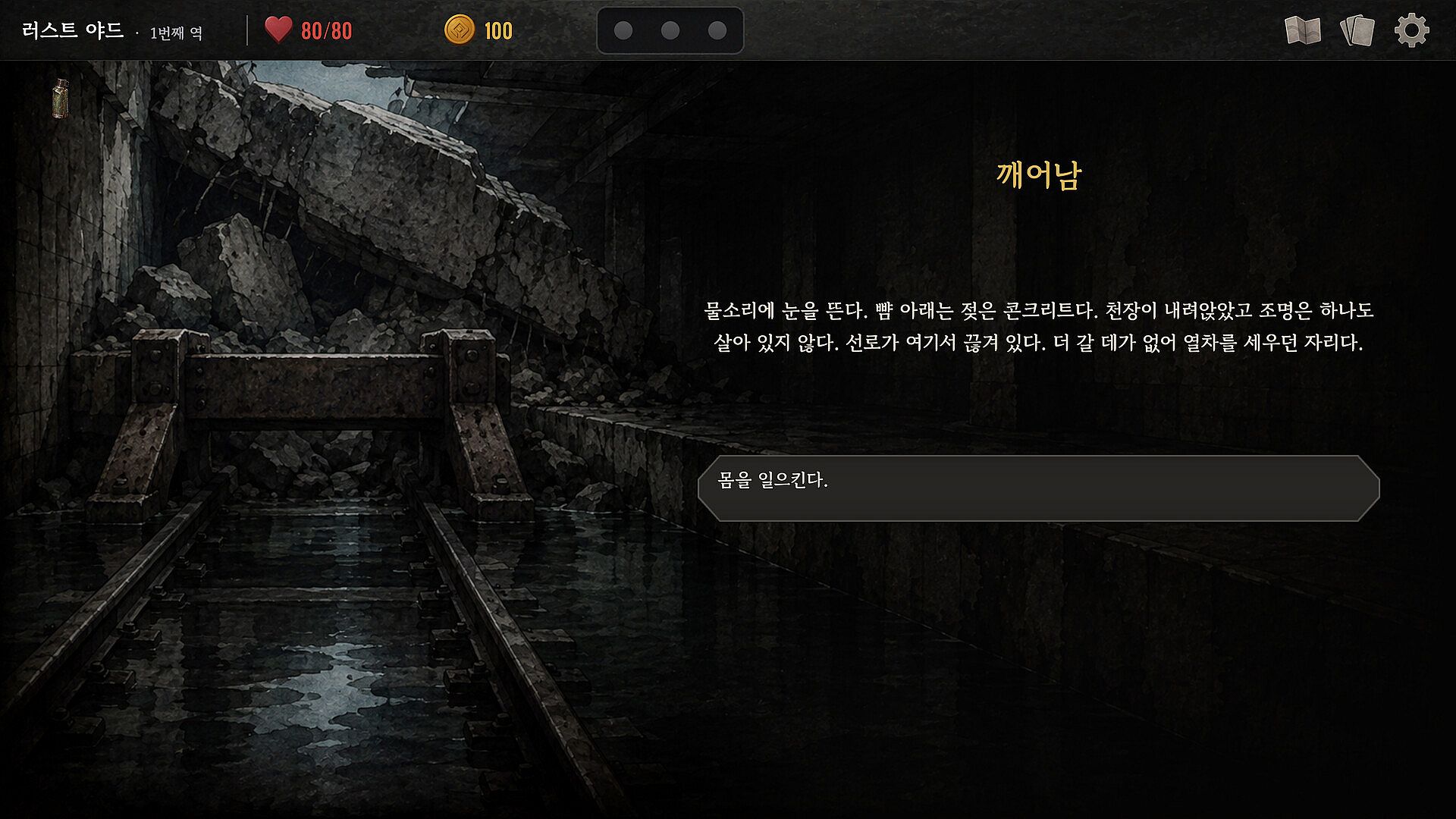
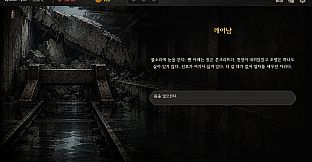
The story begins with amnesia and a singular drive to locate a protected individual. The underground setting functions as a marketplace for people and memories, where freight lines continue running automatically and discarded objects from the surface world arrive daily. Progress reveals layers of this economy through encounters that test priorities between self-preservation, compassion, and strategy.
Every lost item collected carries weight beyond its mechanical benefit. A refrigerator door or lunchbox with a name becomes part of a larger web of personal stories, encouraging players to consider the human cost behind each acquisition. This integration of theme and mechanics keeps the focus on meaningful progression rather than abstract power gains.
Is It Worth Playing?
Oblivion Line targets players who enjoy strategic deckbuilding paired with puzzle-like action resolution and branching narrative decisions. The one-stroke connection system offers a distinct approach to combat and problem-solving that rewards planning and adaptation across roguelike runs. Those drawn to indie titles with strong thematic cohesion around memory, loss, and moral ambiguity will find the setting and mechanics align closely with that interest.
Because the game remains unreleased with a date to be announced, current player feedback is unavailable. Its described systems suggest strong appeal for fans of thoughtful single-player experiences that combine resource management with personal choice consequences. Watch for its launch if the combination of subway exploration, drop synergies, and ethical dilemmas matches preferred gameplay styles.