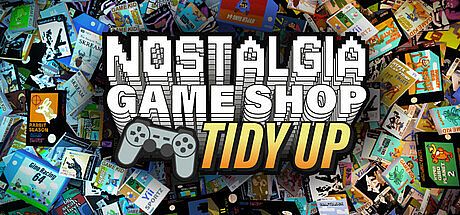


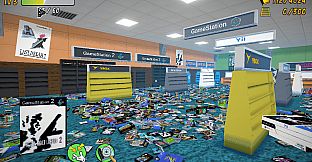
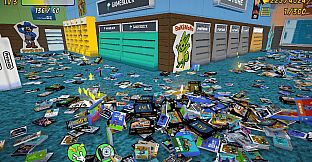
Nostalgia Game Shop: Tidy Up is an indie casual simulation game built around organizing a retro video game store. Players step into the role of an employee tasked with restoring order to a space filled with thousands of scattered game boxes from childhood consoles. The experience centers on sorting, progression through skills, and the satisfaction of turning chaos into a clean, functional shop filled with familiar yet altered titles.
Gameplay
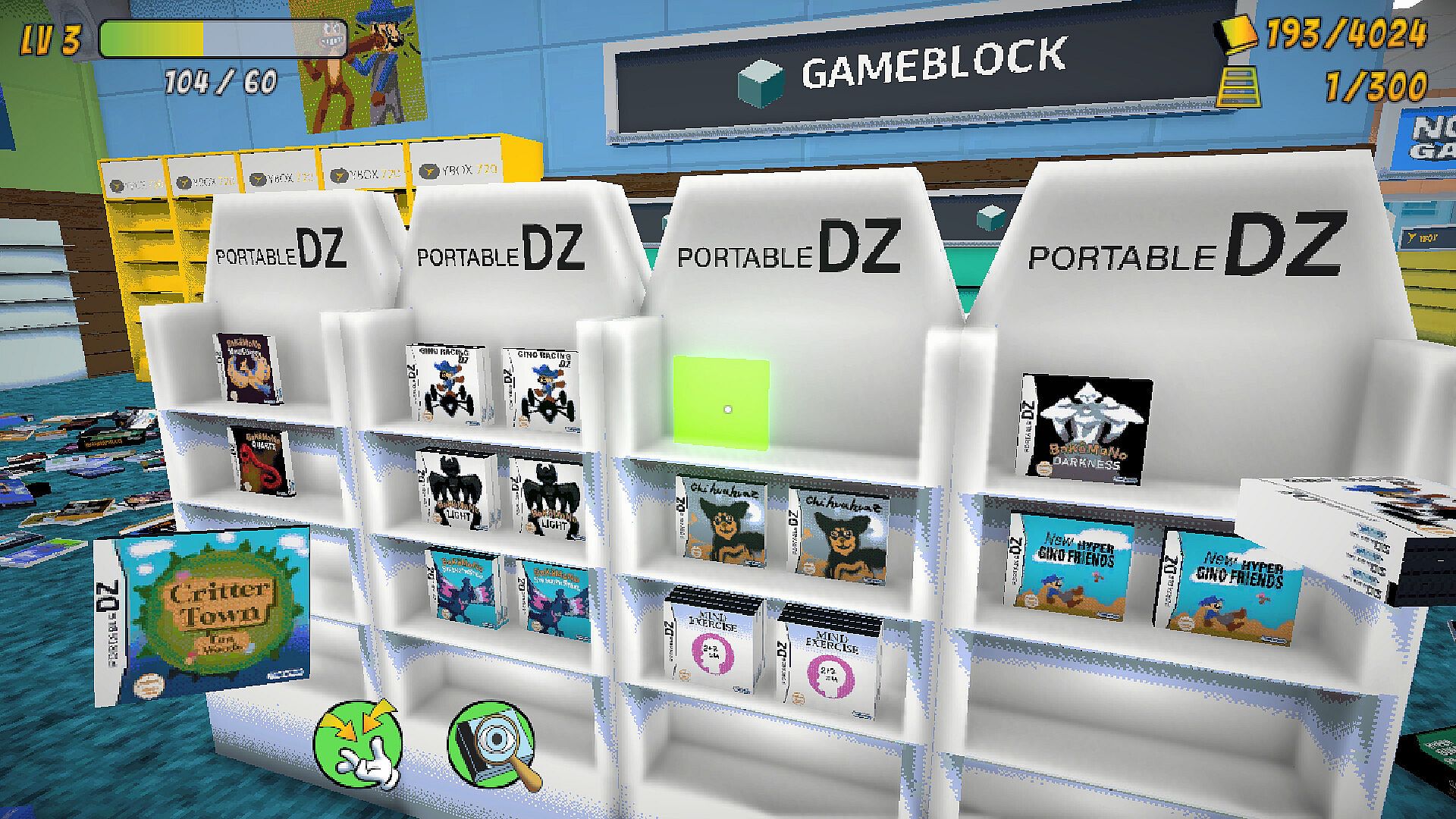
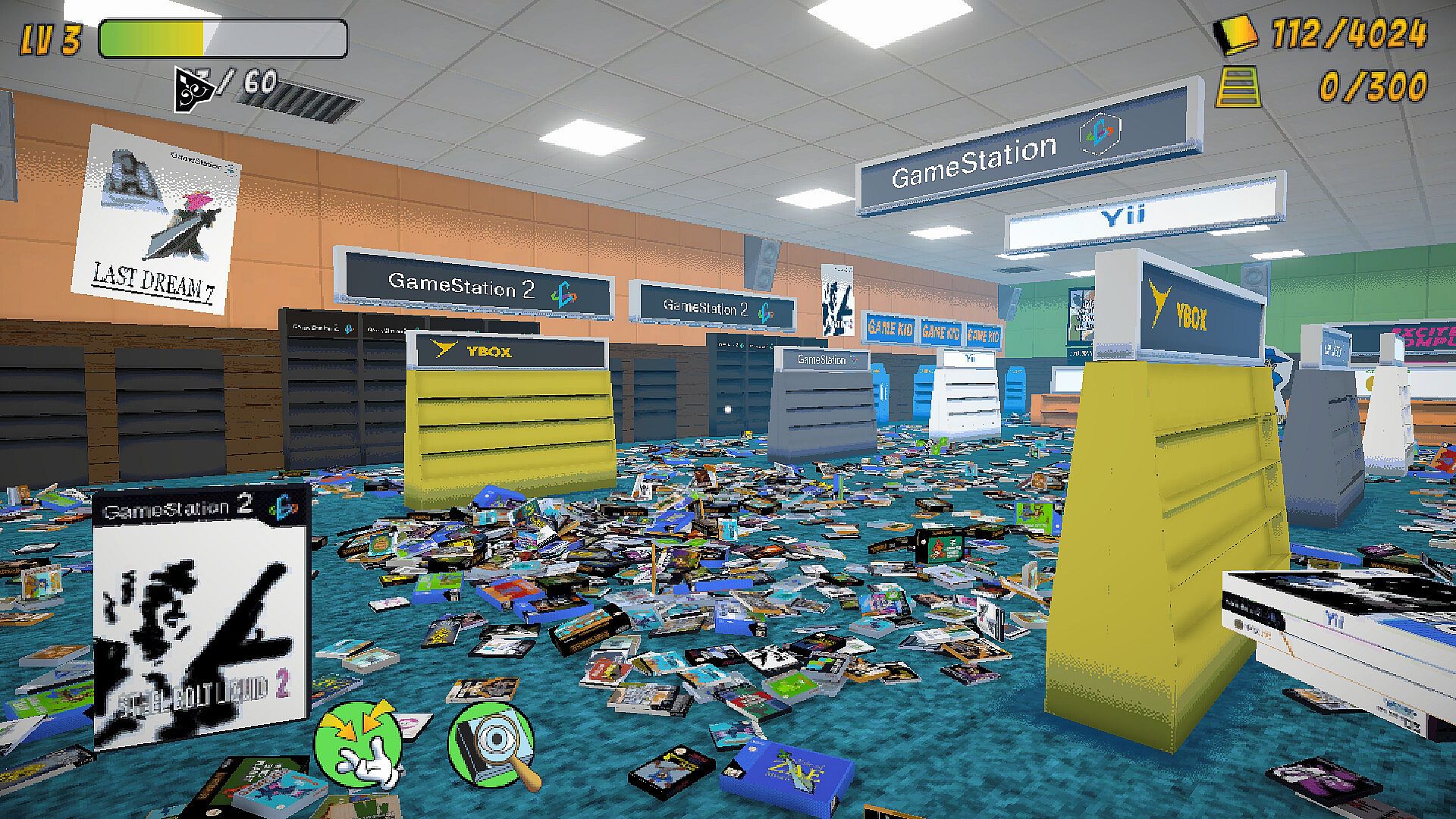
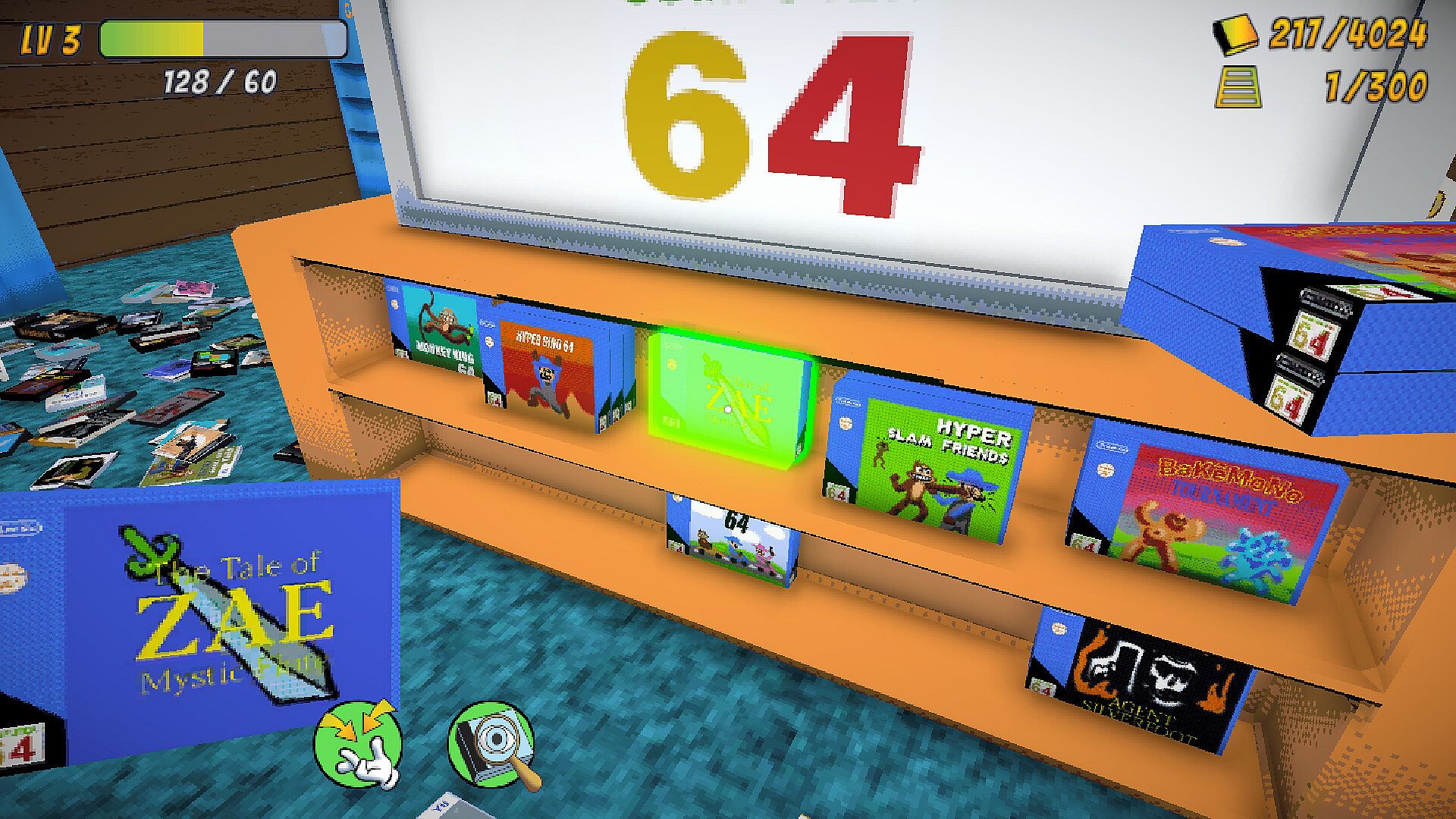
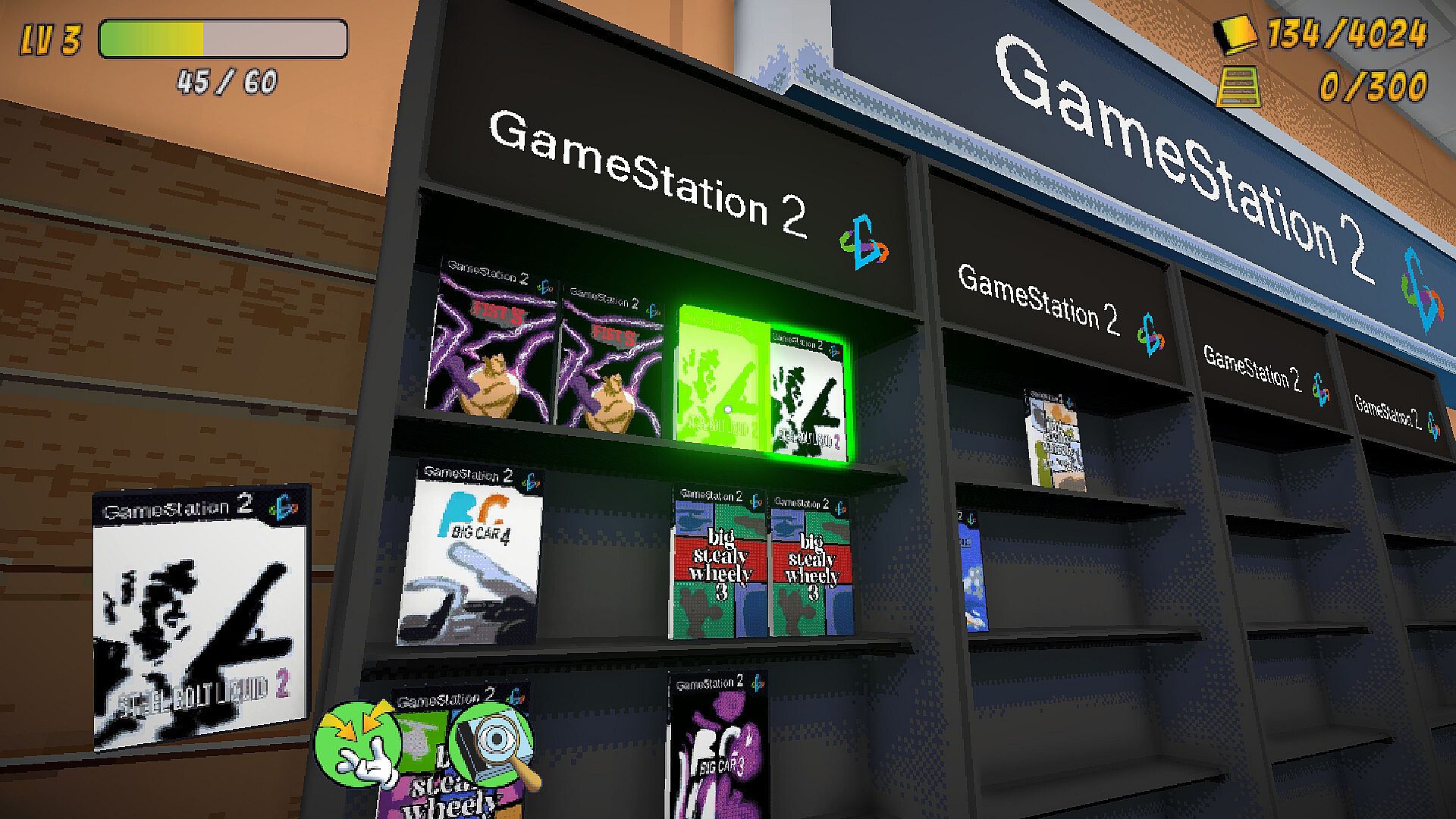
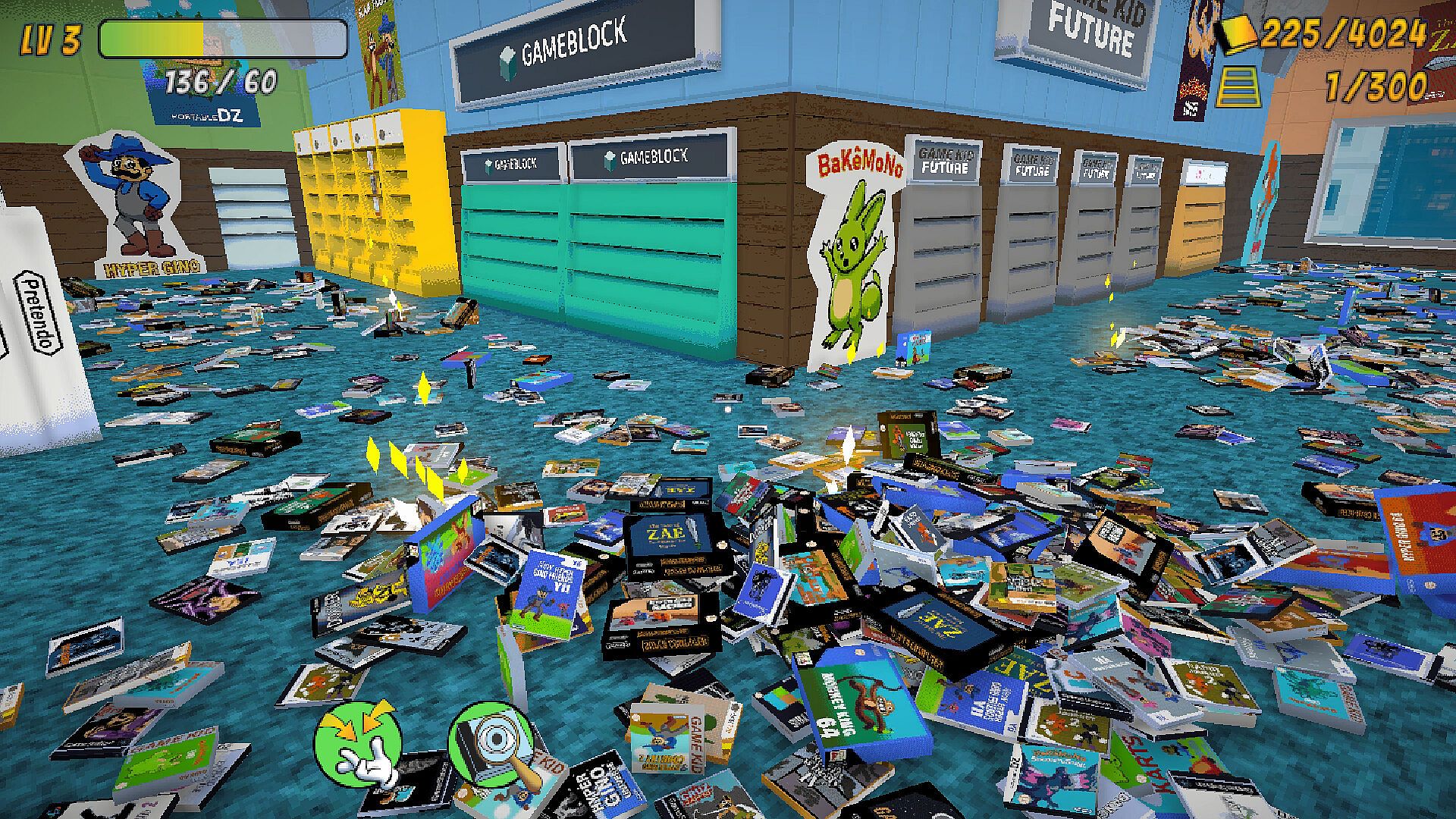
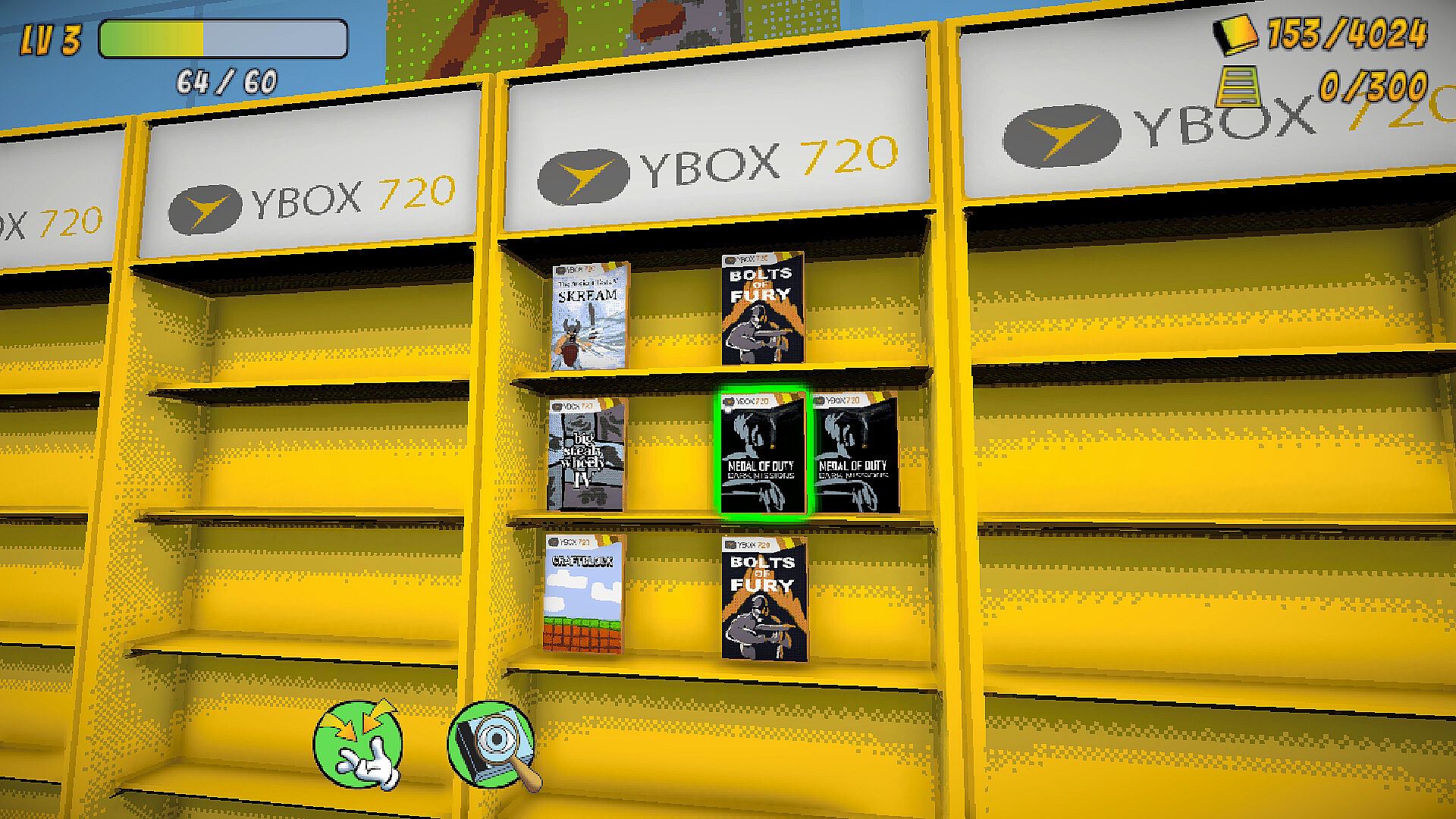
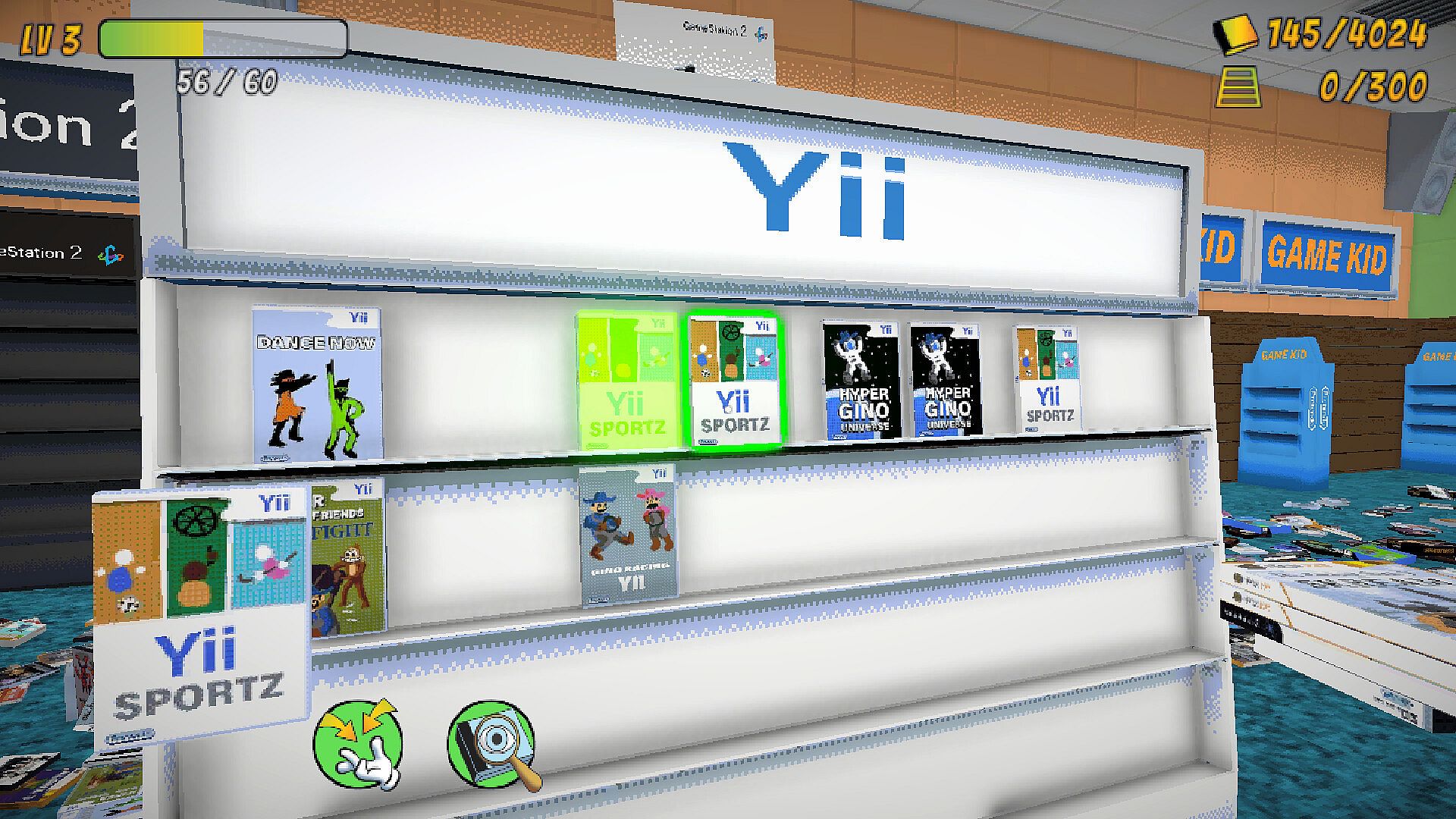
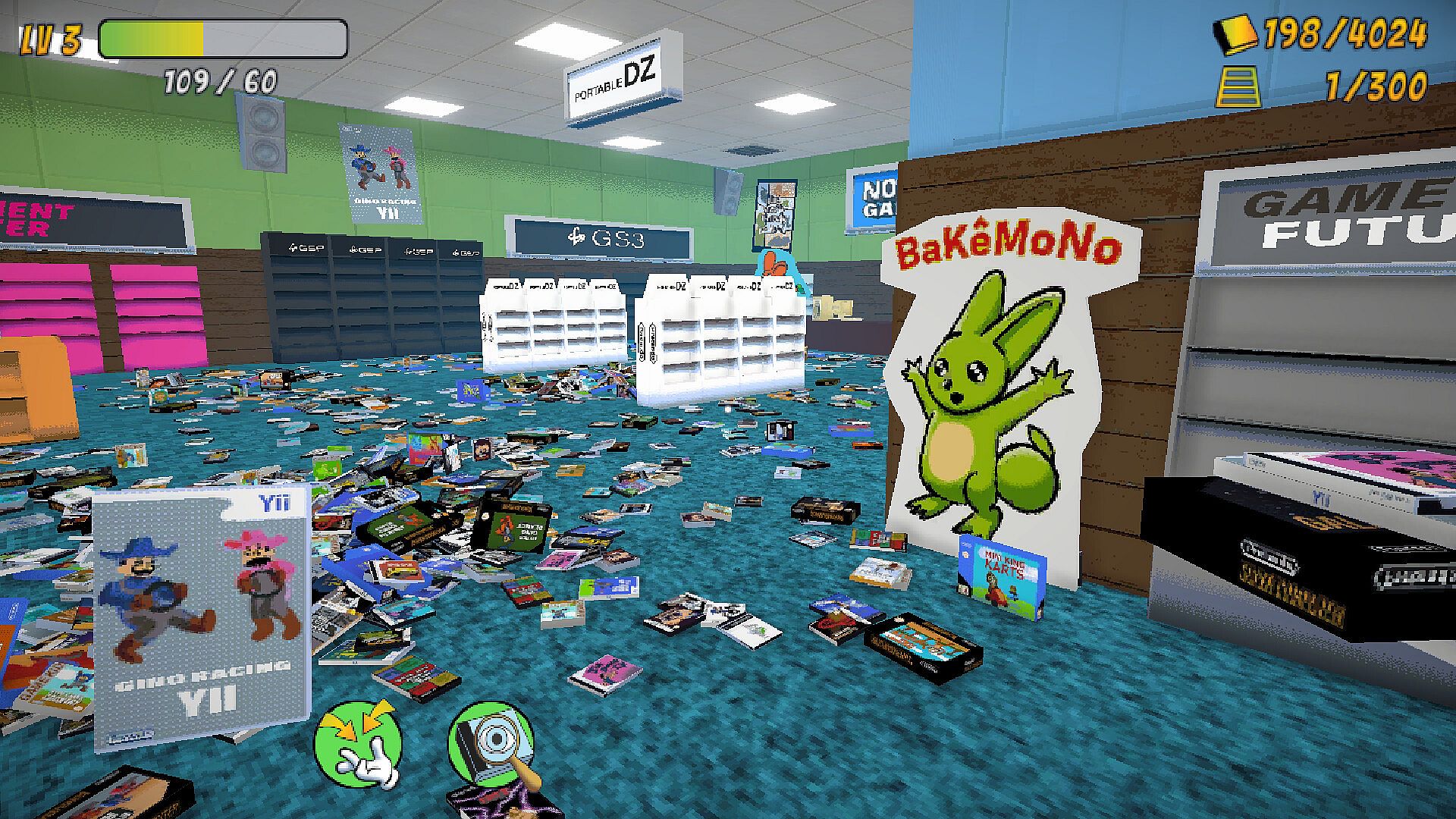
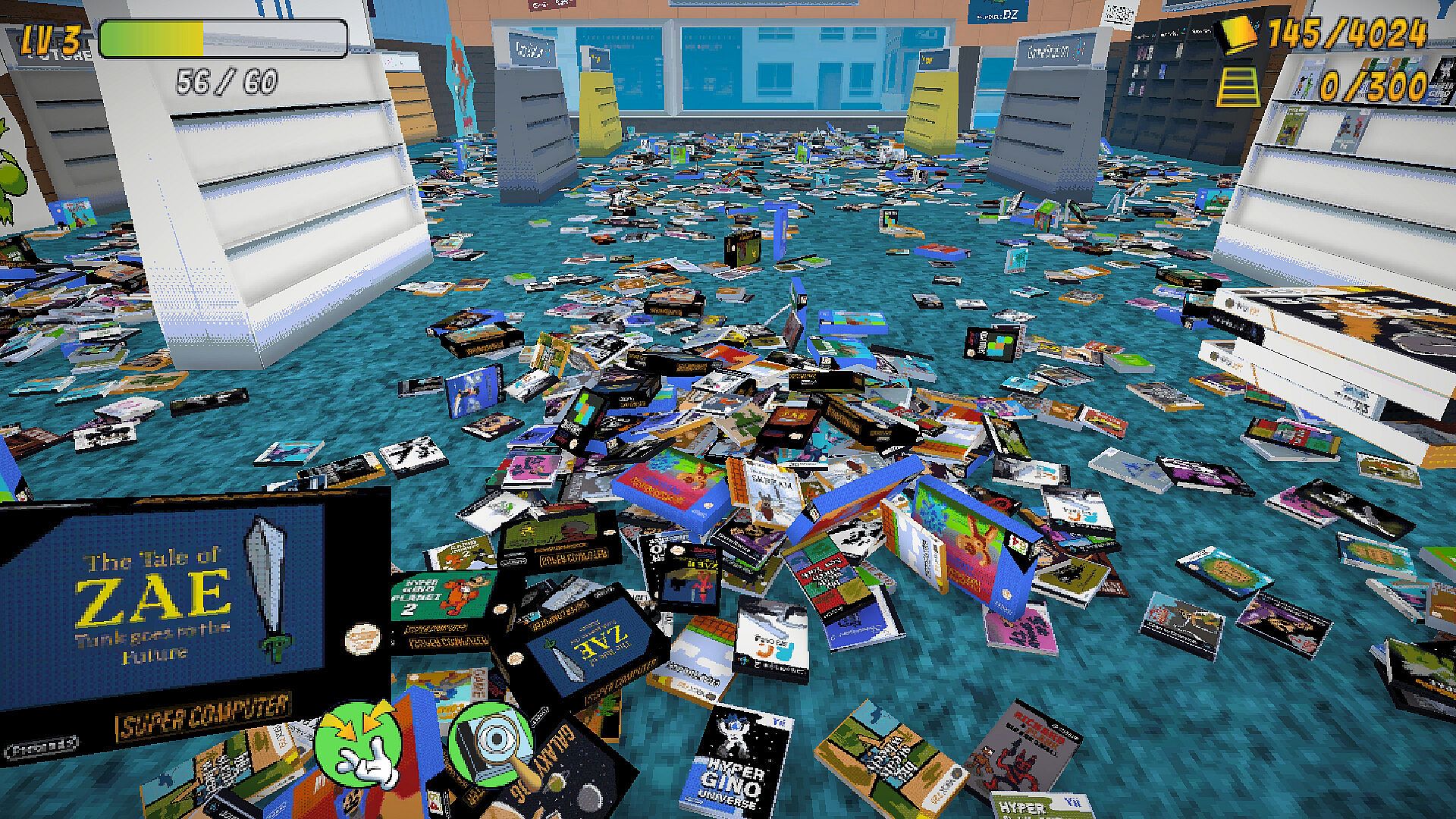
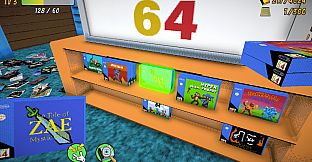
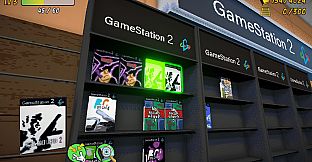
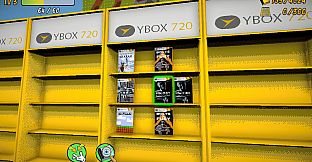
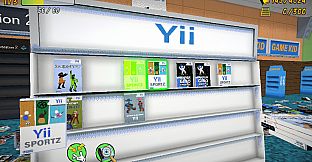
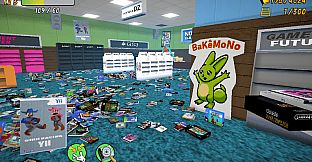
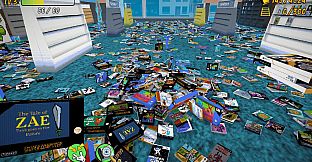
The core loop involves moving through the store to collect individual game boxes from the floor and shelves. Each box must be matched to its correct category and placed on the appropriate shelf. The store begins in complete disarray with boxes everywhere, and steady sorting gradually reveals organized sections that reflect different console eras. Parodies of well-known games appear throughout the collection, encouraging players to recognize references to classics from systems like Pretendo Yii, GameStation, and YBox 720 while handling over 4000 individual items. As sorting continues, the environment visibly improves, with shelves filling out and the overall space becoming more inviting.
Experience gained from accurate placements unlocks abilities that improve efficiency. These include faster movement across the store floor and better detection of misplaced boxes. The progression system rewards consistent play by making larger clean-up tasks more manageable over time. The focus remains on deliberate, repetitive actions that build toward a fully restored layout without timers or external pressures.
Game Modes
The game operates as a single-player simulation with no separate competitive or multiplayer options. All activity takes place in the main store environment, where the objective stays consistent: clear the floor and organize every box onto its designated shelf. Progression happens through repeated sessions that unlock new tools and expand the organized areas. The structure encourages extended play sessions focused on methodical sorting rather than varied rulesets or alternate scenarios.
Key Features and Progression
More than 300 unique parody boxes draw from three decades of console history, blending recognizable elements with humorous twists. Players encounter titles spanning multiple generations, from early handheld systems to later home consoles, all presented in a cohesive store setting. Skill unlocks provide tangible improvements that speed up the process, such as enhanced movement and improved item location. The transformation of the store serves as the main visual reward, with each correctly placed box contributing to a more polished and complete retail space.
The simulation emphasizes cozy, low-stakes organization. There are no combat elements, resource management beyond placement, or story branches. Instead, the appeal lies in the steady accumulation of sorted items and the gradual reveal of a neat, nostalgic collection on the shelves.
Is It Worth Playing?
This title suits players who enjoy casual organizing simulators and the meditative rhythm of sorting tasks. The large volume of items combined with skill-based progression creates a sense of steady advancement without requiring intense focus or quick reactions. Those drawn to retro game aesthetics and light puzzle elements in a relaxed setting will find the core loop engaging. Because the game is a straightforward single-player experience centered on one primary activity, it appeals most to fans of tidy-up mechanics who prefer depth through repetition and incremental improvements over multiple distinct modes or online features. Availability on PC makes it accessible for short or long sessions at any time.