






My Staff Are Dead! Paranormal Tycoon is a singleplayer strategy and simulation game that blends tycoon management with supernatural elements. Players inherit an estate burdened by bills and transform it into a profitable attraction by employing ghosts as staff while ensuring paying visitors never realize the paranormal truth behind the operations.
Gameplay
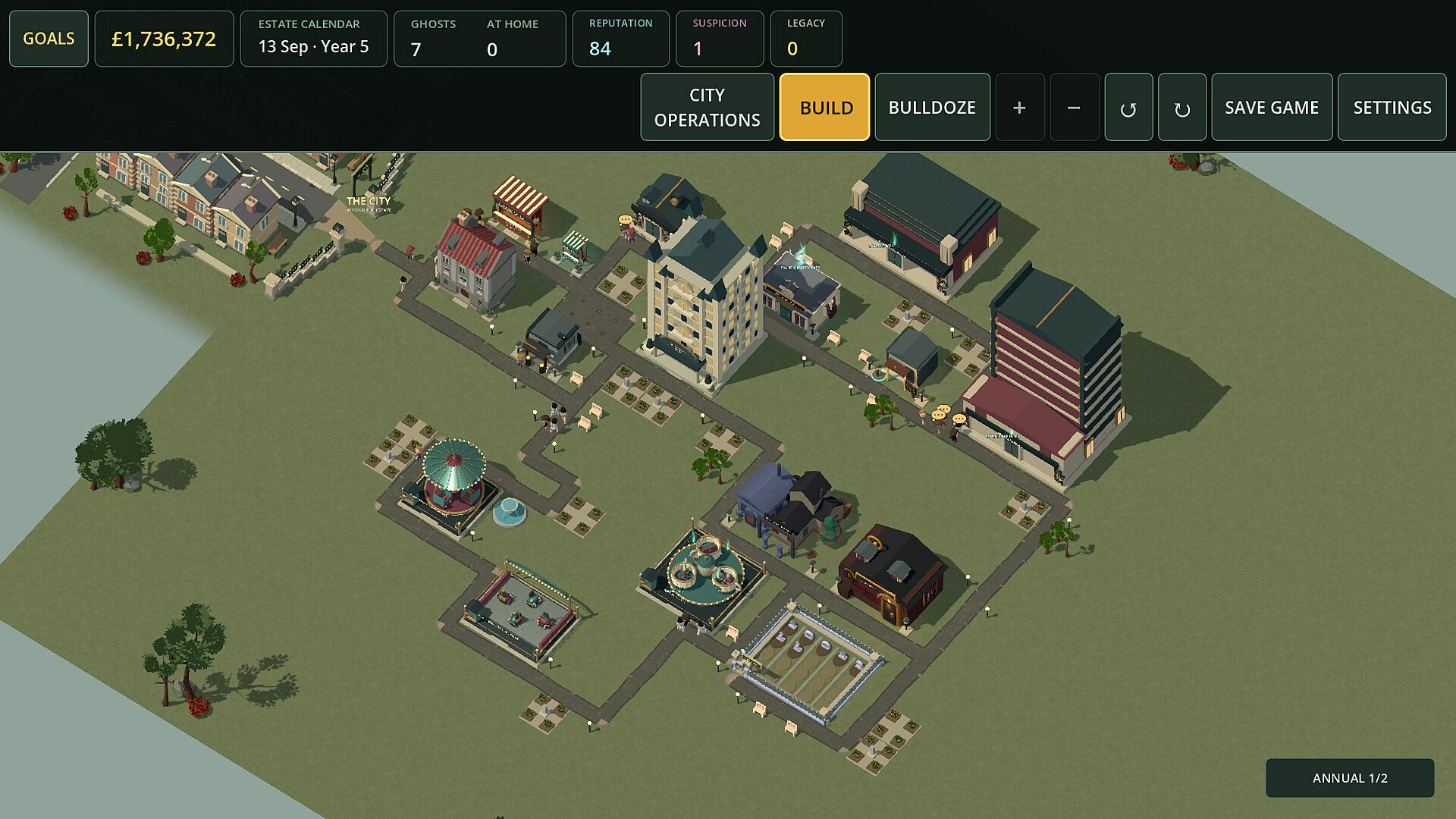
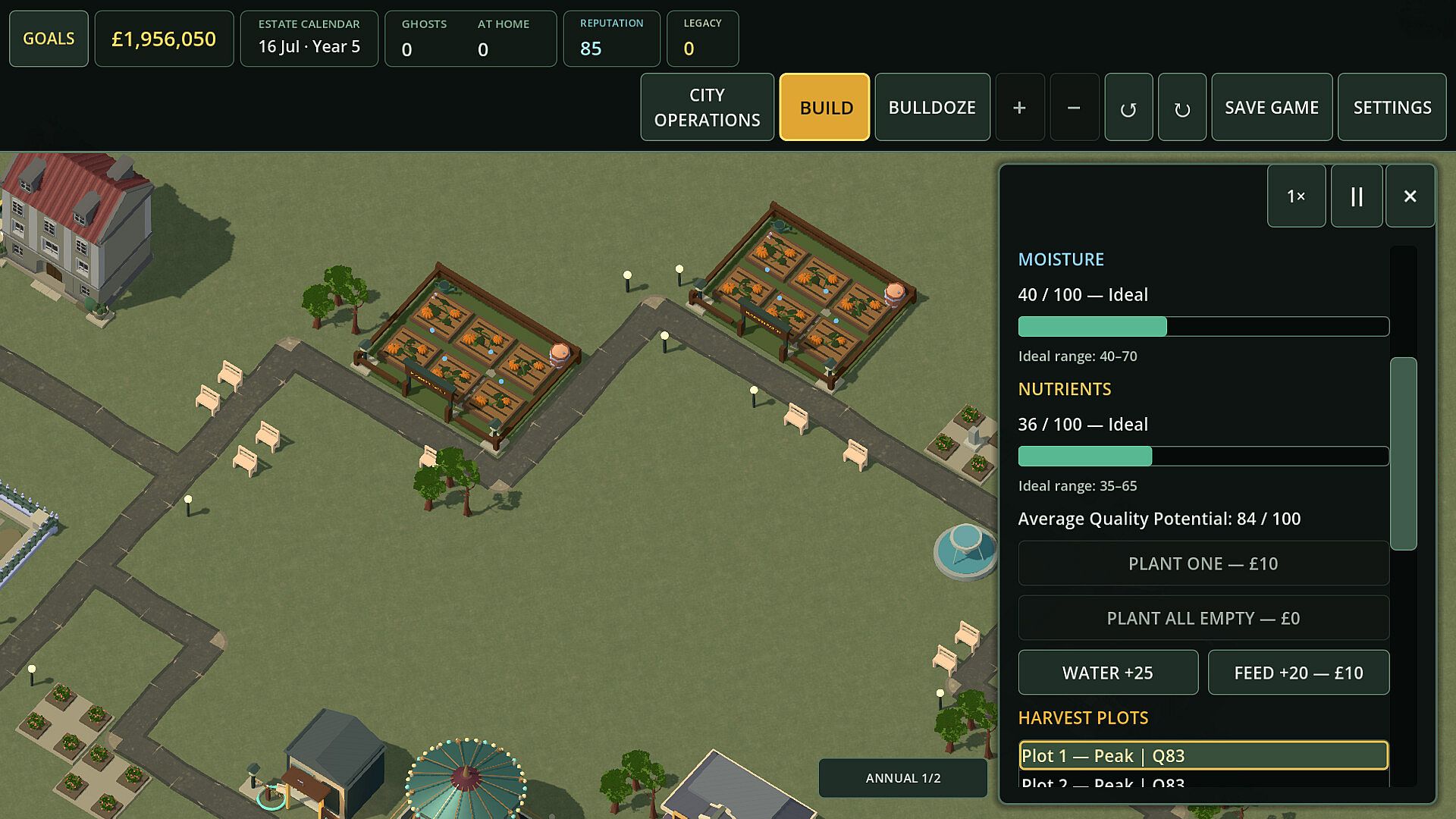
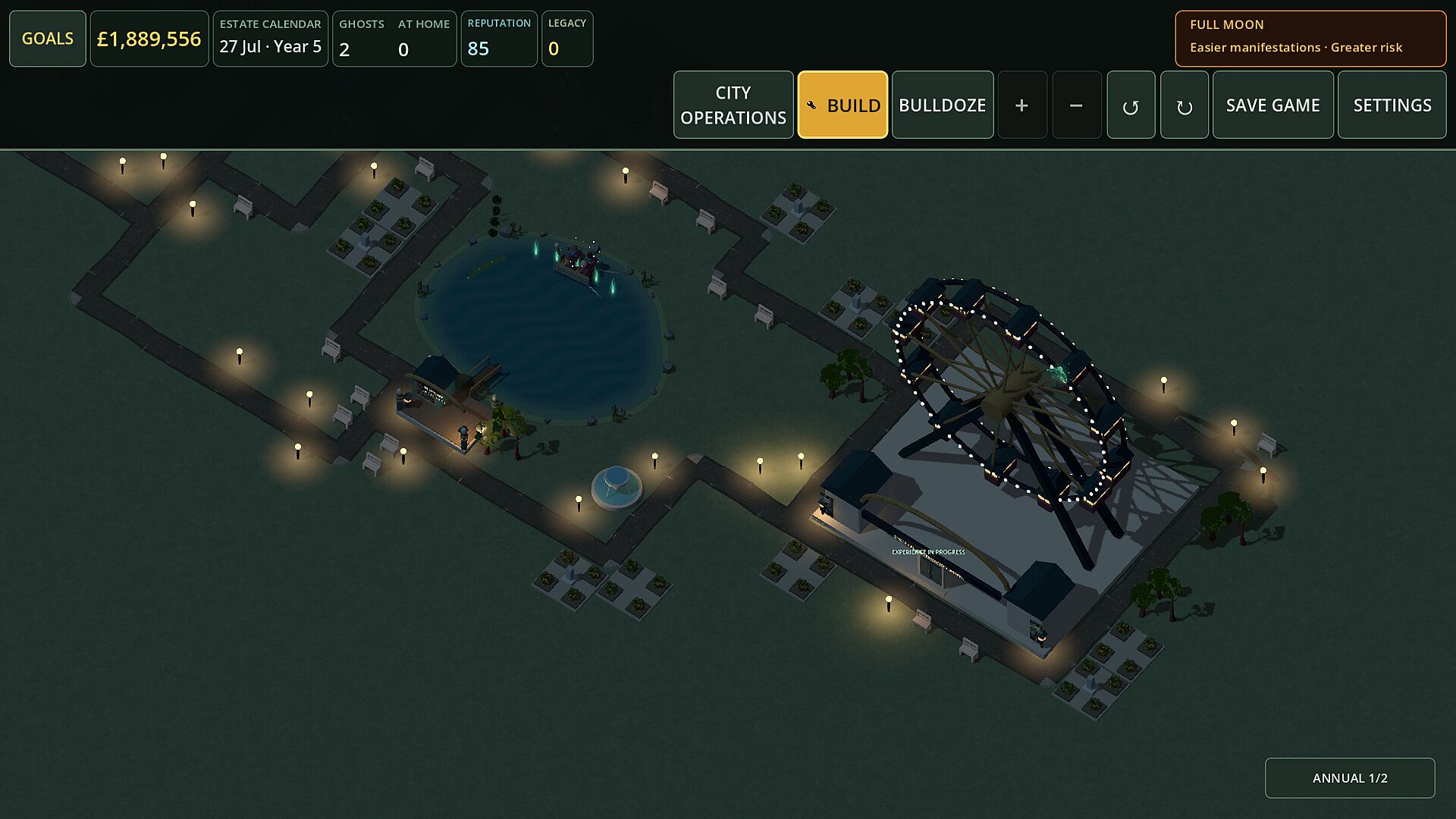
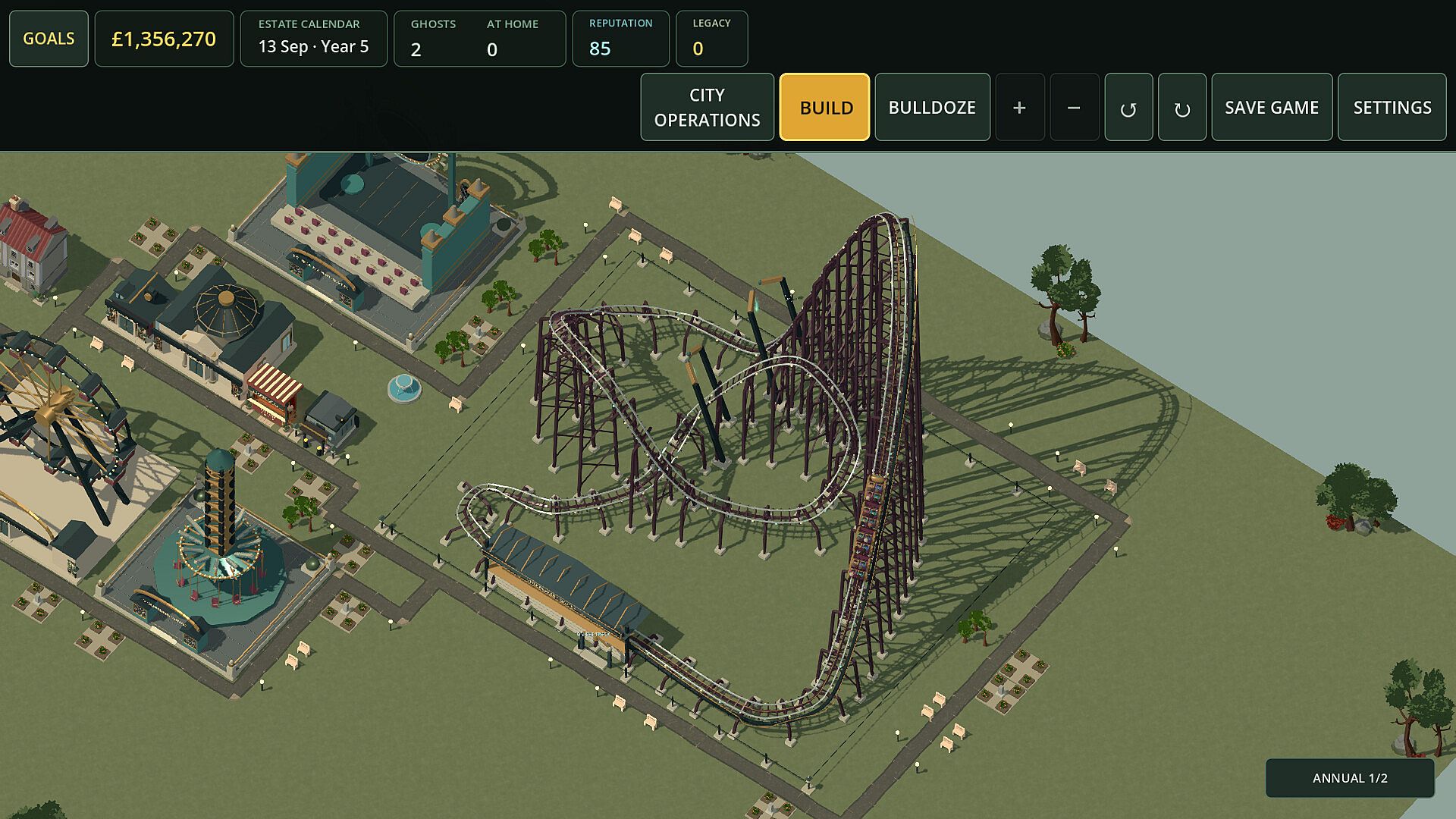
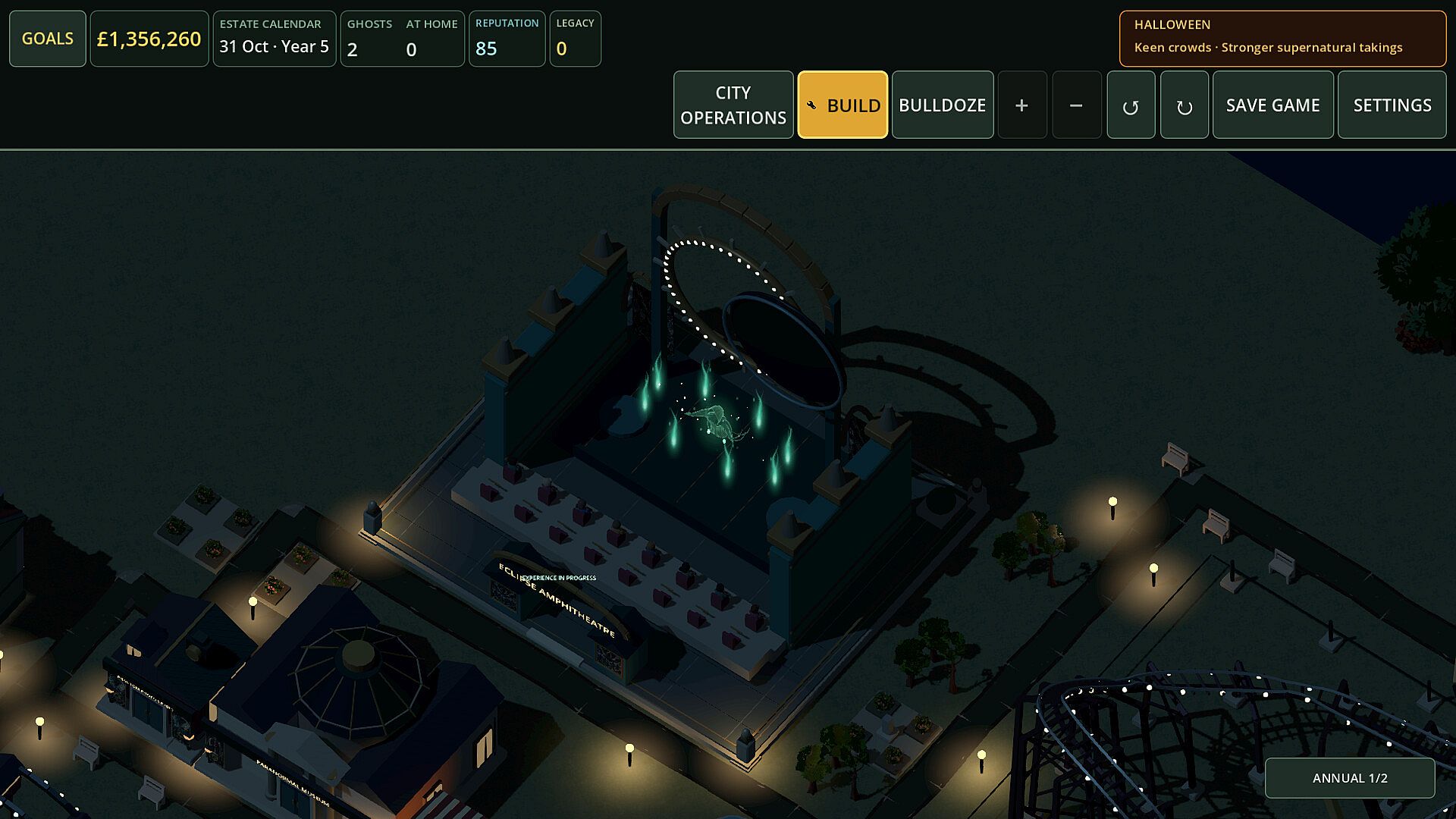
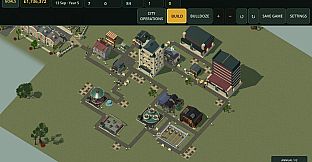
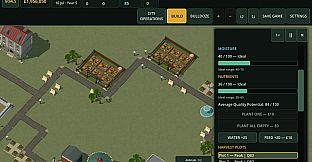
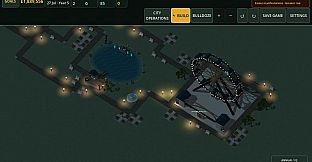
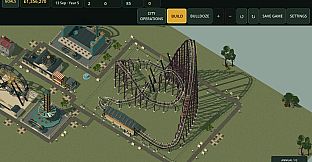
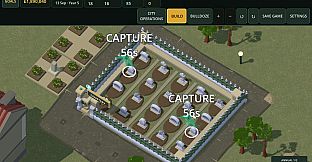
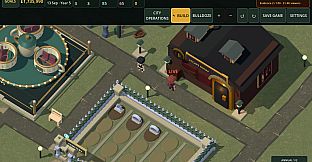
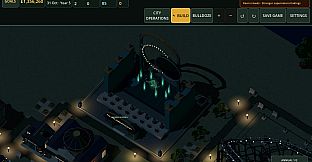
The core loop centers on estate development and resource management. Players begin with basic cemetery operations on a quiet plot of land and expand by constructing paths, buildings, and attractions such as ghost photography studios, seances, haunted houses, and guided tours. Placement decisions affect both revenue and customer reactions, as certain structures can heighten fear levels among nearby visitors.
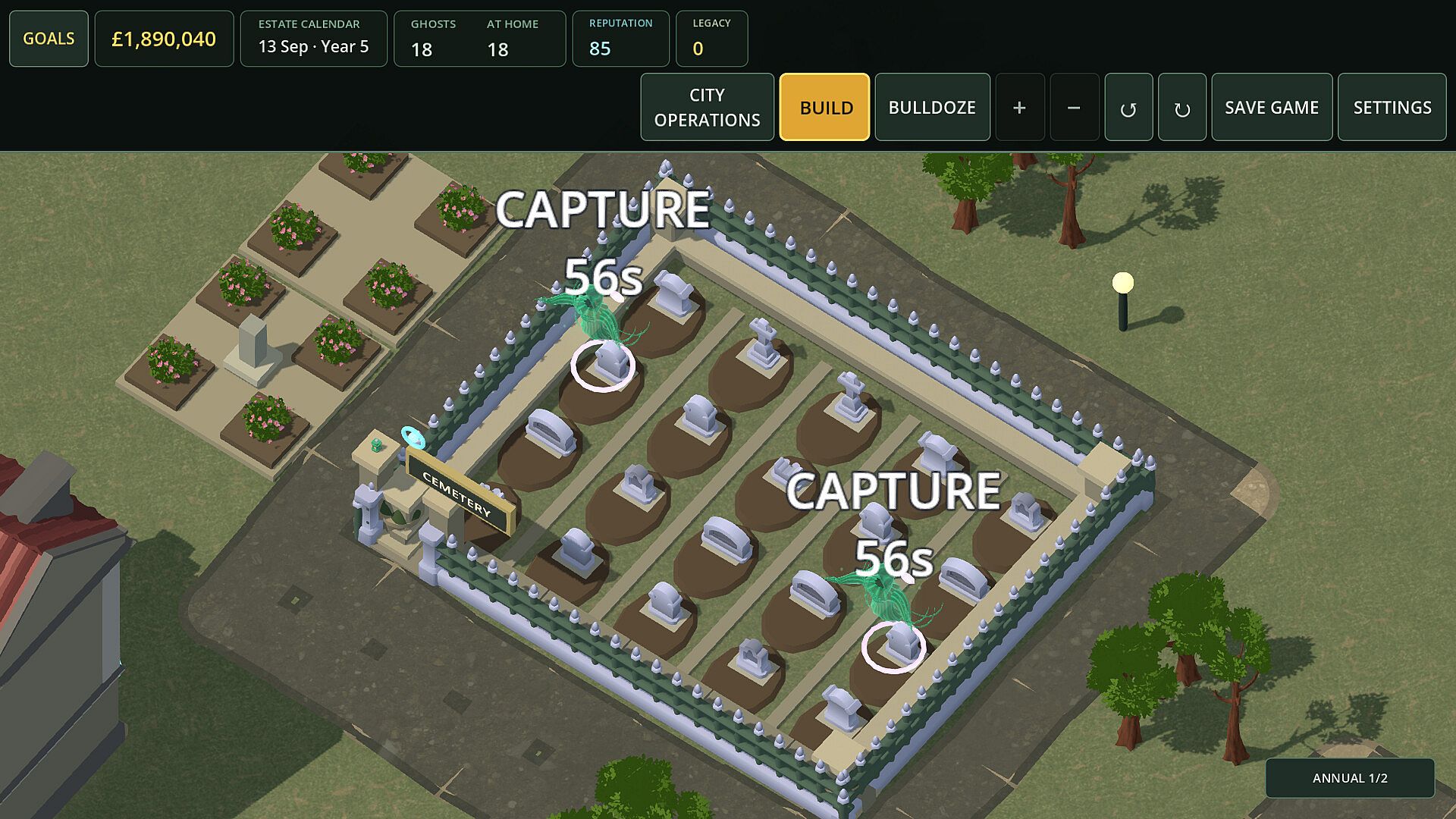
Staff management forms another key pillar. Ghosts appear as named individuals with distinct personalities and skills rather than generic units. Players train these spirits, assign them to suitable roles, and monitor their Spirit Energy levels to maintain productivity. Assignments evolve alongside business growth, requiring ongoing attention to prevent burnout even among the deceased.
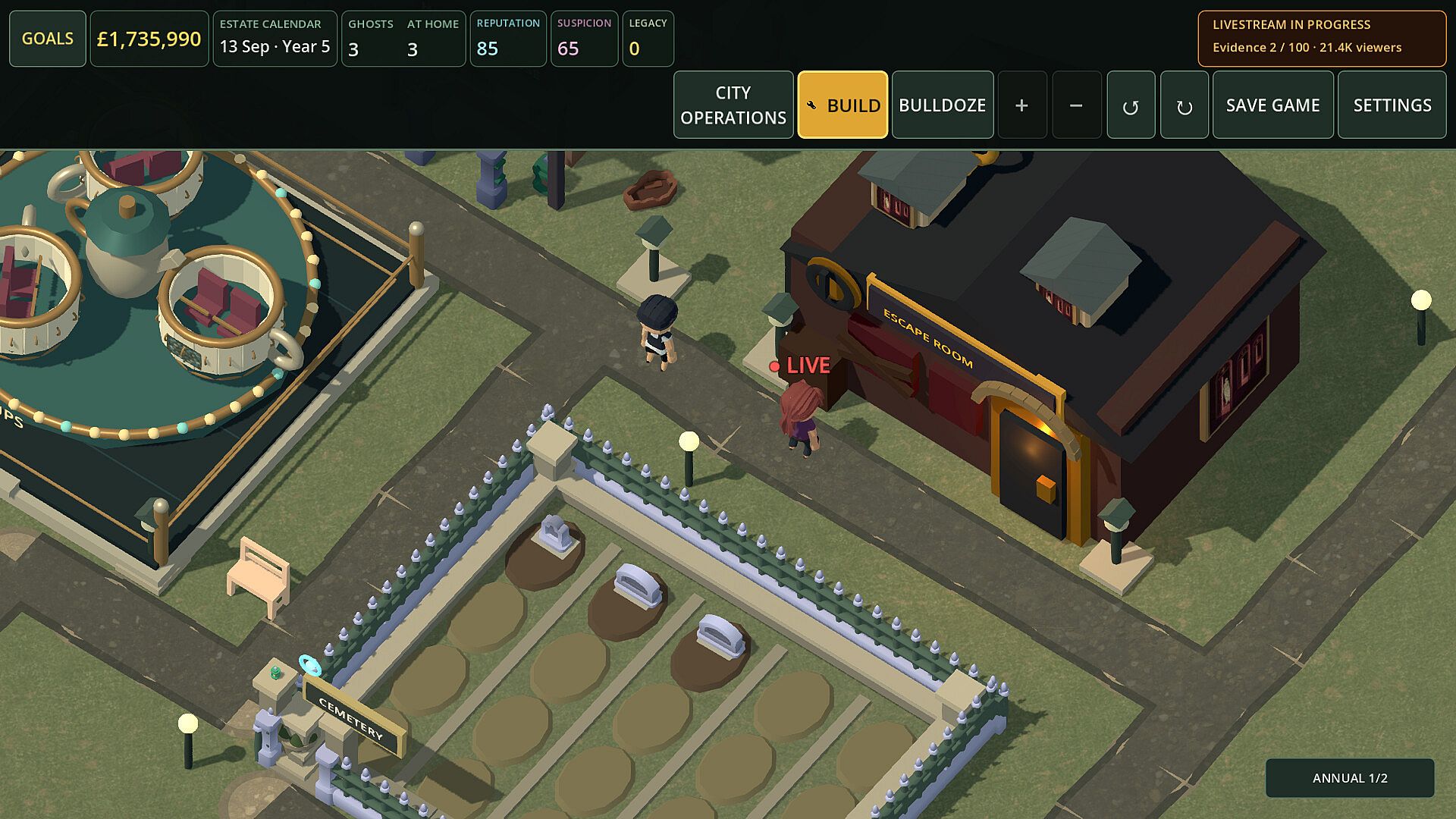
Reputation and suspicion operate as parallel systems. Public approval grows through entertaining experiences that visitors dismiss as clever effects, yet excessive supernatural incidents draw investigators. Balancing theatrical scares with operational secrecy keeps the enterprise viable without exposing its otherworldly workforce.
Additional layers include helping individual ghosts resolve unfinished business. Allowing a valued spirit to move on removes an employee but grants a lasting legacy benefit to remaining staff. Annual cycles introduce taxes, upkeep costs, and challenges that test long-term sustainability beyond the initial decade of operation.
Game Modes
The game functions as a continuous singleplayer management experience without separate named modes. Progression unfolds across yearly cycles where success is measured by year-end cash reserves rather than total lifetime earnings. Players aim to sustain the estate past year ten while pursuing higher closing balances each period.
Core activities remain consistent throughout: land expansion, attraction construction, ghost hiring and training, and customer experience curation. No distinct campaign, sandbox, or challenge variants appear in available descriptions, keeping focus on the unified tycoon loop of building, staffing, and concealing the paranormal elements.
Core Mechanics and Progression
Building an estate starts small and scales through deliberate choices about what to construct and where. A profitable cemetery might deter customers if placed poorly, so spatial planning influences both income and suspicion levels. Ghost employees require individualized care, with training and energy management preventing long-term decline.
Visitor interactions emphasize showmanship. Guests pay for scares and spectacles provided the encounters feel staged rather than genuine. Rising attention opens new opportunities but risks external scrutiny that threatens the entire operation.
Long-term goals revolve around financial records and estate longevity. Each year closes with a cash tally that determines progress, encouraging efficient operations over raw accumulation. Helping ghosts achieve closure adds narrative depth without altering the primary management focus.
Is It Worth Playing?
This title suits players who enjoy detailed tycoon and simulation gameplay with a distinctive twist on staff and customer dynamics. The emphasis on named ghost employees, energy management, and dual reputation systems provides depth for those who appreciate careful planning and incremental expansion in a singleplayer setting.
Development remains active with a planned release targeted around Halloween, so availability depends on the final launch date. Fans of classic management titles will find familiar systems updated by the paranormal premise, where maintaining secrecy adds tension to everyday business decisions. The experience rewards thoughtful estate design and employee oversight without relying on multiplayer elements or seasonal content.











