


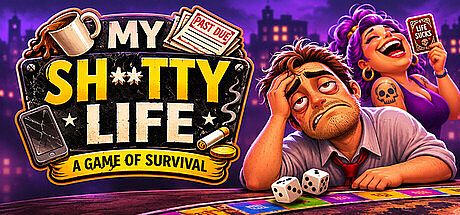



My Shitty Life is a strategy indie casual game that turns the grind of adult responsibilities into a competitive digital board game experience on PC. Players navigate a series of turns filled with dice rolls, paycheck collection, and constant financial pressure while trying to outlast opponents in a setting where bankruptcy looms for everyone eventually.
Gameplay
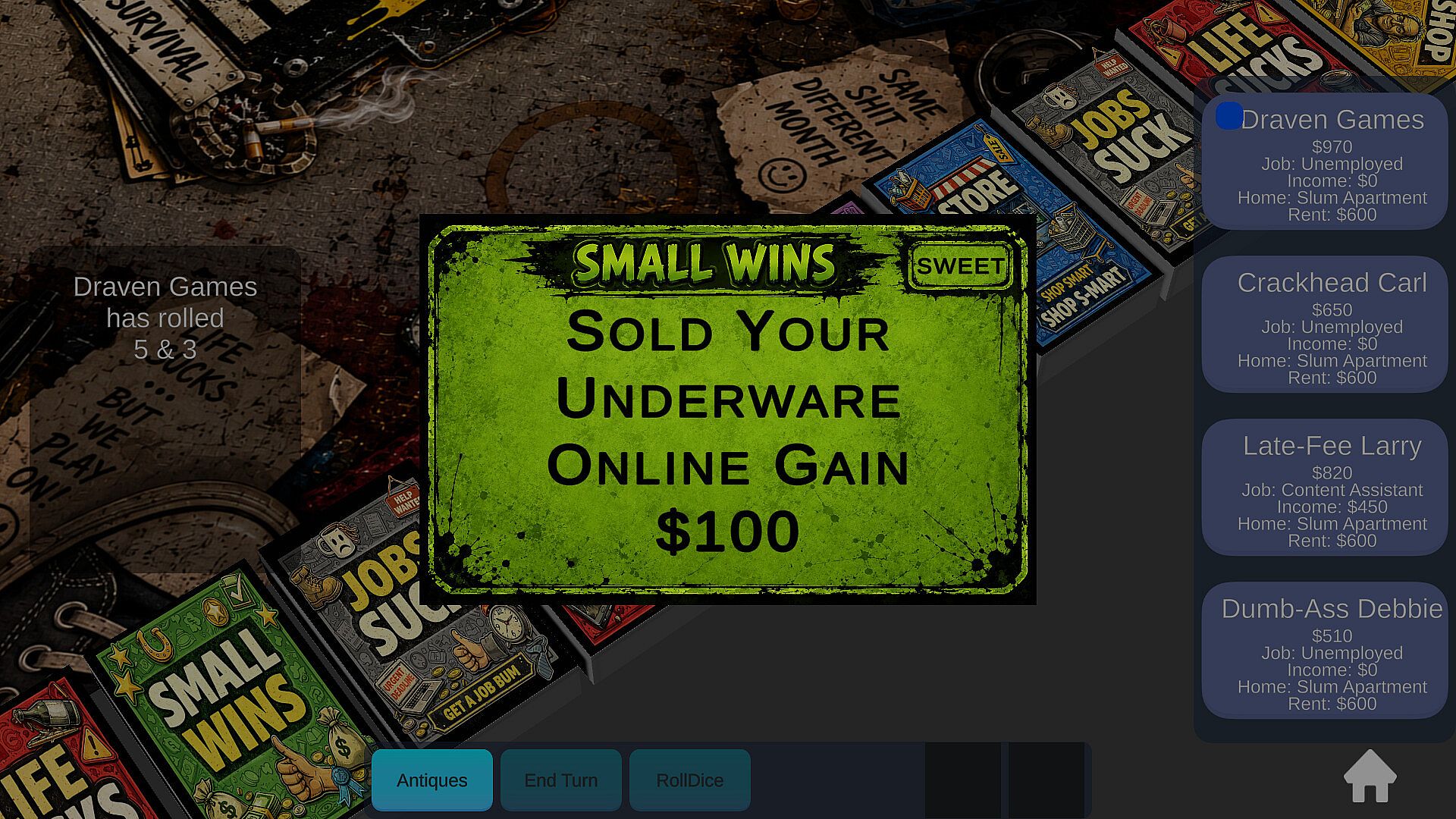
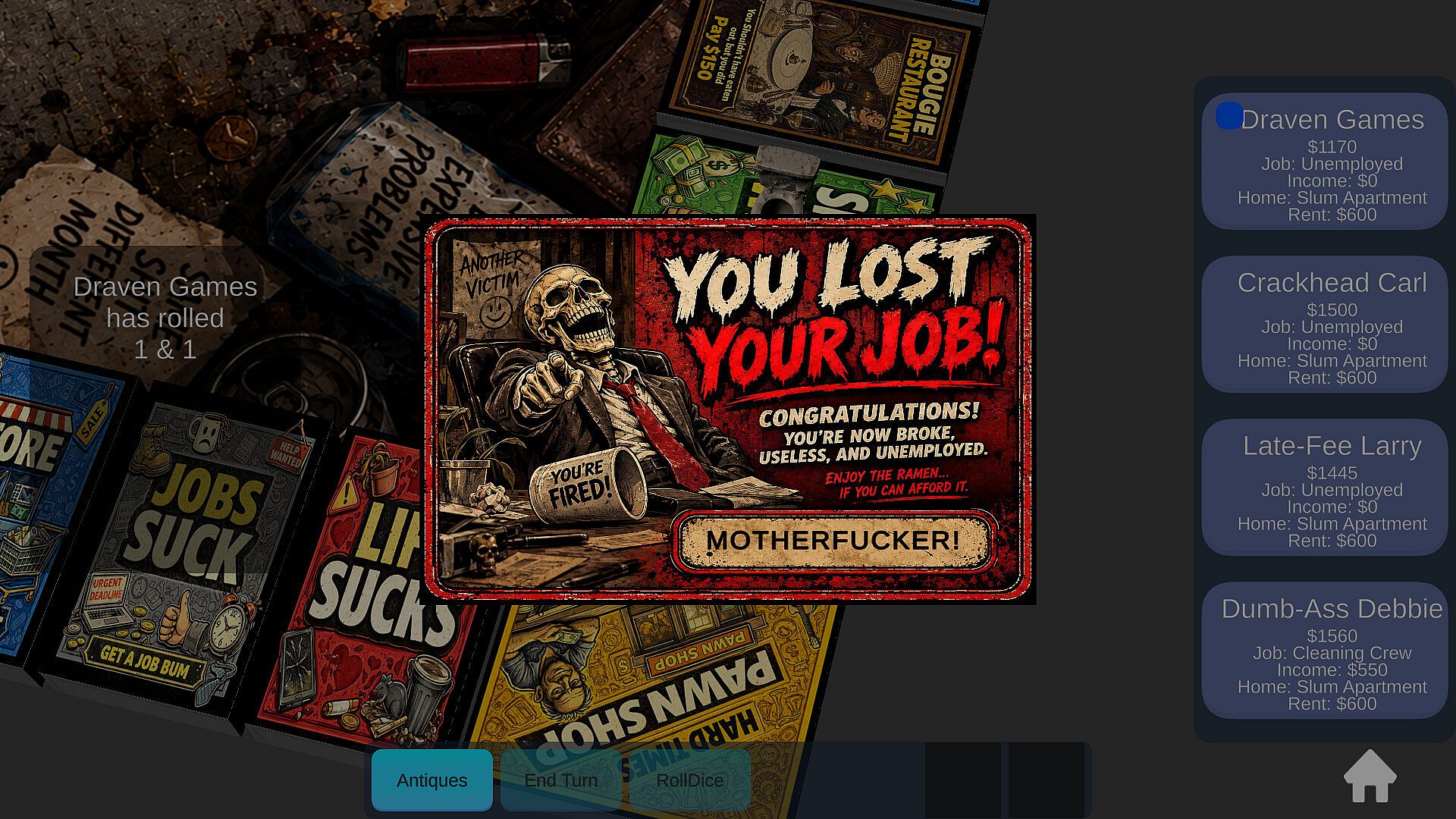
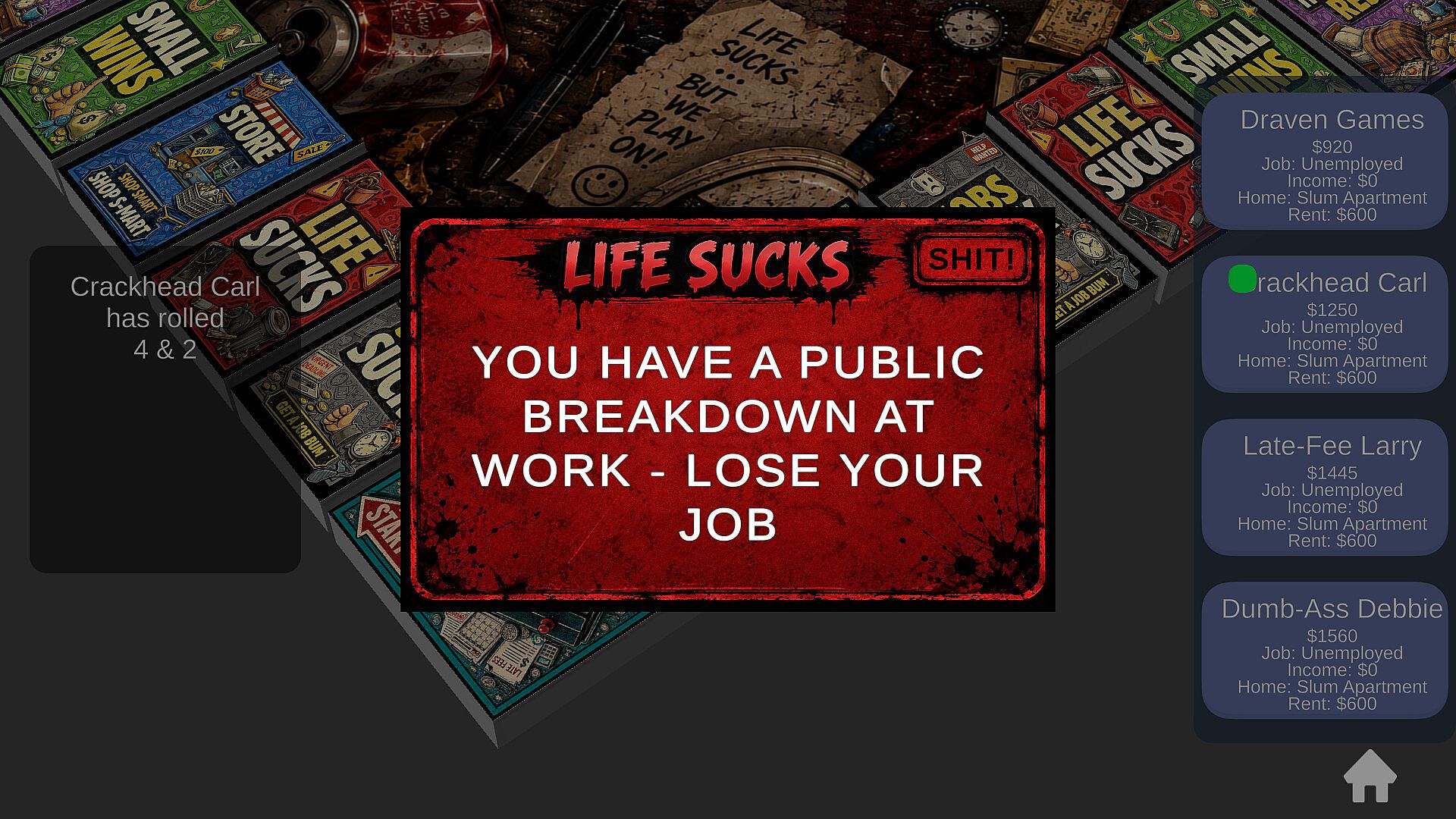
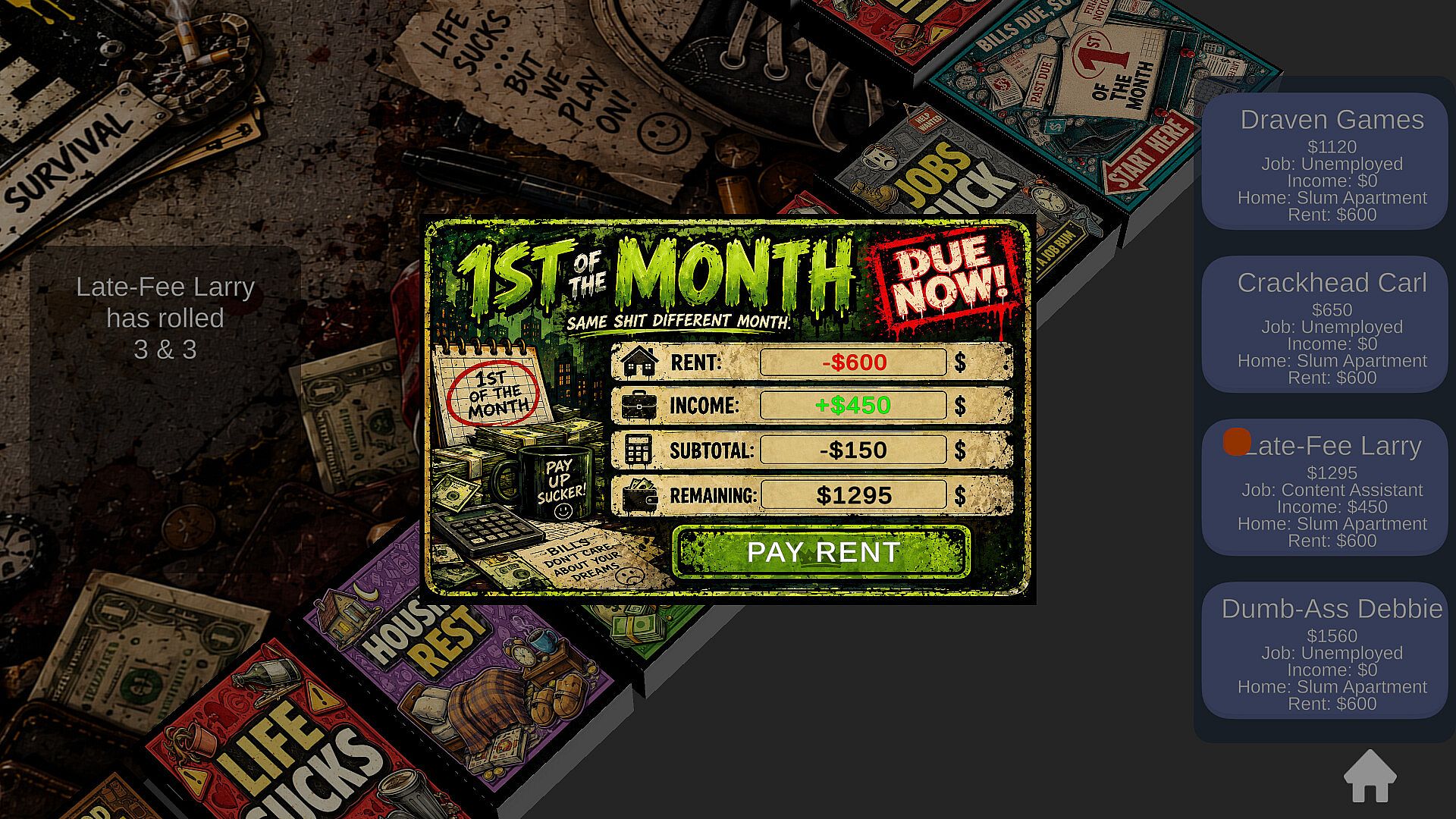
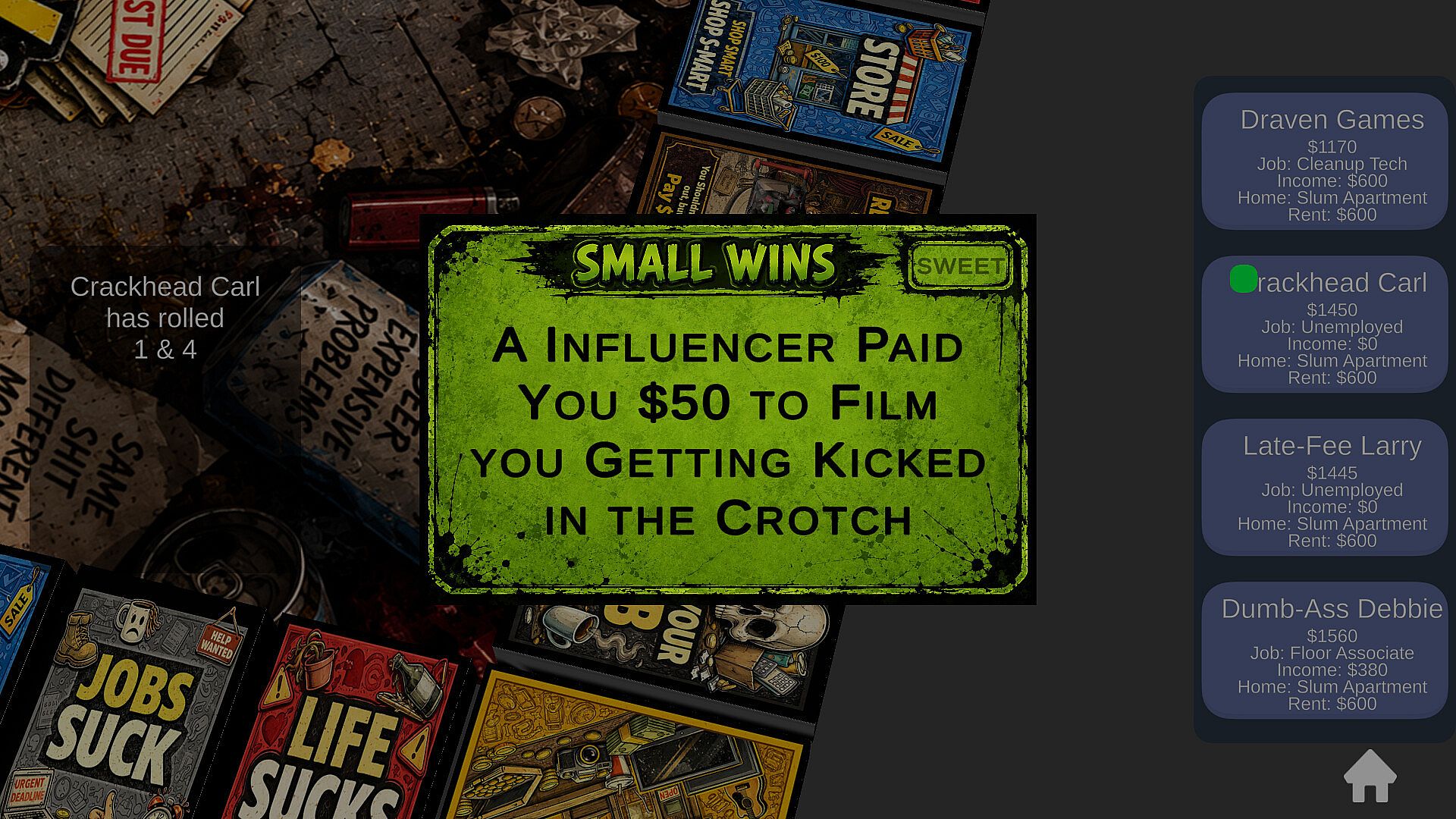
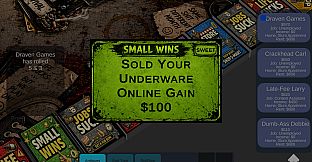
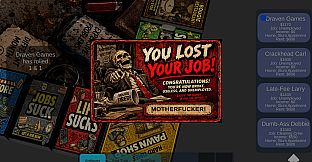
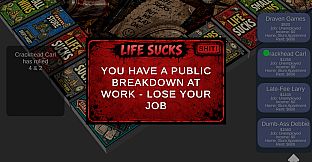
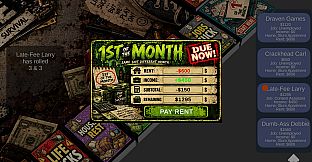
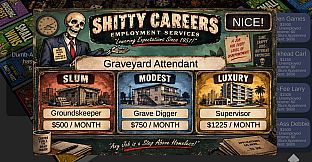
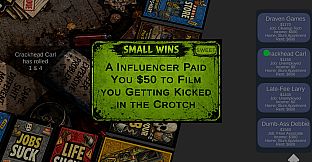
The core loop centers on rolling dice to advance around the board, landing on spaces that trigger events or opportunities. Collecting a paycheck provides the main income source, but expenses like rent and unexpected costs quickly erode any gains. Life Sucks cards introduce disasters that can wipe out savings, end employment, or create new problems, while Small Win cards offer temporary relief that rarely lasts long. Jobs Suck cards add further complications tied to employment.
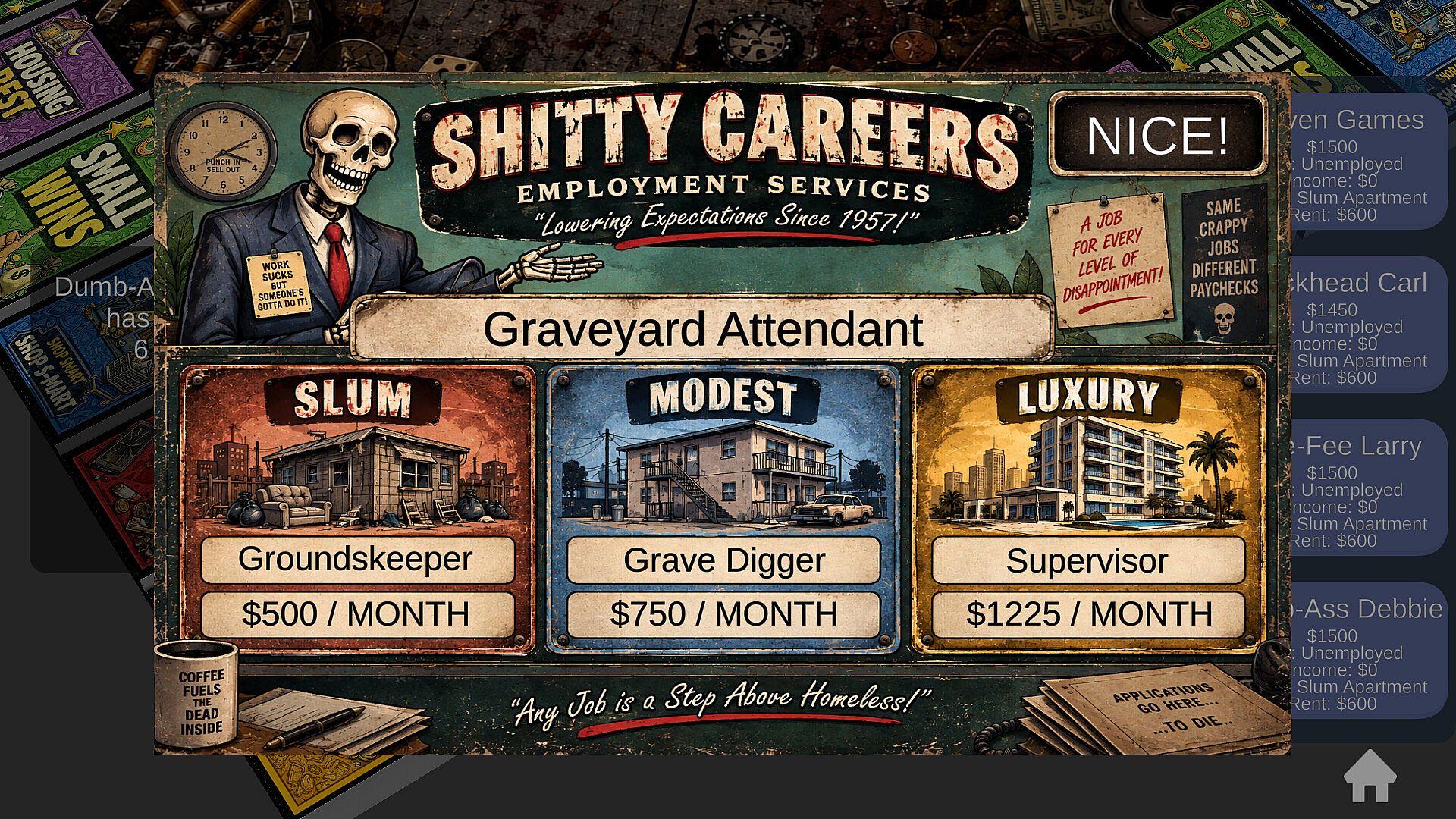
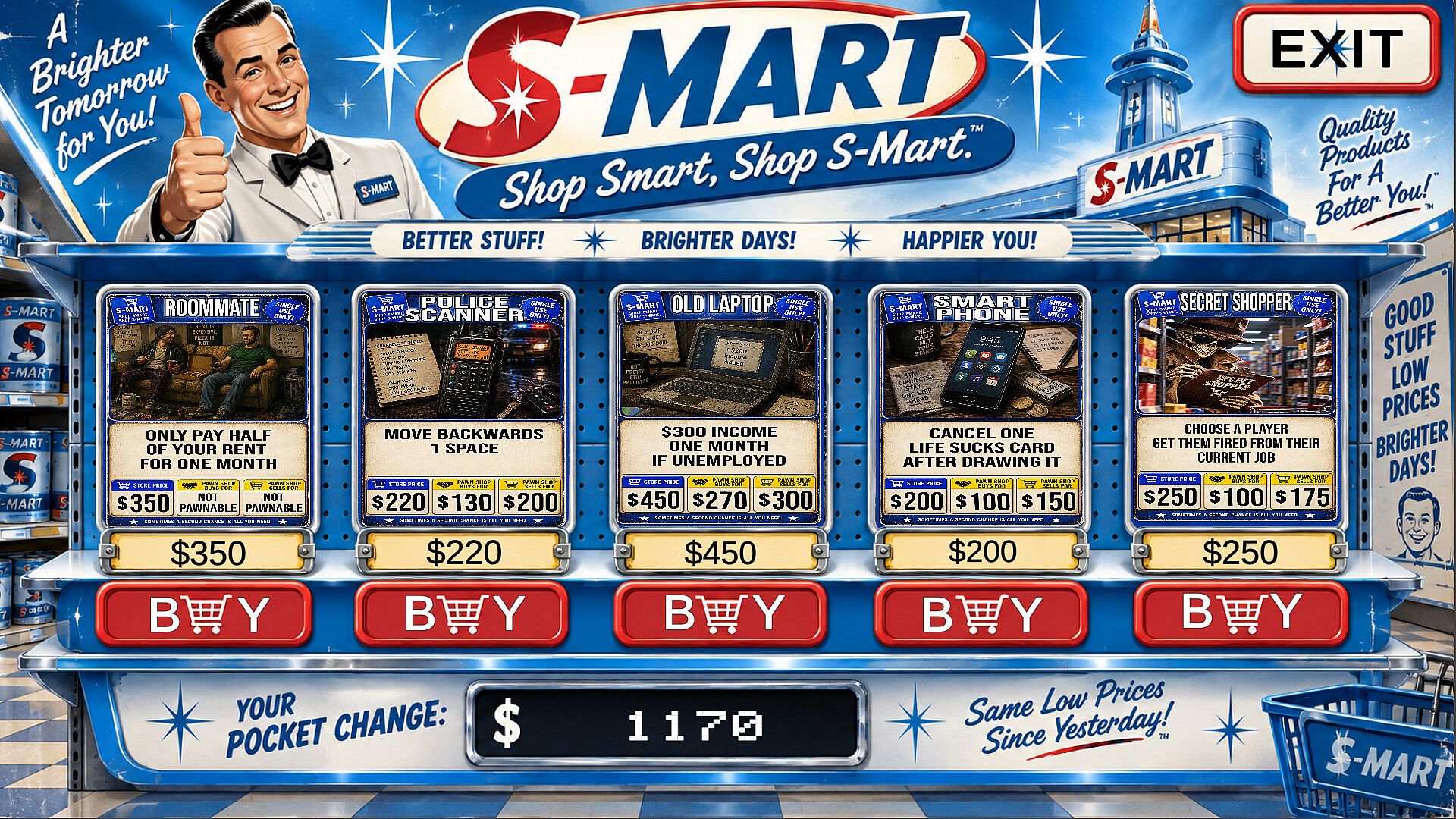
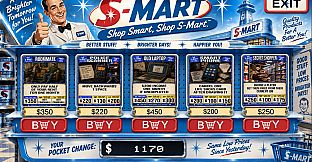
Shopping at S-Mart lets players buy items that either protect their position or hinder others. When cash runs low, Hard Times Pawn offers a way to sell possessions for quick funds. Upgrading to better apartments increases inventory space and provides minor advantages, though the three housing tiers each come with trade-offs in benefits and storage limits. Strategic use of items allows players to sabotage rivals or mitigate their own setbacks during the session.
The Financial Death Spiral activates when bills cannot be paid. This forces a sequence of downgrades, pawning remaining items, and desperate measures until no options remain. Once a player reaches this point, they exit the game, leaving others to continue until only one remains solvent.
Game Modes
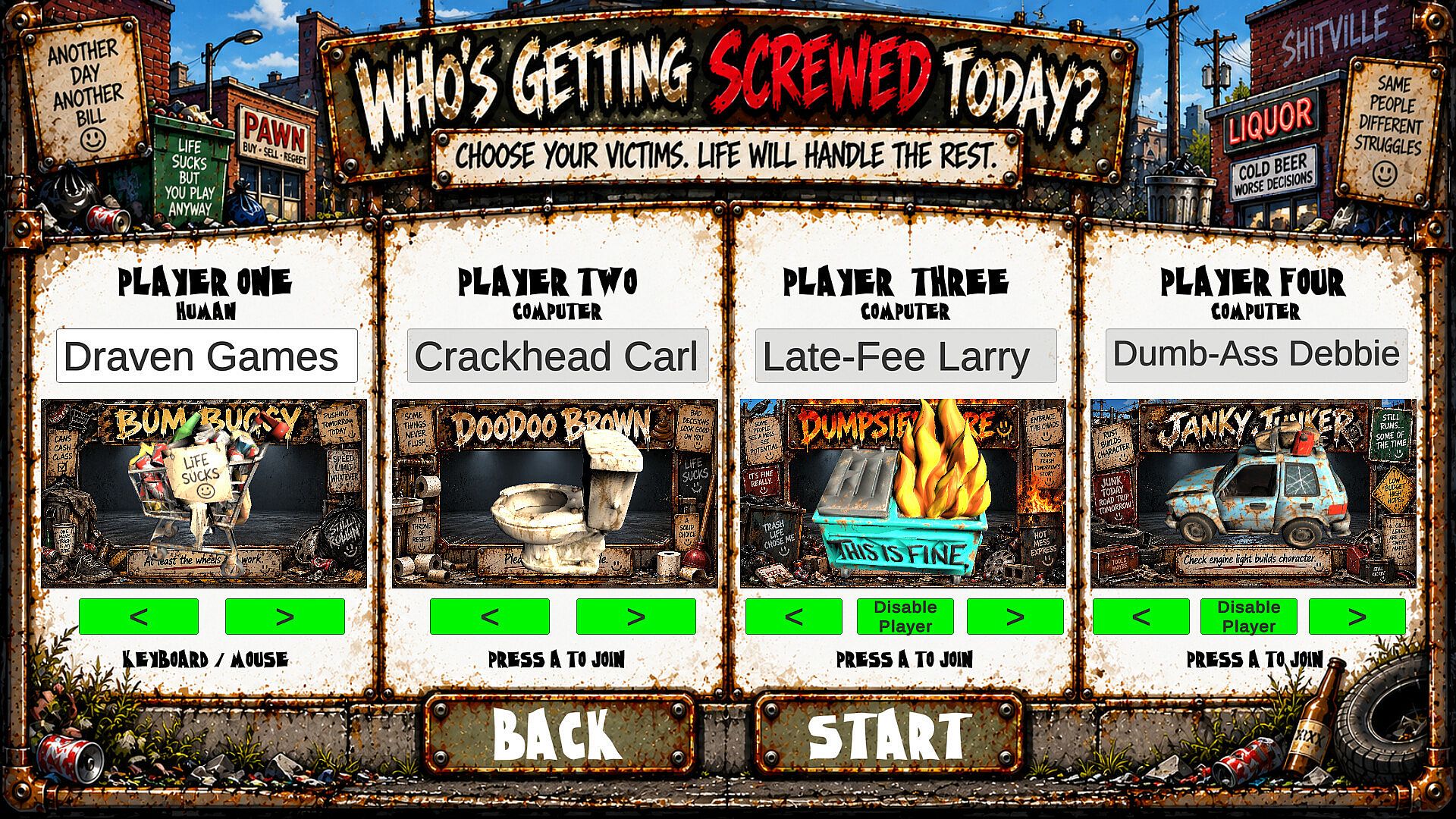
Single-player sessions pit one human against computer-controlled opponents that follow the same rules and card draws. Matches emphasize managing personal finances while watching AI behavior for patterns that might create openings to interfere.
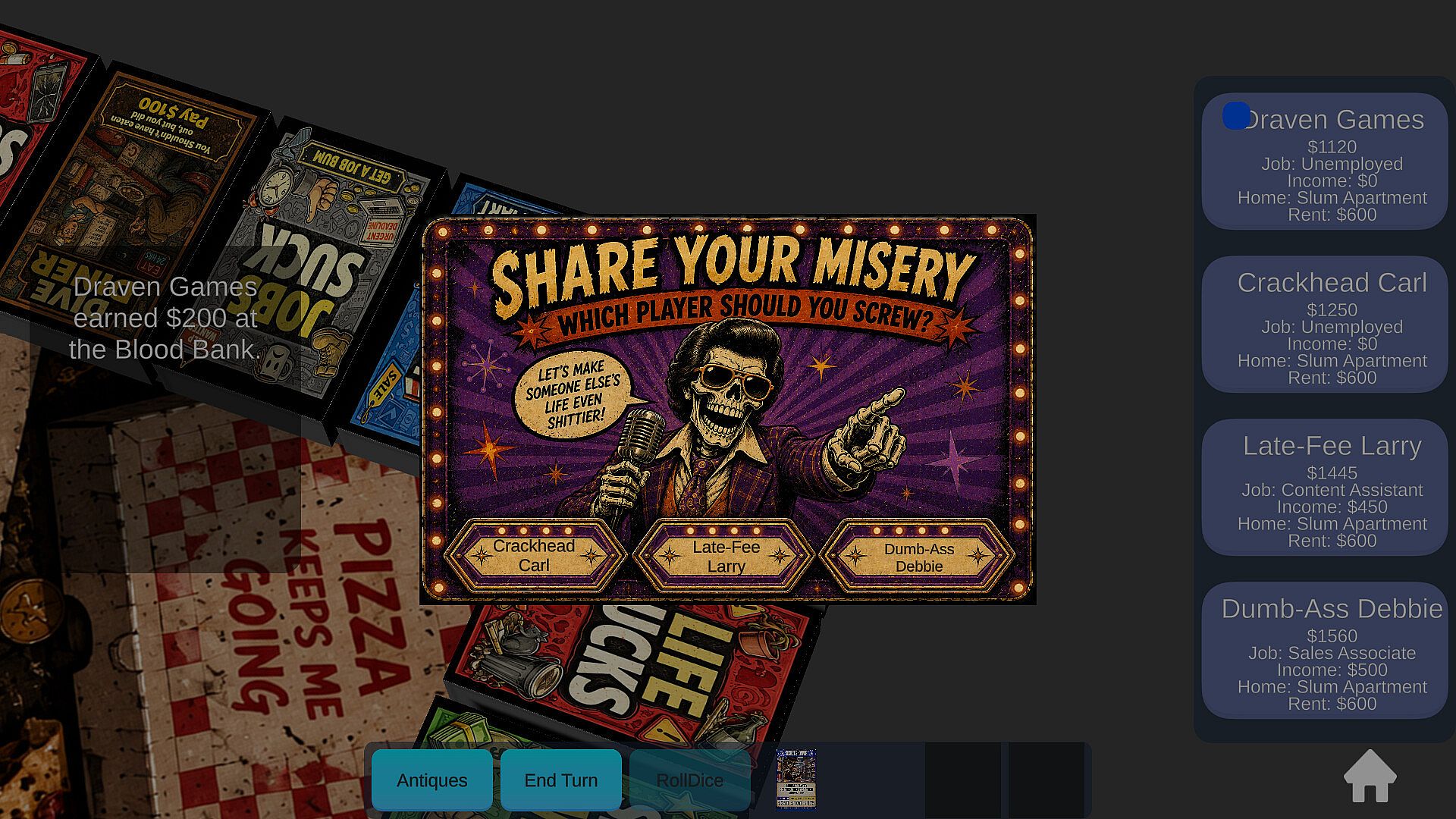
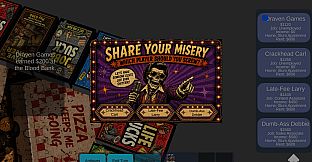
Local multiplayer supports up to four players sharing the same setup. Each participant manages their own finances and items independently, with opportunities to target others through purchases or card effects. Steam Remote Play Together extends this to remote friends without requiring additional local hardware beyond one copy of the game.
Key Mechanics and Features
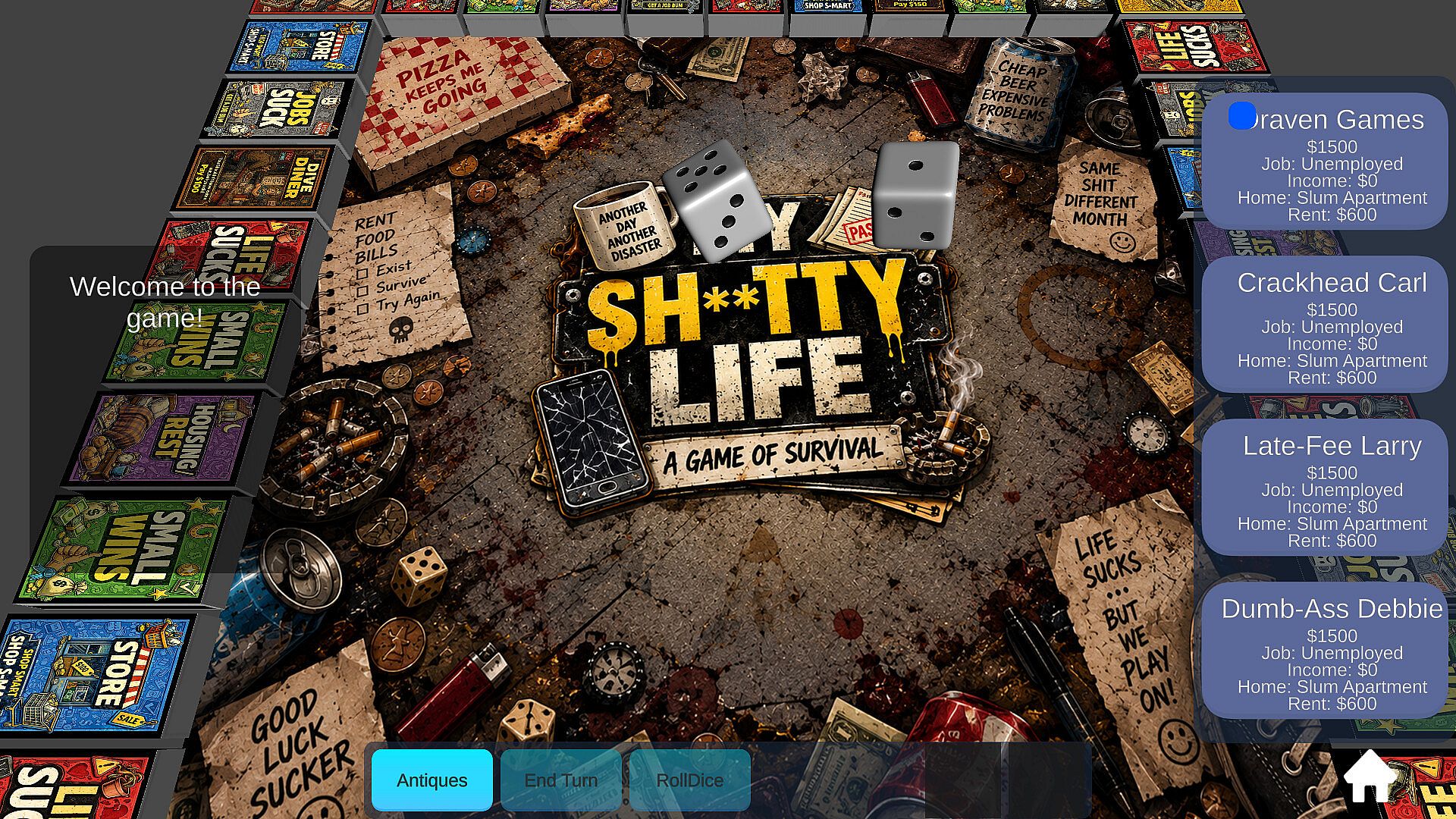
The presentation uses a fully realized 3D board that displays all player positions, cards, and housing states clearly. Dark humor runs through the card text and event descriptions, highlighting the absurd frustrations of everyday financial survival. Dozens of unique Life Sucks, Small Wins, and Jobs Suck cards ensure variety across repeated plays, while the housing system and shopping options add layers of decision-making beyond simple movement.
Inventory management becomes relevant once players acquire items from S-Mart or retain valuables before pawning. Different housing tiers influence how many items can be held at once, encouraging timely upgrades or careful spending. The overall design keeps sessions focused on short-term survival tactics rather than long campaigns.
Is It Worth Playing?
My Shitty Life suits players who enjoy competitive board games with a heavy emphasis on luck mitigation through item use and opponent interference. The mix of single-player AI matches and local or remote multiplayer makes it accessible for both solo sessions and group play. Those drawn to dark humor and the satisfaction of watching rivals enter the Financial Death Spiral first will find the mechanics rewarding. The game delivers consistent tension through its card system and downgrade spiral without requiring ongoing updates or additional content to remain engaging. If the premise of sabotaging friends while barely staying afloat appeals, the title provides a focused, repeatable experience centered on those exact interactions.












