






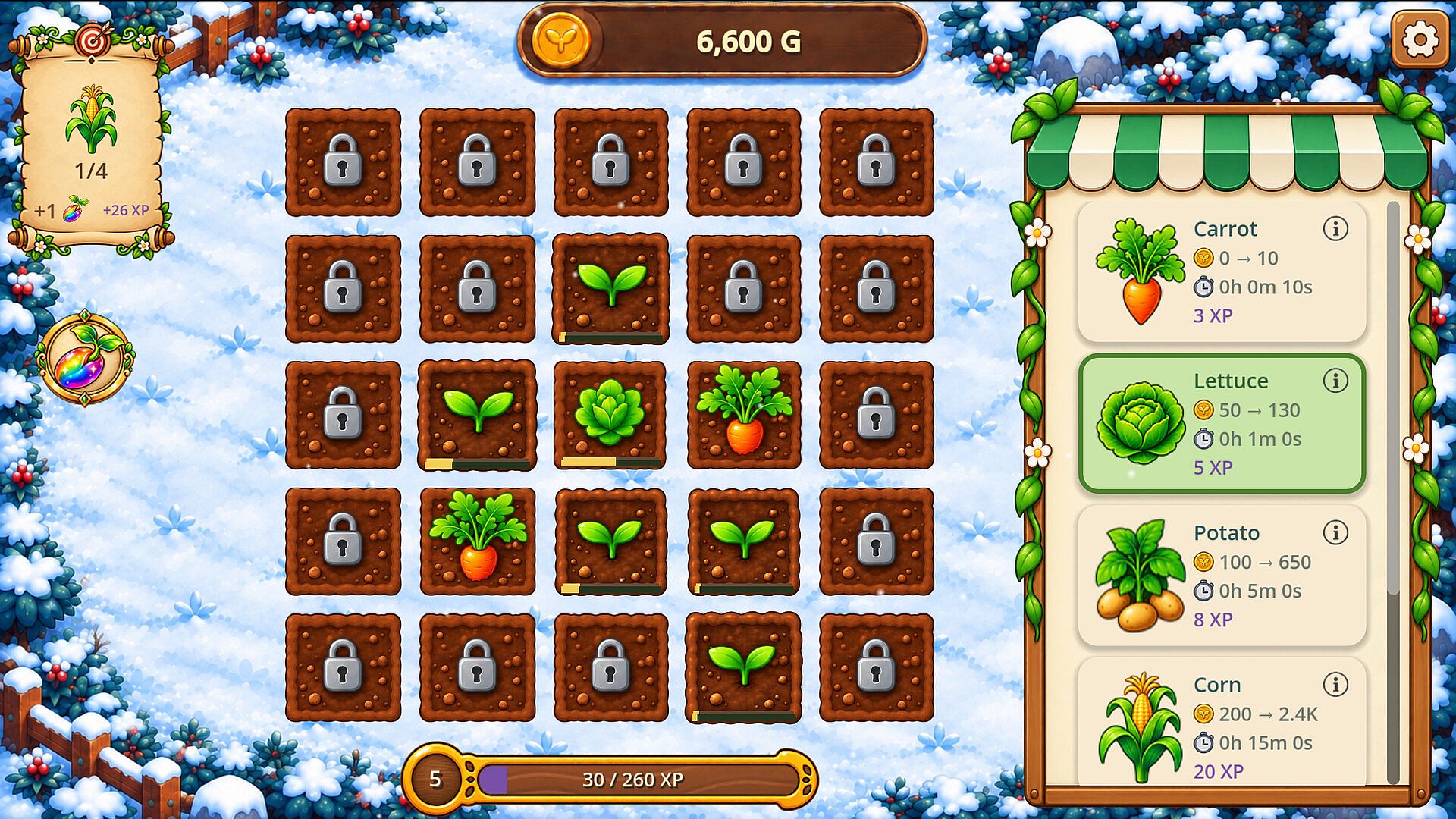
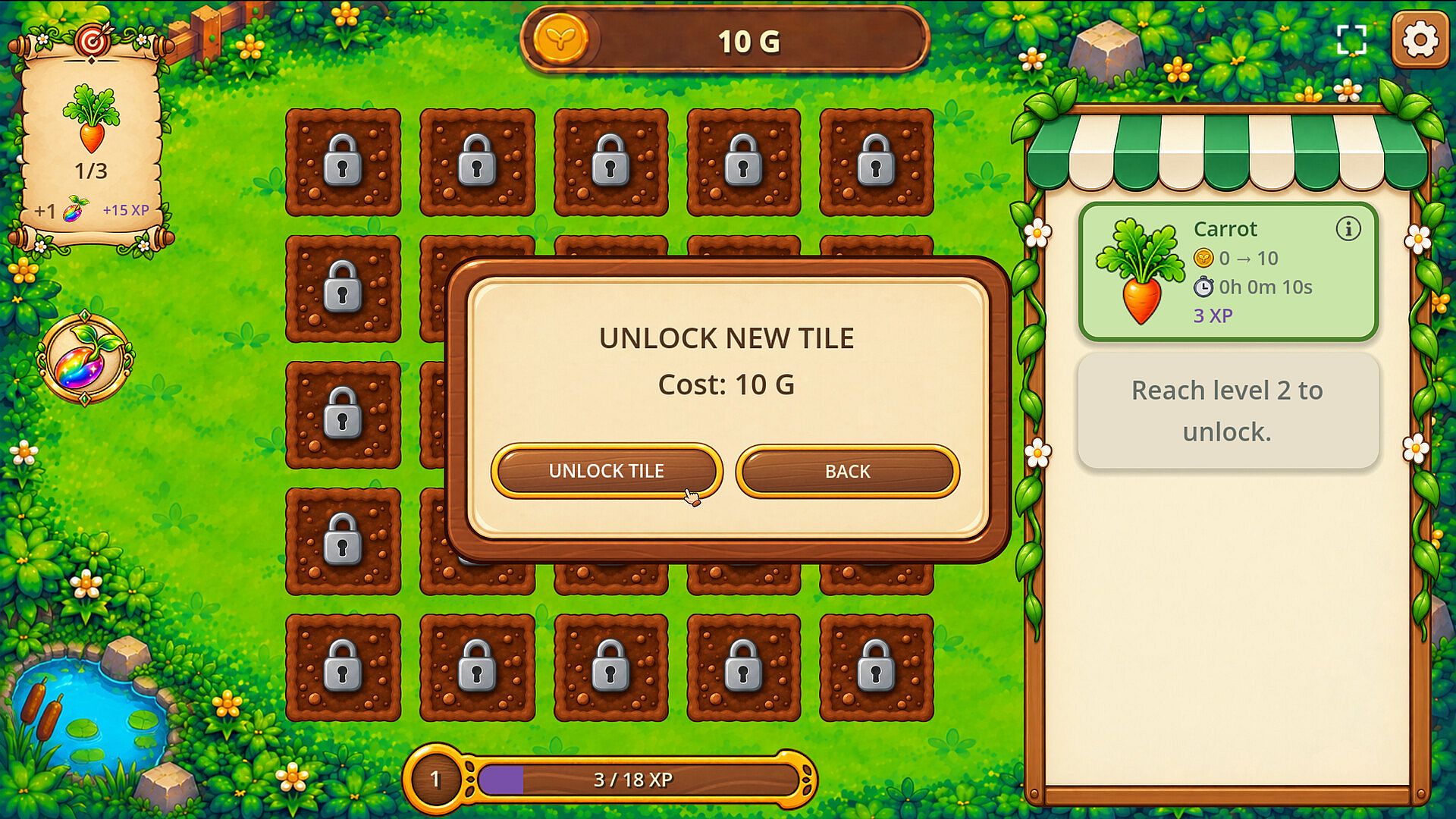
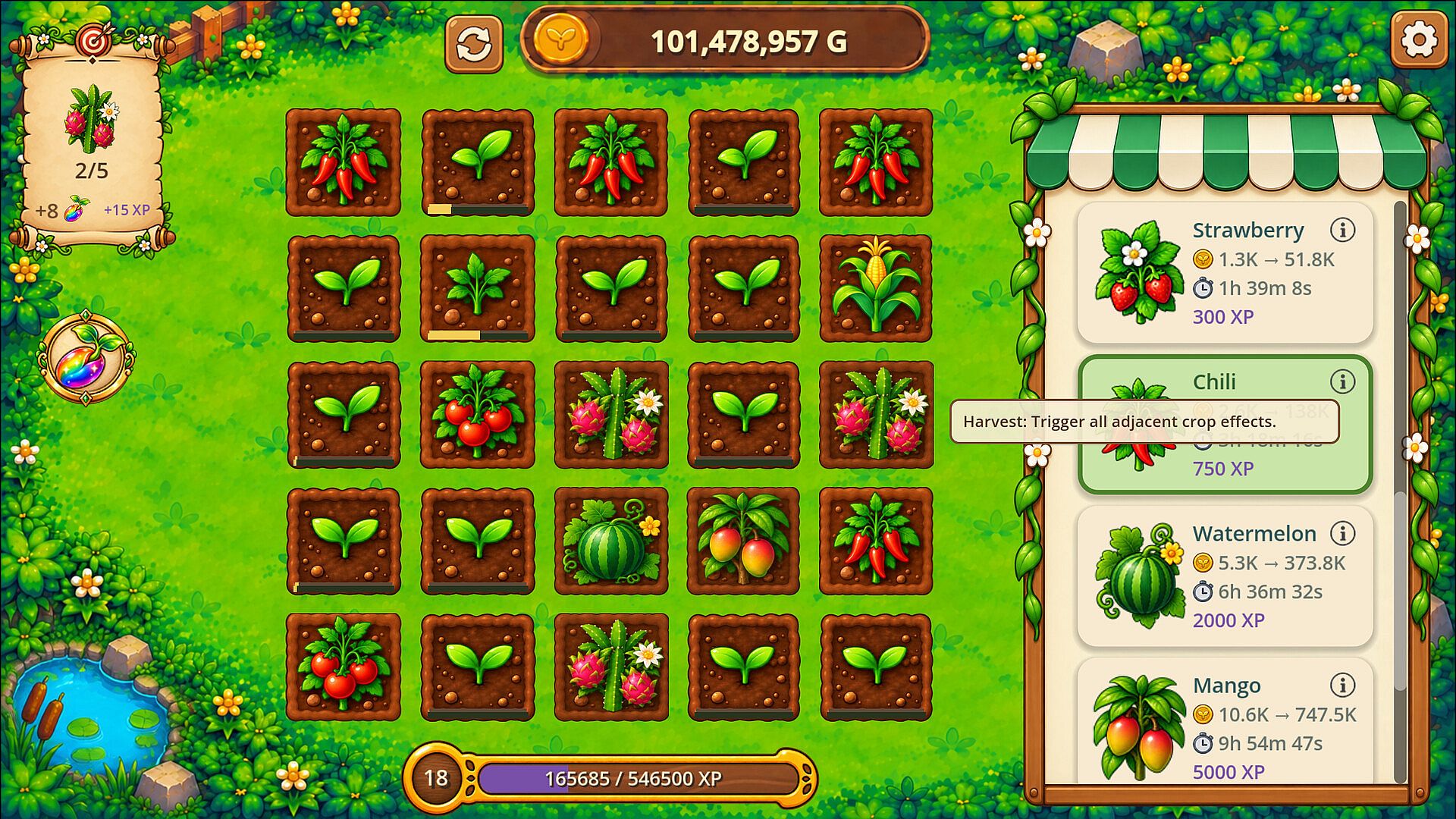

My Little Garden is an indie simulation game built around idle progression and thoughtful garden management on PC. Players begin with a single plot of soil and gradually expand it into a productive space through careful planting, harvesting, and optimization. The core loop revolves around selecting crops that interact with one another, timing harvests for maximum value, and reinvesting earnings to unlock further growth.
Gameplay
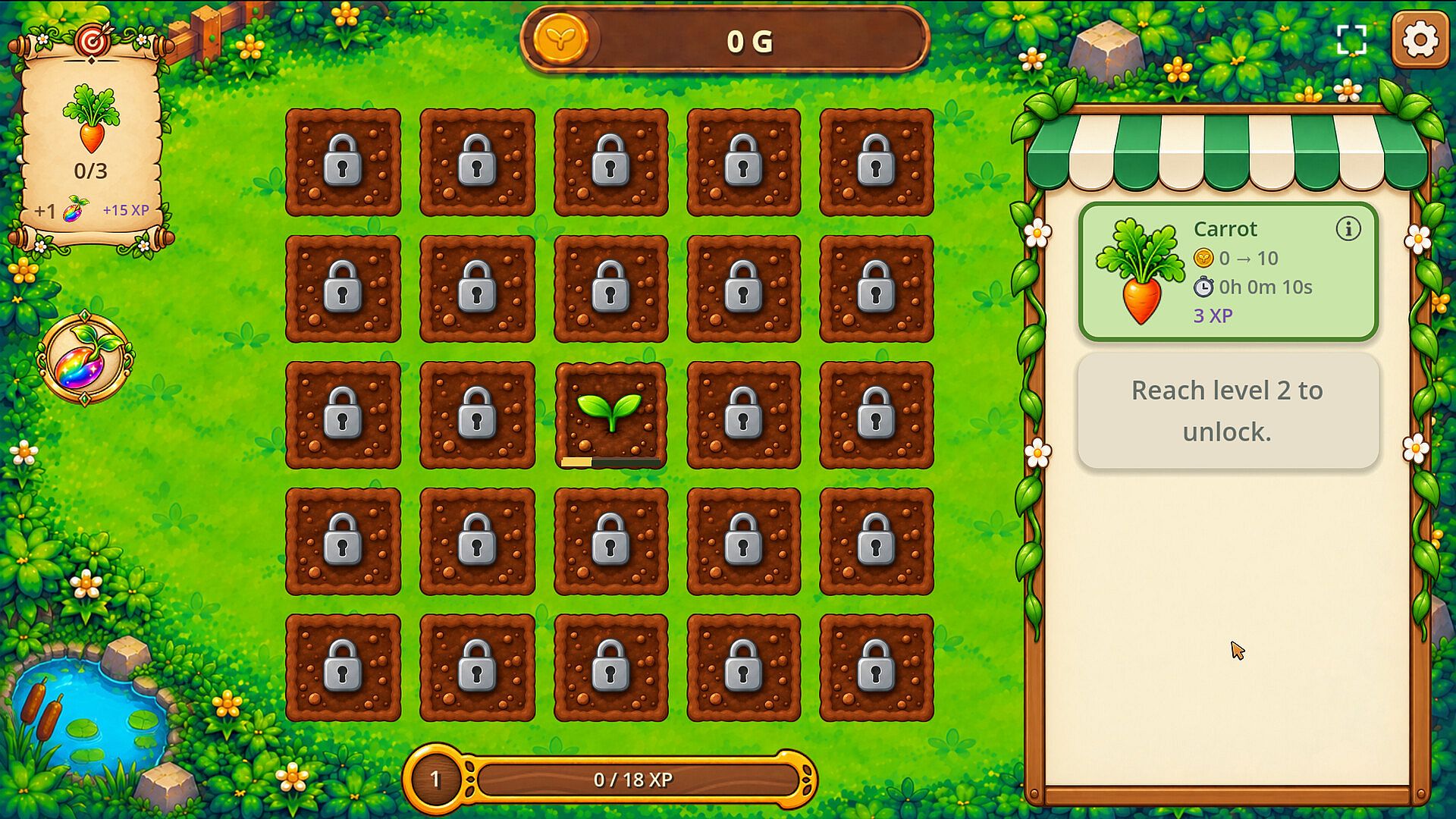
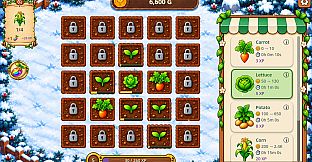
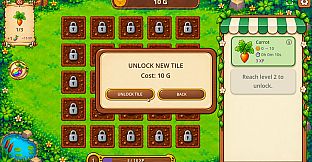
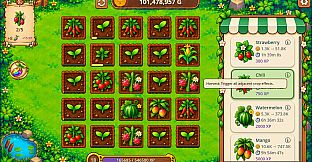
The central experience centers on arranging plots to create beneficial combinations. Each crop carries distinct traits that influence neighboring plants, encouraging players to experiment with layouts for stronger yields and higher profits. Harvesting at peak moments generates gold, which funds expansion into additional plots and new crop varieties. Contracts provide structured goals that reward experience points and steady advancement.
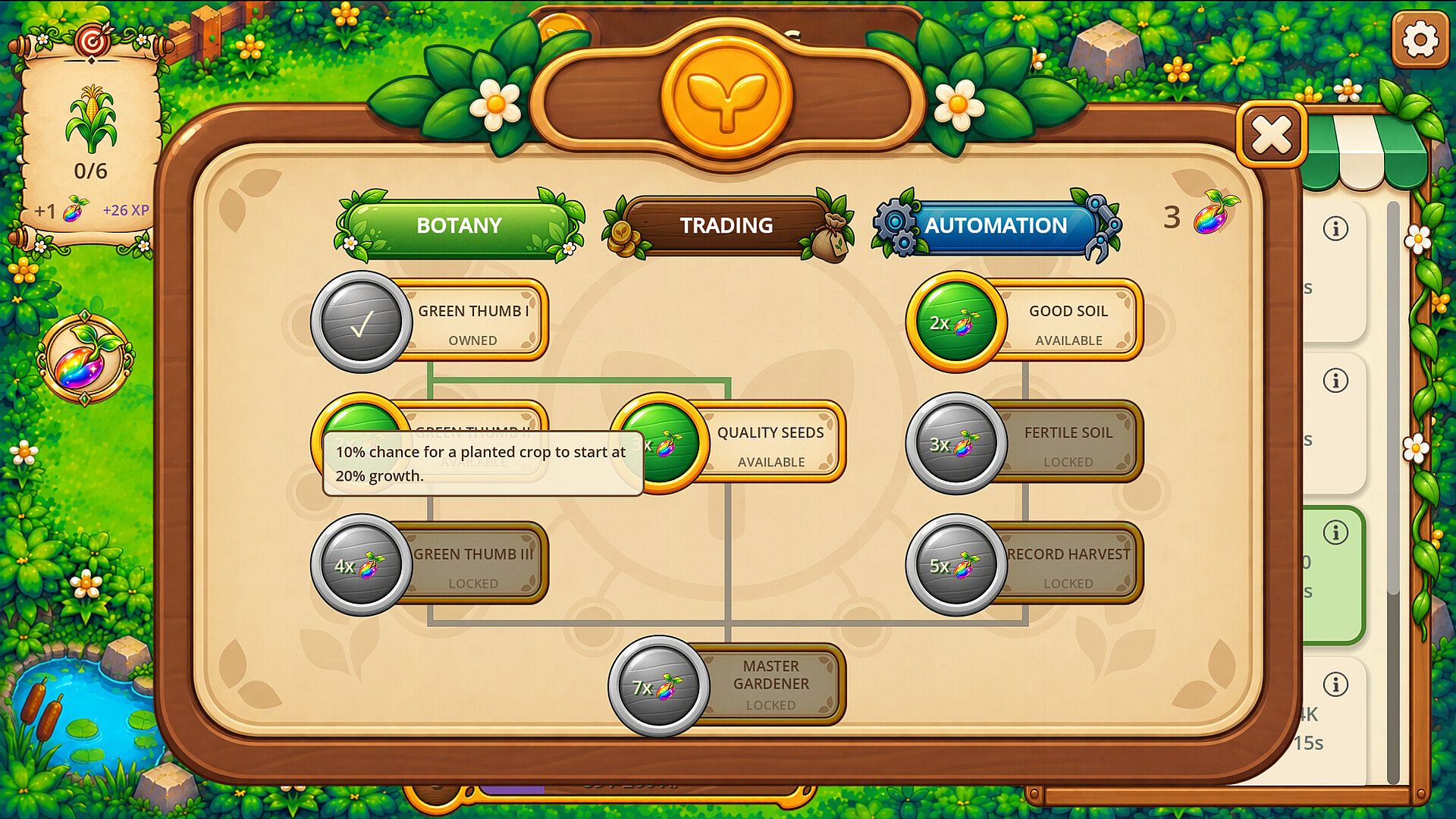
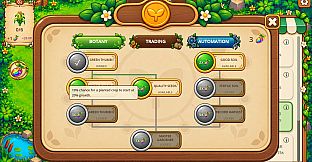
Progression includes a detailed skill tree offering choices such as accelerated growth rates, improved sale prices, reduced seed costs, and enhanced automation tools. Experience gained from contracts and harvests unlocks these options, allowing customization of playstyle over time. A farmhand becomes available later, handling planting and harvesting tasks without direct input. Upgrades extend the farmhand's reach and speed, shifting more of the workload to passive systems.
The garden continues developing during offline periods, so returning players find matured crops and accumulated resources ready for collection. This idle element supports relaxed sessions where attention can shift between the garden and other activities.
Game Modes
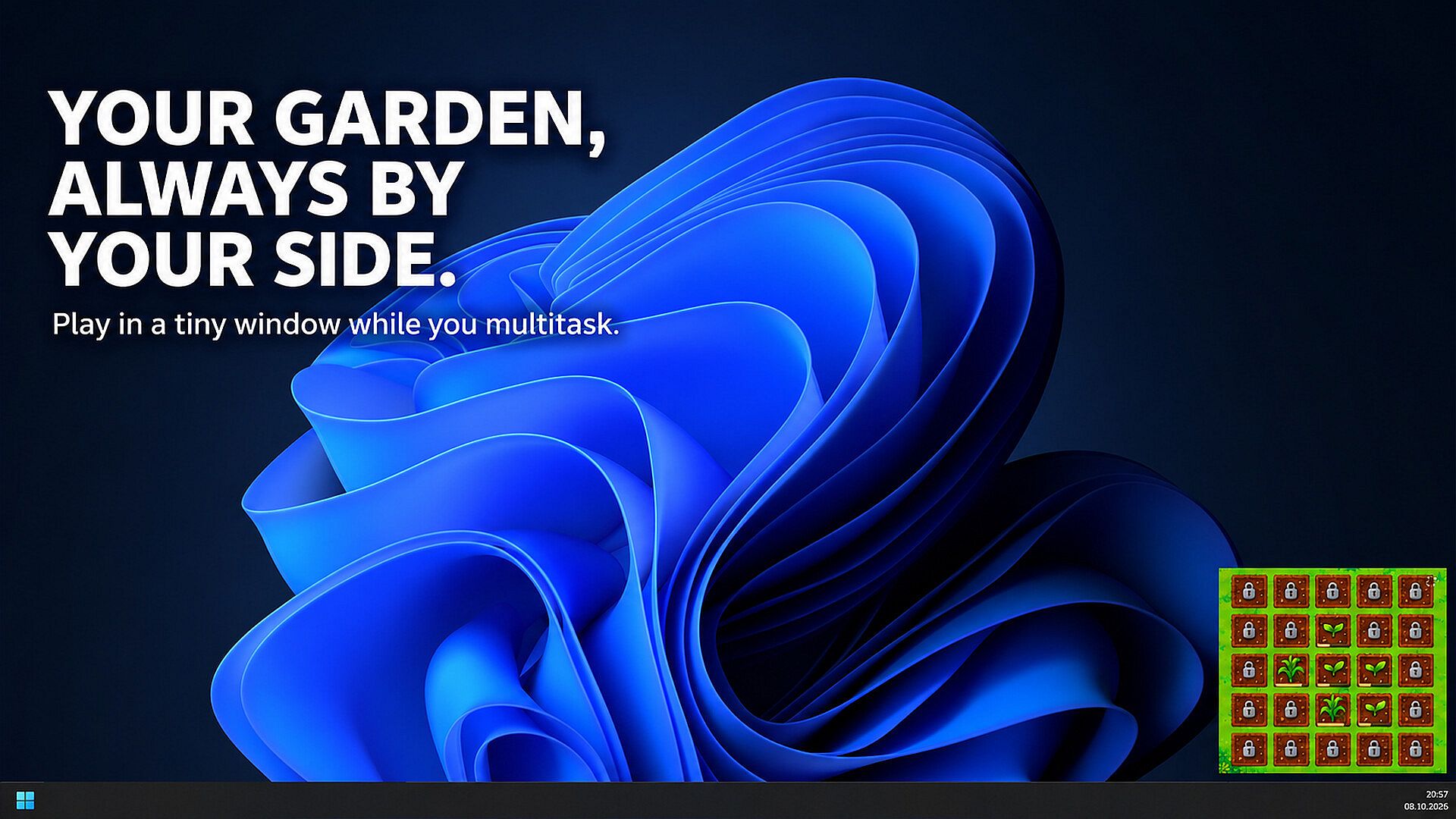
My Little Garden operates primarily as a singleplayer idle experience with flexible engagement levels. Standard play involves active management of plots and synergies, while Compact Mode transforms the garden into a compact, borderless window positioned at the screen edge. This mode keeps the simulation visible and running alongside other tasks, with an option to maintain the window on top of additional applications.
The design supports both focused optimization sessions and background operation. Players can toggle between detailed arrangement of effects and hands-off monitoring once automation systems are established. No competitive or multiplayer elements appear in the game.
Progression and Automation
Advancement flows through contracts that introduce variety and measurable goals. Completing them grants experience for leveling, which in turn reveals new crops, plots, and upgrades. The skill tree branches into areas that either boost immediate output or improve long-term efficiency, giving players multiple paths toward a thriving setup.
Automation expands gradually. Early stages require more hands-on care, but unlocking and enhancing the farmhand reduces routine tasks. Offline progression ensures consistent forward movement even when the game runs minimized or closed, rewarding consistent play over extended periods.
Is It Worth Playing?
My Little Garden suits players who enjoy cozy simulation titles with idle mechanics and light strategic depth. The emphasis on crop synergies and layout planning adds engagement beyond pure waiting, while the skill tree and automation provide meaningful long-term goals. Compact Mode makes it particularly practical for those who like background activity during work or other games.
Reception highlights the relaxing pace and desktop-friendly presentation, with many appreciating how the garden evolves steadily without demanding constant focus. It appeals most to fans of indie simulation experiences that reward patient building and experimentation rather than fast-paced action. Availability on PC supports easy integration into varied routines, making it a solid choice for anyone seeking a low-pressure garden-building loop.











