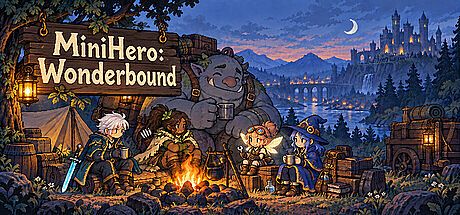


MiniHero: Wonderbound stands as a single-player strategy indie title built around card-driven decisions in a pixel-fantasy world. Players select an adventurer and enter runs that shift with every card flip, balancing risk against potential gains in treasure and power. The experience draws from roguelike traditions through procedural encounters and build experimentation, all presented in a compact format suited for repeated play sessions on PC.
Gameplay
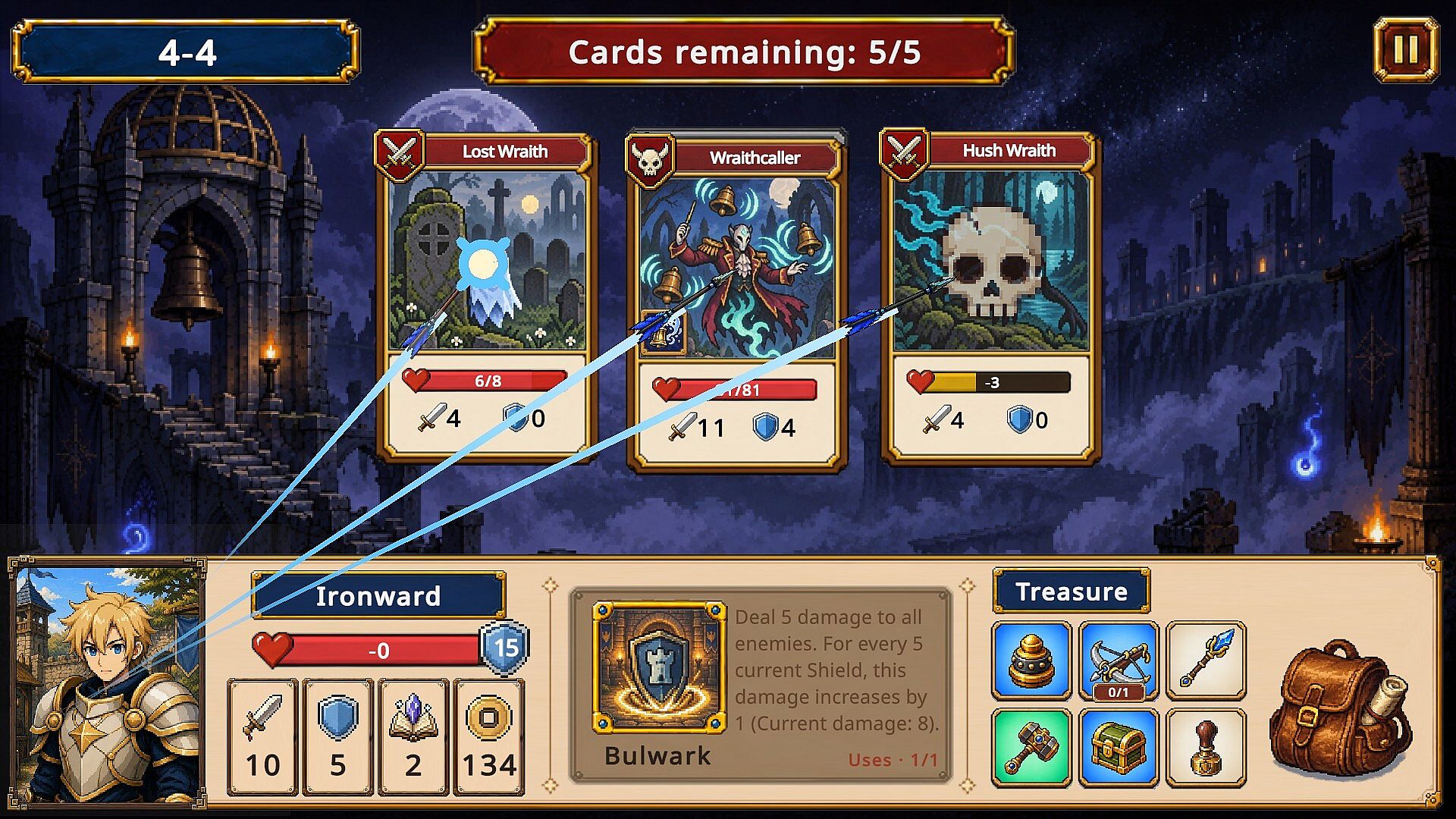
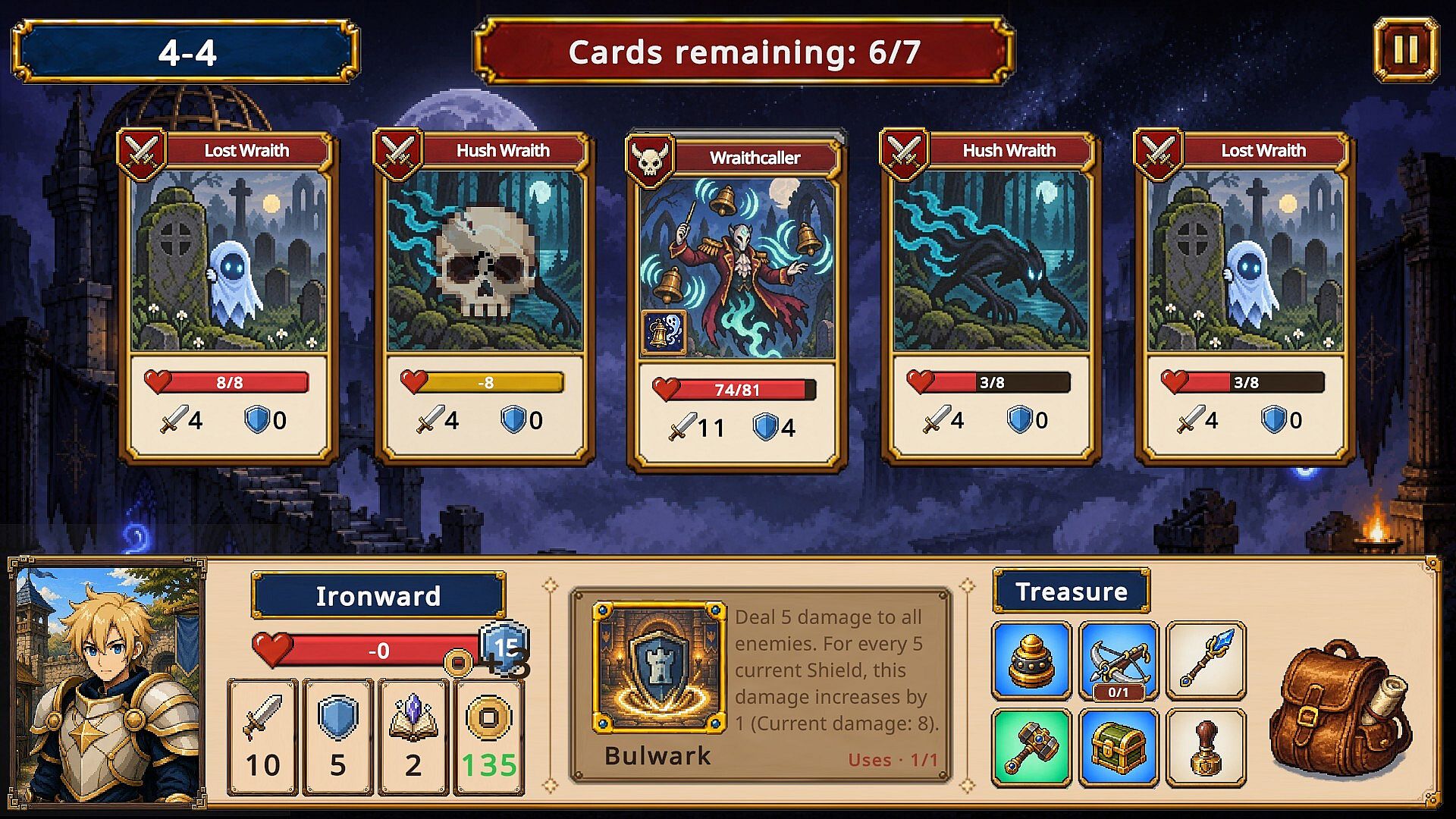
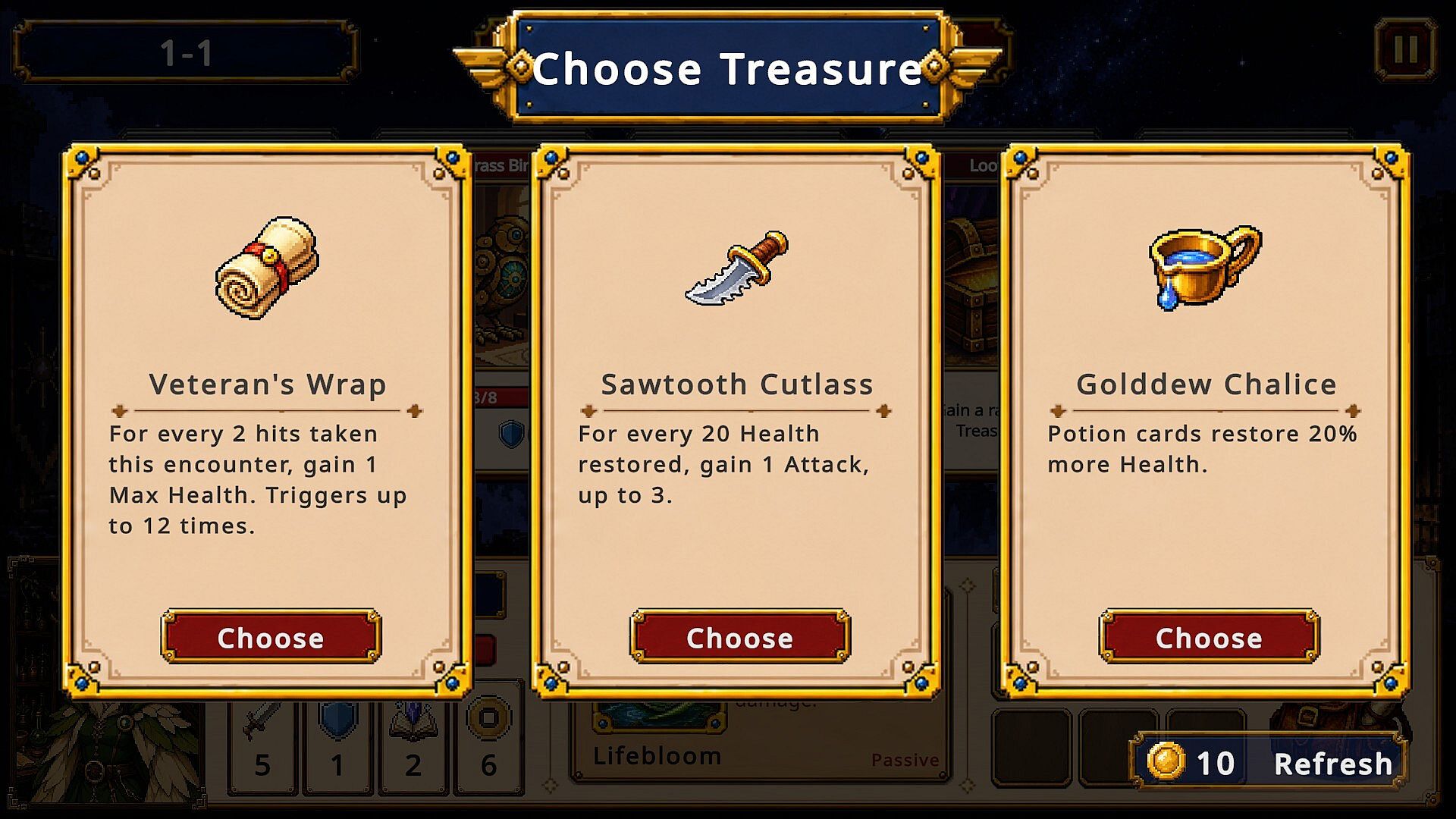
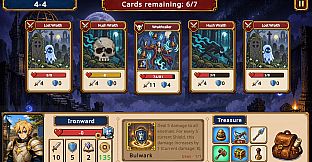
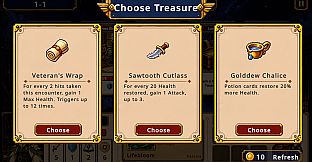
Core play revolves around flipping cards that reveal either helpful treasures or immediate threats. Each flip forces a choice that shapes the ongoing run, as the next card might strengthen an existing strategy or introduce an opponent that demands adaptation. Treasures range from straightforward upgrades to synergistic pieces that combine with abilities for effects focused on damage output, defensive shields, or restorative healing.
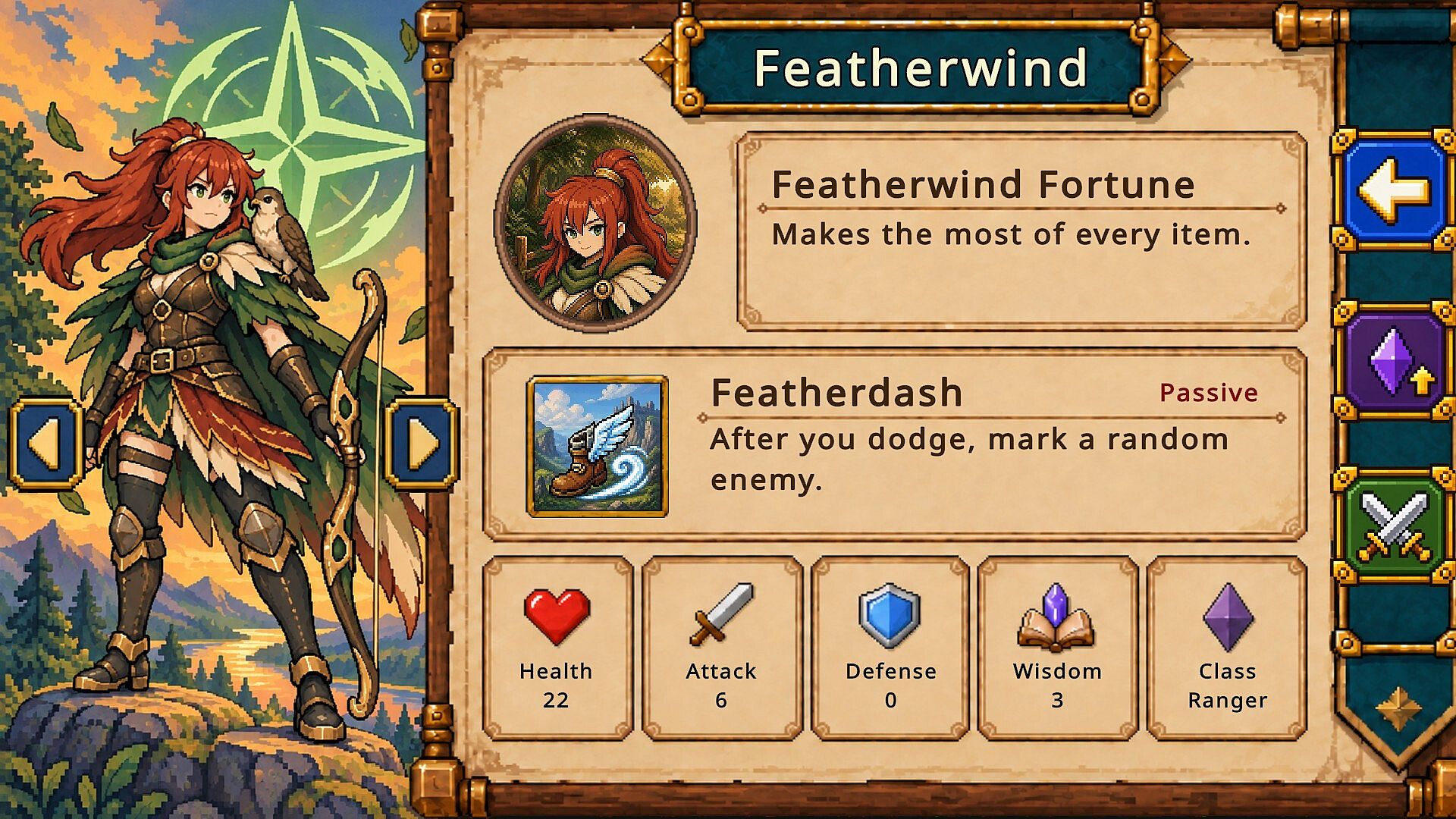
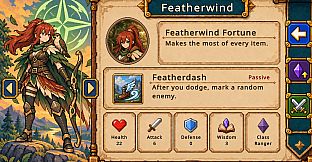
Adventurers provide distinct starting points through unique talents and initial abilities. Switching characters alters how familiar situations unfold, encouraging fresh approaches even when regions repeat. Progression involves collecting, upgrading, swapping, and fusing treasures mid-run, allowing a single pickup to redirect an entire strategy toward new priorities.
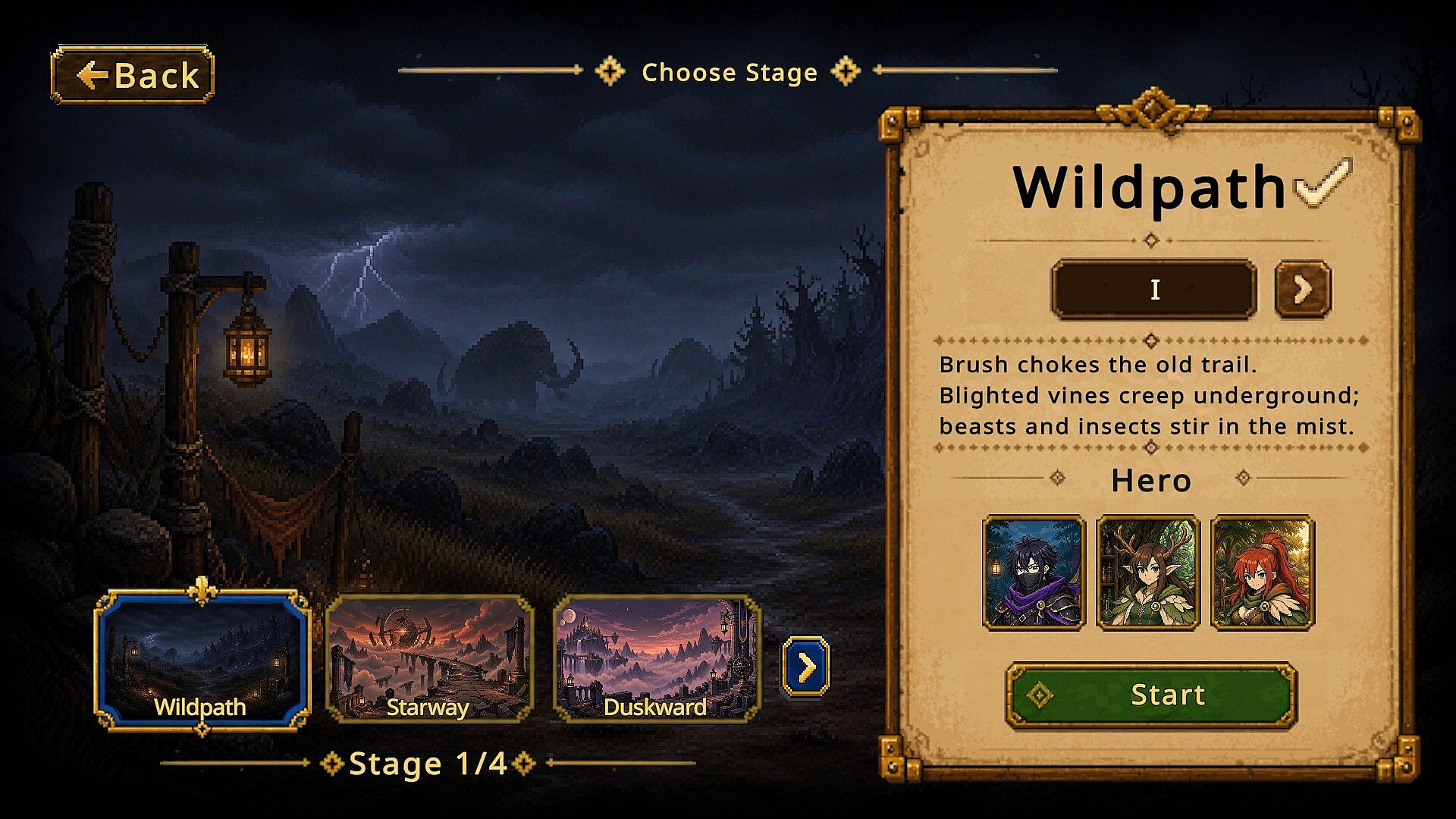
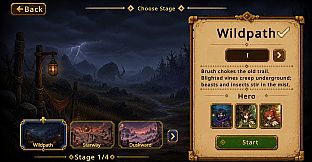
Exploration covers varied regions that layer additional challenges onto the card system. Wilds, corrupted forests, and infested nests each bring specialized enemies, while bosses test accumulated builds with dedicated mechanics. Higher difficulty options extend the challenge for those seeking greater pressure on resource management and timing.
Game Modes
The game operates entirely in single-player format, centering on self-contained runs that emphasize personal strategy and adaptation. No cooperative or competitive multiplayer structures appear in the design. Instead, the focus remains on individual progression through randomized card sequences and region navigation, with options to attempt the same path under stricter conditions.
Runs conclude upon reaching the end of available regions or failing to survive encounters. Replay value stems from adventurer variety and the wide range of treasure combinations that emerge across attempts. Leaderboards track performance on specific challenges, providing a measure of comparison without altering the solitary nature of each session.
Regions and Challenges
Each region introduces distinct environmental threats that interact with the card system. Players must weigh immediate survival against long-term build potential when deciding which cards to engage. Boss encounters add layers of complexity, requiring specific counters developed through prior treasure selections.
Difficulty scaling and extra challenges allow experienced players to revisit content with modified rules. These options test the limits of damage, shield, and healing synergies without changing the fundamental card-flip loop. The structure rewards careful observation of card patterns and opportunistic adjustments rather than fixed paths.
Is It Worth Playing?
MiniHero: Wonderbound targets players who enjoy strategic card games and roguelike progression in a single-player setting. Its emphasis on build experimentation through treasure synergies and character swaps offers meaningful variety across runs, particularly for those drawn to pixel-art presentation and decision-heavy gameplay.
The title remains in development with a planned release in Q4 2026. At this stage, interest aligns with fans of deckbuilding mechanics and procedural adventures who value high replayability over narrative depth or multiplayer features. Those seeking a focused strategy experience on PC may find the core loop engaging once it becomes available.