








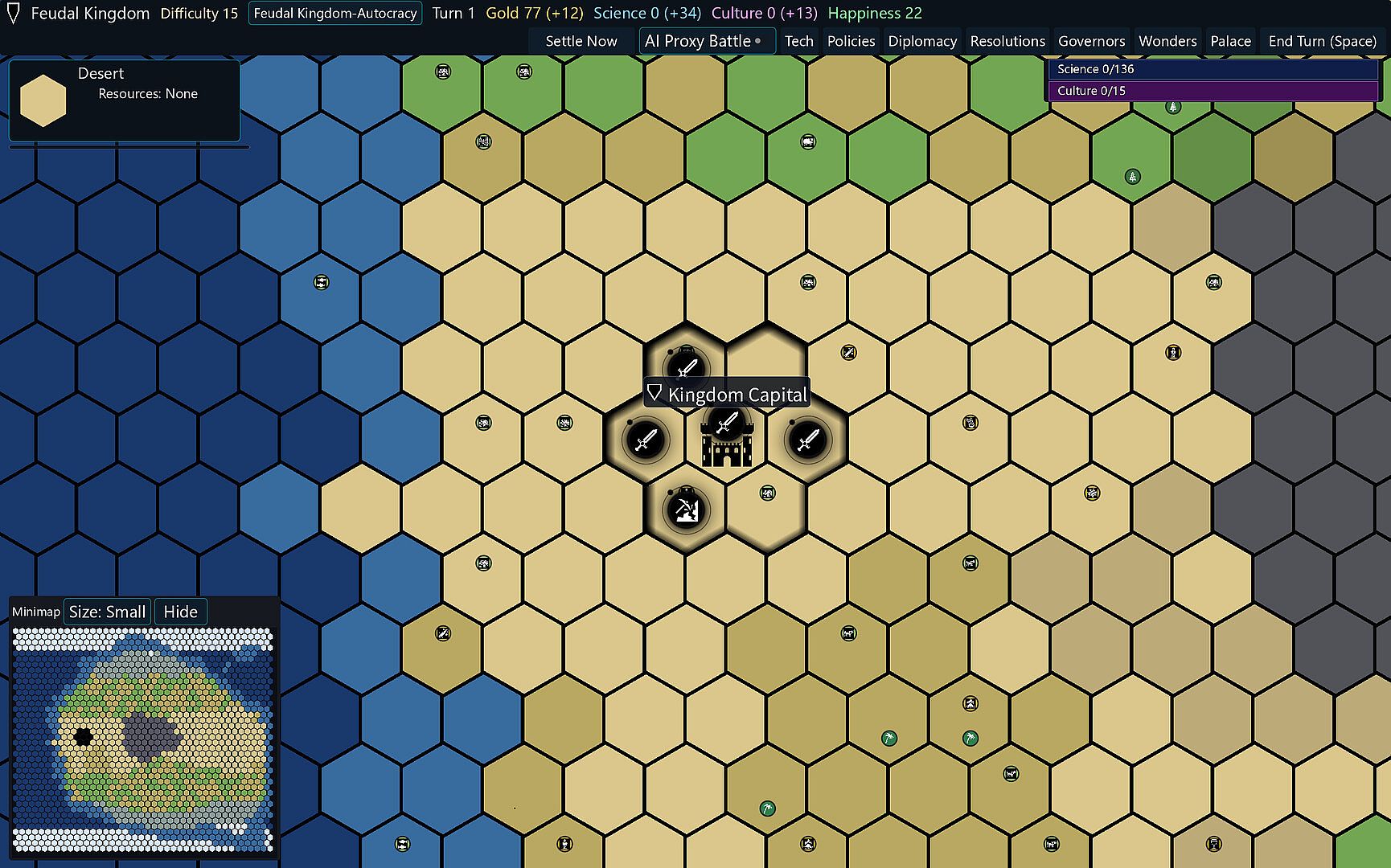
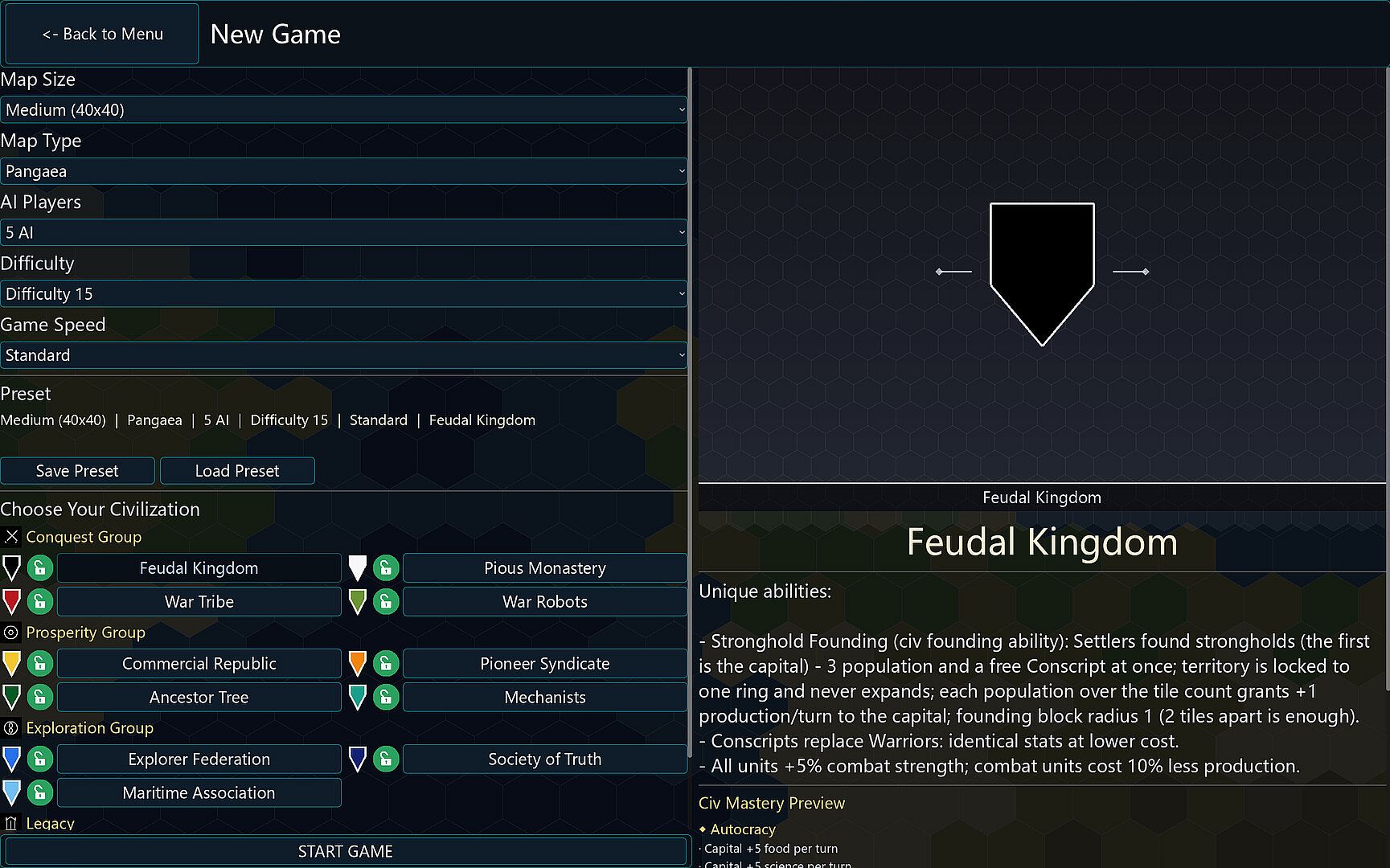

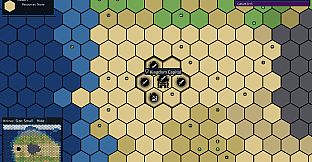
Miniciv is a turn-based strategy game that blends 4X elements with a hex-grid map on PC. Players begin with a single city and one settler, then explore, expand, develop, and conquer across procedurally generated lands to build a civilization from antiquity into the modern era.
Gameplay
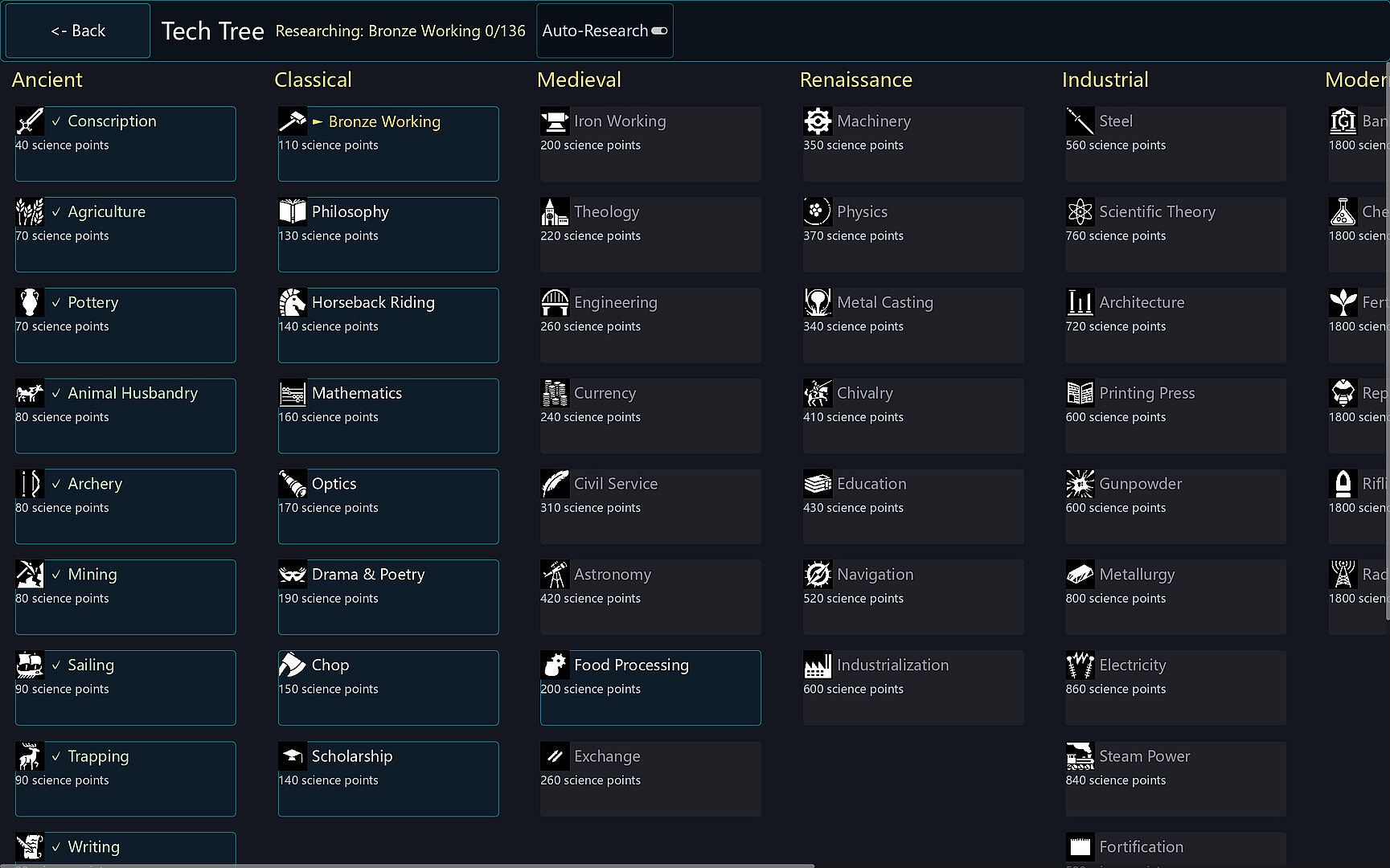
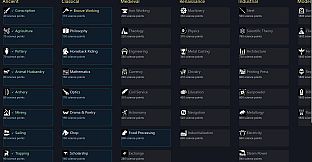
The core loop centers on guiding a chosen civilization through research, city founding, policy adoption, and diplomacy. Maps generate fresh each session with varied terrain, resources, and opponent placements, ensuring distinct experiences. A tech tree advances units from basic infantry to firearms, ironclad warships, and modern forces, while a parallel culture tree offers paths such as Authoritarianism, Egalitarianism, Militarism, Prosperity, and Exploration. These systems progress side by side, with modifiers shaping long-term development. Palace layouts can be designed manually to enhance tile yields, and governors assigned to cities specialize in military, treasury, research, culture, or production roles. Combat involves melee, ranged, siege, and naval units, enhanced by a mastery tree that grants abilities like war cries, battle auras, charges, and void-barrage attacks. An out-of-game meta-progression unlocks starting perks with accumulated experience, and difficulty scales from level 1 to 15 across small to large map sizes.
Game Modes
Miniciv supports flexible pacing through adjustable session lengths, from quick 120-turn runs to extended campaigns. Victory comes primarily through conquest, though the Explorers' Coalition faction can pursue a unique exploration victory by traversing the map and encountering every other faction. Procedural generation and faction selection alter each playthrough, with options for biding time to build or aggressive unification strategies. Dual-language support allows seamless switching between Simplified Chinese and English.
Factions and Mechanics
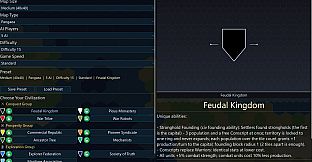
Thirteen distinct factions each carry signature mechanics and replacement units. Feudal kingdoms field mass levied militias, commercial republics weave federations via trade routes and city-states, the Explorers' Coalition emphasizes scouting overwatch and expedition pacts, the Undying Church raises undead legions through death altars, and Void Invaders convert territory into void tiles that yield balanced resources. Additional factions include devout monastic orders, the Settlers' Syndicate, Academy of Truth, War Tribes, Ancestor-Tree Clans, Ancient Remnants, Nautical Guild, and others. Diplomacy extends beyond basic war and peace to include alliances, tributes, vassal systems, and auto-vassalised city-states, plus universal resolutions and faction-specific quests focused on expansion, trade networks, or cities of plenty. Faith and industrial steam-age mechanics add further depth alongside warlord politics and trade routes.
Is It Worth Playing?
Miniciv suits players seeking an accessible entry into turn-based strategy with layered systems of technology, culture, governance, and combat. Its procedural maps and faction variety support repeated play without repetition, while adjustable difficulty and session length accommodate both newcomers and those preferring longer campaigns. The emphasis on deliberate choices in expansion, diplomacy, and unit mastery rewards thoughtful planning over rapid action. Those who enjoy hex-grid exploration, dual progression trees, and multiple paths to empire building will find consistent engagement across varied civilizations and eras.











