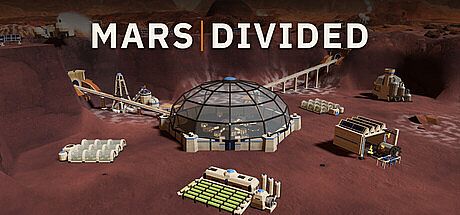



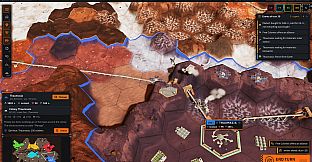
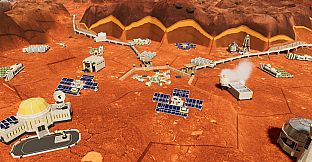
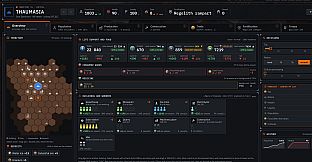
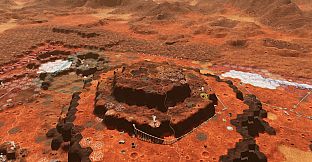
Mars Divided is a turn-based grand strategy game set on a detailed recreation of the Red Planet. Players take control of one faction in a divided Mars during Martian Year 112, expanding from a single colony toward dominance over territories, resources, and infrastructure while managing internal politics and external threats.
Gameplay
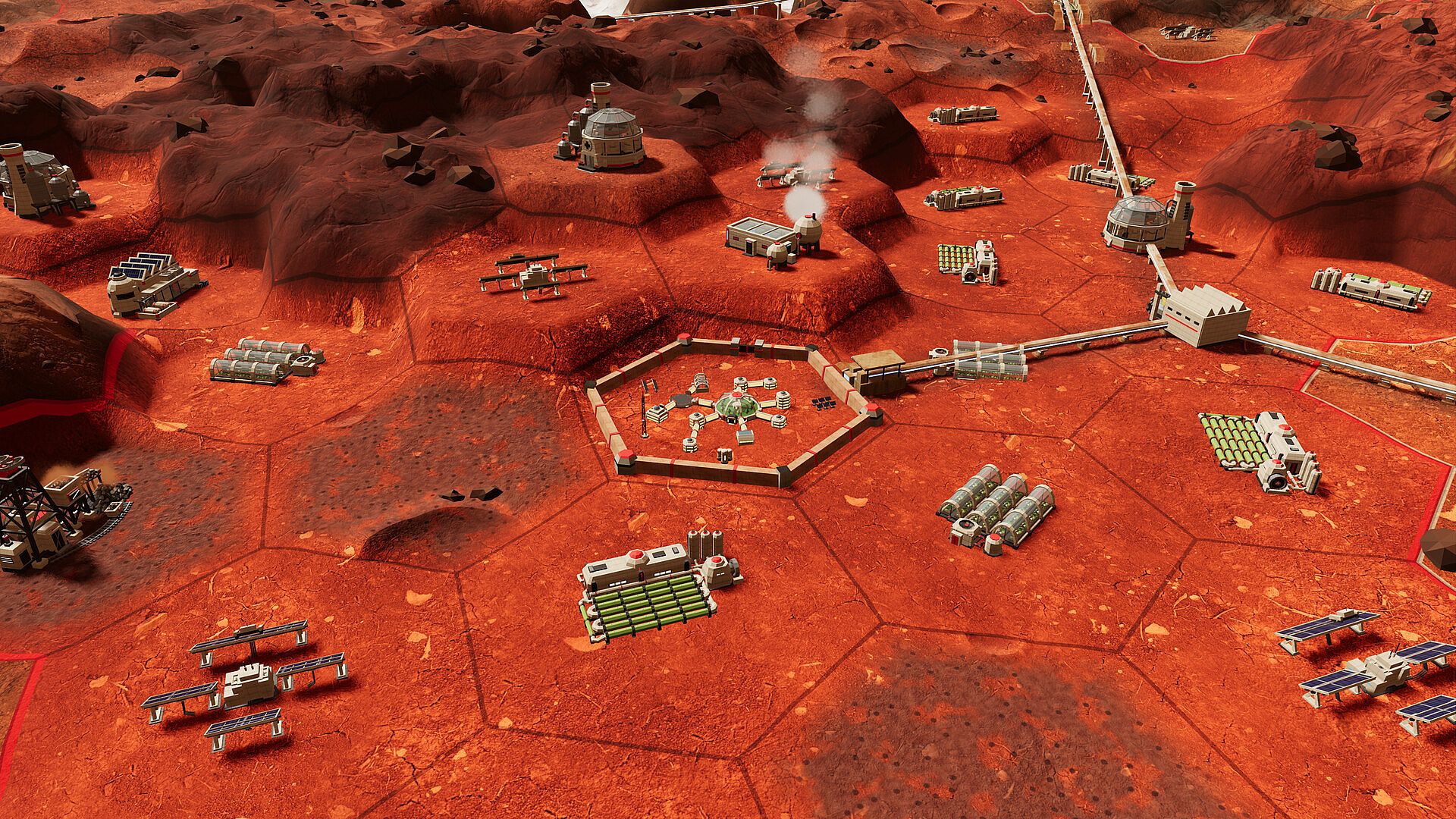
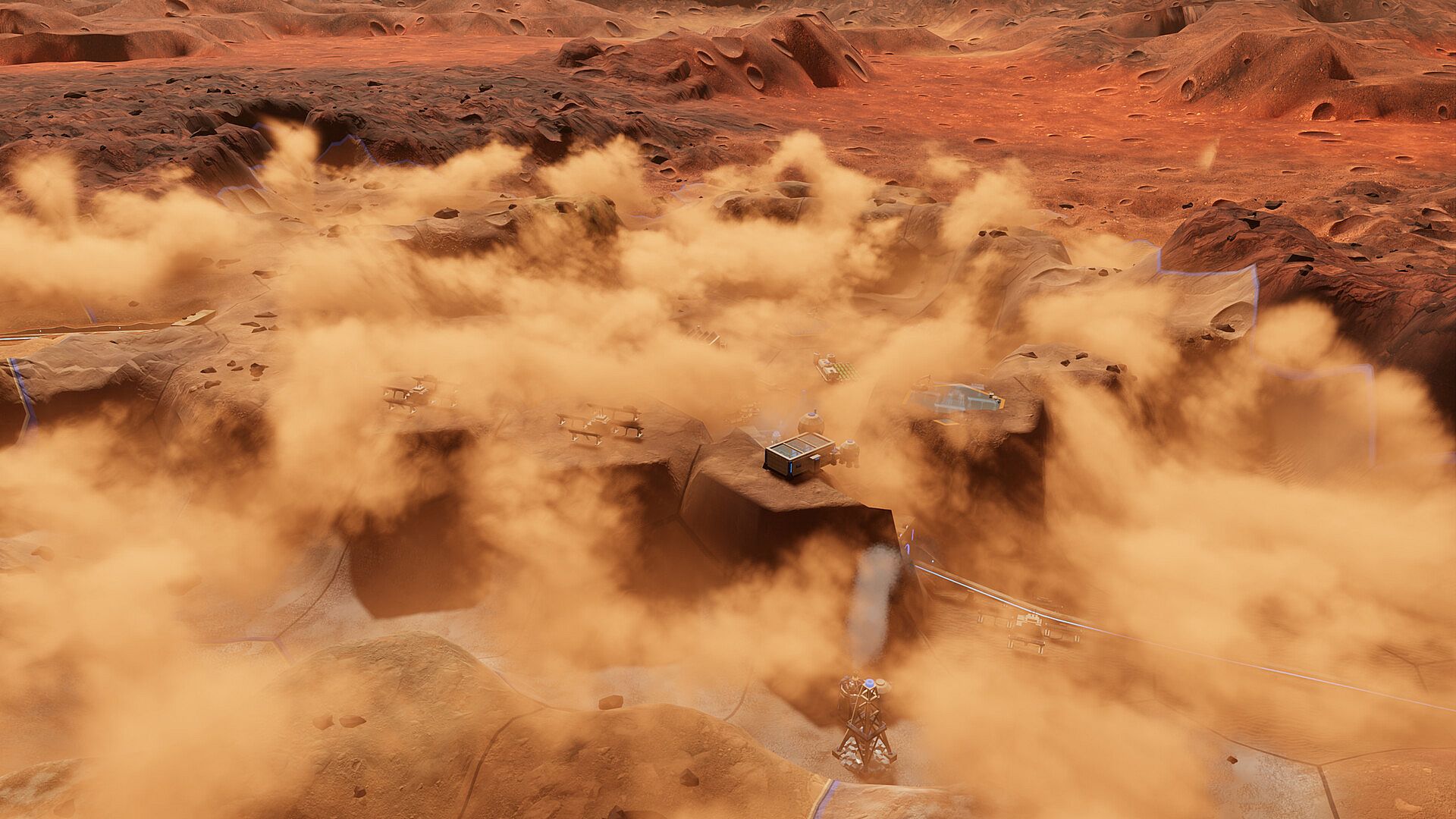
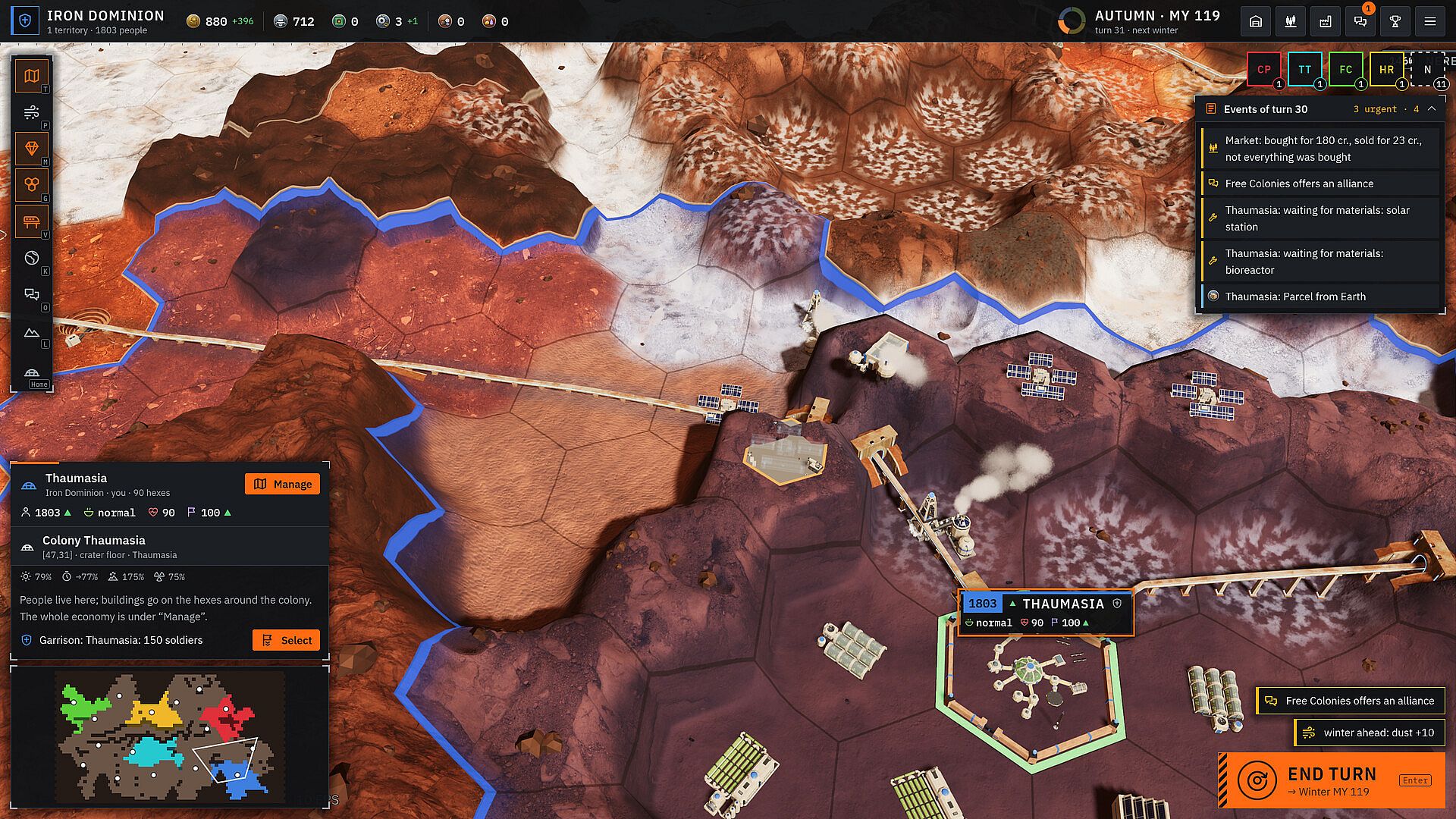
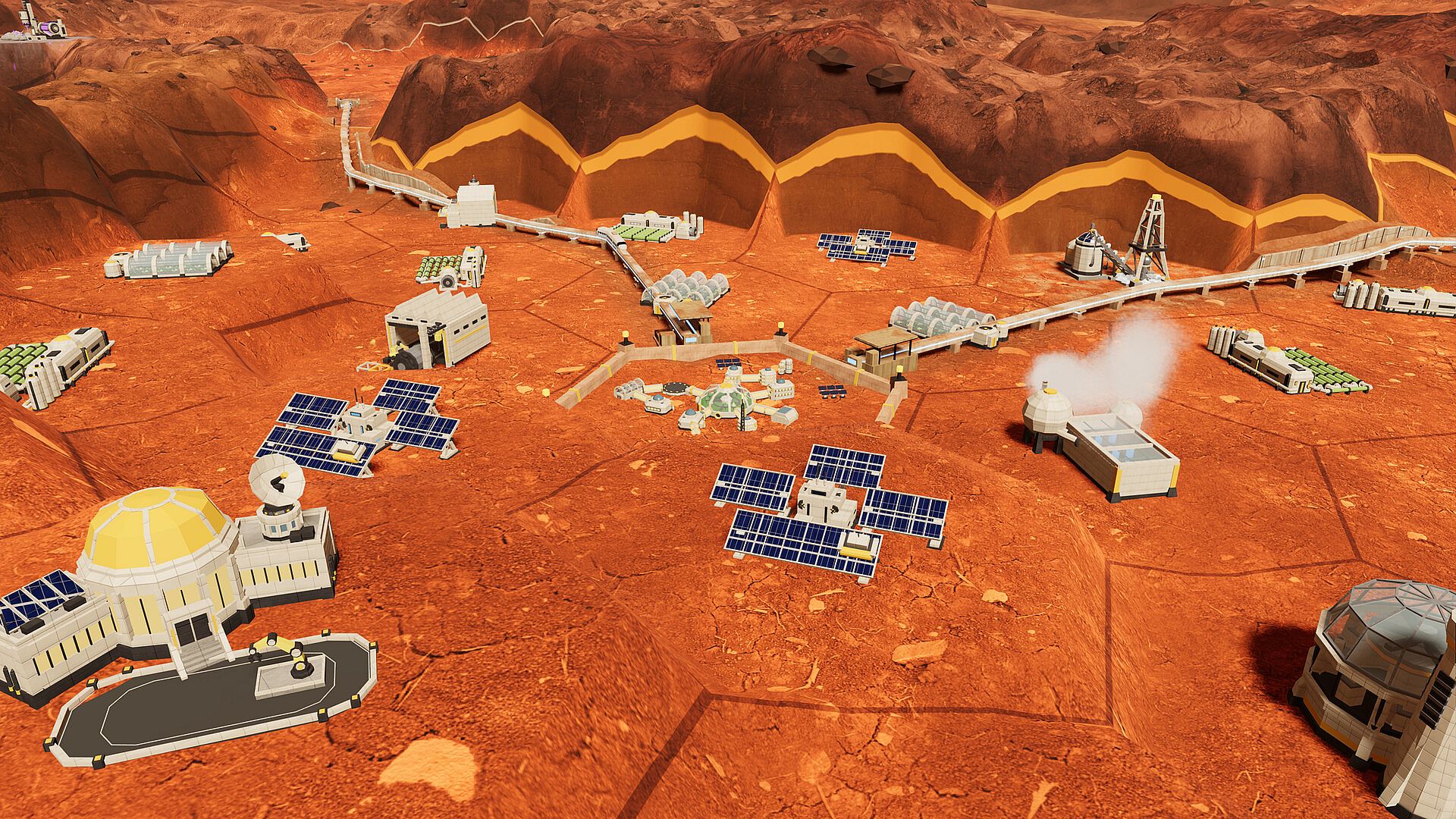
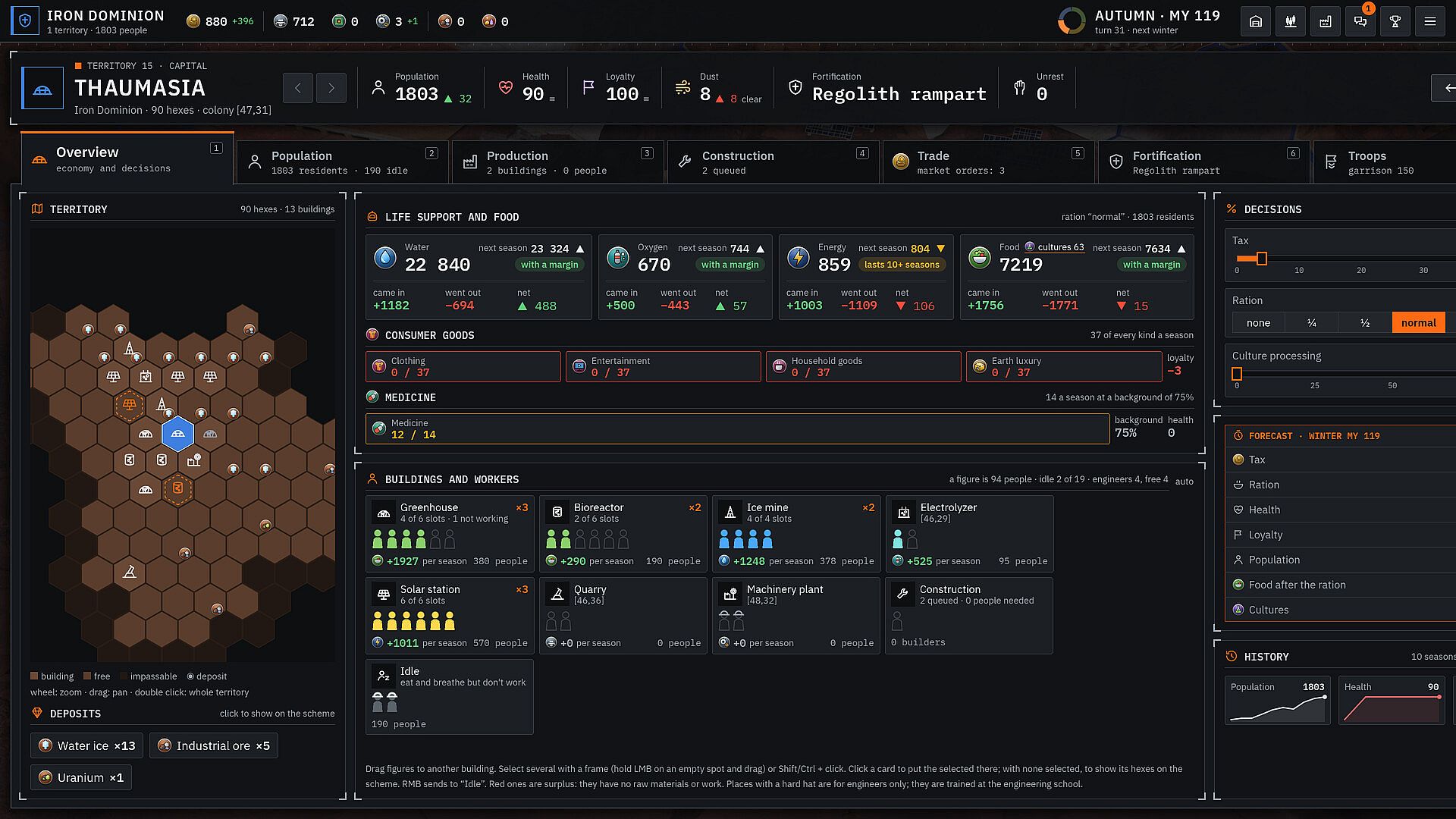
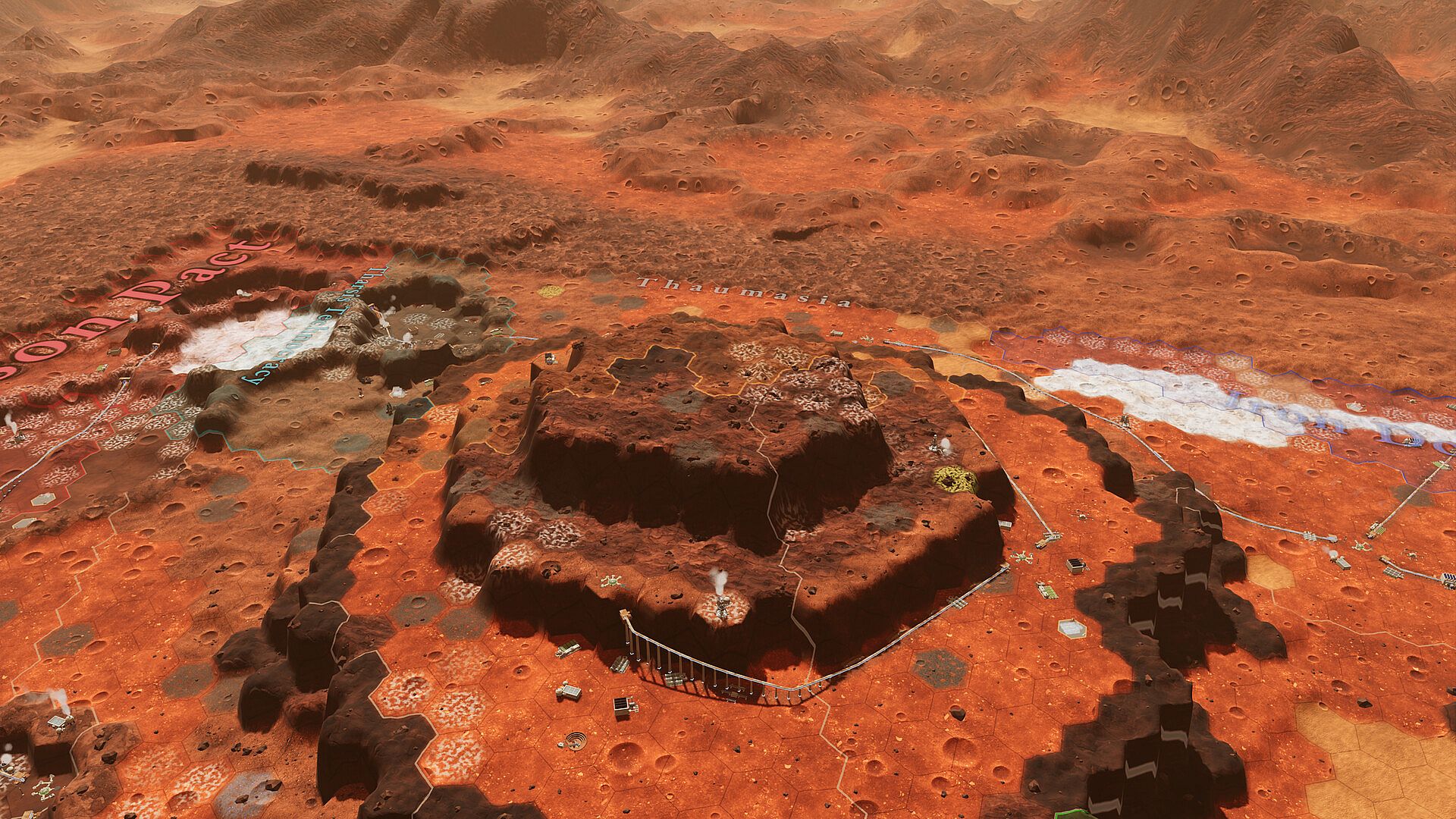
The core loop revolves around seasonal turns on a 3D hex map, where each turn represents one Martian season. Spring and summer allow colonies to build reserves through production and expansion, while autumn and winter bring dust storms and cold that deplete supplies and hinder operations. Players research technologies to improve buildings and unlock new options, allocate engineers and credits across water, air, industry, or weapons development, and oversee production chains that turn ore and rare metals into building materials, electronics, machinery, and medicine.
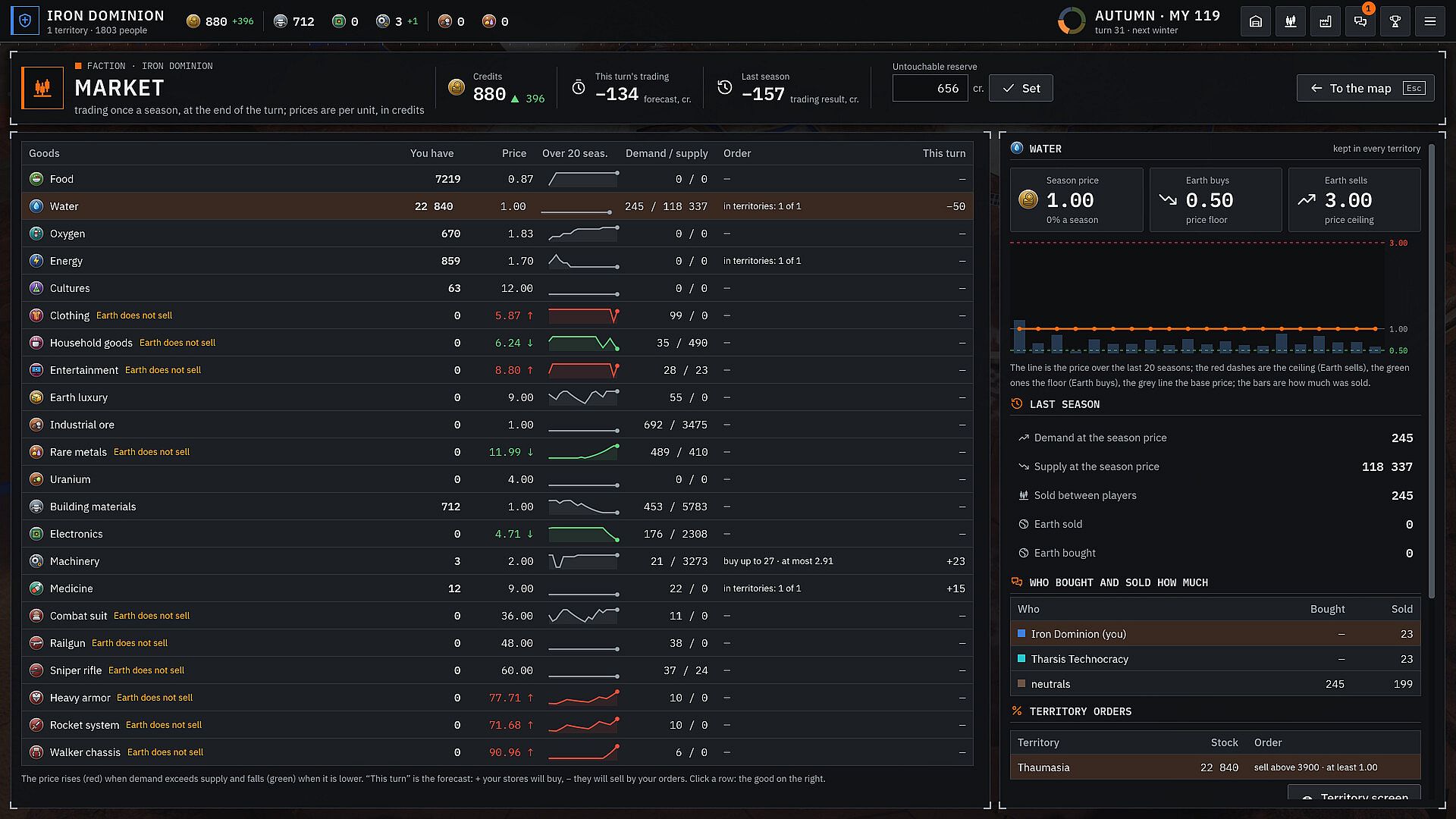
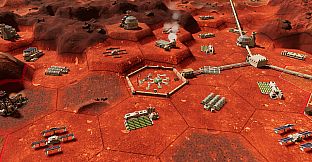
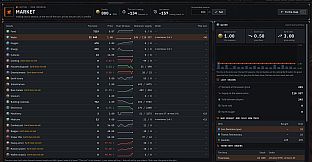
Economy ties into a Martian commodity market driven by supply and demand across all factions, with Earth as a costly supplier of goods that can be cut off to pressure rivals. A monorail network connects colonies, altering logistics for trade and military movement. Survival demands careful planning for water from underground ice, oxygen generation, and solar power that dust storms can interrupt, forcing players to maintain spare parts and anticipate shortages two seasons ahead.
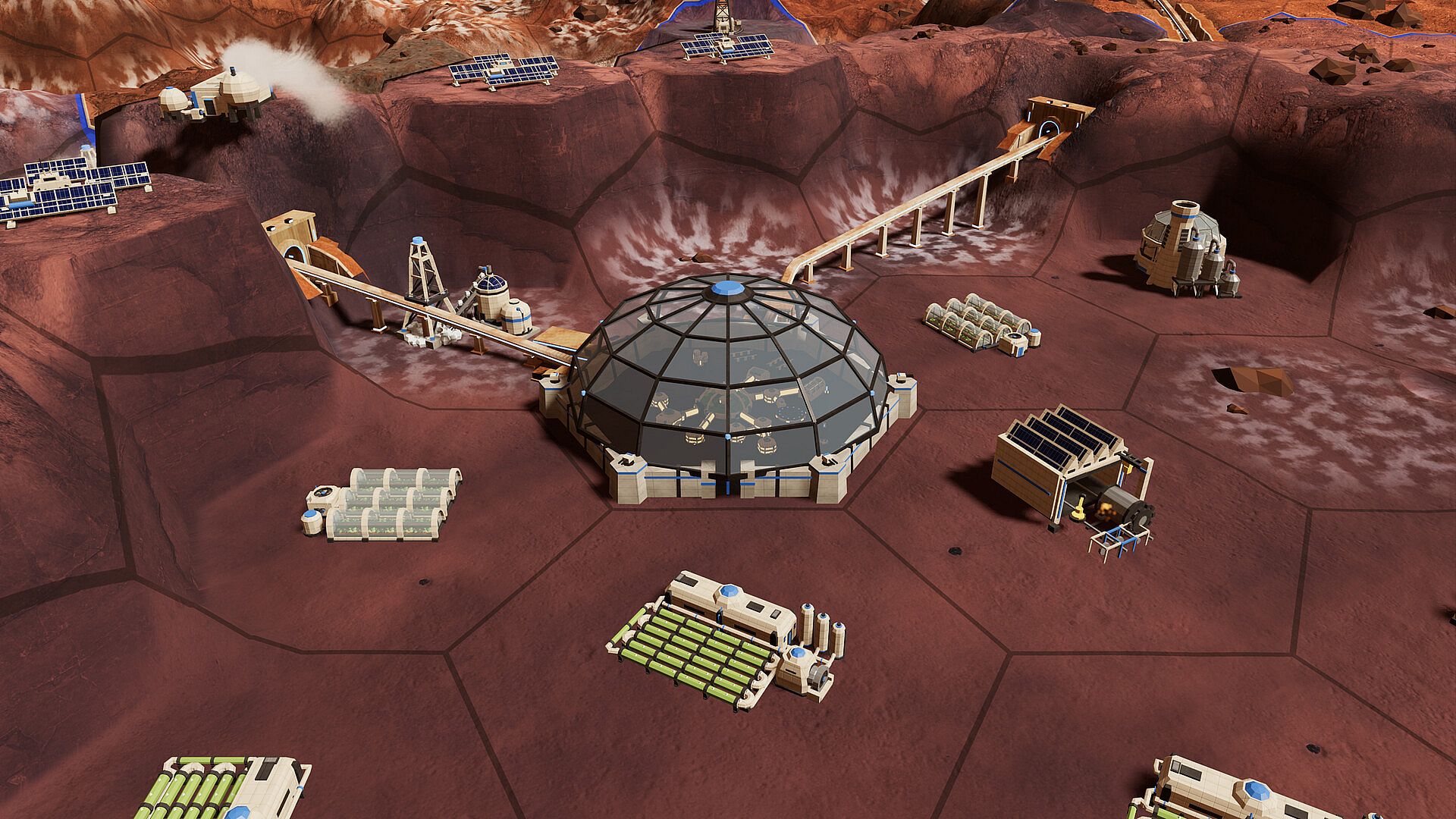
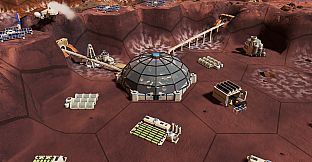
War involves militia, regular armies, and mercenaries, along with fortifications ranging from basic perimeters to armored domes. Sieges use specialized equipment like airlocks and breachers, and raids allow strikes without formal declarations of war. Captured colonies add not only resources but also populations with independent views that influence future stability.
Game Modes
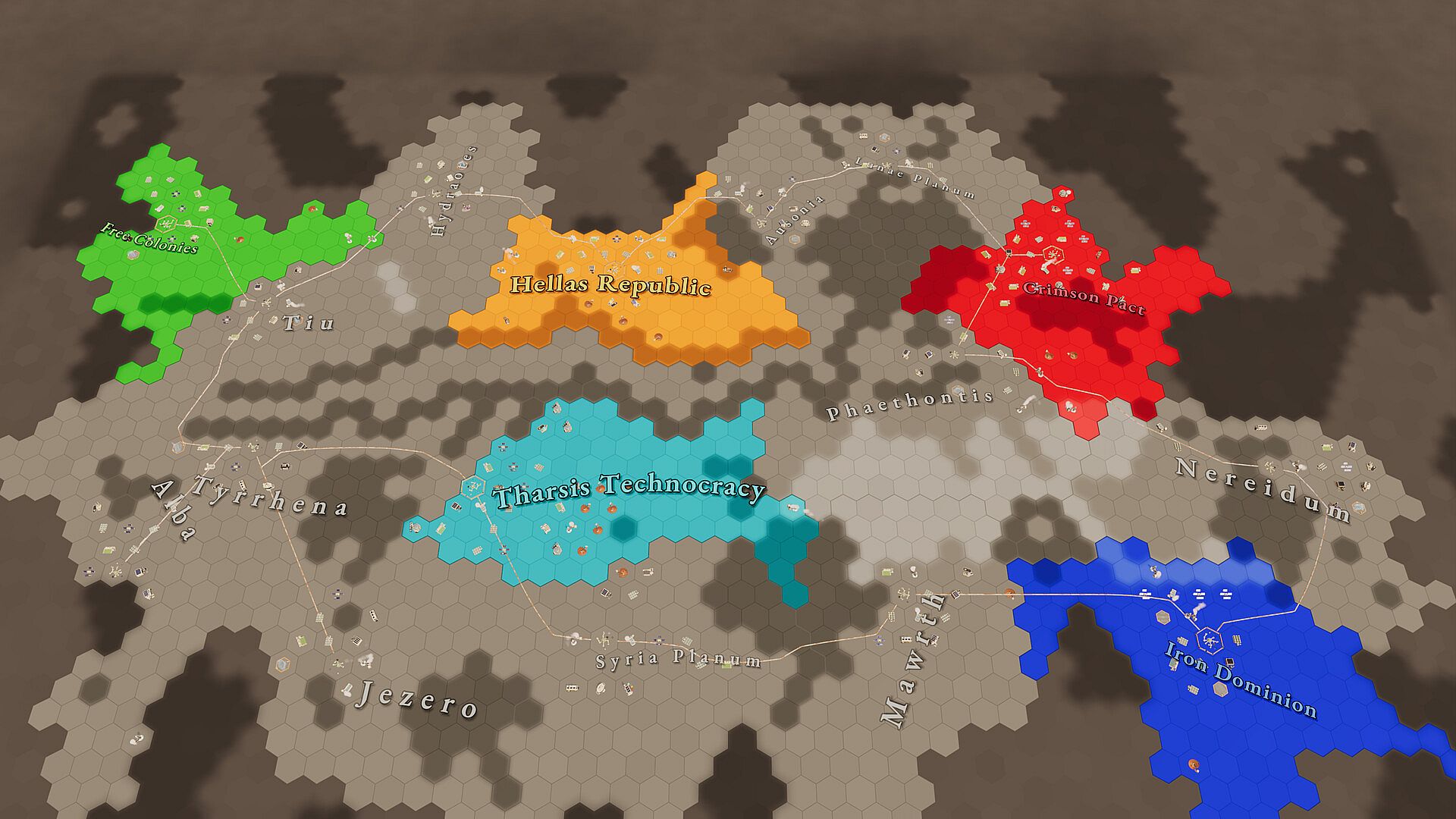
Mars Divided operates as a single-player grand strategy title with extensive customization options for the scale of play. Players select the number of competing factions, ranging from a focused contest over limited territory to expansive maps featuring dozens of powers vying for control. Map shapes vary to include continents, craters, mountains, ridges, and the slopes of Olympus Mons derived from real elevation data, with regions named after actual Martian geography such as Arcadia, Utopia, Elysium, Chryse, and Meridiani.
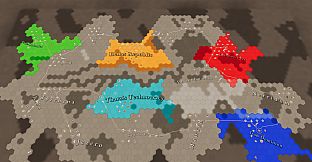
Each faction, including examples like the Iron Dominion, Crimson Pact, Tharsis Technocracy, Free Colonies, and Hellas Republic, brings distinct goals and play styles. Neutral colonies can be swayed through offers or force, and diplomacy occurs via in-game chat for point-by-point negotiations over resources, credits, territories, and alliances. Rivals track past interactions, leading to grudges, tribute demands, peace offerings, or explanations of decisions.
Politics and Population Simulation
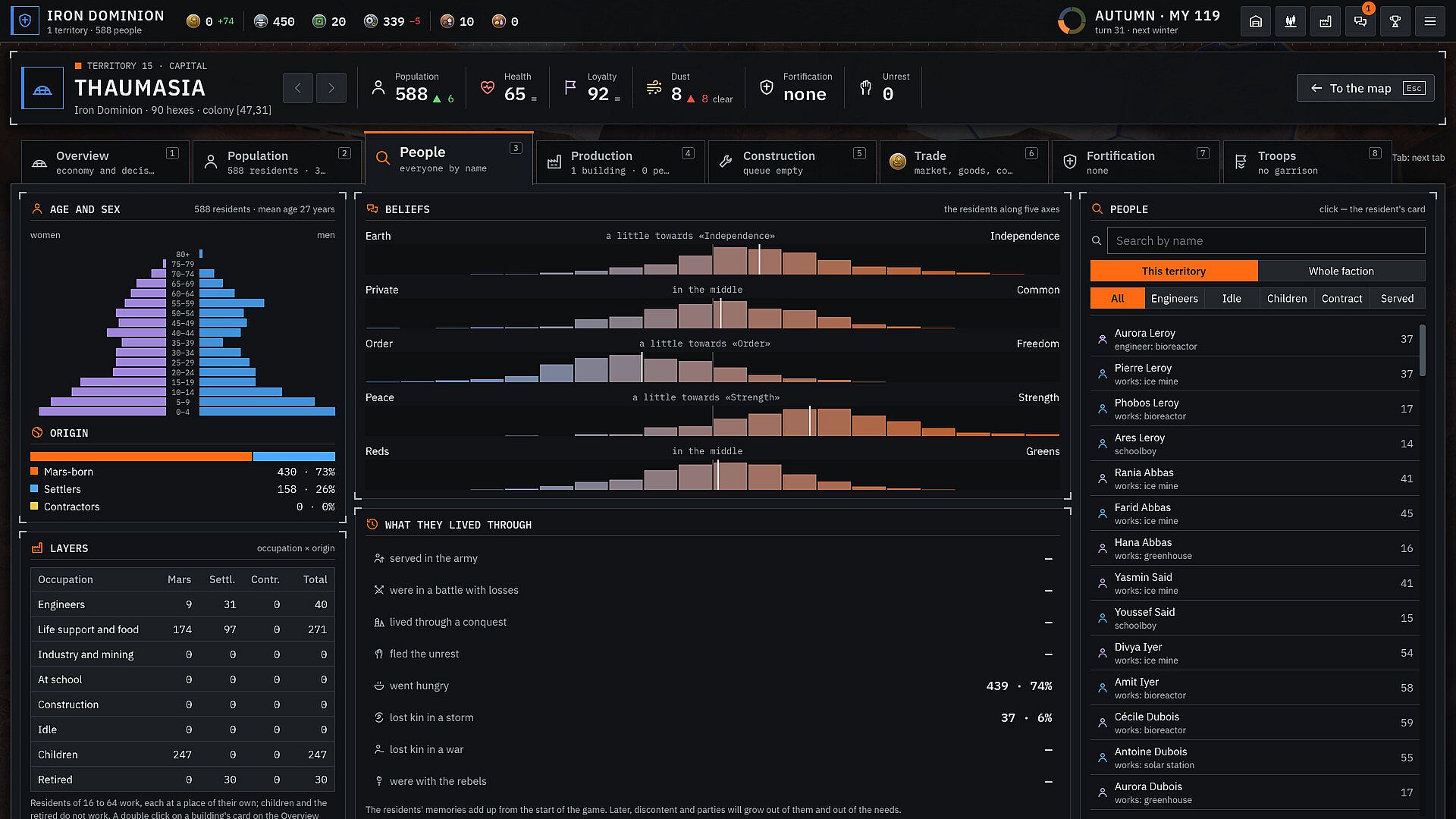
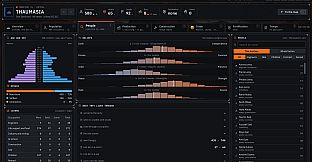
Internal governance requires managing a parliament where decisions on war, peace, alliances, and laws must pass votes or be enacted by decree at the expense of legitimacy. Outcomes can include coups, juntas, or faction splits, and a rival's behavior shifts based on who holds power. Every colonist among tens of thousands receives individual simulation covering age, profession, education, and origin, with personal stories accessible via detailed cards. Colonists seek work independently, with Earth contractors serving limited terms and Mars-born residents committing long-term, each group holding different priorities that fuel discontent or political parties.
Discontent from unmet needs can lead to emigration or uprisings, making population management central to long-term success. The hard science fiction approach excludes aliens or supernatural elements, focusing instead on physics, resource limits, and human politics.
Is It Worth Playing?
Mars Divided remains unreleased with a planned launch in 2027 and currently offers no user reviews or completed play sessions. Its appeal lies in the depth of its systems for players who enjoy detailed turn-based strategy that layers economic production, seasonal survival challenges, military options, and simulated individual colonists onto factional competition and parliamentary politics. Those drawn to grand strategy titles with strong emphasis on population dynamics and realistic Martian constraints may find the combination distinctive once available, while the single-player focus and map customization provide flexibility in approach. Early interest can be gauged through the wishlist option on its platform page ahead of release.