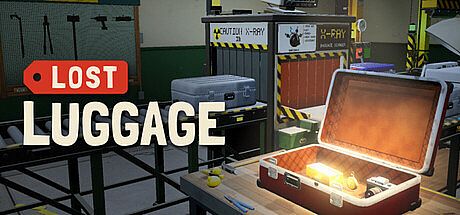


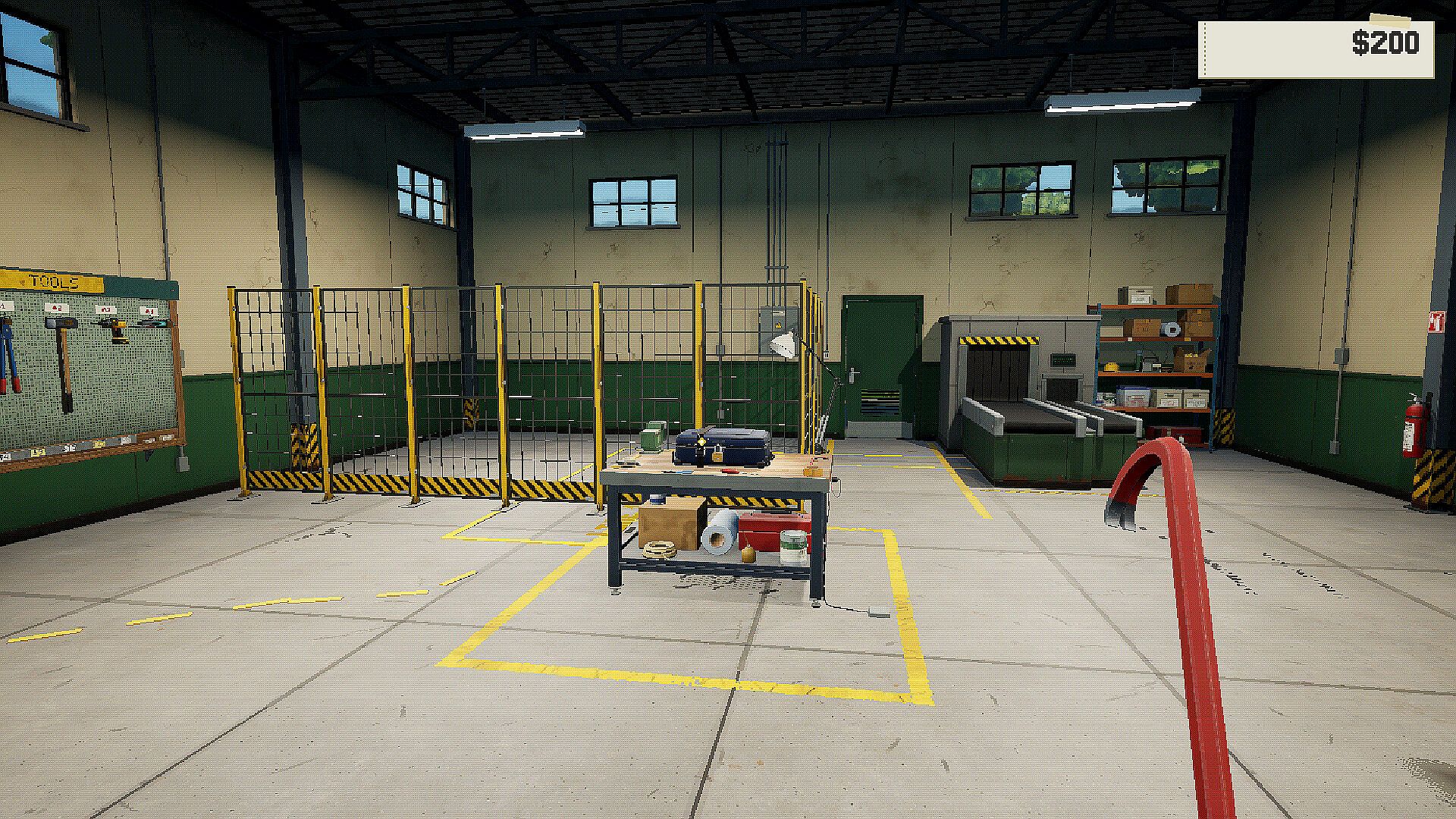
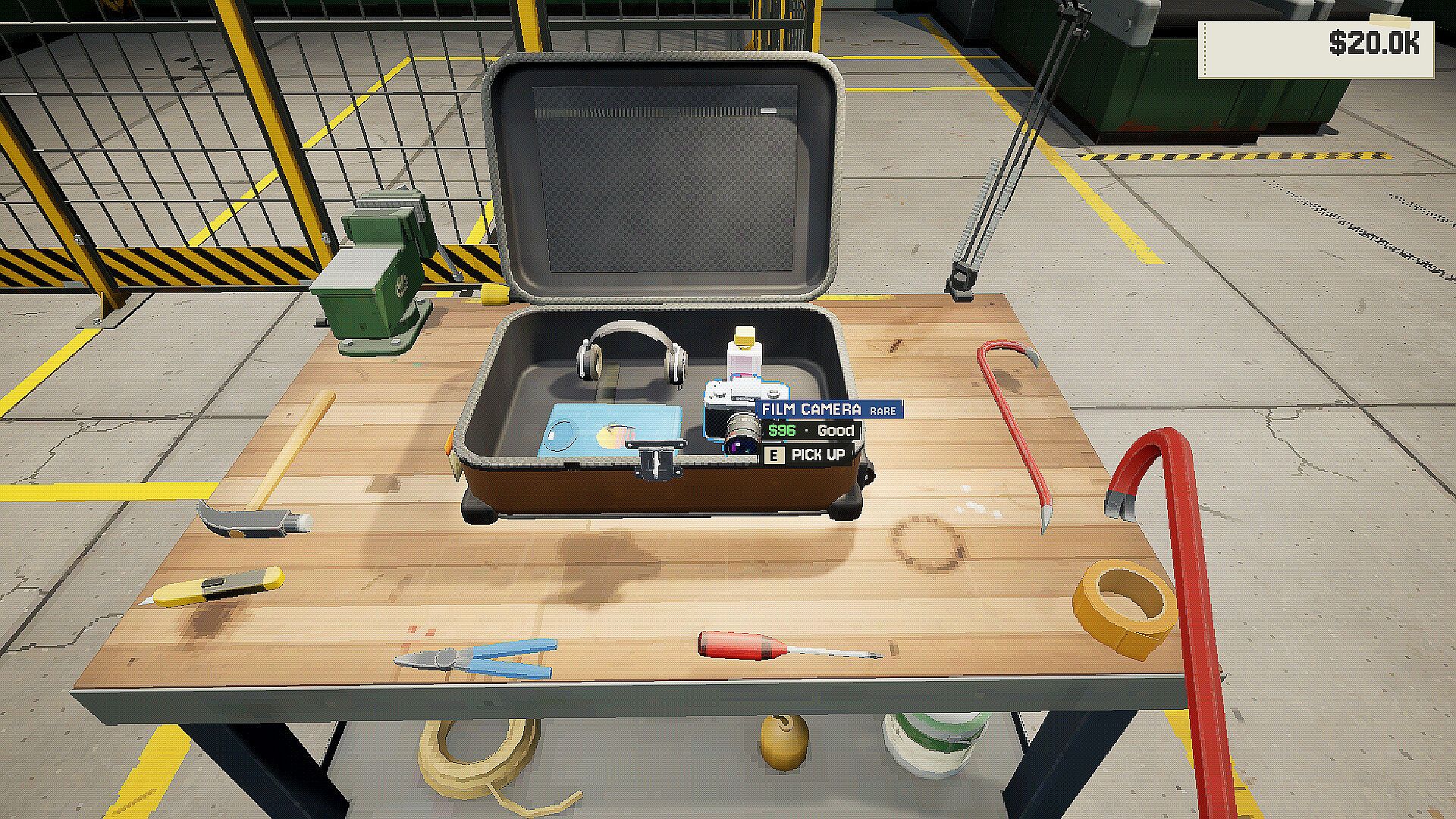
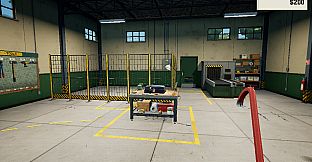
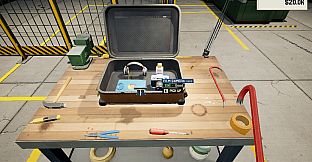
Lost Luggage is an indie casual simulation game for PC that puts players in charge of a garage operation centered on unclaimed airport luggage. The core experience revolves around purchasing batches of suitcases sight unseen and then examining their contents for items worth keeping or selling. Most bags contain everyday objects such as socks and shampoo, yet occasional finds include more valuable pieces like a film camera, stacks of cash, or a gold pocket watch.
Gameplay
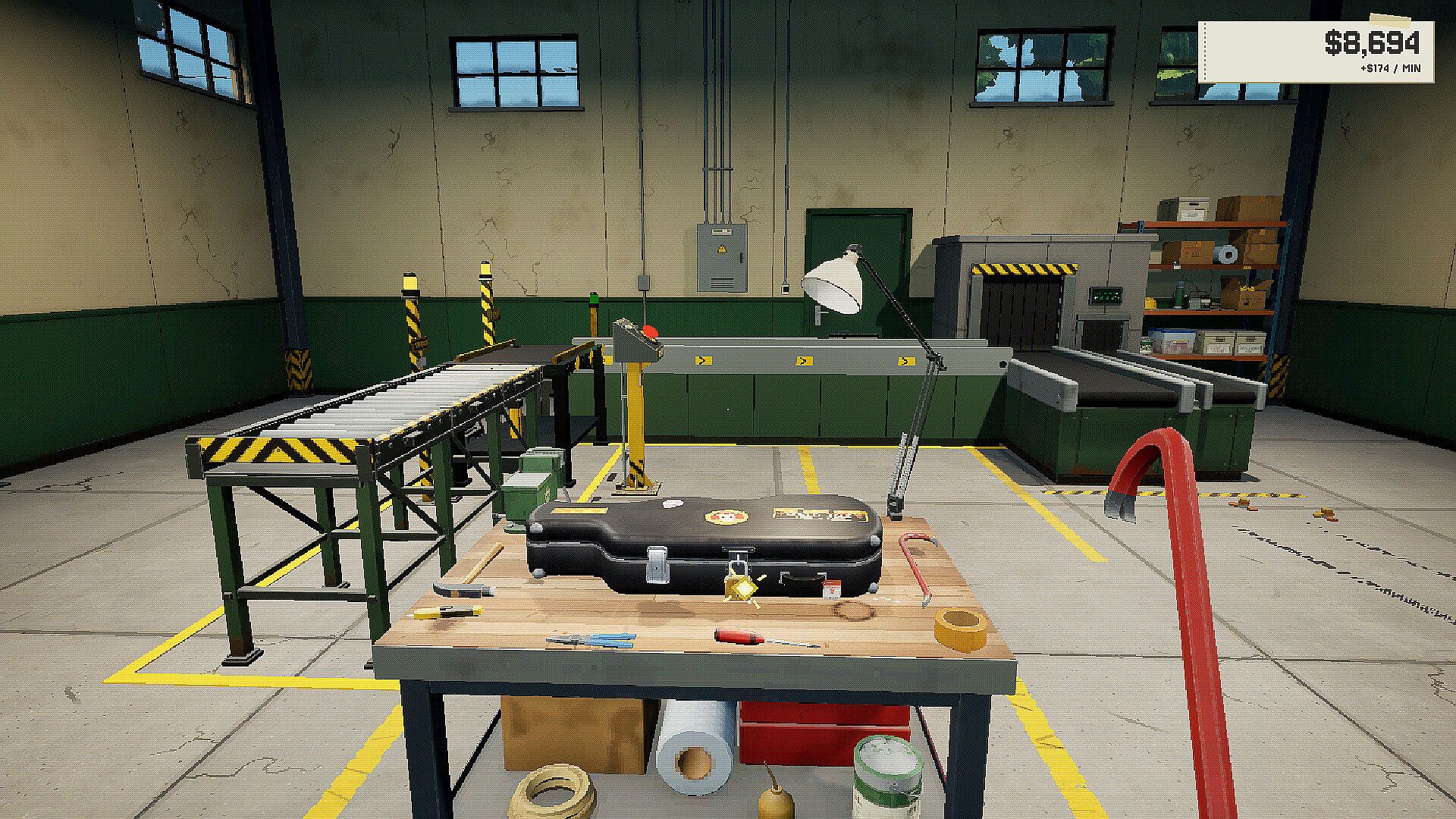
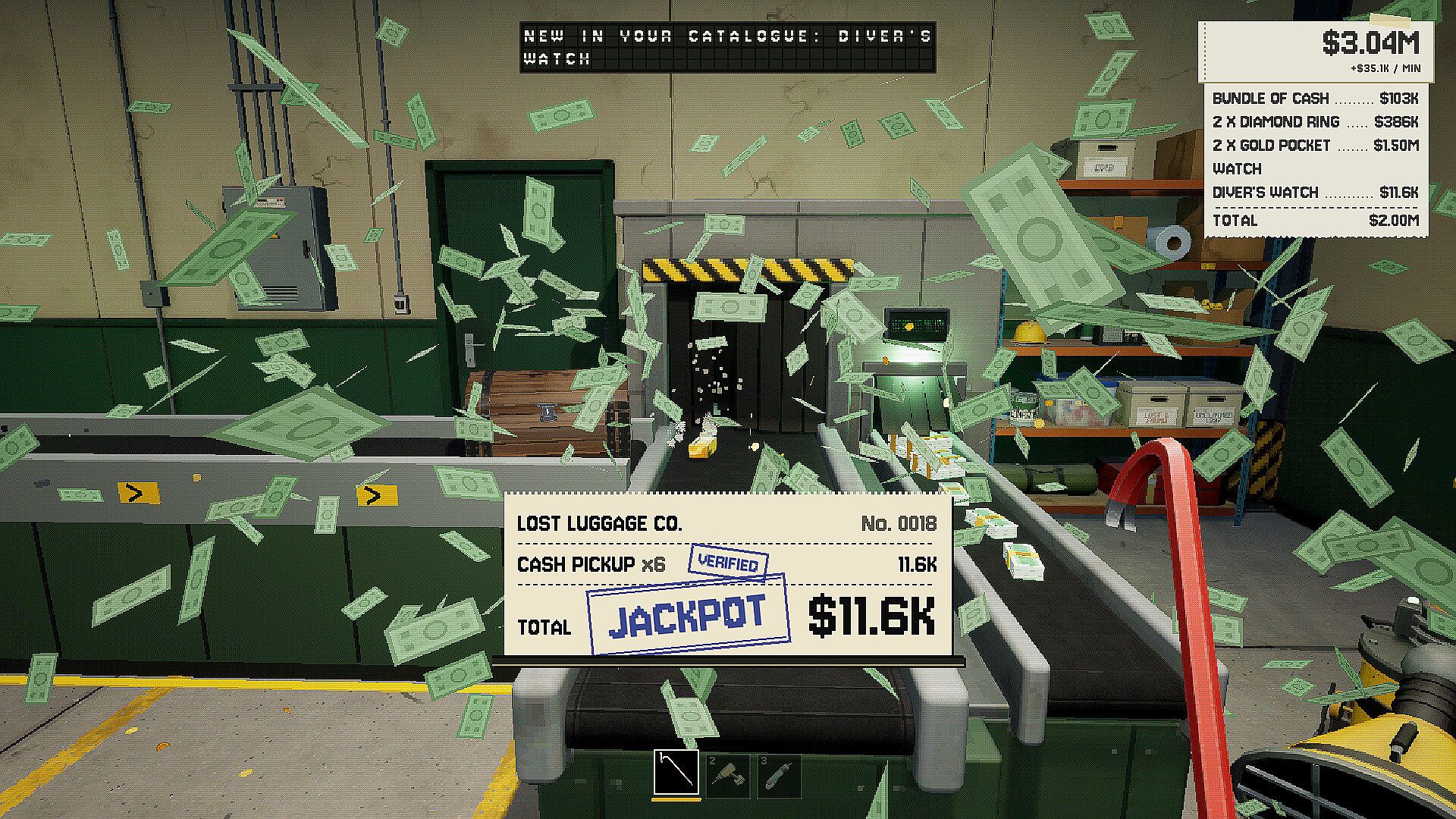
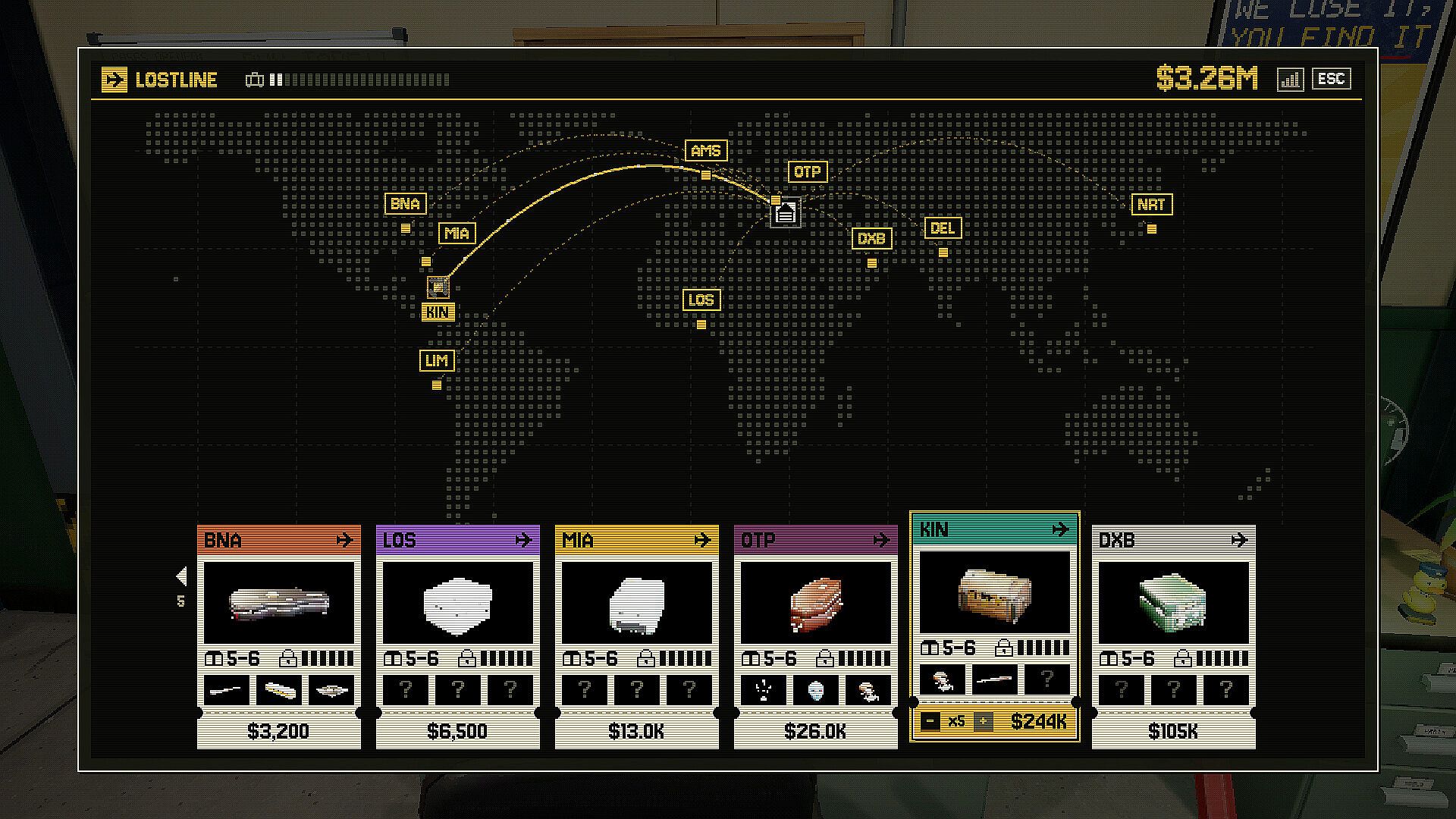
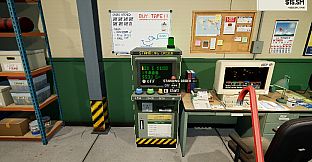
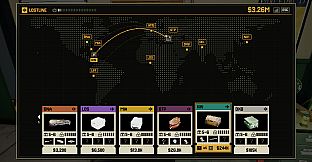
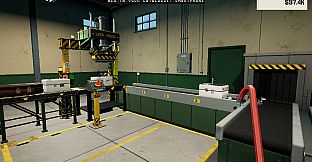
The central loop begins at an old terminal where players book flights to receive new shipments of cases. Once the luggage arrives in the garage, the player uses tools to open each one. Striking a weak spot on the lock speeds up the process. Contents are then placed on a sell belt to generate cash, which funds further purchases and upgrades. The activity rewards careful observation because rare items stand out from the common clutter and fetch higher returns when sold.
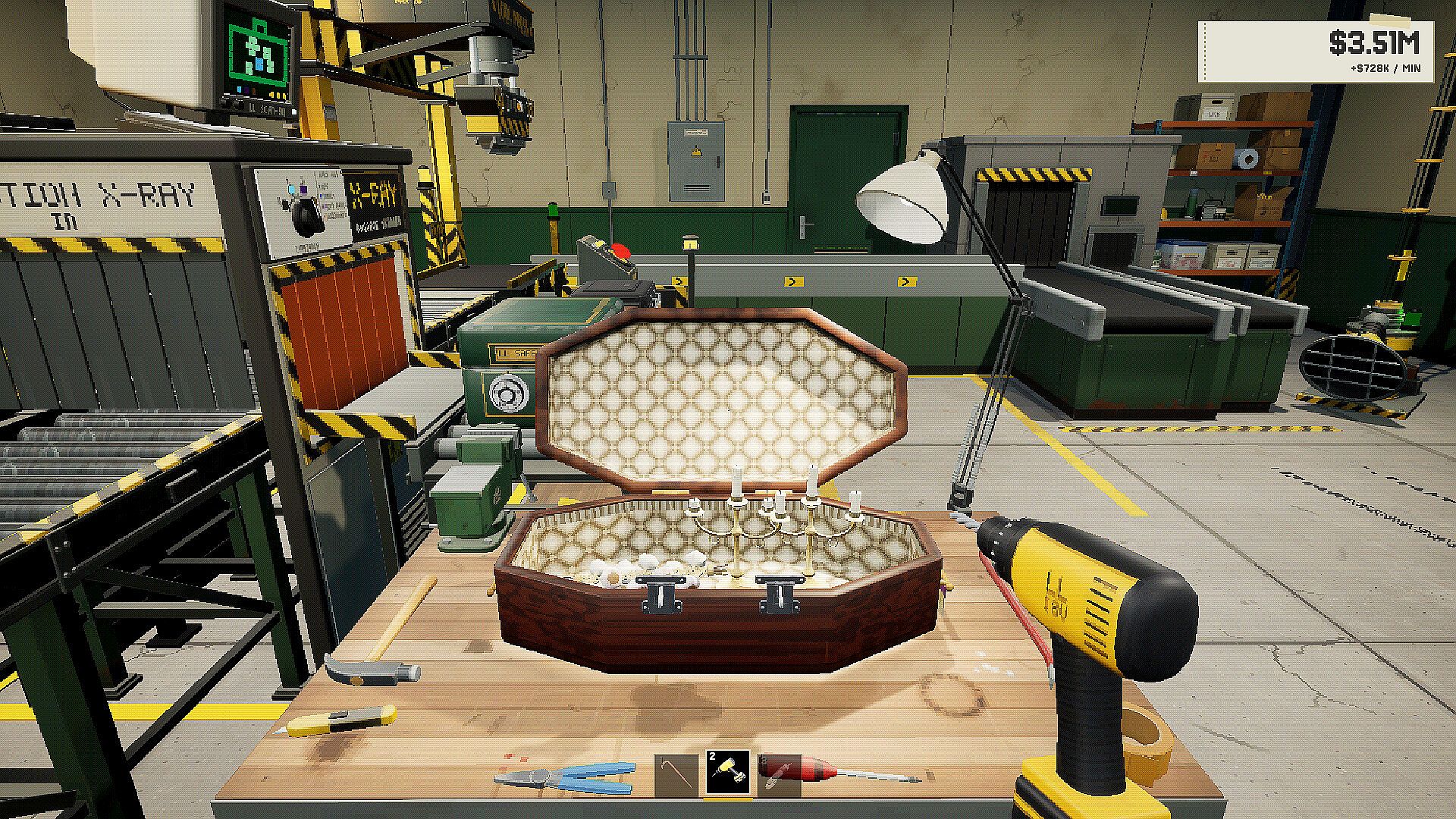
Tool progression forms a key part of advancement. Players begin with a basic crowbar and can later acquire a bolt cutter, sledgehammer, drill, and angle grinder. Each tool interacts differently with the various lock types, requiring players to match the right implement to the task for efficiency. Stronger tools reduce the time spent on stubborn cases and allow more bags to be processed in a session.
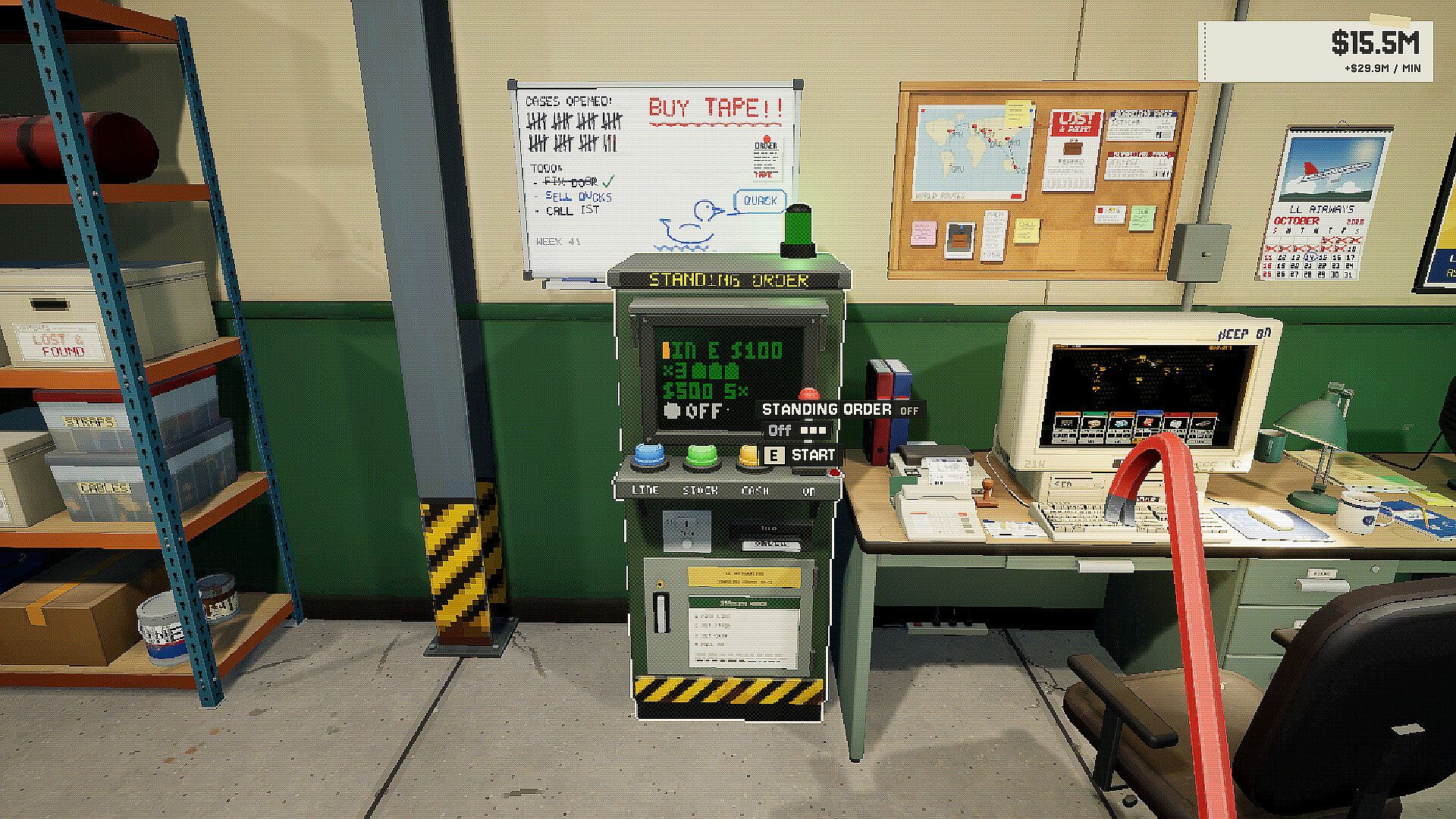
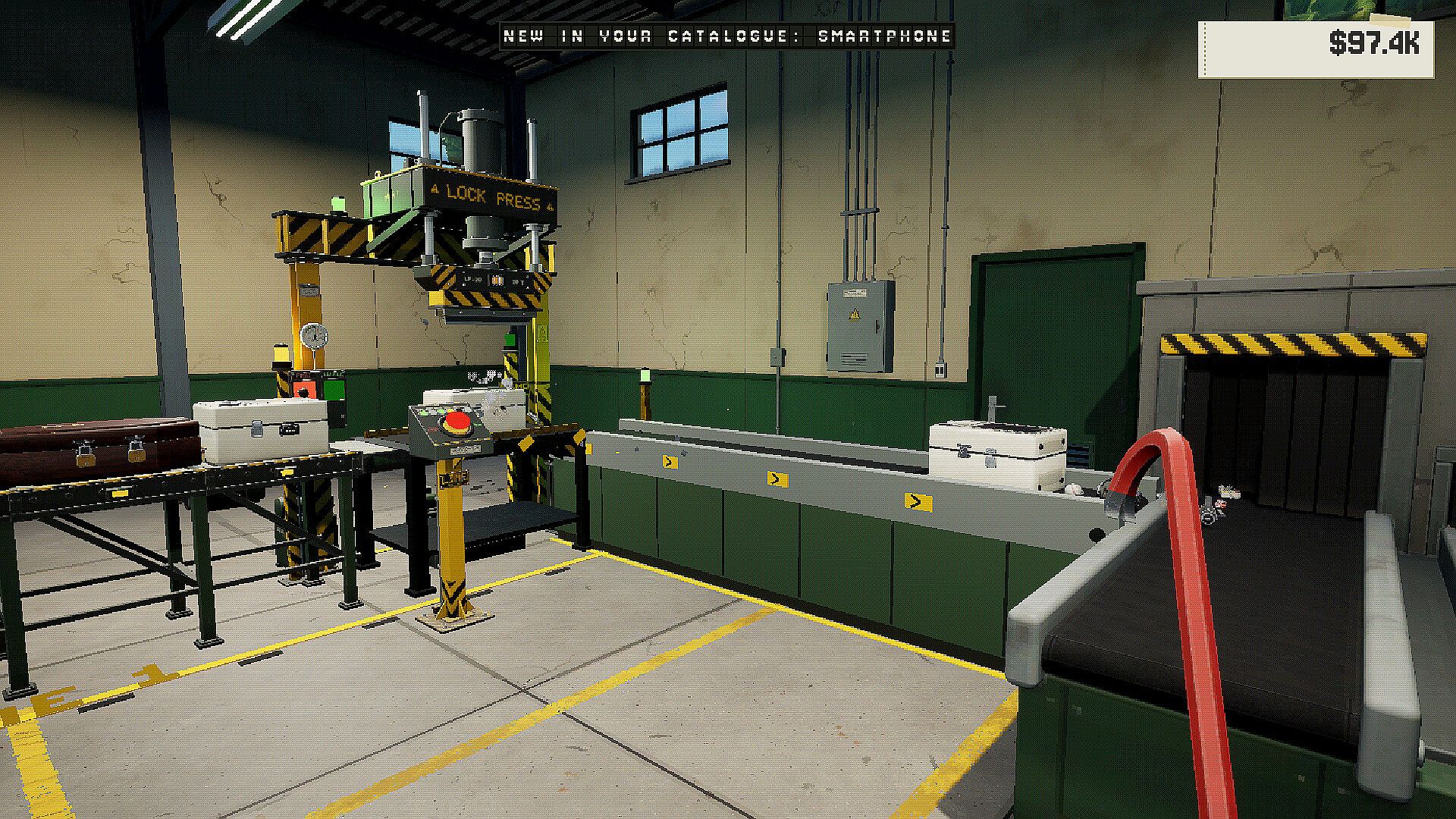
Automation becomes available once earnings are invested in the Garage Planner. Machines can be arranged to handle feeding, opening, and emptying cases automatically. This setup frees the player to focus on hunting for high-value finds rather than performing every manual step. The system encourages strategic placement of equipment to maximize throughput while the player continues to source new shipments.
Game Modes
Lost Luggage operates as a single-player simulation without separate named modes. The experience centers on repeated cycles of purchasing, opening, and selling luggage within the garage setting. Players manage their own pace, deciding when to expand automation or pursue specific rare items. The absence of competitive or cooperative elements keeps the focus on personal progression and optimization of the workspace.
Progression and Upgrades
Earnings from sold items directly support expansion. Tool upgrades improve speed and reliability when dealing with different locks, while the Garage Planner allows incremental automation of routine tasks. Over time, the garage shifts from a hands-on operation to a more self-sustaining setup where machines handle volume and the player intervenes mainly for valuable discoveries. This structure rewards consistent play and thoughtful investment choices.
Is It Worth Playing?
Lost Luggage suits players who enjoy relaxed simulation and management gameplay. The loop of sourcing luggage, opening cases, and building an automated garage offers steady progression without time pressure or complex systems. Those interested in casual experiences that combine light resource management with incremental upgrades will find the core activities engaging. The game remains available on PC and continues to receive updates that refine its systems, making it a steady choice for fans of the genre who prefer solo, self-paced sessions over competitive or story-driven titles.