


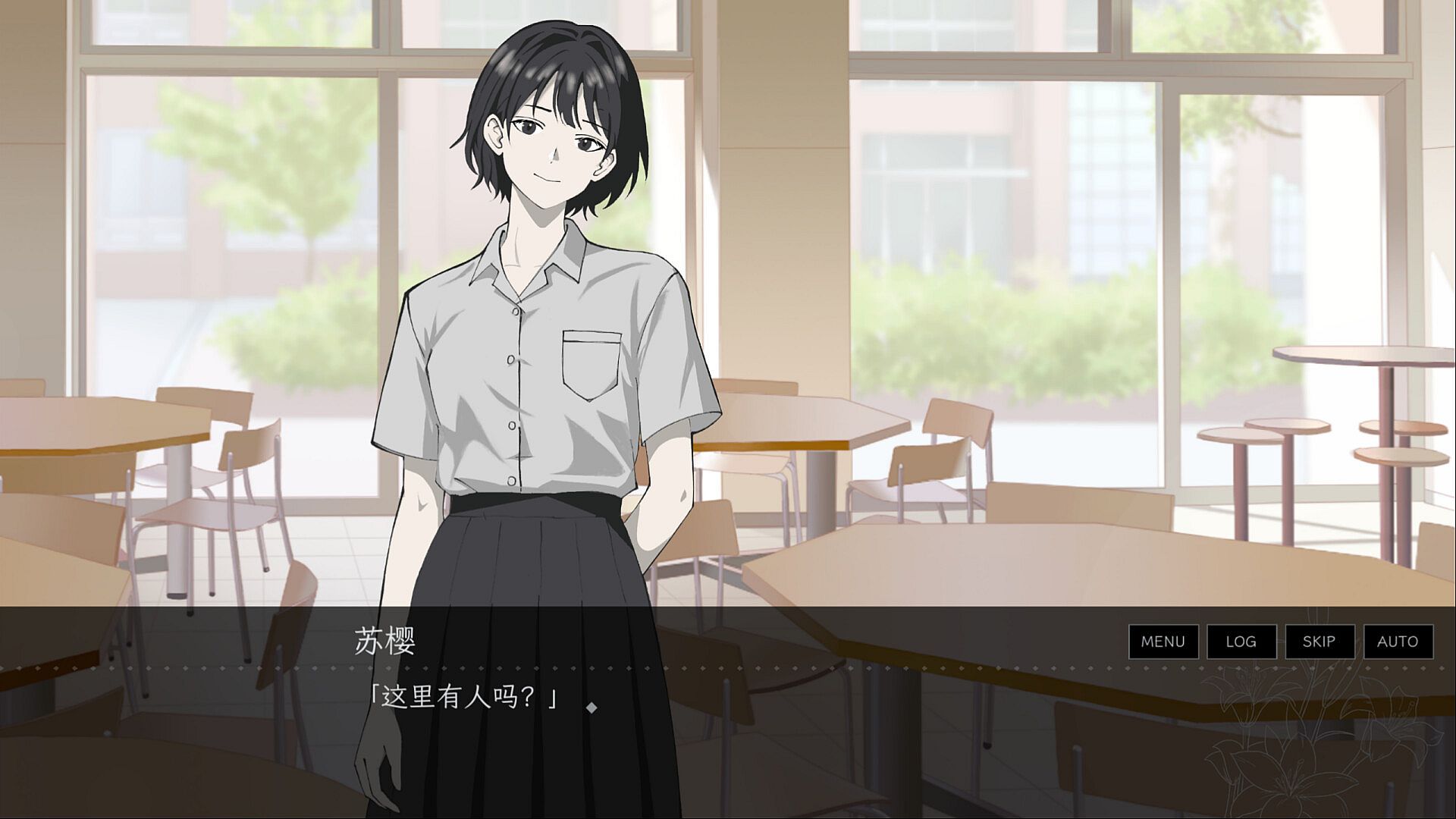
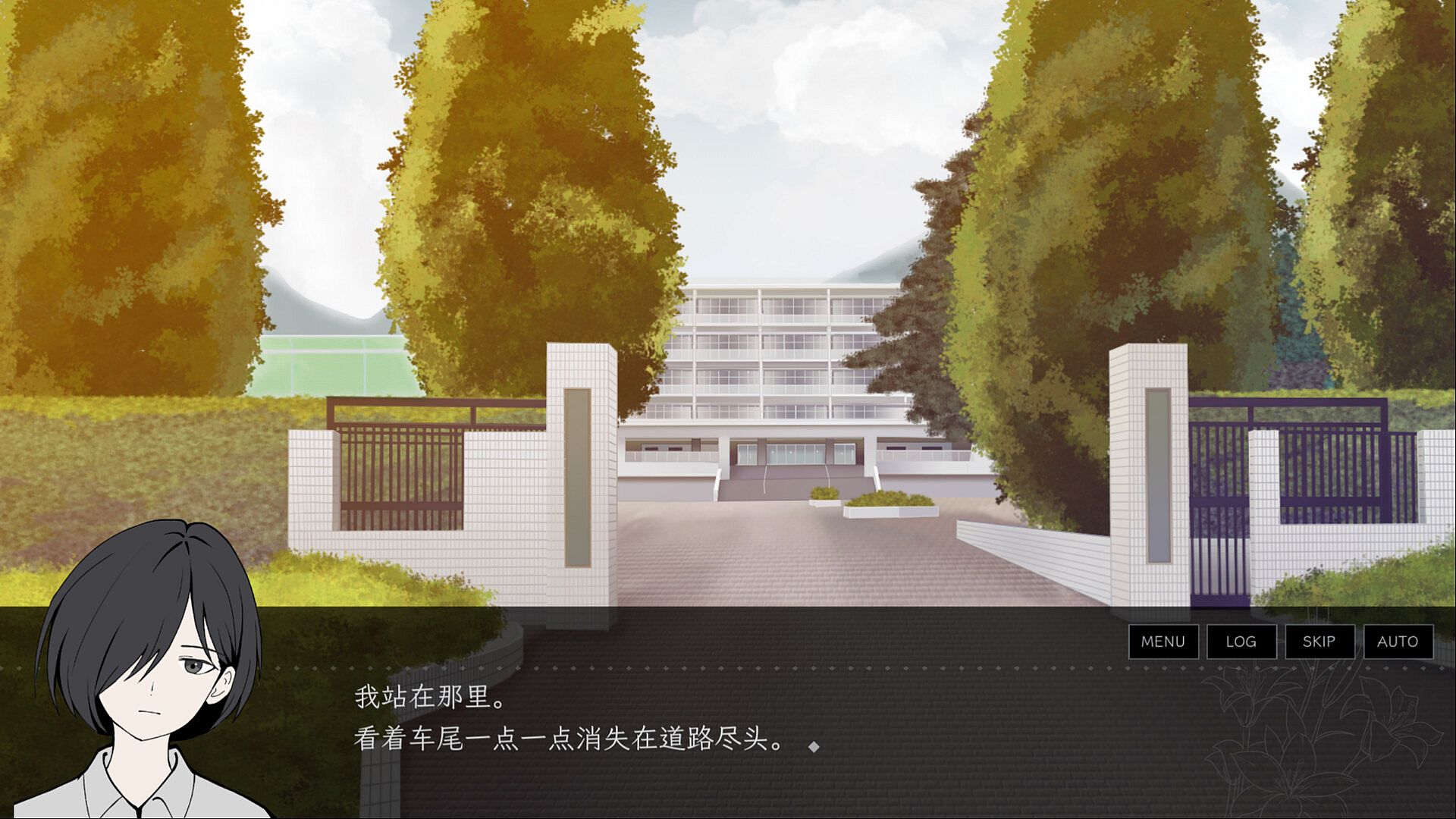
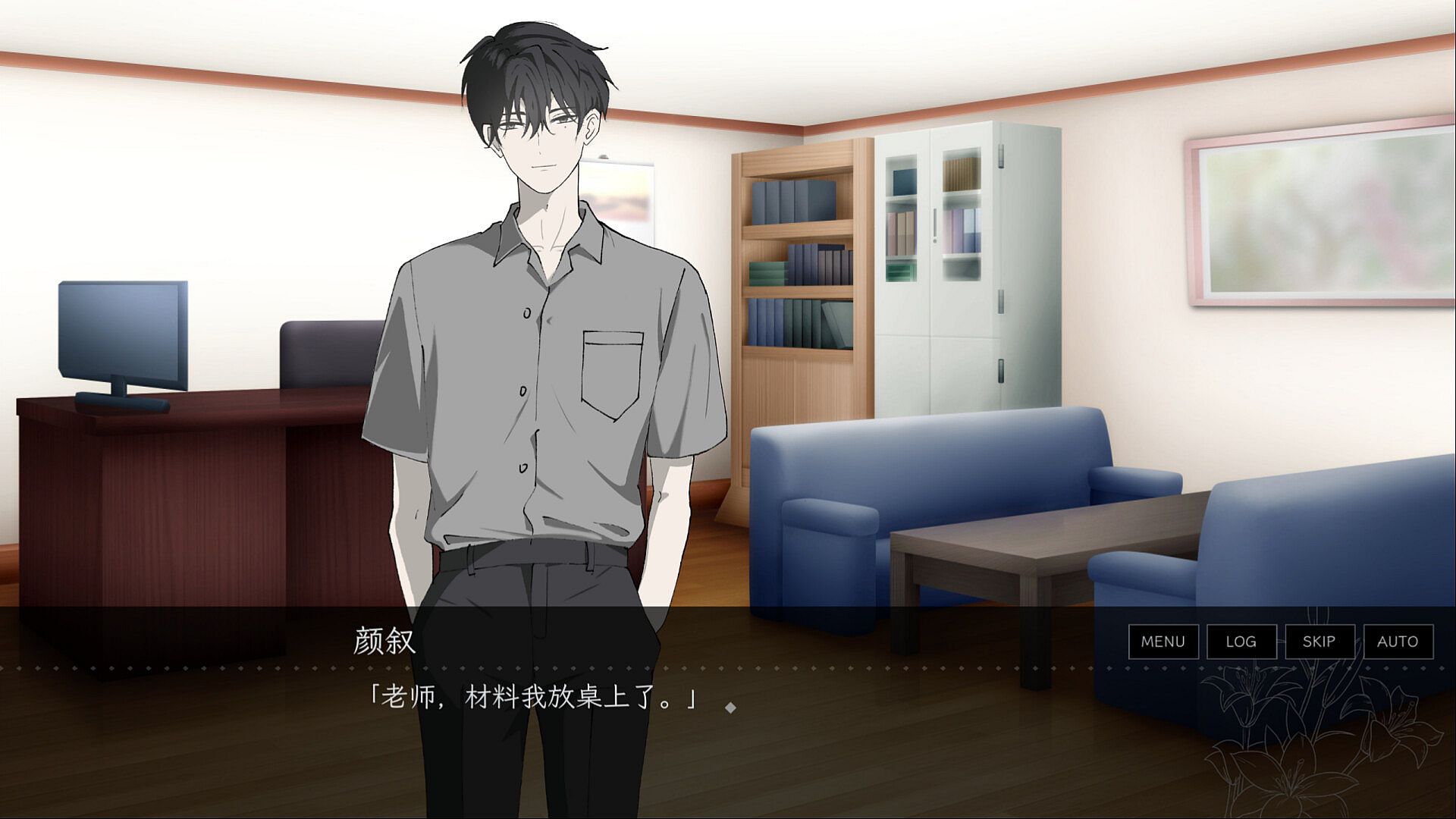
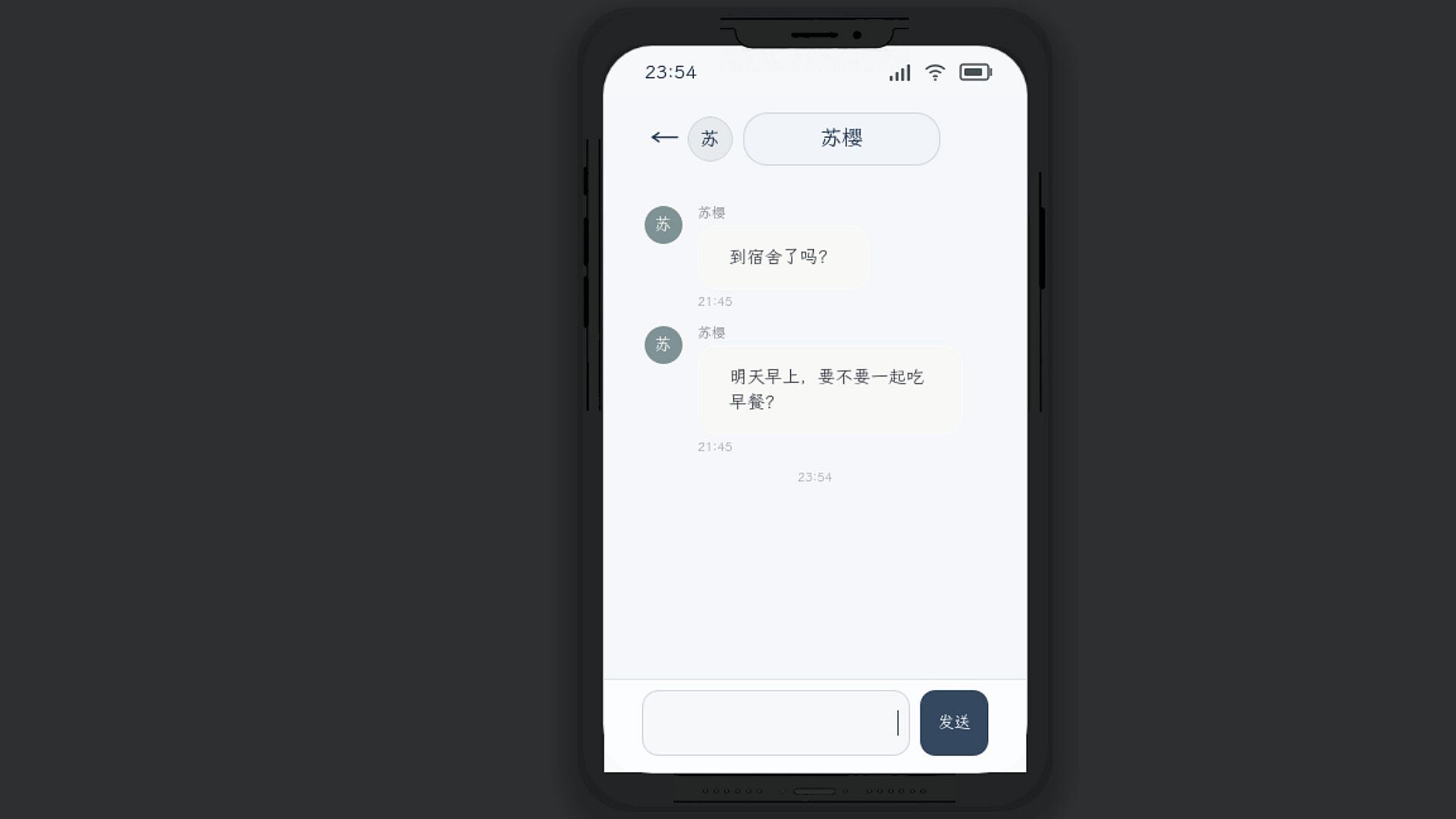
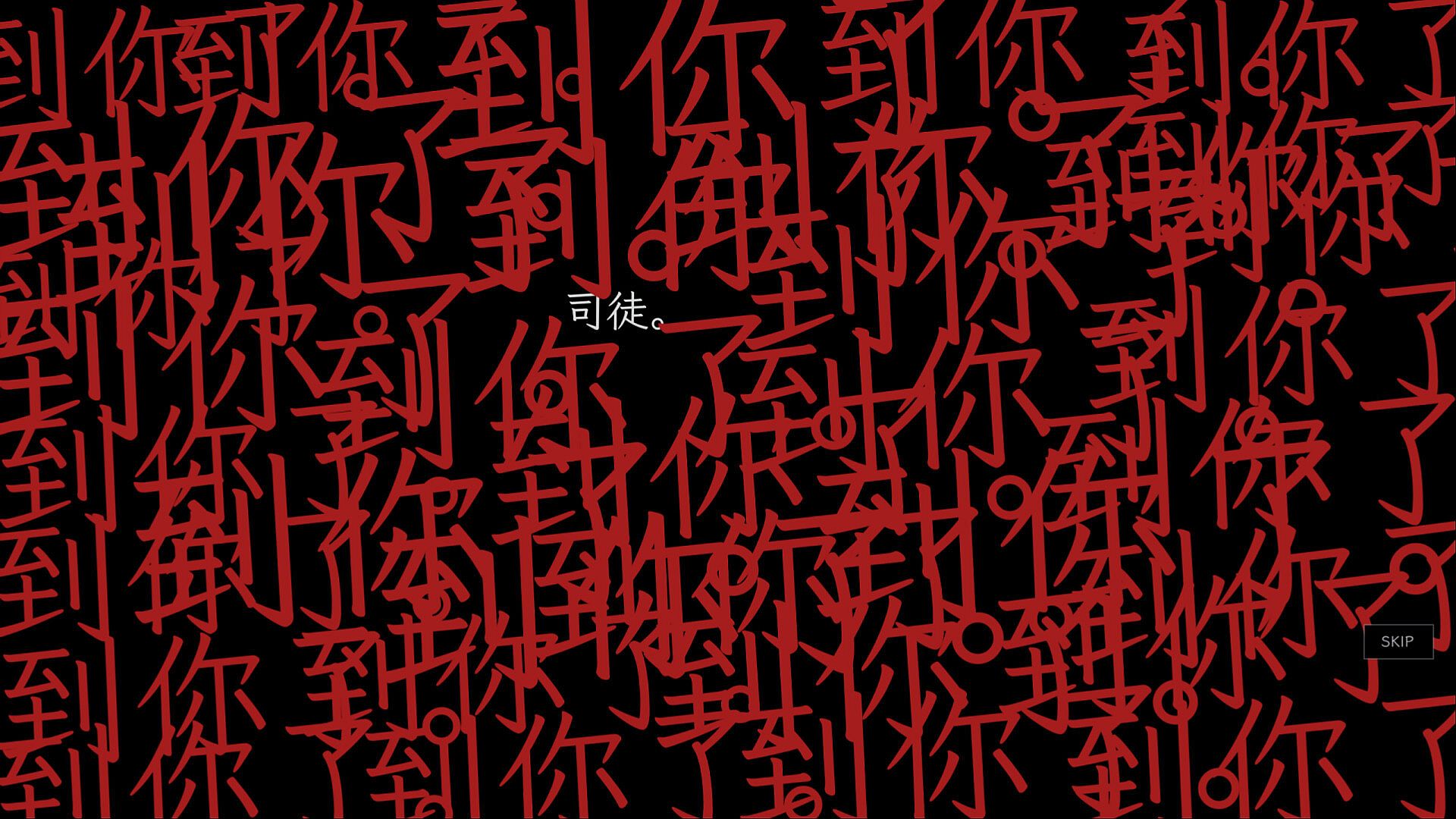




留在四月以后 is an indie visual novel developed for PC that explores dark themes of dependency, guilt, and intertwined emotions in a yuri context. The story centers on a group of students pulled into a web of secrets following a single accidental death, with the central relationship between Situ Yang and Su Ying evolving through layers of lies, silence, judgment, and shared incriminating evidence. Players follow a narrative that questions whether hatred stems from an inability to let go or if the reverse holds true, all while desire and guilt complicate every interaction.
Gameplay
The core experience involves reading through detailed text passages that advance the plot and reveal character motivations. Choices appear at key moments, directing how Situ Yang and Su Ying respond to the unfolding events and to each other. These decisions shape the emotional dynamics, allowing the story to branch based on whether players emphasize confrontation, silence, or attempts at connection amid the growing tension from hidden truths.
Progression relies on careful attention to dialogue and internal monologues that highlight the realistic psychological strain on the characters. The narrative builds gradually from the initial incident, incorporating elements of judgment from peers and the weight of evidence that binds the group together. This structure encourages replaying sections to observe how different approaches alter the balance between hatred and attachment in the central yuri relationship.
Game Modes
The game operates as a single continuous story experience without separate modes or competitive elements. All content unfolds through the same branching narrative path, where player selections determine the depth of dependency and the resolution of conflicts arising from the accidental death and subsequent secrets.
Focus remains on the interactive story rather than additional gameplay layers, with the entire title centered on exploring the complex ties between Situ Yang and Su Ying as external pressures intensify their personal struggles.
Story and Themes
At its heart, the plot examines how an unforeseen tragedy forces students into a cycle of concealment and mutual accusation. The relationship between the two main characters serves as the focal point, evolving under the strain of shared knowledge that cannot be undone. Themes of desire emerge alongside guilt, creating situations where emotional reliance blurs lines between affection and resentment.
The realistic tone avoids exaggeration, presenting judgment and silence as everyday responses that gradually erode trust within the group. This approach highlights the difficulty of distinguishing genuine feelings from those born out of necessity or fear of exposure.
Is It Worth Playing?
Players interested in yuri visual novels that prioritize emotional complexity and moral ambiguity will find the title engaging through its focused character interactions and consequence-driven choices. The story rewards attention to subtle shifts in dialogue and decision outcomes that reflect the intertwined nature of hatred and attachment.
Those seeking straightforward narratives or lighter themes may find the dark subject matter and emphasis on psychological tension less appealing. The experience suits readers prepared for a deliberate pace centered on interpersonal fallout rather than action or external conflict resolution.