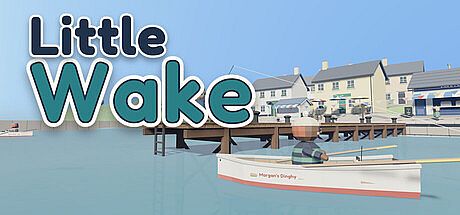


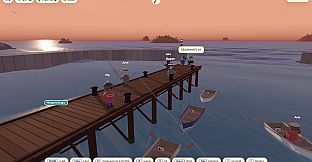
Little Wake is an indie casual game set in a shared online harbour where players relax with fishing, boating, and quiet seaside activities on PC. The experience emphasizes gentle multiplayer interactions in a safe environment without any combat or competitive elements.
Gameplay
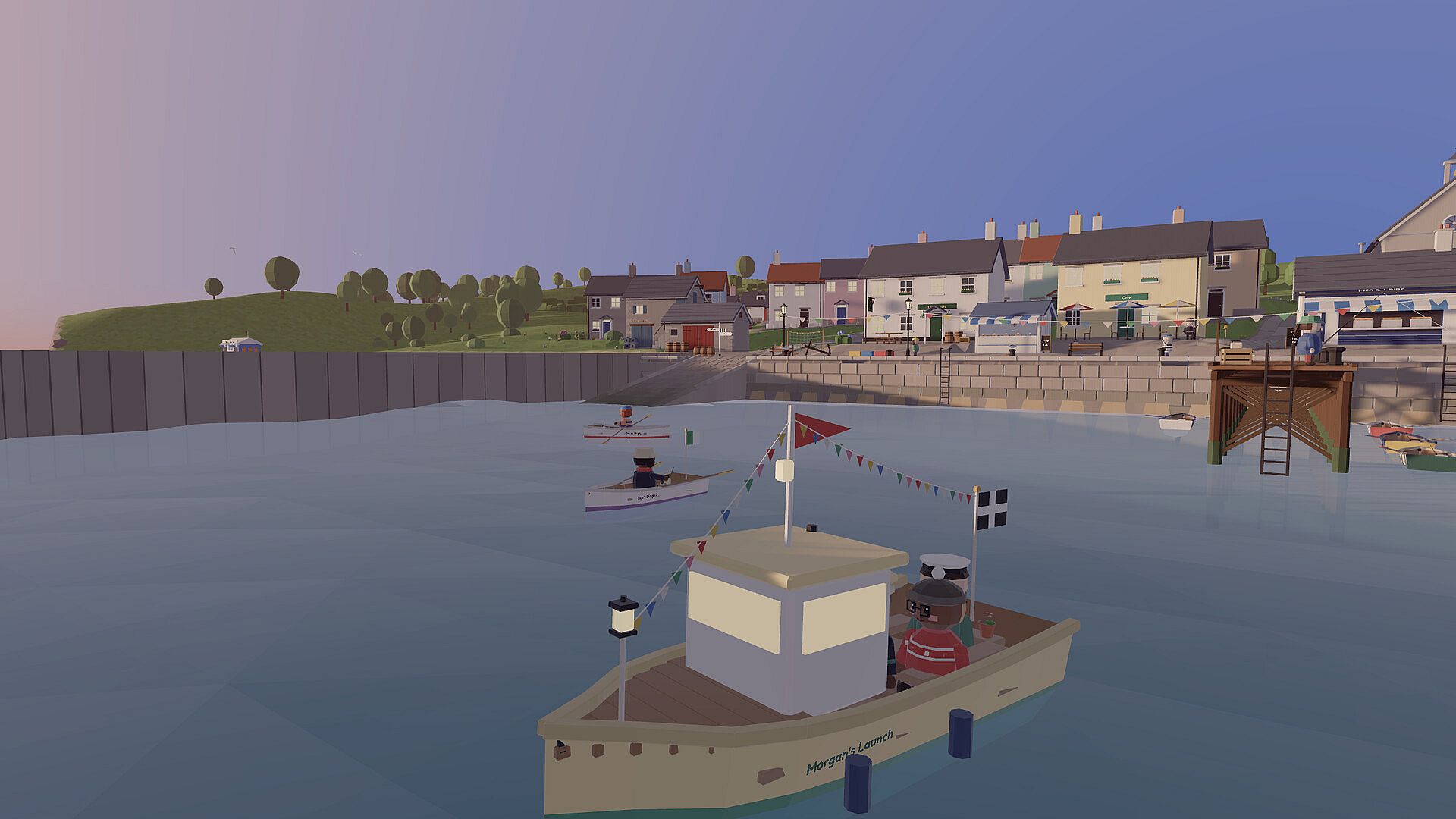
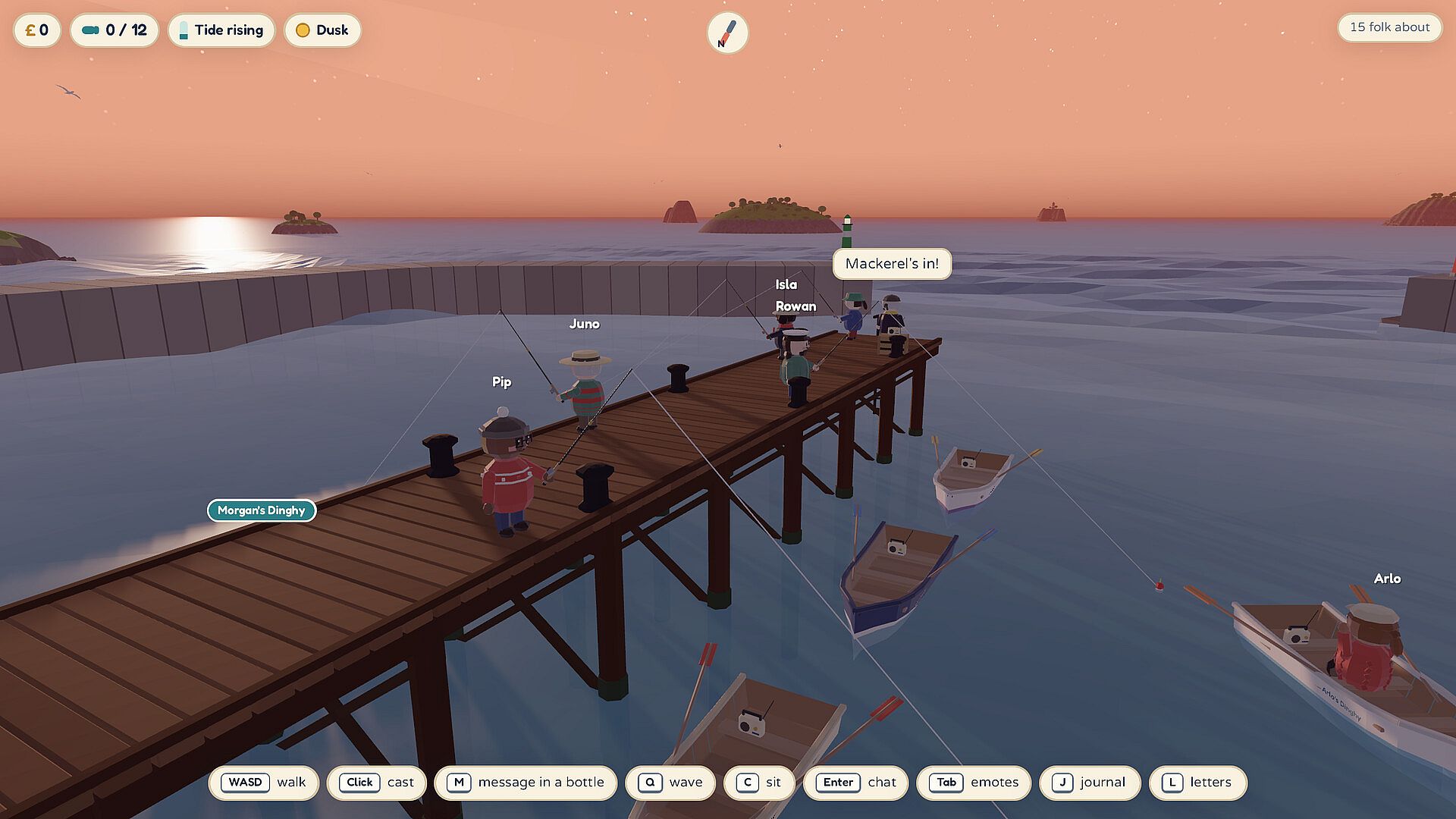
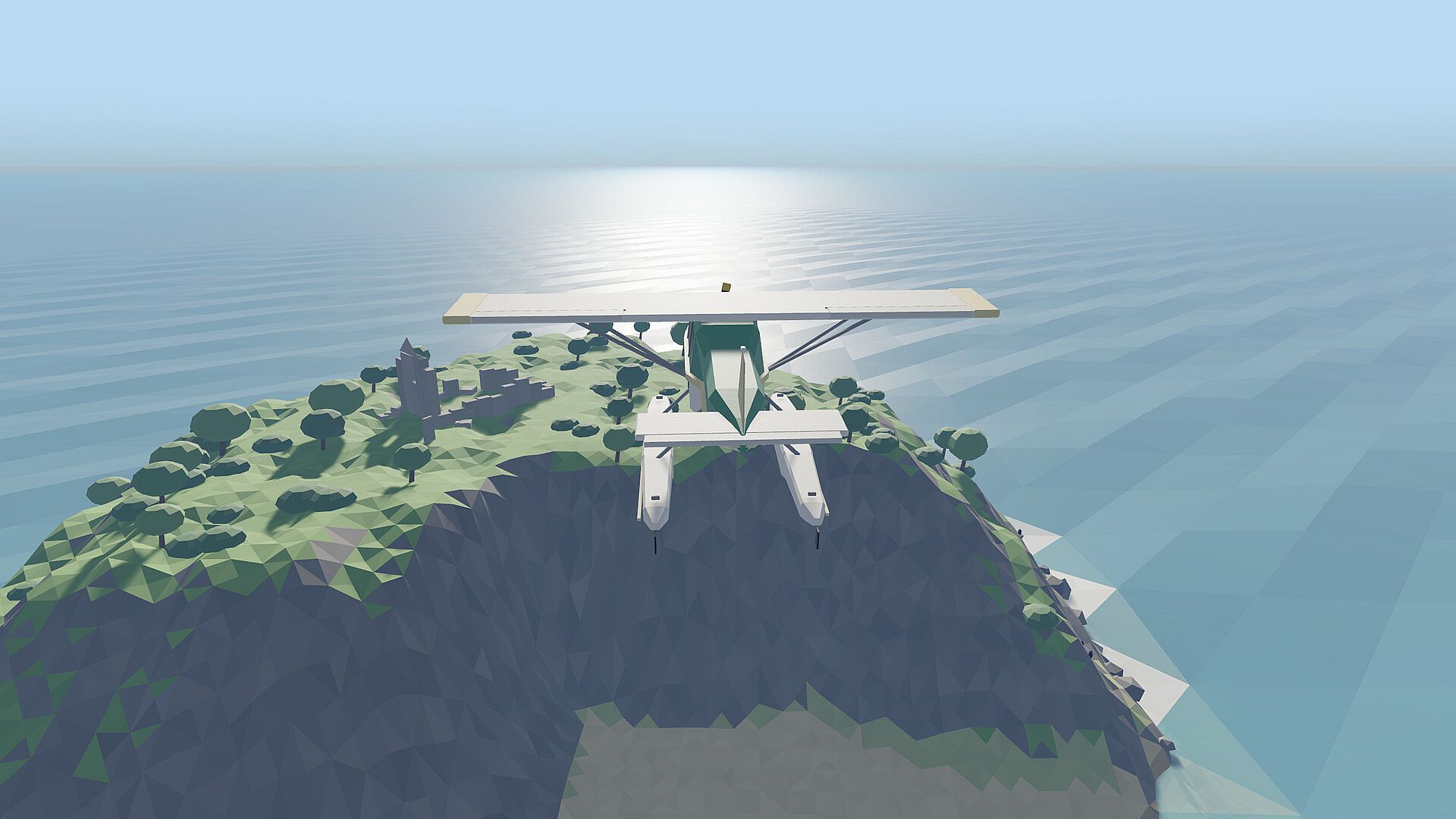
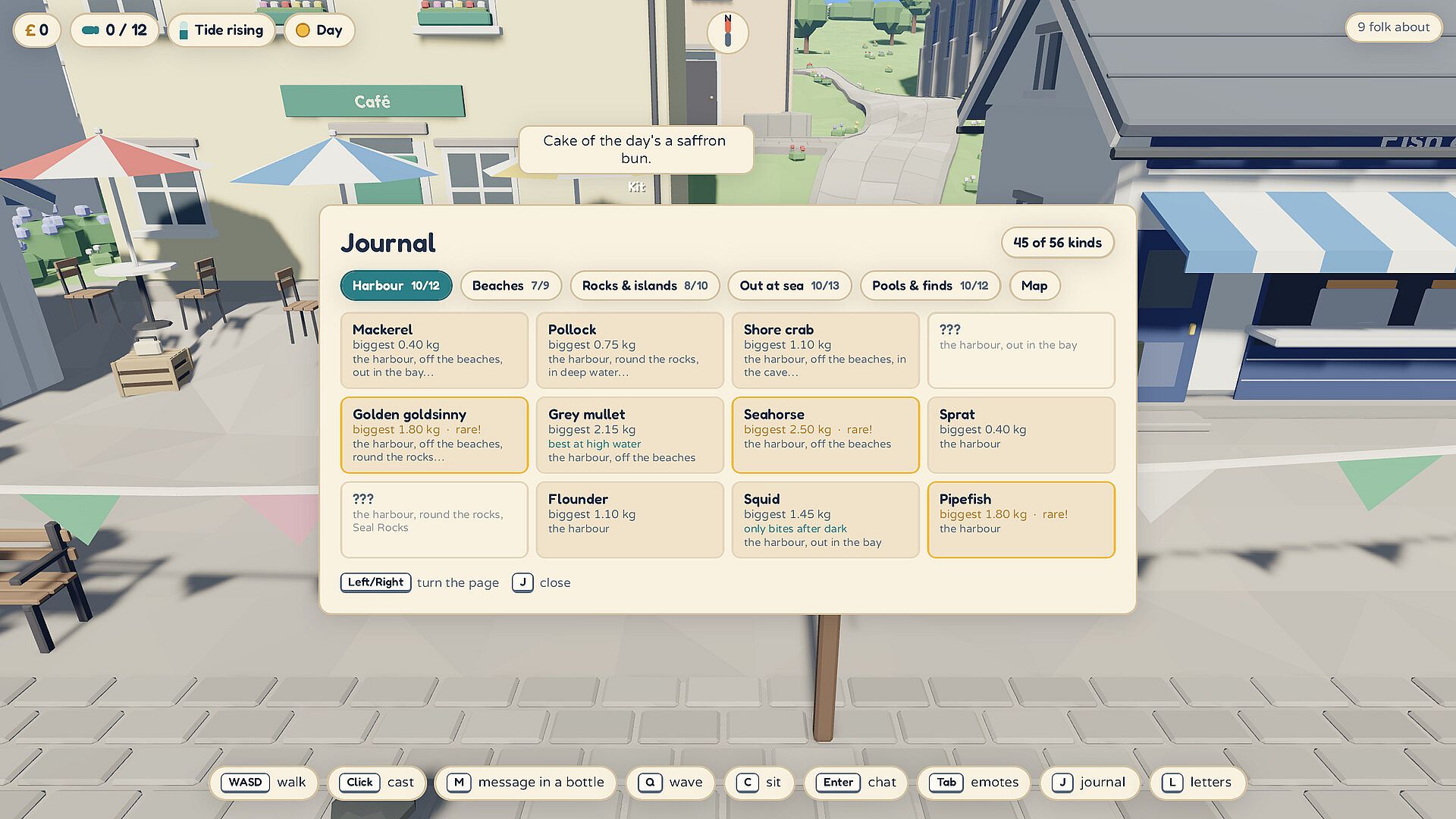
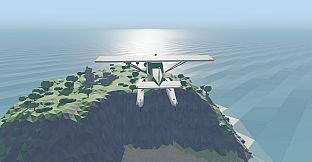
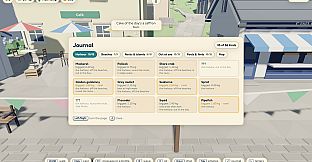
Players begin with a basic rowing dinghy that can be customized with a name, paint, flag, and lantern. Progression involves saving to unlock upgrades such as a motor launch that seats three friends or a seaplane for aerial views of the coast. Fishing forms a central loop, with catches ranging from mackerel off the pier to turbot in the bay, prawns in rock pools, and occasional unusual items like an old boot. A journal tracks all 56 collectible items, including rare ones, and completing entries unlocks titles along with wearable items.
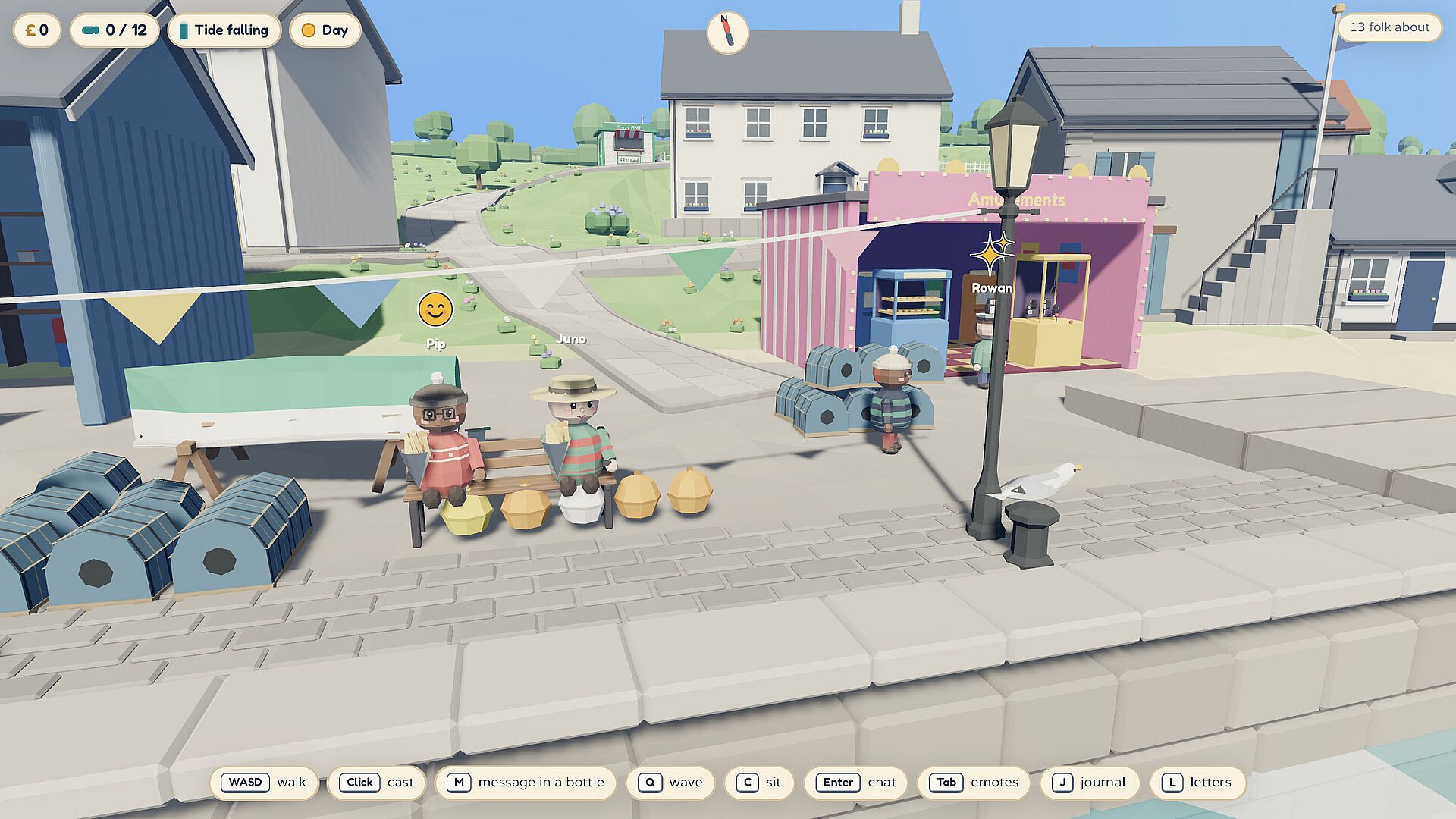
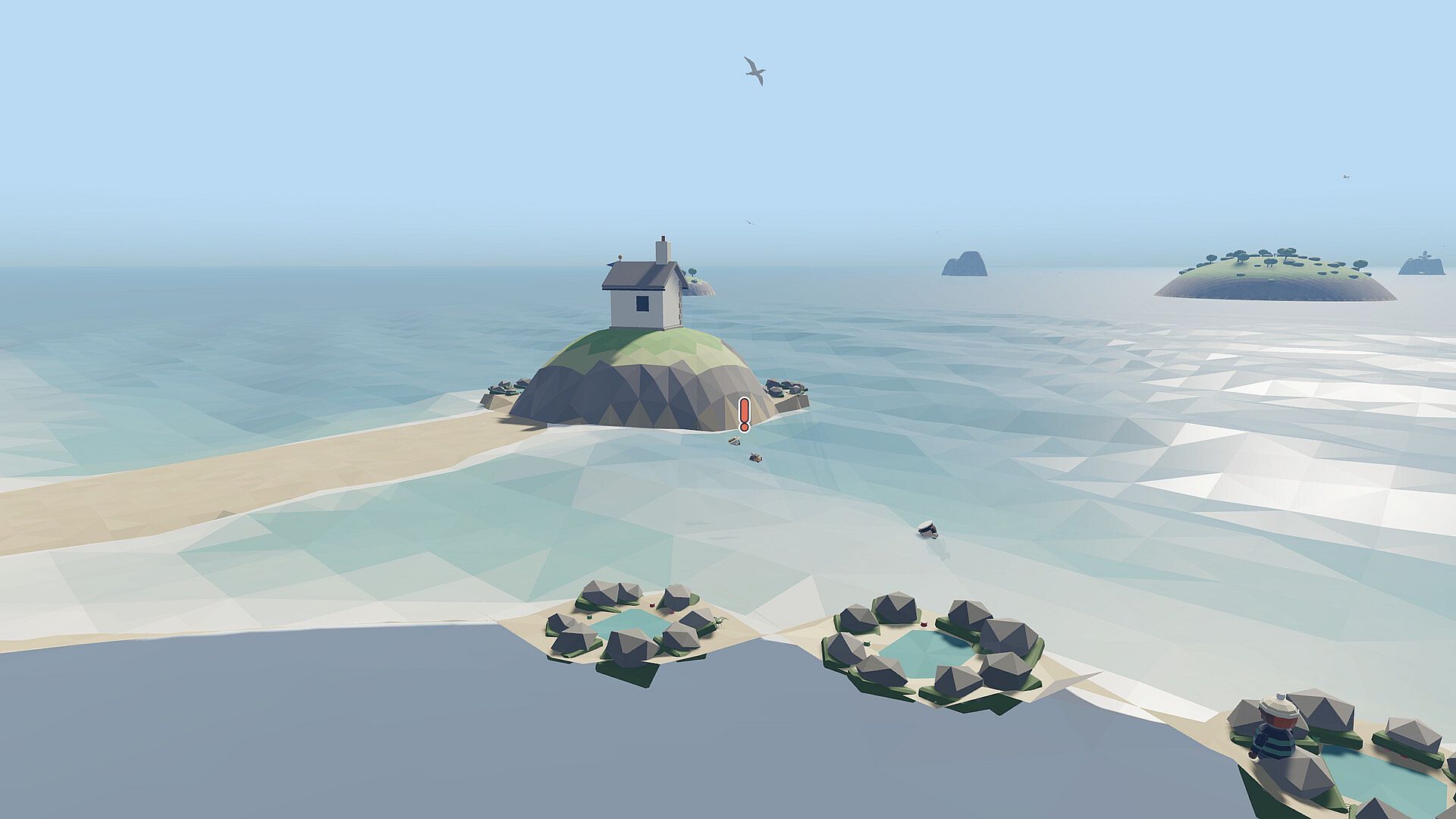
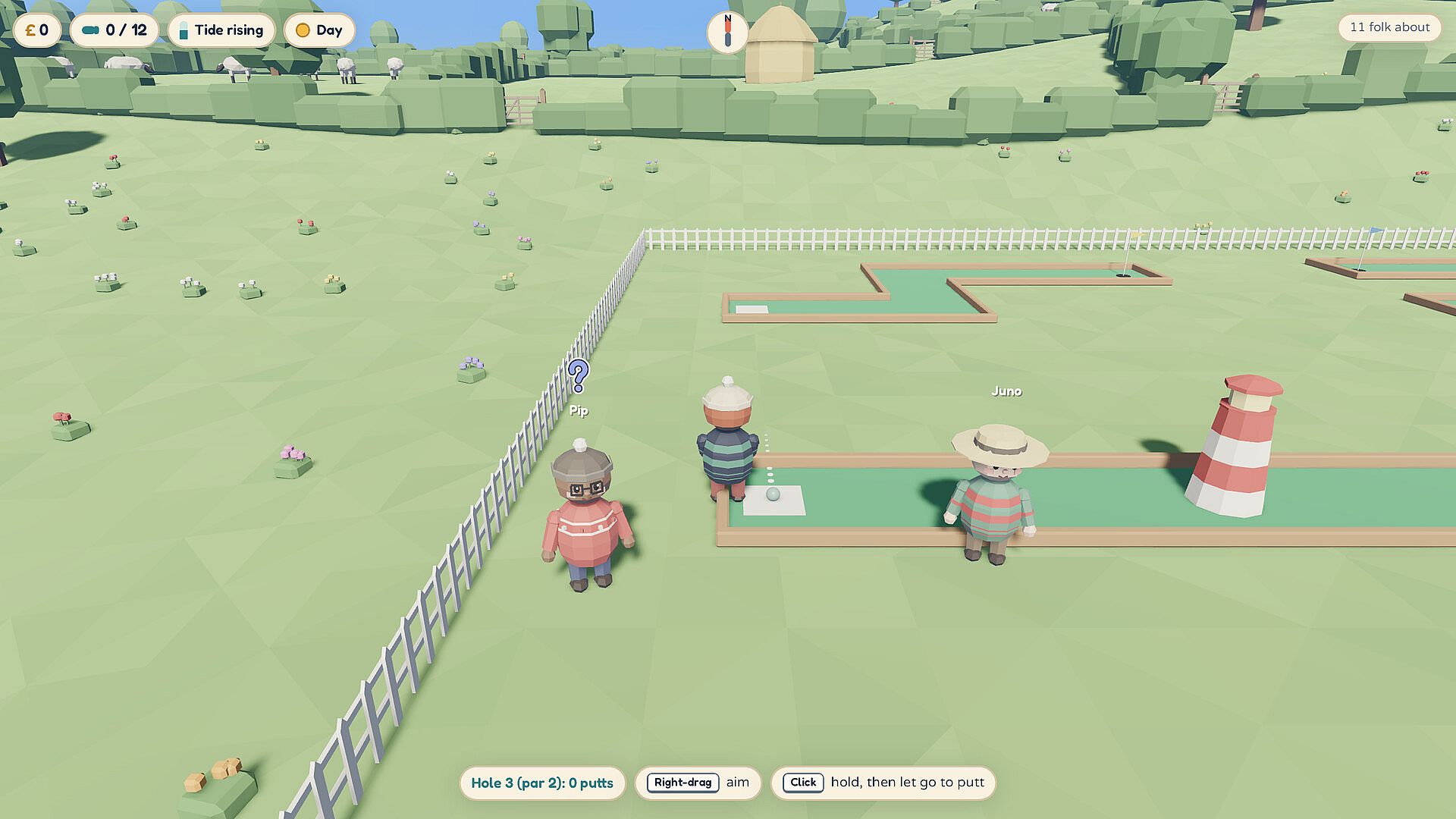
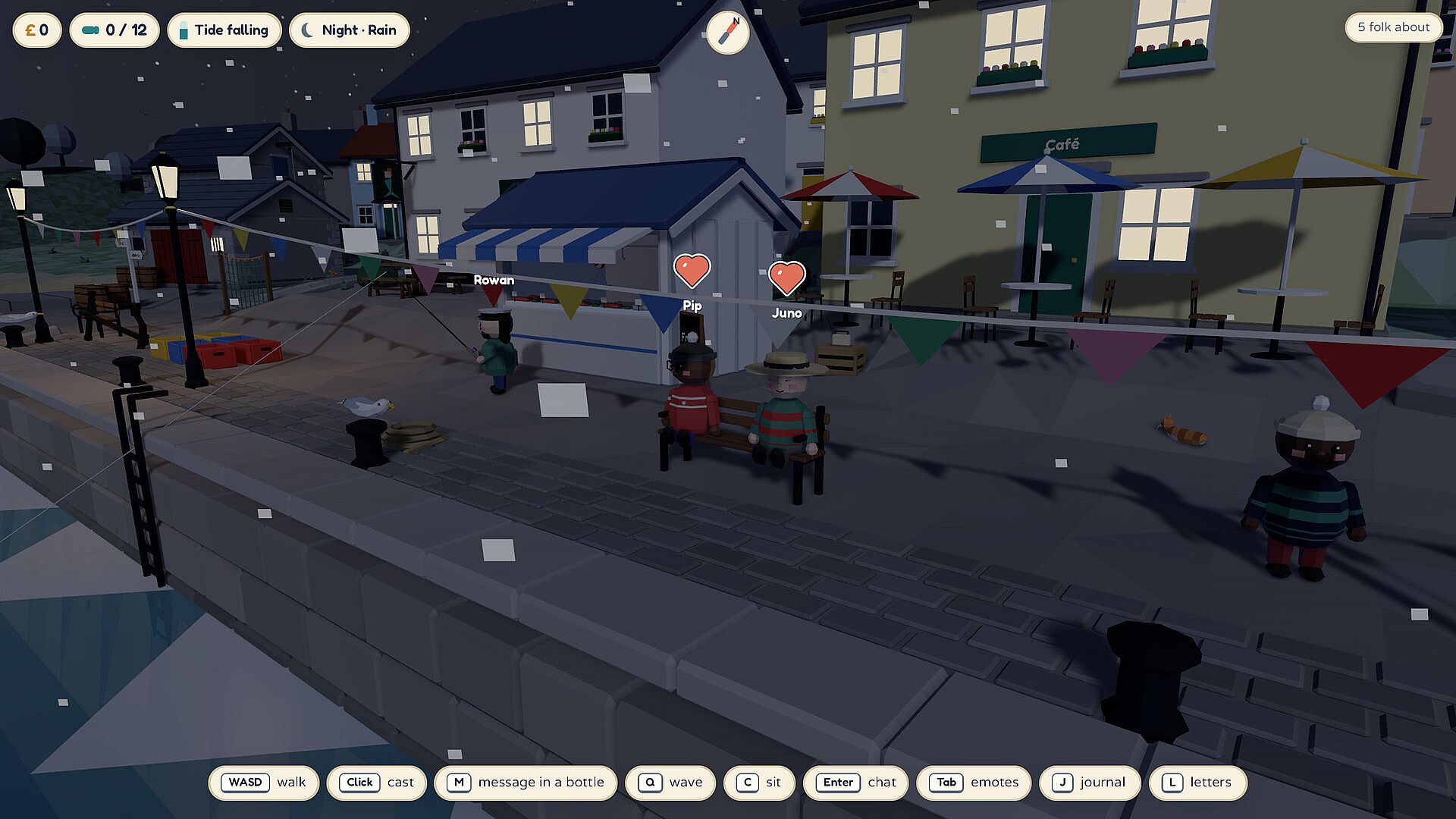
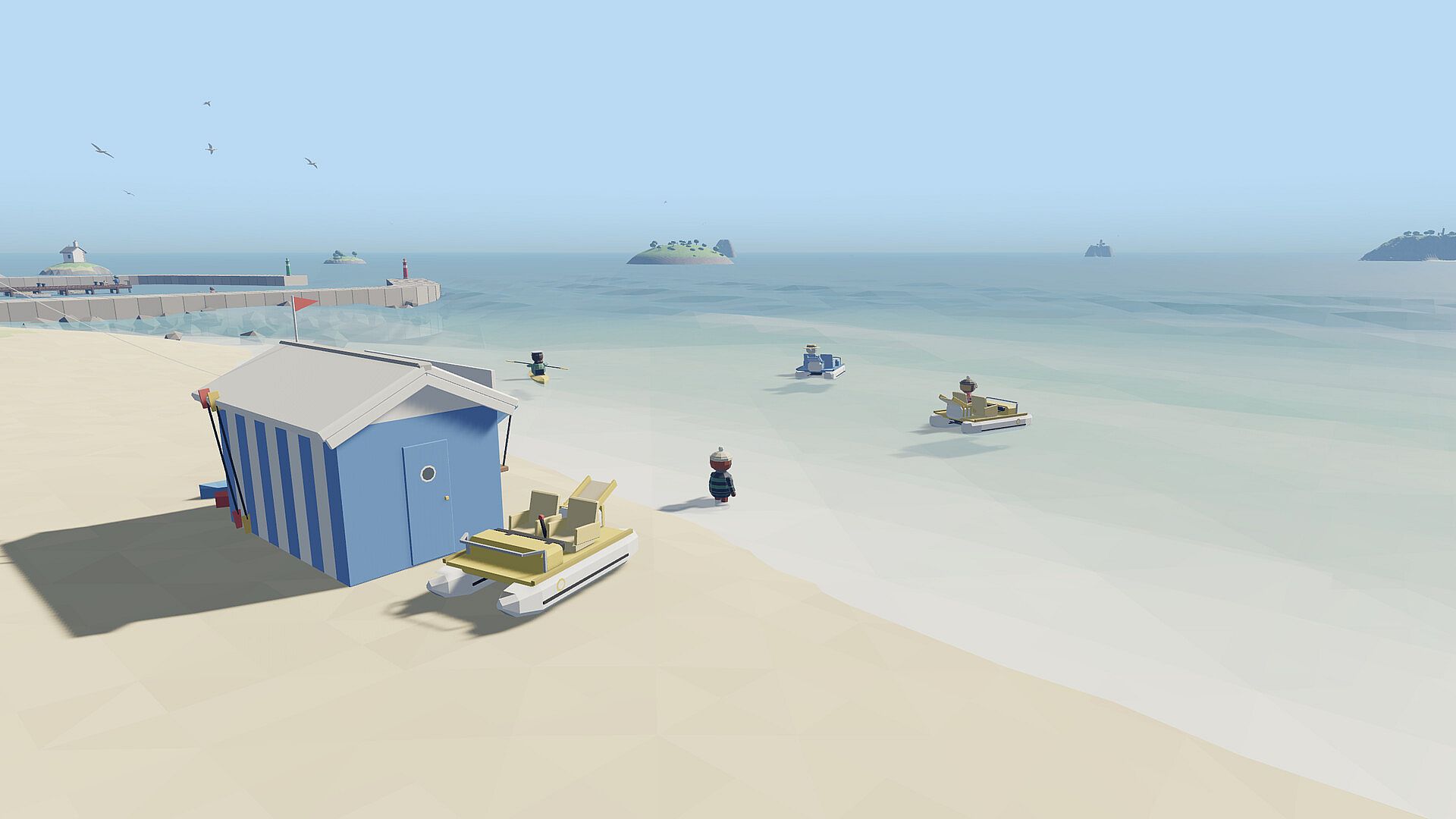
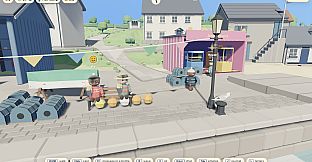
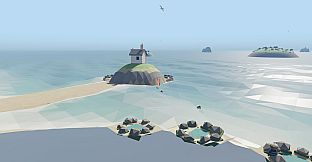
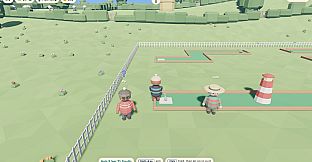
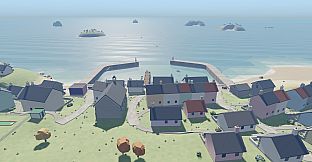
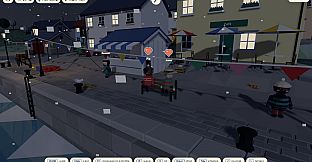
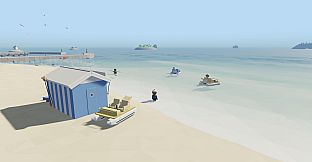
The environment changes dynamically with tides that reveal rock pools at low water, expose a sandbar to Gull Rock, and allow access to a cave under the cliffs. Weather shifts occur in spells, lamps activate after dark, and the full yearly cycle of seasons passes in under a day, bringing blossom, autumn colors, and snow. Exploration covers eight islands where players can walk the deck of an old wreck, observe seals on rocks, or enjoy a picnic at Little Holm. Additional leisure options include buying fish and chips, playing six holes of crazy golf, using penny falls or the claw machine, hiring a pedalo, flying a kite, or building a sandcastle that the tide eventually claims.
Customization and collection drive steady engagement, while the absence of threats keeps the focus on unhurried discovery and personal expression through boat details and journal progress.
Game Modes
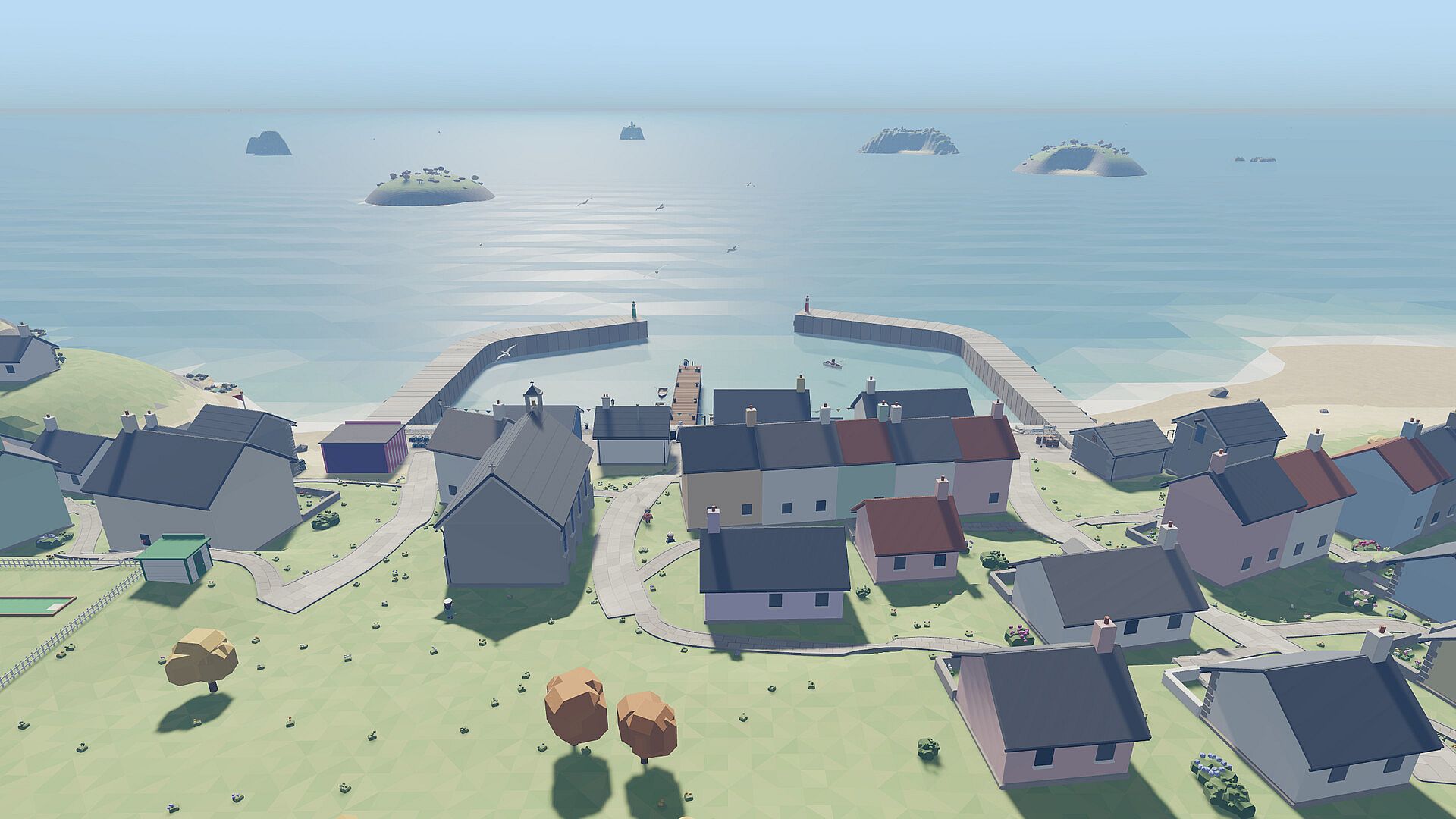
The core experience centers on a persistent online harbour shared with other players, where casual encounters like waving or sitting on a bench occur naturally. When the harbour grows busy, additional instances open alongside the original, automatically grouping friends together when space allows. This system supports drop-in multiplayer without formal lobbies or structured sessions.
Activities blend seamlessly across the shared space. Players can throw a message in a bottle that may wash up for someone else to find later. Controller or keyboard and mouse support accommodates different play styles, and the filtered chat plus easy block or report tools maintain a welcoming atmosphere. No separate competitive or solo-only modes exist; the design keeps all elements integrated into the relaxed harbour setting.
Exploration and Customization
Eight distinct islands offer varied points of interest reachable by boat. Players interact with environmental features tied to the tide cycle and seasonal shifts that alter accessibility and scenery throughout the day. Boat ownership extends beyond the starting dinghy to larger vessels and the seaplane, each providing new ways to traverse the waters and view the coastline.
Personalization appears in multiple layers. Boat names, colors, flags, and lanterns allow immediate visual identity. Journal completion rewards extend to cosmetic titles and clothing options. These systems reward consistent participation without pressure, letting players shape their presence in the harbour at their own pace.
Is It Worth Playing?
Little Wake targets players seeking a low-pressure multiplayer experience centered on fishing, boating, and light social moments in a cosy seaside setting. The design prioritizes safety and accessibility, with no risk of losing items or facing hostility from others. Features like instance splitting help maintain comfortable group sizes while preserving the shared-world feel.
Those who enjoy casual collection, gentle exploration, and seasonal environmental changes will find the mechanics align closely with the described activities. The game remains in development with a coming-soon release, so current details rest on the confirmed systems of fishing, boat progression, island visits, and tide-driven changes. It suits individuals or small groups looking for relaxed online co-op without traditional game objectives or conflict.