

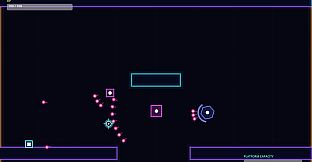
LINER/TRACER stands out as a precise 2D action game built for PC players who enjoy tight controls and layered decision making. The title combines keyboard movement with mouse driven actions to create a fluid loop of navigation, evasion, and offense in a neon lit environment filled with hazards and foes.
Gameplay
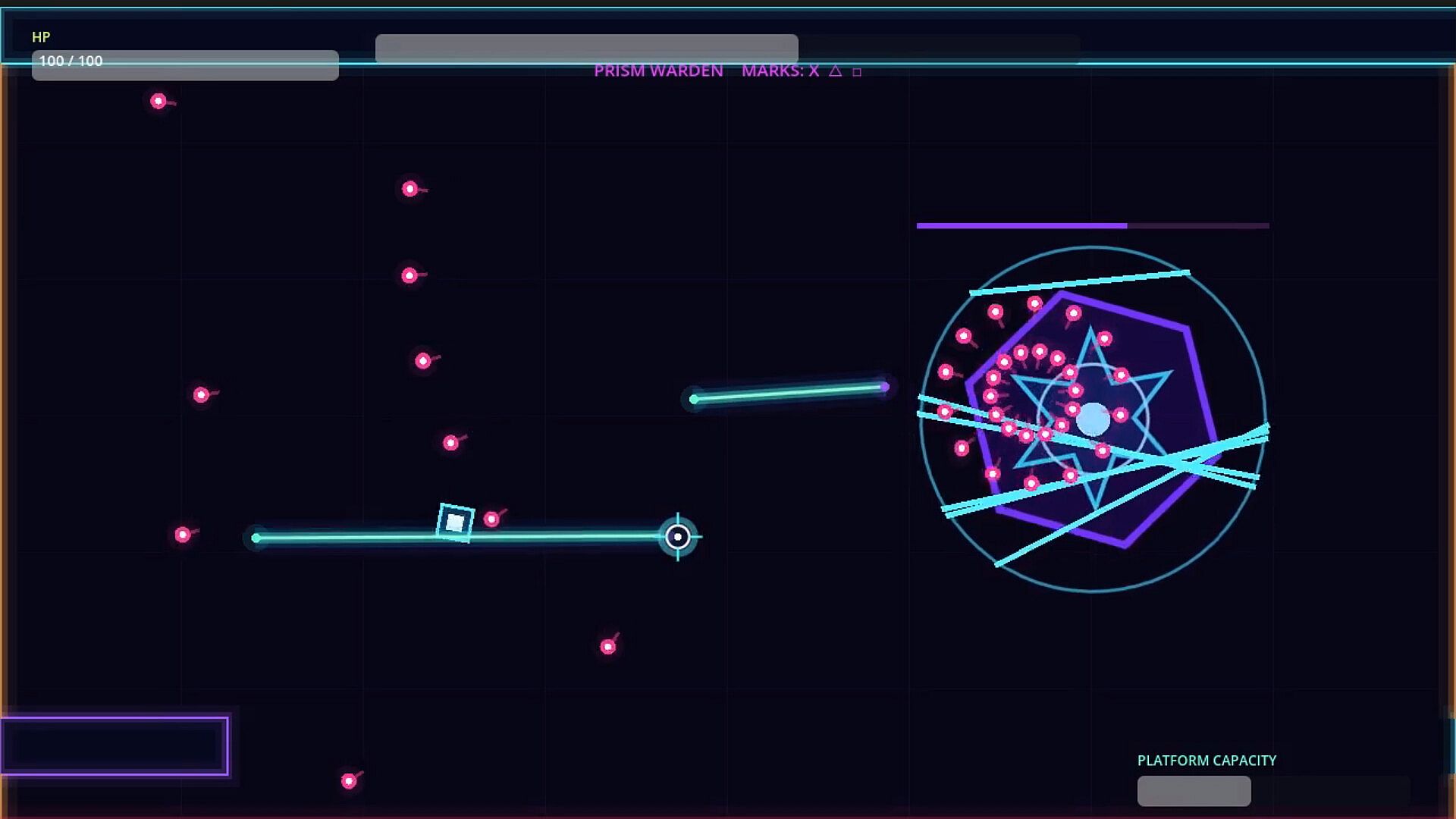
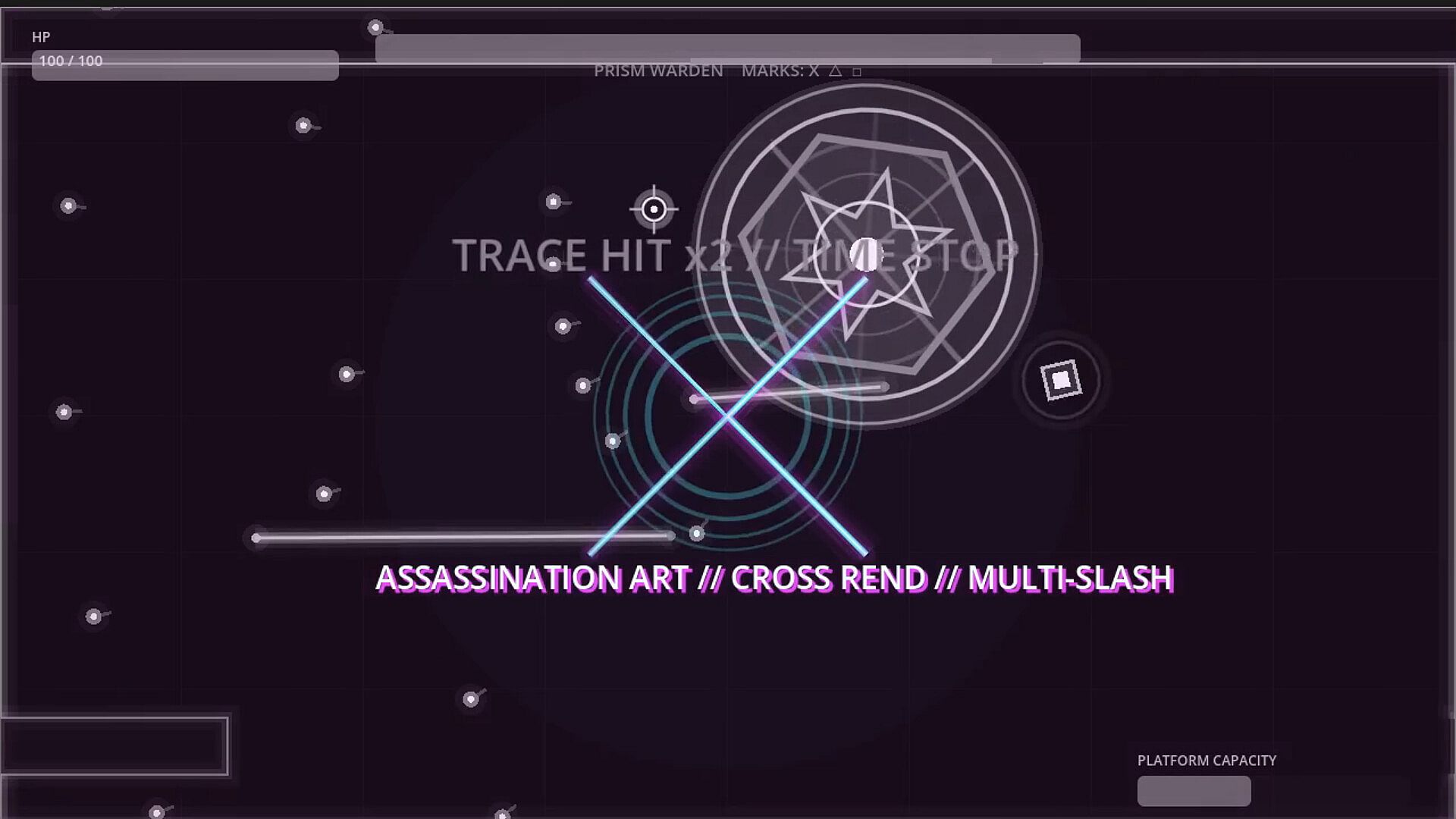
Players control the character using keyboard inputs for basic locomotion and the mouse for advanced maneuvers. Movement and jumping rely on standard key presses, while the mouse handles high speed dashes that close gaps quickly. These dashes also serve as the primary means of attack when aimed at enemies. Successful dash strikes trigger a time stop effect that freezes both opponents and incoming projectiles, opening a brief window for follow up actions.
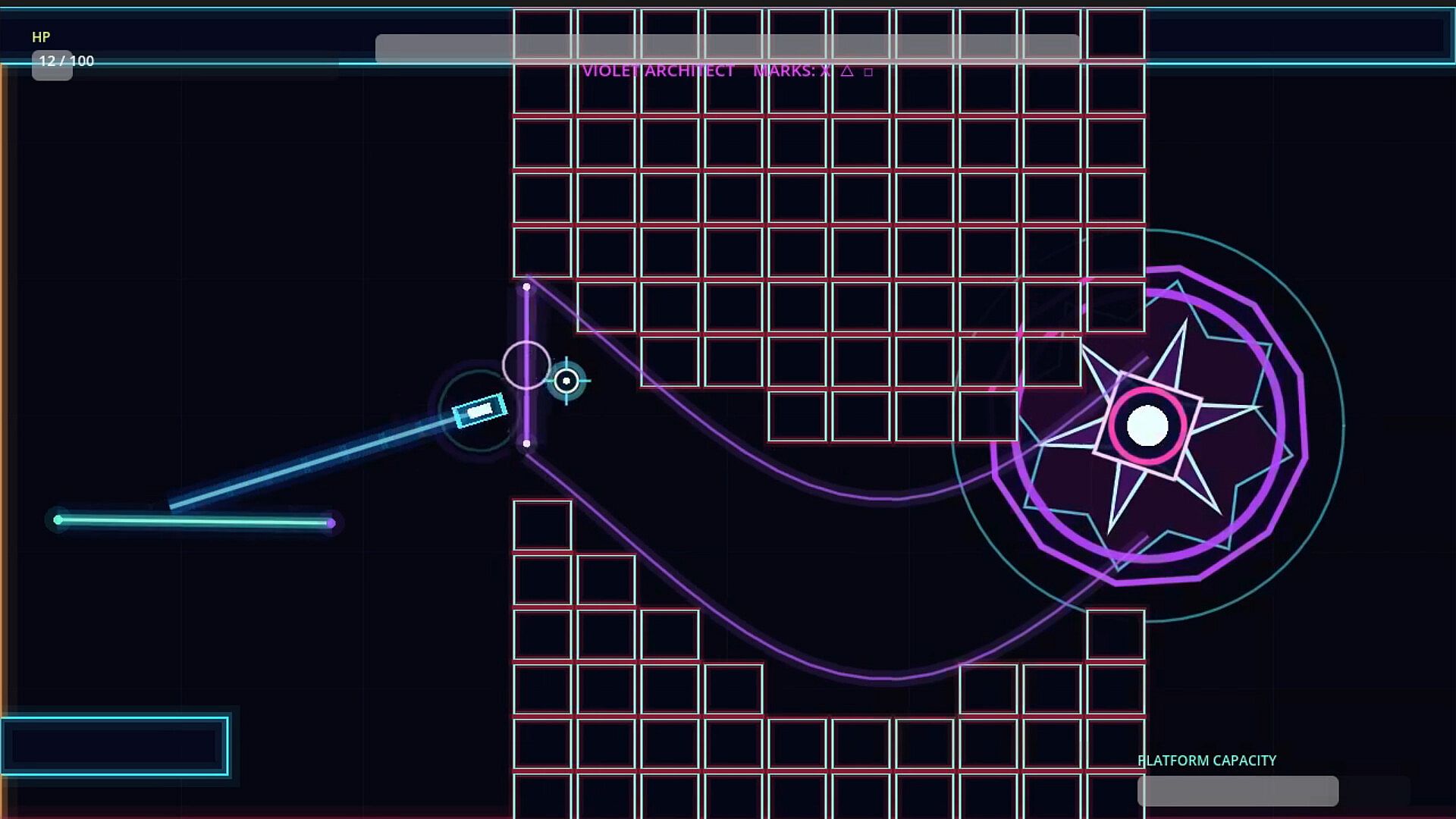
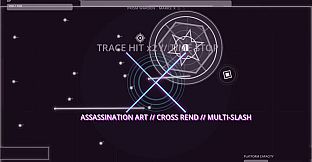
During the frozen period the cursor guides the character along chosen paths. Repeated passes through the same enemy build combo chains. Tracing specific shapes such as an X, triangle, or square with the attack trajectory activates special attacks that deliver greater impact. The limited duration of the time stop forces quick route planning, balancing continued aggression against the need to reposition safely before the effect ends.
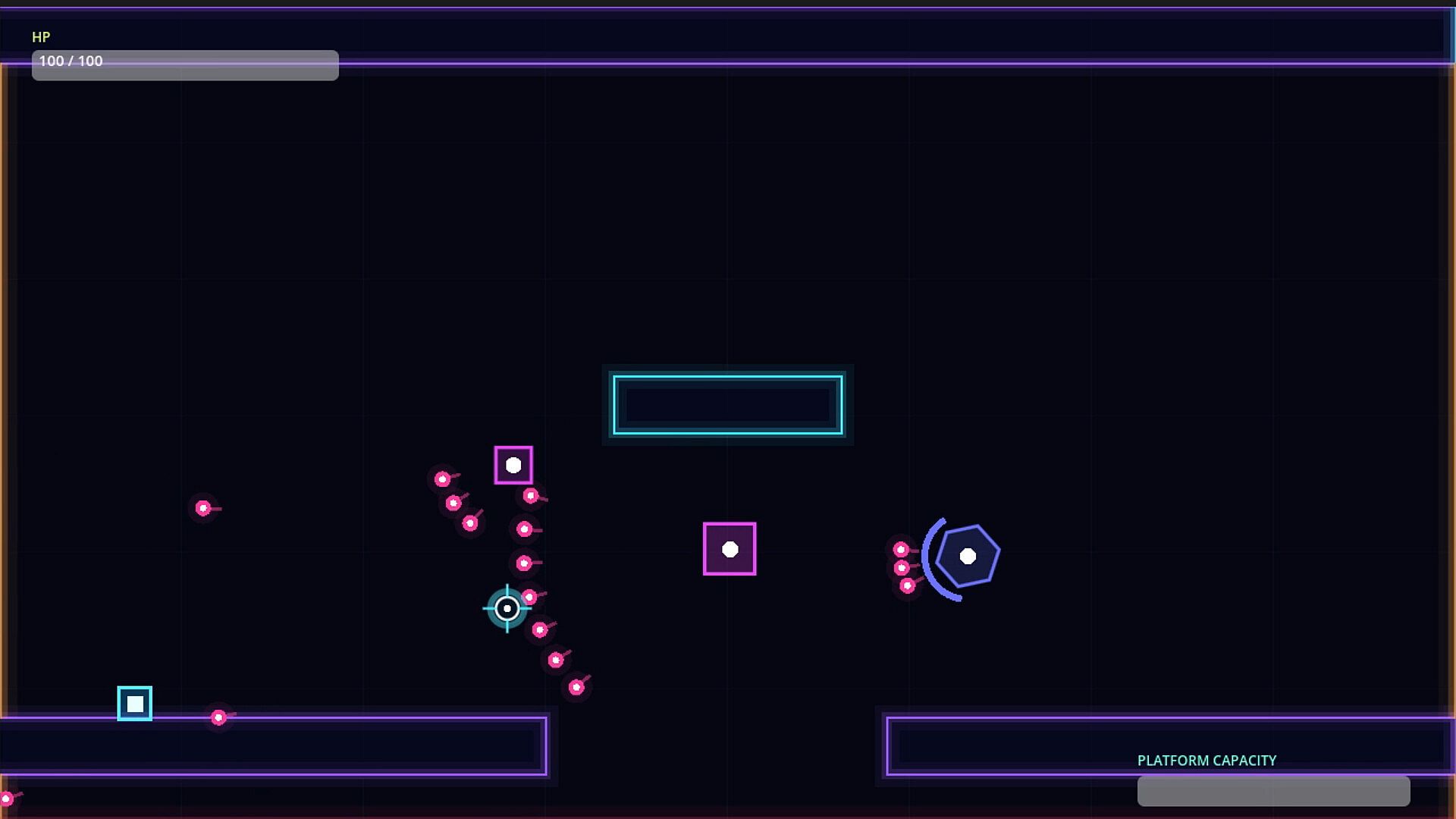
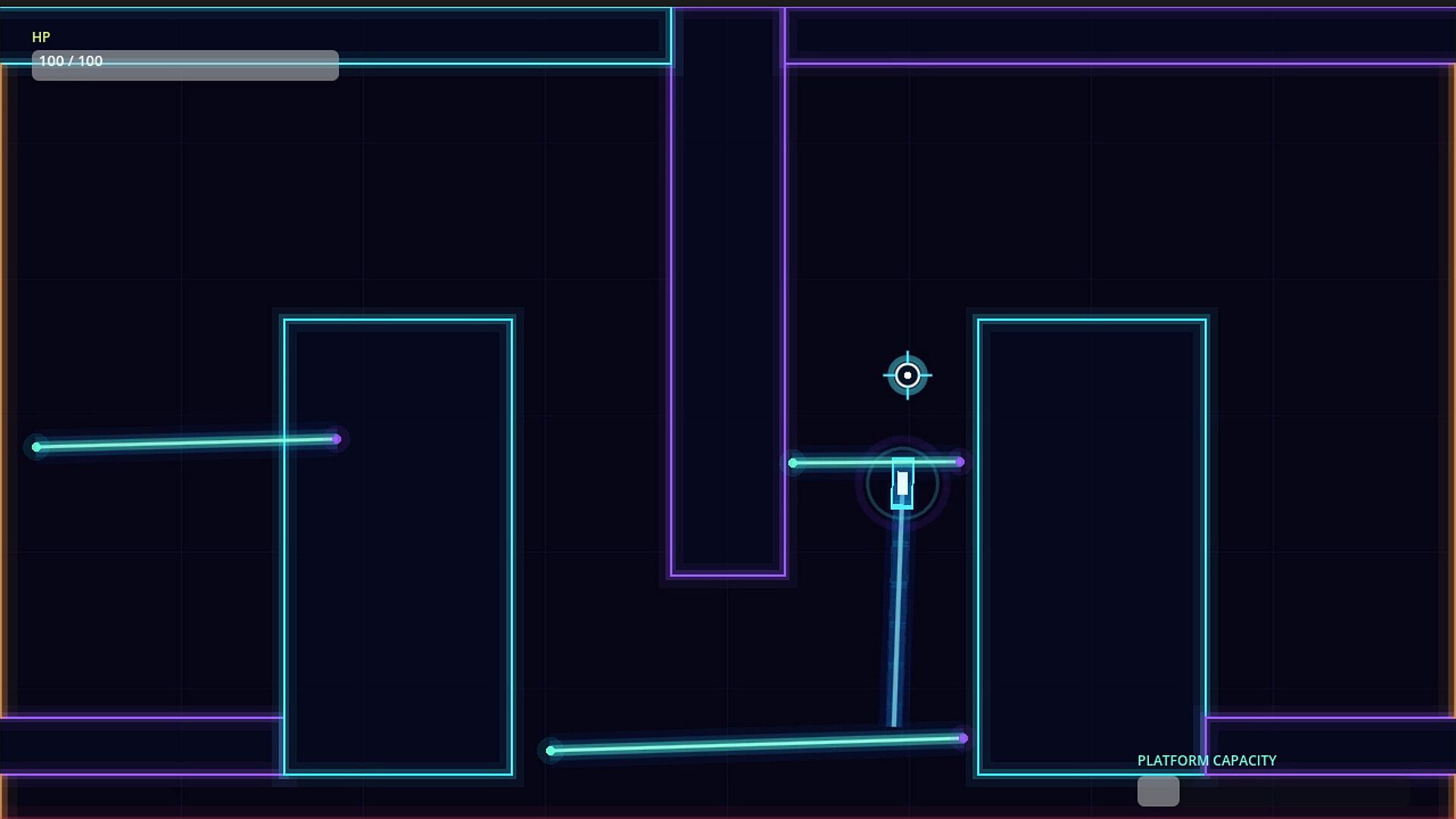
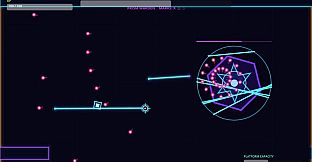
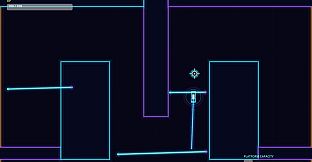
Right mouse button drags create straight line platforms on demand. These temporary structures help reach elevated areas, carve safe passages through dense bullet patterns, and open alternative angles of approach. The neon world pulses with glowing elements that highlight dangerous terrain and enemy placements, encouraging constant awareness of both immediate threats and longer term positioning.
Core encounters revolve around breaking through waves of projectiles while managing distance and timing strikes. Platform creation adds a construction layer that rewards foresight, turning open spaces into structured routes. The interplay between dashing, tracing, and building keeps each sequence dynamic without relying on random elements or external progression systems.
Game Modes
The experience centers on sequential challenges that test mastery of the combined movement and combat systems. Players advance through stages populated by enemy groups and environmental obstacles, with success measured by survival and efficient elimination of threats. No separate competitive or cooperative variants appear in the design, keeping focus on individual skill refinement across repeated attempts at the same sequences.
Progression emphasizes learning enemy patterns and terrain layouts rather than unlocking new content branches. Each run reinforces the same core tools, allowing players to experiment with different dash angles, shape traces, and platform placements to find more effective solutions. The absence of branching paths or alternate rulesets maintains a consistent emphasis on execution and adaptation within the fixed mechanics.
Controls and Precision
Keyboard inputs handle straightforward actions like walking and jumping, leaving the mouse free for the more expressive elements of dashes and platform drawing. This split input scheme demands coordination between hands but rewards practice with smoother execution. Mouse movement during time stop requires steady cursor control to trace clean shapes without wasting precious seconds.
Platform creation via right click drag adds another dimension to positioning. Straight lines can be placed quickly to bridge gaps or block lines of fire, yet overuse risks cluttering the play area or leaving the character exposed during the drag animation. The system encourages minimal, purposeful placements that integrate with dash routes rather than serving as standalone solutions.
Visual and Environmental Design
The neon aesthetic emphasizes contrast between bright trails, frozen projectiles, and dark backgrounds. Visual feedback highlights active time stop periods and successful shape traces, making it easier to track combo progress at a glance. Terrain features glow to indicate climbable surfaces or hazardous zones, supporting quick visual parsing during high speed dashes.
Bullet patterns and enemy placements follow readable formations that reward observation over reaction alone. The glowing world elements reinforce the high speed theme while providing clear landmarks for navigation and platform placement. This presentation supports the gameplay loop without introducing distracting effects or unnecessary complexity.
Is It Worth Playing?
LINER/TRACER appeals most to players who value mechanical depth in a compact 2D action package. The combination of time stop combos, shape based specials, and on demand platforms creates a distinctive loop that rewards experimentation and repeated practice. Those comfortable with mouse and keyboard coordination will find the controls responsive and the systems interconnected in satisfying ways.
The game suits solo sessions focused on personal improvement rather than social or competitive play. Its structure favors short, intense attempts that build familiarity with specific enemy waves and terrain setups. Players seeking fresh mechanics in the action genre may appreciate how the title integrates evasion, construction, and precision striking without additional layers of progression or external systems.
Reception centers on the satisfying feel of chaining dashes into time stopped sequences and the tactical choices involved in platform routing. The neon presentation and focused design keep attention on core execution. For those drawn to skill based 2D action with creative tool use, the title offers a coherent and engaging experience worth exploring through direct play.