

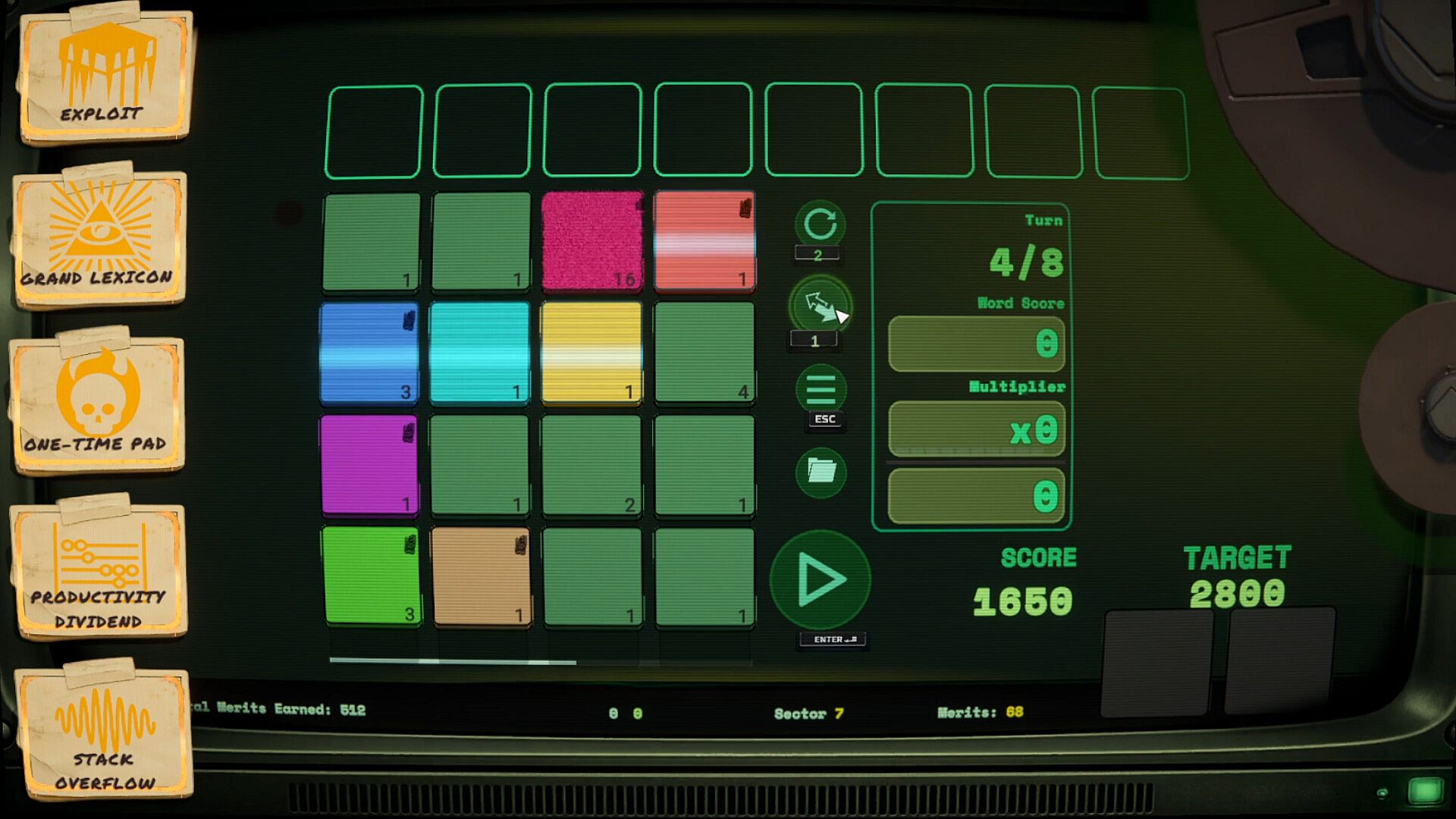
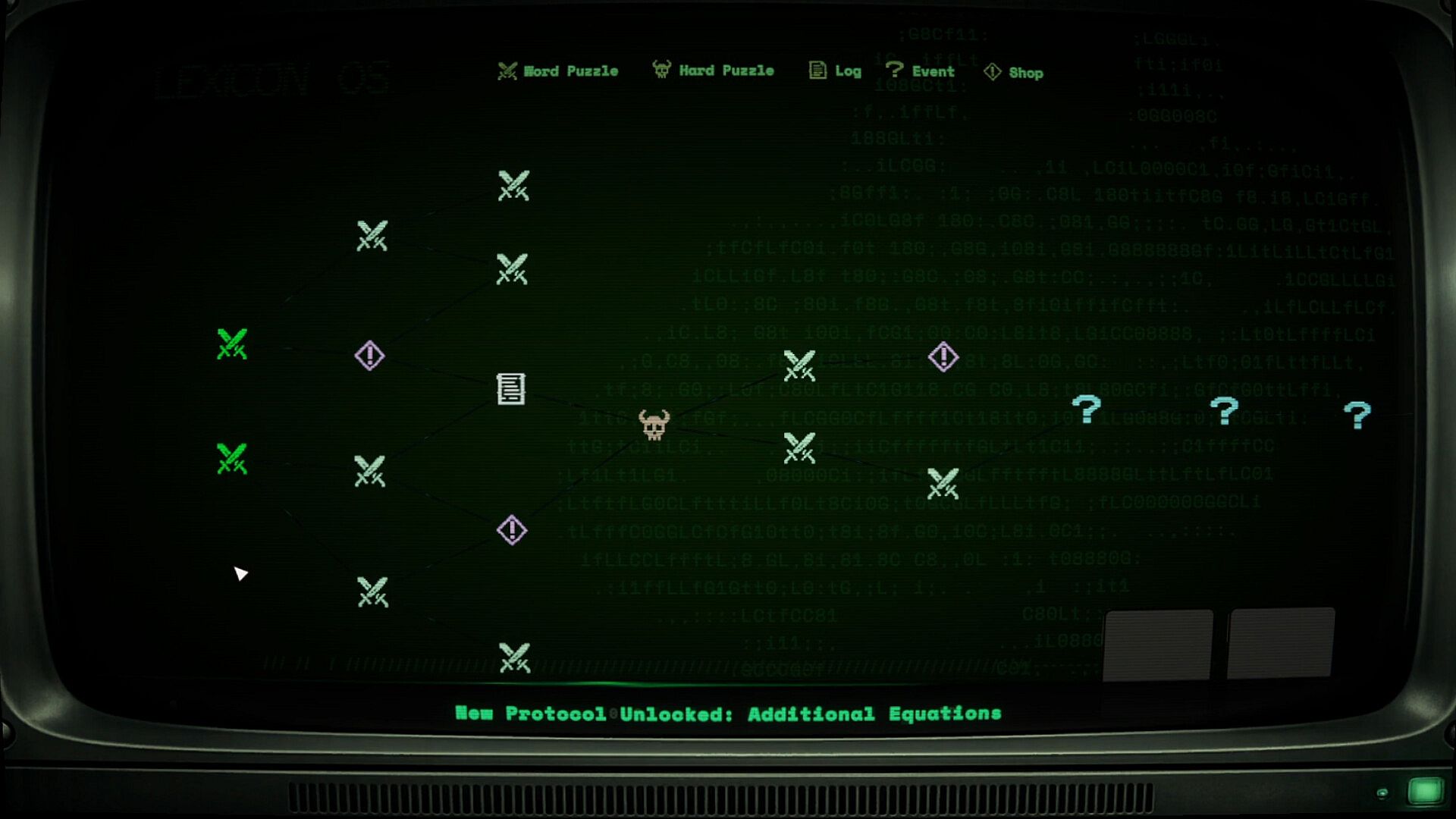
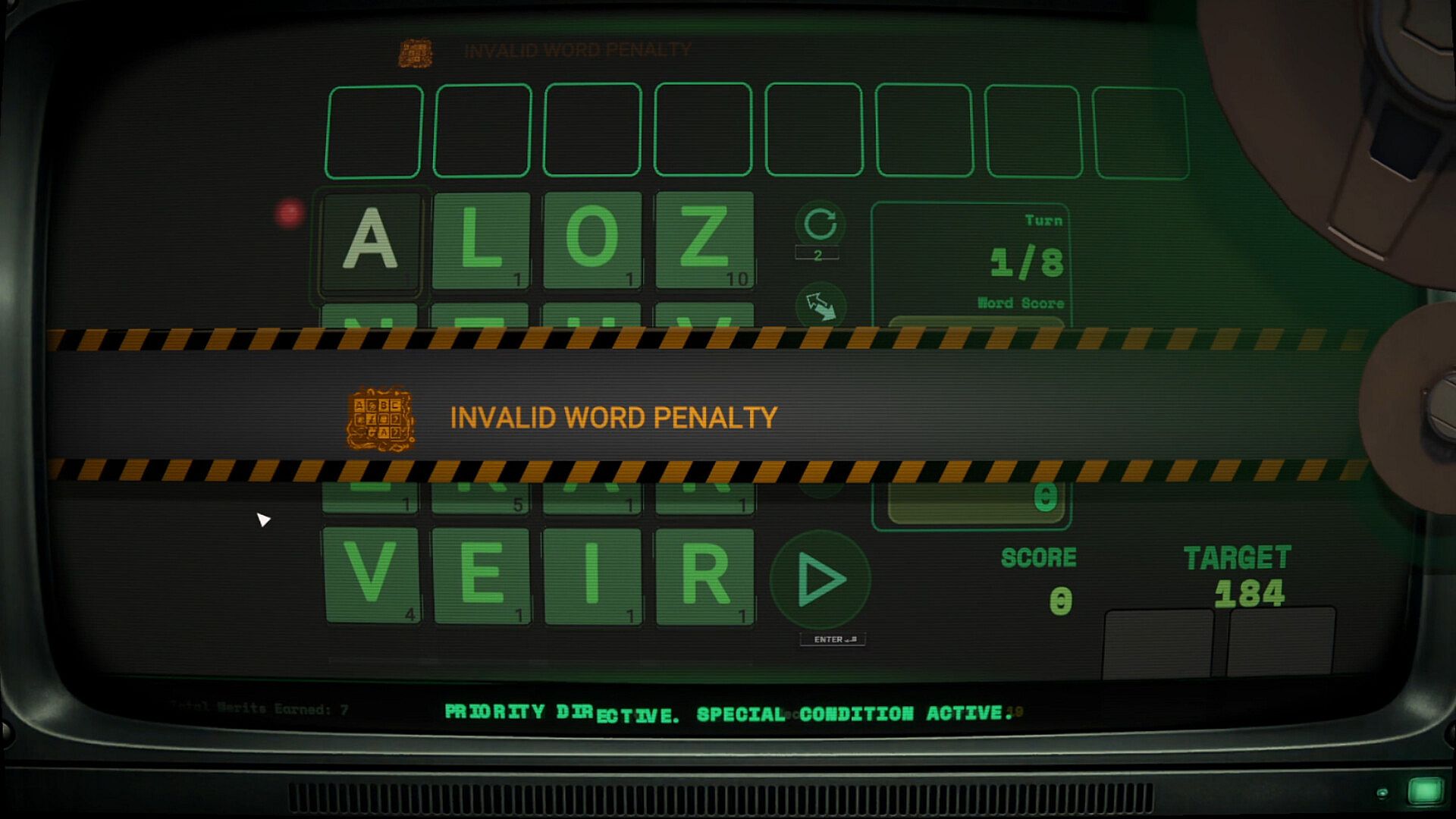
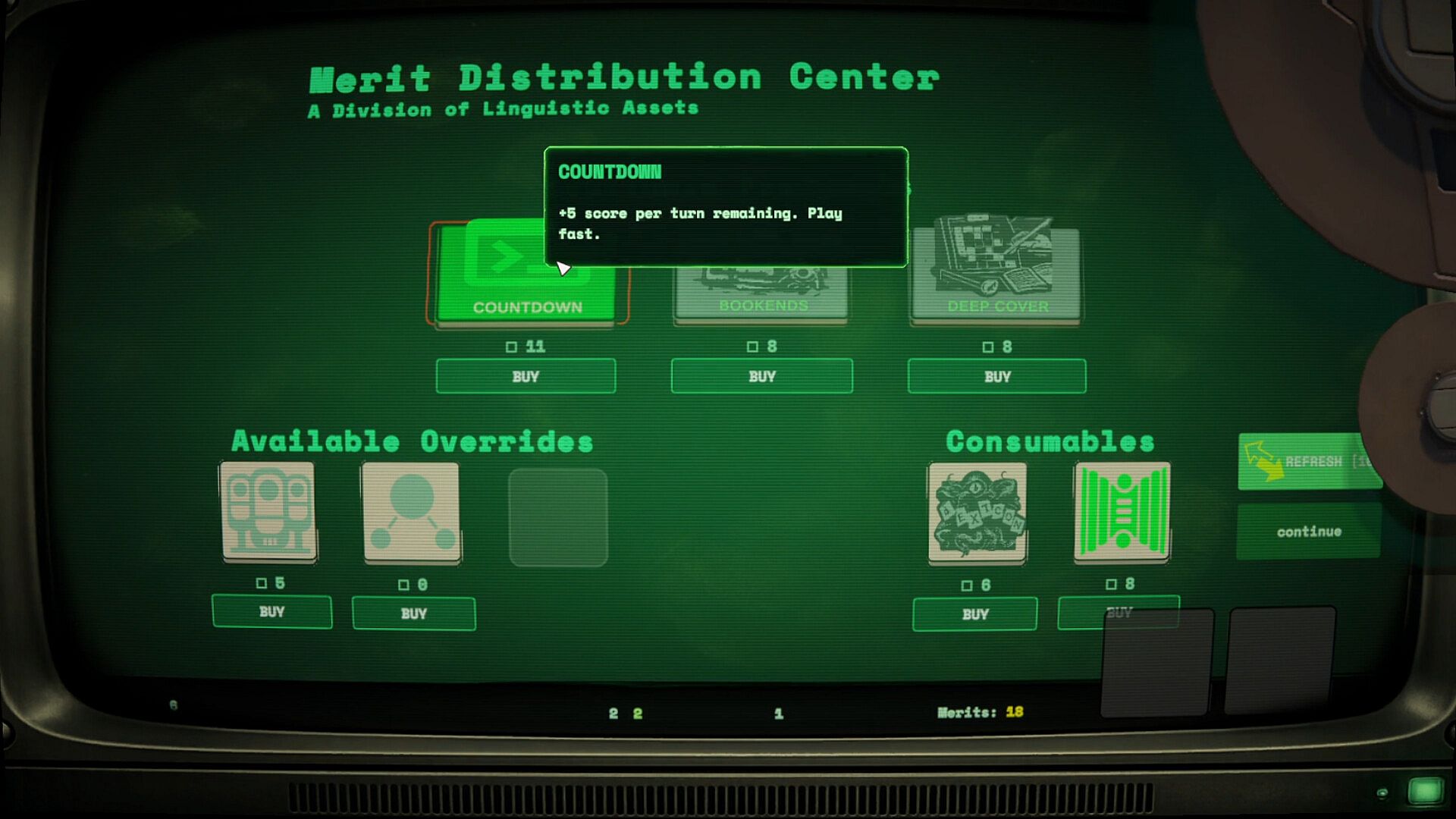
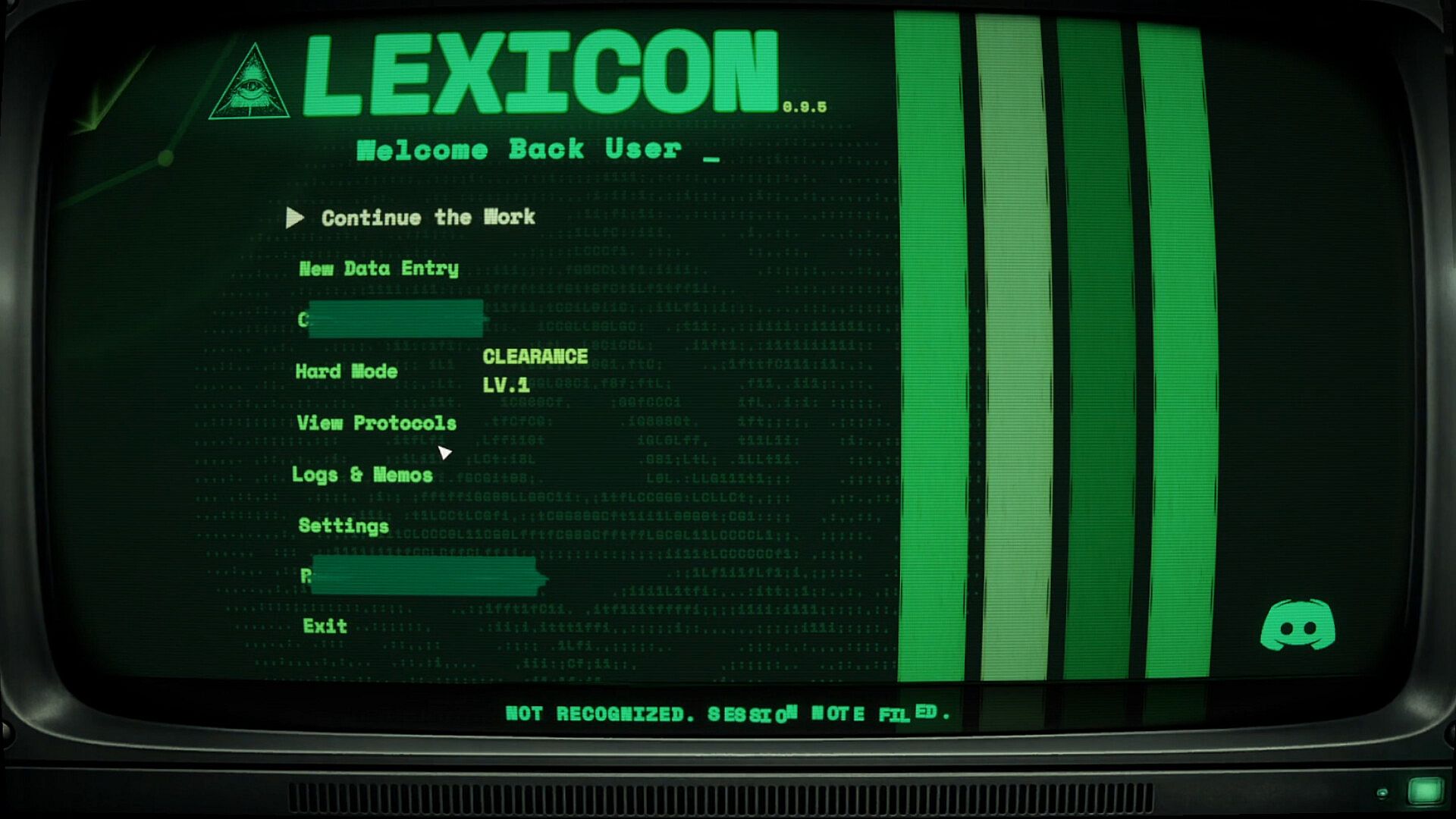
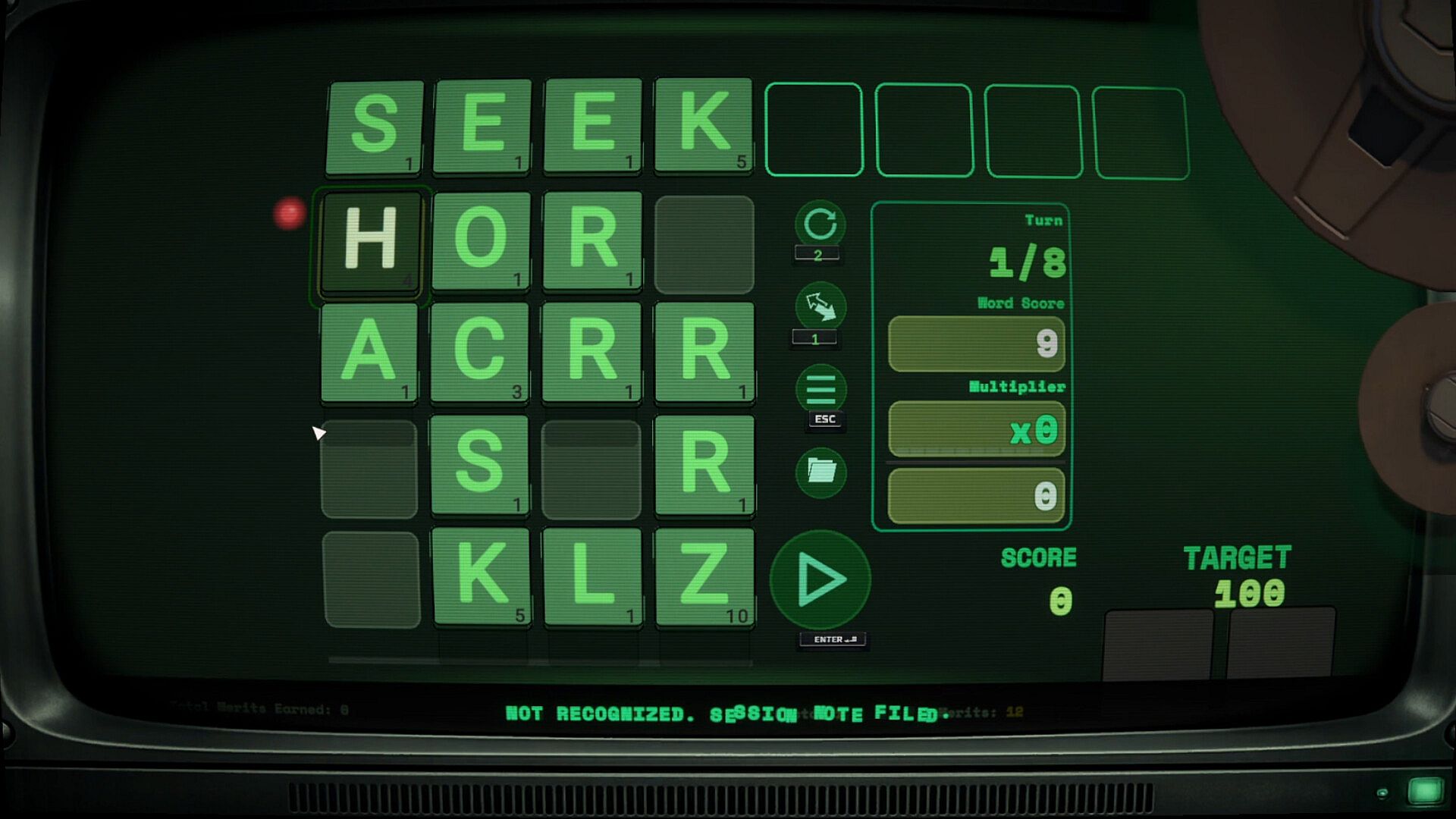
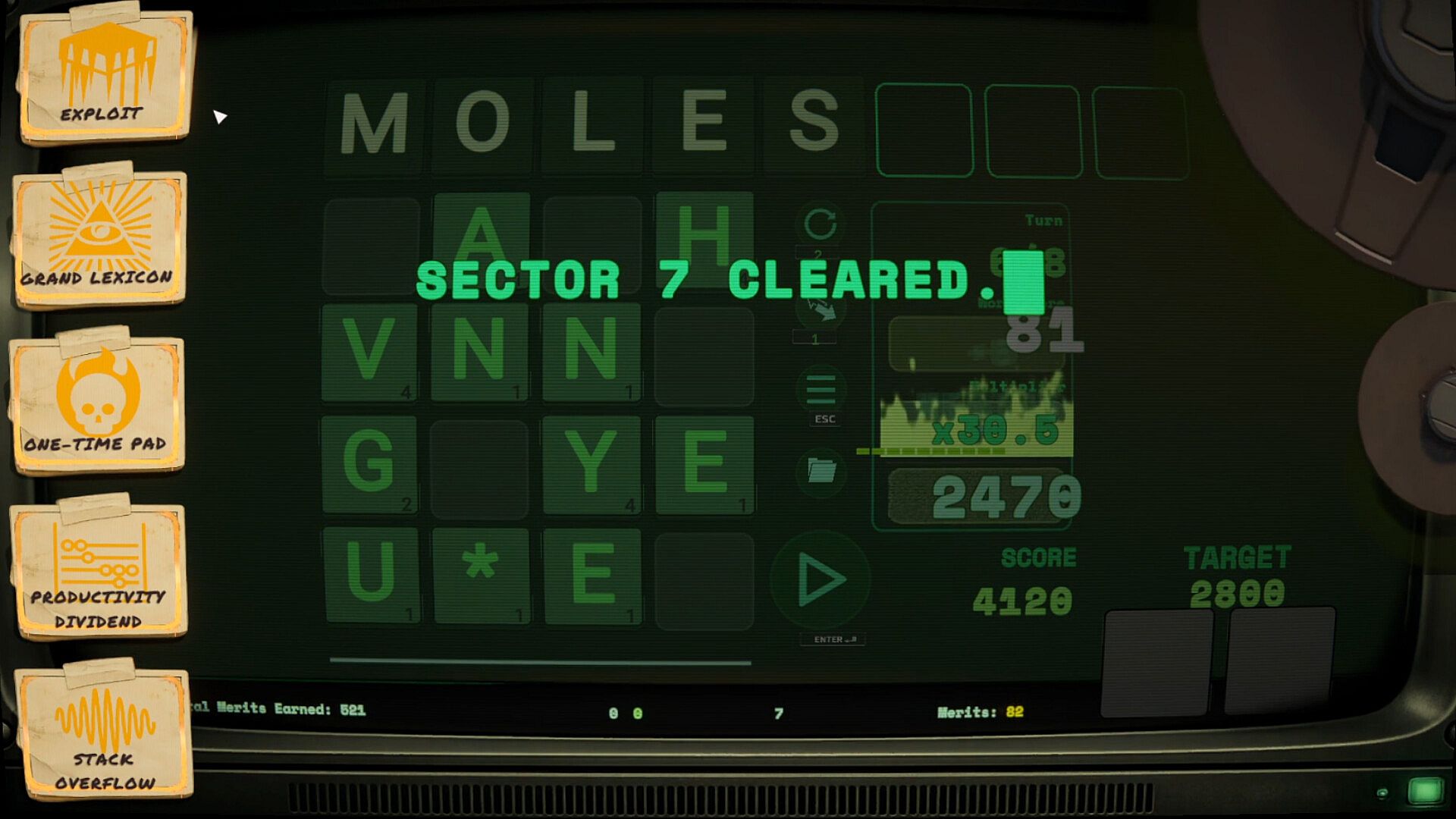
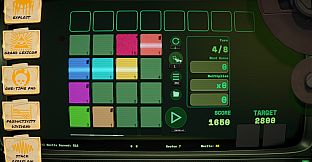
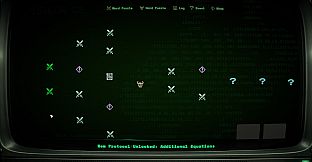
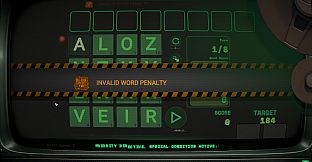
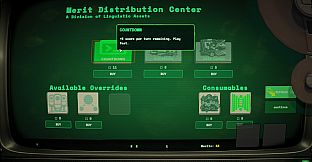


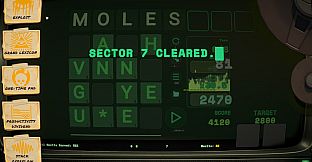
Lexicon es un juego de puzzles basado en palabras que transcurre en un sistema informático abandonado para PC. Los jugadores exploran terminales olvidadas y archivos corruptos mientras resuelven desafíos lingüísticos que modifican las reglas habituales de las palabras de formas inesperadas. La experiencia combina estrategia y resolución de puzzles casual con un enfoque indie en la observación y el reconocimiento de patrones.
Gameplay
El bucle principal consiste en explorar entornos digitales llenos de fragmentos de texto y restos de datos. Cada terminal plantea puzzles lingüísticos que exigen reorganizar o interpretar palabras bajo condiciones que cambian constantemente. Símbolos y significados evolucionan a medida que avanza el progreso, obligando a los jugadores a adaptar su enfoque según las nuevas pistas contextuales. Una lectura atenta y la revisión repetida de los mismos elementos suelen revelar soluciones que no resultaban evidentes a primera vista.
El avance se siente medido, sin prisas. Los puzzles se construyen sobre descubrimientos previos y recompensan a quienes detectan pequeñas inconsistencias en la interfaz o en las estructuras de los archivos. El propio sistema responde a las acciones del jugador, generando una sensación de interacción sin depender de temporizadores ni sistemas de puntuación tradicionales. Esta mecánica favorece un estilo de juego lento y metódico, donde el lenguaje funciona tanto como obstáculo como herramienta.
Game Modes
Lexicon ofrece una experiencia continua para un solo jugador en lugar de modos diferenciados. Todo el recorrido se desarrolla a través de terminales y capas de archivos secuenciales, con cada sección introduciendo nuevas variaciones en las reglas lingüísticas. No existen variantes competitivas ni limitadas por tiempo, manteniendo el foco en la exploración y el descubrimiento progresivo.
Los jugadores avanzan resolviendo desafíos que revelan gradualmente más de la estructura subyacente. La ausencia de caminos alternativos o estilos de juego distintos hace que el título priorice la profundidad de sus mecánicas principales frente a la variedad de formatos. Este enfoque unificado resulta ideal para quienes prefieren una secuencia cohesionada de puzzles antes que opciones modulares.
Narrative Discovery
Una historia más amplia se va desvelando a través de los propios puzzles. Fragmentos de texto y significados alterados sugieren eventos o entidades vinculados al sistema abandonado. Los jugadores reconstruyen la narrativa al detectar patrones que aparecen en varias terminales, convirtiendo cada desafío resuelto en un paso hacia la comprensión del conjunto.
La historia no depende de exposiciones directas ni diálogos de personajes. En su lugar, emerge a través de las reglas que evolucionan y las pistas inesperadas que surgen durante el juego. Este método genera un desarrollo pausado en el que resolver cada puzzle contribuye directamente a revelar las capas ocultas bajo la interfaz.
Is It Worth Playing?
Lexicon está pensado para jugadores que valoran puzzles de palabras reflexivos combinados con exploración atmosférica. Su principal atractivo reside en cómo las mecánicas lingüísticas se integran con un entorno reactivo, ofreciendo una experiencia centrada para quienes buscan títulos indie de estrategia que priorizan la observación sobre la acción.
Quienes disfrutan de juegos casual de puzzles con trasfondo narrativo encontrarán gratificante el ritmo deliberado y los desafíos basados en patrones. El juego prescinde de sistemas de progresión tradicionales y ofrece satisfacción a través de revelaciones graduales y variaciones de reglas que mantienen la mente activa entre sesiones.
Su disponibilidad en PC lo hace accesible para cualquiera que busque una aventura compacta centrada en el lenguaje sin compromisos adicionales. Su origen indie se refleja en el énfasis en la curiosidad y la atención al detalle, convirtiéndolo en una opción sólida para fans de experiencias de puzzle que priorizan la atmósfera y el descubrimiento.