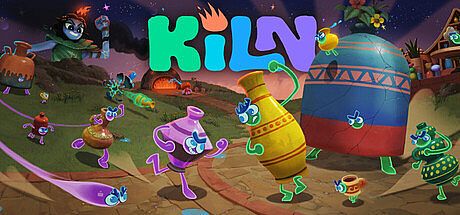





















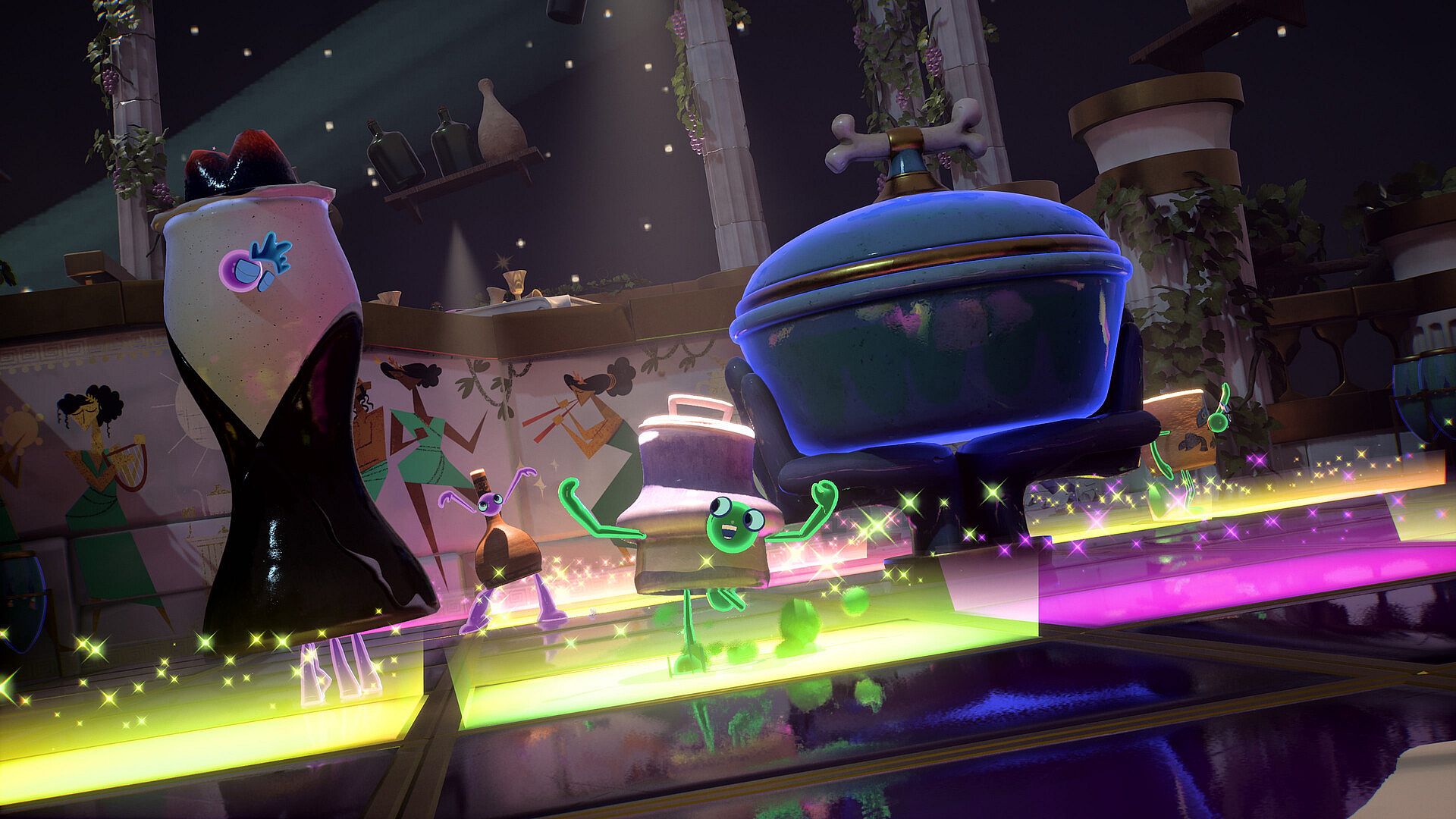
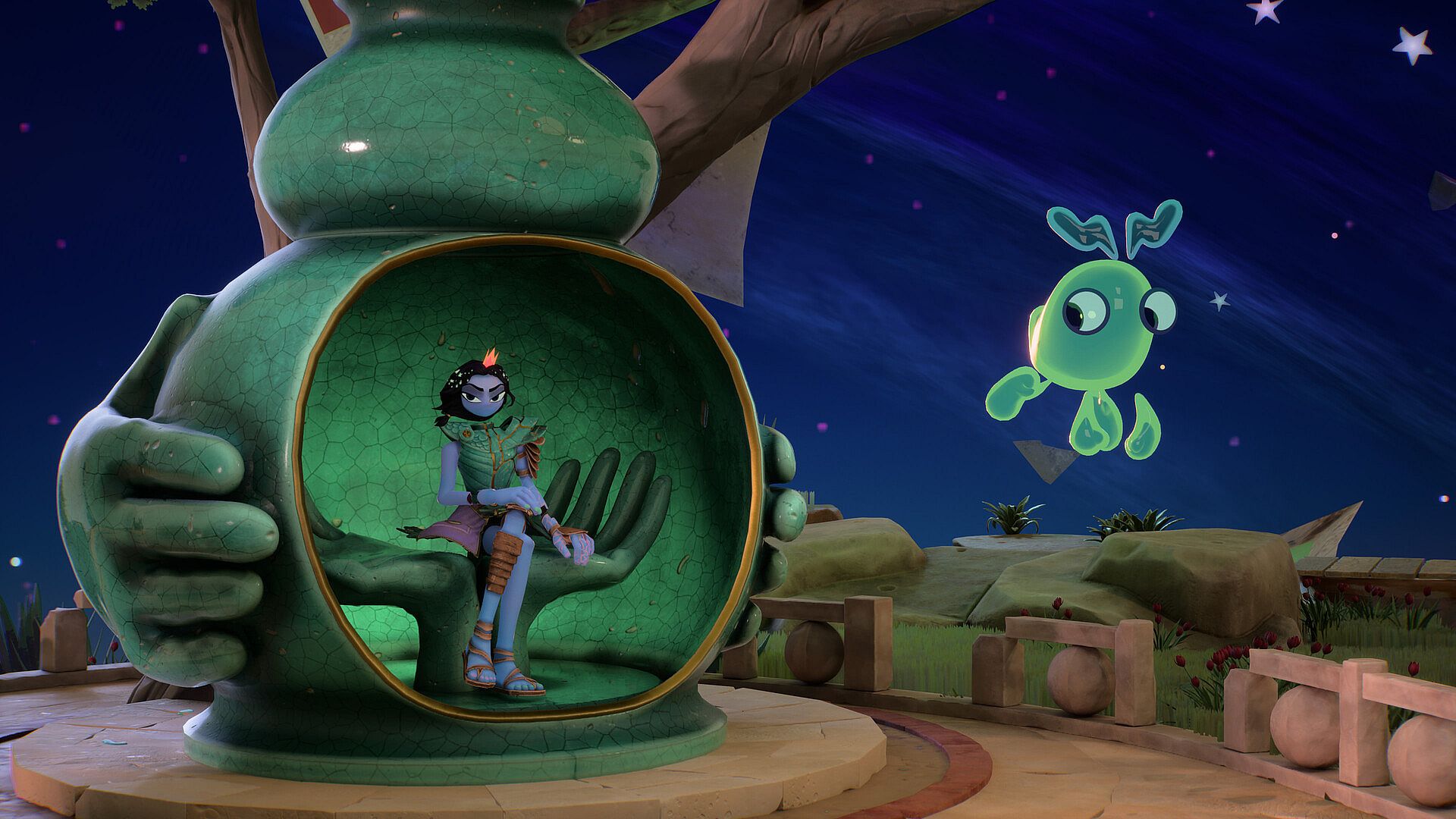
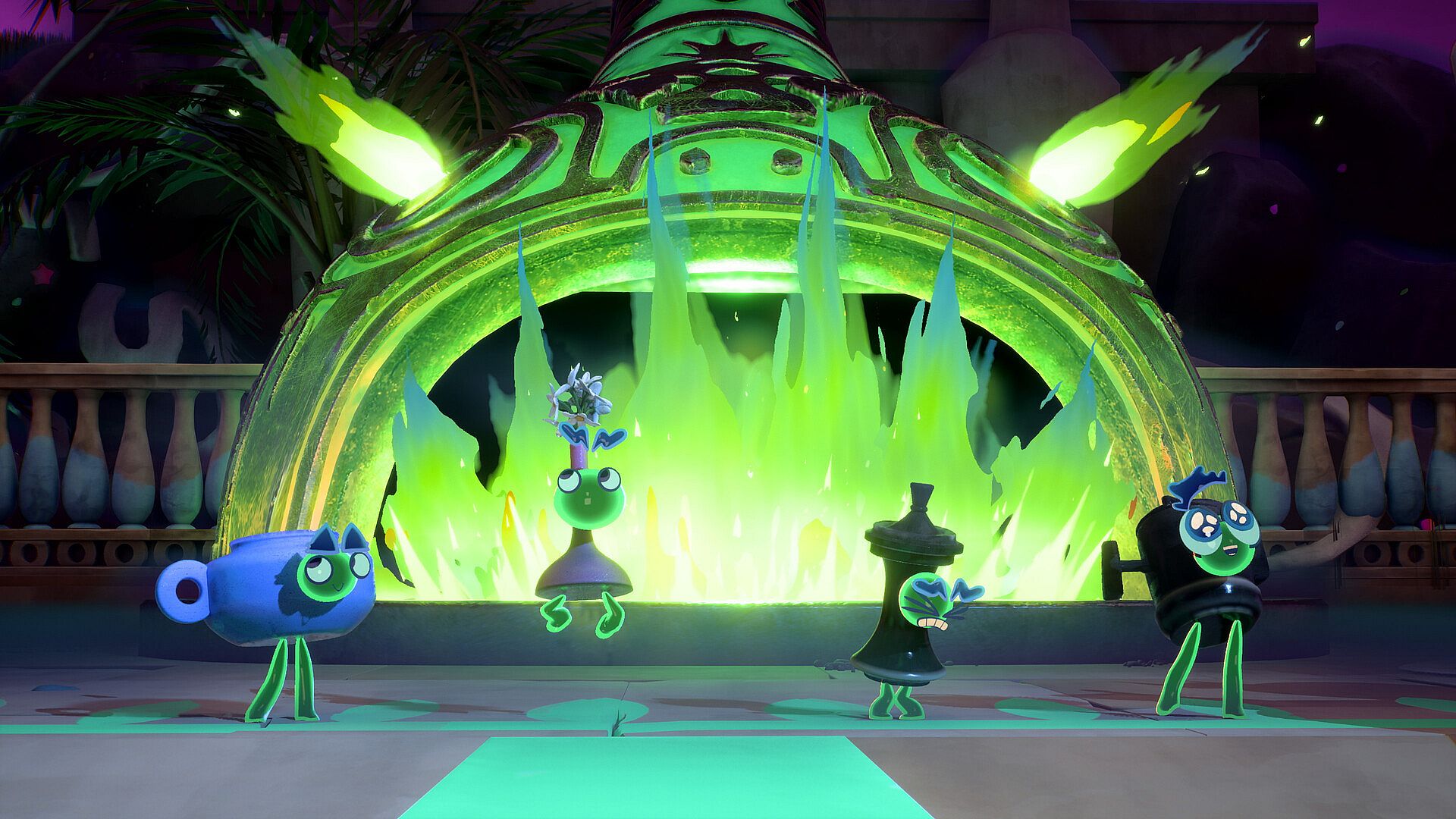




Kiln is a multiplayer action game where players sculpt ceramic vessels on a pottery wheel and then use those creations as bodies for fast-paced team battles. Developed by Double Fine Productions, the title blends pottery simulation with physics-driven combat in a party brawler format available on PC. Matches revolve around shaping unique pots that determine movement, durability, and special attacks, then competing to extinguish an opposing team's kiln with collected water.
Gameplay
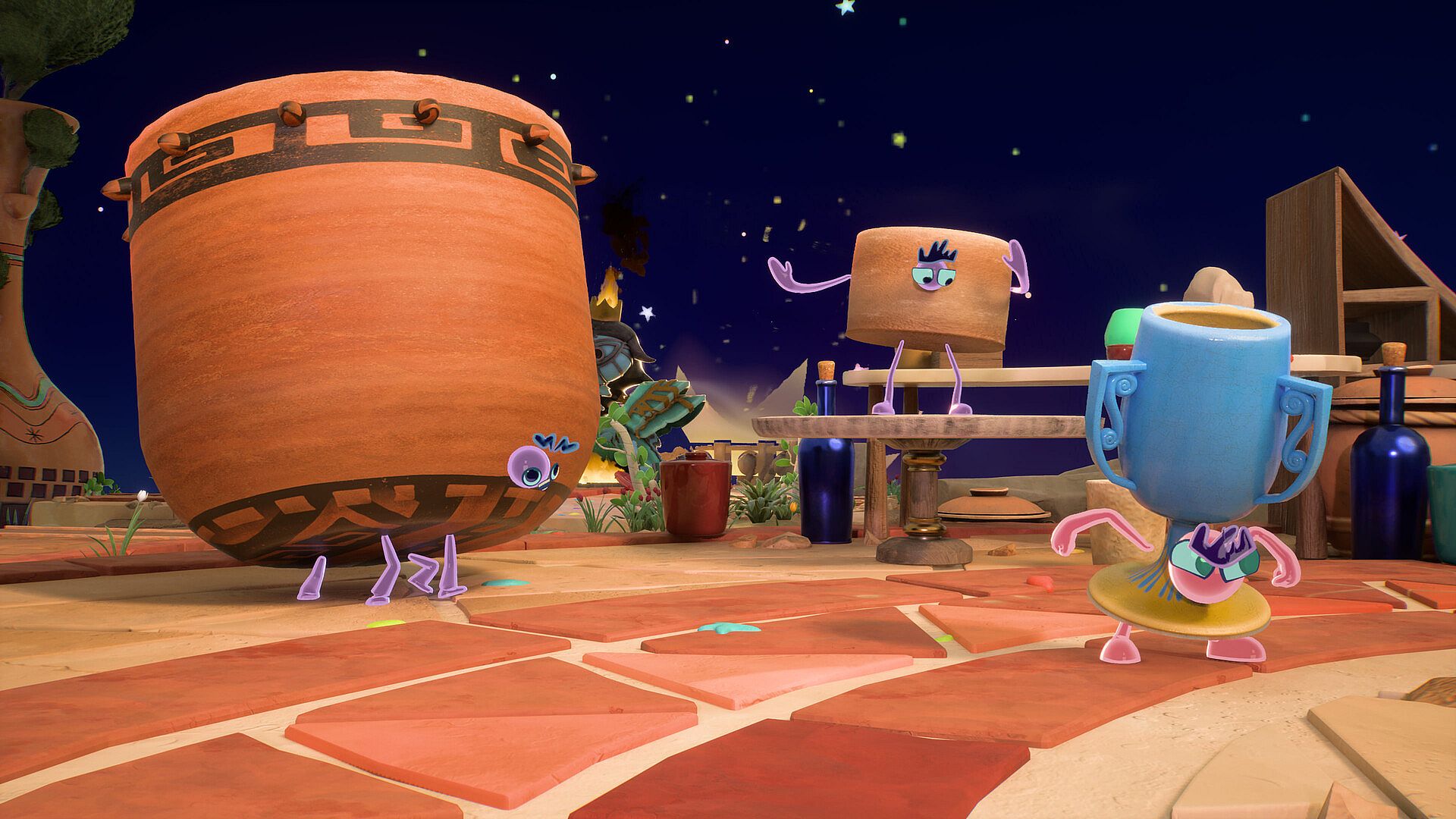
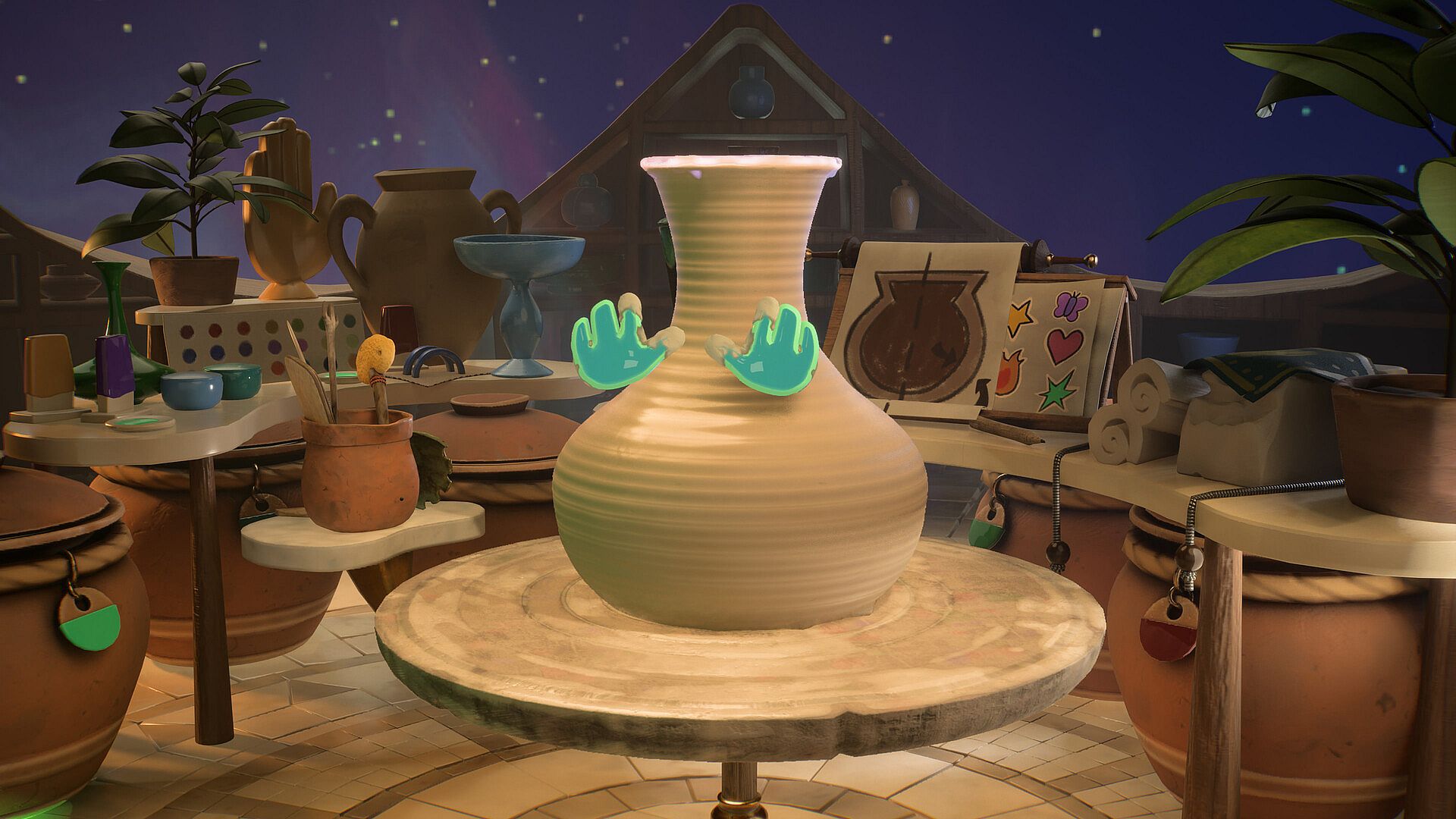
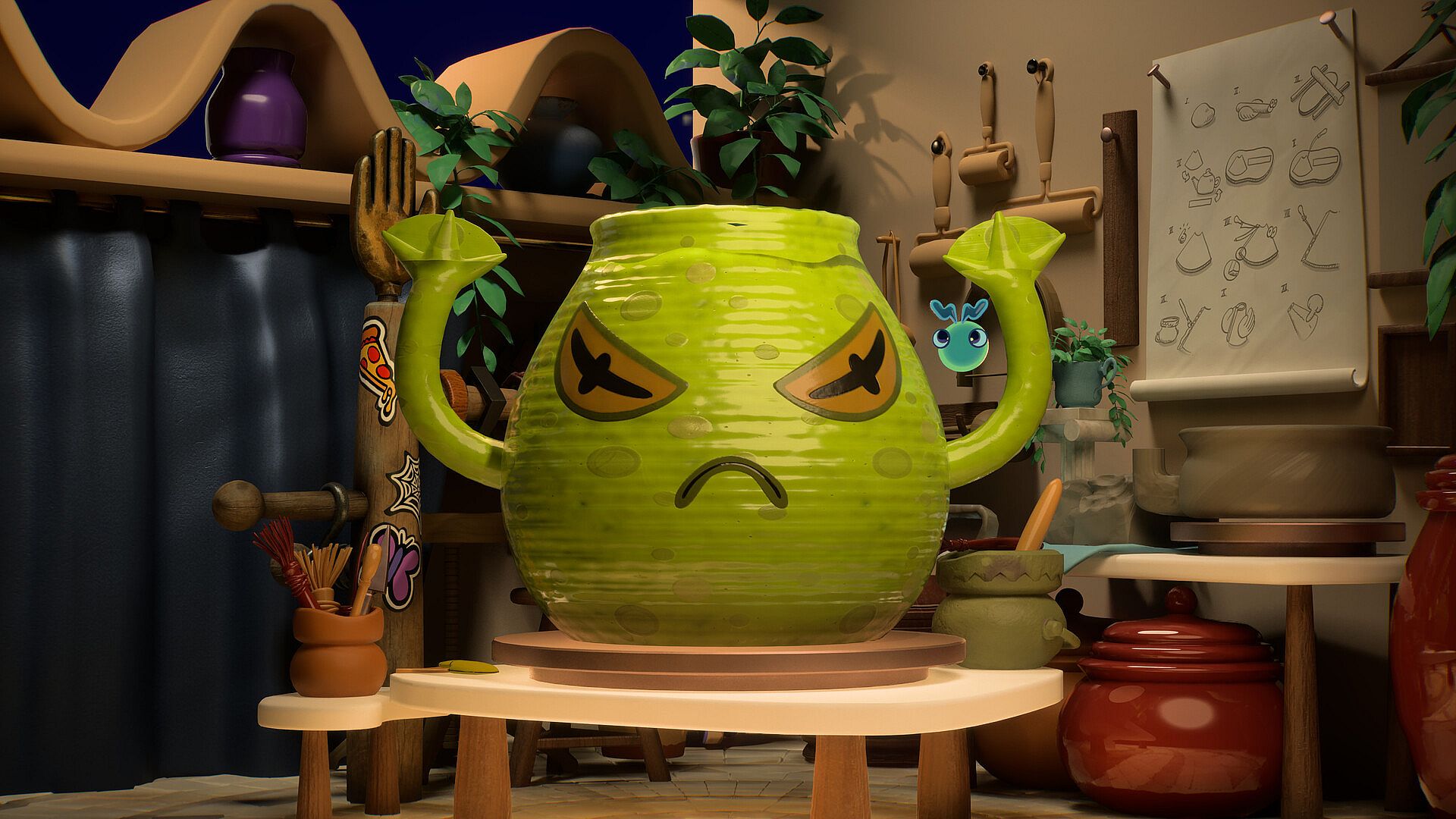
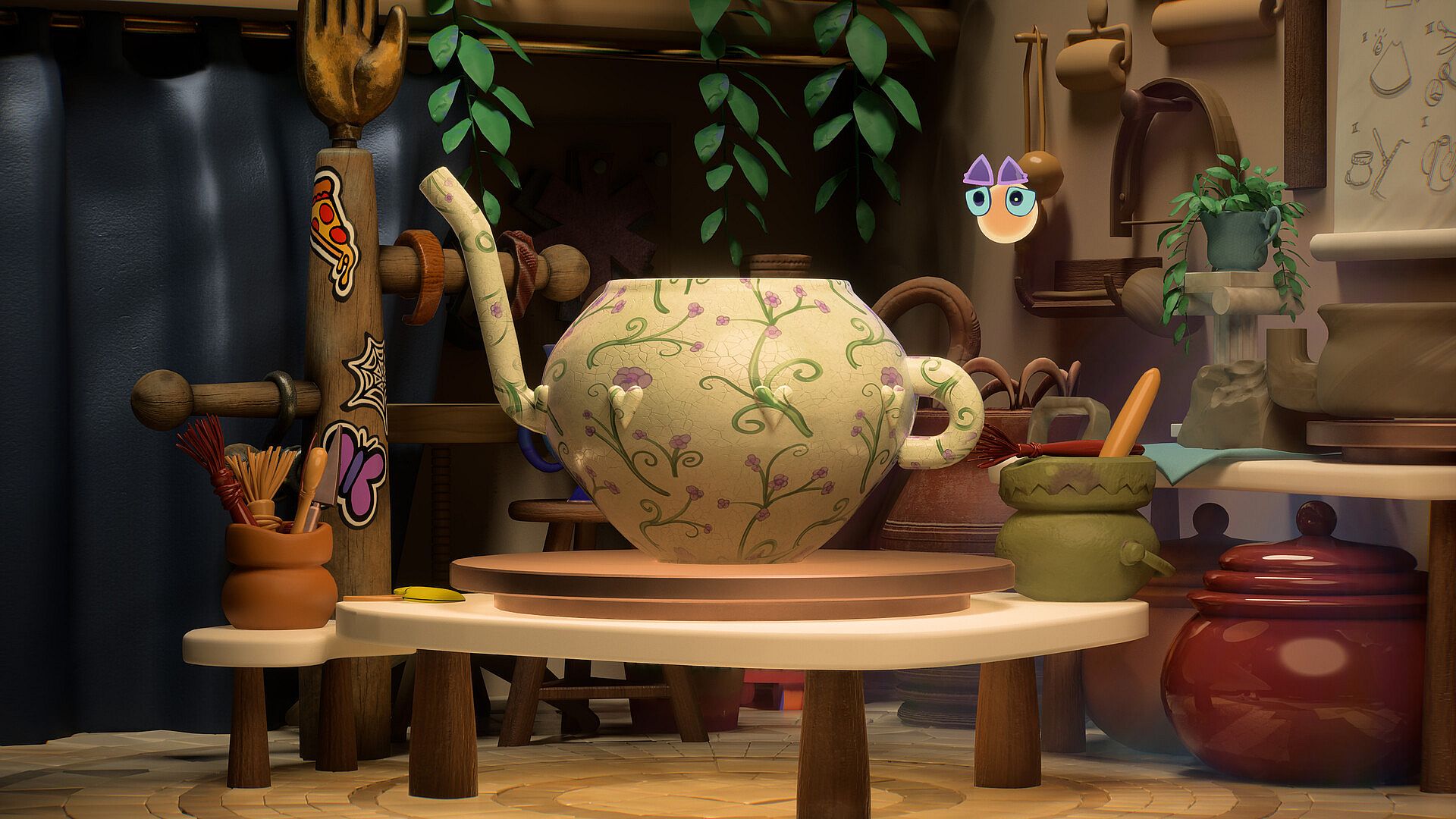
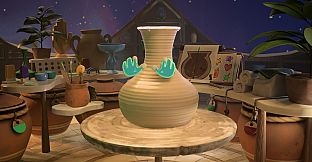
Players begin each session by working clay on a virtual pottery wheel using pull and squeeze mechanics to form vessels of varying sizes and shapes. Small pots offer speed and agility for dodging or rolling through tight spaces, while larger ones provide stability and the ability to block paths or carry more water. Combinations such as flat plates that ricochet during impacts or tall vases that trade speed for capacity create distinct playstyles across 24 verified shape and size options.
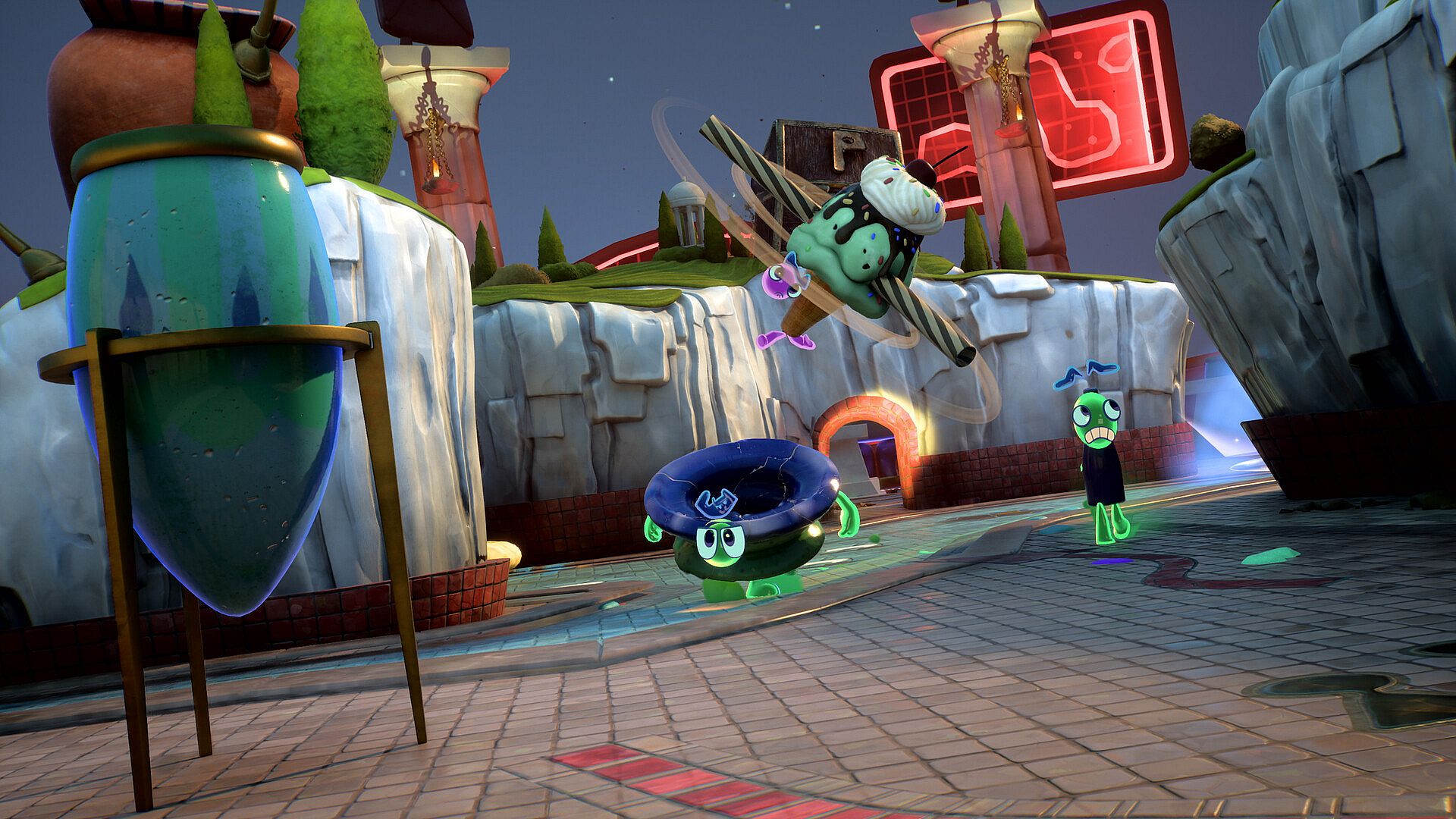
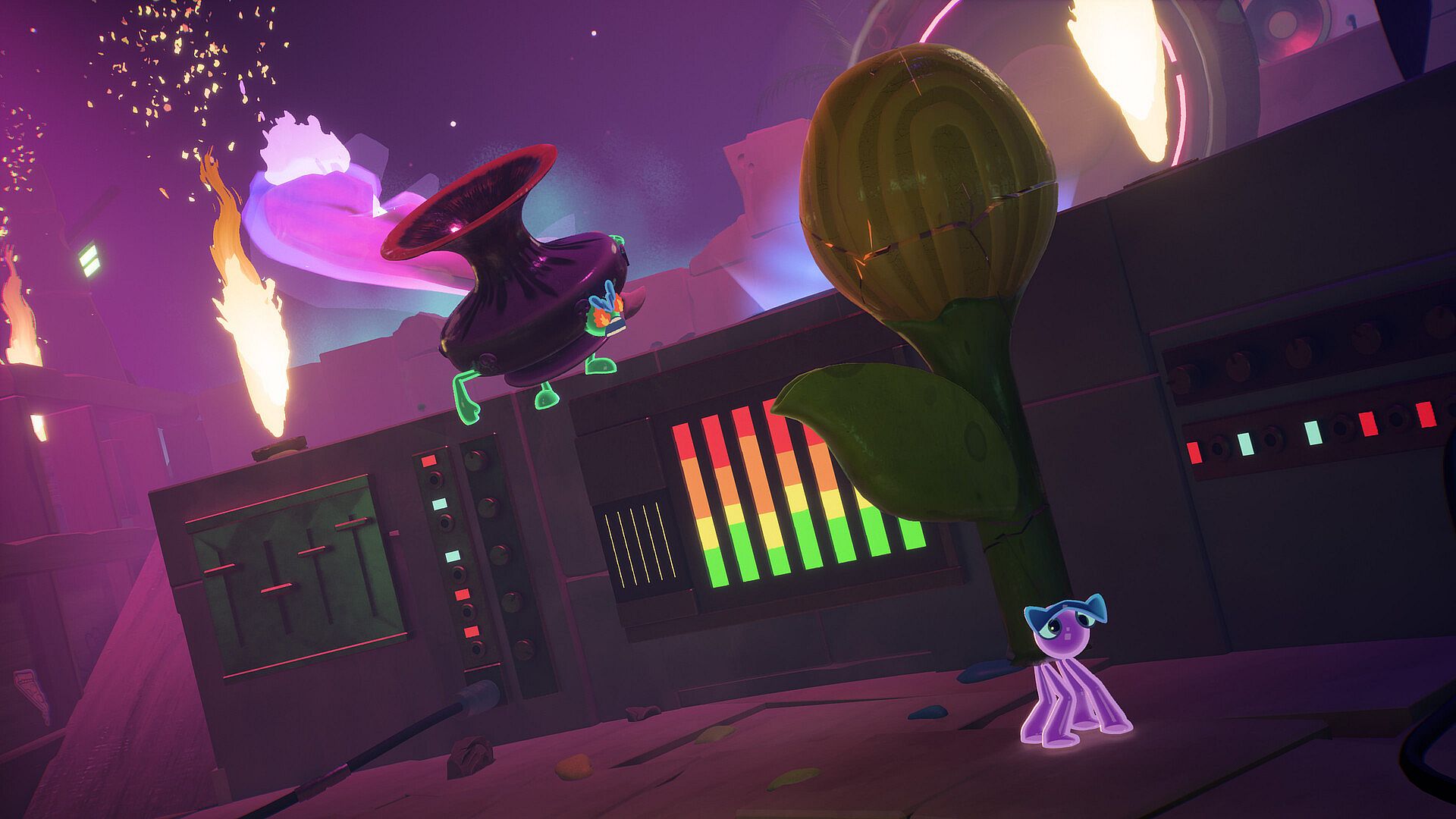
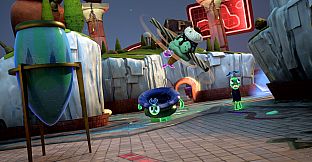
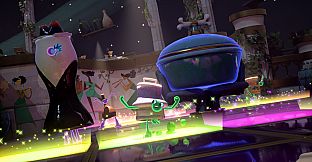
Once formed, the pot becomes the player's avatar inhabited by a colorful spirit. Combat relies on realistic physics rather than traditional health bars, so collisions cause visible chipping, cracking, or shattering based on angle and force. Special attacks tied to specific pot forms add variety, including launching projectiles or delivering heavy slams. The loop emphasizes experimentation with clay to find effective combinations before entering arenas, followed by brawling and water transport under time pressure.
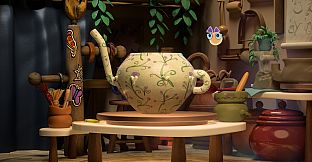
Outside matches, the social hub known as The Wedge serves as a central area for refining pottery skills, applying decorations like glazes and stickers, and viewing or sharing creations with others. This space supports ongoing practice and customization without requiring combat participation.
Game Modes
The core competitive experience centers on Quench, a 4v4 team mode where each side protects its own kiln while gathering water across maps and delivering it to douse the enemy's flames. Environmental features on different maps influence movement and strategy, requiring coordinated pushes through enemy lines while defending against counterattacks. Matches end when one team successfully extinguishes the opposing kiln.
Recent updates introduced The Daily Throw as a creative mode focused on submitting pots for daily prompts to earn rewards through community voting. Custom matches allow player-hosted lobbies with up to eight participants on chosen maps, supporting flexible group play outside standard matchmaking. Weekly quests provide additional progression incentives tied to these activities.
Progression and Customization
Players advance through levels, with the cap recently raised to 60, unlocking expanded collection space for up to 80 pots. A Pot Journal tracks statistics and details for each shape, aiding in strategic selection. Decoration options continue to grow through free and paid packs, including themes that alter appearance without affecting core attributes.
Matches now operate on a player-hosted system following the Bisque update, improving stability for parties. Bots assist in filling lobbies when needed, with ongoing tuning to their behavior and combat tuning for various pot archetypes.
Is It Worth Playing?
Kiln delivers a distinctive mix of creative pottery crafting and physics-based multiplayer combat that appeals to groups seeking lighthearted, teamwork-focused sessions. The verified player reception shows mostly positive feedback on Steam, with emphasis on the satisfying loop of making and smashing pots. Active post-launch support, including new maps, modes like Daily Throw, and custom game options, keeps the experience fresh for those who enjoy party brawlers with unique mechanics.
The game suits players who value experimental character building through shape and size choices over traditional classes or loadouts. Low concurrent player numbers can affect matchmaking speed outside peak times, so it works best with friends or when joining during community events. At its current price point after reductions, the title offers solid value for fans of Double Fine's quirky style and anyone interested in a fresh take on team arena combat. Those preferring high-population shooters or solo campaigns may find the niche focus limiting, but the core systems remain engaging for repeated play with the right group.