

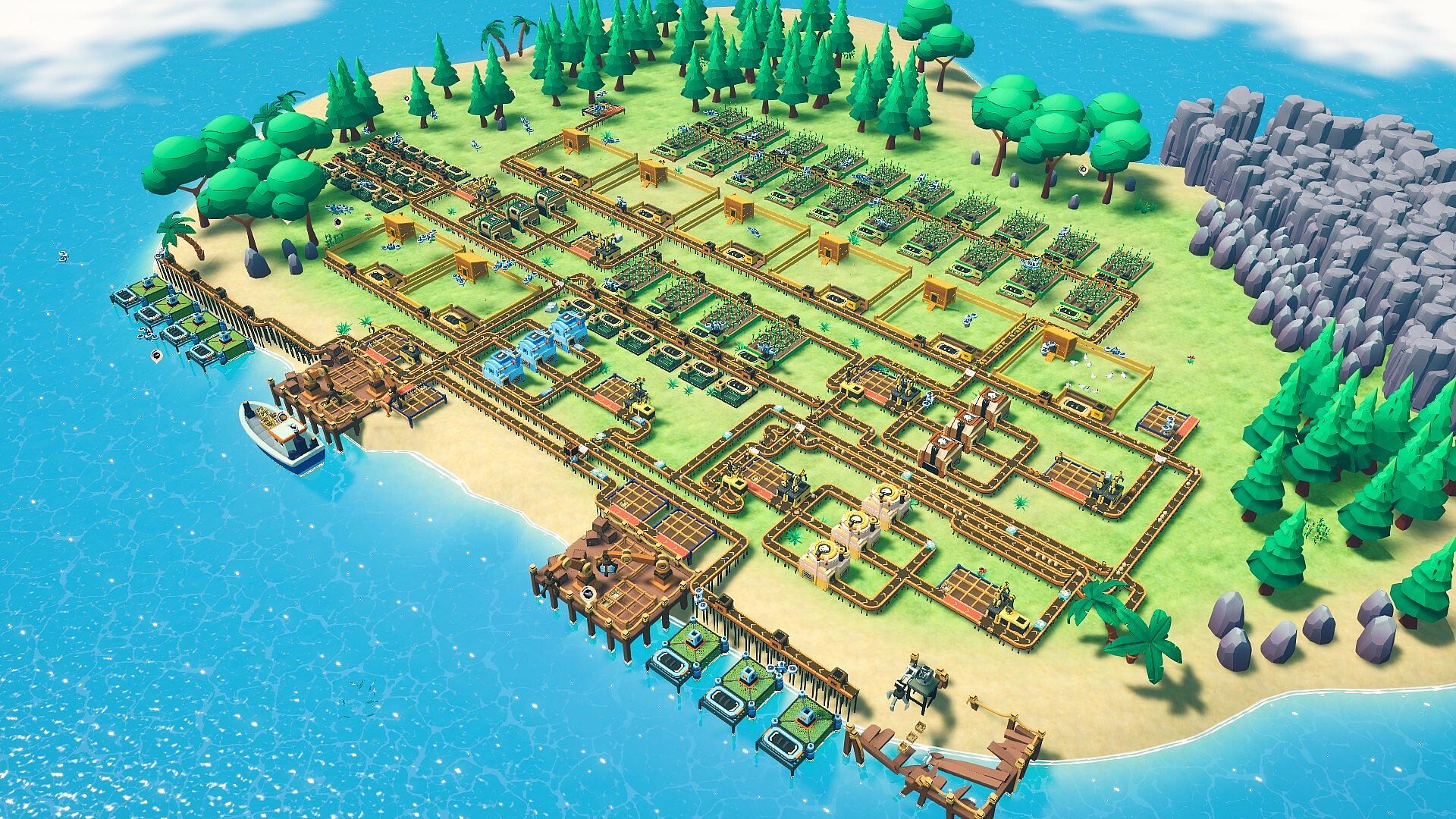
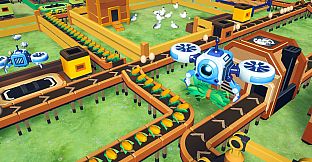
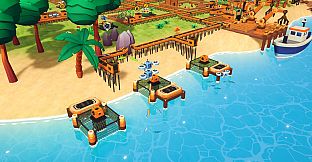
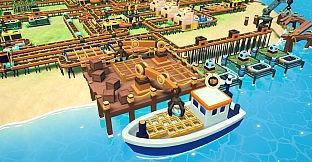
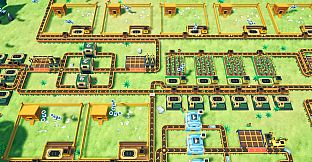
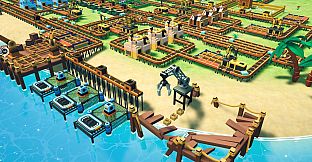
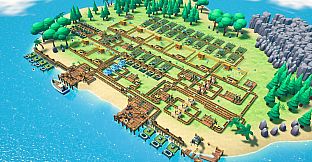
Islandry is an indie casual simulation game focused on transforming a wild island into an automated production system. Players manage resources, construction, and logistics from an overhead view to create self-sustaining networks without any combat or survival elements.
Gameplay
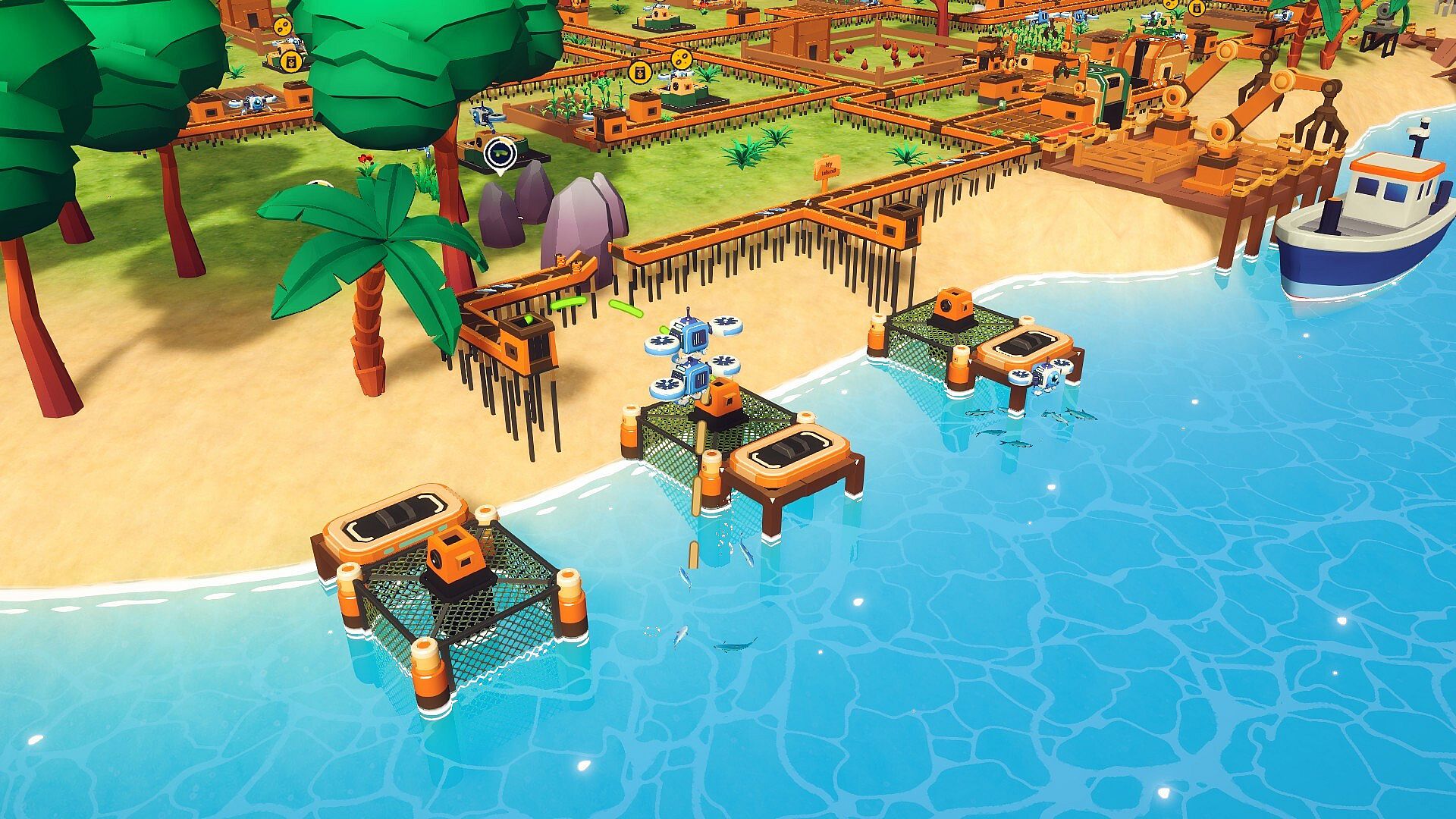
The core loop centers on gathering starting materials from the island's shore and meadows. Players collect fish from coastal waters, harvest wild grass, gather plants, and bring livestock to farms. Natural resources vary in availability, with some regrowing over time and others limited, which encourages gradual expansion across more of the island.
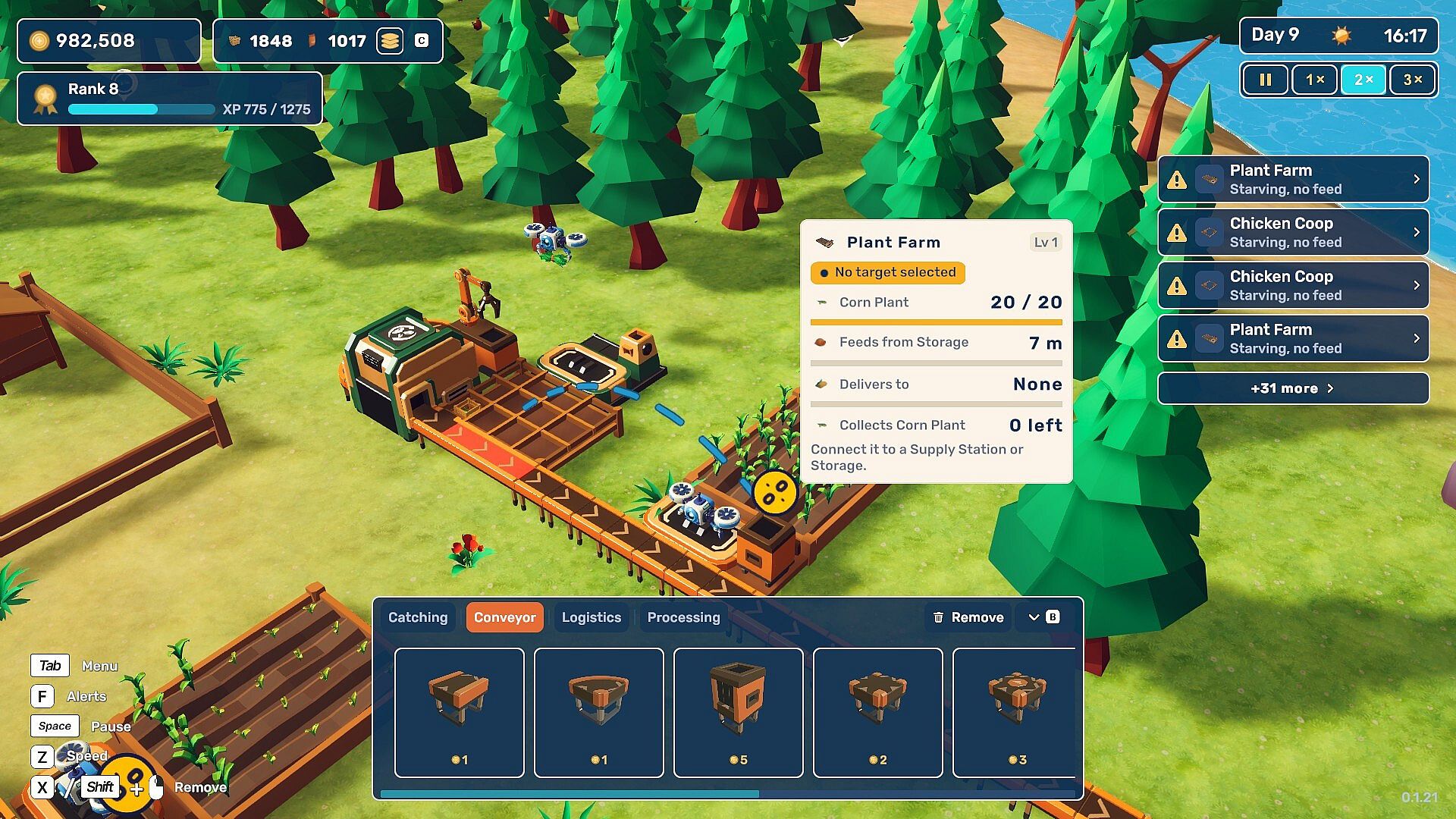
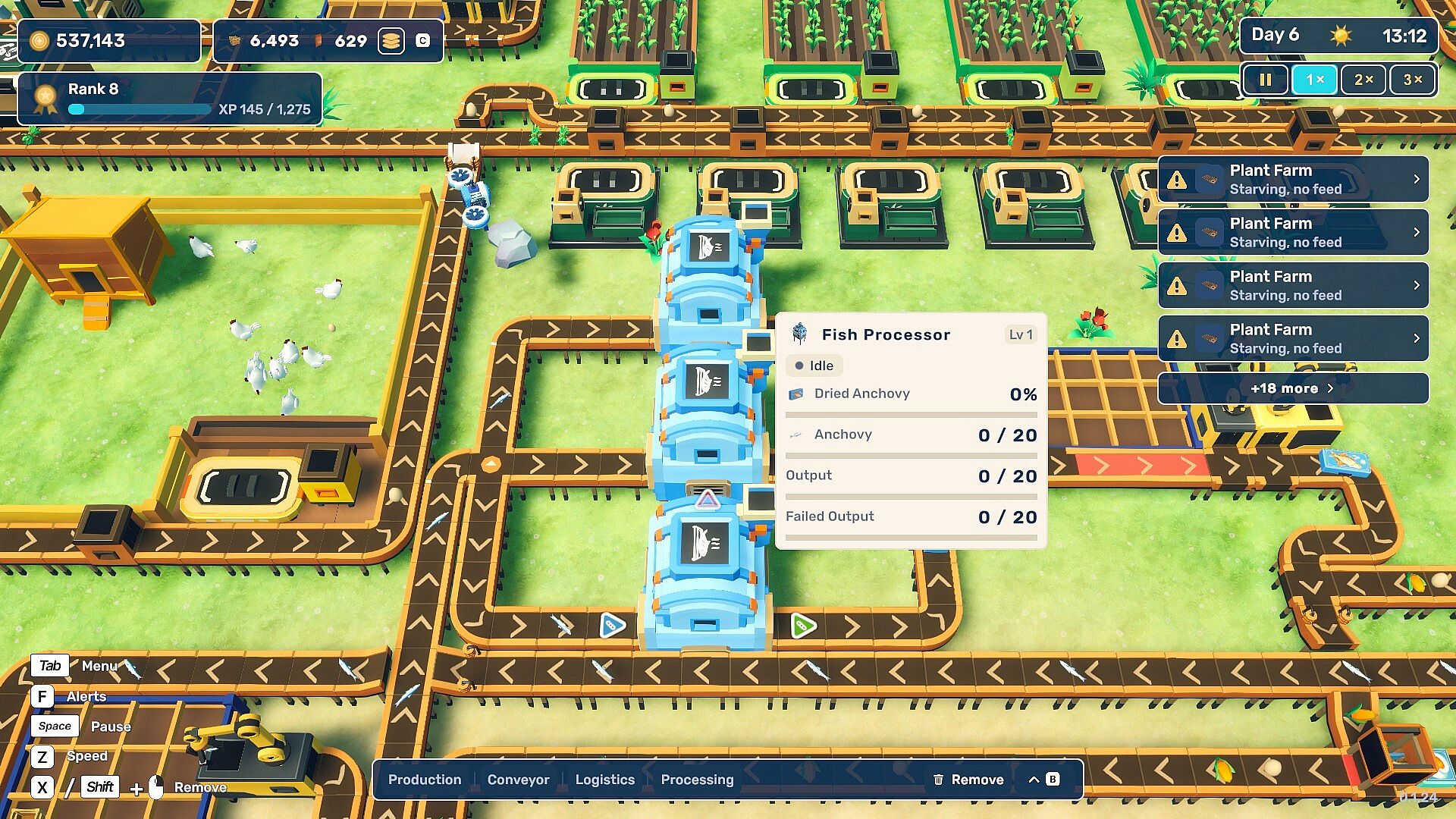
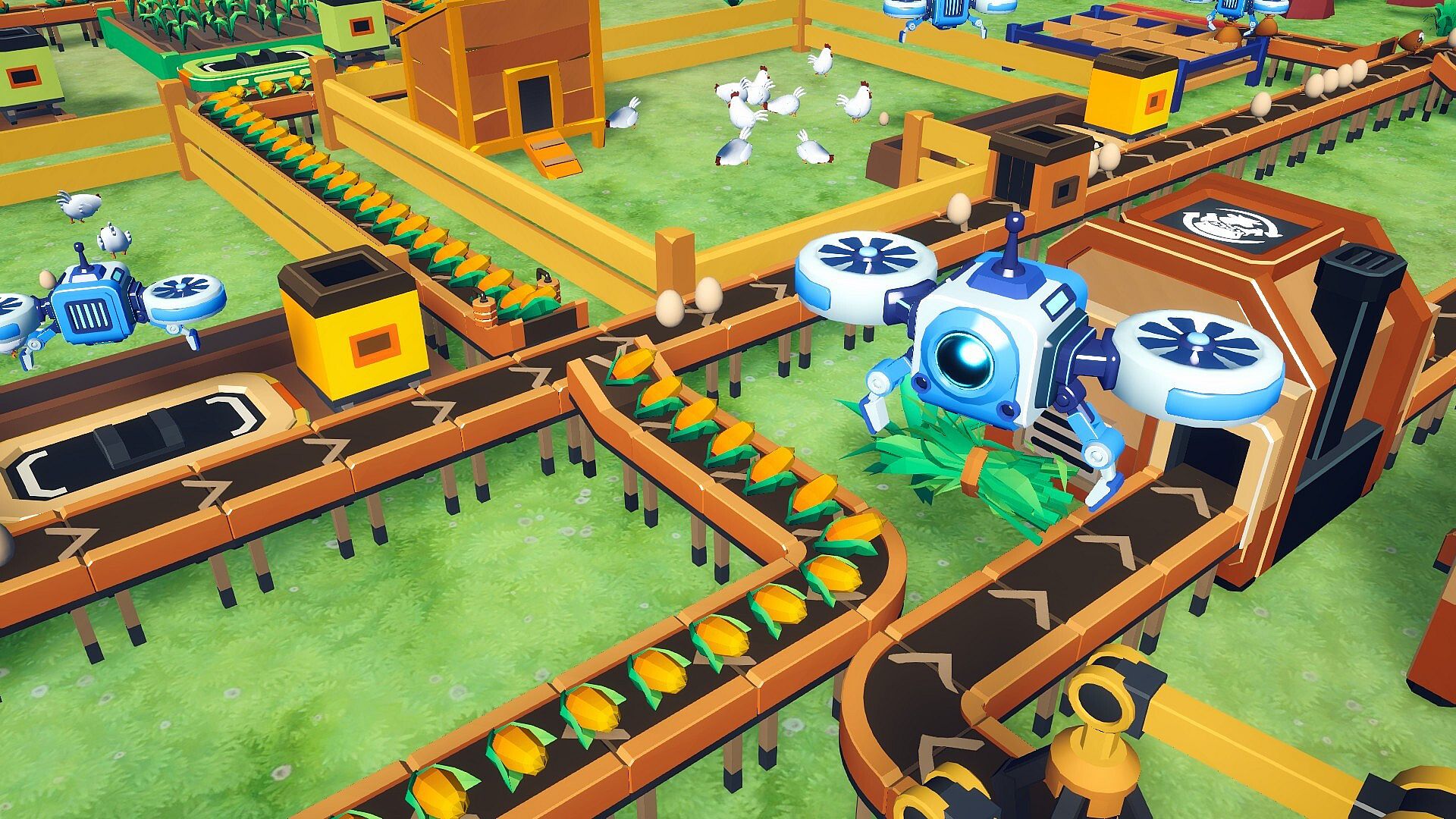
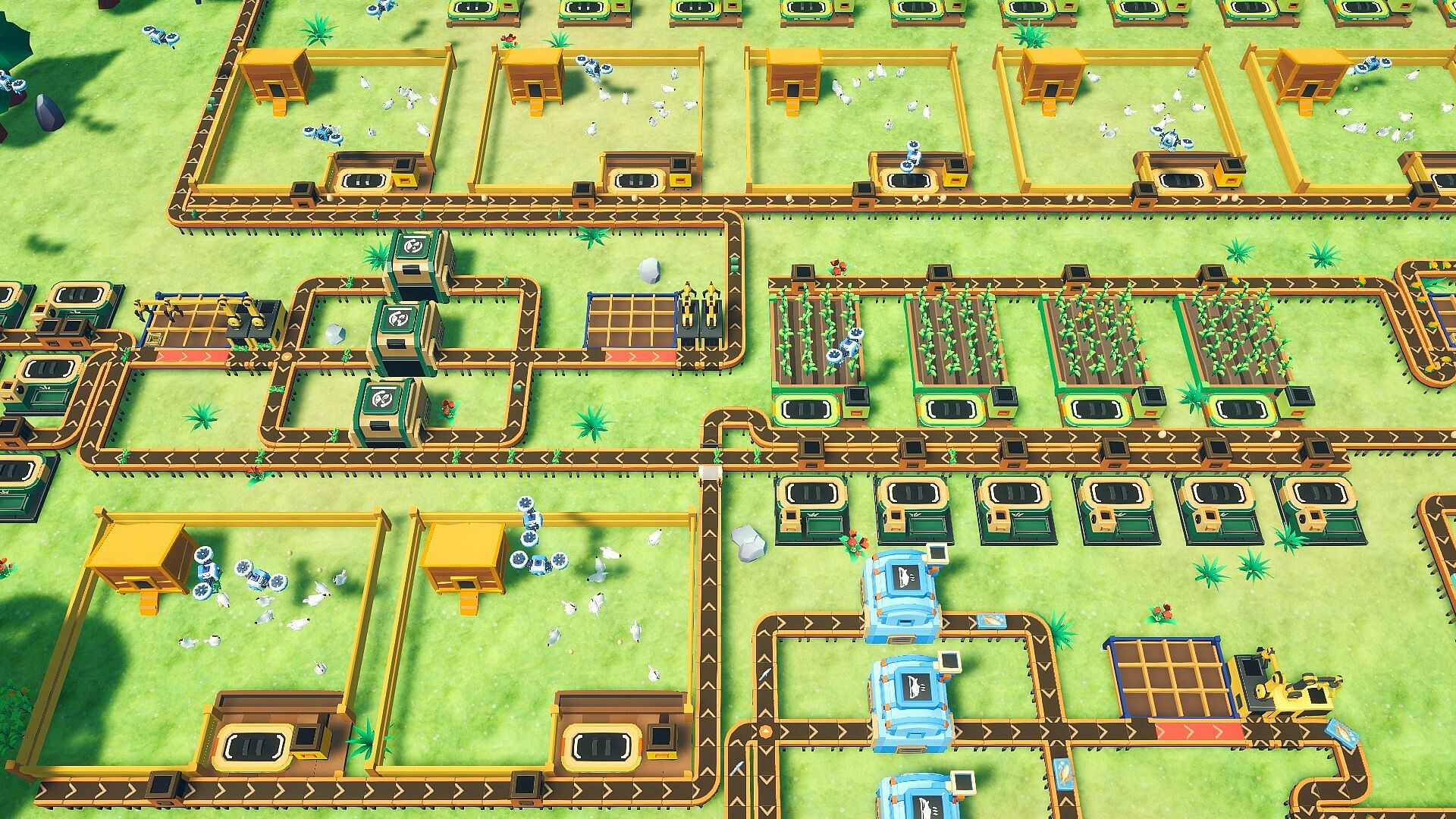
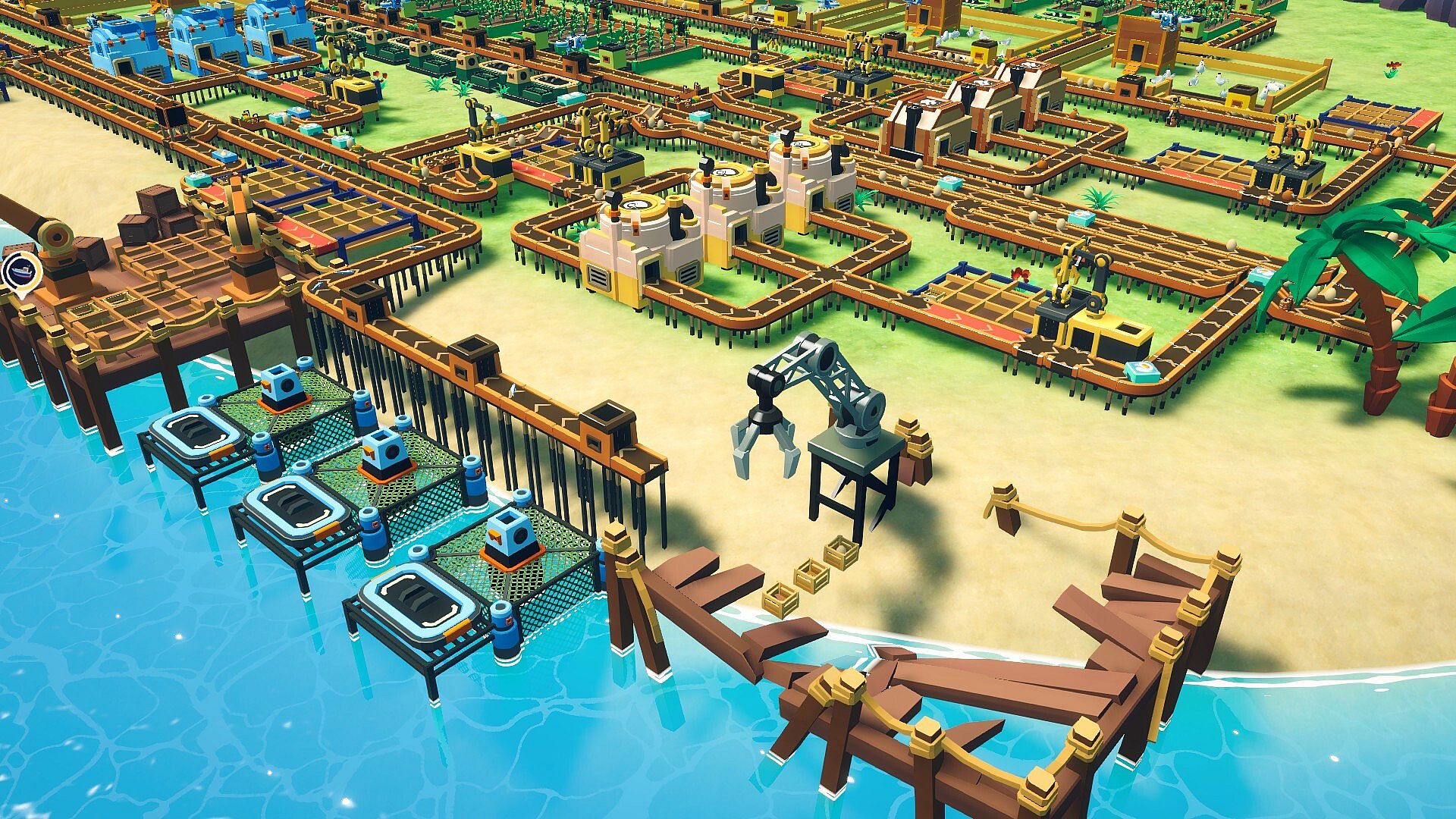
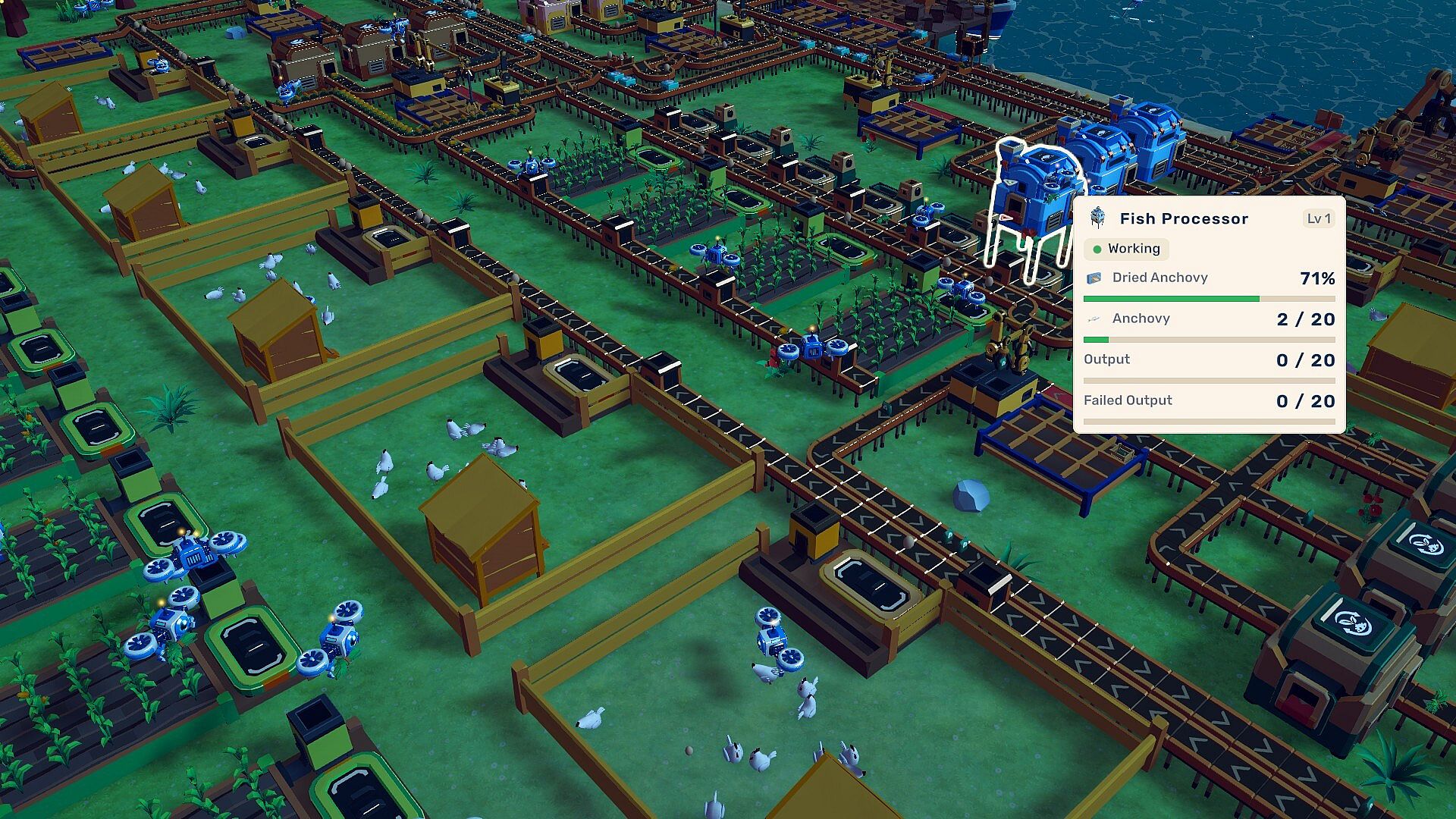
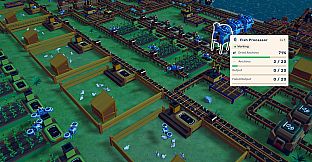
Construction involves placing farms and processing machines, then linking them using conveyor belts, storage units, splitters, filters, junctions, and related components. Conveyor lines route goods to the right destinations while storage buffers output and maintains supply. Drones automatically gather resources, deliver materials, feed farms, and collect finished products, allowing the system to run with minimal ongoing intervention once designed.
Production chains grow interdependent as the island develops. Grass processed into plant feed supports crops, corn becomes animal feed for chicken farms that yield eggs, and shortages in one area can affect others downstream. Players identify bottlenecks, upgrade machine and conveyor speeds, reorganize layouts, and extend the network when local resources deplete.
Optimization tools include splitting busy lines, merging flows, filtering specific items, bridging gaps over existing belts, and positioning storage for quick access. The emphasis stays on thoughtful system design rather than real-time pressure.
Game Modes
Islandry presents a single continuous single-player experience centered on building and refining production networks. There are no separate competitive, survival, or multiplayer modes described. The focus remains on one cohesive simulation where progress carries forward as the island develops from initial coastal operations into a larger interconnected system.
Resource Management and Expansion
Early stages rely on readily available coastal and meadow resources. As operations scale, players spread farms and processing lines farther inland to access new materials. Limited resources push the network outward, while regrowing elements support steady output in established areas.
Interconnected lines require careful routing to prevent slowdowns. Storage acts as a buffer during imbalances, and filters keep specific goods moving to the correct machines. Upgrades to speed and capacity become necessary as demand rises, rewarding players who reorganize inefficient sections proactively.
Trading and Progression
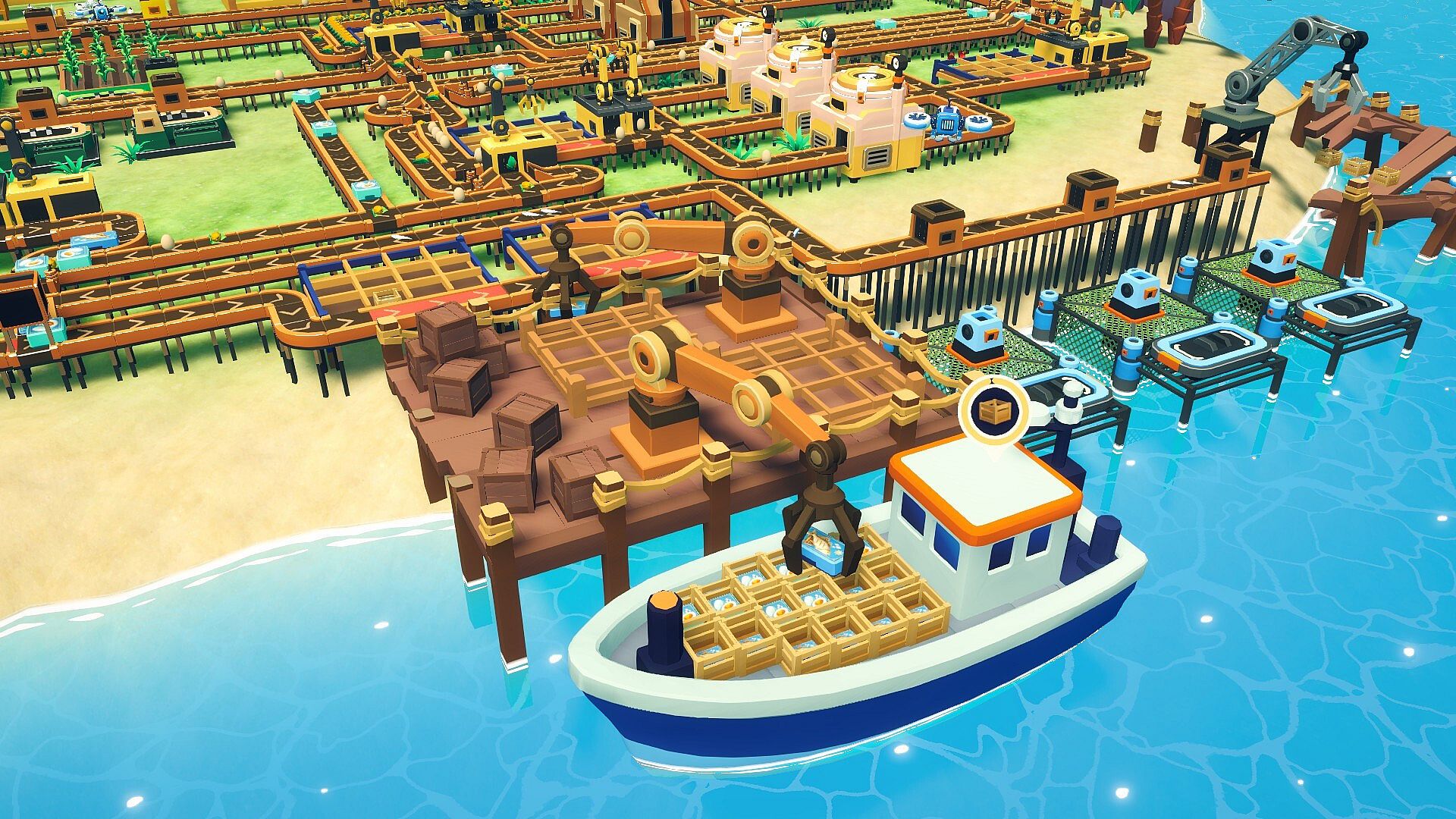
An export depot links the island to external trading destinations. Players prepare goods for shipment or request imports to fill gaps in production. Ships handle transport, and each successful exchange returns money along with island XP and reputation gains.
Higher island ranks unlock additional trade options, broadening access to buying, selling, and resource movement. This system integrates with the core automation loop by providing both income and new inputs that support further growth.
Is It Worth Playing?
Islandry suits players who enjoy relaxed automation and factory-style building games. The absence of combat or time-based threats creates a steady pace suited to thoughtful planning and iterative improvement. Those who appreciate designing efficient conveyor networks and watching automated systems handle daily operations will find the mechanics align closely with that interest.
The game emphasizes cozy progression through resource gathering, machine placement, and network refinement. Its single-player focus keeps attention on personal system design rather than external competition. Availability on PC makes it accessible for sessions of varying length, from quick layout adjustments to longer expansion projects.