







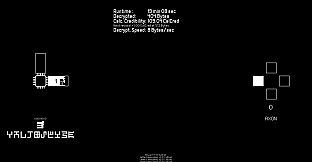
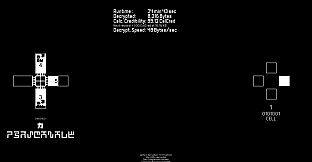
Idle Coma Cracker is a casual simulation game built around idle incremental progression on PC. Players manage a memory extraction operation that turns encrypted data from coma patients into resources for expanding a computing empire.
Gameplay
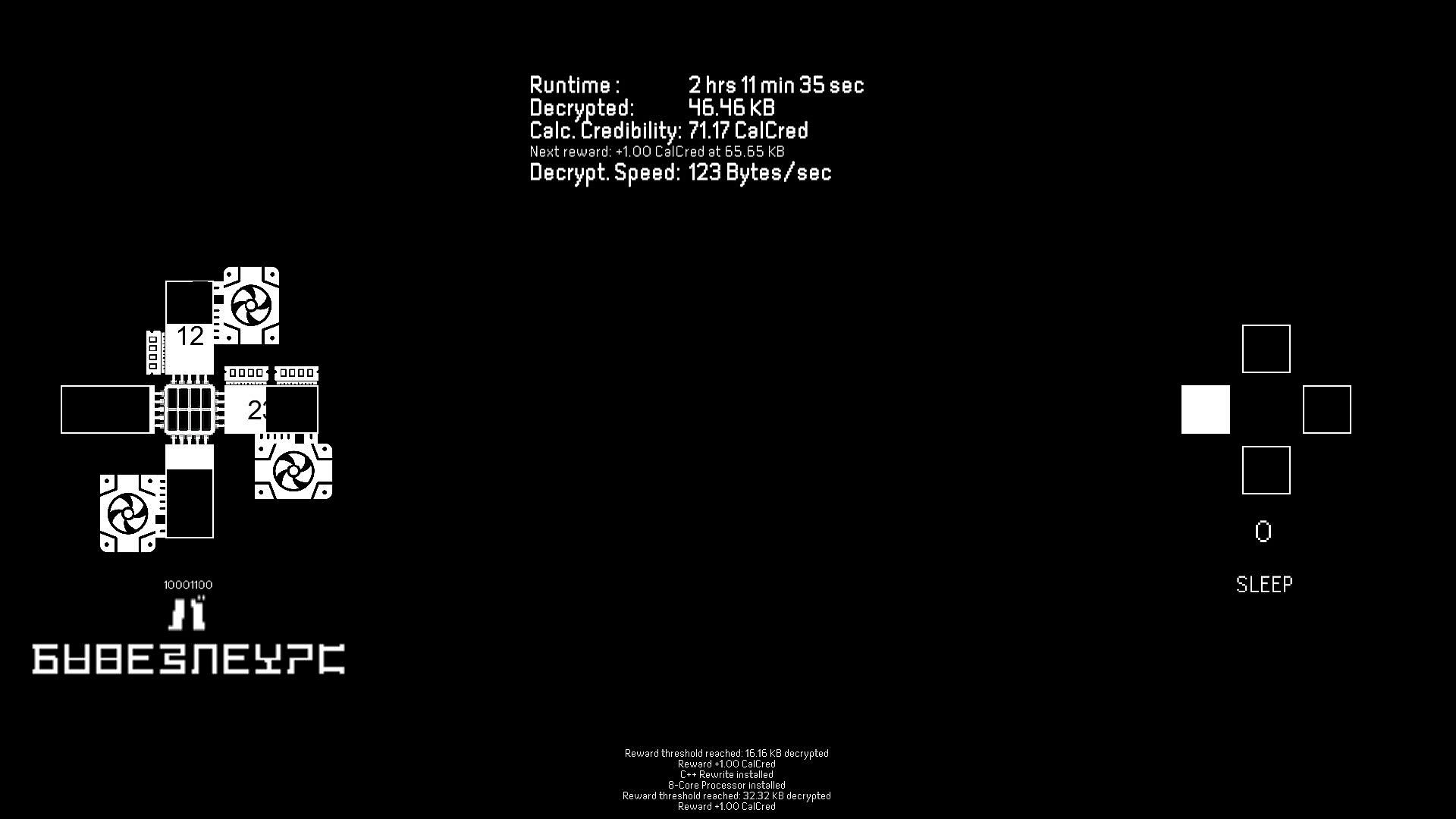
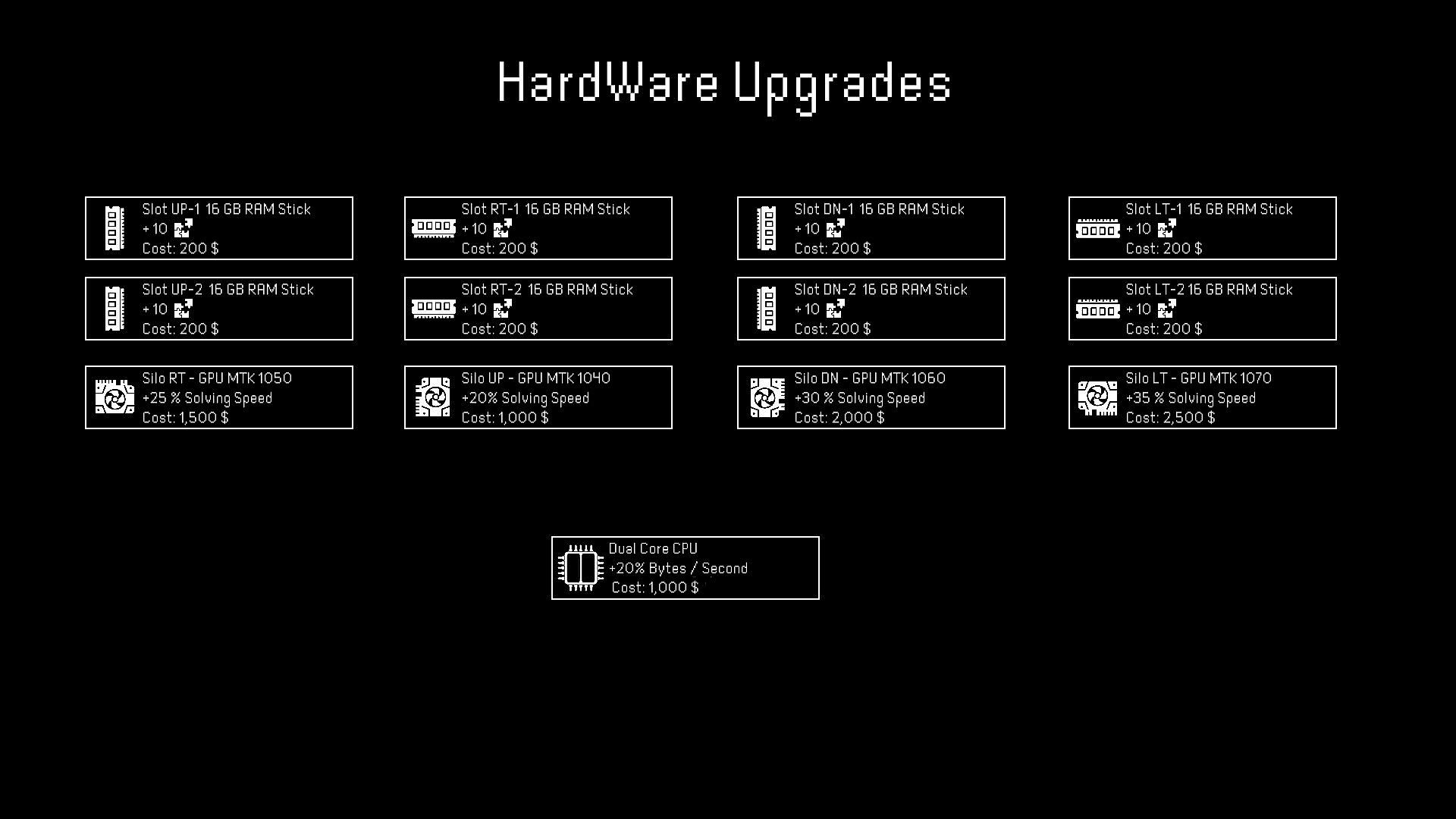
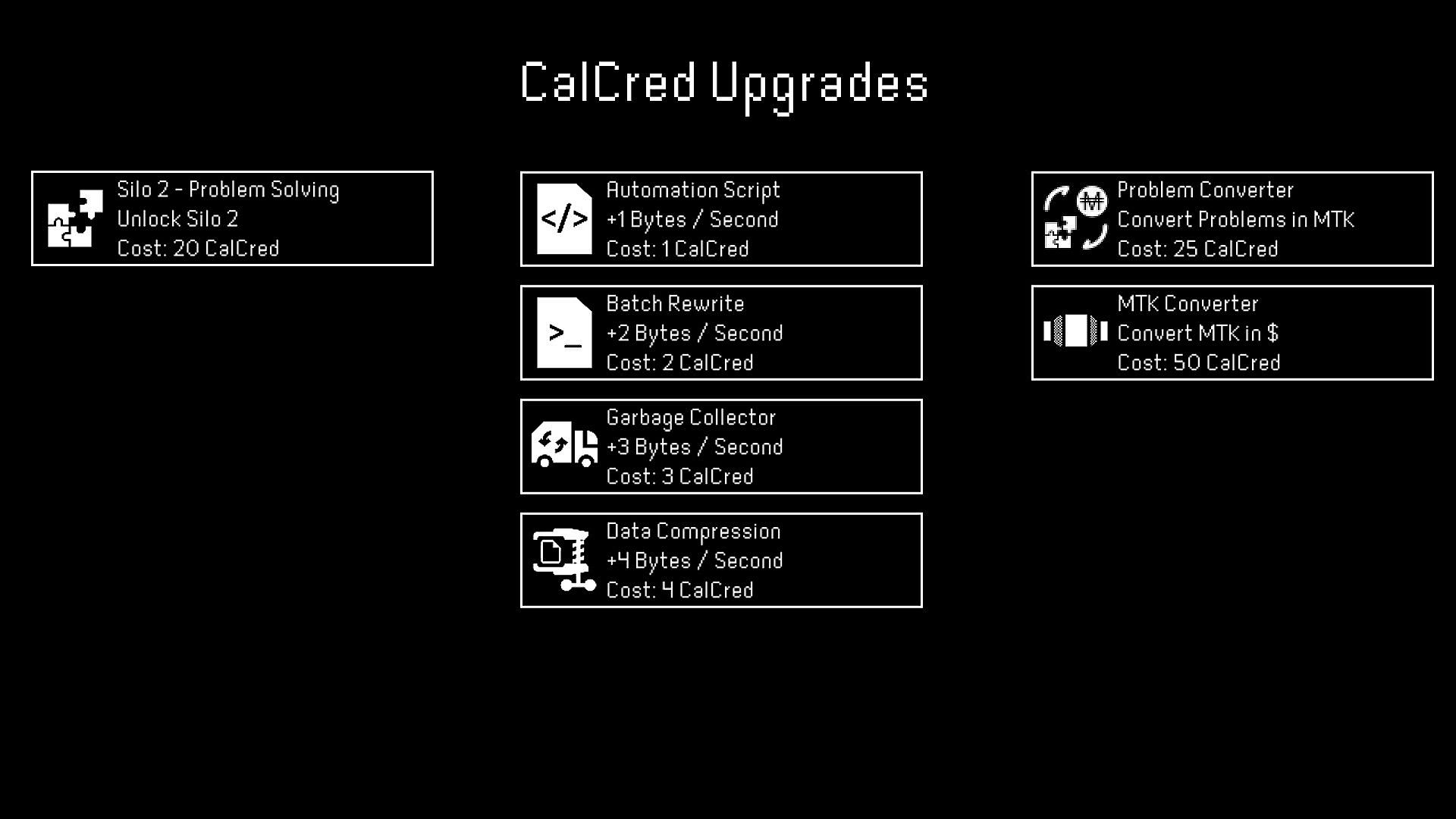
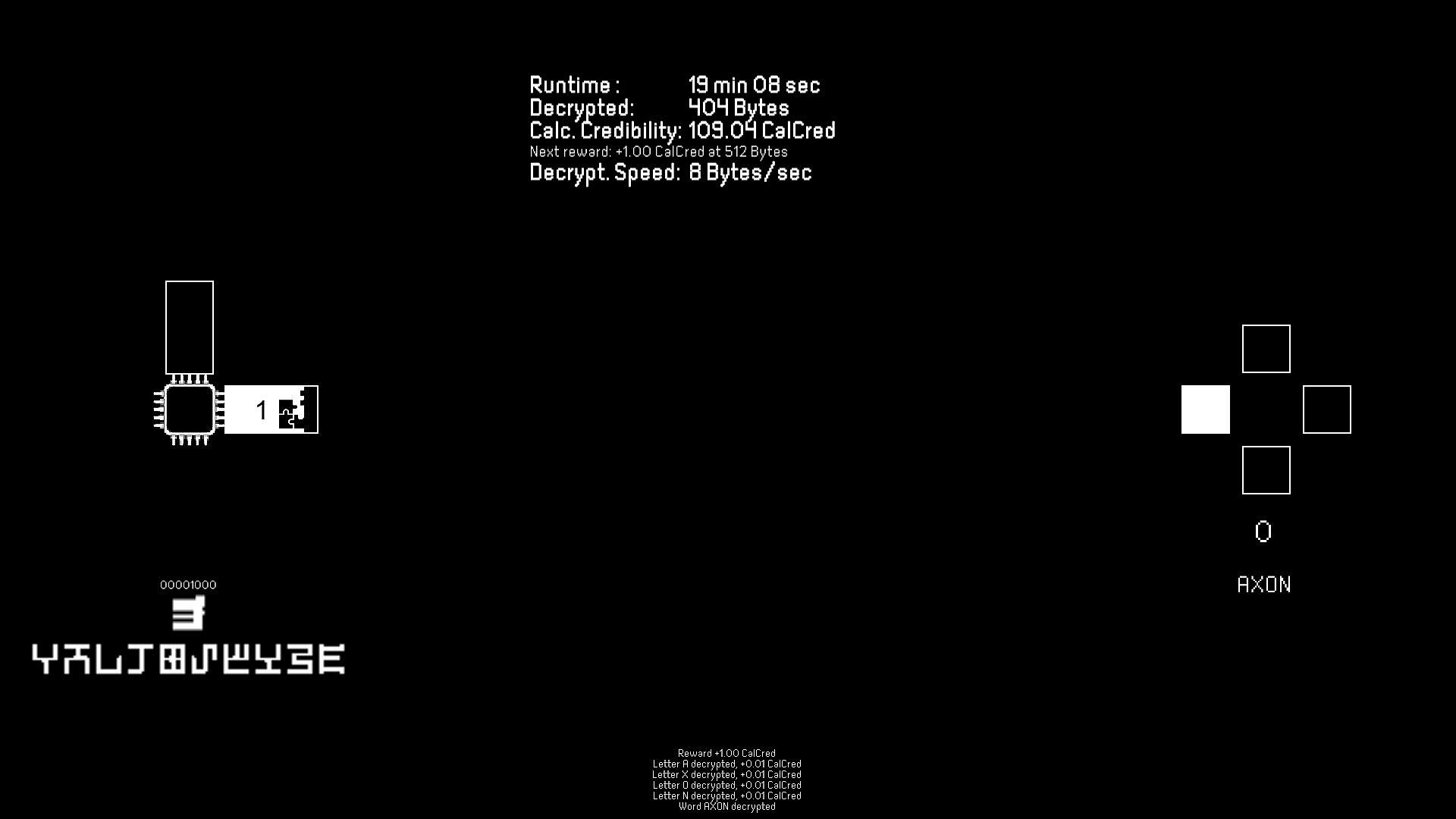
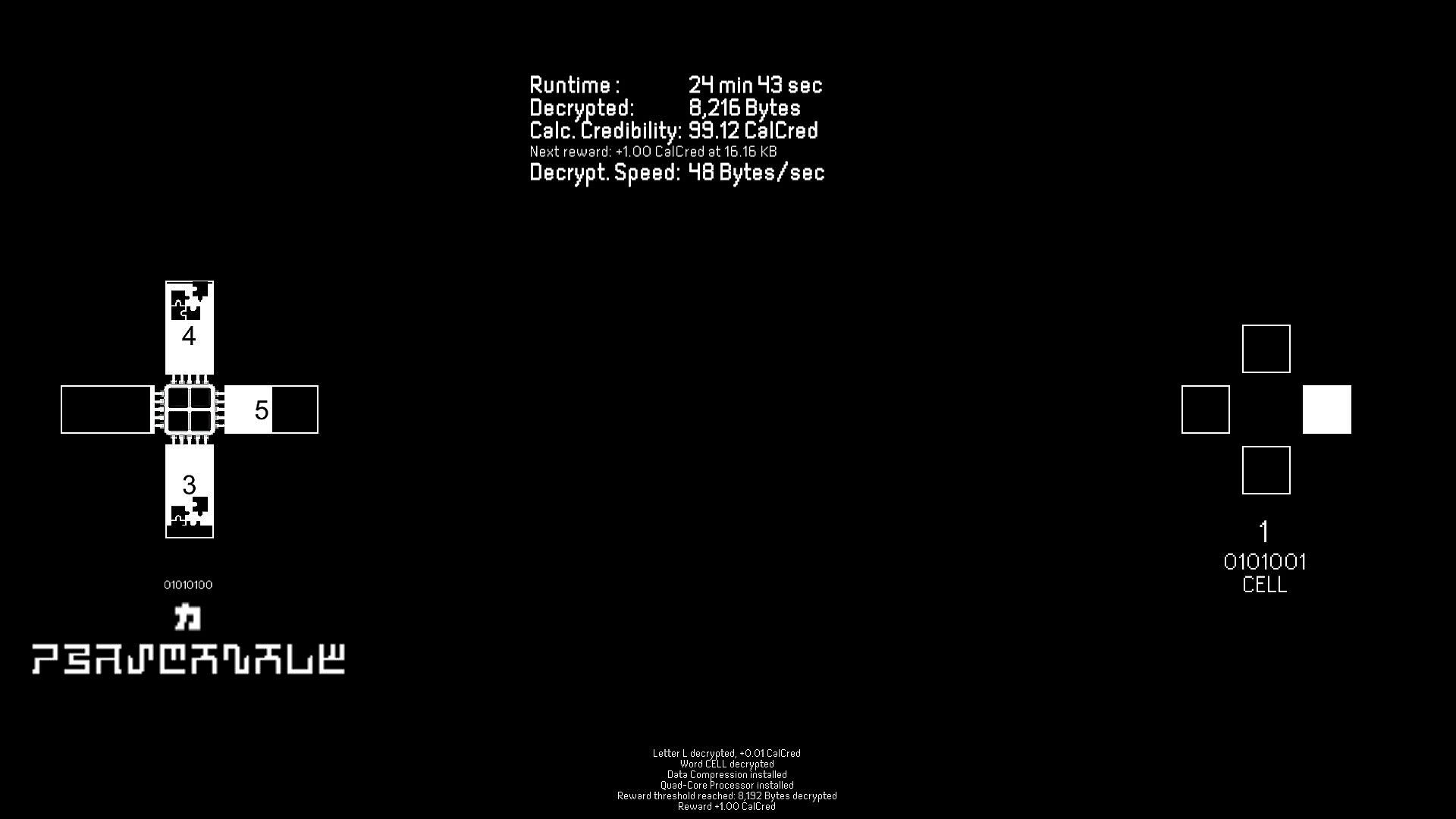
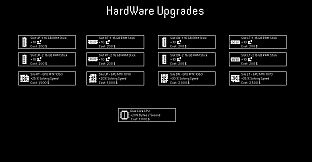
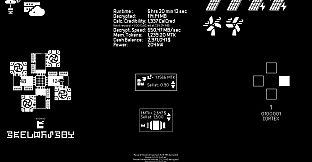
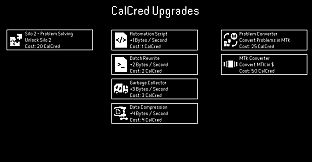
The core loop centers on decrypting raw memory data one byte at a time. Each cracked byte generates Calculation Credibility, or CalCred, which serves as the primary currency for upgrades. Players begin with basic memory silos and limited hardware, then invest earnings into CPUs, GPUs, RAM, and additional storage to increase processing speed and capacity.
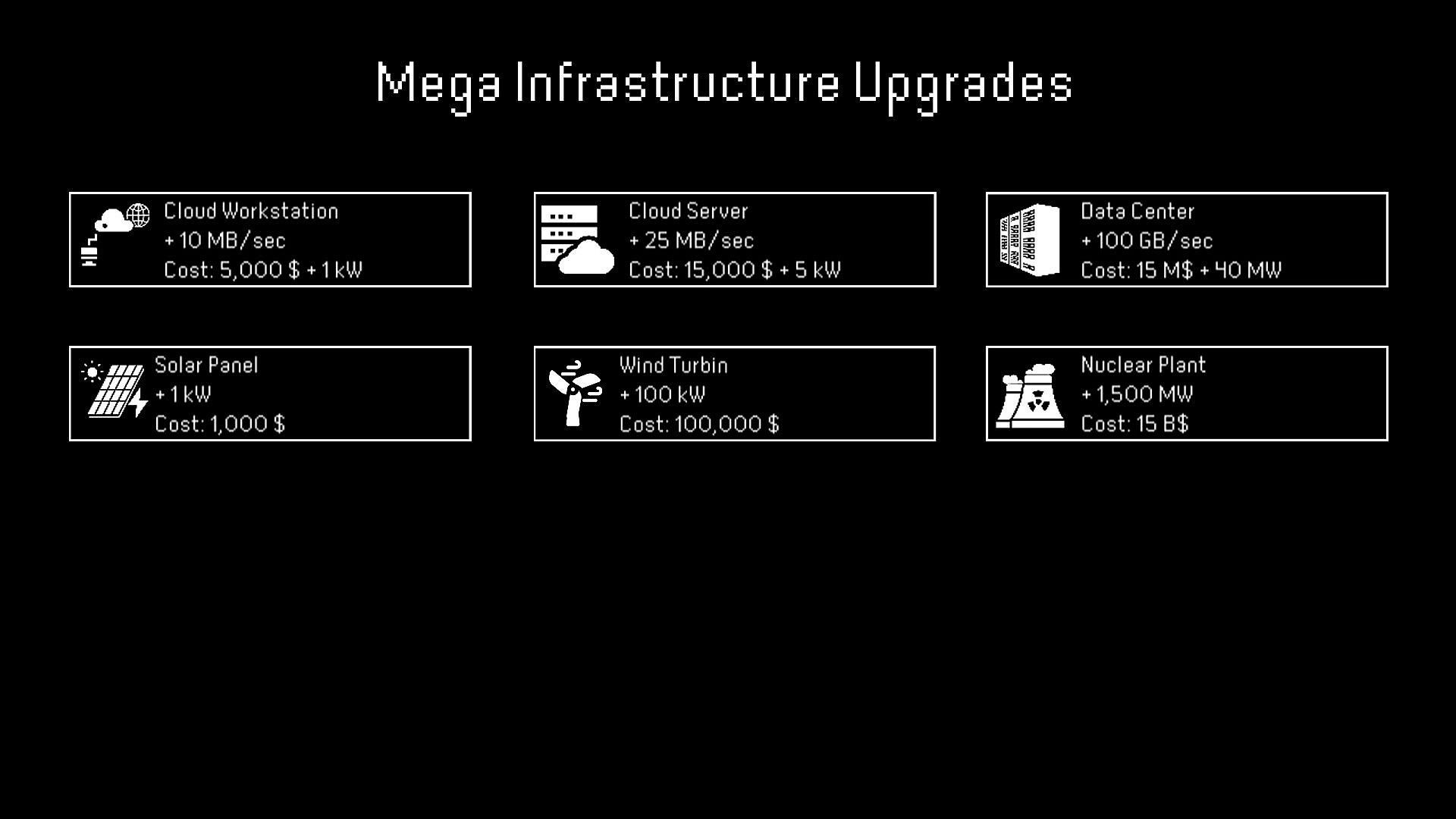
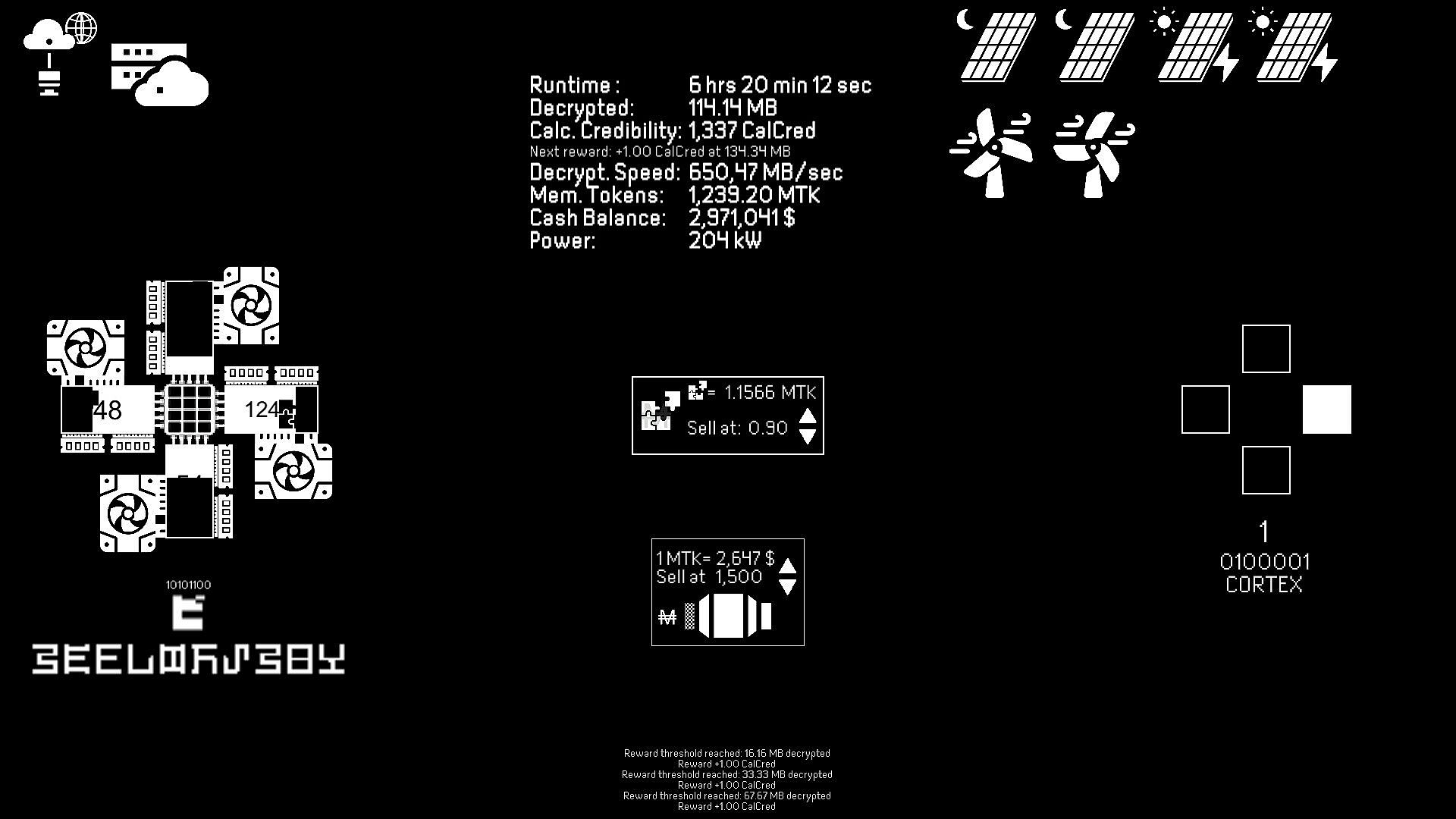
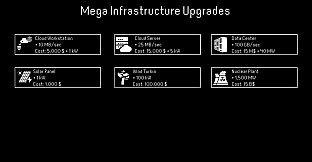
Progression expands beyond local machines into cloud resources and full datacenters. Energy production becomes essential as infrastructure grows, requiring solar panels, wind turbines, and power plants to sustain higher output. Multiple resource layers support this growth: Memory Tokens fund advanced infrastructure, Cash purchases hardware and energy systems, Watts track electricity needs, and Data represents the raw input from patients.
Automation plays a central role. Systems can be built to handle ongoing decryption and resource conversion without constant manual input, allowing the operation to continue while players focus on strategic expansion. The more layers added, the less direct intervention is required, shifting emphasis toward balancing flows between currencies and unlocking new technologies.
Game Modes
Idle Coma Cracker operates as a single-player idle experience without separate named game modes. All activity occurs within the central simulation of memory processing and infrastructure development. Progression remains continuous through offline gains, with the same systems handling decryption, hardware scaling, power generation, and automation across the entire play session.
Is It Worth Playing?
This early access title suits players who enjoy idle incremental games focused on resource management and long-term scaling. The layered systems of CalCred, Memory Tokens, Cash, Watts, and Data create ongoing optimization challenges as the operation grows from a single machine into an industrial-scale network. Automation features reduce repetitive tasks over time, supporting both active sessions and background progress.
Those seeking traditional action, story-driven campaigns, or competitive multiplayer will find little here. The game delivers steady expansion through hardware upgrades, energy infrastructure, and decryption efficiency, with no confirmed updates or additional content beyond the core loop described in its current state. Fans of simulation titles that reward patient building and system balancing may find the approach engaging for short or extended play periods.











