






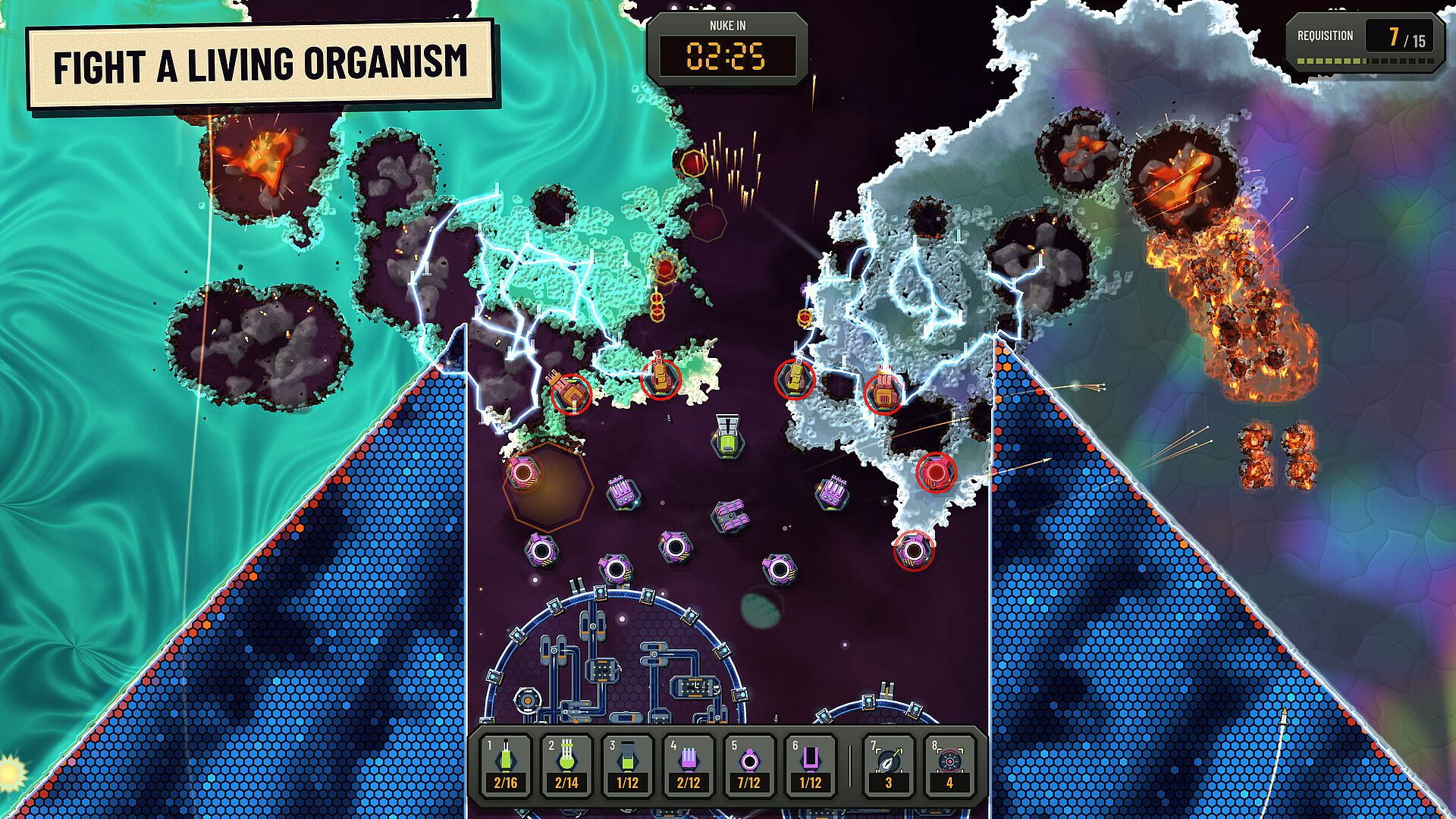
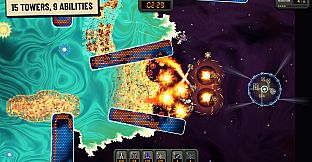
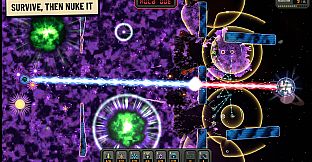
Houston, We Have a Spungus is a strategy, indie, and simulation game for PC in which players defend colonial outposts from a single massive living organism known as the spungus. The creature advances as one interconnected mass that creeps, ripens, and devours structures in its path, regenerating any damage inflicted on it. The core challenge lies in holding defensive lines long enough for headquarters to prepare and deliver a decisive nuke that eradicates the source.
Gameplay
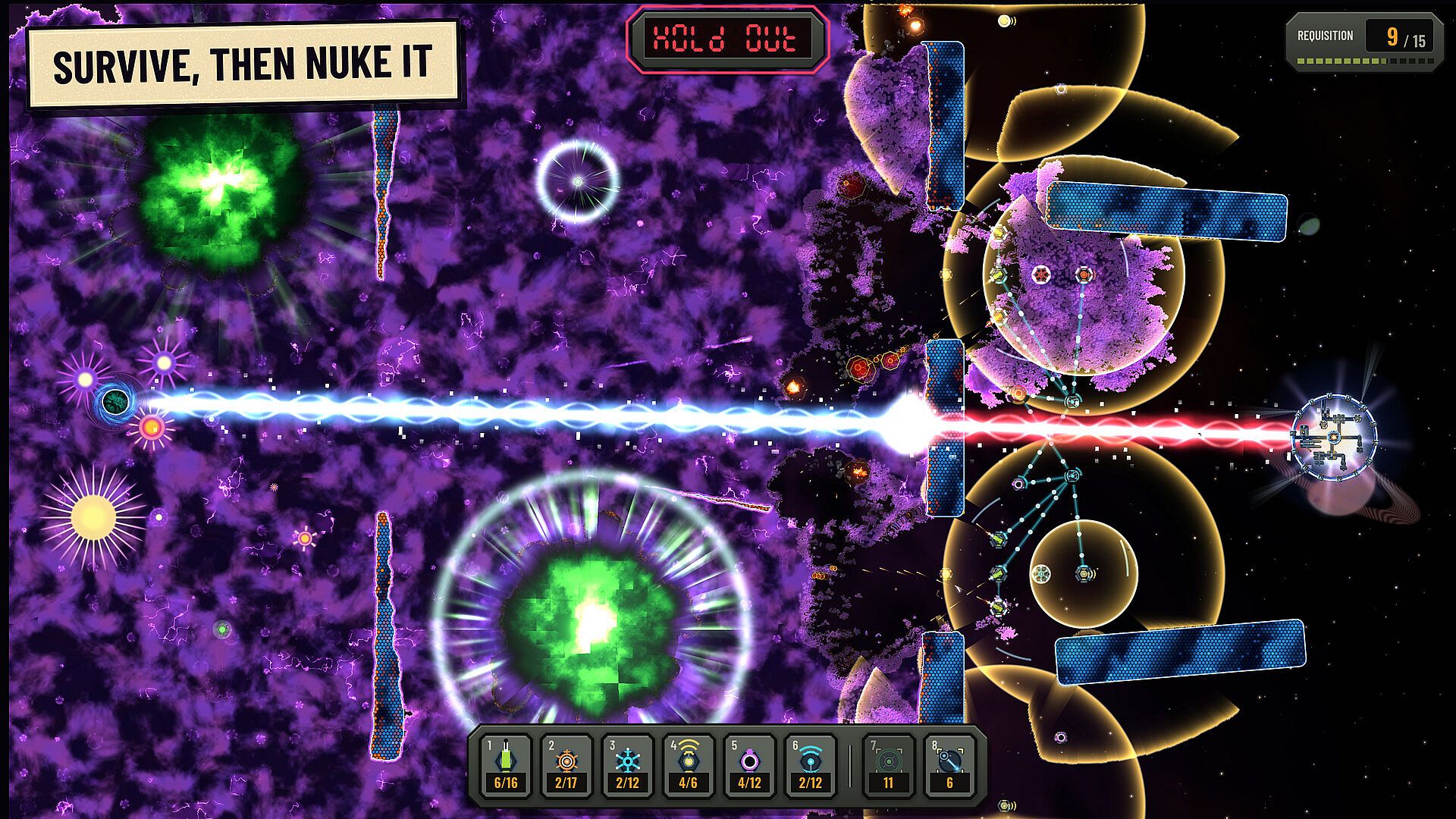
Players begin each assignment by placing towers to form a defensive perimeter. Tower positions and coverage arcs matter because the spungus will breach weaker sections, forcing replacements that consume requisition tokens earned through play. Planning placement ahead of time reduces waste when sections are lost.
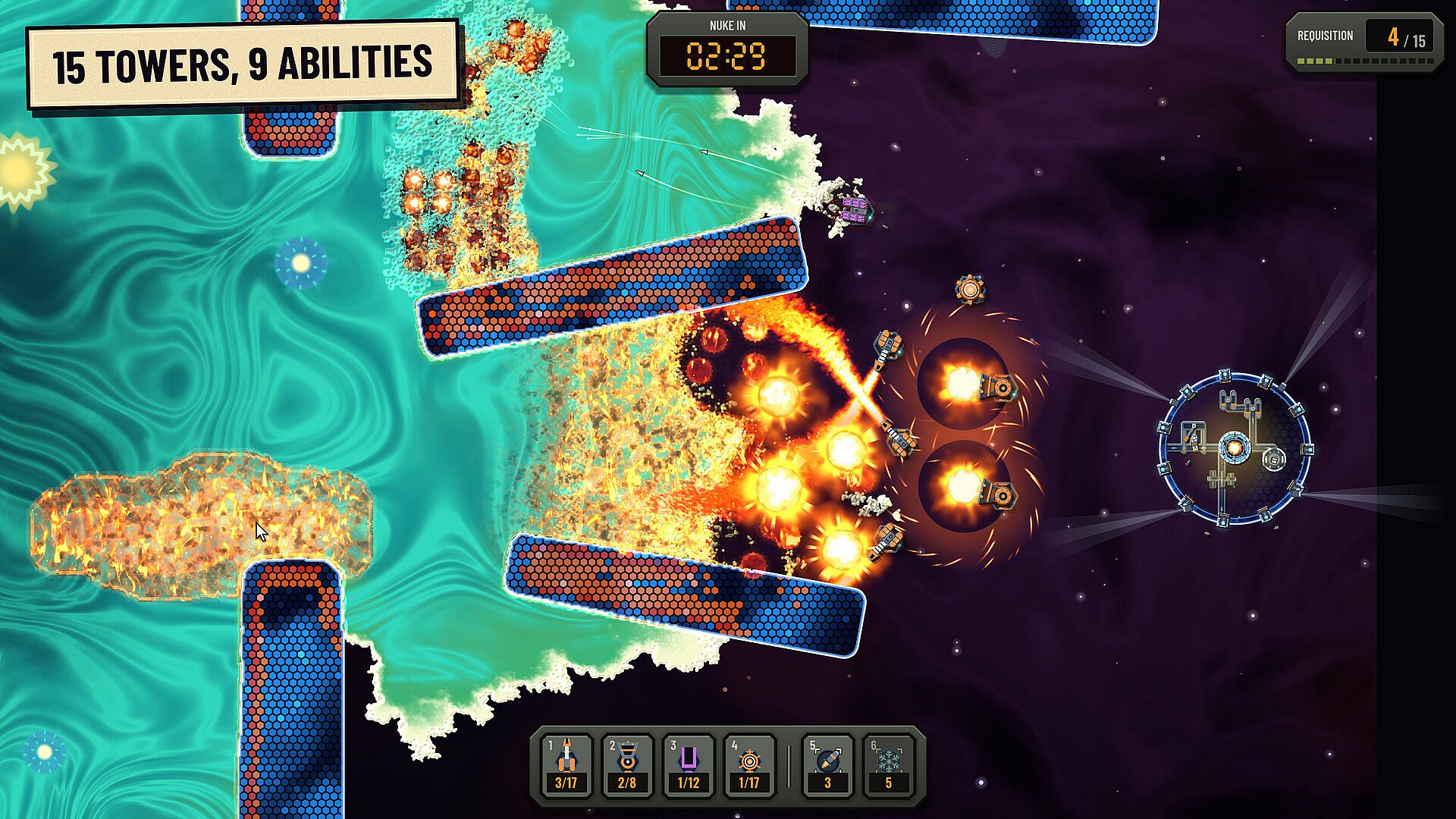
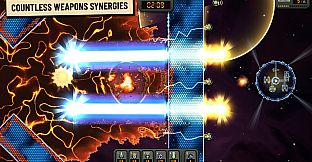
Station artillery provides map-wide coverage, with each shell creating temporary holes in the advancing mass. Holes close quickly, so sustained fire or automated upgrades become necessary. Additional towers include flamethrowers that project burning arcs, fireball launchers that hurl concentrated projectiles, microwave emitters, beam cutters that penetrate friendly barriers while widening on exit, and pylon launchers that create linked lightning networks.
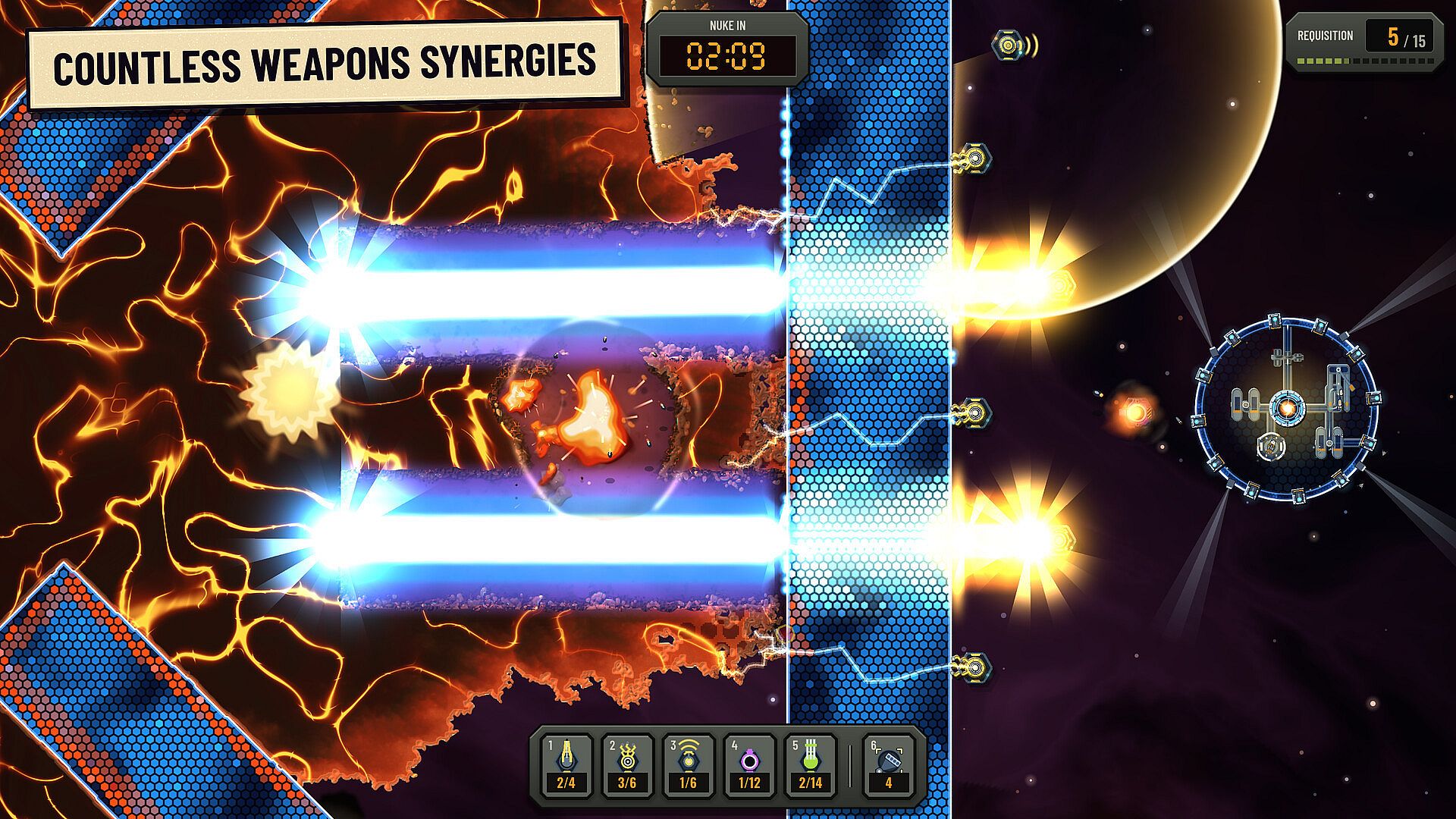
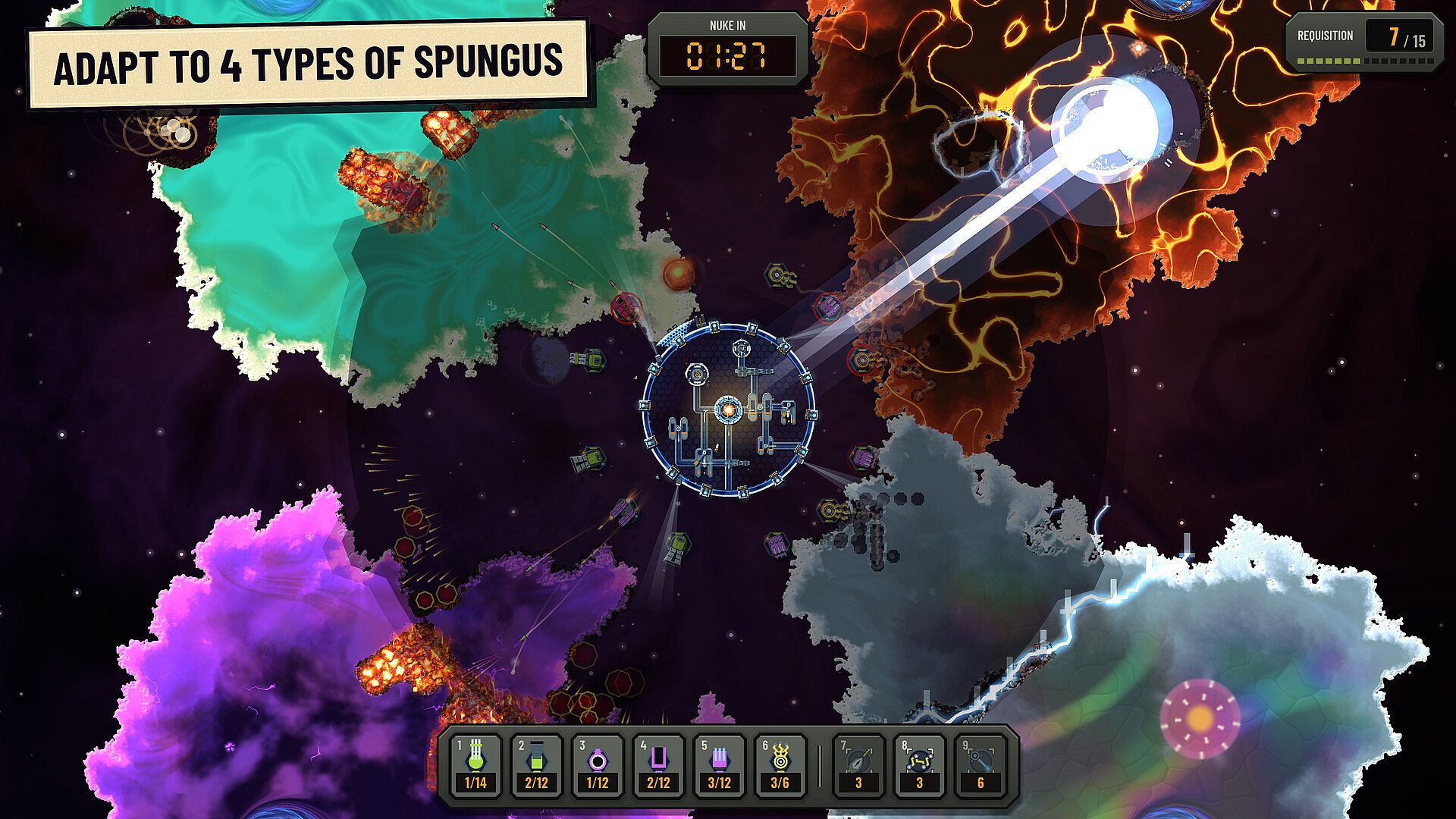
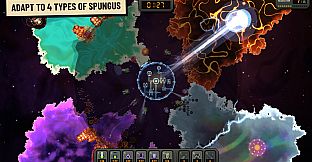
Tower synergies add depth. Projectiles from one tower can interact with another to produce amplified effects, such as enlarging a fireball when it passes through a flamethrower or triggering a firestorm when combined with lasers. The spungus appears in four strains, each with resistance to specific damage types, requiring players to adapt loadouts to the current map conditions.
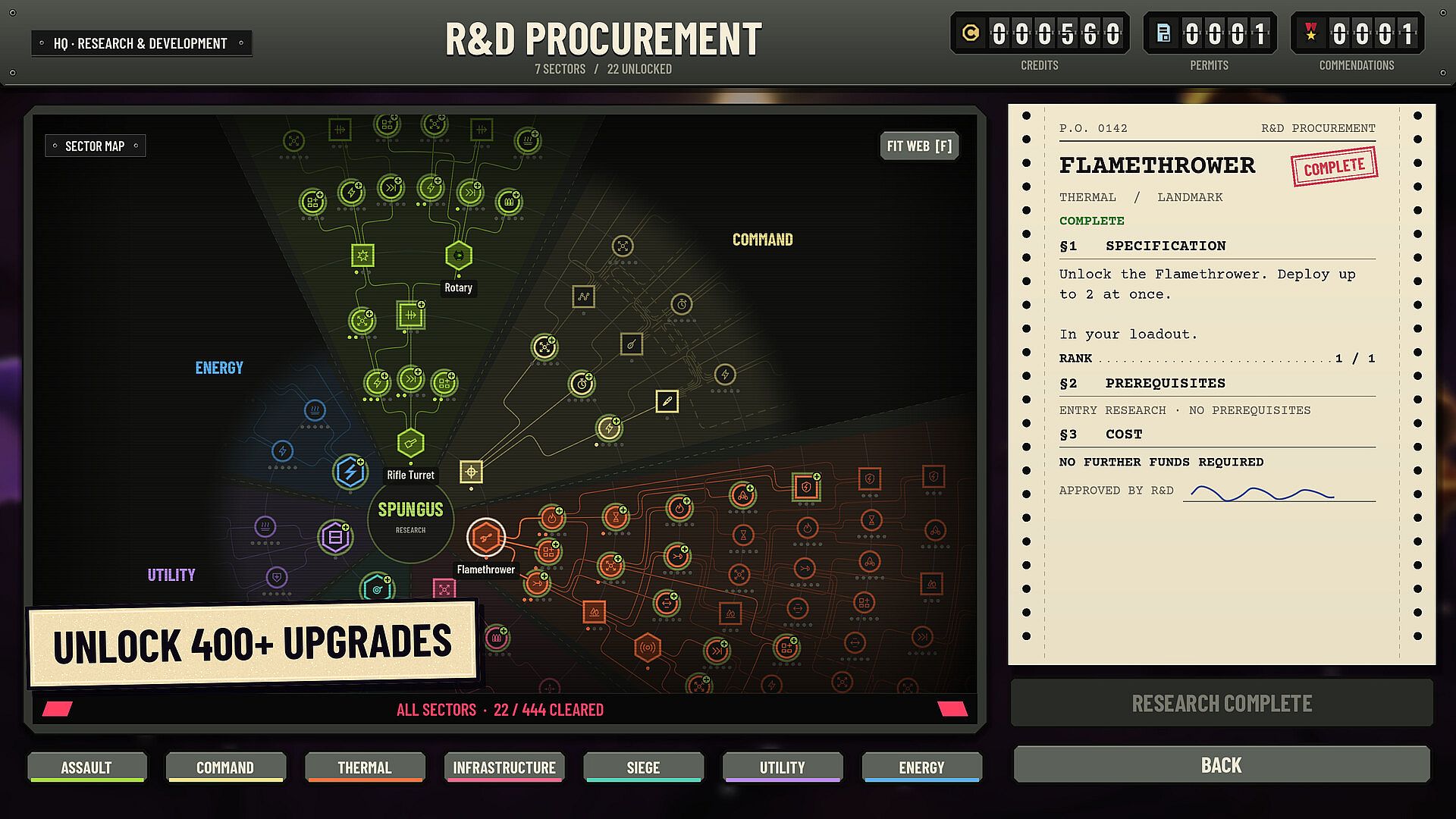
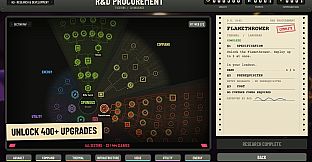
Progression comes through a research web containing hundreds of upgrades that unlock new towers, abilities, and improvements. Every destroyed portion of the spungus yields payment, so even unsuccessful defenses contribute to long-term advancement. Nine orbital abilities, including strafing runs, napalm strikes, a steerable orbital laser, and hellbombs, can be called in to support the ground defenses. The simulation runs cell by cell on the GPU, treating the spungus as one continuous organism rather than discrete enemy groups.
Game Modes
The game centers on a single-player defense loop across multiple stations scattered throughout the galaxy. Each assignment follows the same structure of building and maintaining a line until the nuke arrives, with variations introduced by different station layouts and the four spungus strains. Permanent upgrades carry forward between attempts, allowing incremental improvement regardless of individual outcomes.
No separate competitive or cooperative modes are confirmed. The experience remains focused on solo strategic management of tower placement, resource allocation, and ability timing against the regenerating organism.
Key Mechanics and Progression
Resource management revolves around requisition tokens for tower replacements and research points earned from spungus destruction. The upgrade system forms a web rather than a linear tree, encouraging experimentation with combinations of towers and abilities. Fifteen towers divided into five schools provide variety, while the nine orbital abilities offer powerful but limited interventions.
The spungus itself functions as the primary antagonist and environmental element. Its cell-by-cell simulation means damage must be applied continuously, and its four strains force adaptation based on visible map information. Barriers and tower placement create chokepoints, but the organism can exploit gaps or overwhelm isolated sections.
Is It Worth Playing?
This title suits players who enjoy deliberate tower placement, synergy experimentation, and managing a persistent threat that regenerates rather than spawning in discrete waves. The permanent progress system ensures that time spent on failed defenses still advances capabilities, reducing frustration from repeated attempts.
With its emphasis on planning, adaptation to resistant strains, and visual feedback from combined weapon effects, the game appeals to those interested in strategy and simulation titles that reward observation and adjustment over rapid reflexes. The upcoming release in Q1 2027 means current information is limited to developer descriptions, but the described systems present a focused single-player experience built around one evolving enemy organism.











