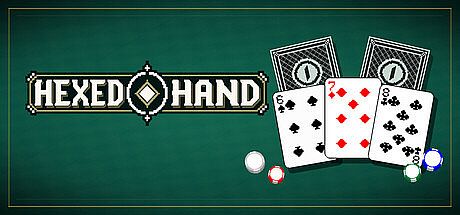


Hexed Hand is a single-player roguelite card game that blends strategy, indie sensibilities, and casual accessibility on PC. It takes the core idea of reaching 21 and expands it into a deep system of deckbuilding, score optimization, and run-long progression where ordinary hands become engines of massive multipliers.
Gameplay
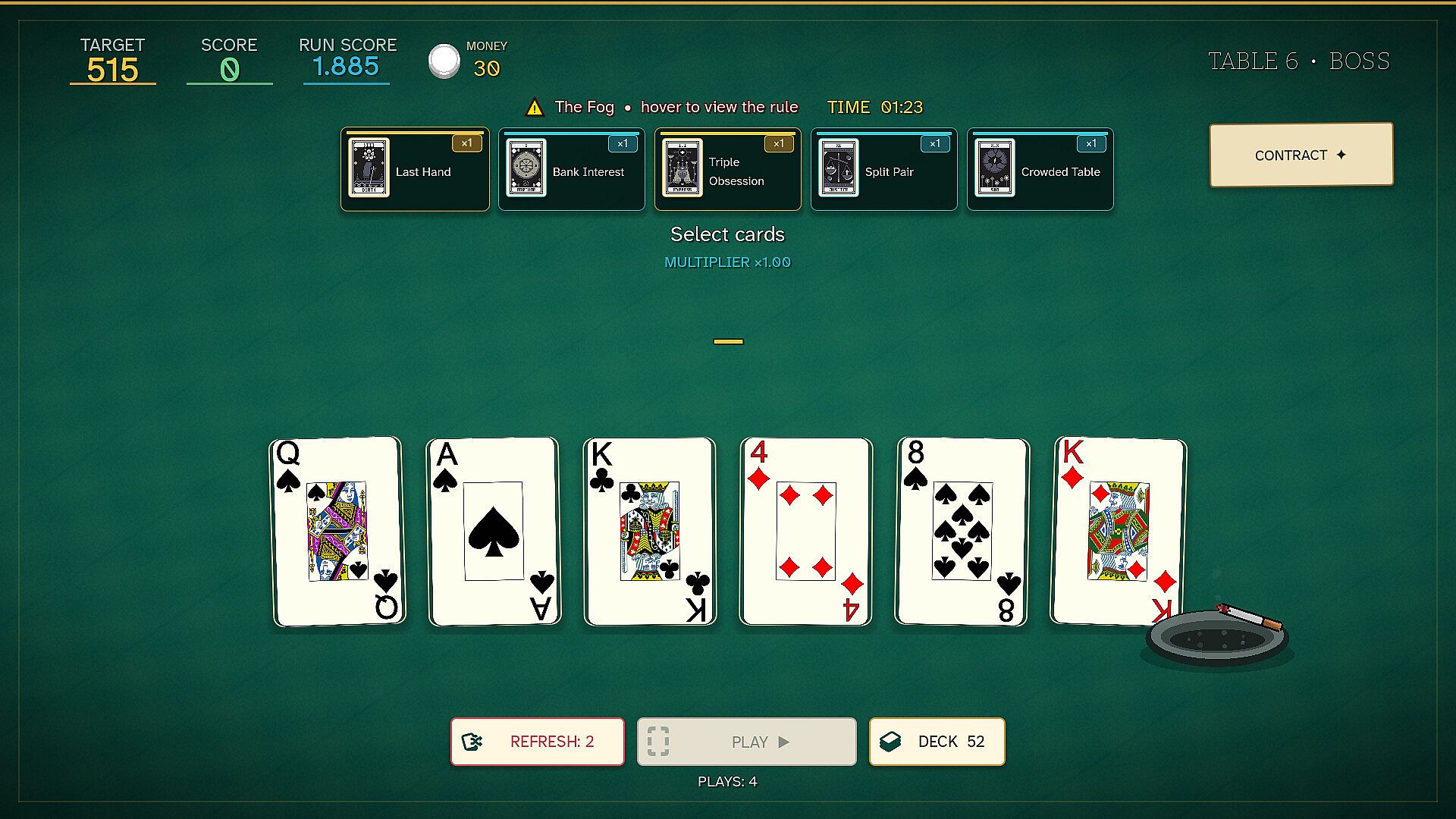
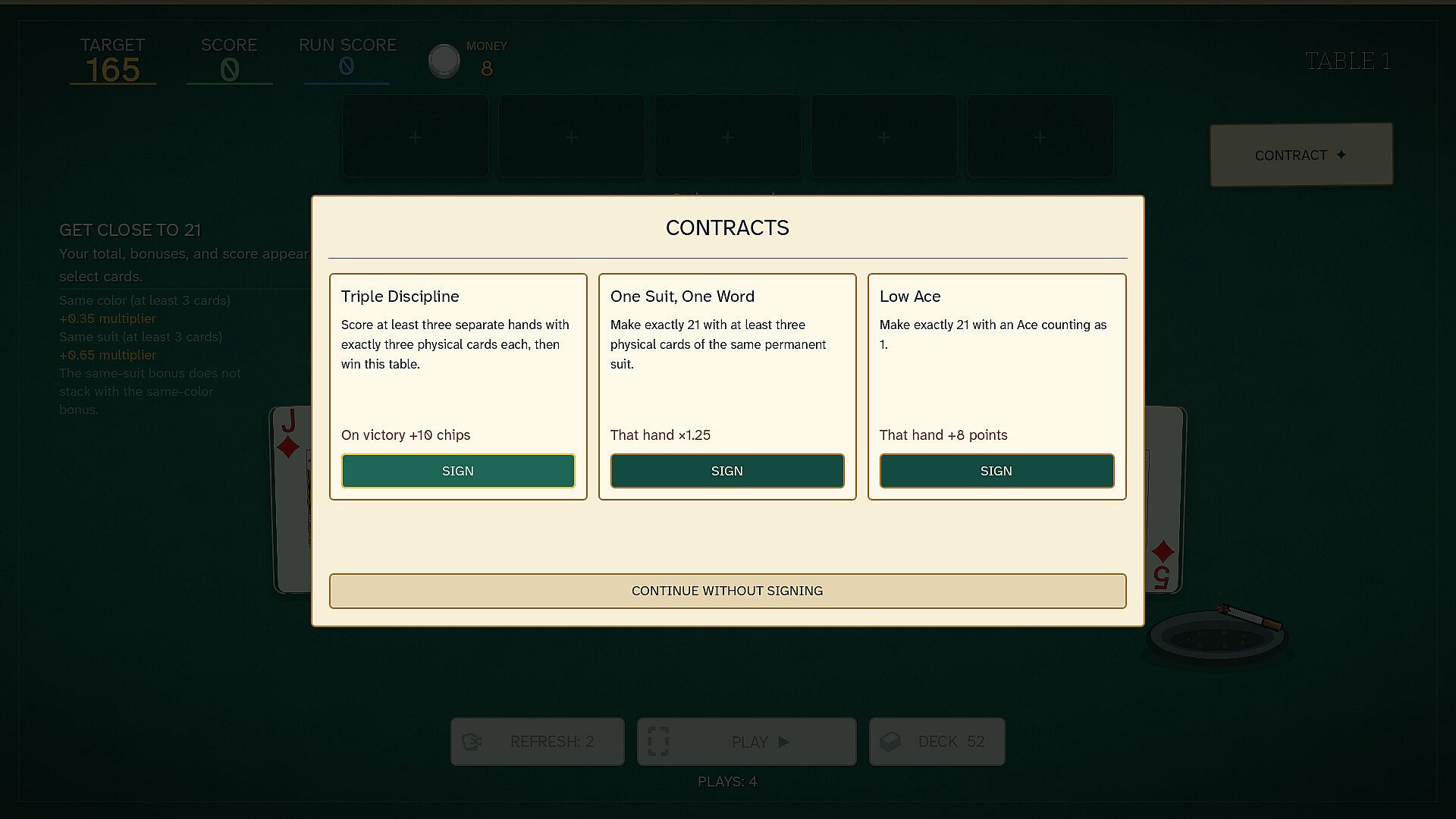
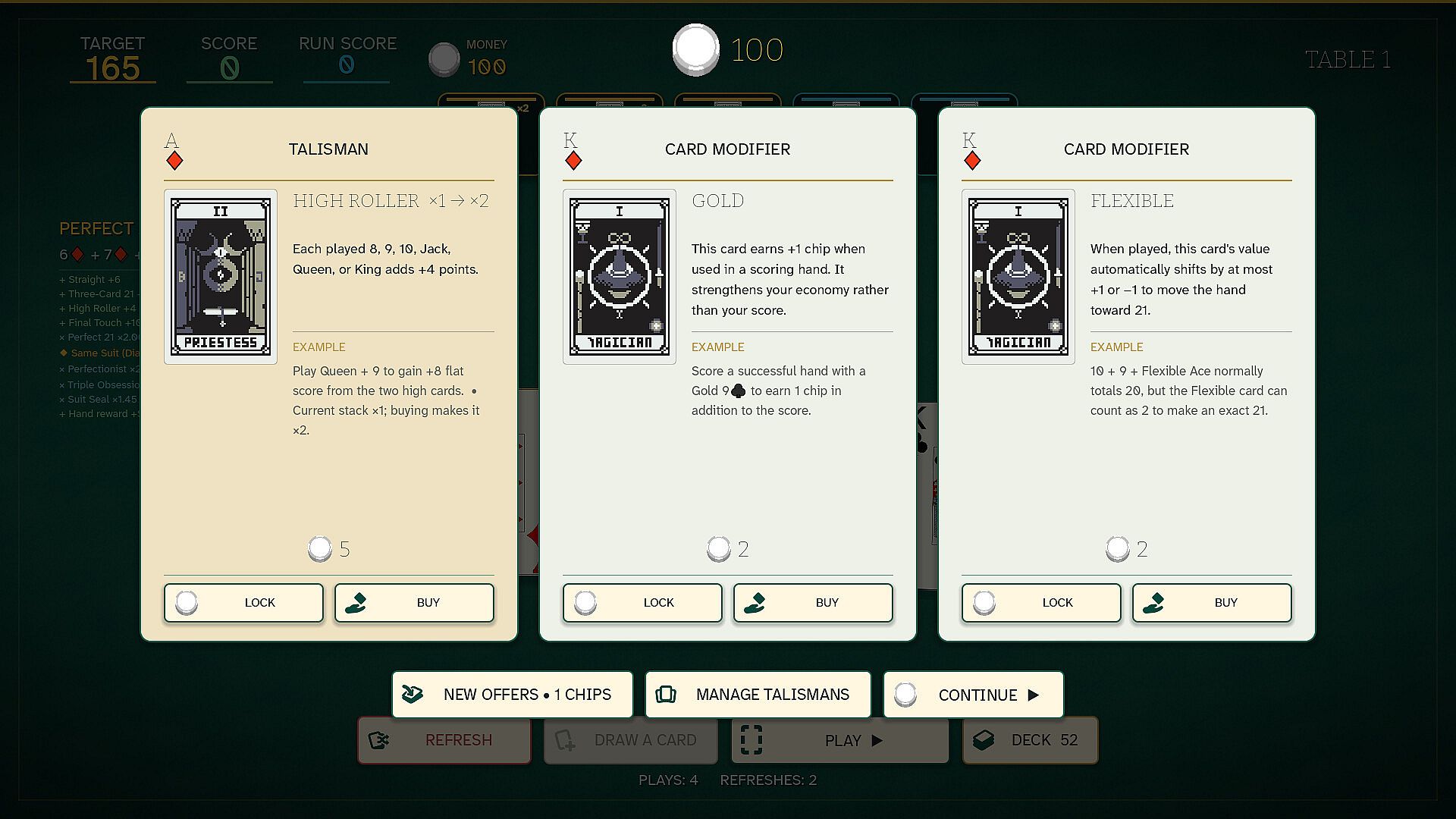
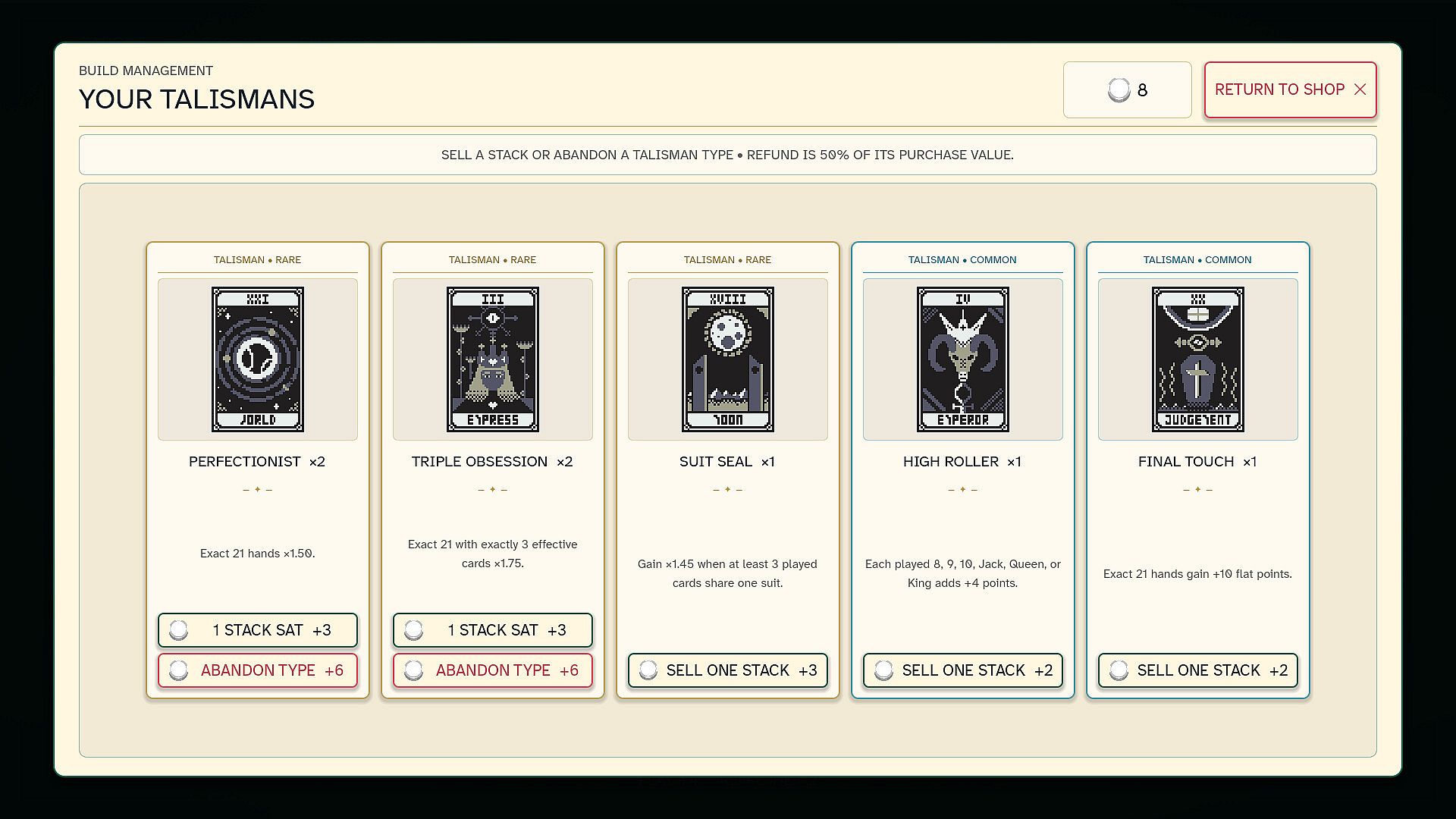
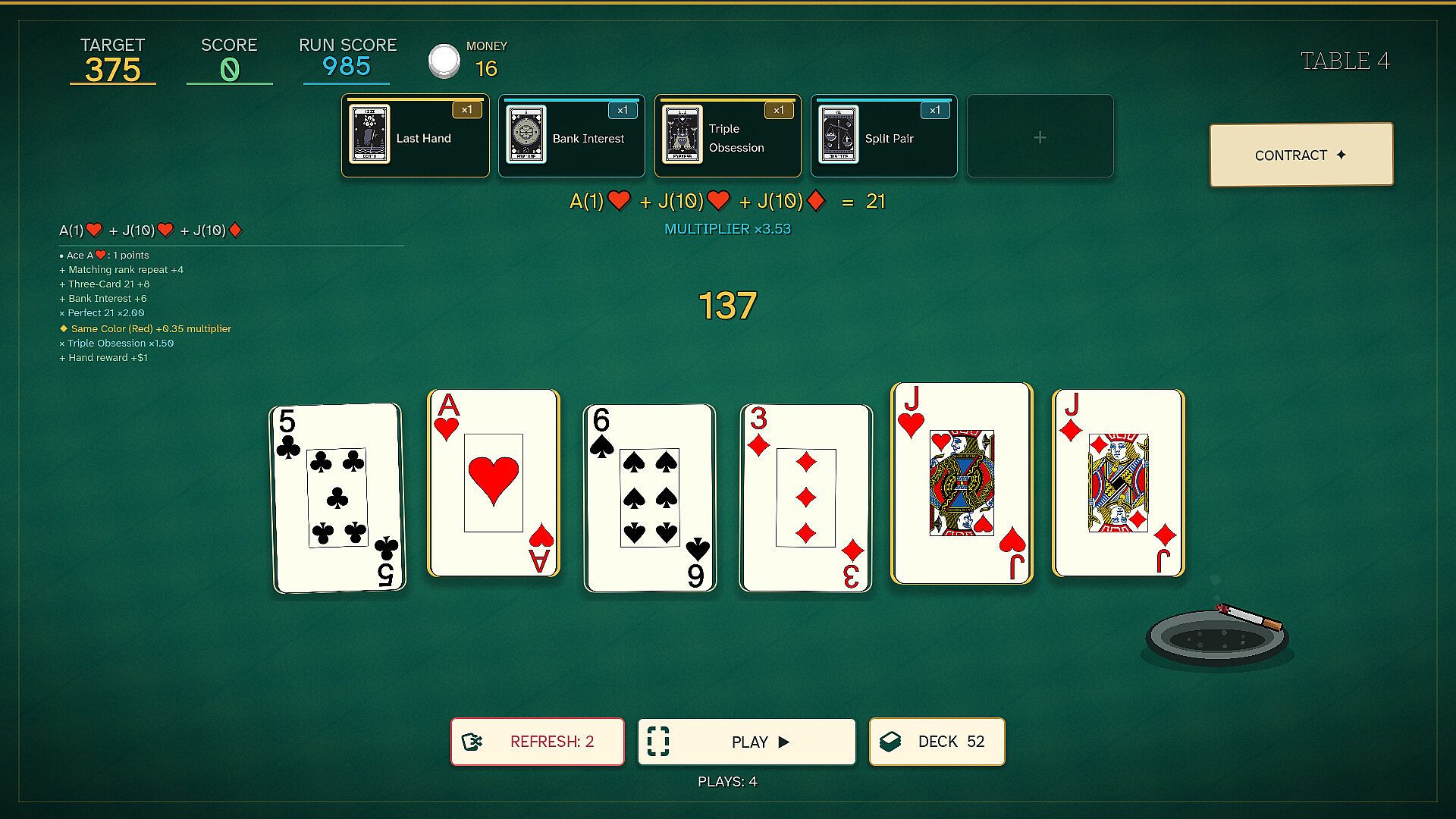
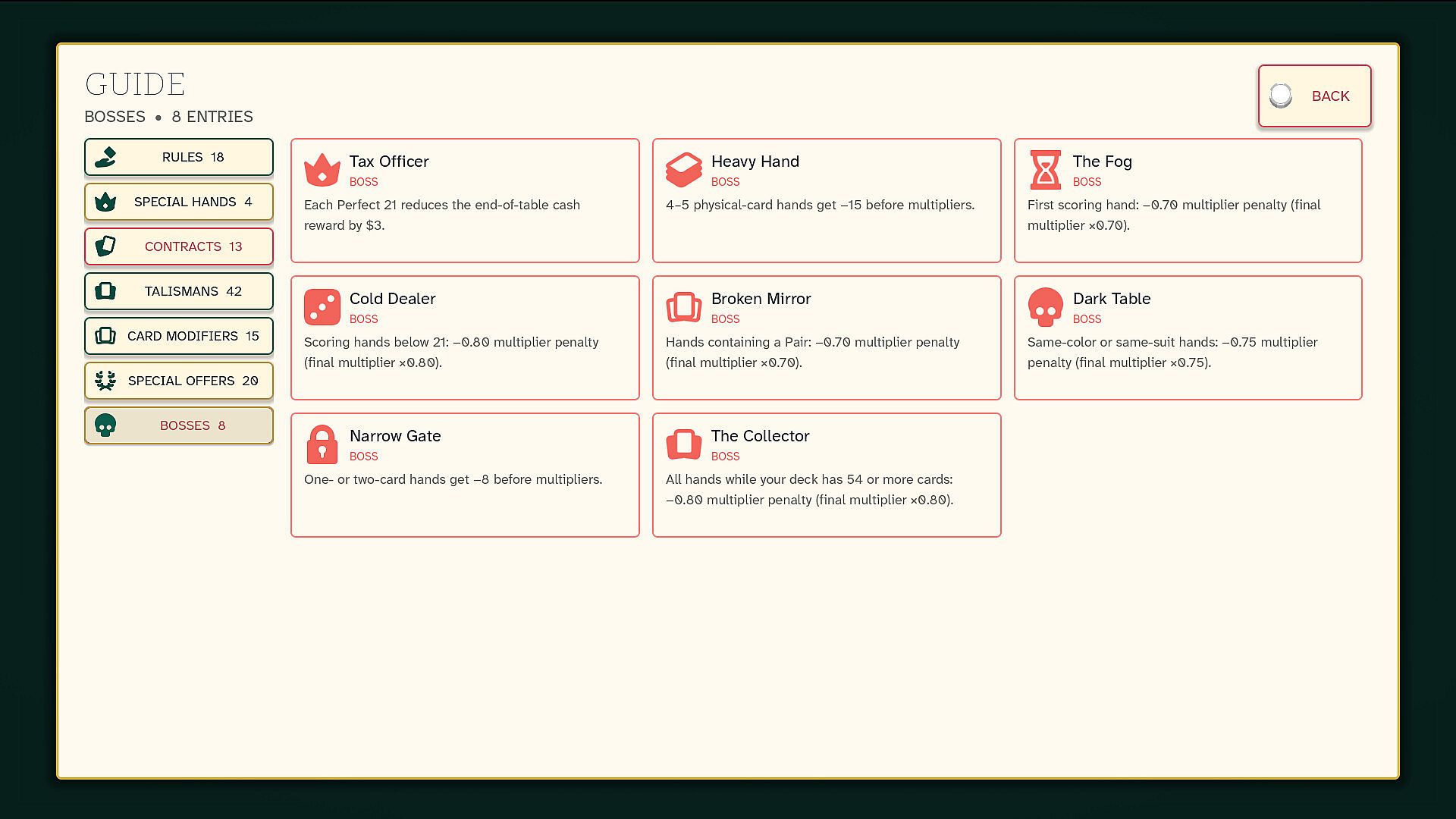
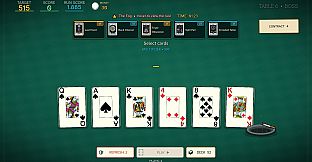
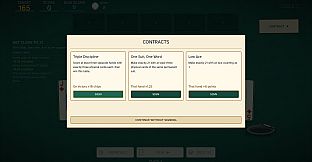
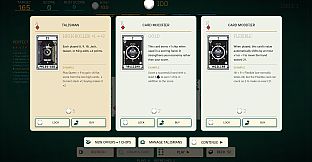
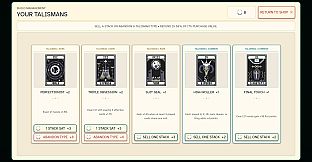
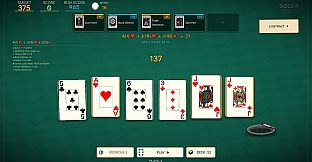
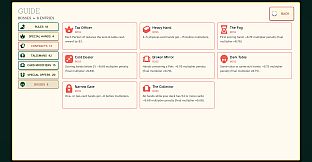
Every run begins with a standard deck of playing cards. Players progress through tables by forming hands that hit or exceed 21, but the real depth comes from reshaping the deck itself. Card Mods alter values, behaviors, and synergies so that a basic ace or face card can serve entirely new roles later in a run. Talismans provide permanent bonuses tied to specific cards, hand sizes, or playstyles, encouraging builds around low-value cards, thinned decks, or particular combinations. Special Offers appear during runs and introduce rule-bending advantages or risks that shift economy and strategy for the remaining tables. Contracts offer optional objectives at the start of each table, such as avoiding a suit or hitting 21 with a set number of cards, granting extra multipliers when completed. Boss Tables introduce timed challenges that test whether a build holds up under pressure. A detailed scoring breakdown reveals exactly how cards, Talismans, multipliers, and effects combine, helping players refine decisions on subsequent hands. The loop rewards experimentation, as different combinations of Talismans, Mods, Offers, and Contracts push each run in fresh directions.
Game Modes
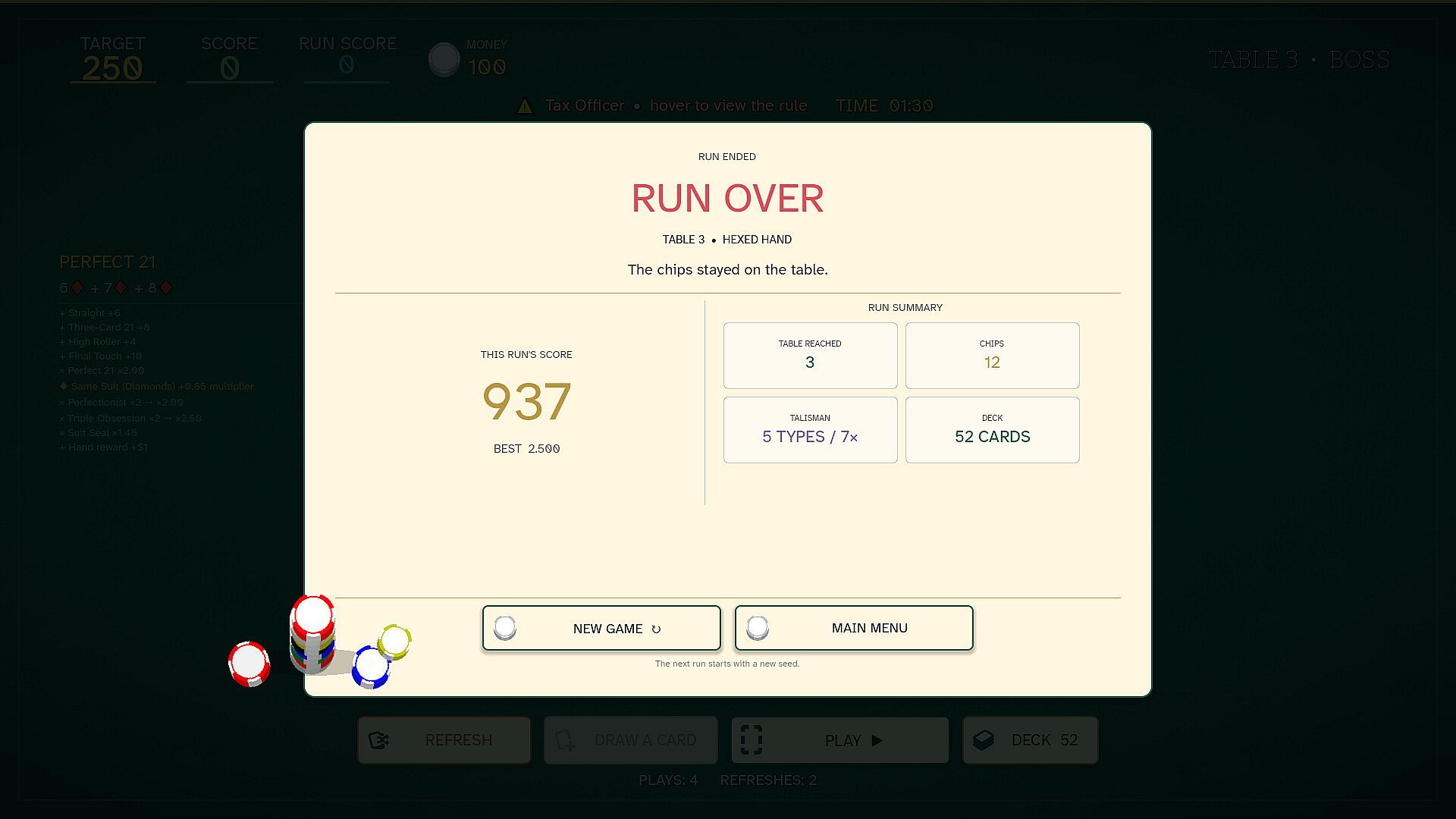
Hexed Hand operates as a single continuous roguelite experience rather than separate modes. Runs consist of a sequence of standard tables punctuated by Boss Tables at key points. Contracts function as optional side objectives that layer extra goals onto any table without forcing participation. The core loop remains consistent across all tables, with the addition of timed pressure only on Boss Tables and the potential for economy-altering Special Offers at any stage. This structure keeps every run focused on score chasing and build evolution while allowing players to adjust strategy around Contracts or riskier Offers for higher rewards.
Key Systems and Progression
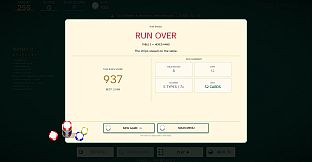
Progression centers on accumulating powerful synergies rather than unlocking permanent upgrades between runs. Talismans and Card Mods compound within a single run, turning an initial deck into something unrecognizable by the later tables. Special Offers can overhaul resource flow or create new scoring paths, while Contracts reward players willing to adapt their approach mid-run. The scoring system provides transparent feedback after each hand, showing contributions from every element so players can identify what worked and carry that knowledge into the next attempt. This emphasis on visible cause and effect supports iterative improvement without relying on external guides.
Who the Game Appeals To
Players who enjoy strategic card games with roguelite elements will find familiar satisfaction in the deck-shaping loop and the pursuit of ever-higher scores. The casual genre tag reflects approachable core rules, yet the indie strategy depth emerges through the layered systems of Talismans, Mods, and Offers. Those who like analyzing breakdowns and experimenting with synergies across multiple short-to-medium runs will feel at home. The single-player format means all focus stays on personal optimization rather than competition or cooperation.
Is It Worth Playing?
Hexed Hand suits players seeking a focused, single-player card roguelite built around score optimization and build variety. The systems described in the source material create meaningful choices at every table, from accepting a Contract to timing a Special Offer or surviving a Boss Table. Because each run resets with new opportunities to combine the same tools differently, the experience supports repeated play without requiring external content. Anyone drawn to deckbuilding and strategic hand evaluation in a casual-to-strategy crossover will likely appreciate the transparent scoring and the freedom to chase bigger combinations on their own terms.