






Guild Master Simulator is a simulation game focused on building and leading a guild of adventurers in a fantasy setting. Players step into the role of guild master, overseeing recruitment, training, and expedition planning while shaping the lives of individual characters through their choices and outcomes.
Gameplay
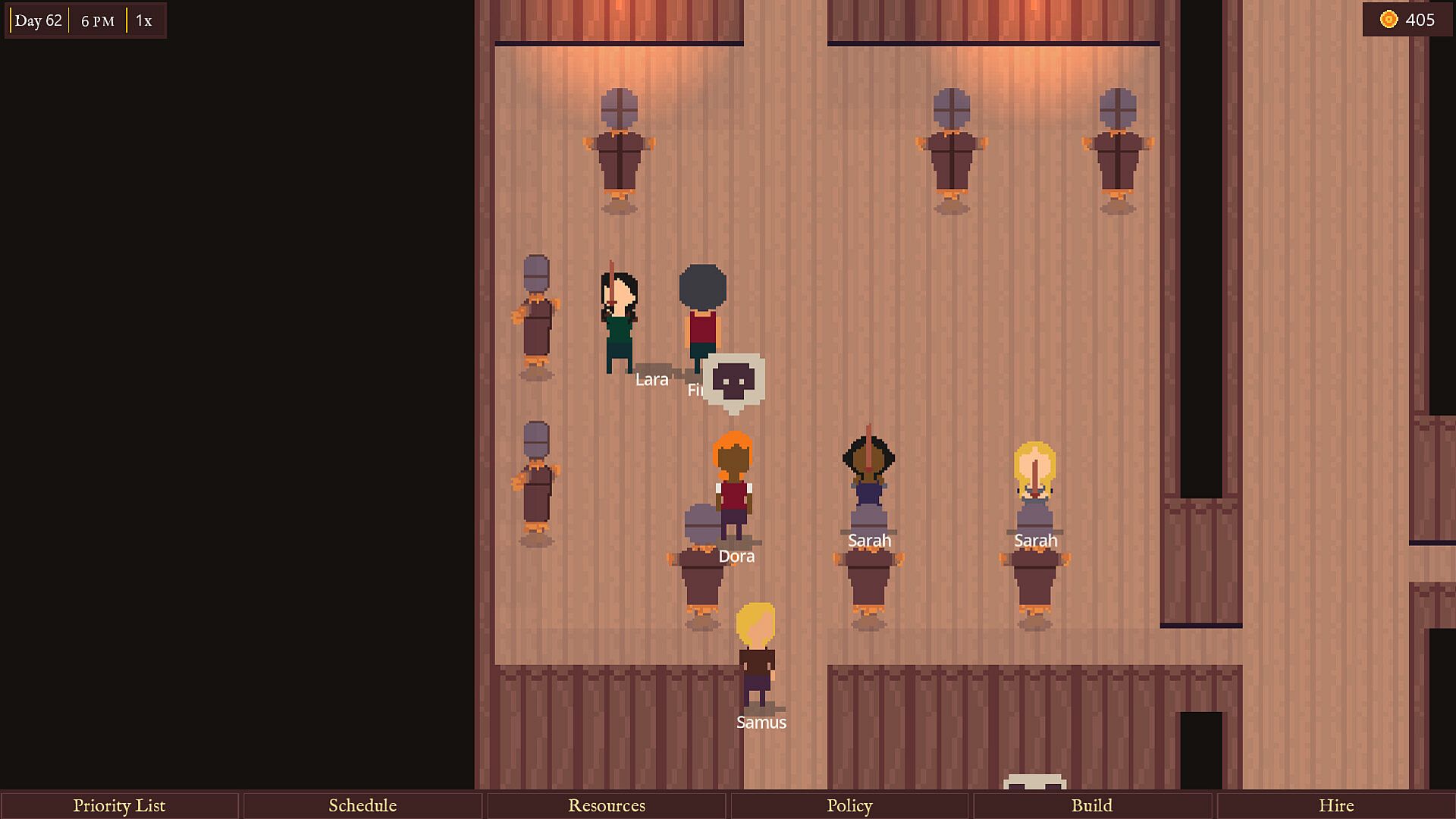
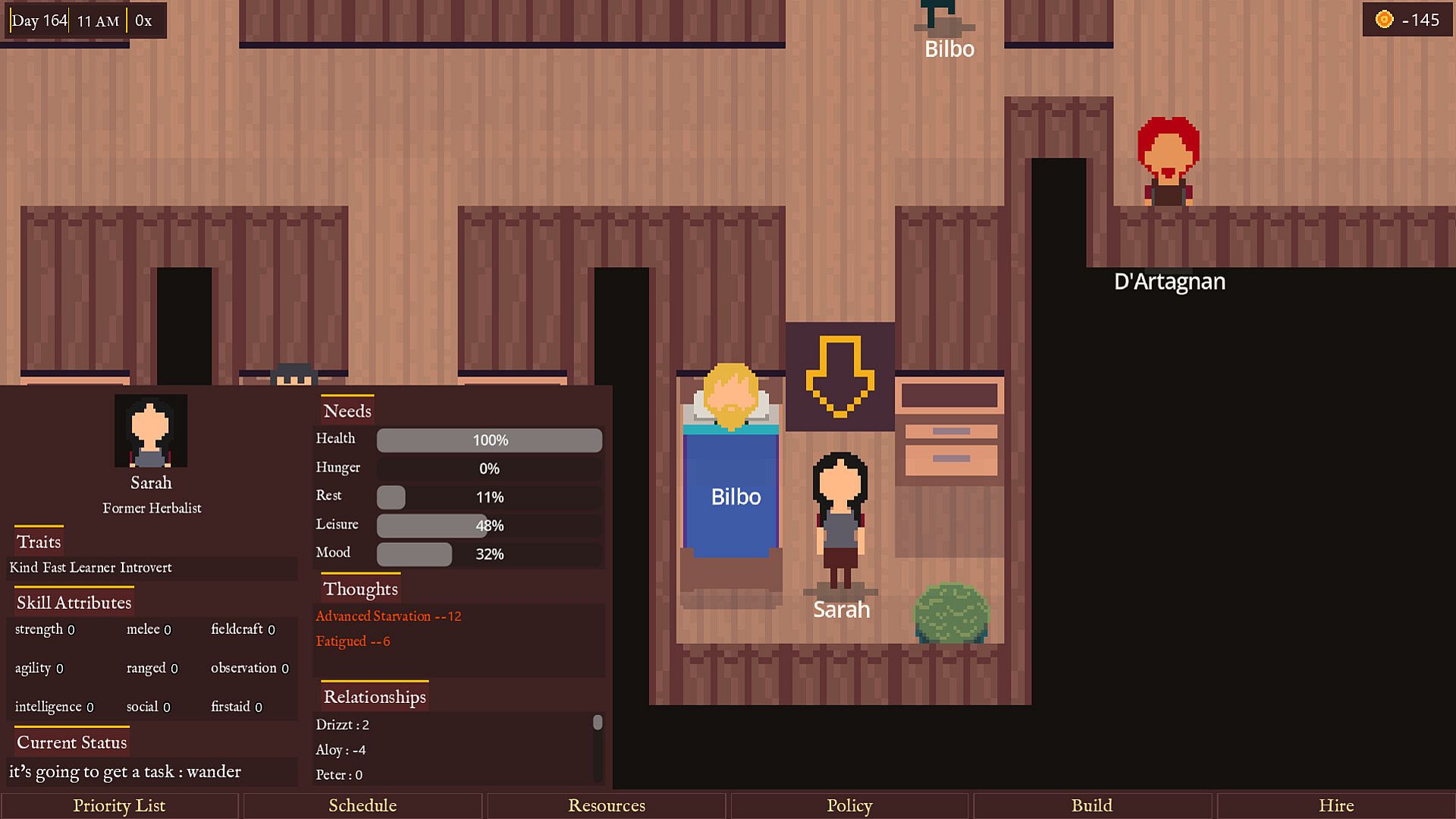
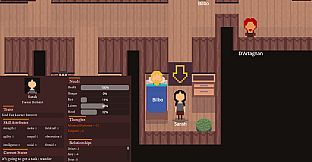
The core loop centers on managing a growing roster of unique adventurers. Each member possesses distinct traits, skills, relationships, needs, and ambitions that influence their behavior during quests. Players select teams for missions ranging from routine deliveries and monster hunts to high-stakes dungeon runs and dragon encounters. Preparation involves equipping gear, scheduling training, and monitoring mood and injury levels before departure.
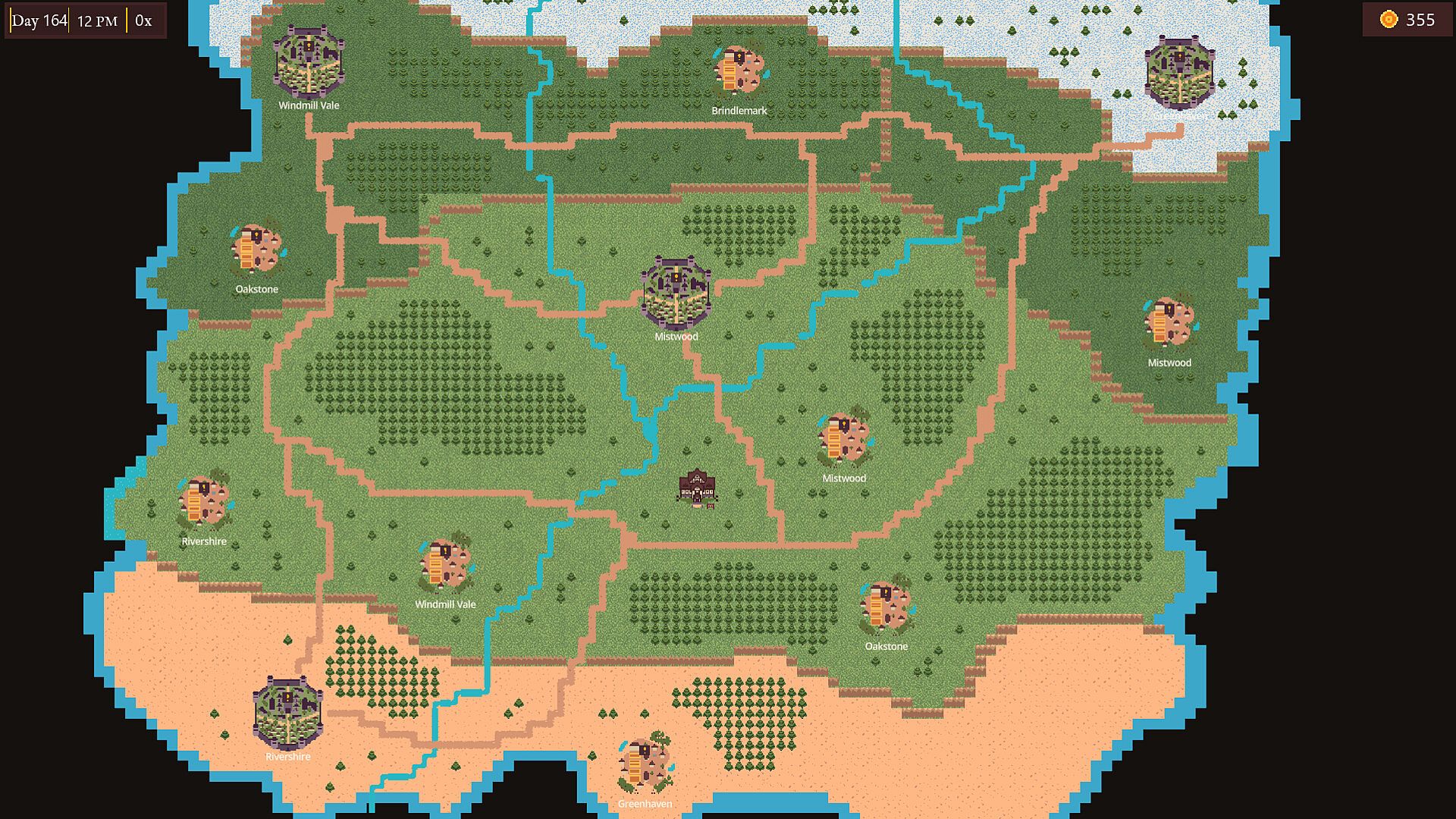
Quests resolve through a character-driven encounter system. Guild members respond to events based on their personal attributes, bonds with teammates, and current emotional state, often making independent decisions that introduce variability. Success brings experience, reputation, and resources, while failures can result in injuries, strained relationships, or lasting changes to personalities. This system generates distinct narratives across different play sessions as characters evolve over time.
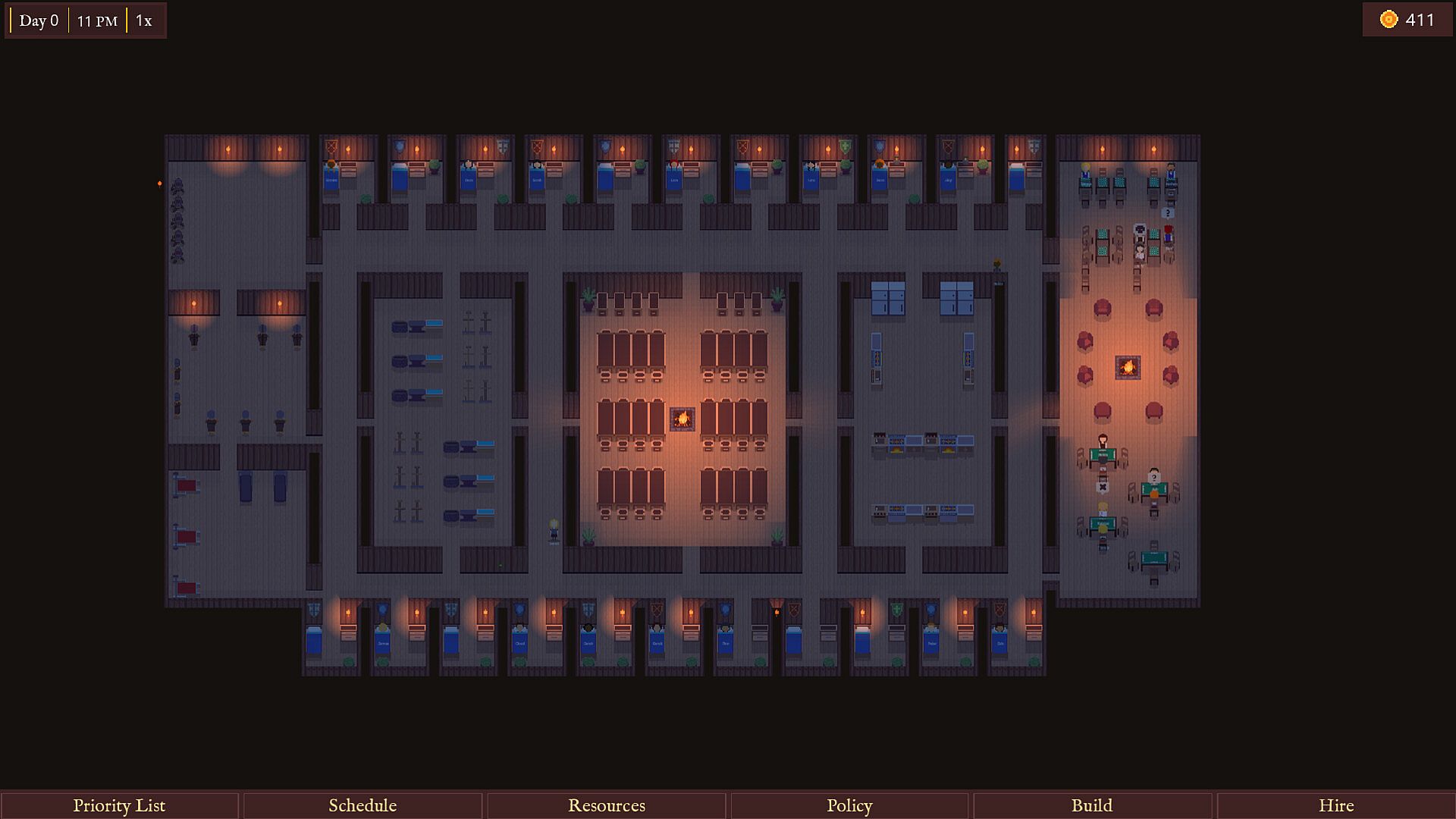
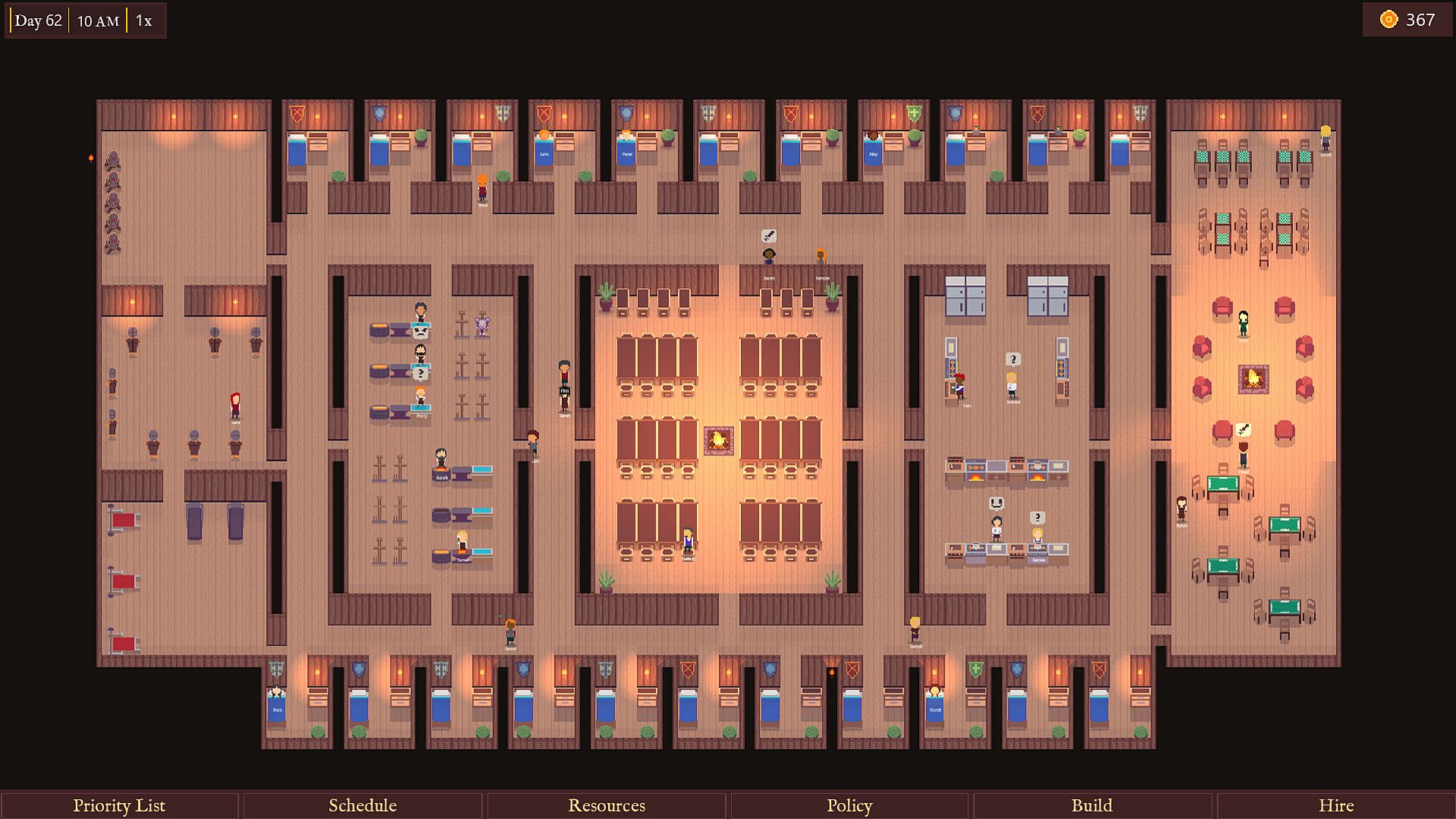
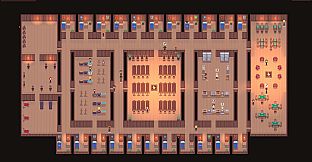
Supporting operations requires hiring specialized staff such as chefs and smiths to maintain the guild's daily functions. The guild hall itself serves as a customizable hub, with options to add training areas, workshops, living spaces, and recreational facilities that support recovery and skill development. Reputation grows through protecting settlements and completing contracts, turning the guild into a recognized power in the realm.
Game Modes
Guild Master Simulator operates as a single-player sandbox experience without separate competitive or cooperative modes. The emphasis lies on open-ended management where players define their own goals, whether pursuing rapid expansion, careful character development, or long-term reputation building. Procedural elements in the encounter system ensure that no two campaigns unfold identically, as adventurer decisions and random outcomes create branching stories.
Progression unfolds through continuous guild growth rather than discrete stages. Players balance short-term expedition risks against long-term investments in facilities and personnel. The absence of predefined modes encourages experimentation with different leadership styles, from aggressive questing to methodical training regimens that foster stronger team dynamics.
Key Mechanics and Progression
Adventurer development forms a central pillar. Characters gain experience from expeditions, which can unlock new skills or alter traits based on hardships endured and relationships formed. Managing interpersonal elements proves essential, as positive bonds may improve performance while conflicts or low morale can lead to suboptimal choices during critical moments.
Resource and facility management add layers of strategy. Expanding the guild hall unlocks better support options, while staff hires streamline logistics like equipment forging and meal preparation. Reputation serves as a broader currency, unlocking access to more challenging contracts and solidifying the guild's standing across the land.
Every decision carries weight. Sending underprepared teams risks setbacks that ripple through the roster, whereas thoughtful preparation and staff support can turn potential disasters into opportunities for growth. The simulation rewards patience in building sustainable systems alongside decisive action on high-reward quests.
Is It Worth Playing?
Guild Master Simulator suits players who enjoy detailed management simulations with strong emphasis on character interactions and emergent storytelling. Its Early Access status means the experience continues to evolve through developer updates that refine systems like team organization and content variety. Those drawn to colony-style games or fantasy guild-building will find depth in the interplay between individual adventurer arcs and overall guild prosperity.
The title appeals particularly to fans of thoughtful planning and consequence-driven gameplay. Unique playthroughs arise naturally from the character system, offering replay value without reliance on external modes. Availability on PC positions it well for those seeking a focused single-player experience centered on leadership and narrative emergence rather than action or competition.











