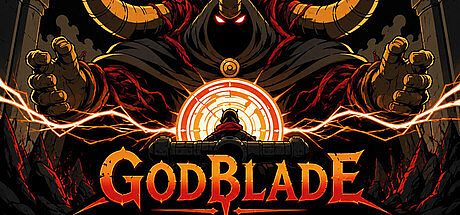


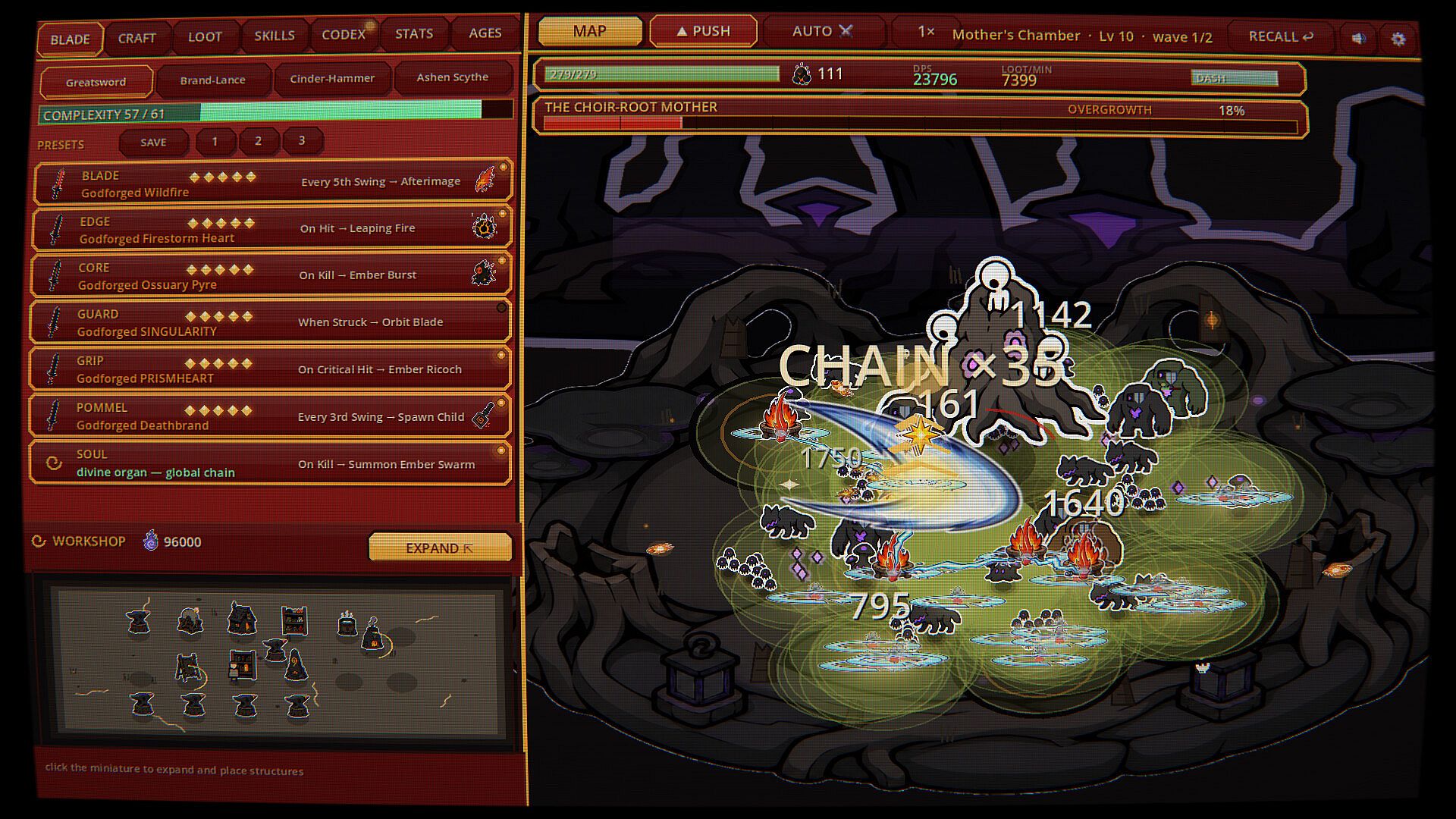
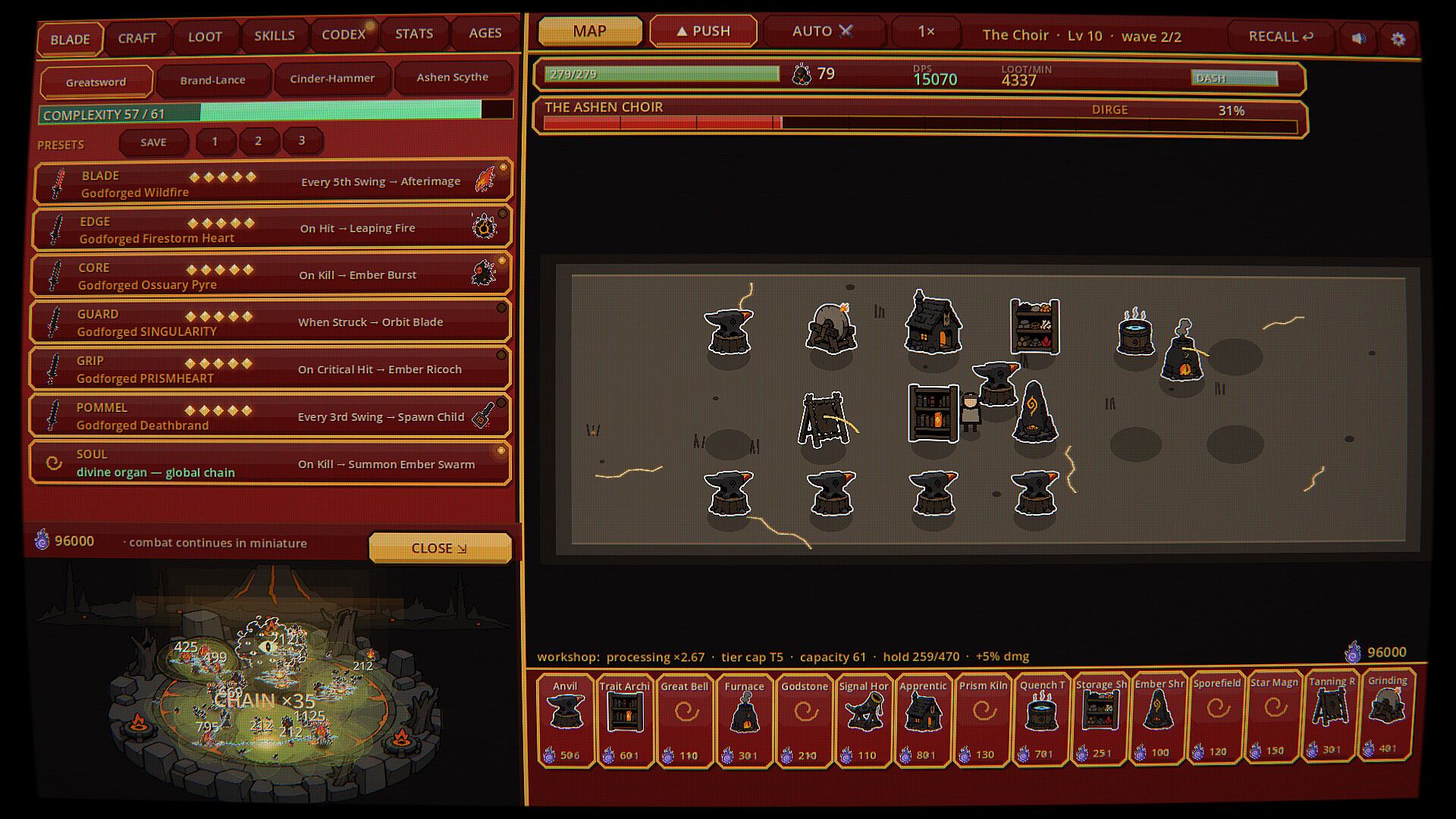
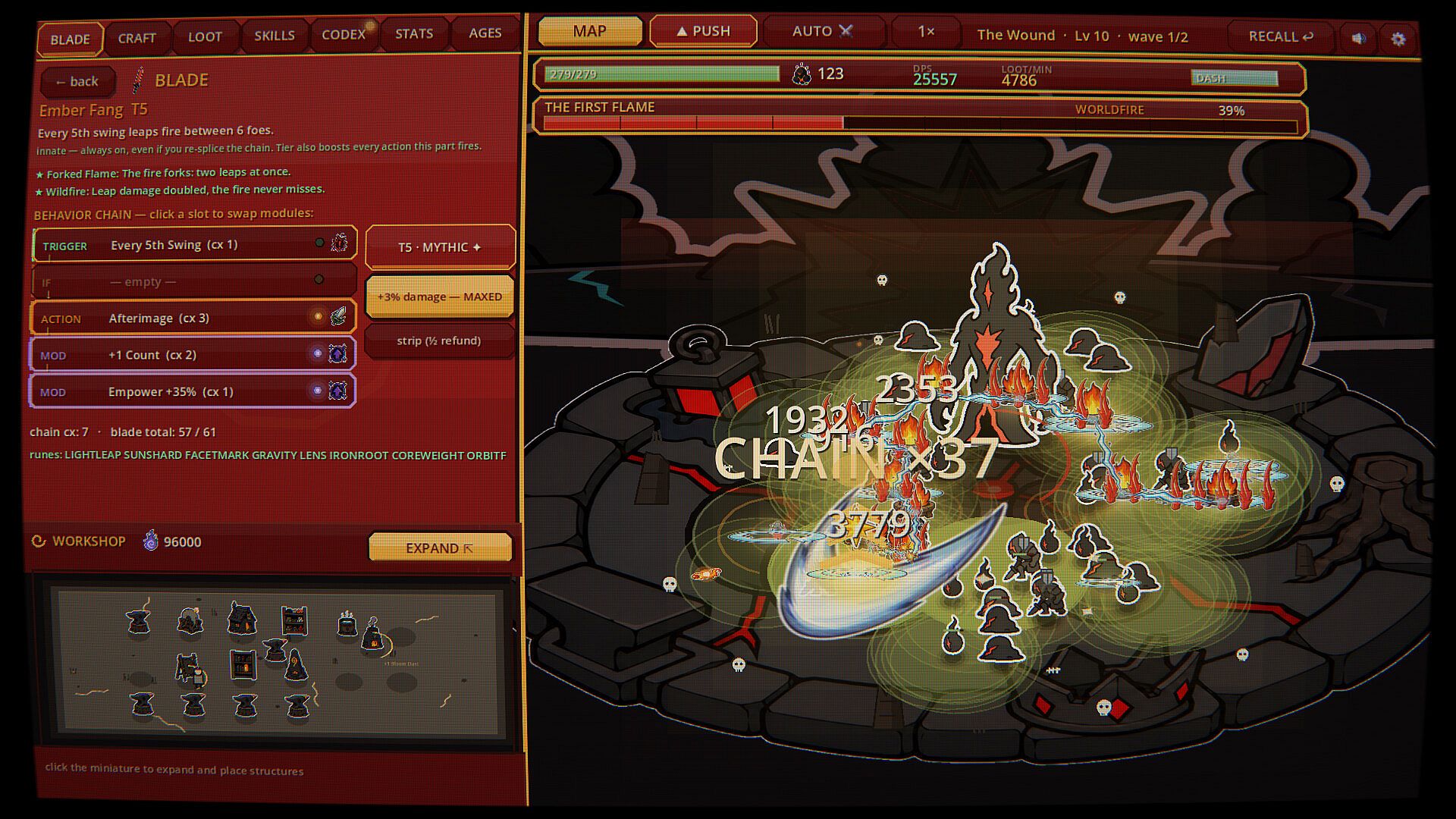
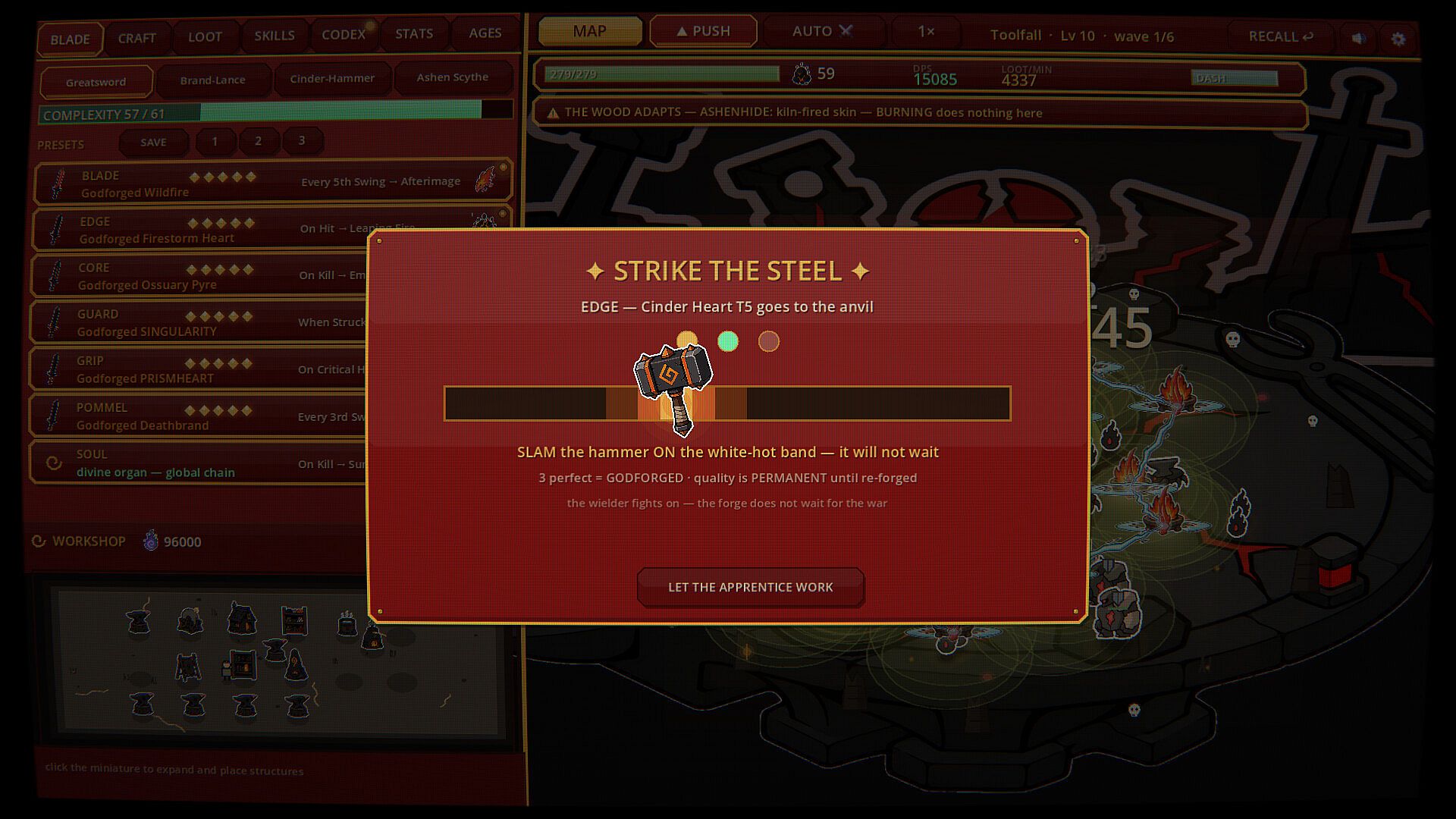
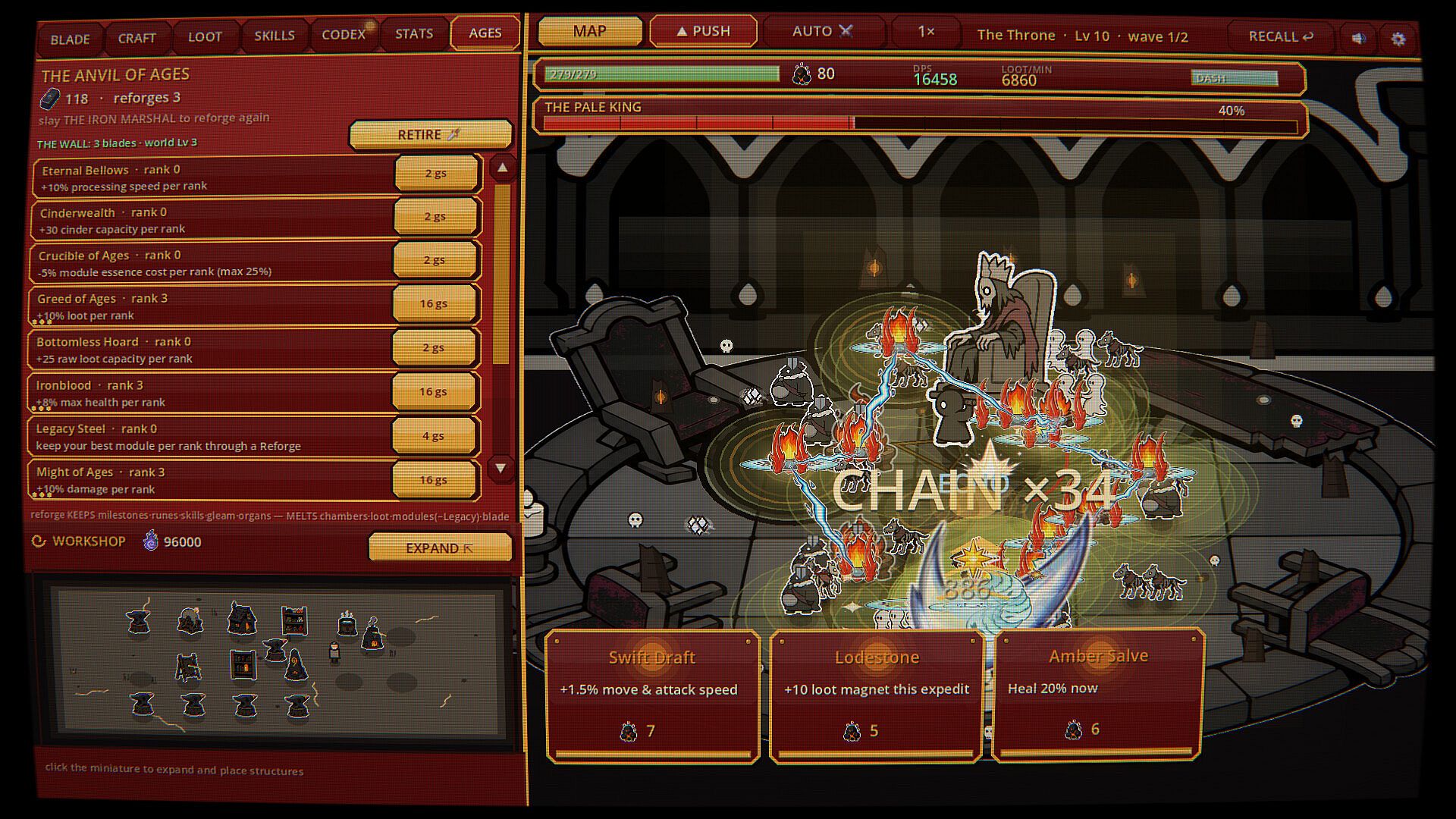
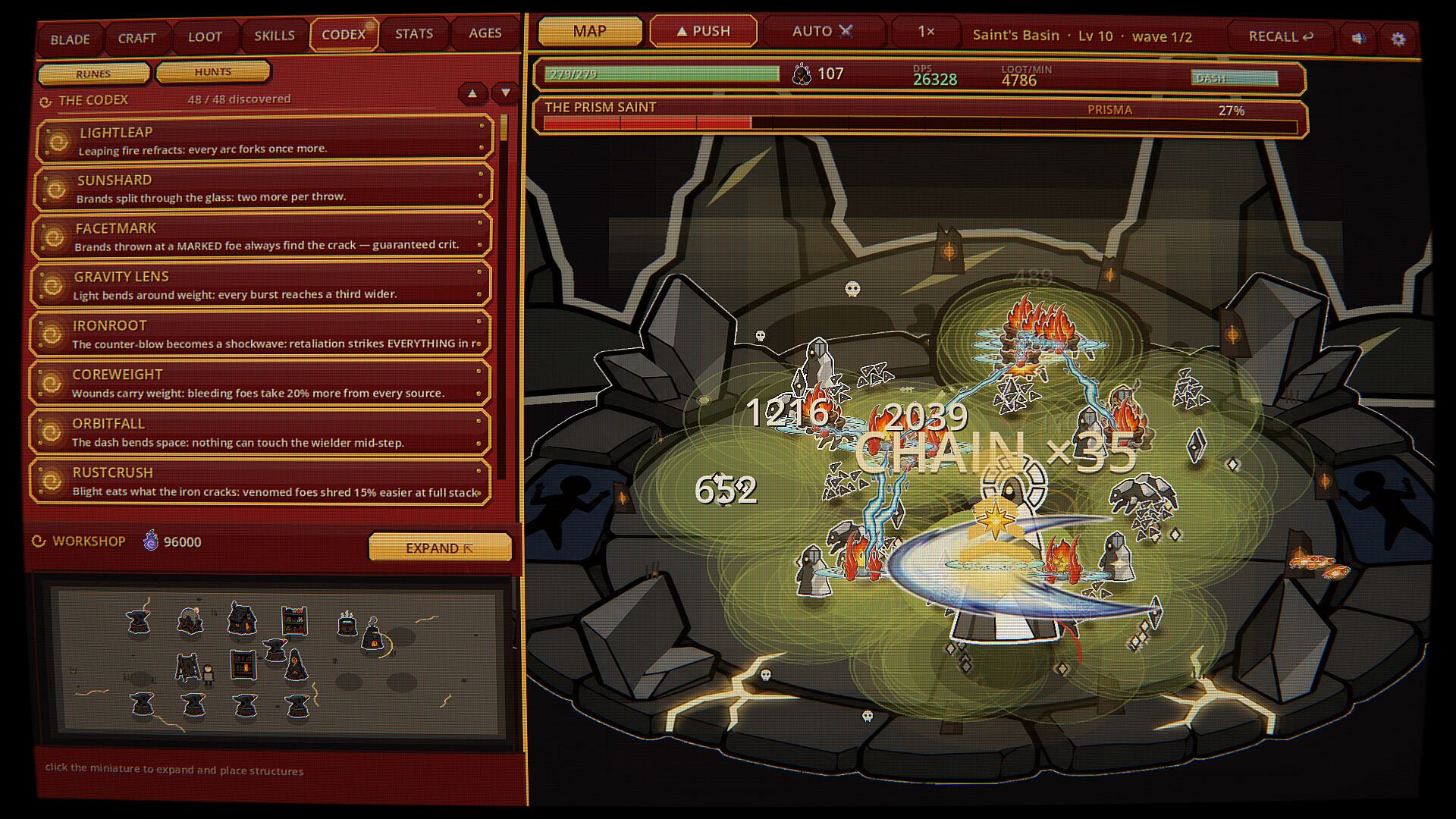
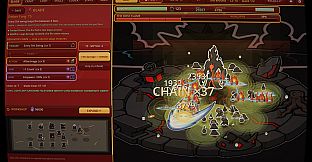
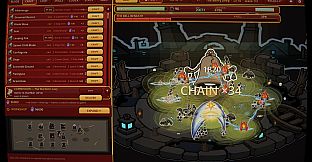
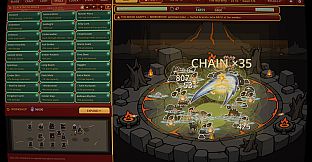
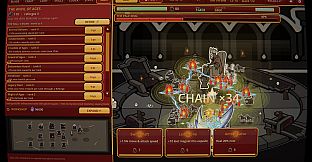
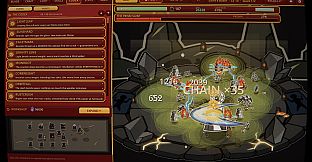
GODBLADE es un RPG indie con toques casuales que sitúa al jugador en la piel de un herrero en lugar de un combatiente. En PC, la experiencia se centra en forjar una única espada eterna, programar sus comportamientos mediante sistemas modulares y enviarla al combate mientras el mundo responde con desafíos adaptativos. El ciclo principal consiste en construir piezas de arma, gestionar la estabilidad y perfeccionar estrategias a lo largo de repeticiones en un taller artesanal.
Gameplay
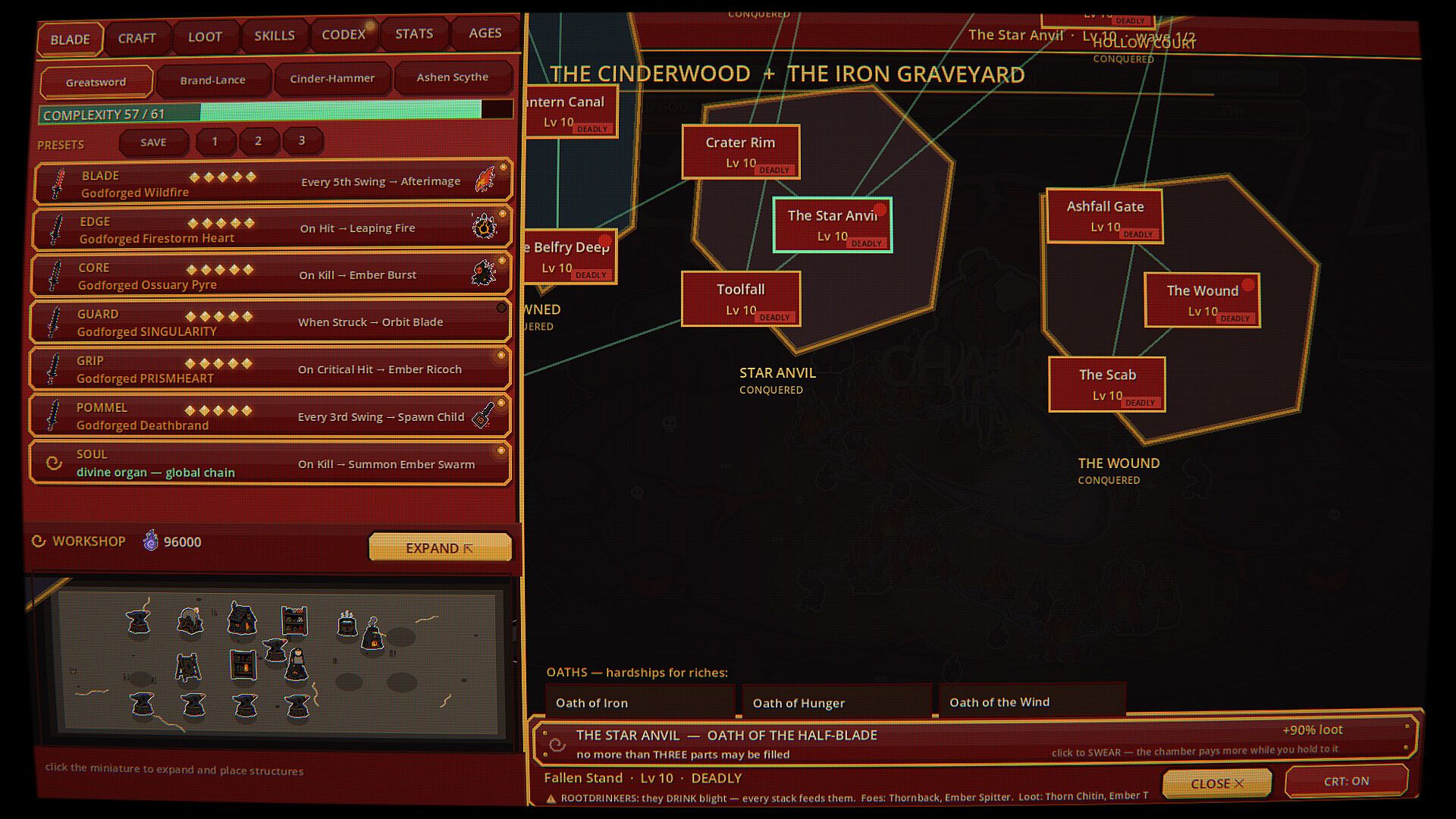
El sistema central gira en torno a la creación de una Godblade formada por seis partes. Cada una acepta cadenas de comportamiento definidas por reglas condicionales que activan acciones varias veces con mayor intensidad. El jugador elige entre 66 módulos y los combina con 13 familias de rasgos que evolucionan en cinco niveles, incluyendo rutas alternativas que pueden desbloquear runas ocultas mediante combinaciones específicas. Sobrecargar la espada genera inestabilidad que provoca fallos, pero también aumenta el daño, obligando a decidir entre potencia y fiabilidad.
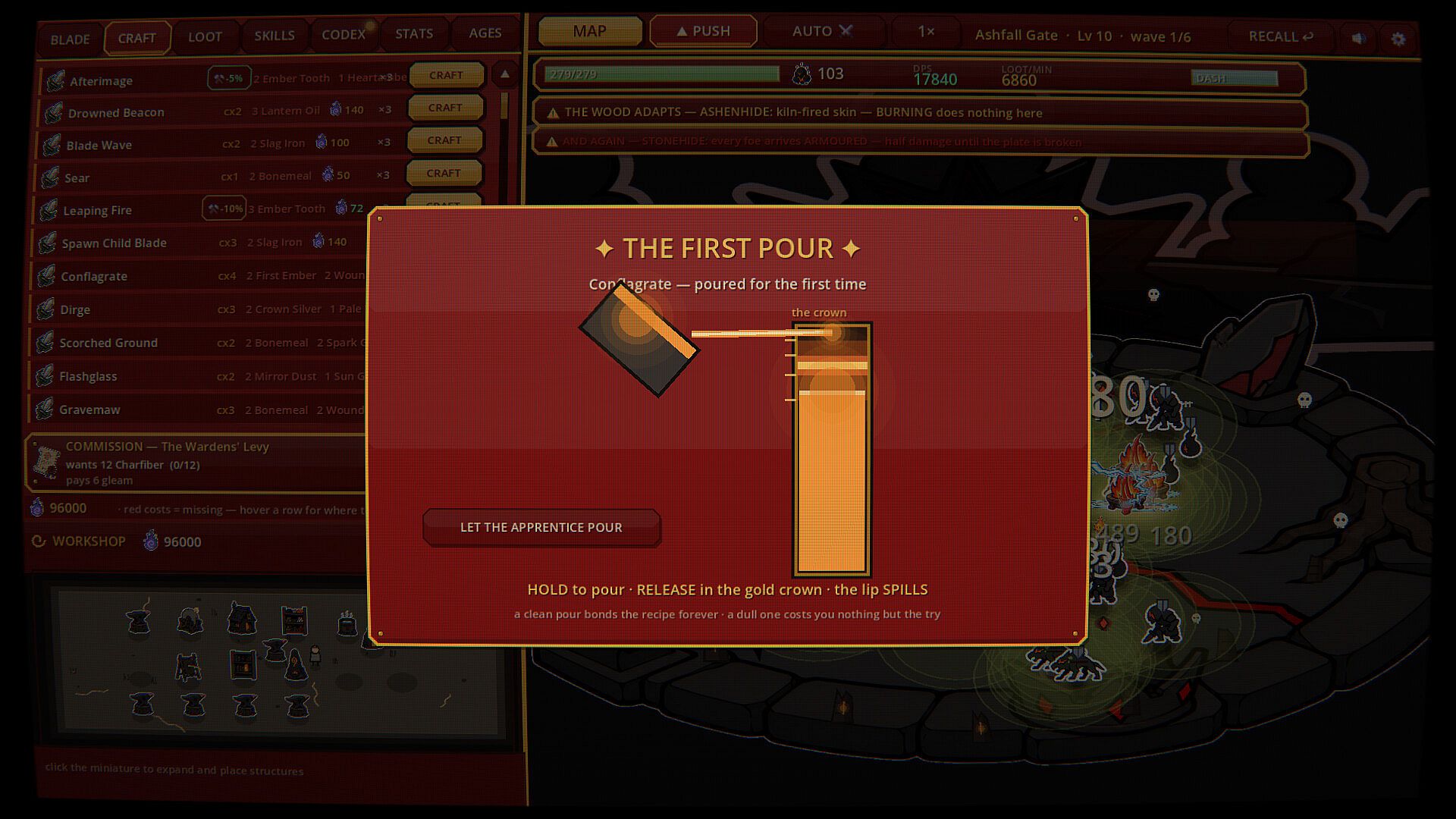
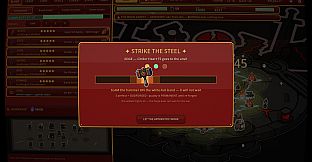
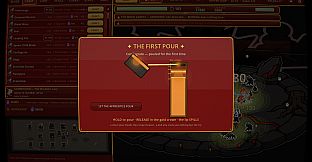
Las infusiones se aplican martilleando tres veces en el momento preciso sobre metal caliente para dejar marcas permanentes. La primera receta completada reduce de forma definitiva su coste de recursos. El taller cuenta con 15 estructuras que se colocan libremente y cuya proximidad influye en la eficiencia de procesos como refinado y extracción. Una vez configuradas, las herramientas de automatización gestionan colas y prioridades, permitiendo jugar en una segunda pantalla sin recompensas fuera de línea.
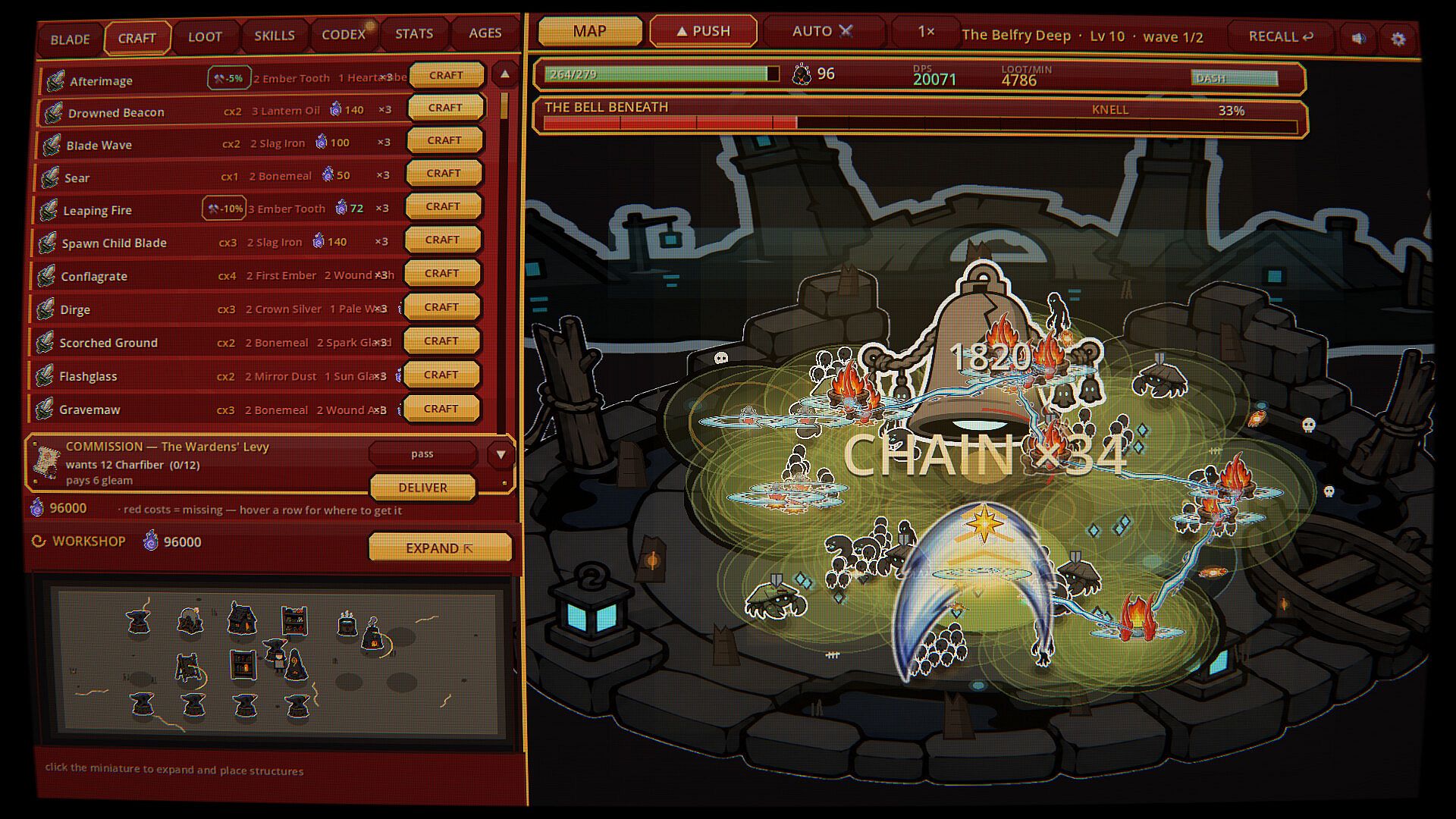
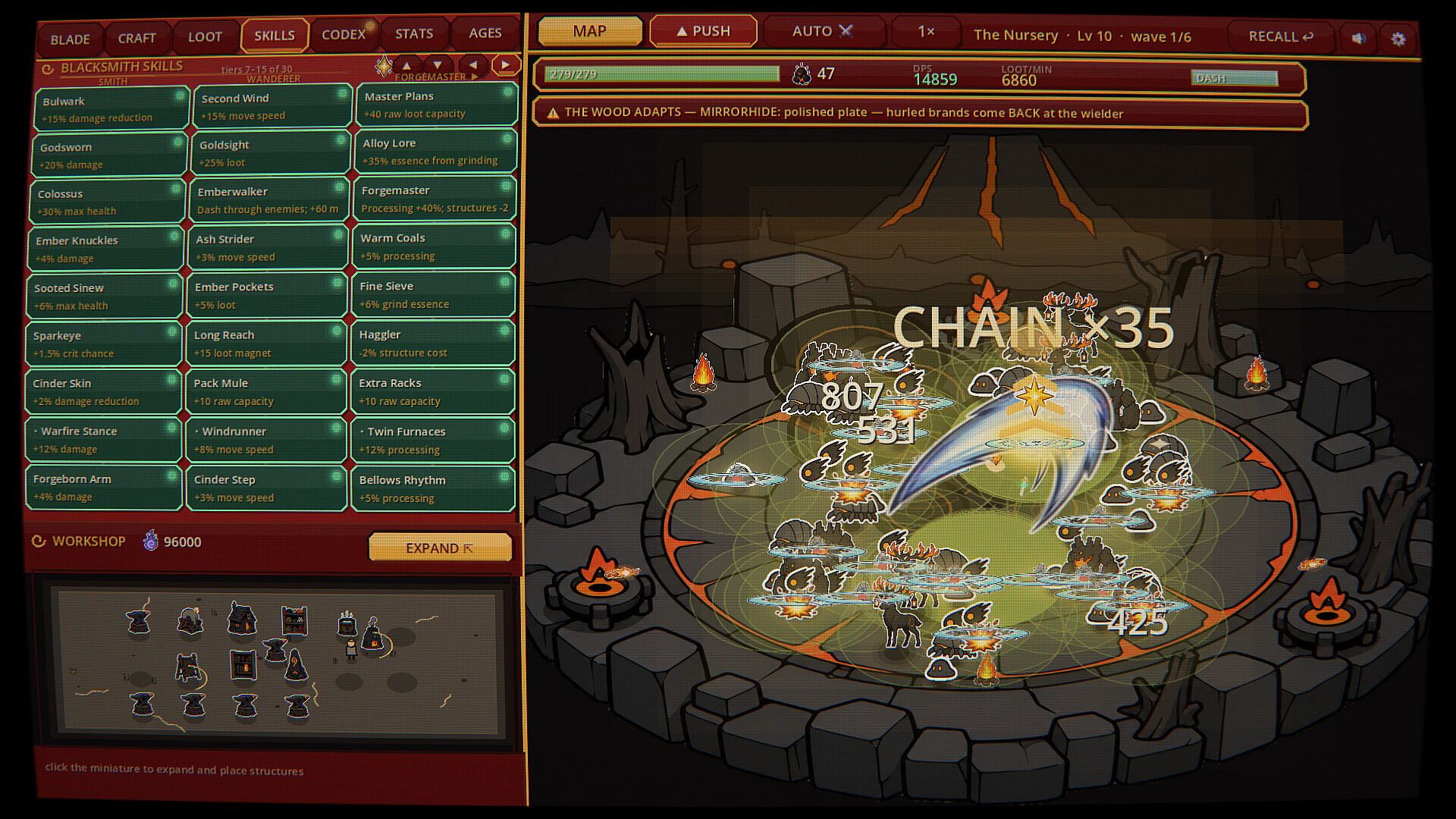
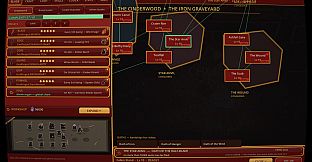
El entorno abarca ocho biomas con 32 cámaras y 45 enemigos más nueve guardianes. Las cámaras aplican mutadores rotativos que contrarrestan estrategias habituales, como la inmunidad a ciertos tipos de daño. Los guardianes aumentan su velocidad al perder vida y muestran habilidades características a mitad de combate. Los informes de exploración ofrecen información para ajustar la configuración antes de volver a la misma zona.
Modos de juego
La experiencia es un sistema de progresión para un solo jugador sin modos multijugador ni competitivos. El juego largo se basa en reforgir repetidamente conservando el conocimiento adquirido y avanzando por 12 eras permanentes. Retirar una espada completada tras derrotar a la primera llama otorga beneficios y escala el mundo para las siguientes partidas. El registro de caza acumula datos de enemigos por bioma para desbloquear trofeos permanentes. Los planos se obtienen mediante interacciones con el mundo, no mediante compras directas ni desbloqueos habituales.
La derrota funciona como retroalimentación para ajustar las reglas, no como un revés definitivo, y el botín se conserva entre ciclos. Los tablones de encargos ofrecen módulos únicos como recompensa por tareas completadas. Esta estructura favorece la construcción iterativa y la observación de la espada en acción durante las cámaras y los enfrentamientos contra guardianes.
Mundo y progresión
Ocho biomas diferenciados van desde bosques en llamas hasta estructuras sumergidas y campos de cristal vivo. El mundo se adapta mediante mutadores que contrarrestan estrategias concretas, obligando a interpretar señales del entorno y modificar las construcciones en consecuencia. Los guardianes actúan como amenazas activas que aceleran y despliegan nuevos ataques en lugar de ser simples reservas de vida.
La progresión permanente se basa en las eras, que se completan con godsteel obtenido al reforgir. Las reliquias de espadas retiradas proporcionan beneficios continuos y aumentan la dificultad futura. El estudio de las presas de cada bioma genera trofeos que modifican el rendimiento de recursos en visitas posteriores. Las recetas descubiertas mediante acciones destacadas no están disponibles por medios convencionales.
¿Merece la pena jugarlo?
GODBLADE está dirigido a jugadores que disfrutan de sistemas idle e incrementales combinados con un sistema de crafteo profundo y programación condicional. Su enfoque singleplayer pone el acento en observar el combate automatizado, la precisión del forjado manual y la adaptación continua a los contramedidas, en lugar del control directo o la acción en tiempo real. Al tratarse de un título anunciado como «próximamente» sin versión publicada ni datos de jugadores disponibles, cualquier decisión depende del interés en sus mecánicas descritas: encadenamiento de comportamientos, colocación en el taller y cambios persistentes en el mundo.
Quienes buscan estrategia mediante construcciones modulares y seguimiento a largo plazo de enemigos y recetas encontrarán que el ciclo principal se ajusta a esa preferencia. La ausencia de progresión fuera de línea mantiene el compromiso ligado a las sesiones activas, mientras que las opciones de automatización reducen las tareas repetitivas una vez establecidos los sistemas. Se recomienda verificar los detalles de la versión final antes de comprar, dado su estado actual de prelanzamiento.