

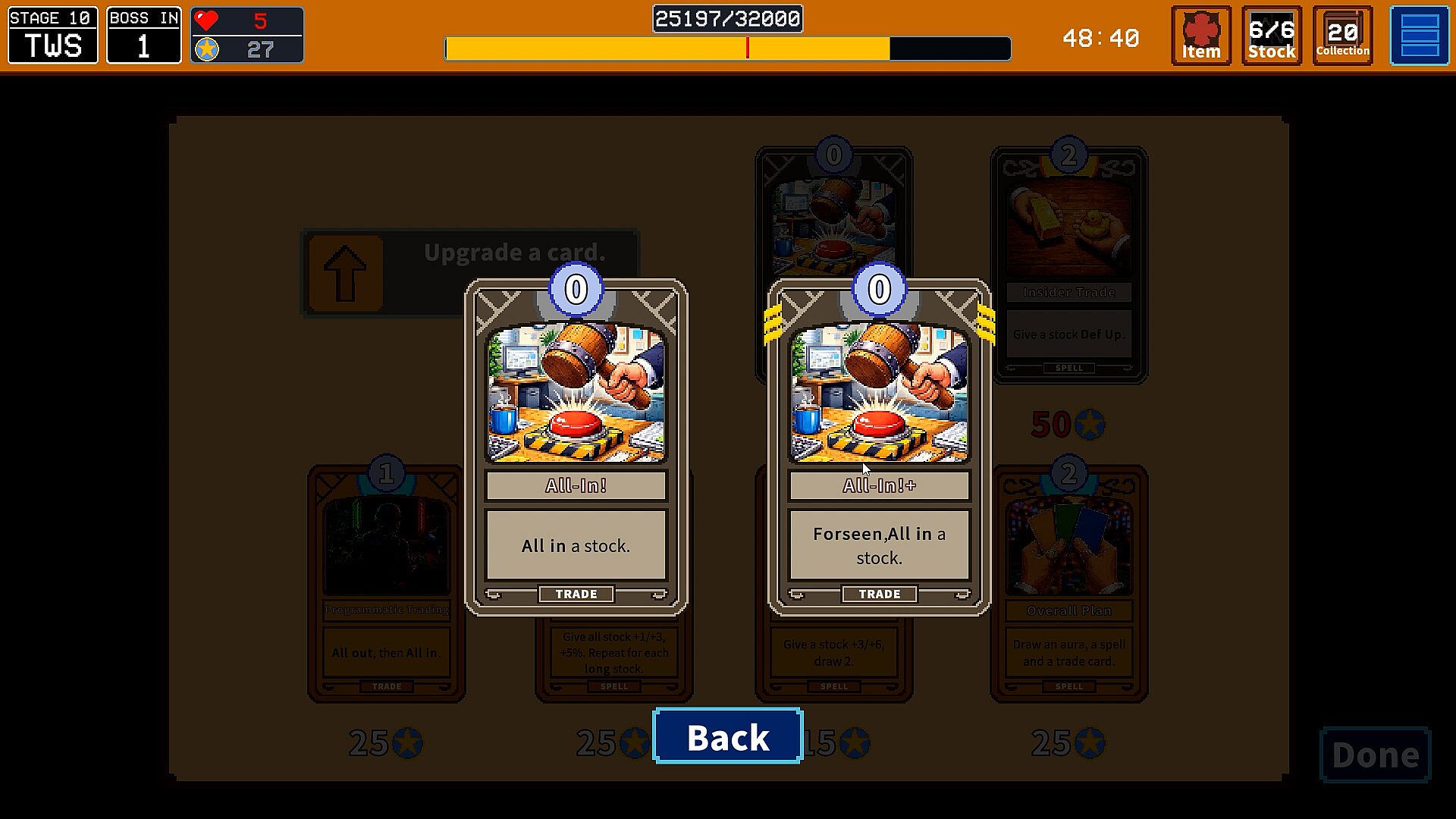
God of Stock es un juego de estrategia que combina mecánicas de construcción de mazos y roguelike con una simulación del mercado bursátil en PC. Comienzas con 100 dólares y tu objetivo es alcanzar el millón mediante operaciones bursátiles, manipulación de precios y una gestión prudente de la deuda a lo largo de ciclos semanales.
Gameplay
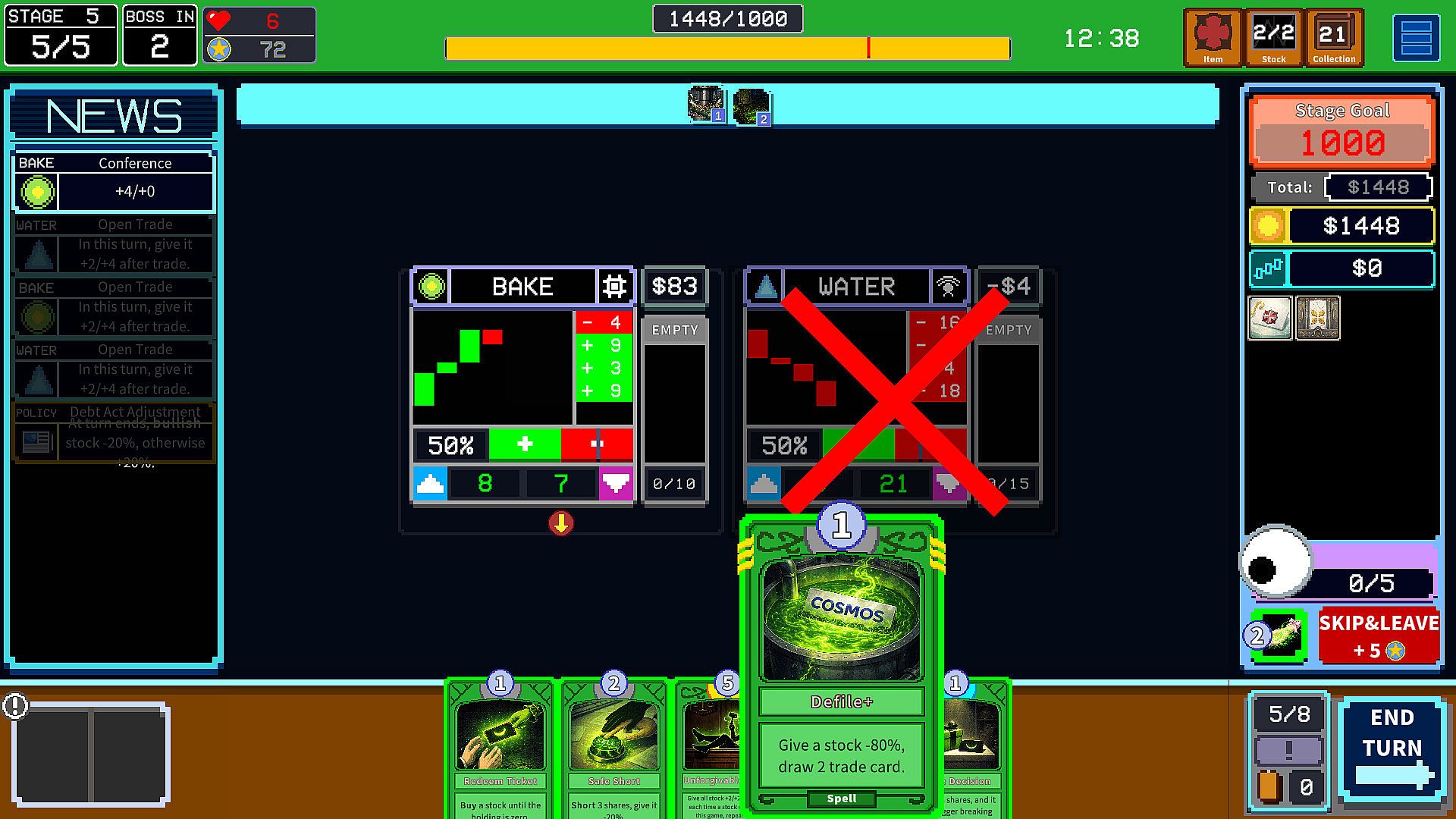
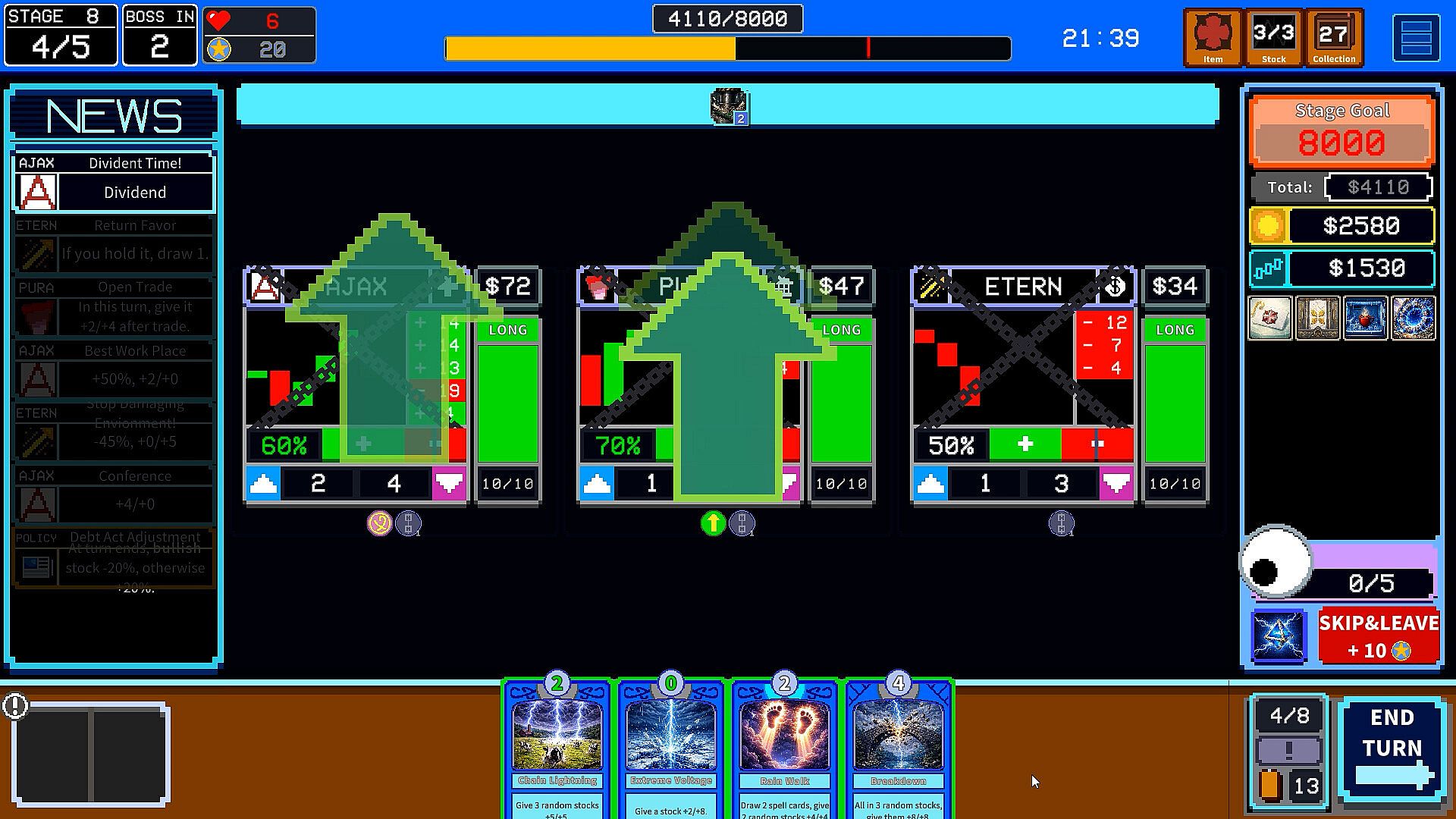
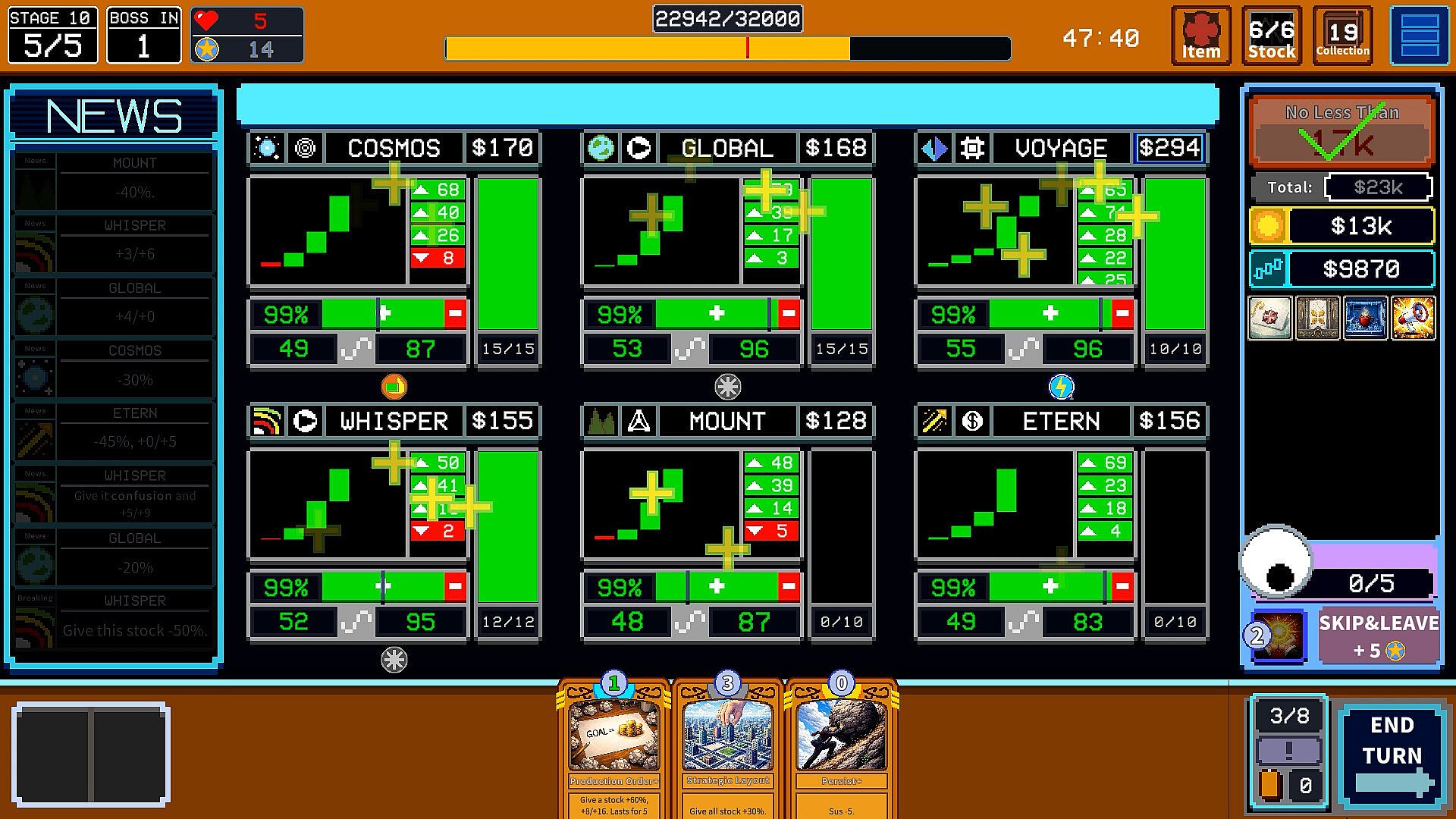
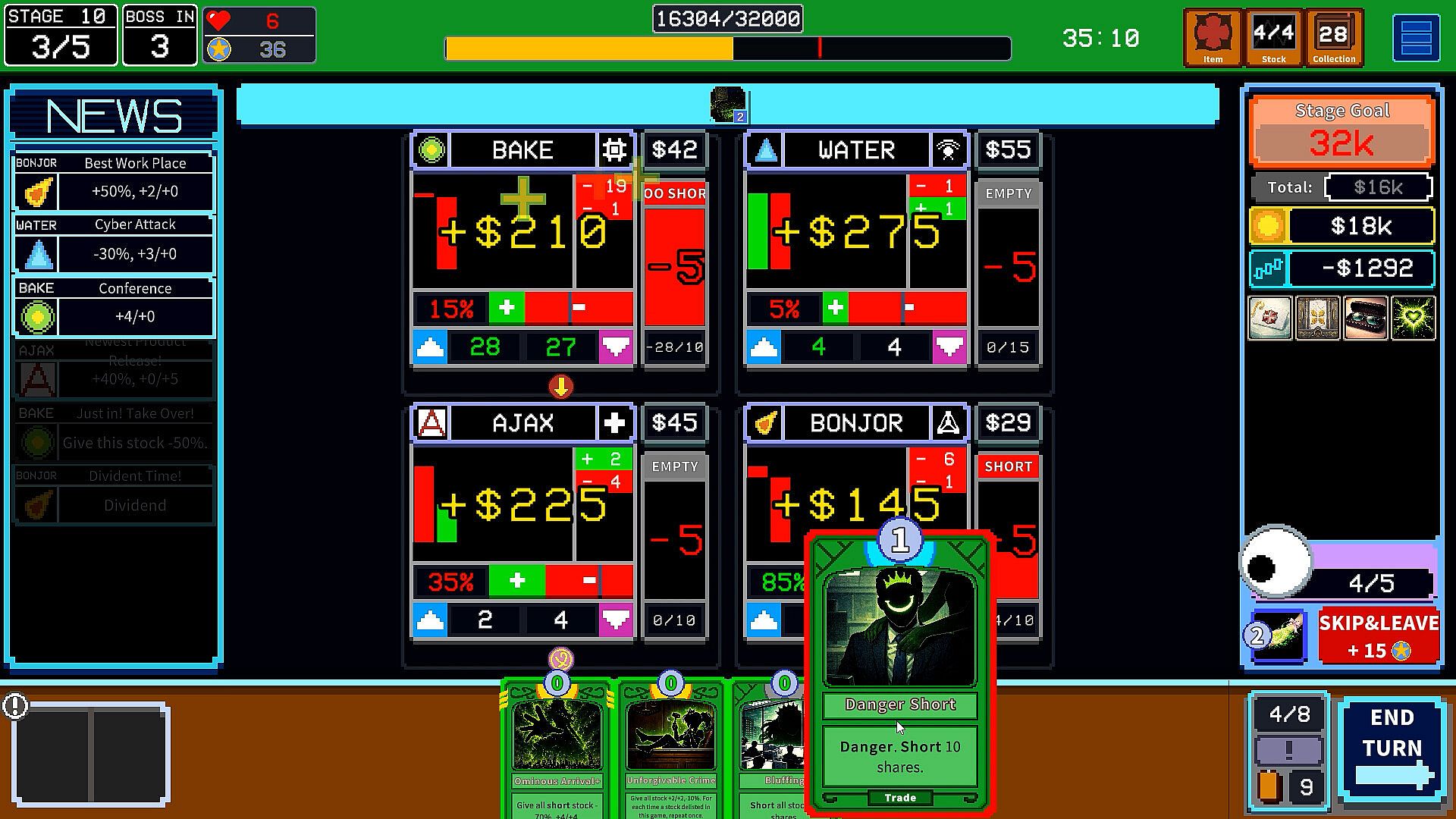
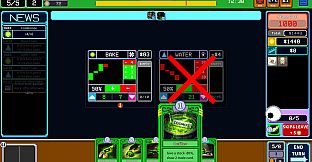
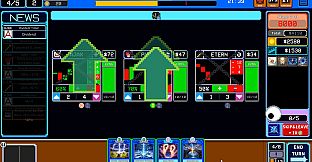
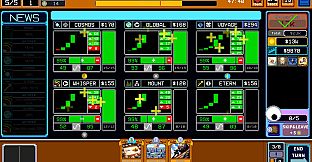
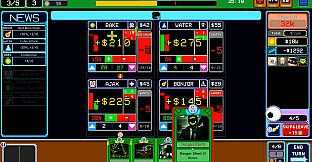
El bucle principal se basa en tres acciones diarias que se repiten durante cinco jornadas de mercado cada semana. Las cartas de comercio permiten comprar y vender acciones, cuyos resultados se registran en una columna específica. Las cartas de hechizo modifican después el comportamiento de las acciones: los valores porcentuales definen la dirección del cambio y los indicadores de rango controlan su magnitud. Al final de cada turno, los precios se actualizan de forma automática y convierten las posiciones en ganancias o pérdidas.
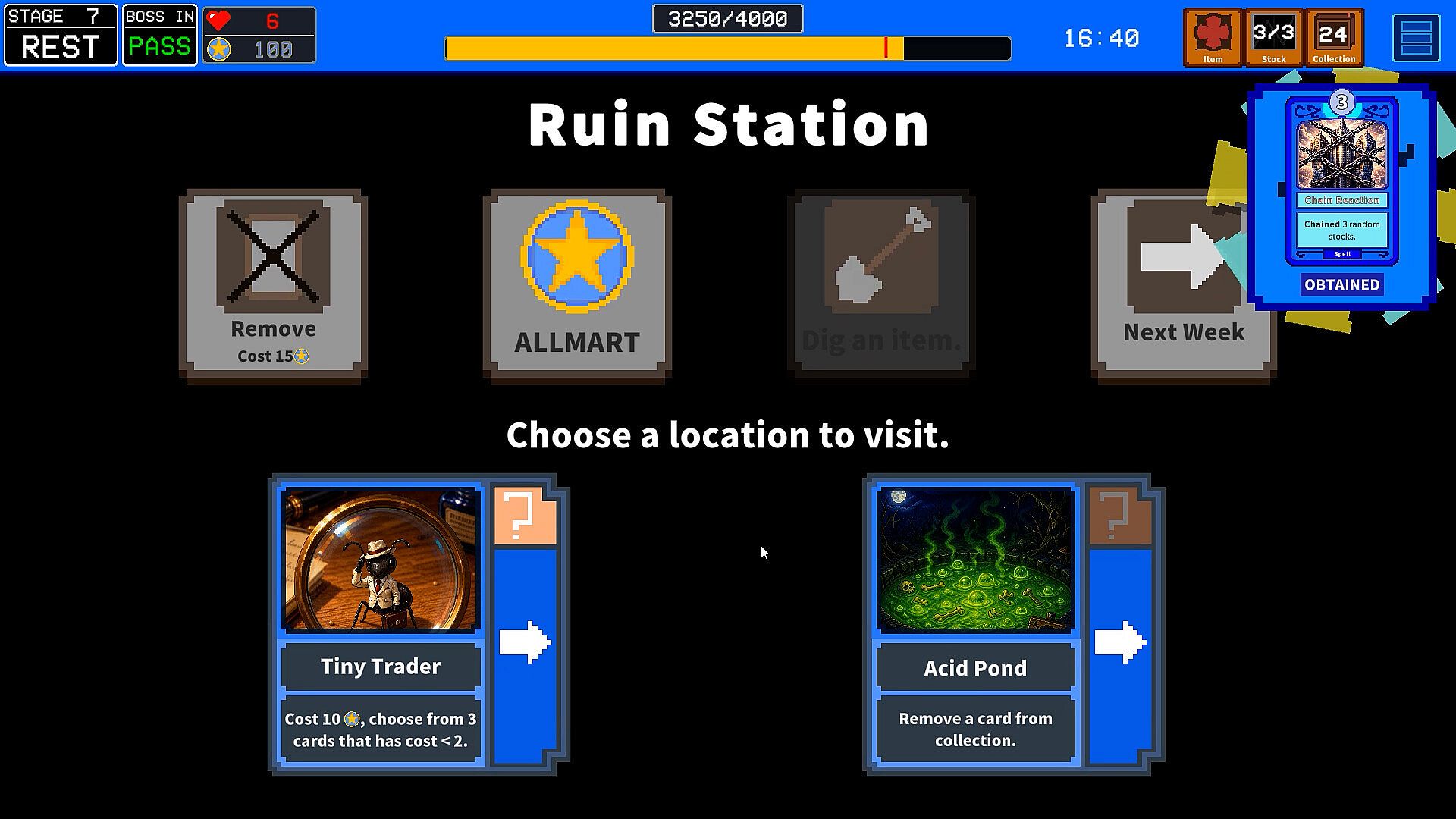
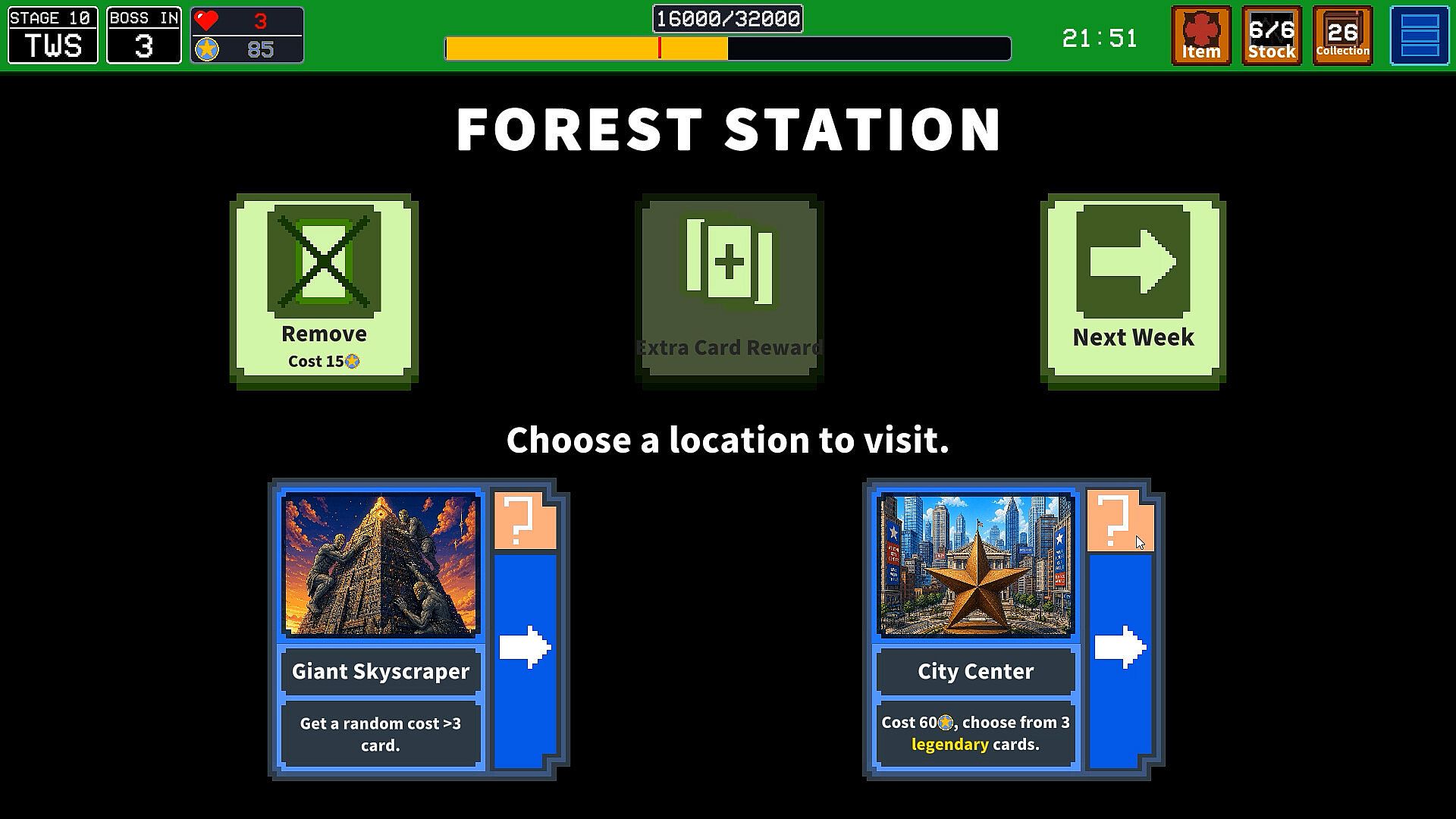
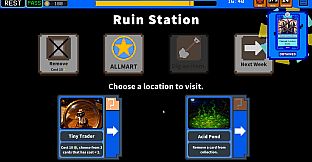
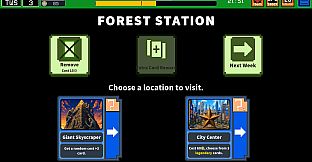
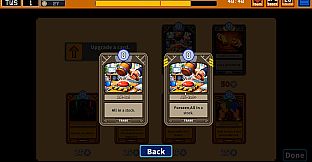
La deuda se acumula con el paso del tiempo y conviene evitarla mientras se persiguen los objetivos semanales. Entre semanas, los fines de semana ofrecen la posibilidad de visitar distintos lugares que proporcionan nuevas cartas, mejoras de mazo, artefactos y tesoros. Este sistema de progresión incentiva las partidas repetidas, ya que permite perfeccionar la colección y adaptarse a las condiciones cambiantes del mercado.
Cinco dioses distintos actúan como punto de partida, cada uno con enfoques comerciales únicos y tres habilidades iniciales. Entre las opciones se encuentran ciclos rápidos de compra-venta, estrategias de venta en corto y la construcción de posiciones a largo plazo. La elección determina las cartas disponibles y el estilo de interacción con el mercado durante toda la partida.
Modos de juego
God of Stock se presenta como una experiencia roguelike para un solo jugador centrada en alcanzar el millón de dólares en cada intento. Cada partida sigue el formato semanal establecido: cinco días de mercado seguidos de mejoras durante el fin de semana, con la posibilidad de fracasar por acumular demasiada deuda o no alcanzar los objetivos.
El progreso se mantiene entre partidas gracias a las cartas y artefactos desbloqueados, lo que permite probar diferentes dioses y construir mazos más sólidos con cada intento. El sistema pone el acento en la adaptación a los comportamientos aleatorios de las acciones y a los eventos de noticias, sin elementos competitivos ni cooperativos.
Características y sistemas principales
Más de 400 cartas se distribuyen entre cinco grupos vinculados a cada dios y opciones neutrales, lo que favorece estrategias muy variadas. Cincuenta acciones cuentan con rasgos propios que interactúan con los efectos de manipulación. Los eventos de noticias provocan cambios en todo el mercado, mientras que los artefactos ofrecen mejoras permanentes que se obtienen durante los fines de semana.
Sesenta ubicaciones de fin de semana amplían las posibilidades de construcción de mazos, desde la adquisición de cartas hasta el hallazgo de objetos raros. La combinación de estos elementos genera decisiones en varias capas, donde la sinergia entre cartas, la selección de acciones y el momento oportuno determinan el éxito a la hora de alcanzar los hitos financieros.
¿Merece la pena jugarlo?
God of Stock está dirigido a quienes buscan un roguelike de construcción de mazos combinado con una simulación económica. La selección de dioses y la variedad de cartas permiten distintos enfoques y recompensan la experimentación a lo largo de las partidas. Quienes disfrutan gestionando recursos bajo presión y optimizando mazos encontrarán el ciclo semanal estimulante.
Actualmente está disponible una demo con tres dioses jugables, 170 cartas, 30 artefactos, 20 acciones, 20 eventos de noticias y 20 ubicaciones de fin de semana. La versión completa amplía considerablemente estas cifras. El juego sigue en desarrollo activo y, por el momento, no se han confirmado actualizaciones de temporada ni modos adicionales.
La recomendación depende del gusto por la estrategia por turnos y los temas financieros. Quienes prefieran sesiones breves pueden valorar la estructura diaria contenida, mientras que quienes busquen una colección a largo plazo podrán realizar múltiples partidas para optimizarla en profundidad.