


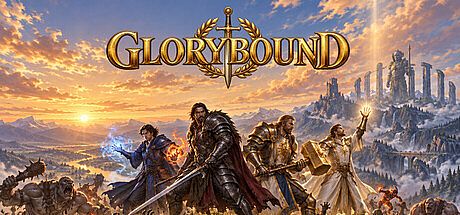


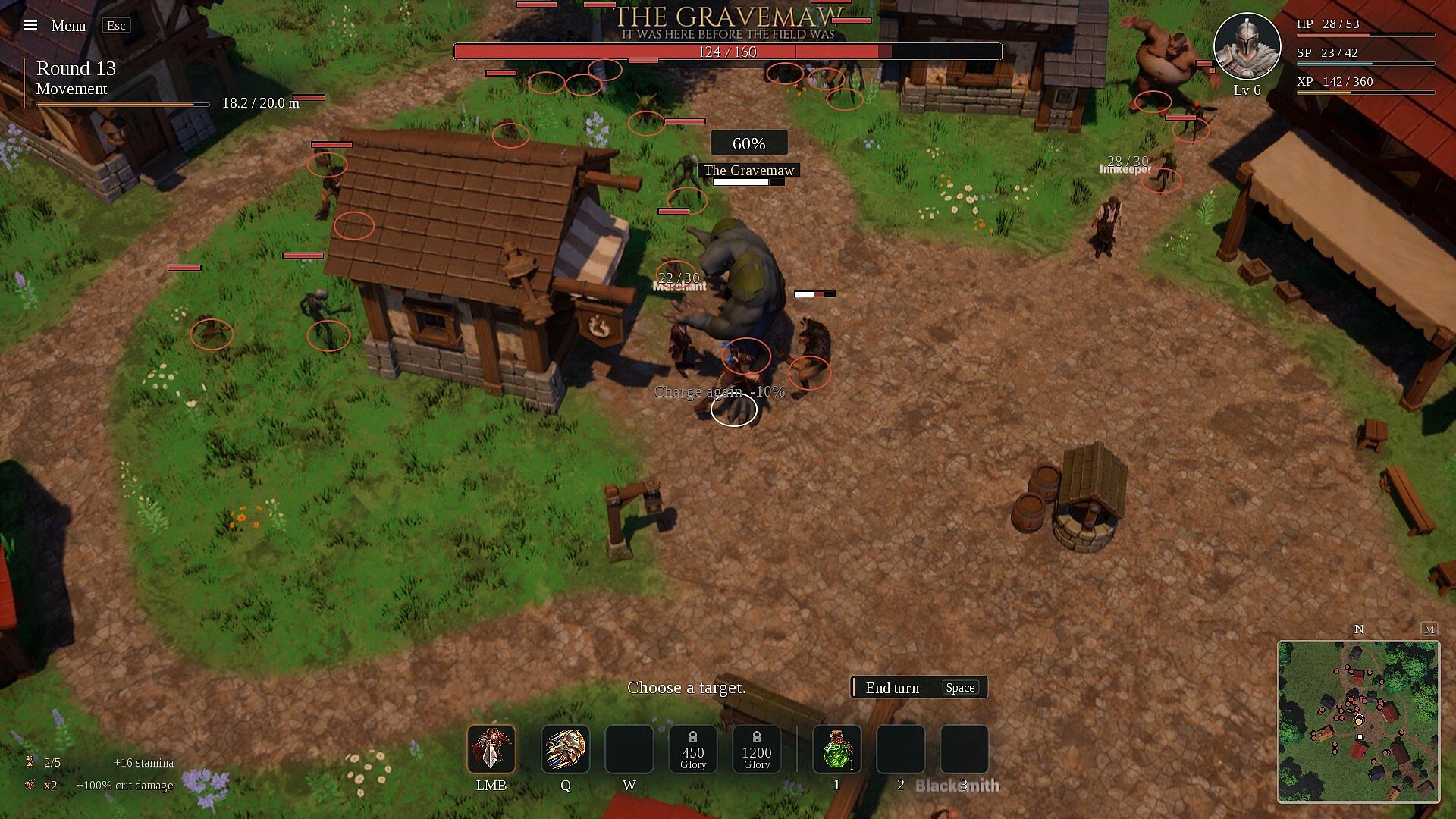
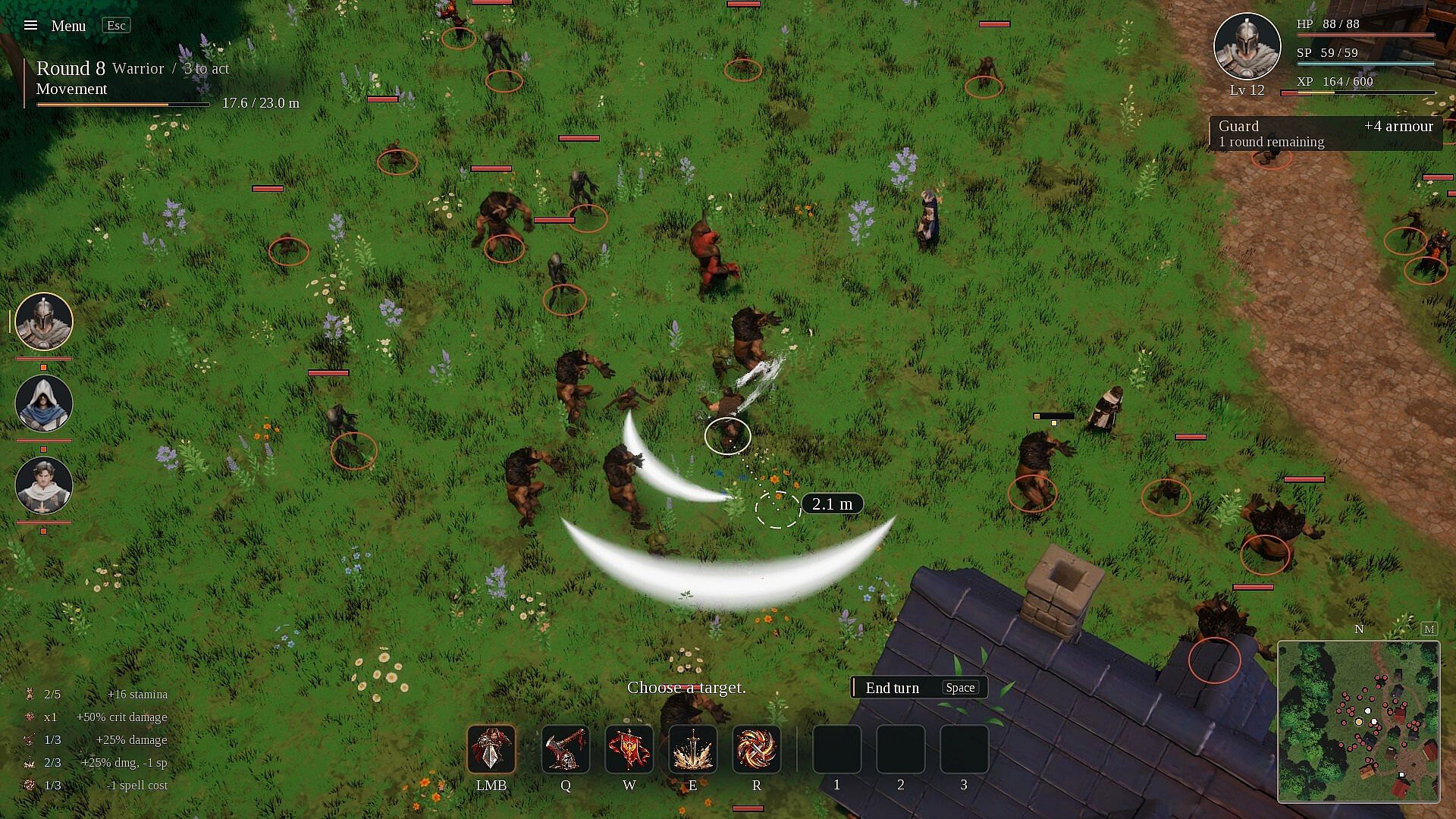
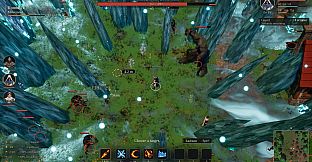
Glorybound is a turn-based strategy and RPG title for PC that places players in control of a small party facing waves of enemies across extended runs. The core experience revolves around managing three champions through one hundred rounds where the horde grows stronger with each passing turn. Every action on the player's side happens in sequence before the enemies respond, creating a deliberate pace that rewards careful positioning and spell combinations rather than quick reactions.
Gameplay
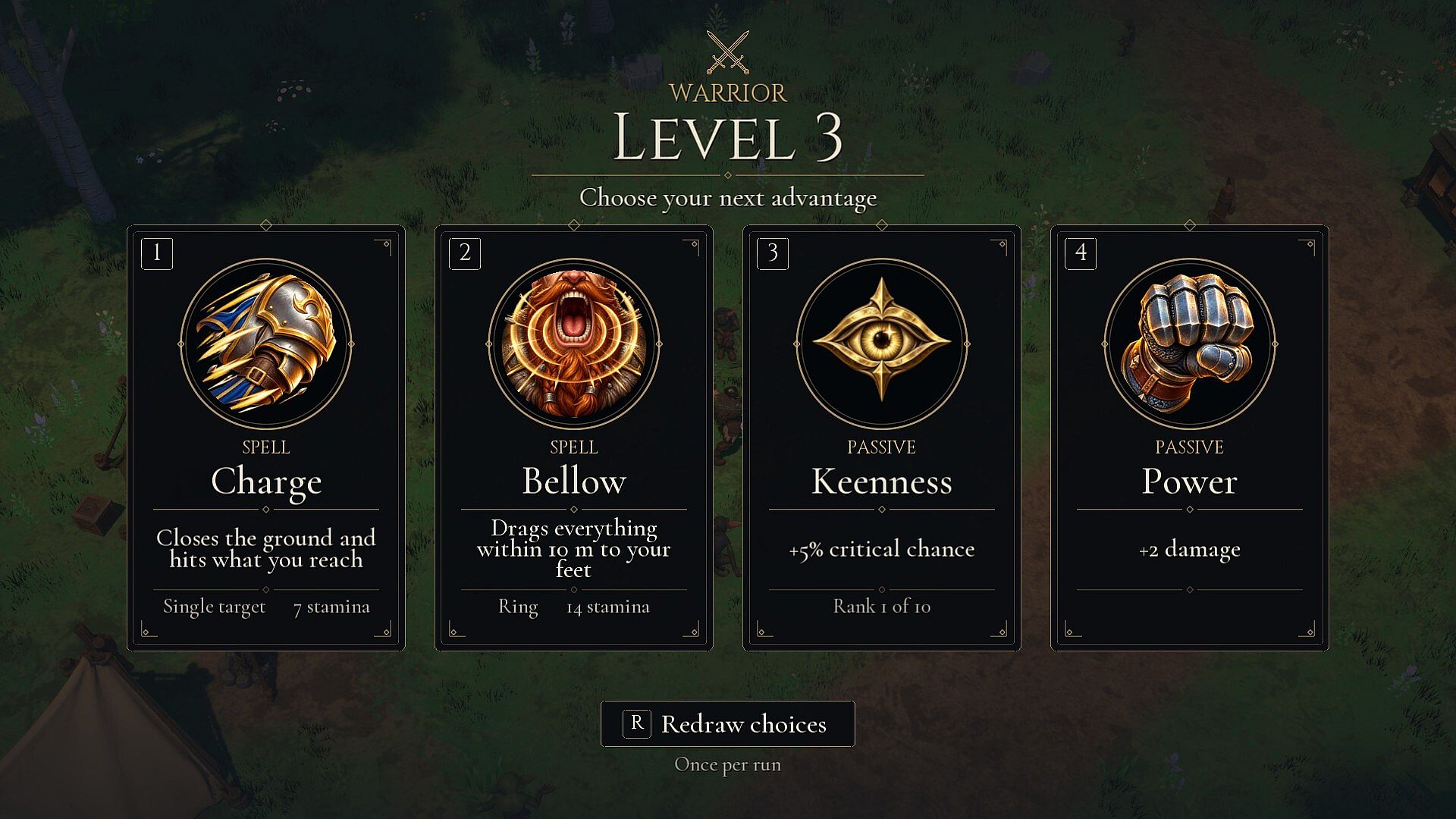
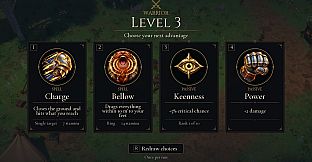
The game centers on a party of three champions selected from four available options. The Warrior focuses on close-range strikes, the Mage deploys fire and frost effects, the Warden applies marks and defensive wards, and the Priest combines healing with offensive fire. On each turn the chosen champions move, attack, and cast spells before the horde advances and new enemies emerge from the ground. Level-ups present three card options that can introduce new spells from a champion's repertoire, improve base stats, or enhance existing abilities.
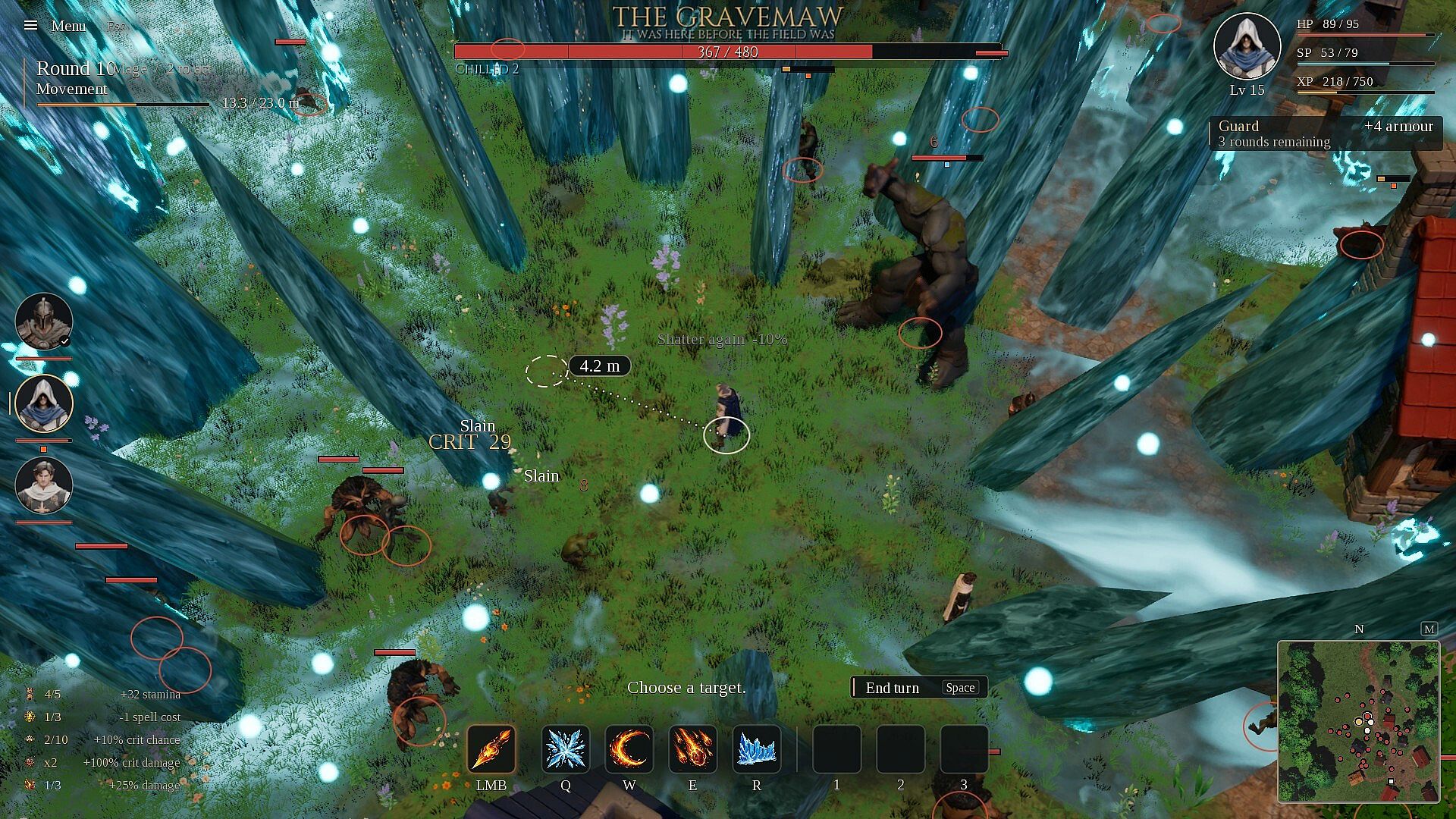
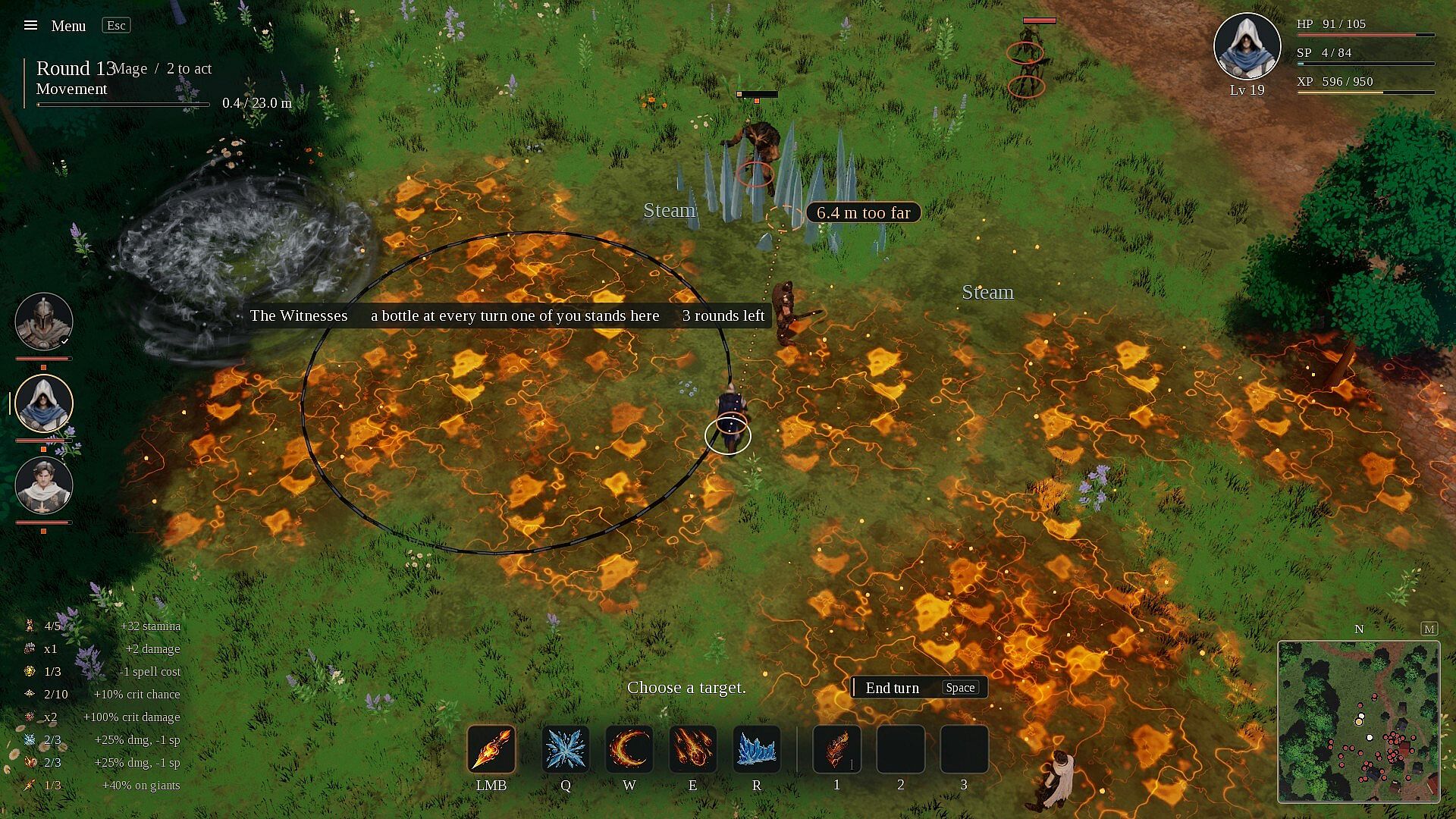
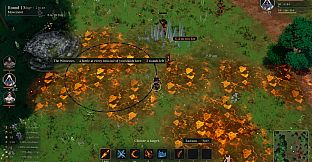
Spells and effects persist on the battlefield, enabling layered interactions. Fire placed on blessed ground transforms into Holy Fire, while fire on tar creates a Pyre. Frozen targets become vulnerable to shattering strikes from steel weapons. These reactions encourage pairing champions whose abilities complement one another instead of operating in isolation. Basic attacks remain available to every champion alongside the forty-one total spells in the system.
Exploration opportunities appear between combat rounds in the form of villages, bandit camps, barrow graves, and shrines. Each location carries distinct risks and potential rewards, such as holding position for a set number of rounds at a shrine. Five bosses arrive at fixed intervals on rounds ten, twenty-five, fifty, seventy-five, and one hundred, each following predictable movement patterns that players can study and counter over multiple attempts.
Game Modes
Glorybound operates as a single-player experience built around repeated runs toward the hundredth round. Players select any three of the four champions at the start and navigate the escalating horde while managing movement costs and spell placements. Optional exploration sites can be visited for additional benefits or challenges without altering the main progression path.
Progression carries forward through a seventy-four-node Glory Tree. Glory earned from defeated enemies persists even after a run ends, allowing permanent unlocks of new champions, additional spells, and extra keys for the bar. Reaching round one hundred presents a choice to conclude the run or continue onward, with the tree providing long-term incentives to experiment with different party compositions and spell synergies.
Champions and Spell Interactions
Each champion brings a distinct role that shapes how rounds unfold. The Warrior excels at closing distance for direct damage, while the Mage layers elemental effects that linger and react with terrain. The Warden controls space through marks and ground wards, and the Priest sustains the party while contributing damage over time. Selecting three from the four options forces trade-offs in coverage and forces players to adapt strategies based on the specific trio chosen.
Ground effects and status reactions form the heart of deeper play. A single spell might set up conditions that amplify later casts from a different champion, turning routine rounds into opportunities for chained reactions. This system rewards observation of how prior actions influence the current battlefield state rather than relying on isolated powerful abilities.
Is It Worth Playing?
Glorybound suits players who prefer turn-based strategy with roguelite elements and persistent progression across runs. The emphasis on planning every step, learning boss patterns, and building spell synergies appeals to those who enjoy methodical combat over fast-paced action. The Glory Tree provides meaningful carryover that encourages repeated attempts without resetting all progress on failure.
With its focus on a compact party size and interactive environmental effects, the game offers depth for strategy enthusiasts seeking a single-player experience on PC. The planned November 2026 release means the title remains in a pre-launch state, and final balance or additional features will become clear closer to availability. Those drawn to horde survival mechanics combined with card-based level-up choices and exploration side paths will find the core loop aligned with the provided systems.












