




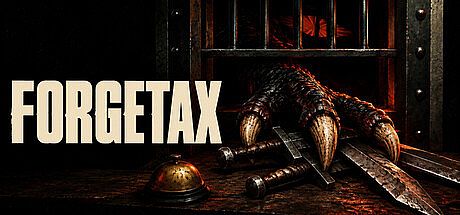


ForgeTax is a first-person roguelite that blends strategy, simulation, and casual elements into a tense loop of sword forging on PC. Players step into a forge owned by a dragon and must craft blades while managing risk, building synergies, and meeting tribute demands to survive another run.
Gameplay
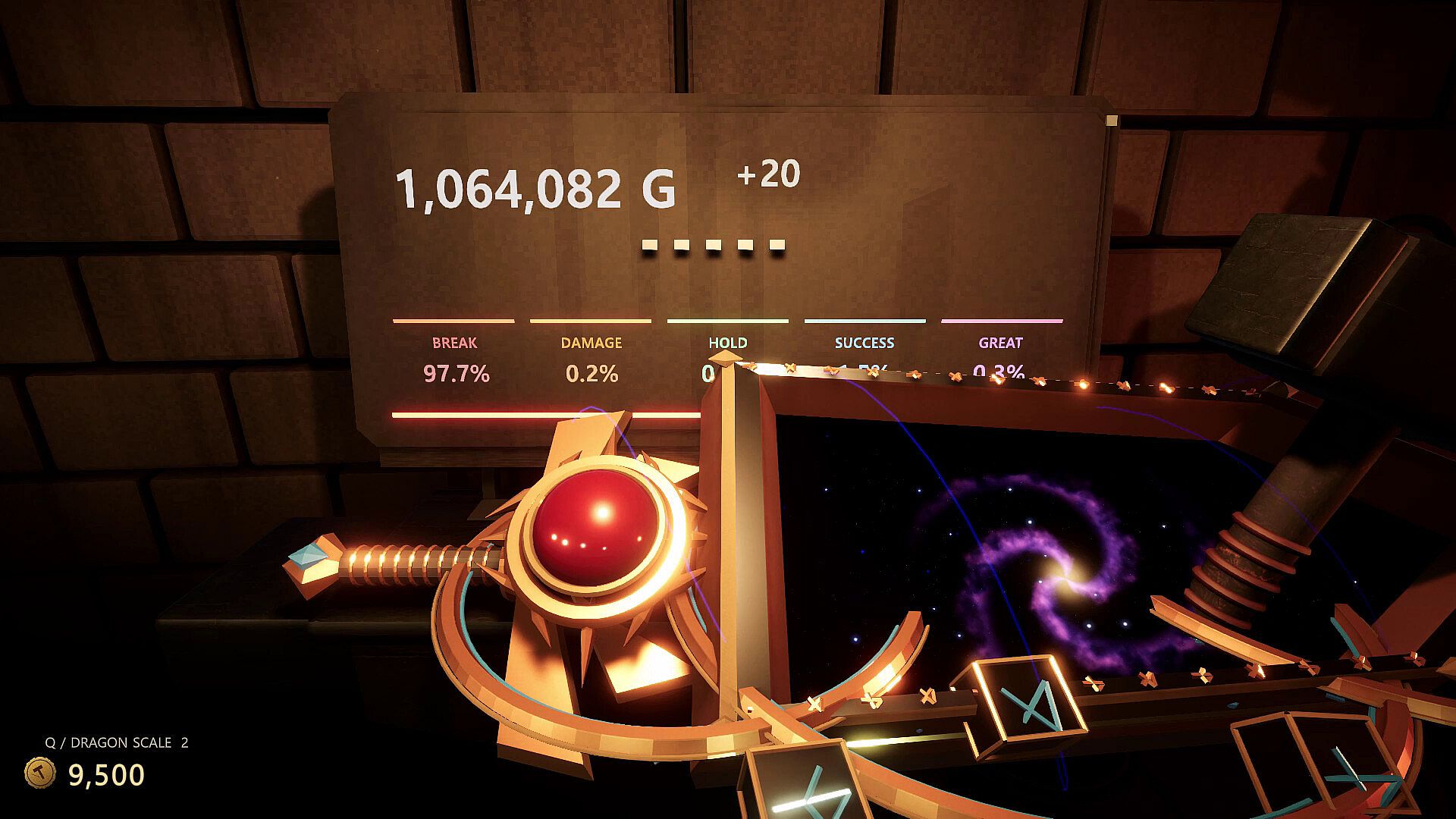
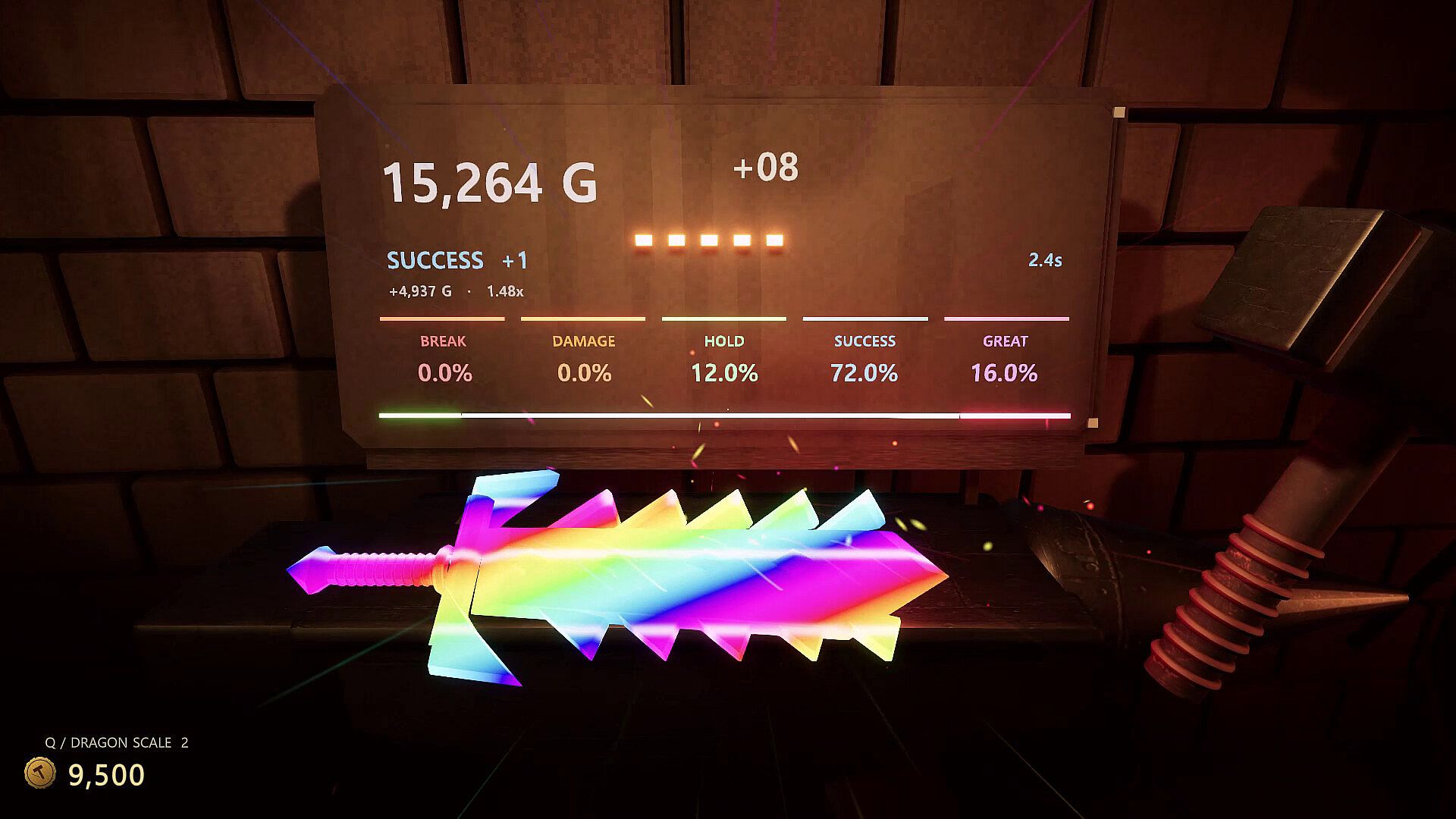
The core loop centers on heating blades and hammering them on the anvil to increase value. Each strike carries the chance of success that raises the sword's worth or failure that shatters it entirely. Successful chains trigger Frenzy, a short window where hammering proceeds without risk of damage or loss. This system rewards careful timing and risk assessment as players decide how far to push each blade before it breaks.
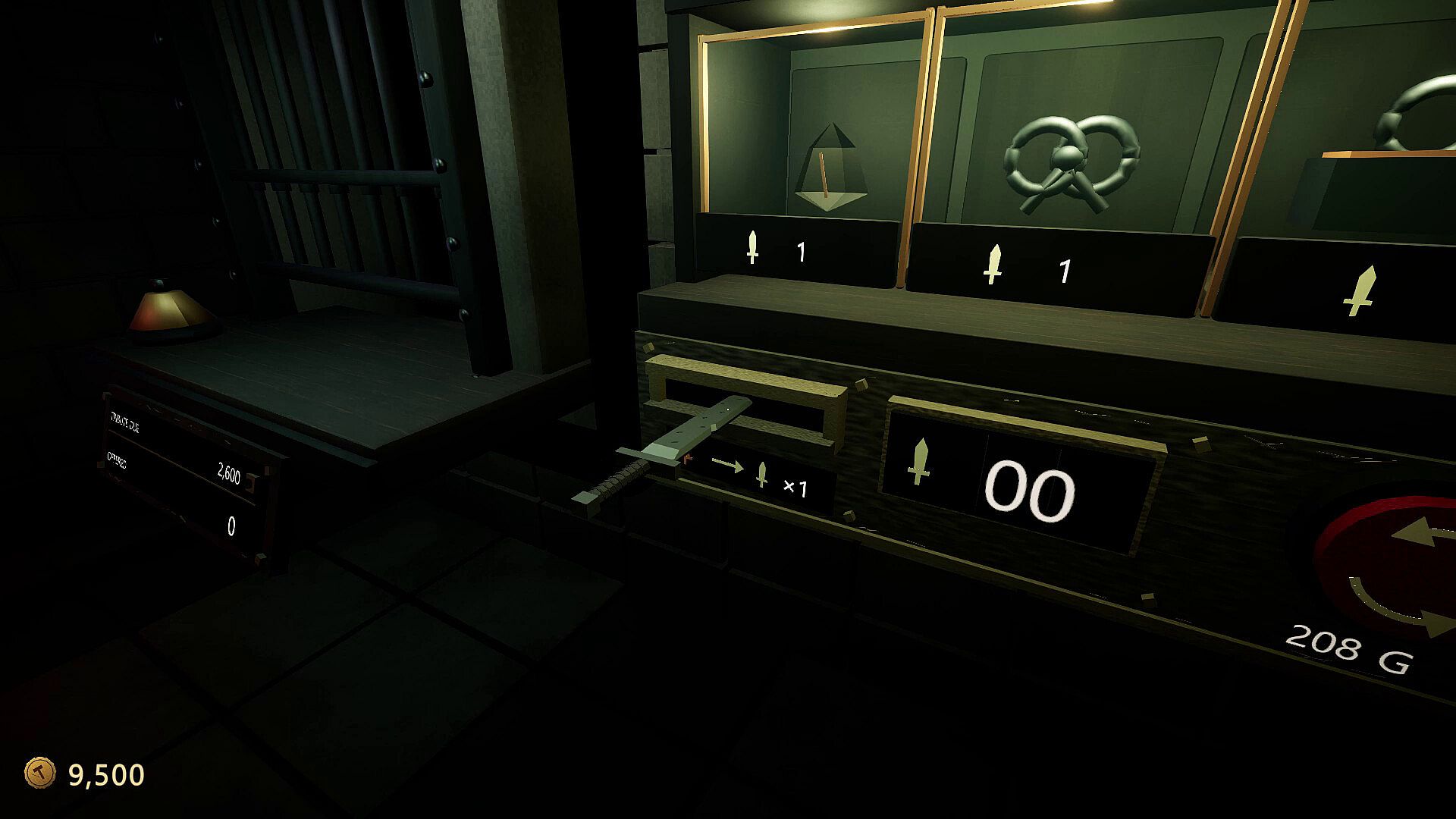
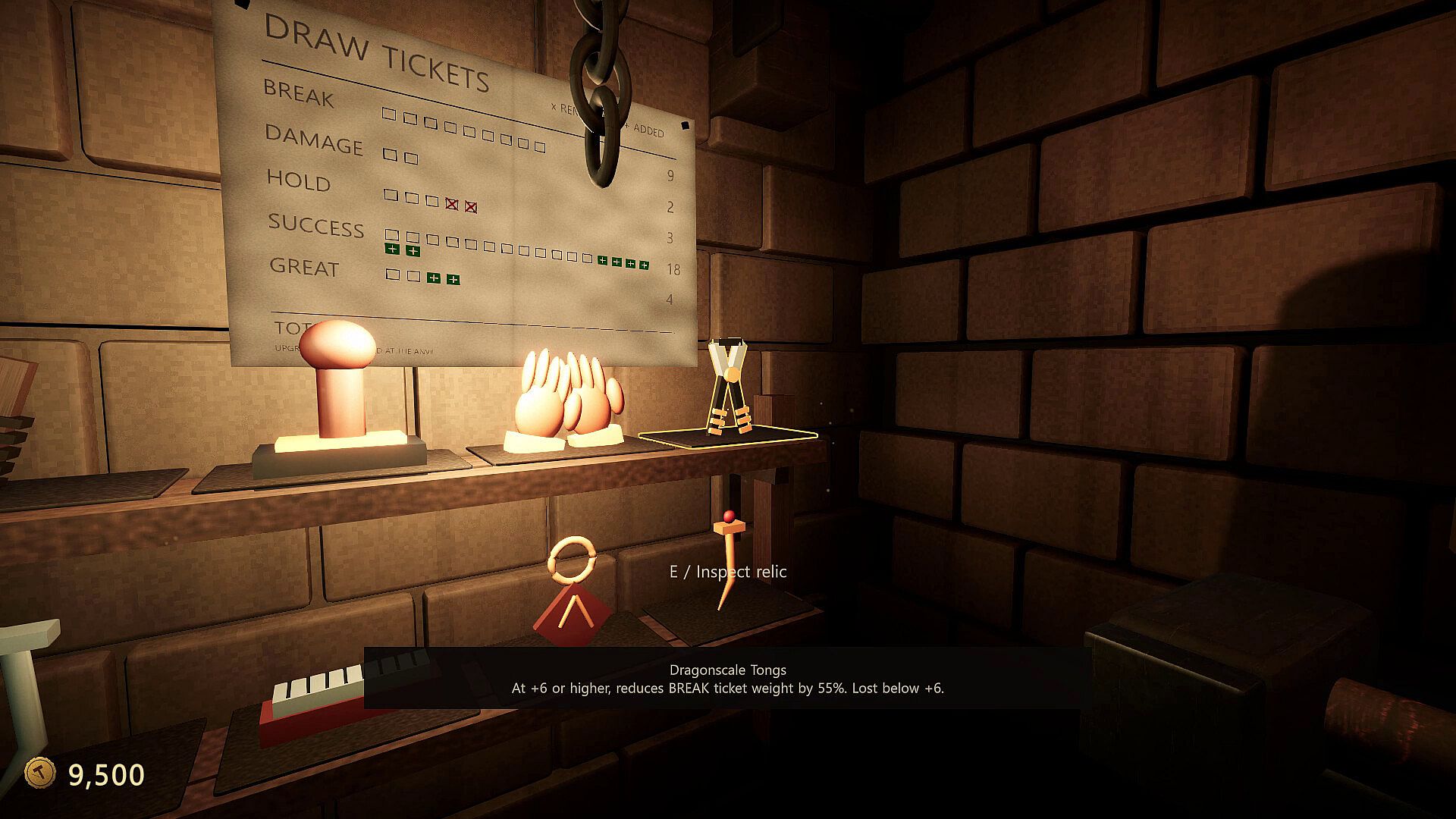
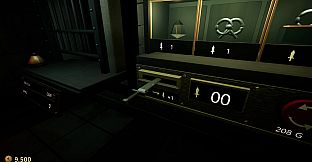
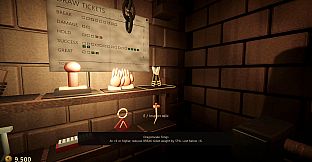
Relics add layers of strategy through a machine that accepts swords as payment. Spending blades here reduces what remains for the dragon but unlocks effects that alter draw tickets and combine into powerful synergies. Players experiment with these combinations to reshape luck itself, turning modest advantages into outsized results across multiple runs.
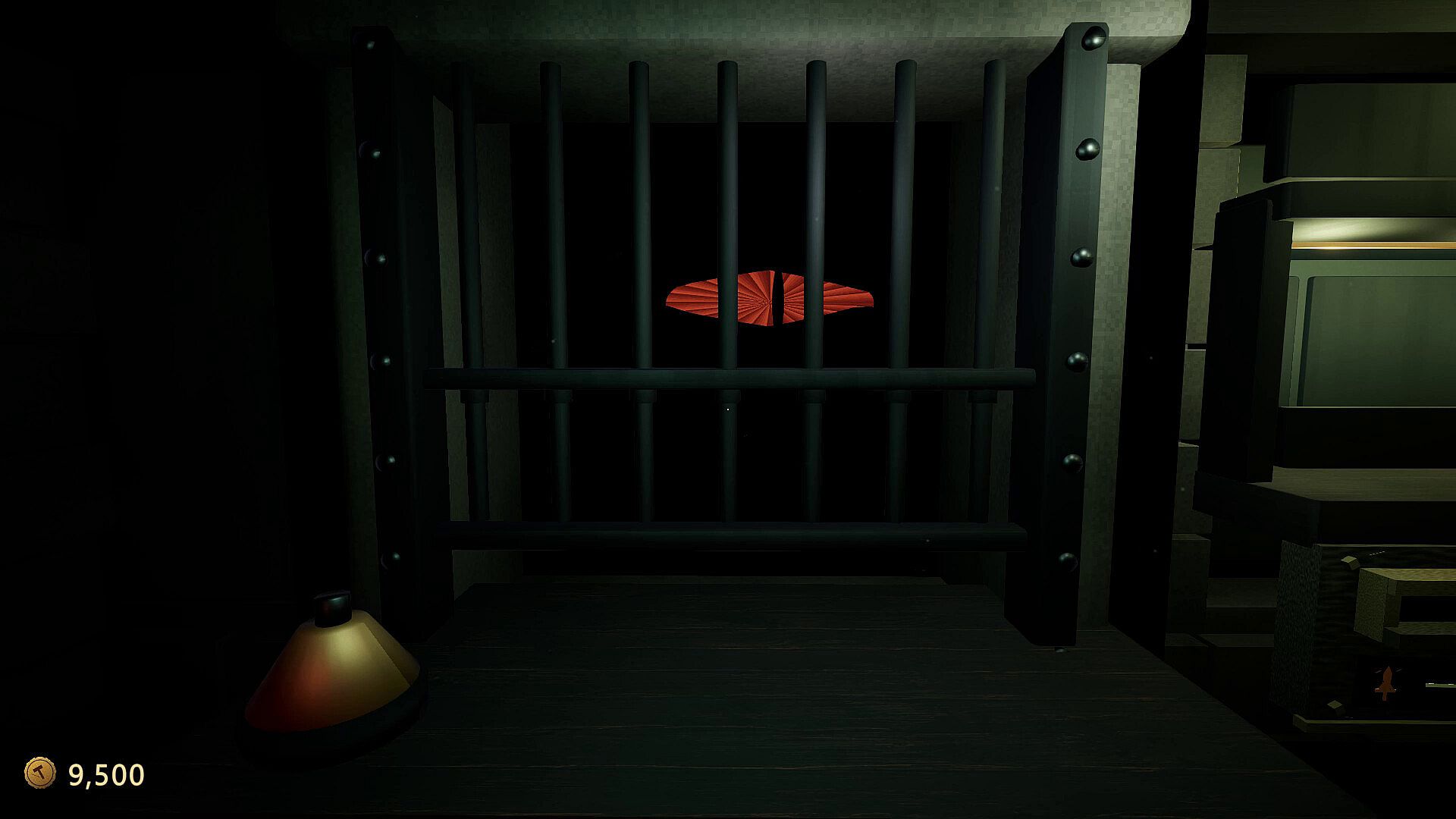
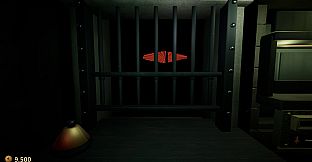
The dragon's tribute mechanic forces ongoing decisions. Swords are presented at the counter to meet the required payment and unlock the next forging session. Shortfalls bring escalating pressure from beyond the bars, requiring players to weigh what to retain for personal use against what must be sacrificed to continue.
Game Modes
ForgeTax operates as a single-player roguelite experience with no separate multiplayer or competitive modes listed. Each session follows the same structure of forging runs punctuated by tribute payments, where failure ends the attempt and success grants another cycle at the anvil. The roguelite design emphasizes repeated runs that build on prior choices through relic synergies and adaptive strategies rather than fixed progression paths.
Players engage the full loop in every attempt, alternating between anvil work, relic investment, and tribute negotiations. No distinct variants or seasonal modes appear in the available details, keeping focus on the core tension of value creation versus destruction within a single persistent framework.
Core Mechanics and Progression
Progression emerges from the interplay of luck manipulation and resource allocation. Blades serve dual purposes as both the primary output for tribute and the currency for relic acquisition. This creates meaningful trade-offs where over-investing in relics can leave tribute short while hoarding blades risks missing powerful synergies.
The first-person perspective places players directly at the forge, emphasizing the physical act of hammering and the immediate feedback of each strike. Visual and mechanical cues highlight the shift into Frenzy and the consequences of failed hits, reinforcing the high-stakes simulation of blacksmithing under duress.
Is It Worth Playing?
ForgeTax targets players who enjoy roguelite risk management combined with crafting simulation and strategic decision-making. The dark tone and dragon tribute pressure create a distinct atmosphere that differentiates it from lighter forging games. Since the title remains unreleased with a planned launch in September 2026 and currently carries no user reviews, any assessment rests on the described systems rather than live feedback.
Those drawn to tense, replayable loops where small choices compound into major outcomes will find the described mechanics compelling. The absence of confirmed updates or additional content at this stage means the experience stands on the core forging, relic, and tribute systems alone. Prospective players should monitor release developments to determine fit with their preferences for single-player strategy and simulation titles.











