

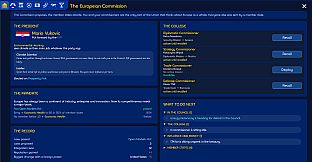
Ever Closer Union is a strategy game in which players take on the role of President of the European Commission and guide the European Union through a five-year term. The experience centers on political decision-making, coalition building, and long-term agenda management across the 27 member states.
Gameplay
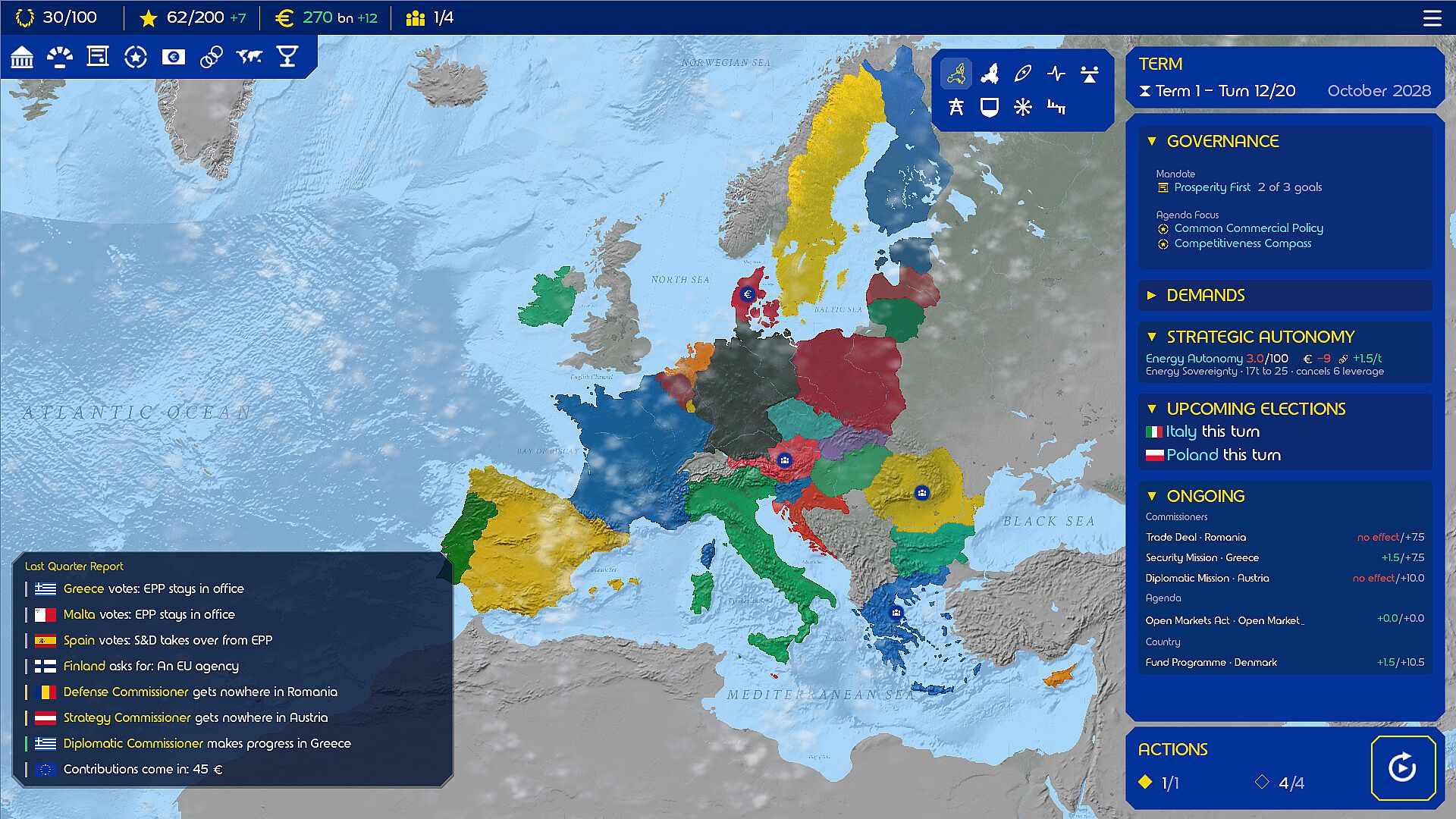
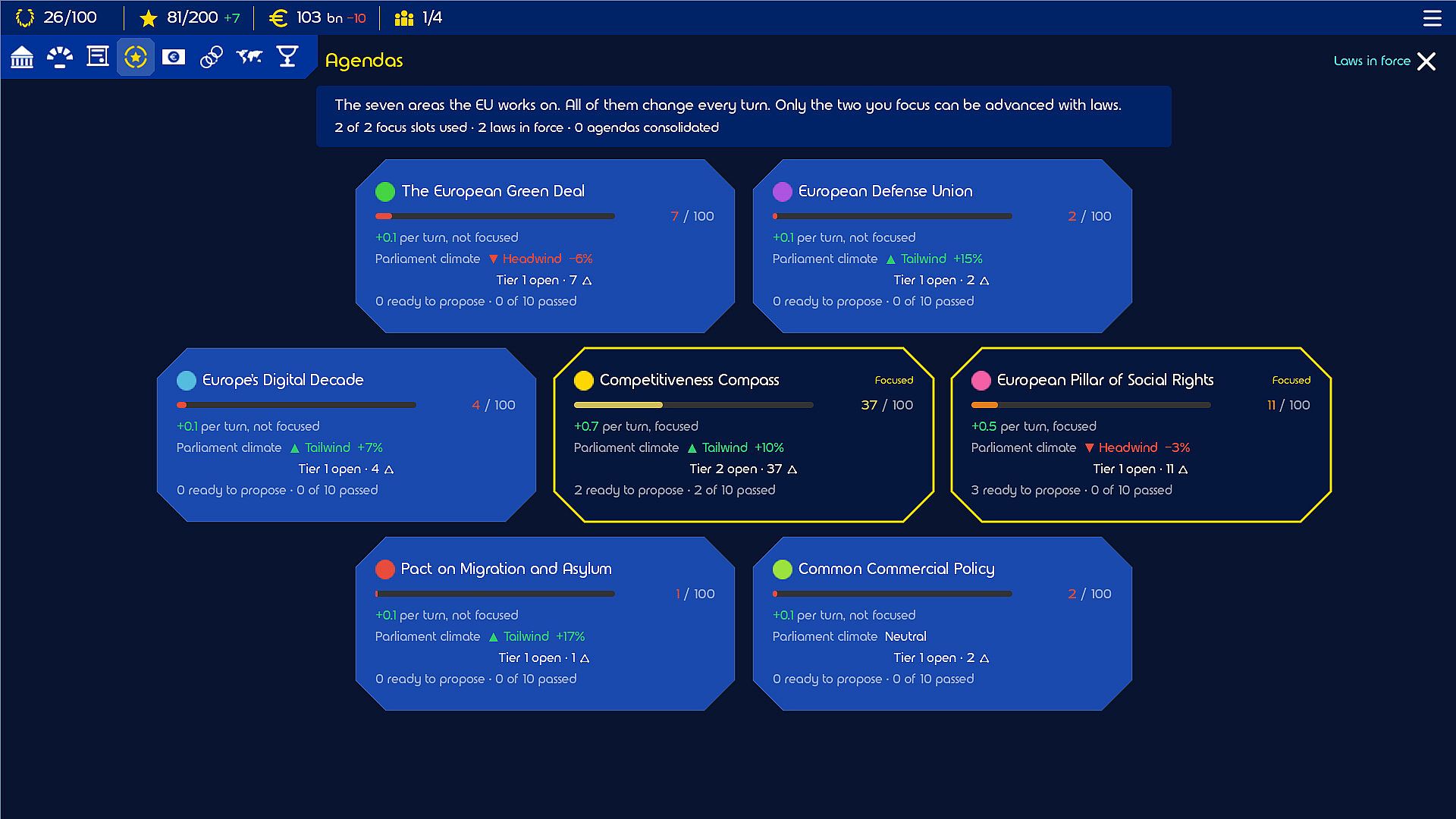
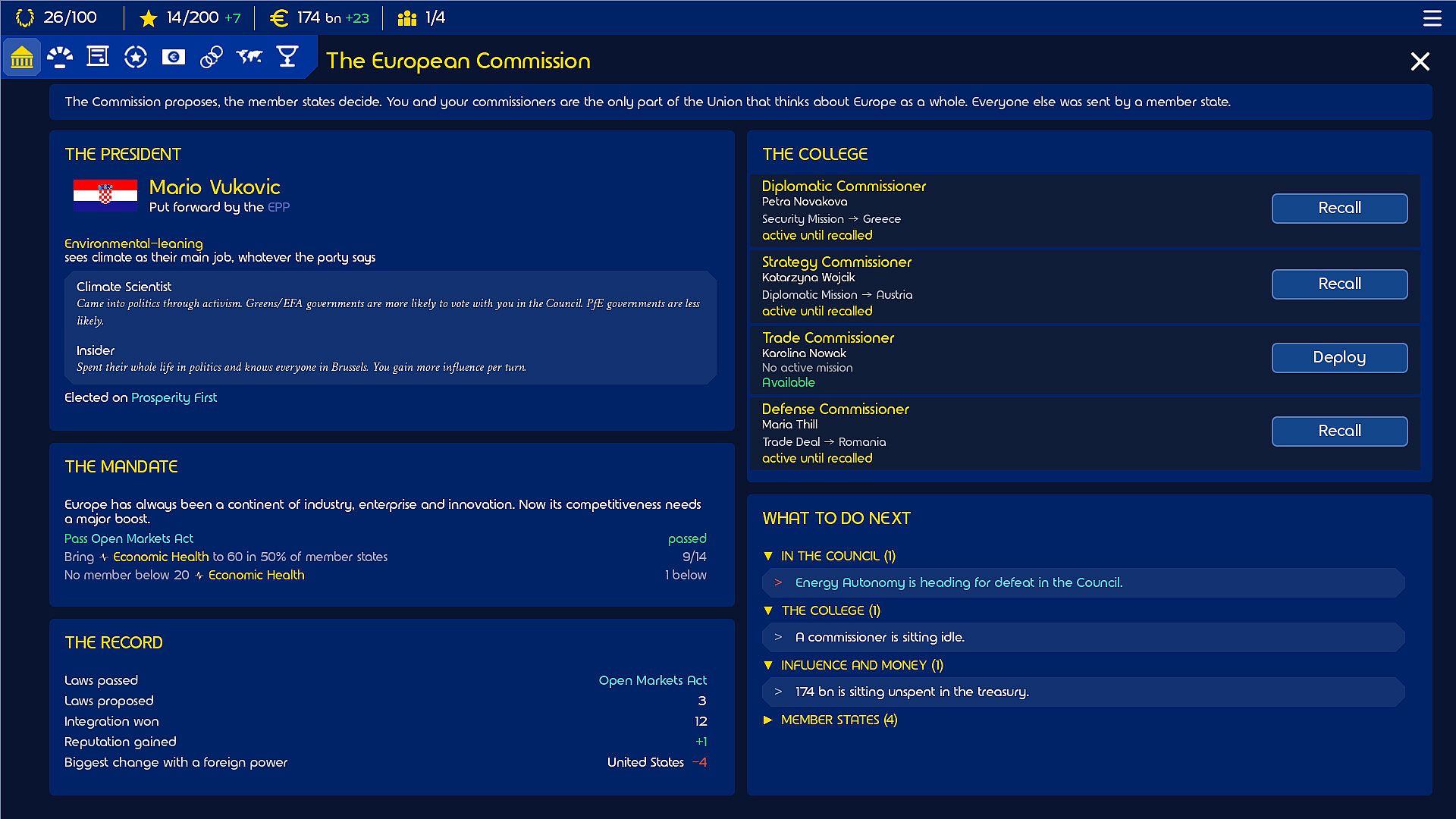
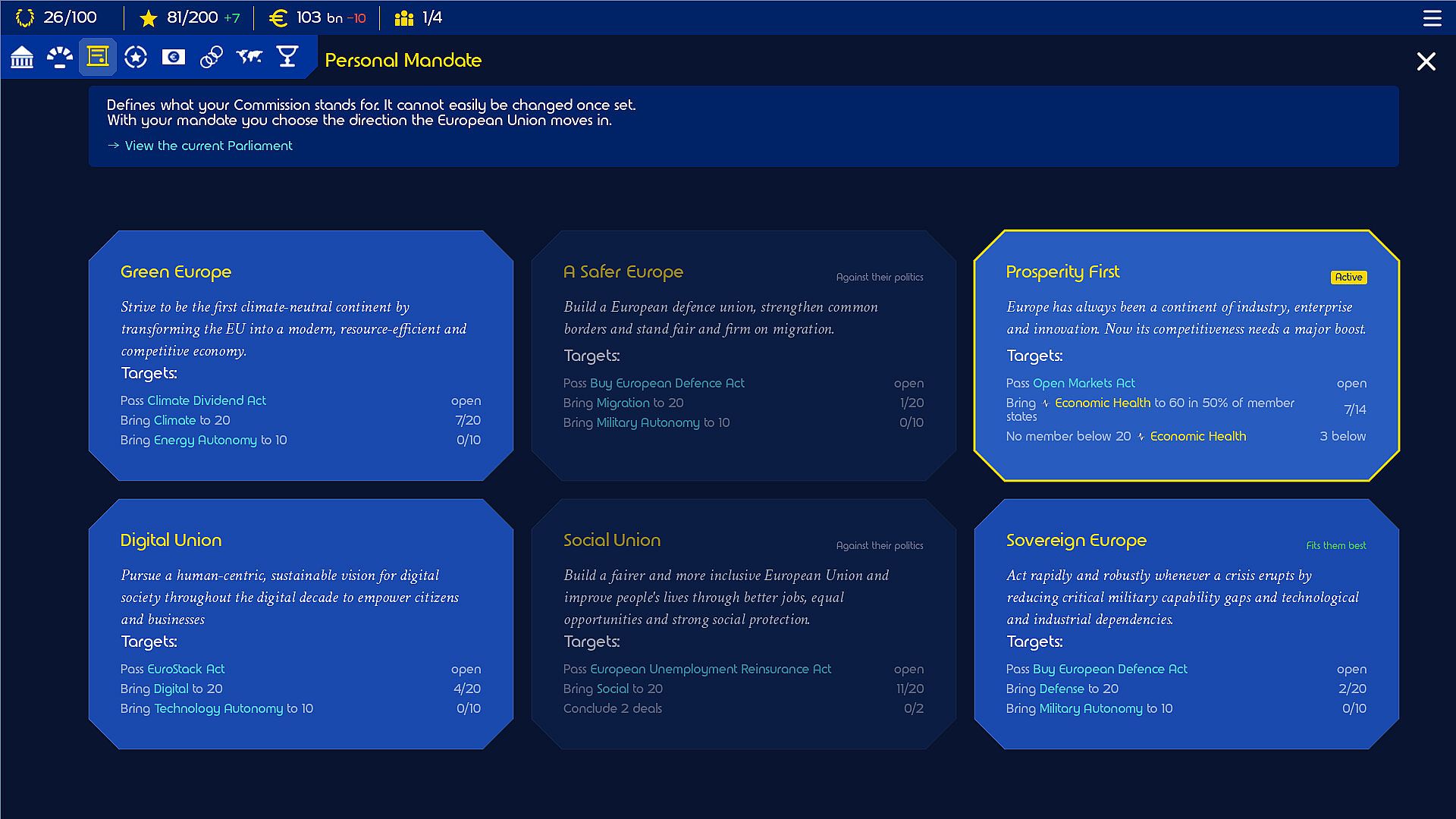
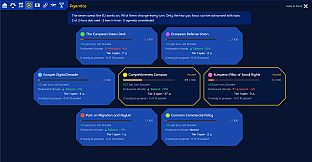
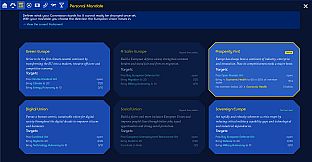
Each quarter brings a set of decisions tied to a Personal Mandate that reflects the president's personality and traits. Success in one term can lead to re-election, while poor performance damages reputation and forces a switch to a new character for the next attempt. The core loop revolves around seven real EU policy areas known as Agendas. These areas advance automatically each turn, yet players can invest additional focus in selected ones to advance their mandate, though doing so spends influence that must be spent wisely.
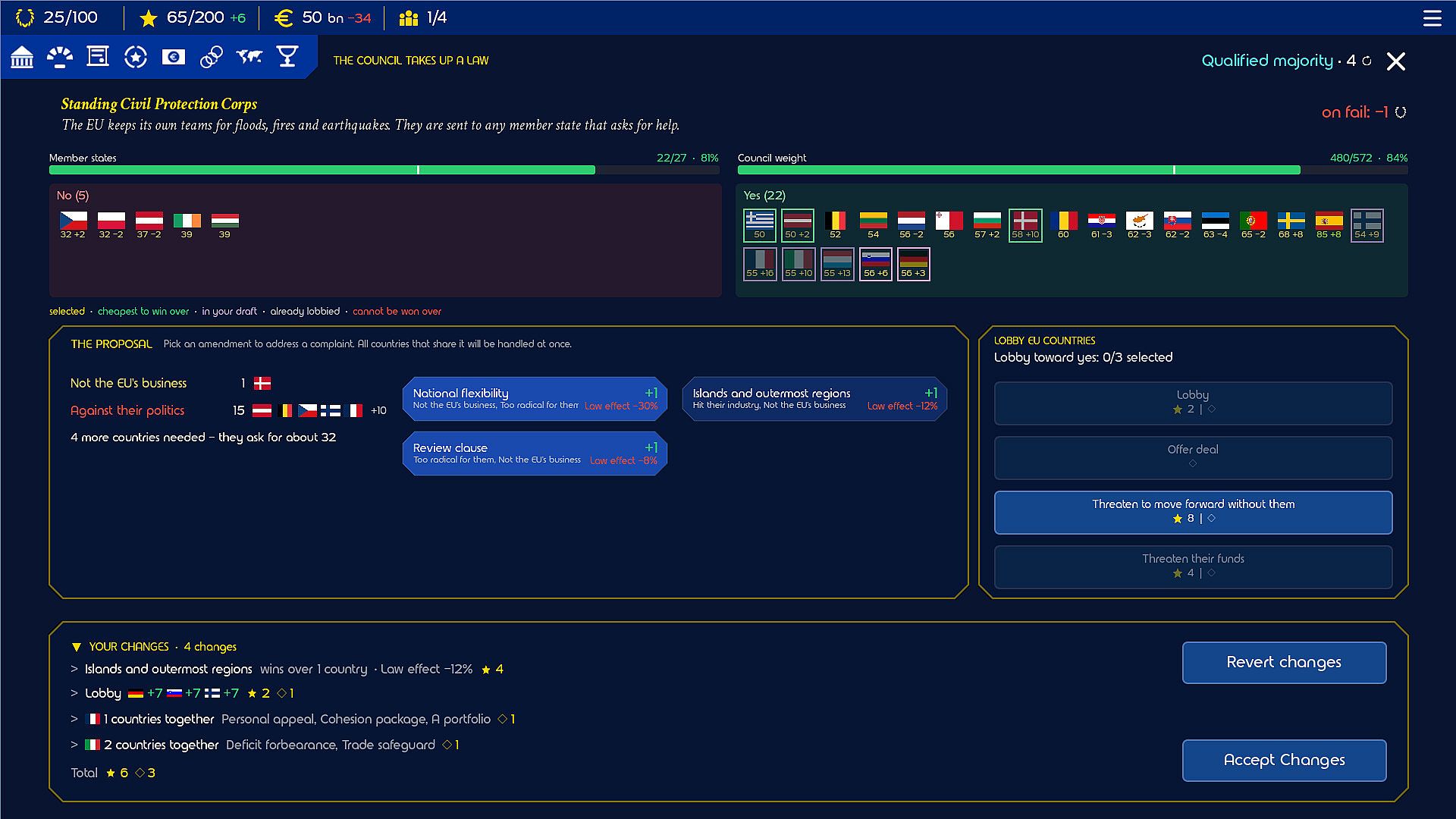
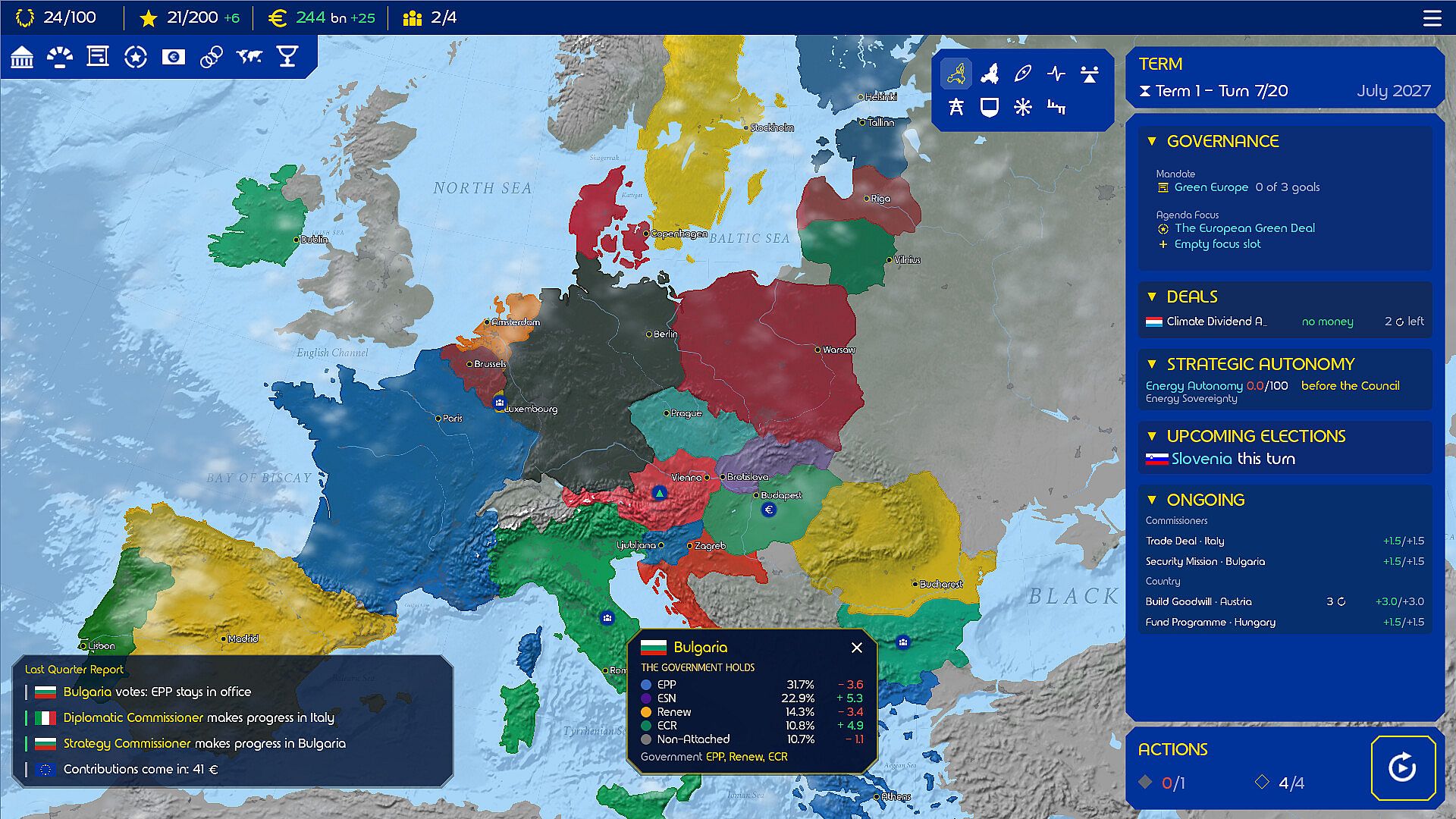
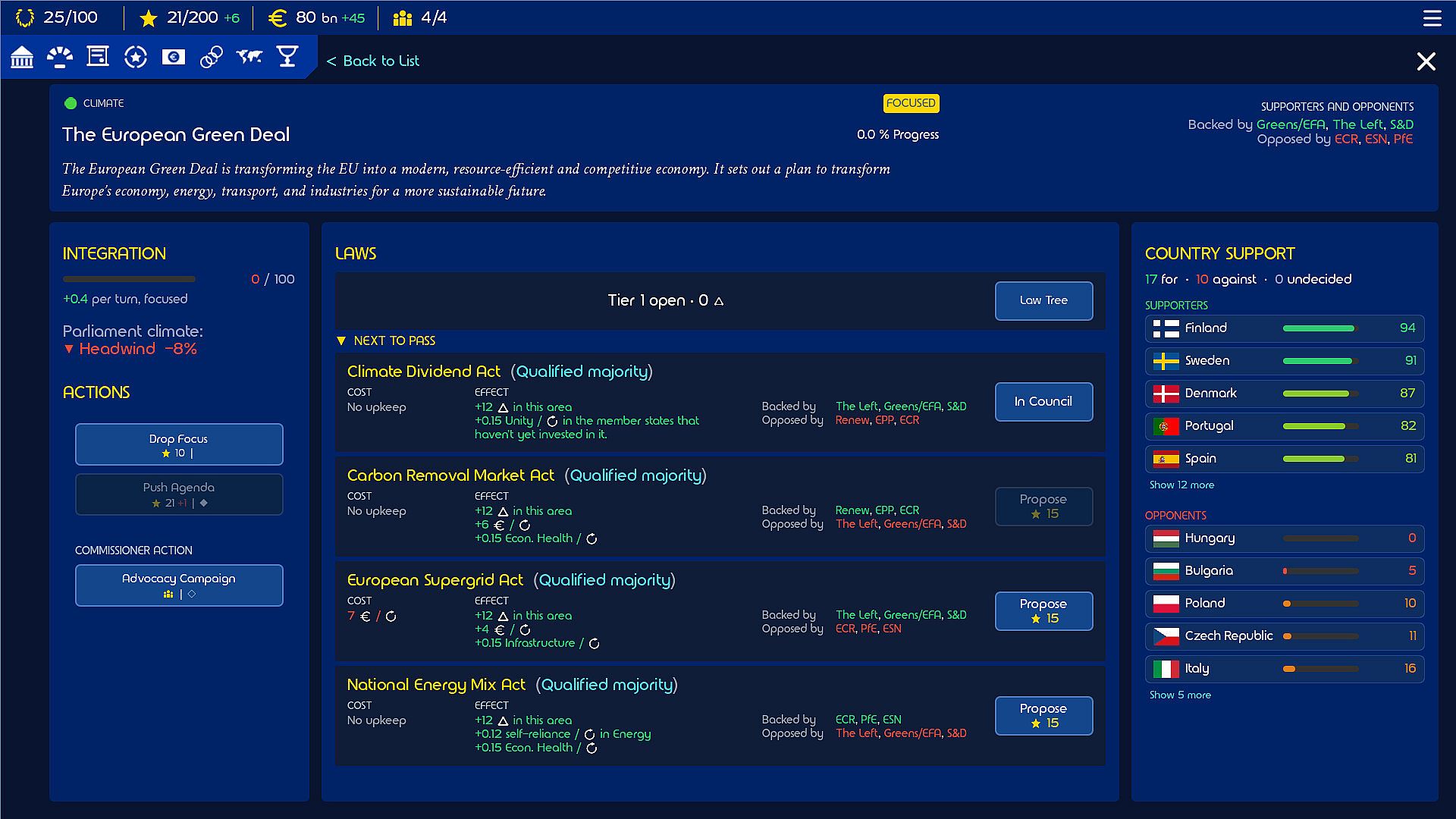
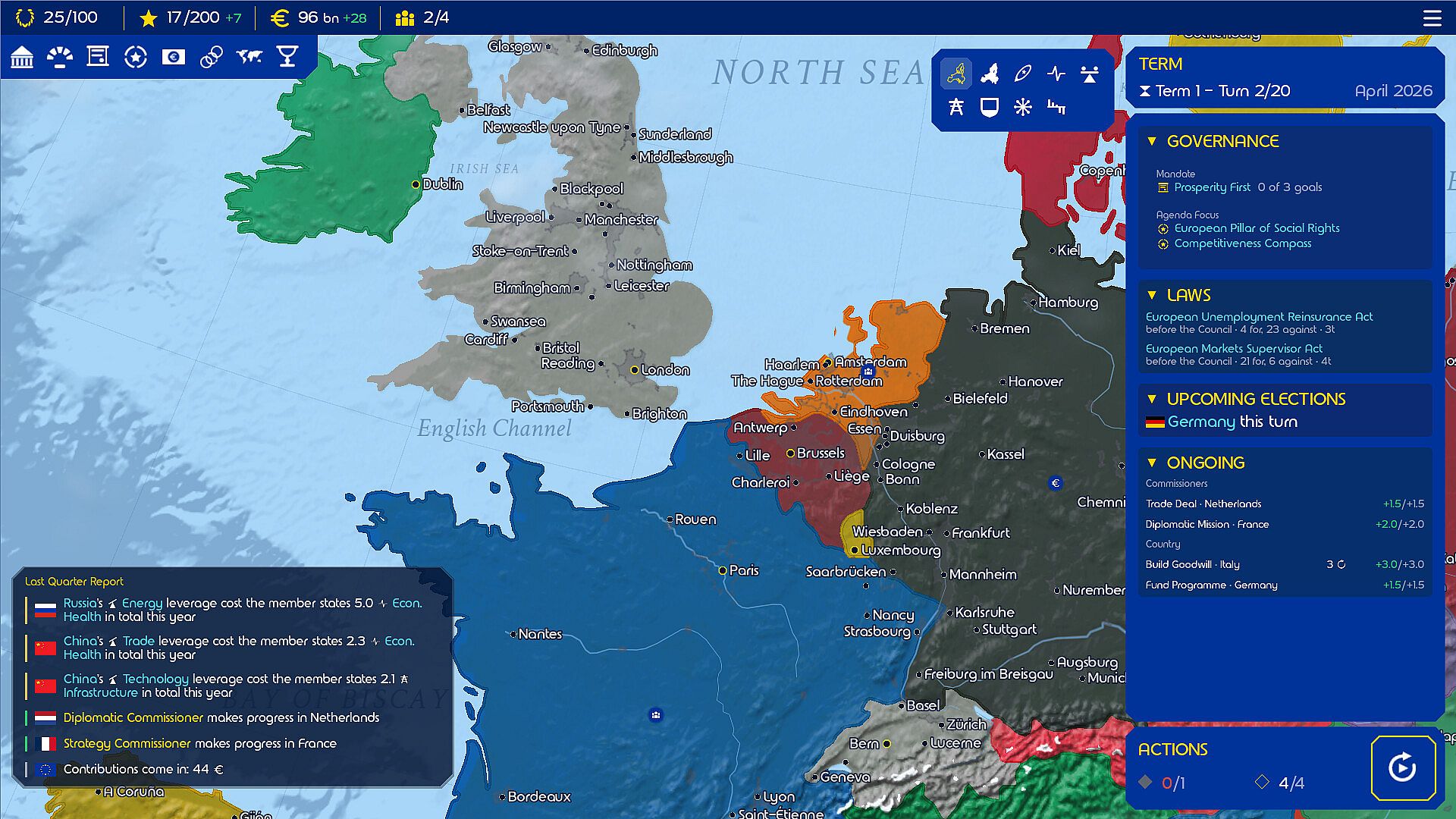
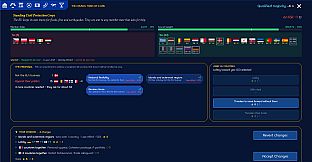
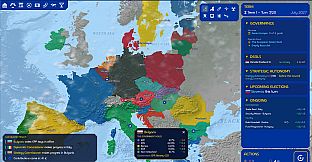
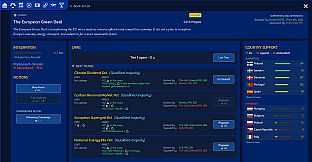
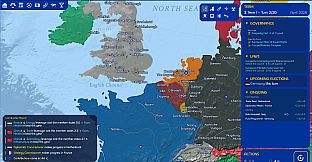
Agendas translate into concrete laws that the player proposes to the Council. Each law carries support or opposition from specific political groups and national governments. Passage requires a majority, which often demands careful timing of debate openings and targeted side deals with individual member states to shift their positions. National elections occur periodically and alter the composition of the Council, potentially flipping a country's stance from opposition to support or the reverse. A nation's economy, stability, and overall view of the EU influence these electoral outcomes, rewarding players who maintain positive relations with pro-EU parties.
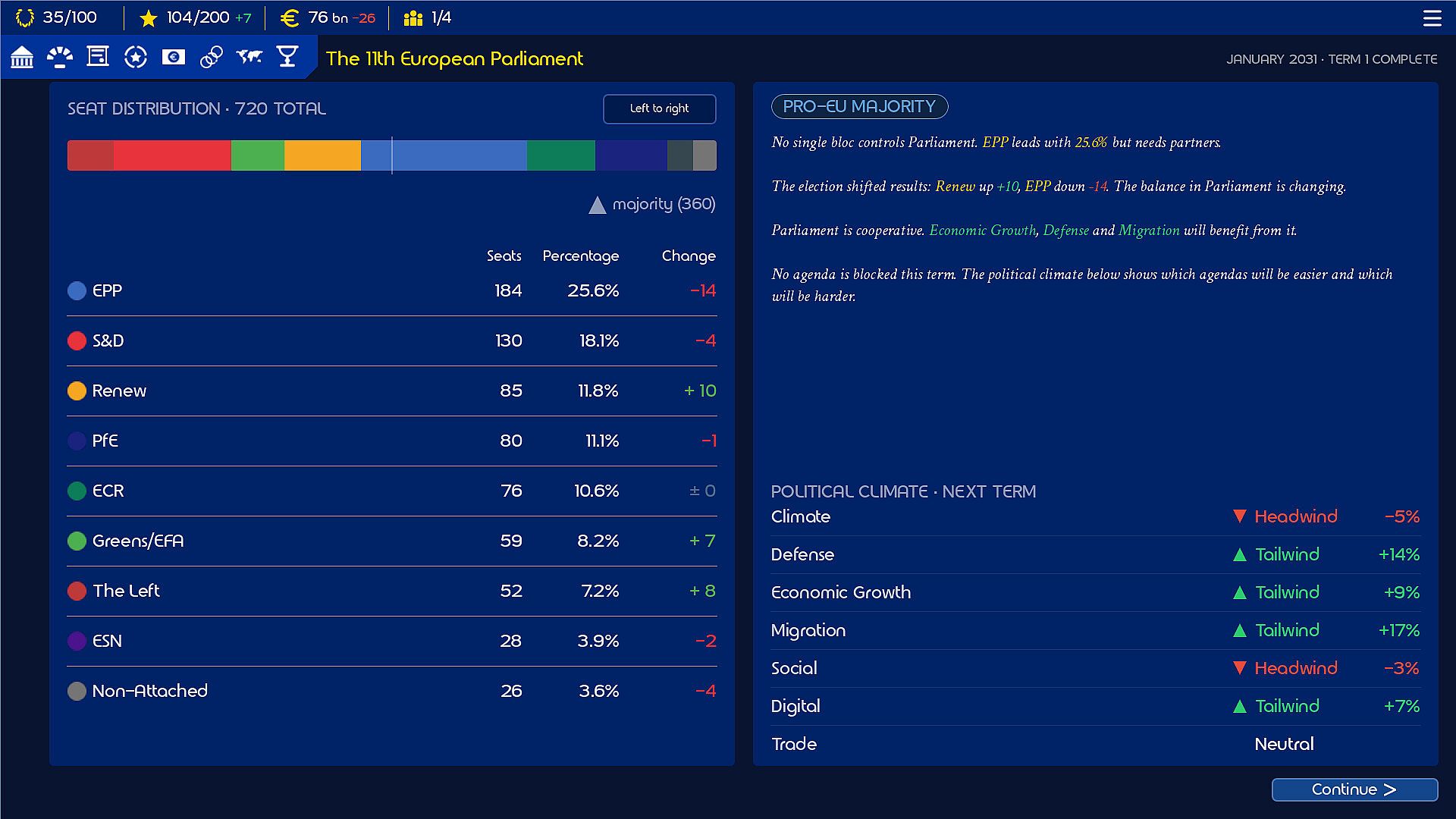
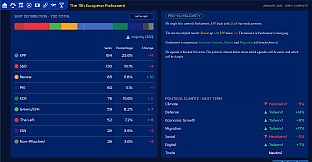
After a full term, European Parliament elections reflect the cumulative impact of the player's choices. The results provide either headwinds or tailwinds for future Agendas, easing progress in some areas while complicating others. The Personal Mandate is then evaluated, and the Council may back another term if conditions align. External events from friendly partners and hostile neighbors introduce unpredictable challenges, while the possibility exists that the set of member states at the start of a campaign will differ by the end.
Game Modes
The game operates as a single continuous campaign structure built around successive five-year terms. Players begin with a chosen character and Personal Mandate, then navigate quarterly decisions, law proposals, national elections, and the mid-term Parliament vote. Re-election serves as the primary progression goal, allowing continued play with the same or a new president depending on performance. The system emphasizes replayability through varying starting conditions, event sequences, and the evolving political landscape rather than separate named modes.
Key Mechanics and Systems
Influence management forms a central tension. Focusing on particular Agendas accelerates progress toward mandate goals but reduces the resources available for negotiation and side deals. Law passage depends on reading the shifting alignments in the Council and Parliament, where majority thresholds must be met through a combination of direct proposals and indirect persuasion. Reputation acts as a long-term currency that affects re-election chances and the quality of available characters in subsequent terms. The event system ensures each playthrough encounters fresh external pressures that test the player's ability to maintain unity across diverse national interests.
Is It Worth Playing?
Ever Closer Union appeals to players who enjoy detailed political simulation and the challenge of balancing competing interests within a complex institutional framework. The emphasis on quarterly decisions, law negotiation, and electoral consequences creates a steady rhythm of short-term tactics and multi-term strategy. Those interested in realistic modeling of EU processes will find the systems for Agendas, Council voting, national elections, and Parliament outcomes rewarding. The game suits single-player sessions focused on careful planning and adaptation rather than fast-paced action. Its depth in managing influence, relationships, and mandate fulfillment rewards repeated campaigns as players refine their approach to uniting the member states.