






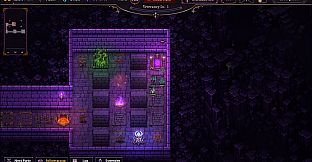
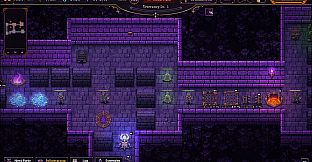
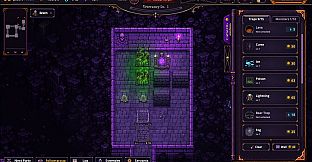
Dungeon Architect: Idle is a strategy RPG for PC that puts players in charge of designing and defending a dungeon against waves of invading heroes. The core experience revolves around constructing layouts, positioning defenses, and upgrading forces in an idle-friendly format that rewards both active planning and passive progression.
Gameplay
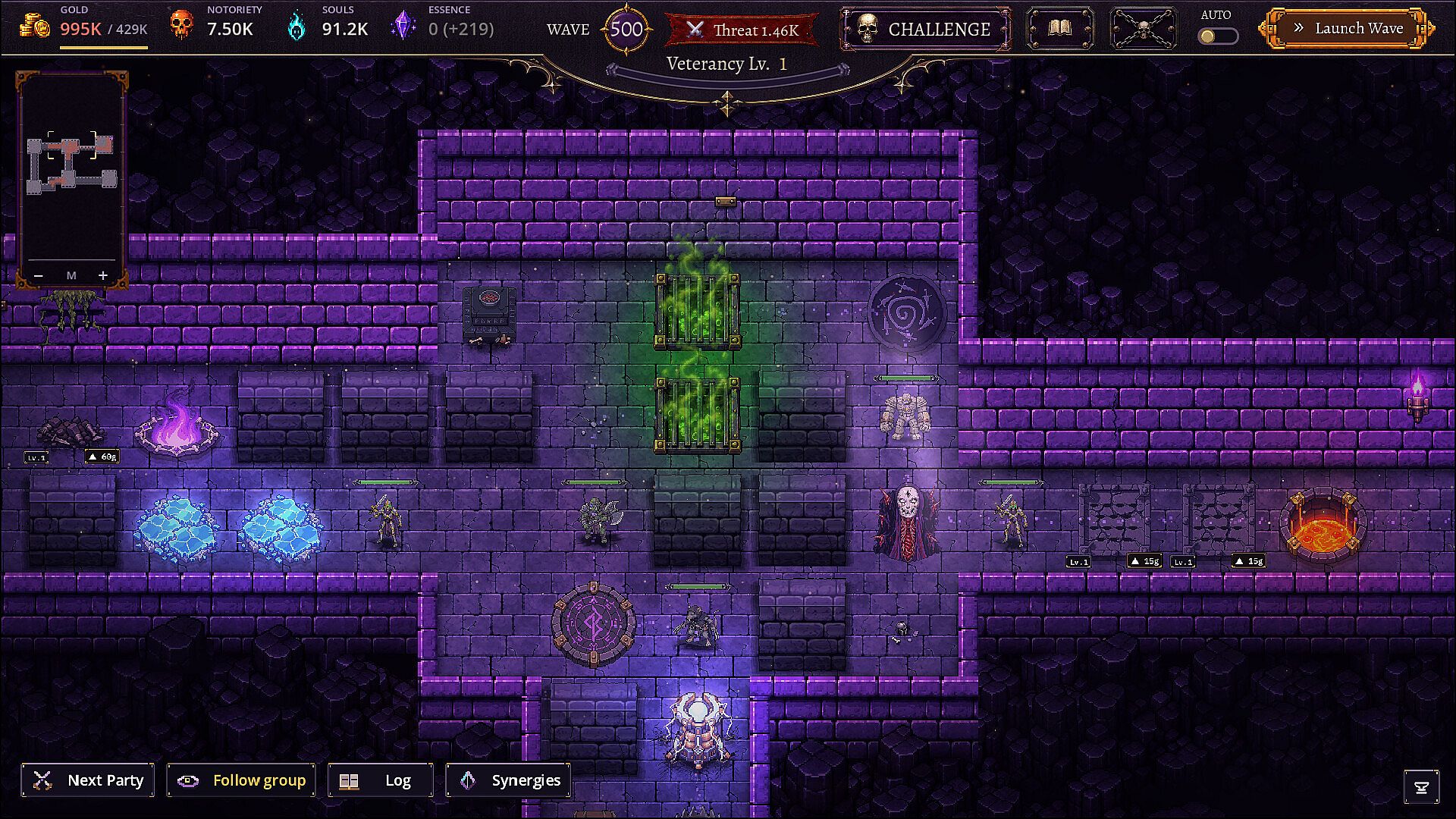
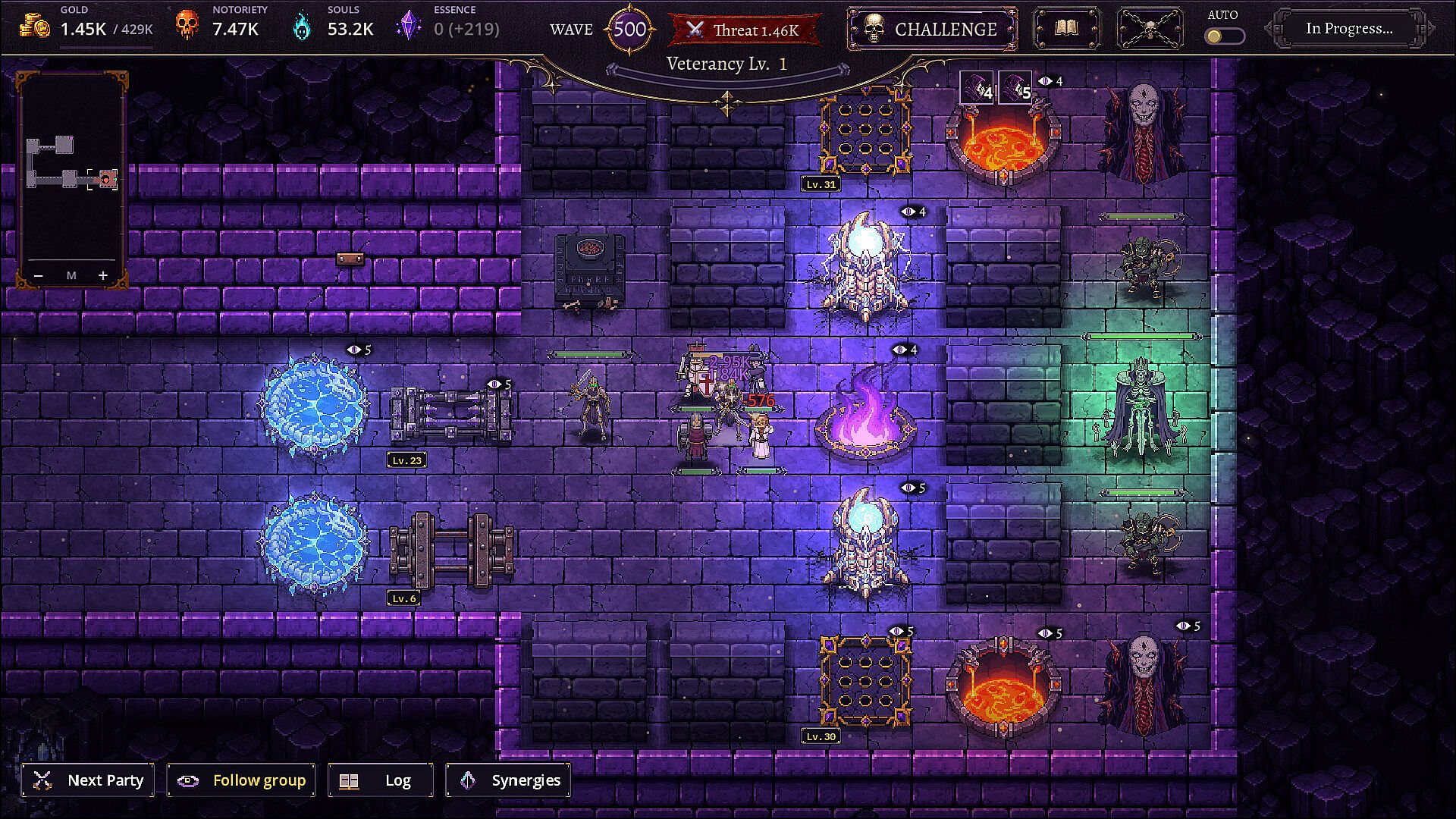
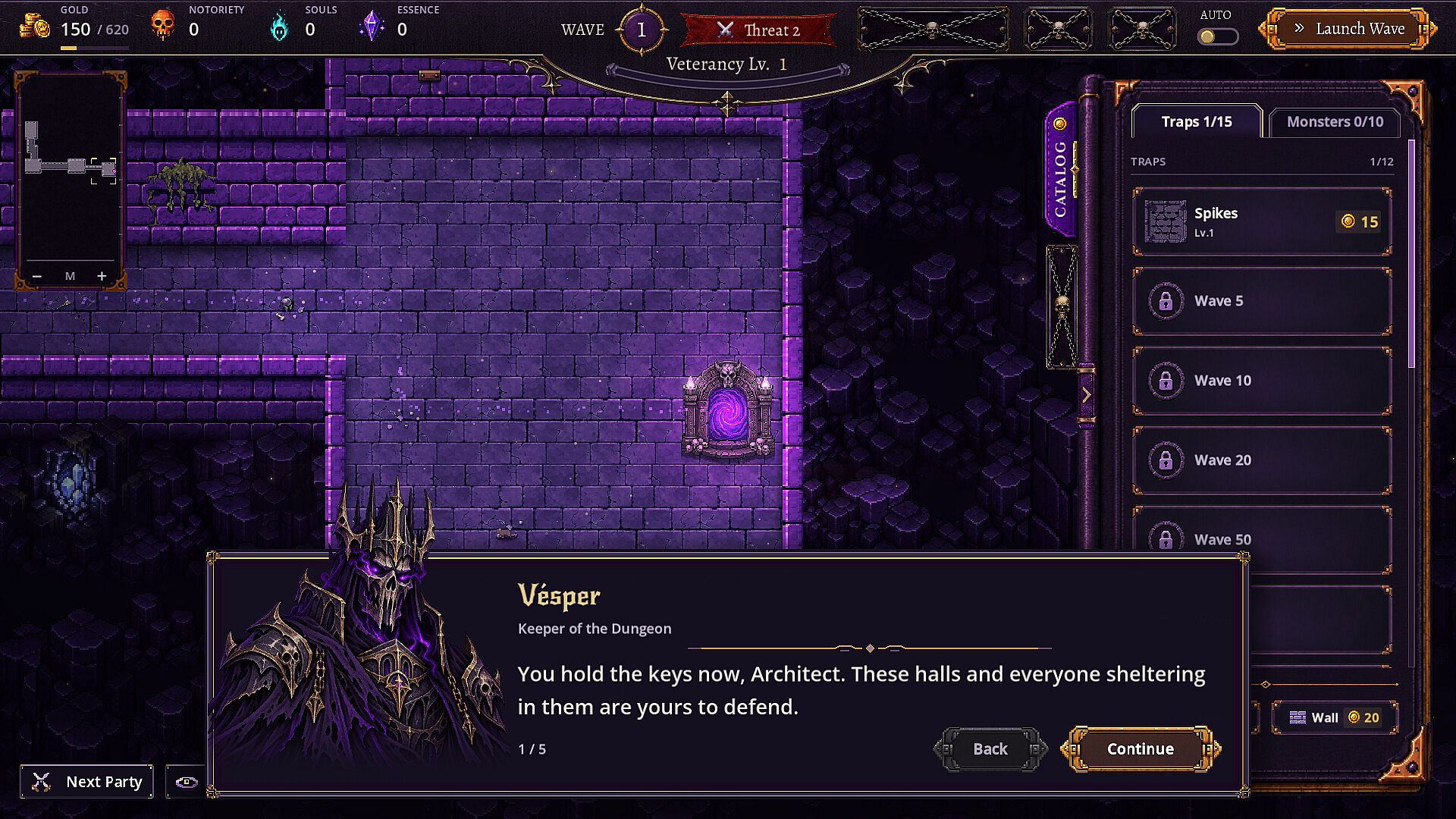
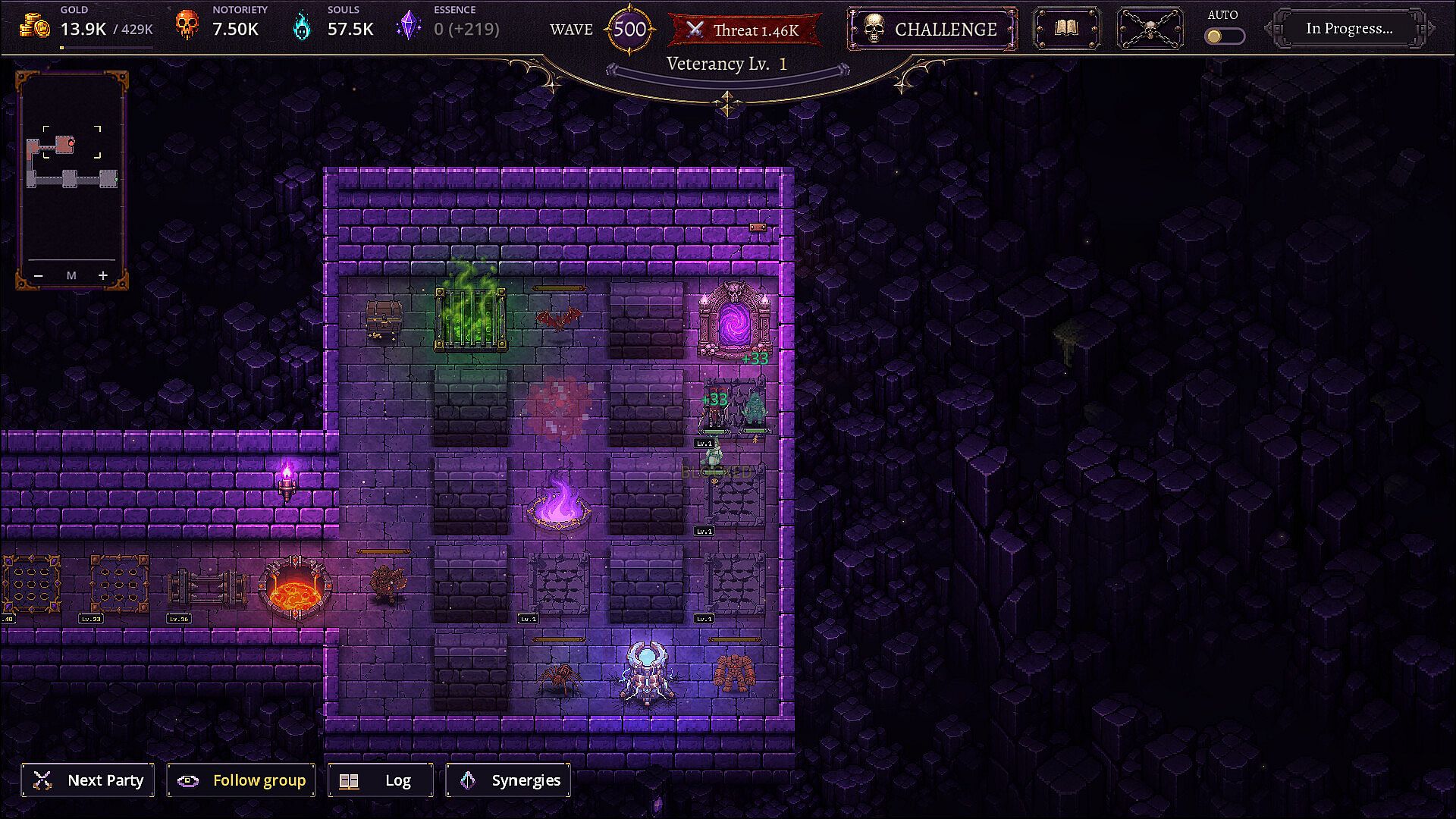
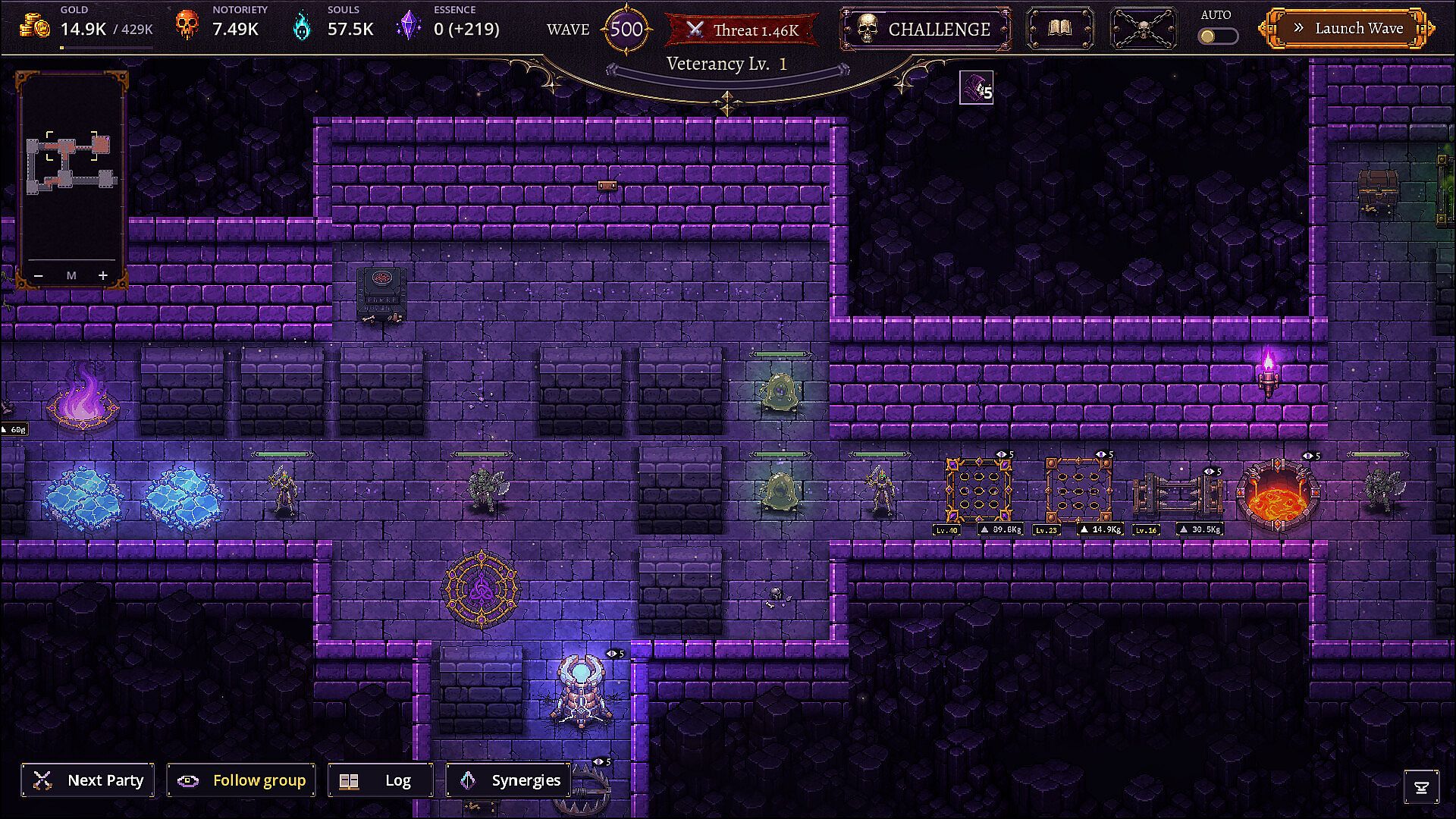
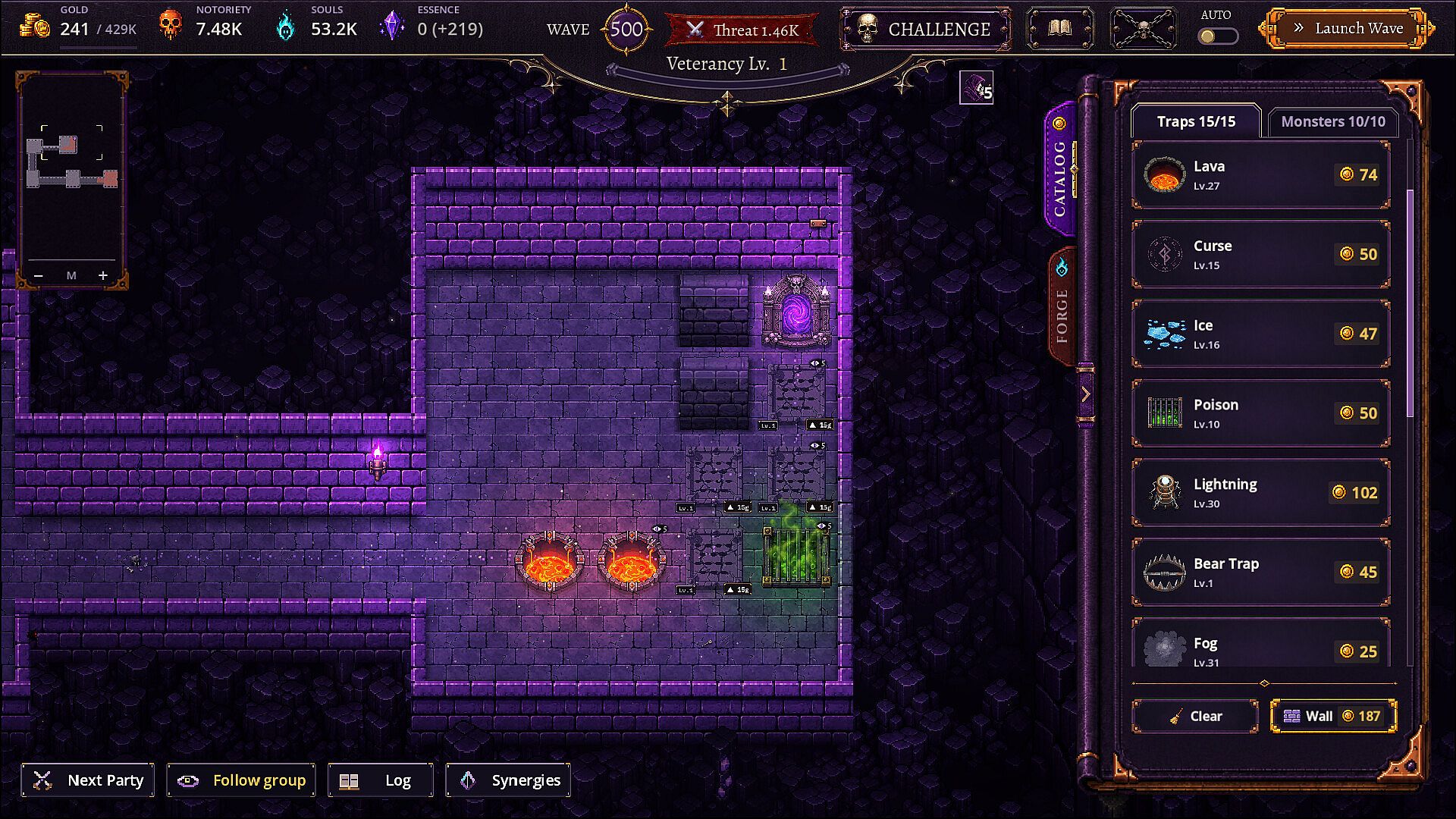
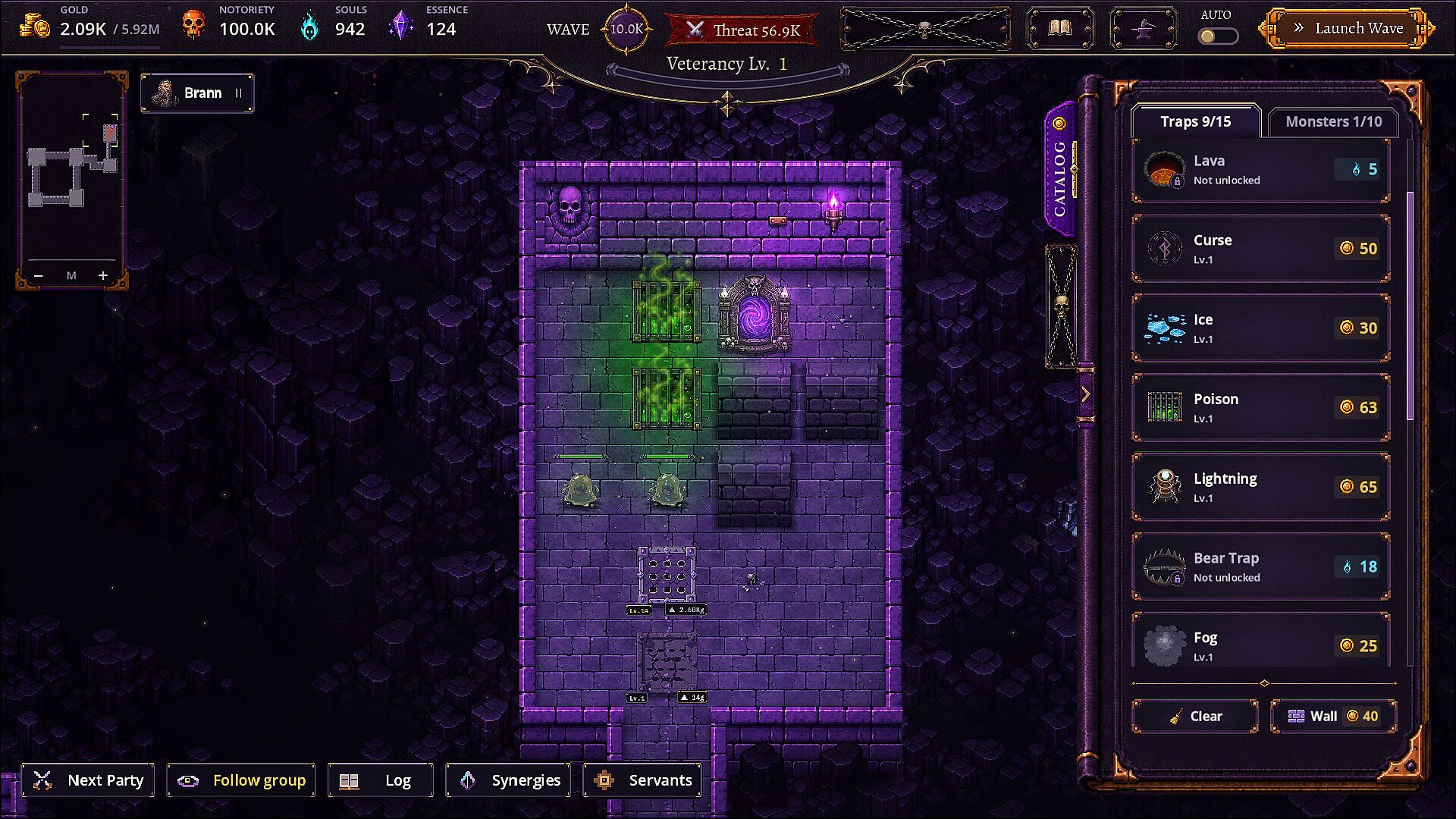
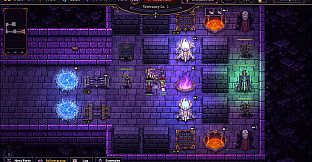
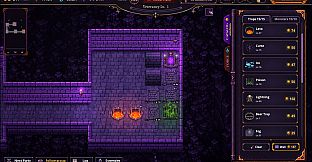
Players shape the dungeon by building walls and routing paths to funnel heroes into traps and monster encounters. Traps start basic but combine elements like fire, lightning, poison, and spikes to create varied and escalating threats across successive waves. Monsters such as skeletons, orcs, and golems serve as frontline defenders and can be raised into stronger forms to hold positions while traps activate.
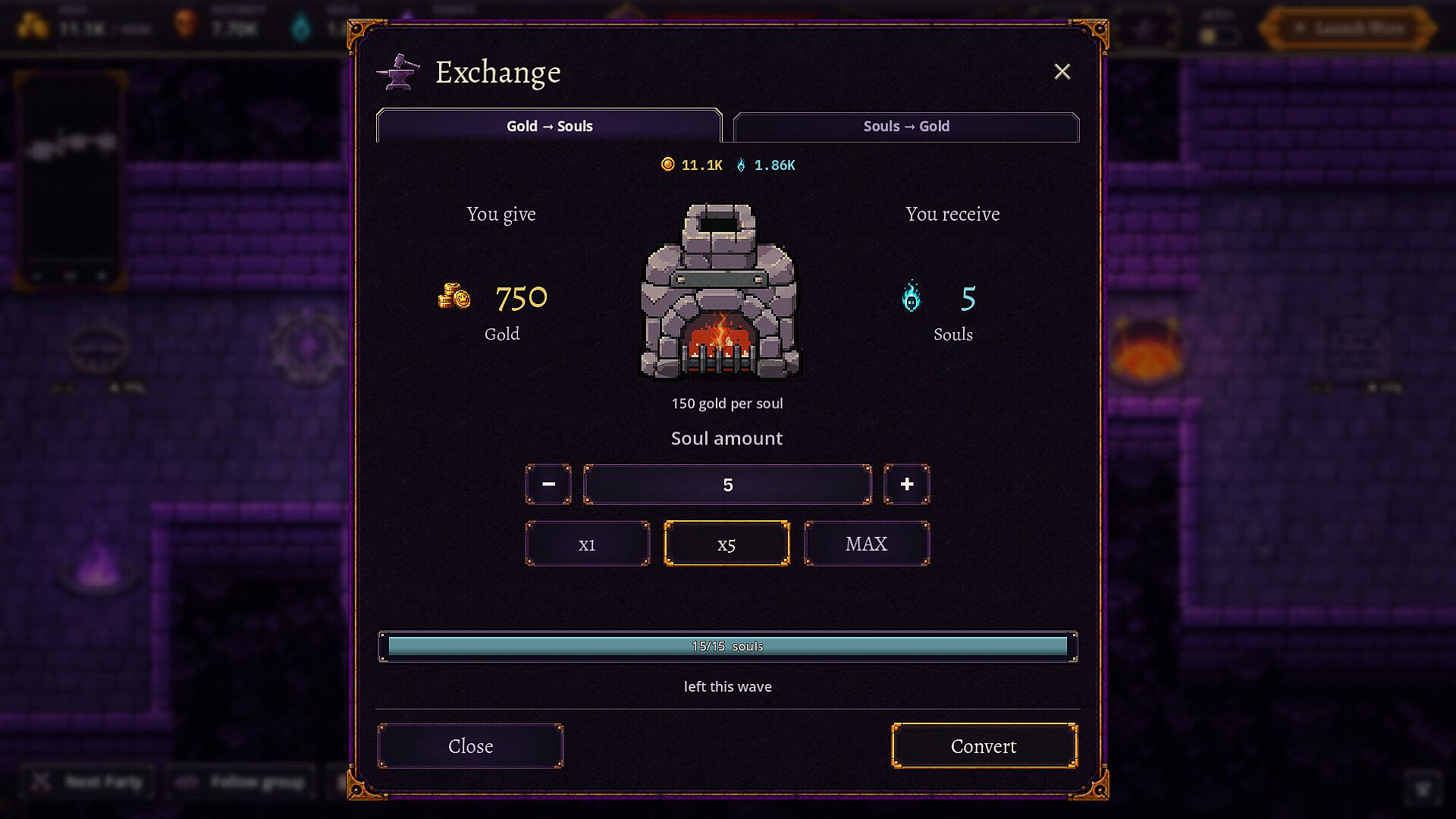
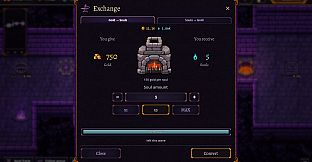
Special guardians add unique capabilities at the dungeon exit. The Skeleton King summons reinforcements during combat, while the Hydra deploys multiple heads to strike at different targets. Resources flow from defeated heroes in the form of gold and souls. Souls purchase direct upgrades to traps and monsters, while gold converts into souls or vice versa through alchemy to accelerate the next round of improvements.
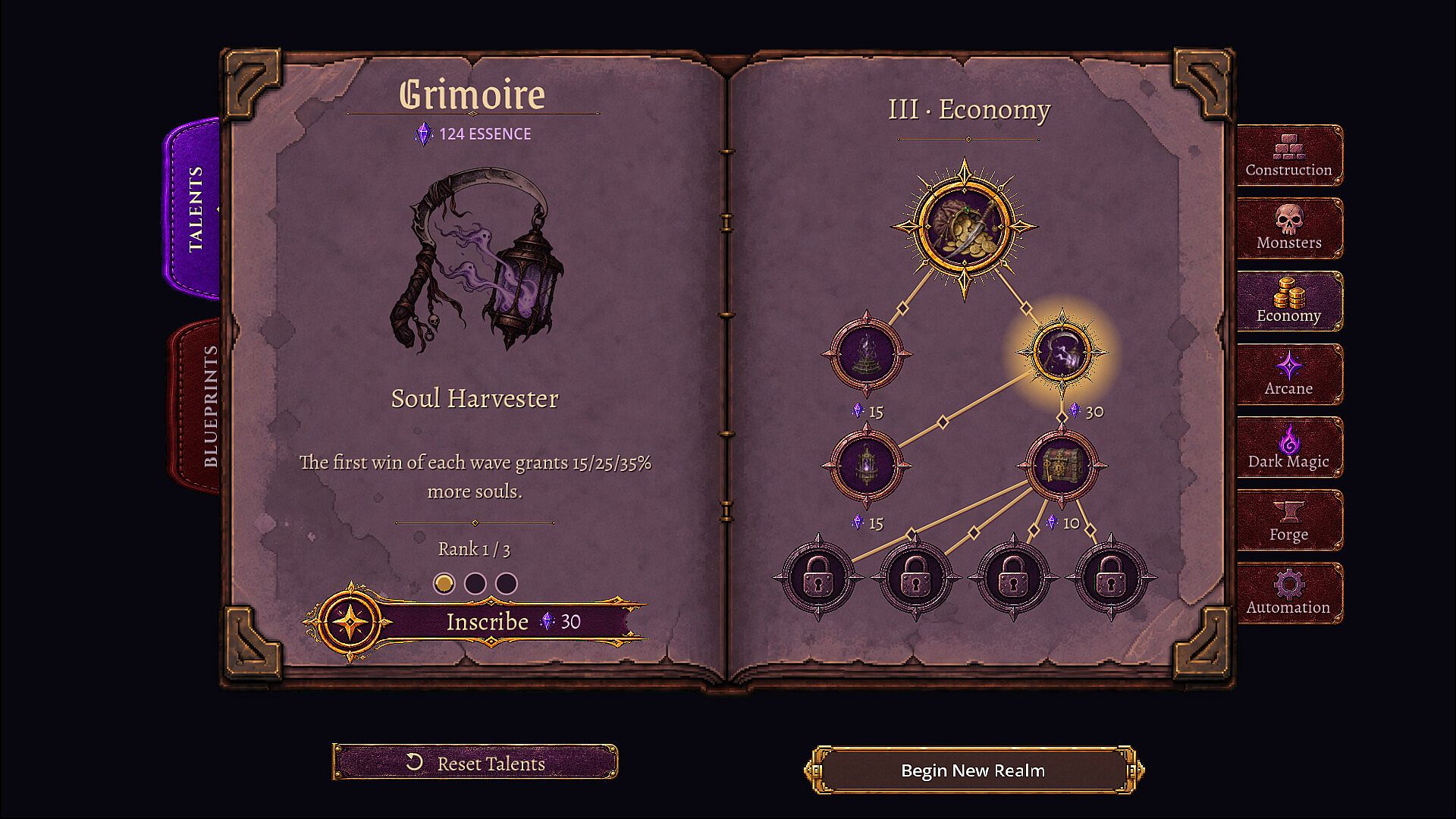
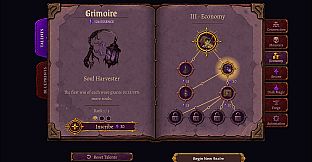
Progression expands through talents and blueprints unlocked with dark essence. These systems open new construction options, defensive strategies, and growth paths. Automation features let players set priorities so the dungeon continues operating efficiently even during offline periods. Prestige resets provide permanent bonuses that make subsequent runs faster and more powerful from the start.
Game Modes
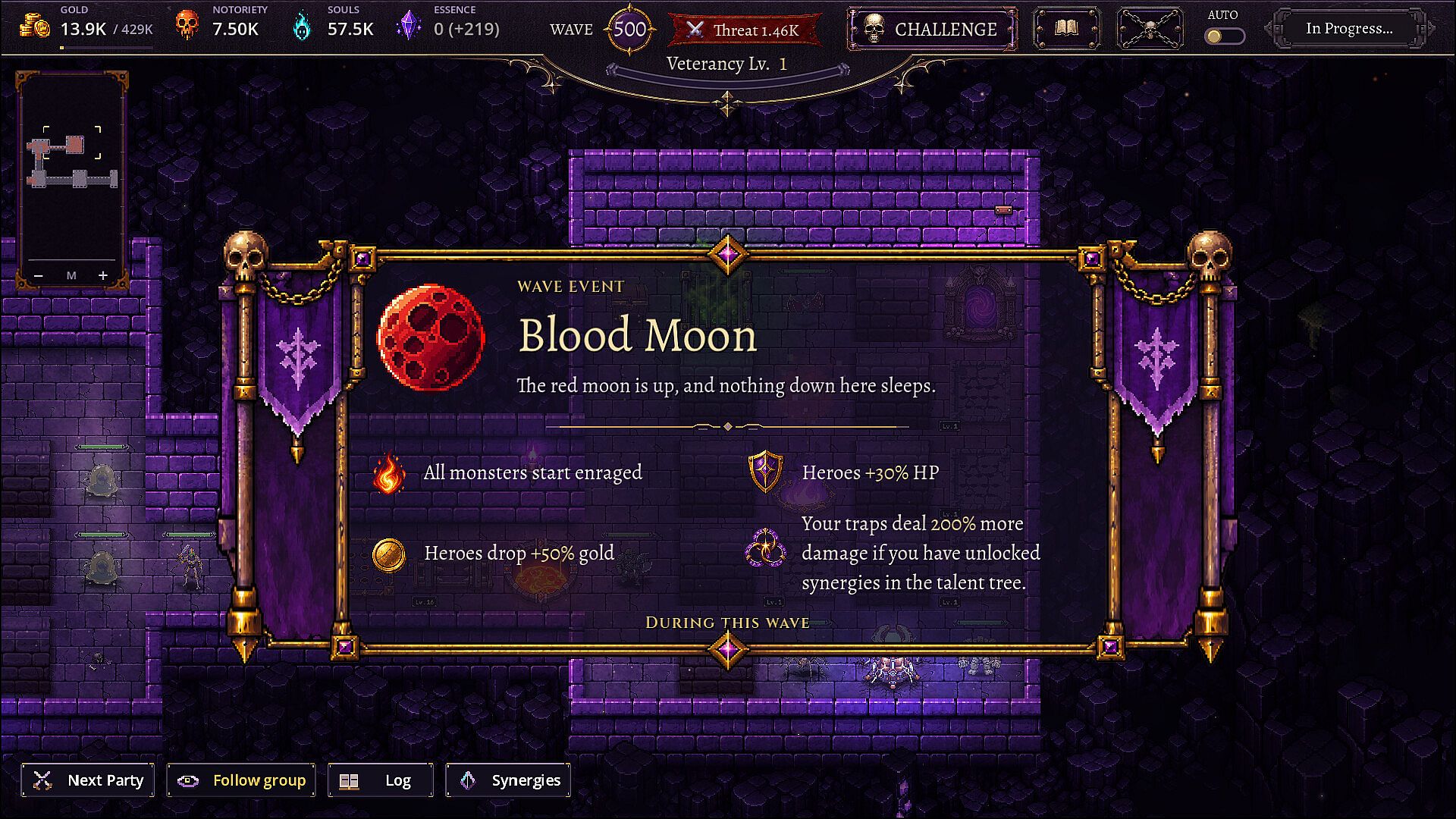
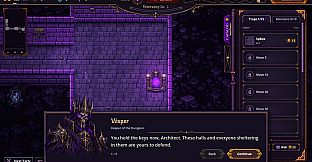
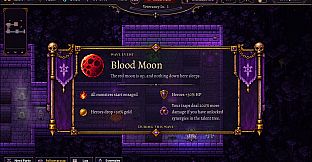
The primary loop centers on surviving successive waves of heroes with increasing difficulty. Each wave tests the current dungeon configuration, and successful defenses yield resources for further upgrades. Wave events alter the rules temporarily, forcing adjustments to trap placements or monster lineups to handle the changed conditions.
The Crusade stands out as a distinct challenge that deploys an elite party of warriors and paladins. This event demands stronger preparations and can reward substantial gains when overcome. Personalities among the heroes influence their behavior: greedy ones prioritize treasure rooms, paranoid ones seek safer routes, cowards may retreat, and leaders bolster their companions. These traits require flexible dungeon designs that account for different hero priorities rather than a single static layout.
Seven classes among the heroes further diversify encounters. Better equipment on these heroes makes later waves tougher, encouraging ongoing investment in trap combinations and monster evolutions. The idle elements allow extended runs where the dungeon handles threats autonomously once priorities are set.
Progression and Upgrades
Dark essence serves as the key currency for unlocking new talents and blueprints. Spending it reveals additional ways to arrange rooms, layer defenses, and scale monster strength. Equipment upgrades for monsters and traps compound over time, turning early simple setups into complex networks that handle tougher hero groups.
Alchemy bridges the two main resources by allowing conversions between gold and souls. This flexibility keeps momentum going when one resource runs low. Prestige runs reset the current dungeon but carry forward lasting improvements, shortening the time needed to reach high wave counts in future attempts.
Automation options reduce manual intervention. Players define priorities for resource spending and trap activation, enabling the dungeon to operate continuously. This setup suits both short sessions focused on major upgrades and longer periods of background progression.
Is It Worth Playing?
Dungeon Architect: Idle suits players who enjoy strategy RPGs with strong idle components and dungeon defense mechanics. The emphasis on trap combinations, monster evolution, and resource management creates a satisfying loop of planning and observation. Wave-based challenges and events like the Crusade add variety without requiring constant input once systems are established.
Those who prefer hands-on combat or narrative-driven experiences may find the focus on layout design and passive defense less engaging. The game rewards experimentation with different trap synergies and guardian choices, particularly for players comfortable with prestige systems that reward repeated runs. Availability on PC makes it accessible for extended idle sessions or quick adjustment periods between waves.











