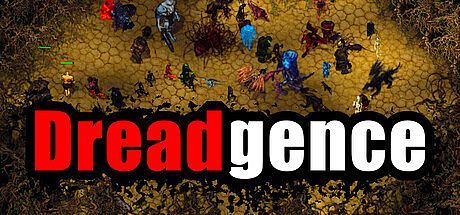


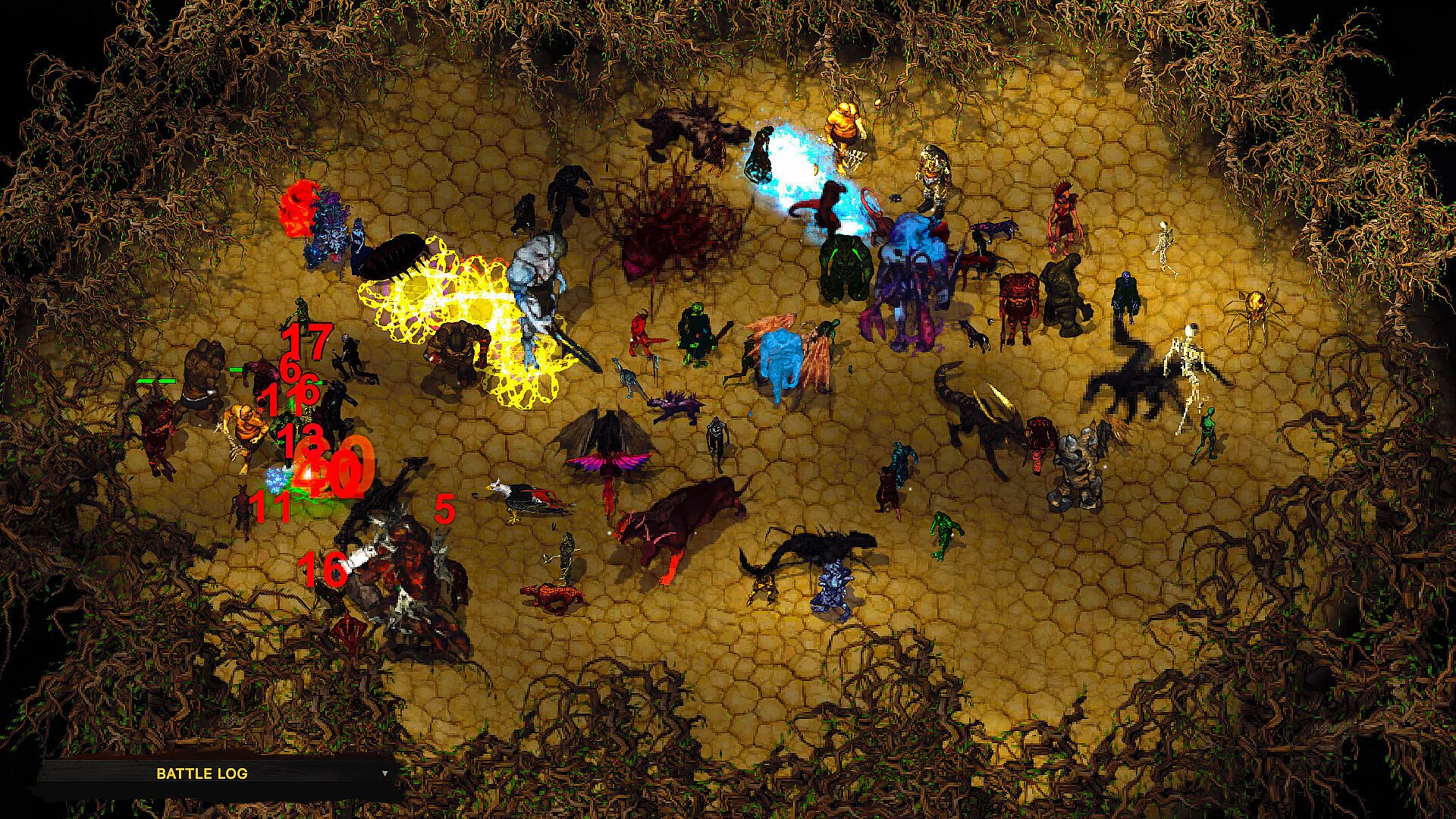
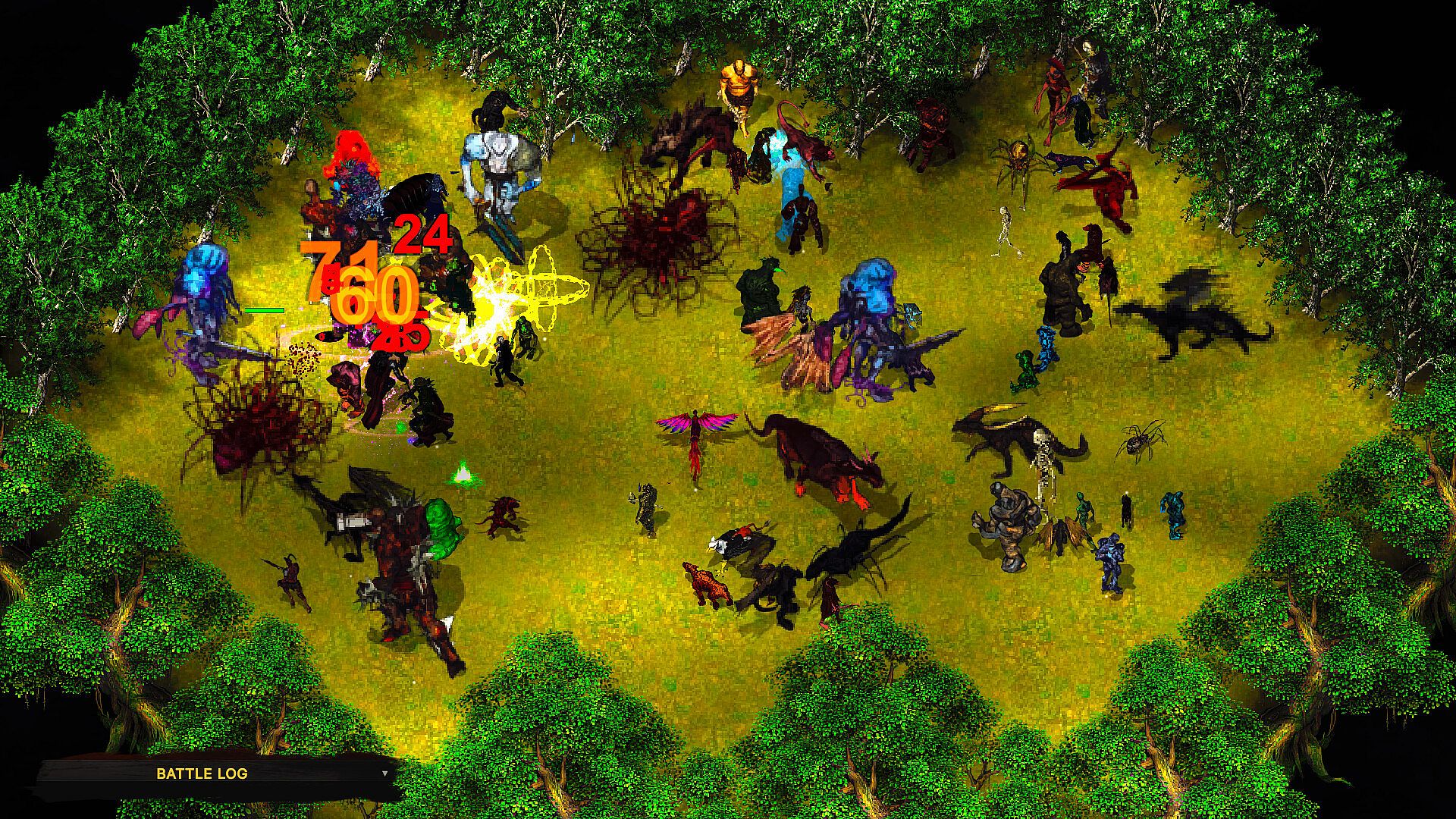
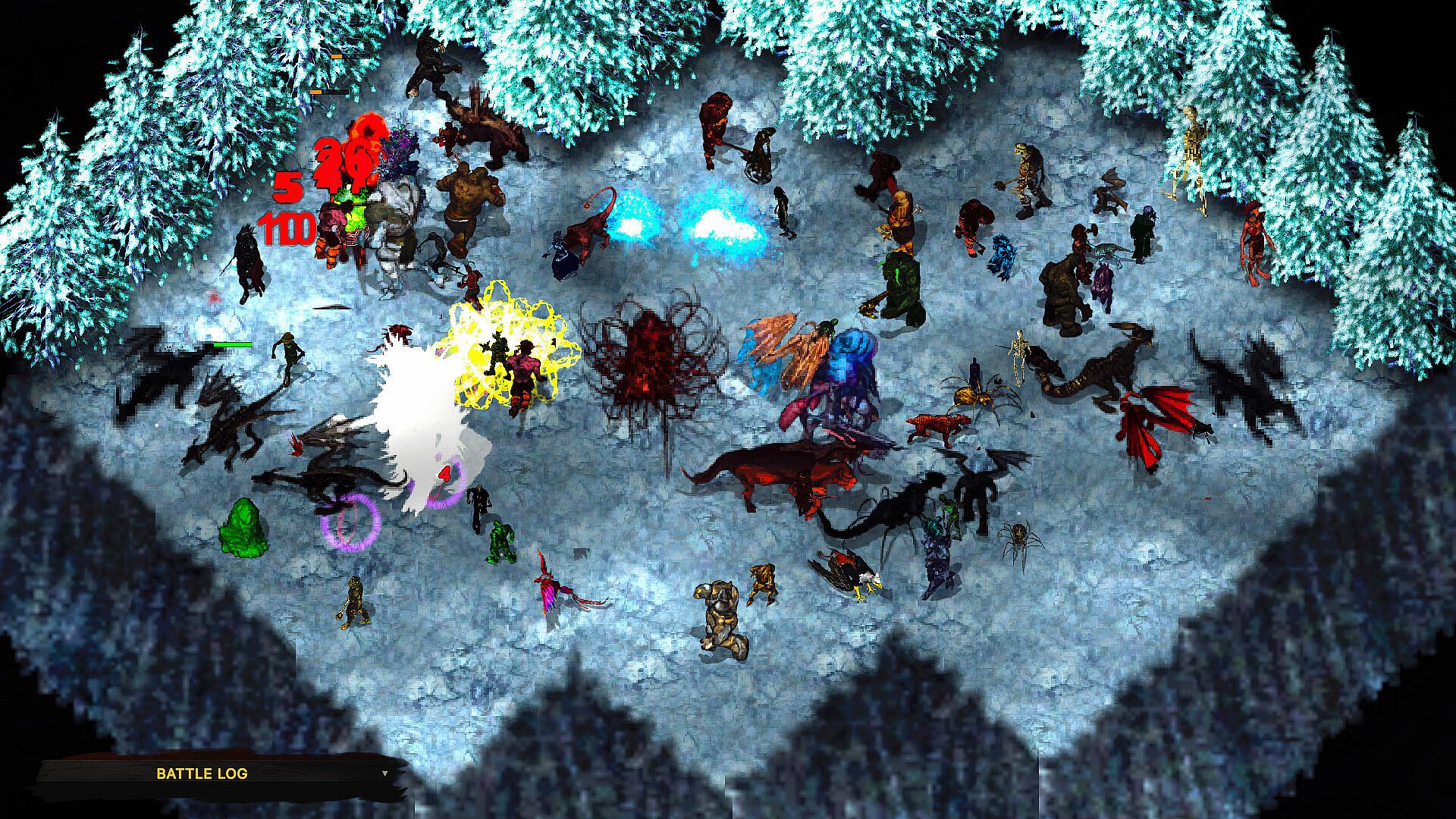
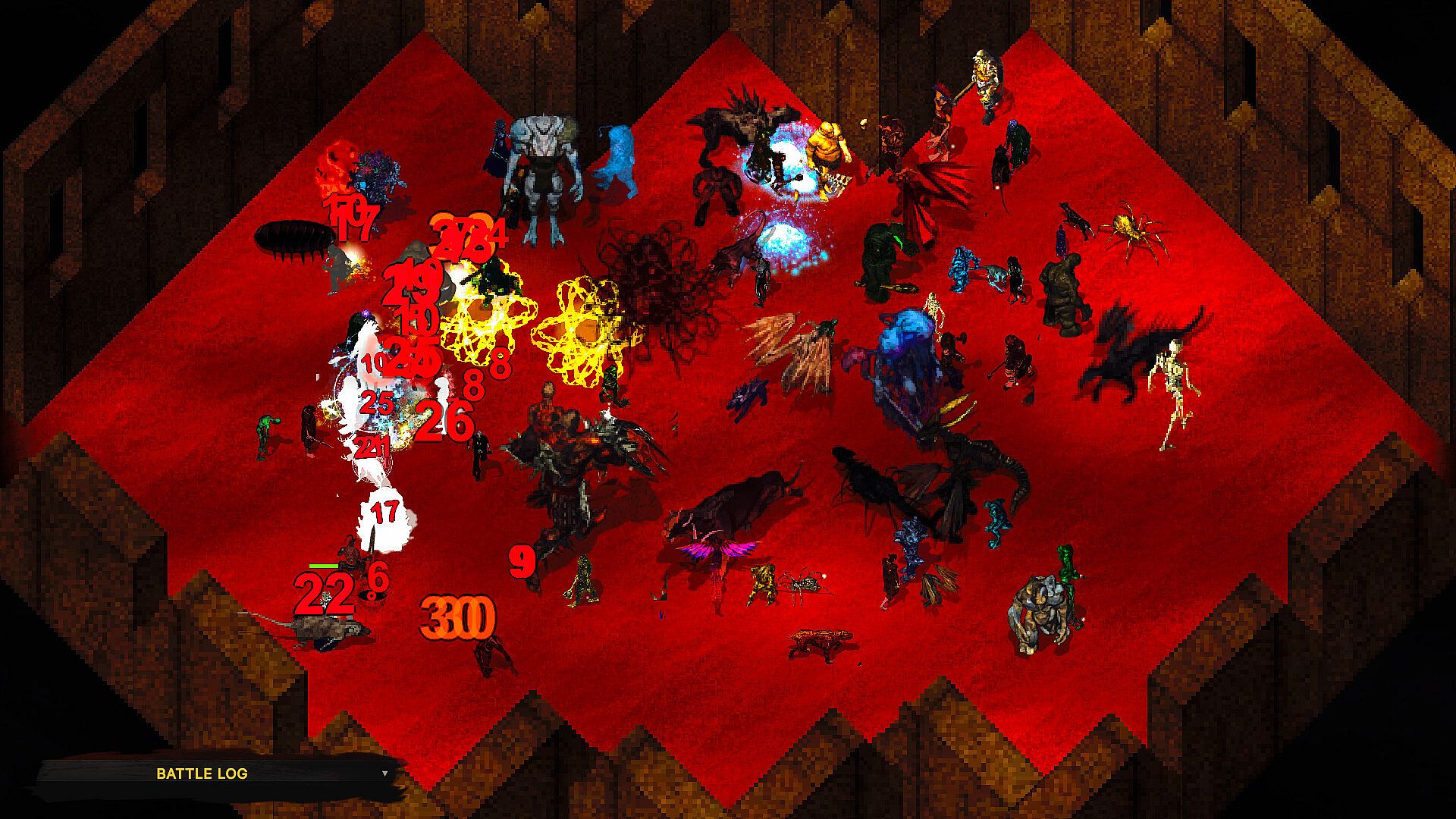
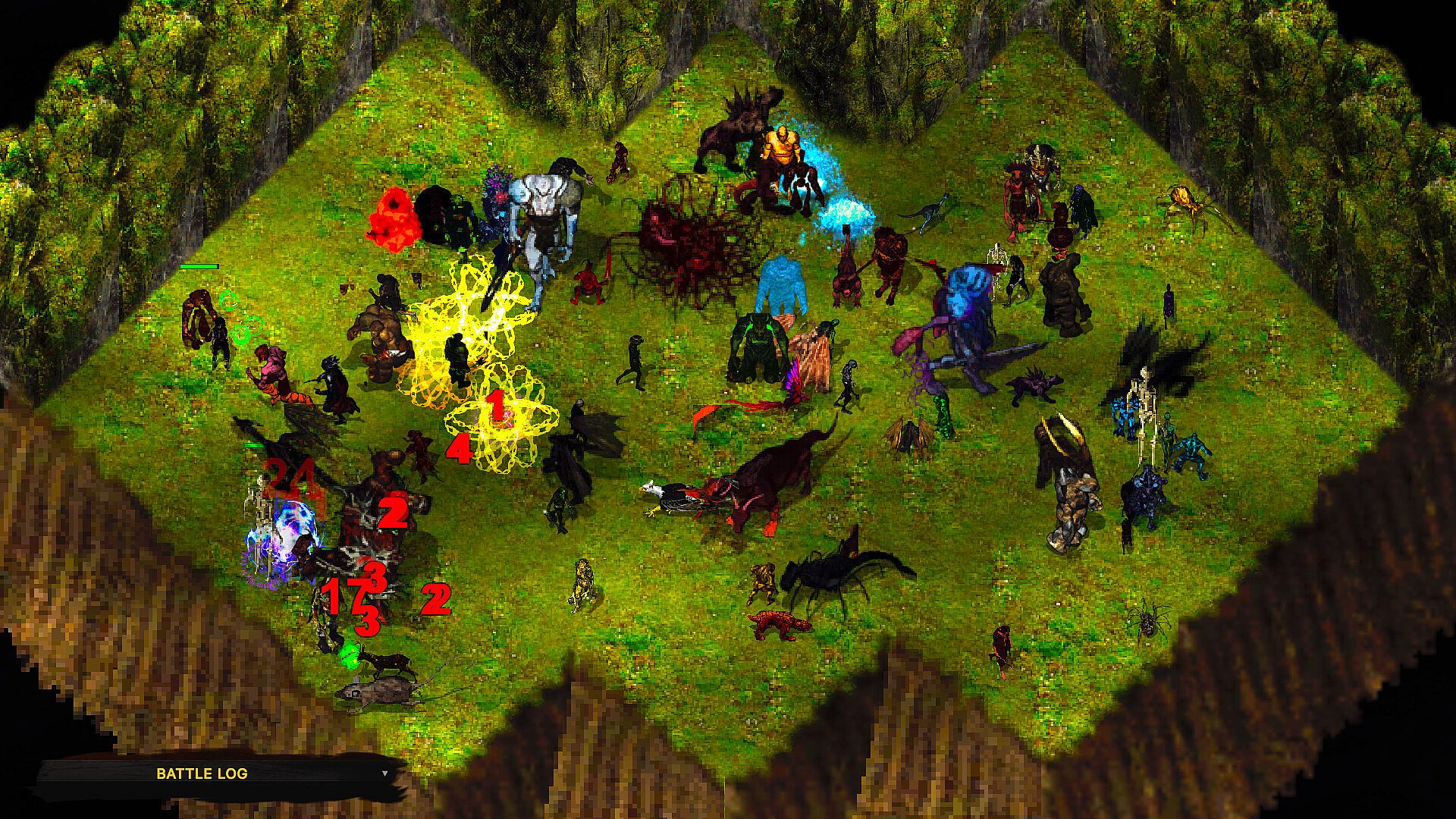
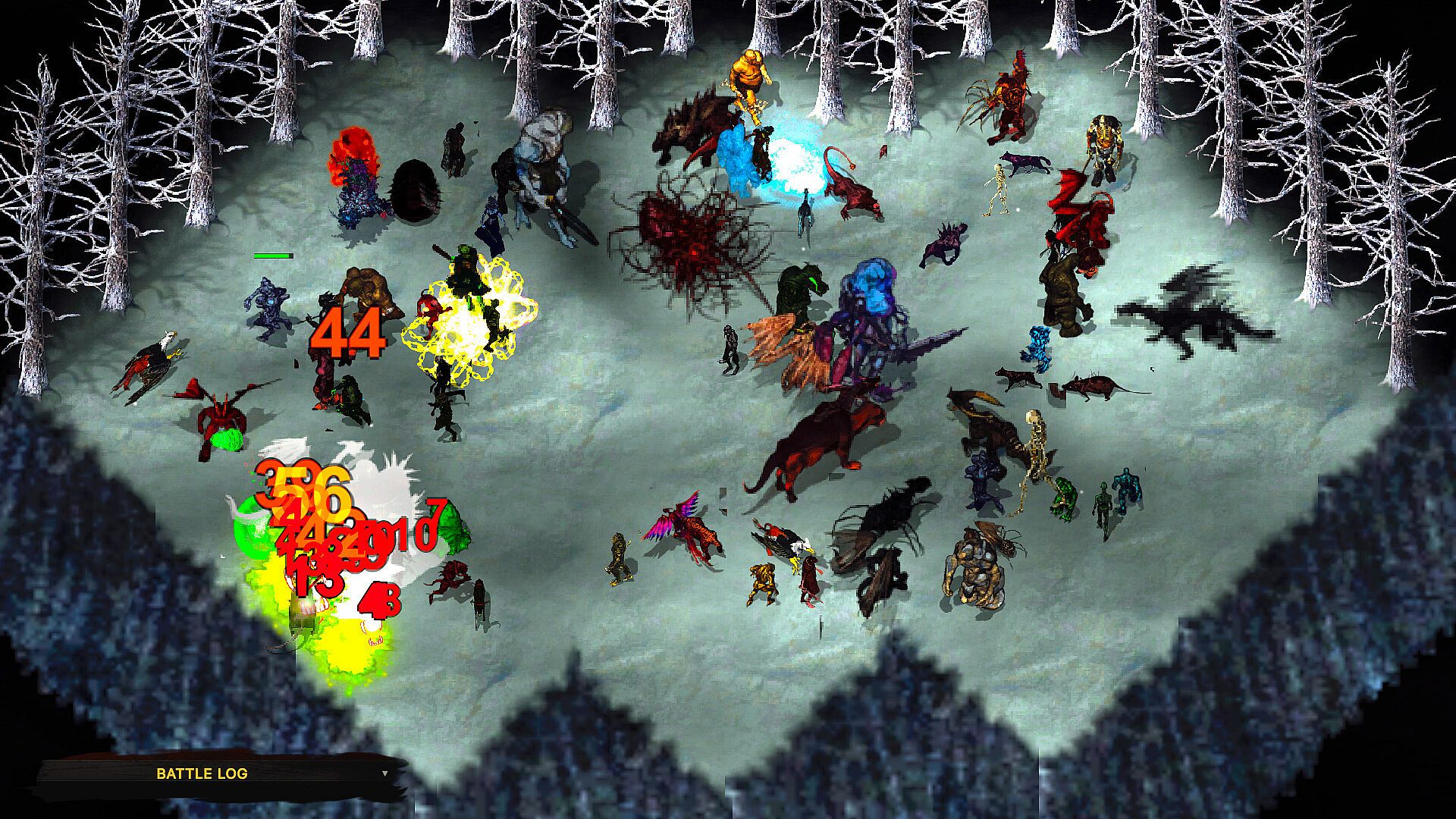
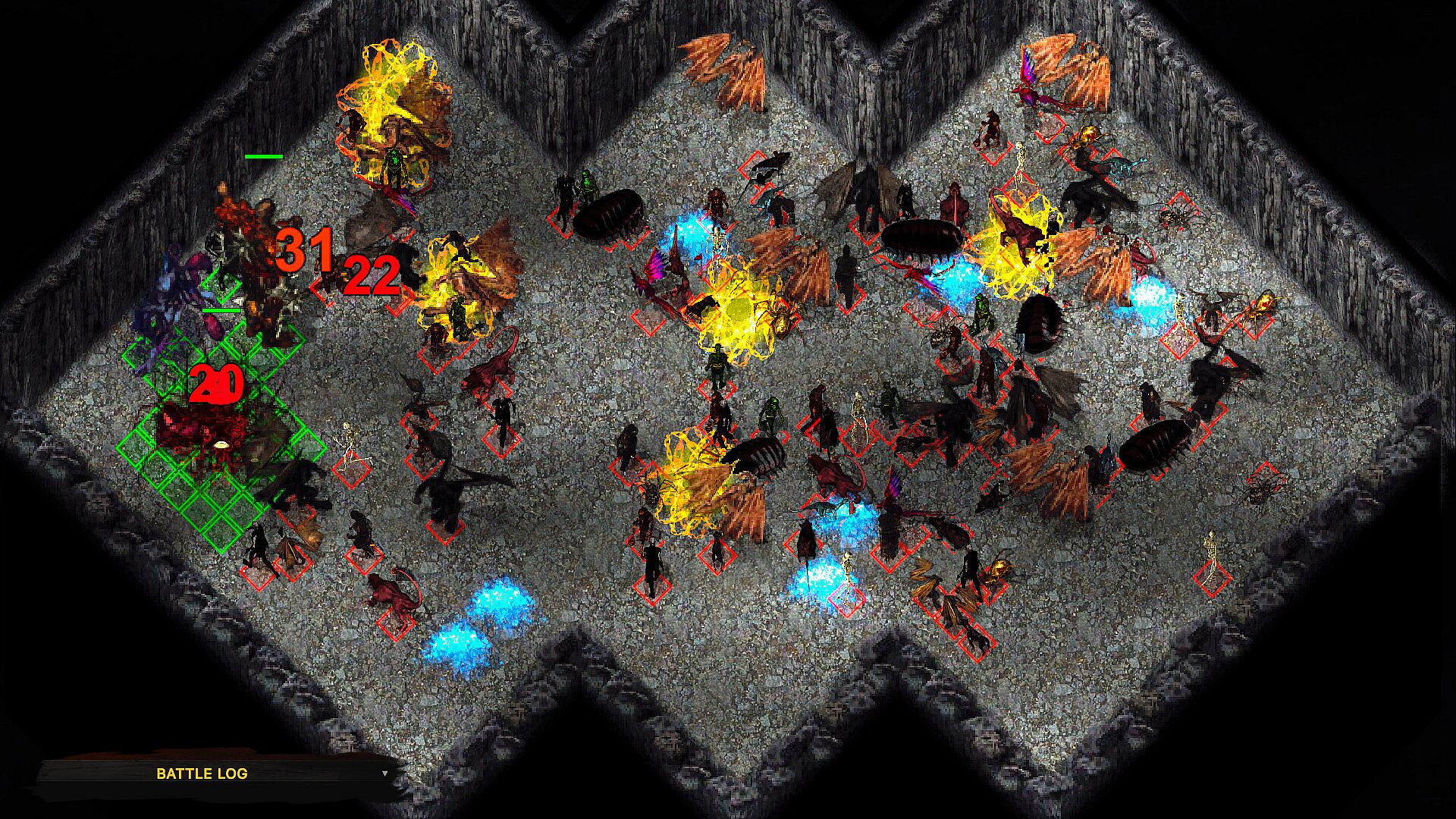
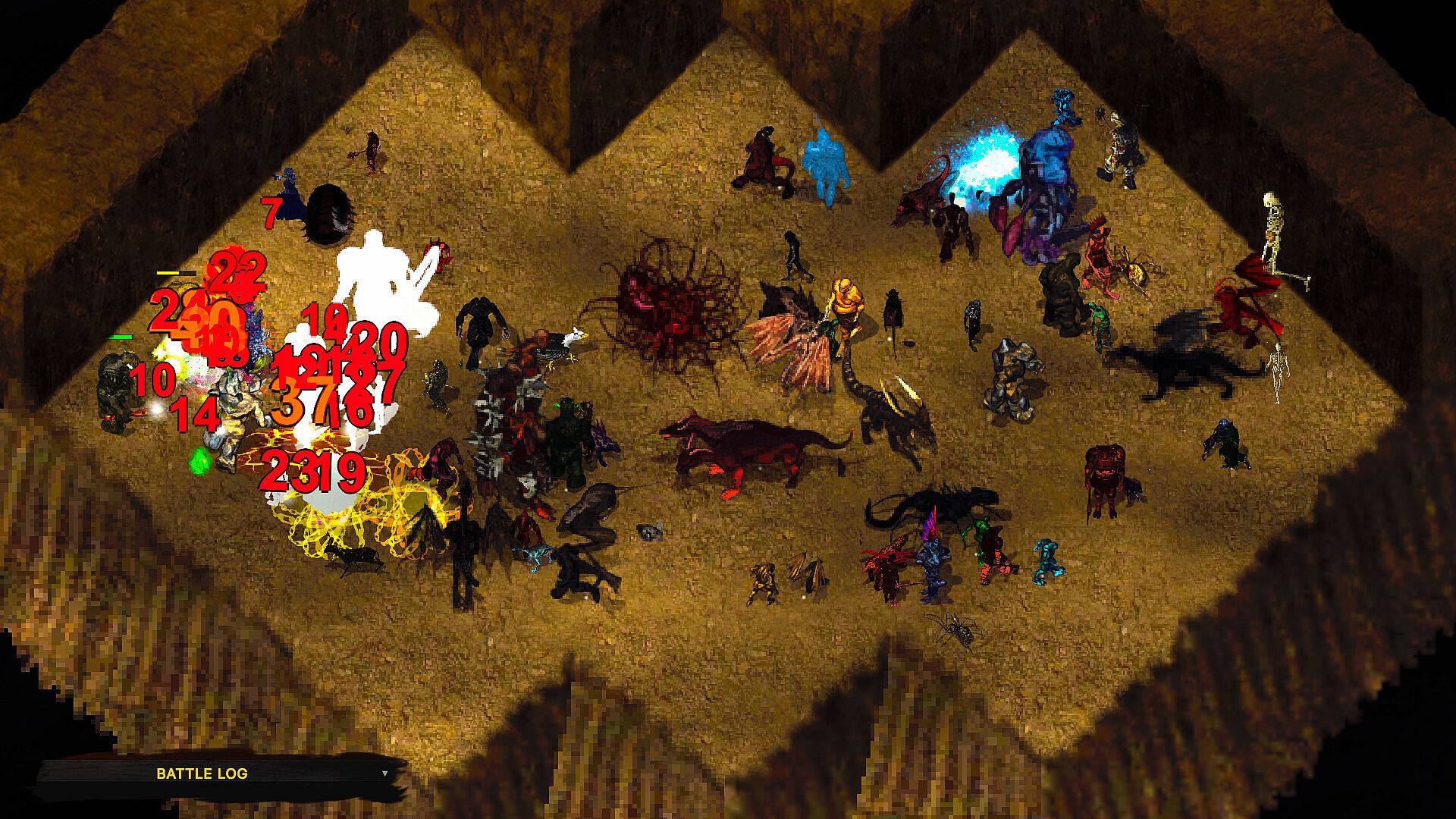
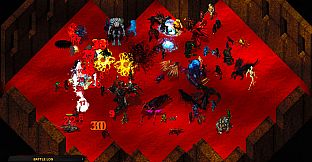
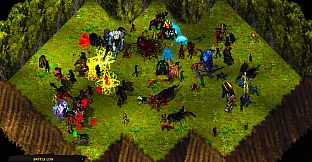
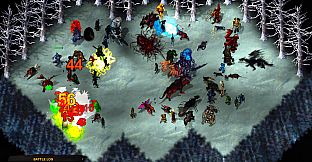
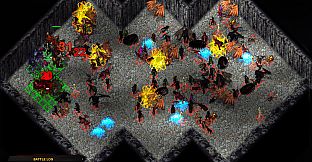
Dreadgence is a single-player autobattler strategy game with indie RPG, casual, and simulation elements available on PC. Players assume the role of the Blank Leaf, a being cut from the Atlas and placed into the wounds of a dead god. The experience centers on careful preparation rather than direct control, where every outcome stems from choices made before deployment.
Gameplay
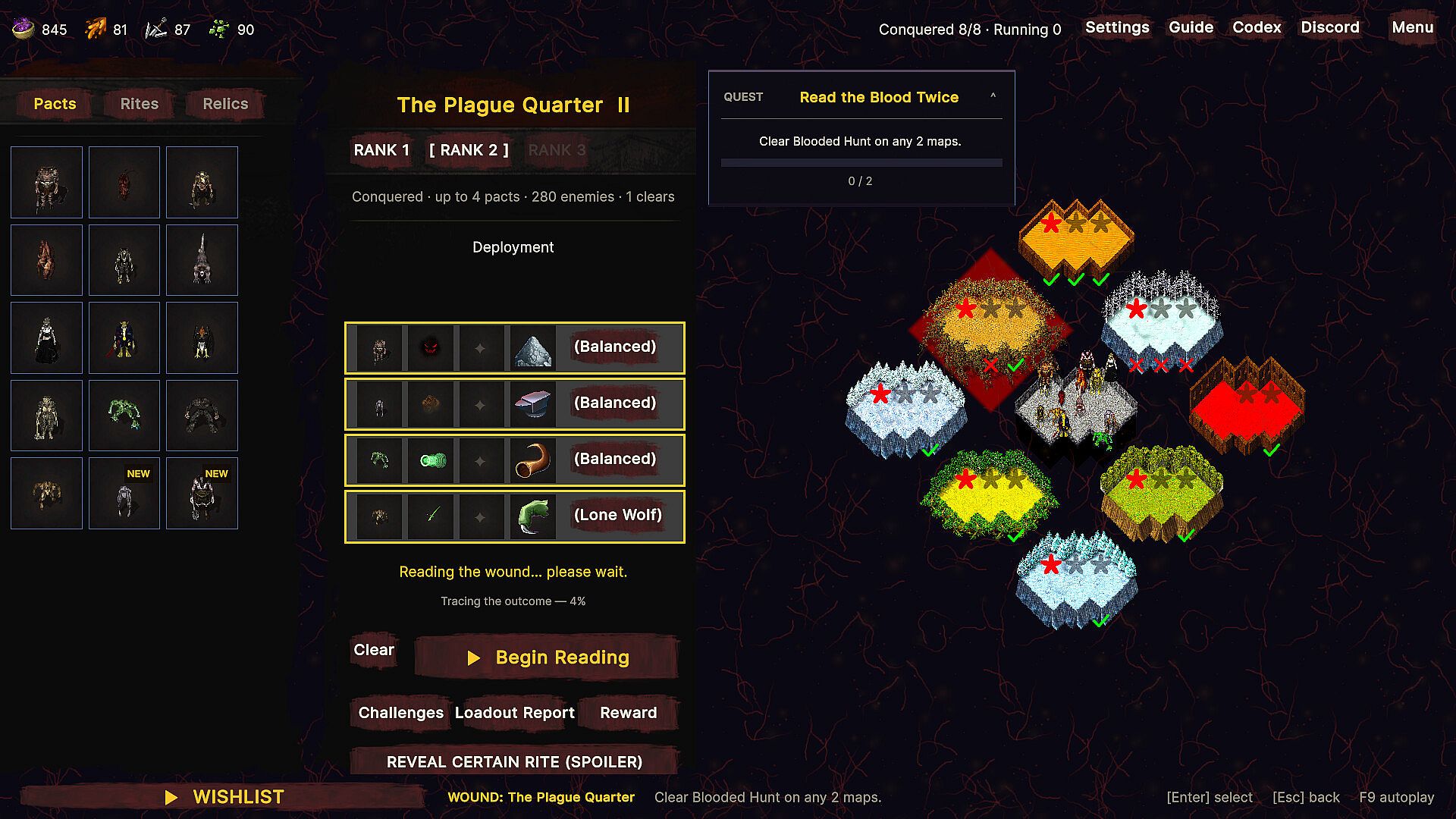
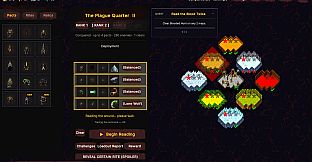
The core loop revolves around selecting monsters, equipping them through pacts, and sending them into wounds to observe the results. Preparation determines success entirely, with no mid-battle intervention possible. Monsters become pacts by claiming their last name upon defeat, and deepening these pacts reveals more of their history to alter behavior on the field.
Rites function as repeatable sentences extracted from wounds. Attaching two rites to a pact shifts its battlefield role in meaningful ways. Relics serve as physical contradictions to the Atlas record, and ranking them up unlocks hidden clauses that influence performance. Readings provide perfect simulations of past events, allowing players to test compositions against fixed outcomes tied to specific seeds.
Automation handles repetitive readings so the game can clear content, purchase upgrades, and redeploy units independently. Offline progression continues while away, presenting a welcome back reckoning upon return that accounts for ongoing wound activity. The system emphasizes legibility, with enemy behaviors such as fleeing in panic, splitting on death, or healing-focused bosses designed to remain clear without ambiguity.
Game Modes
Progression unfolds across twenty-four distinct wounds, each functioning as a self-contained puzzle with its own horror and required solution. Players tackle three deepening ranks per wound, earning a guaranteed certain rite upon successful completion of a rank that proves resistant. The structure rewards loadouts tailored specifically to each wound's mechanics rather than raw power.
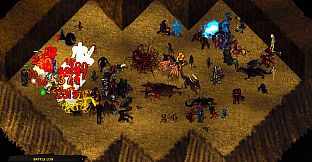
Every run operates as an independent test of foresight. A composition that succeeds against one wound produces a verifiable answer that the wound's memory cannot refute. Swarms of hundreds of bodies appear on single floors, each expressing singular behaviors that players must anticipate through prior setup. The absence of direct control turns each deployment into a performance viewed in full by the player alone.
The Atlas and Its Wounds
The Atlas serves as more than a map. It acts as an autopsy of a dead god whose wounds remain open and remember every creature that perished within them. The Blank Leaf exists outside this memory, granting an advantage through absence. Each wound preserves phrases tied to the excision of the Blank Leaf, building toward a larger personal mystery.
Closing all seventy-two readings reveals the record's hidden truth about the Blank Leaf's removal. Salt that preserves extinction as liturgy, a chapel that drowns without water, and a garden operating as a single circulatory system represent examples of the varied horrors players encounter. These elements demand precise arguments built from stolen dead and assembled pacts.
Is It Worth Playing?
Dreadgence suits players who prefer strategic preparation and simulation over real-time action or direct combat control. The honest promise of runs as pure functions of loadout choices appeals to those who enjoy testing compositions through repeatable simulations and watching automated outcomes unfold. Automation and offline features support extended play sessions without constant input.
The emphasis on legible mechanics and puzzle-like wounds provides clear feedback on preparation quality. Players interested in autobattler formats that prioritize thoughtful setup and long-term progression through ranked challenges will find the systems rewarding. Those seeking immediate intervention or varied multiplayer elements may find the fixed, observation-focused design less engaging.