

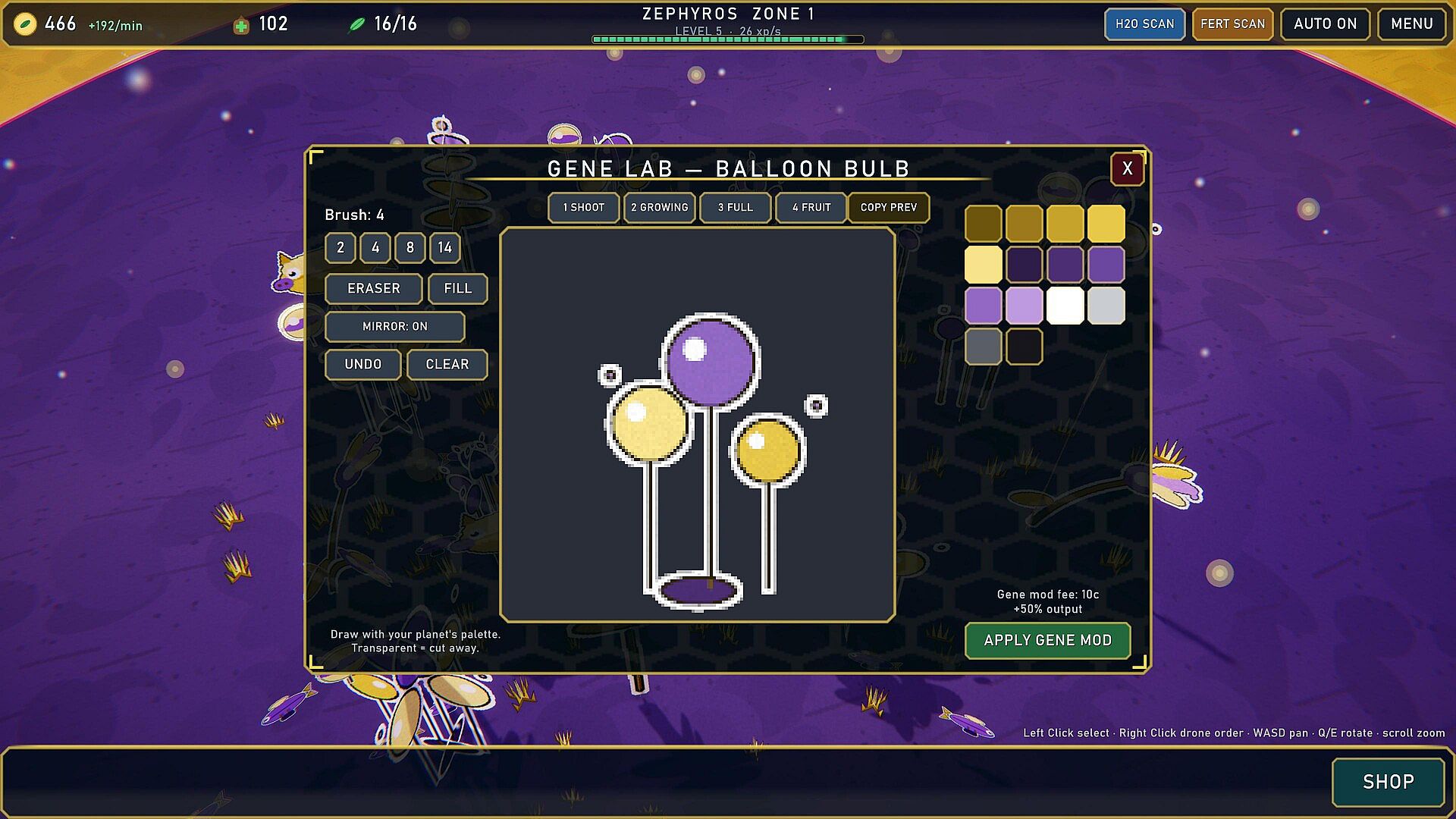
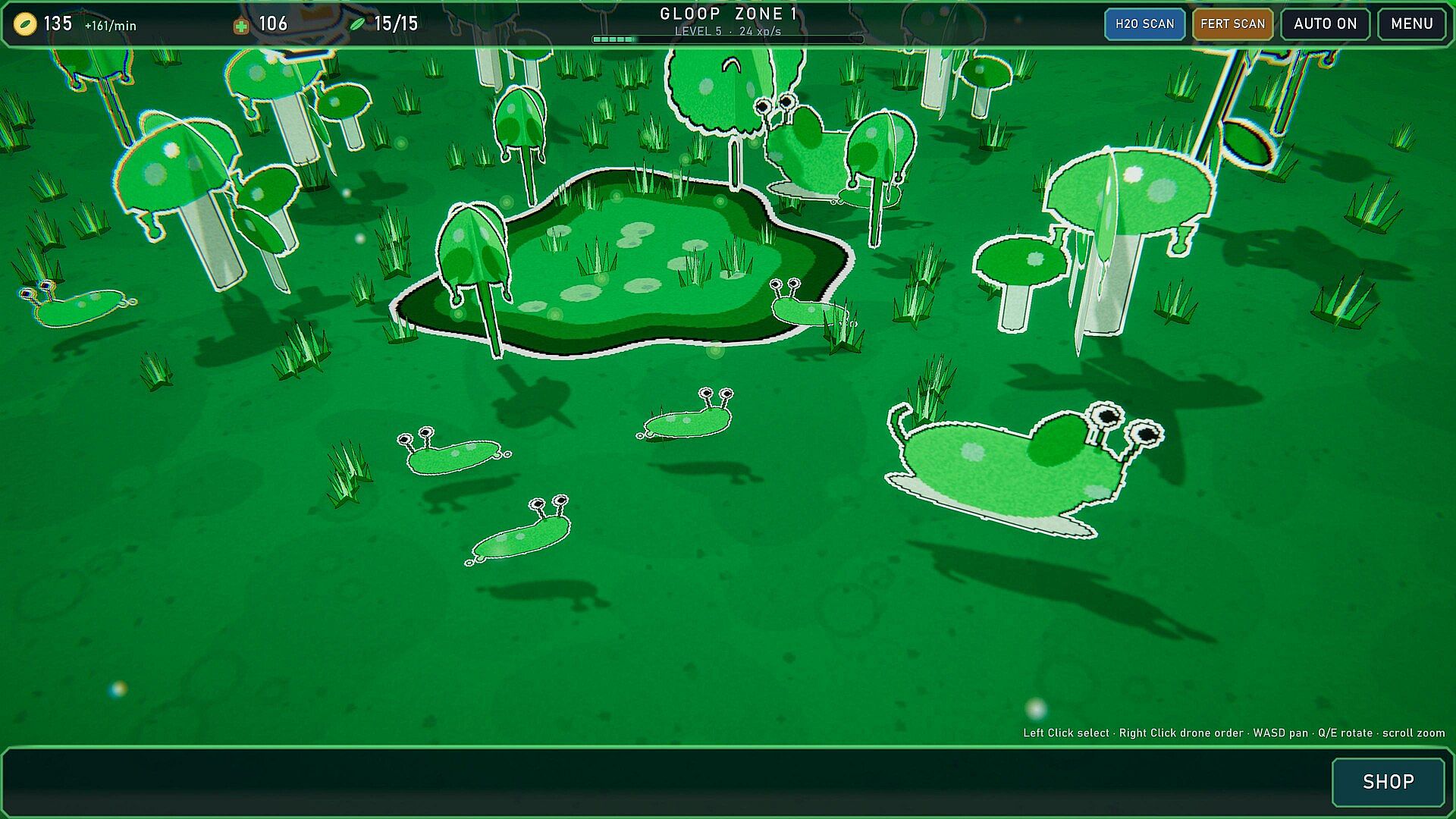
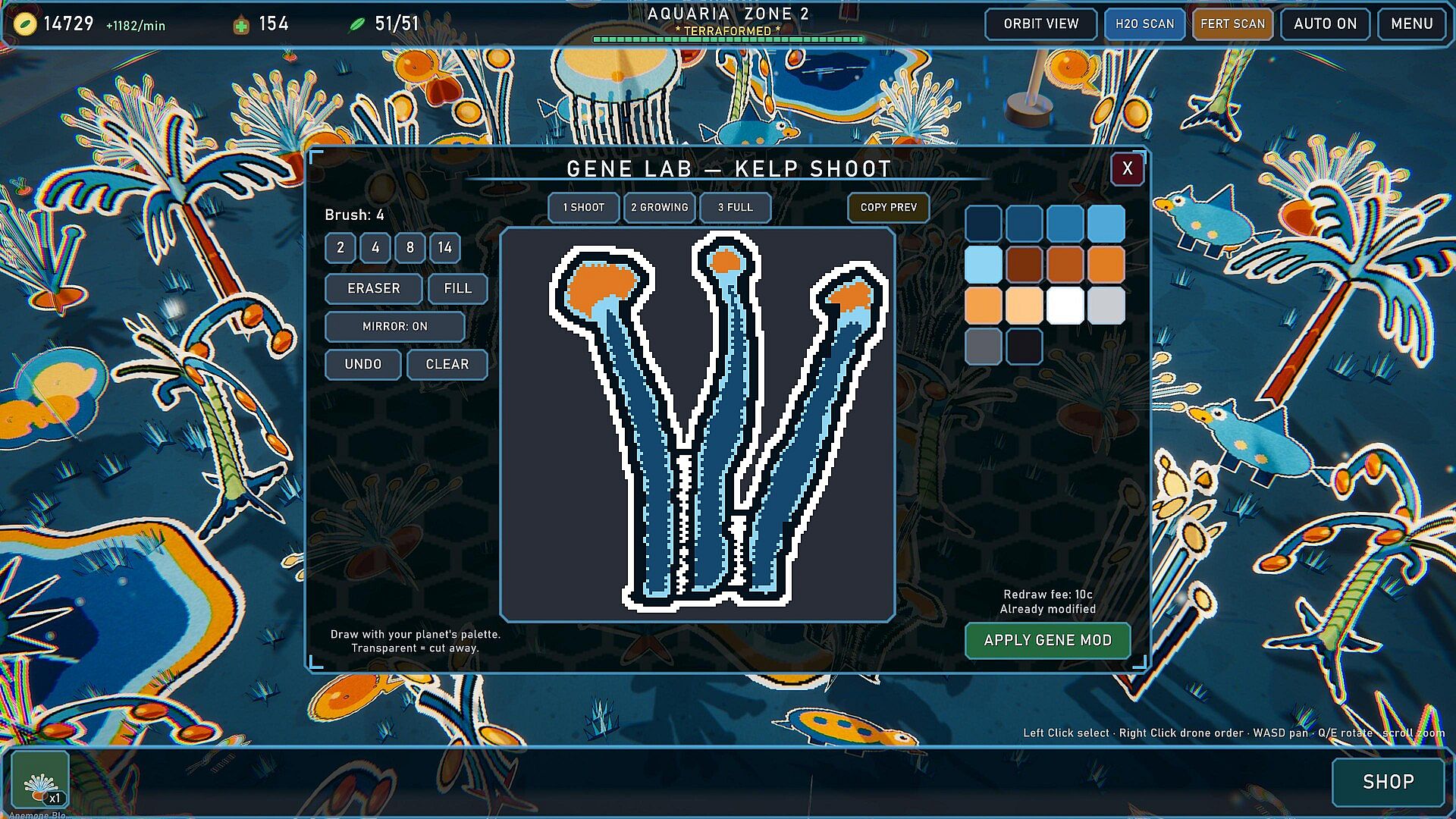
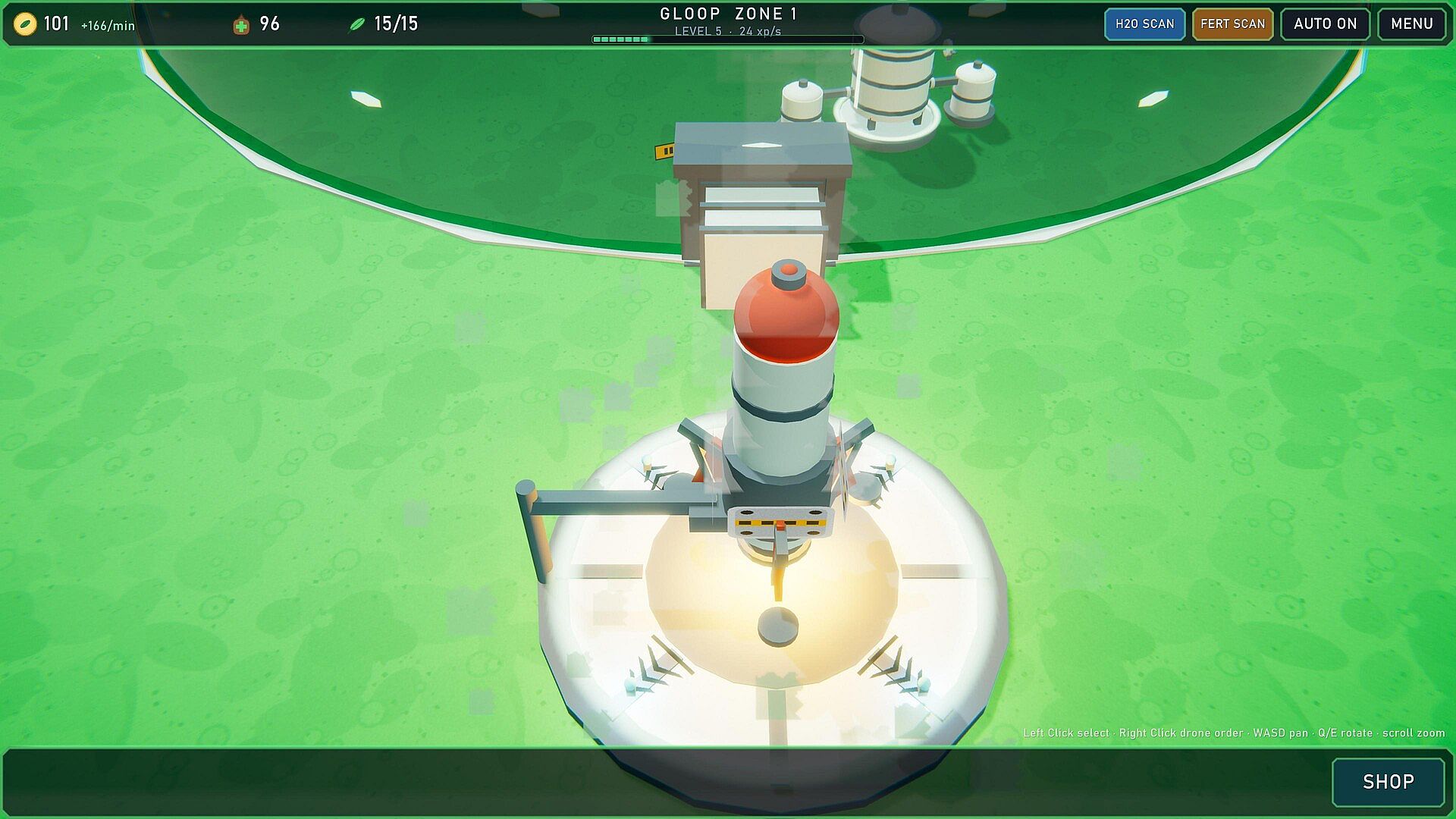
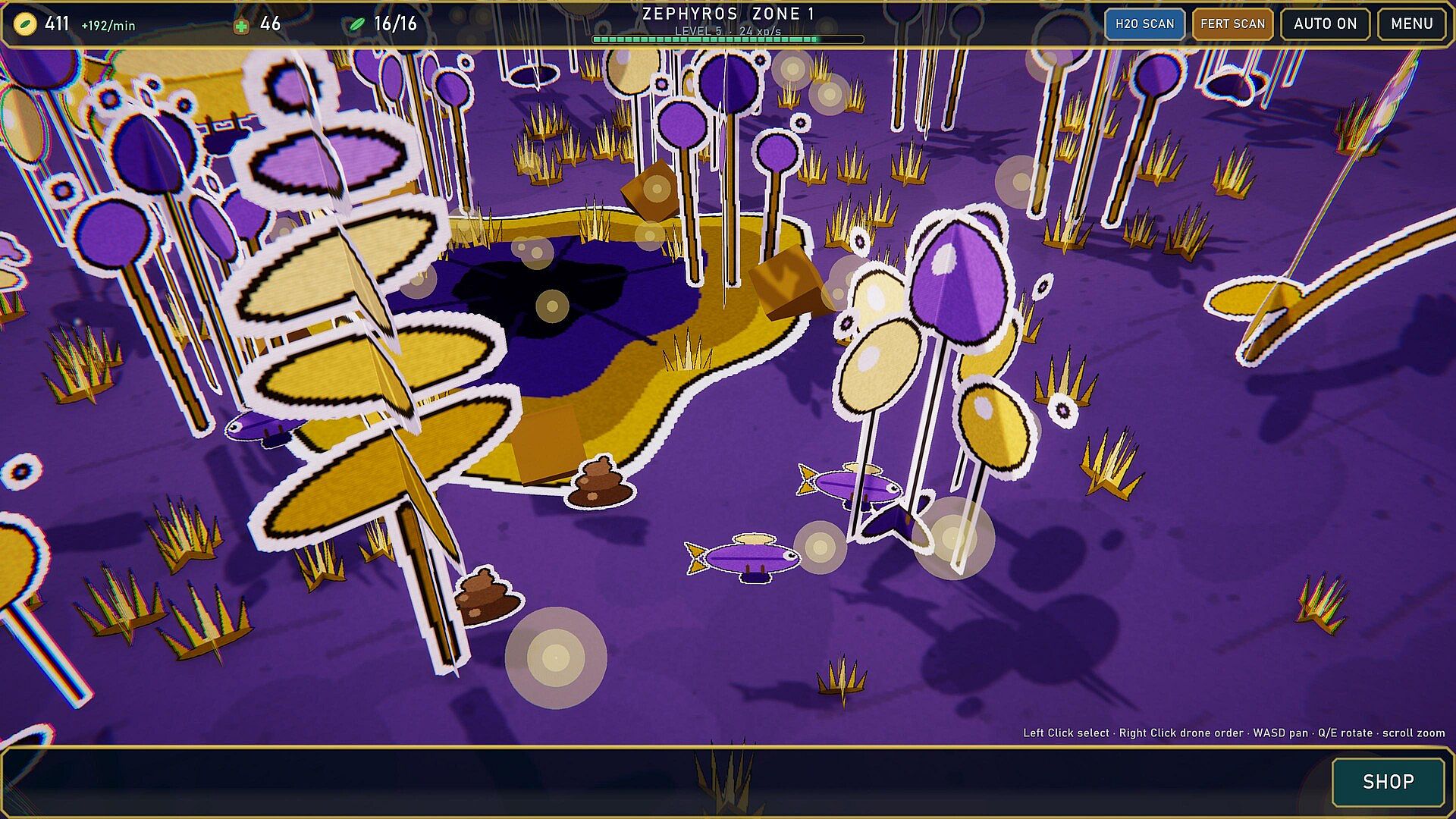
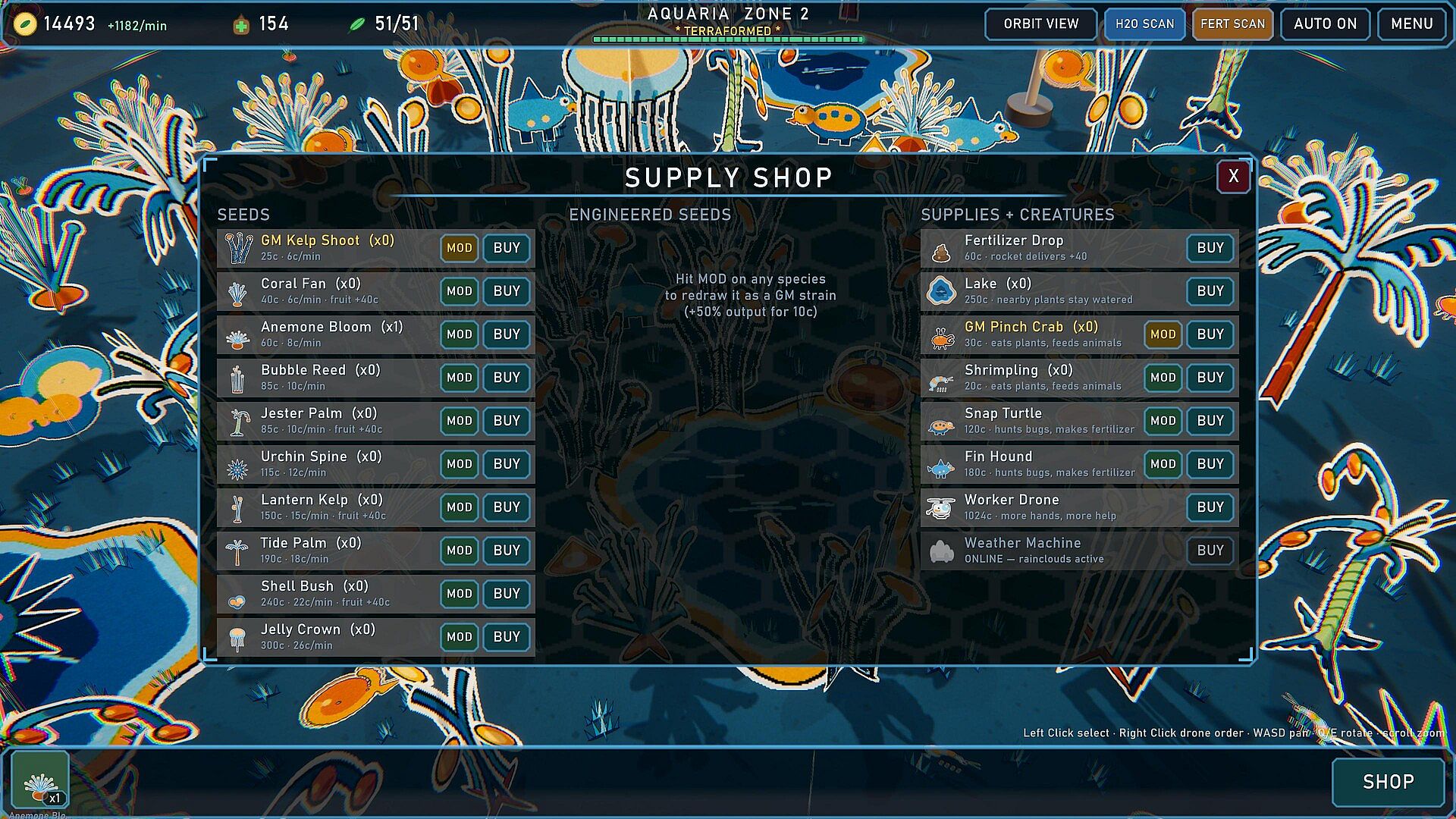
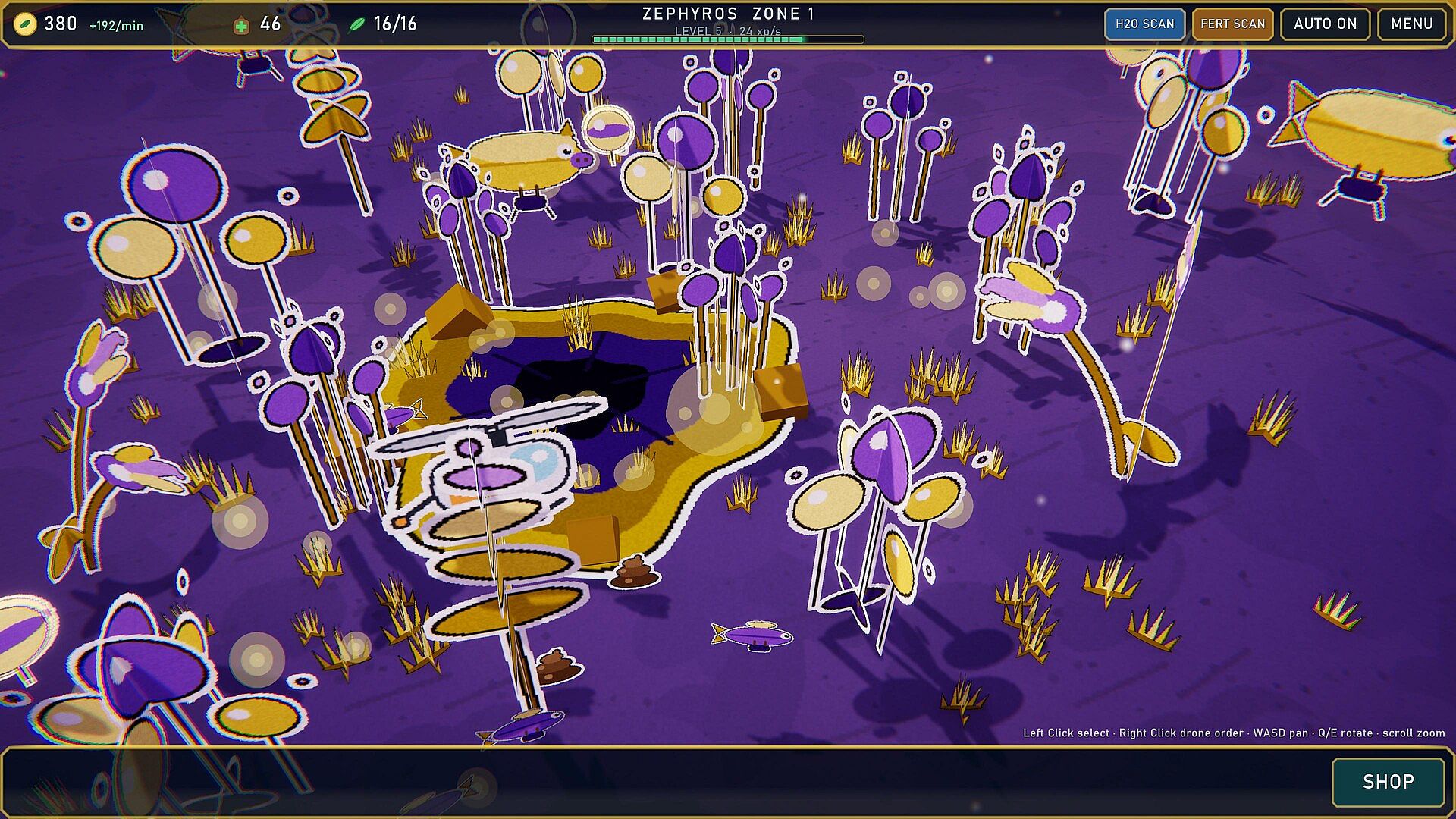
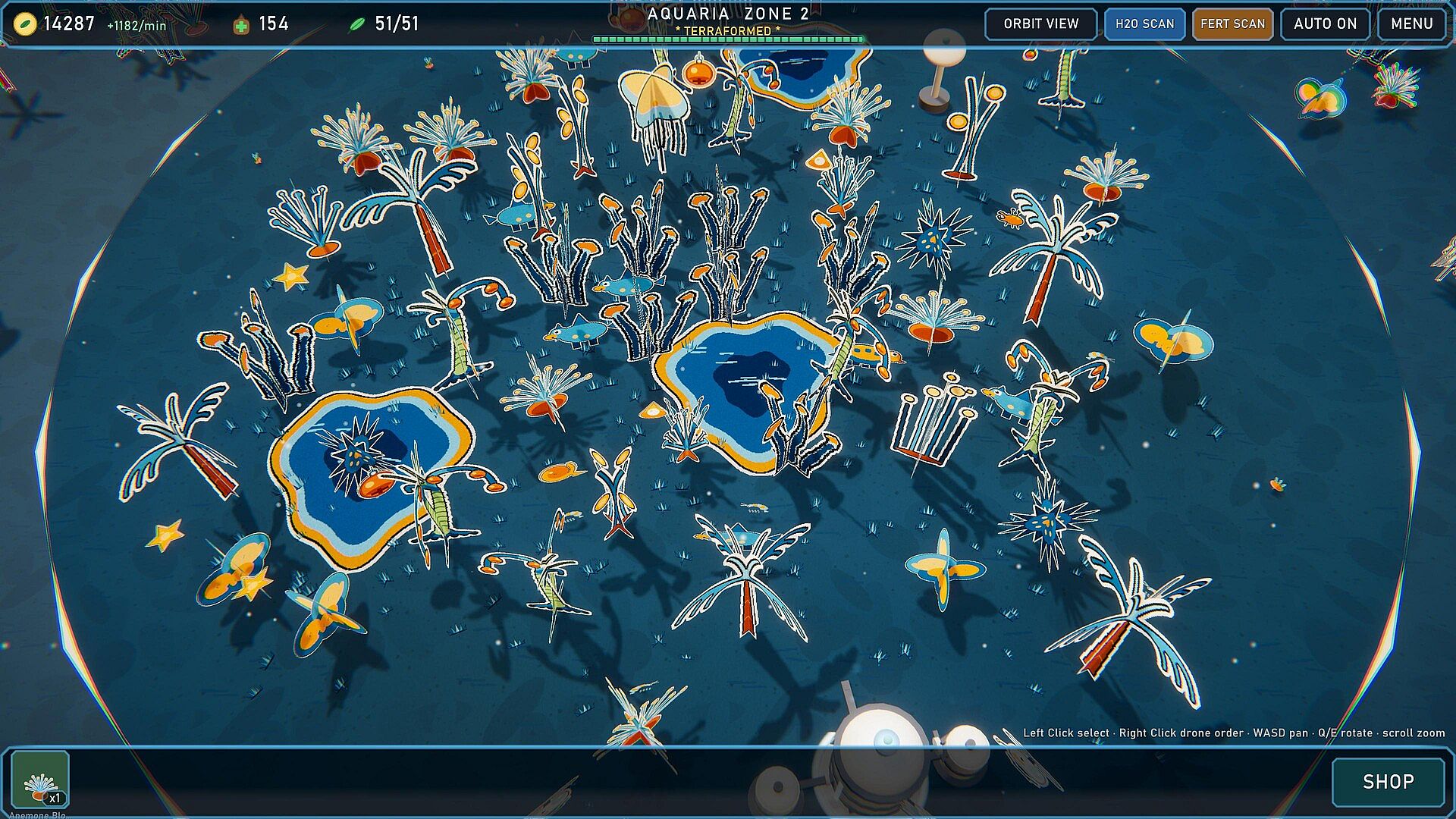
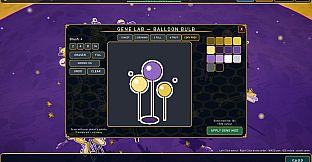
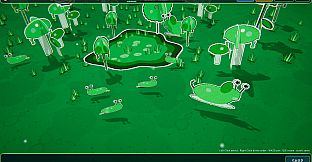
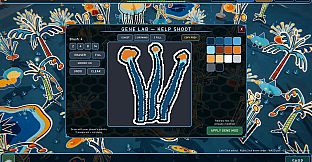
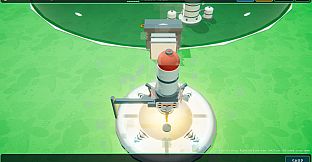
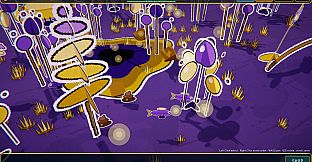
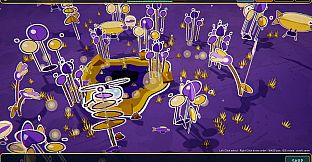
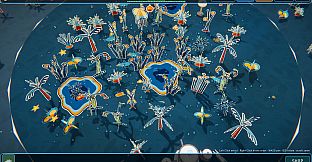
Drawmi: Terraform Sim is an indie simulation game for PC that puts players in charge of transforming barren alien landscapes into living ecosystems. The core appeal lies in its unique drawing mechanic, where every plant, animal, and bug begins as a creation sketched by the player before being placed into the world to support growth and balance.
Gameplay
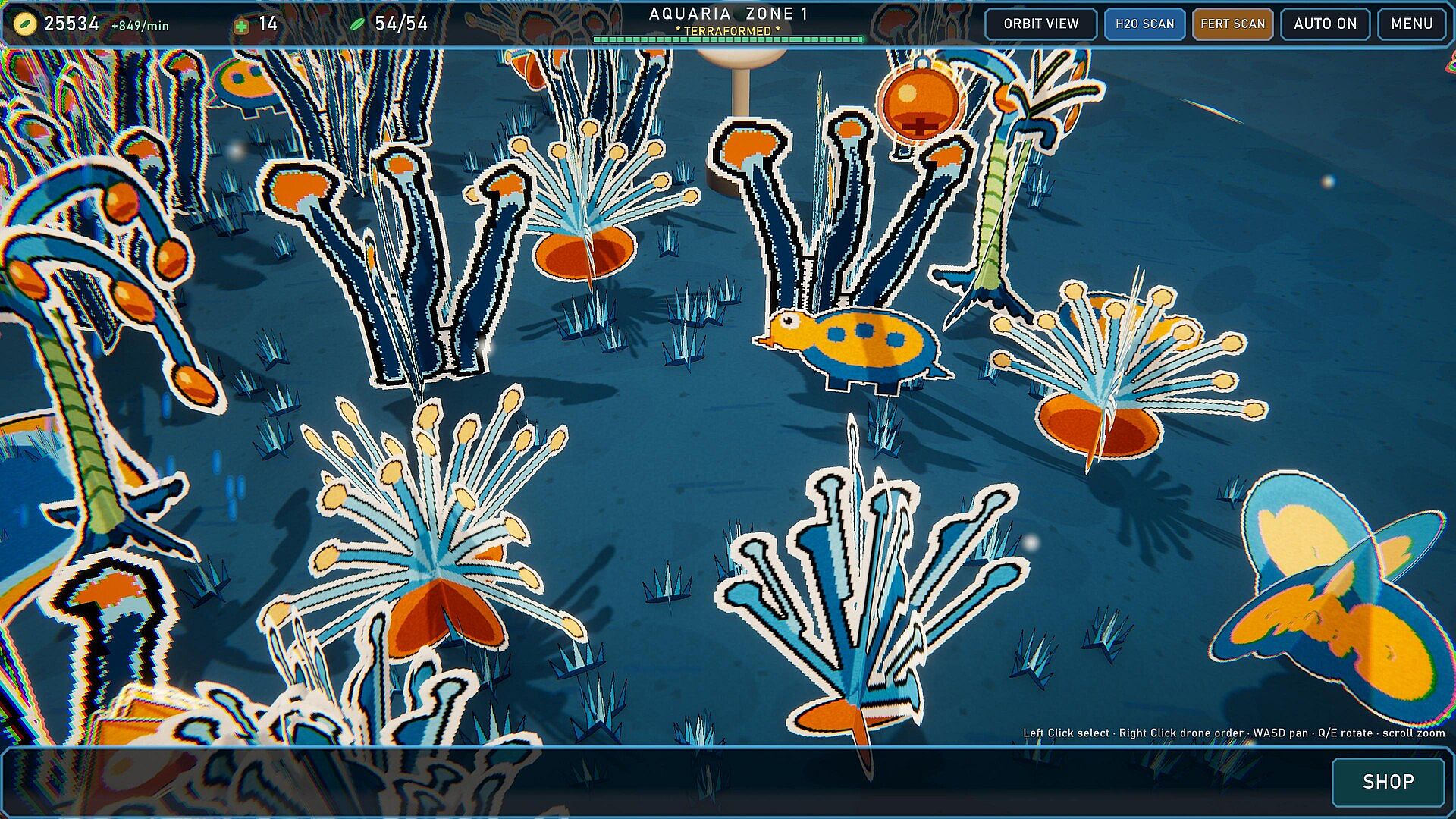
The experience centers on a hands-on terraforming process across three distinct biomes. Players draw custom designs for flora, fauna, and insects, then position them strategically to encourage natural development. Ecosystems expand through careful placement that promotes interactions like pollination, predation, and resource cycling. Fruit from mature plants and surplus creatures can be sold to fund further progress, while biome-specific upgrades improve soil quality, climate stability, and carrying capacity. Multiple zones must be completed to fully terraform each planet, with the entire campaign designed for sessions between four and twelve hours.
Progress feels deliberate and personal because the drawing tool allows full customization of every element introduced. A sketched tree might produce different fruit yields than one drawn with broader leaves, and insect designs influence pollination rates or pest control. This system rewards observation of how drawn elements interact once released into the environment, turning each playthrough into a tailored experiment in ecological design.
Game Modes
The game follows a single-player structure focused on sequential zone completion rather than separate named modes. The primary loop involves selecting a biome, drawing and placing organisms, monitoring ecosystem health, and advancing through upgrades and sales until the zone reaches a thriving state. Players repeat this across the three biomes to finish the planet-wide terraforming goal.
Within each zone, the emphasis stays on iterative building. Early stages require basic plant drawings to establish ground cover, followed by animal and bug additions that create food chains and biodiversity. Upgrades purchased with earnings unlock larger placement areas or faster growth rates, while extra creatures and harvested fruit provide ongoing resources. The absence of competitive or cooperative elements keeps attention squarely on personal creative choices and steady ecosystem expansion.
Core Mechanics and Progression
Progression builds through a clear sequence of drawing, placement, observation, and monetization. Drawing serves as the foundational tool, letting players define traits that affect how organisms grow and interact once placed. Placement decisions determine whether an ecosystem stabilizes or requires adjustments, such as adding predators to control overpopulation or introducing pollinators to boost plant reproduction.
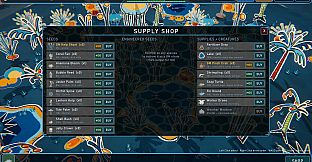
Selling surplus items generates currency for biome upgrades that expand available space or improve environmental conditions. Completing one zone opens the next, gradually scaling the challenge as more complex biomes demand finer-tuned drawings and balanced populations. The short overall playtime encourages focused sessions where players refine their drawing style and placement strategies without extended grinding.
Is It Worth Playing?
Drawmi: Terraform Sim suits players who enjoy relaxed, creative simulation experiences centered on ecosystem construction. Its drawing-based system offers genuine personalization that sets it apart from standard placement games, and the contained playtime makes it accessible for those seeking a complete experience without long-term commitment. With release scheduled for November 2026 and no player reviews available yet, interest will likely depend on how well the drawing mechanics deliver satisfying growth loops and visual feedback. Those drawn to indie simulations that emphasize personal creativity over complex management systems will find the most appeal in its straightforward yet expressive approach to terraforming.