






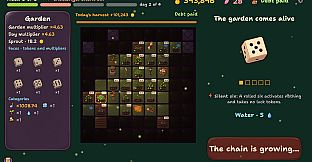
Dicebloom is a strategy indie casual game that combines dice rolling mechanics with roguelite progression in a peaceful garden environment set at twilight. Players manage growth through daily rolls that trigger plant activations and chain reactions, building systems that support weekly goals while handling increasing demands over a full year cycle.
Gameplay
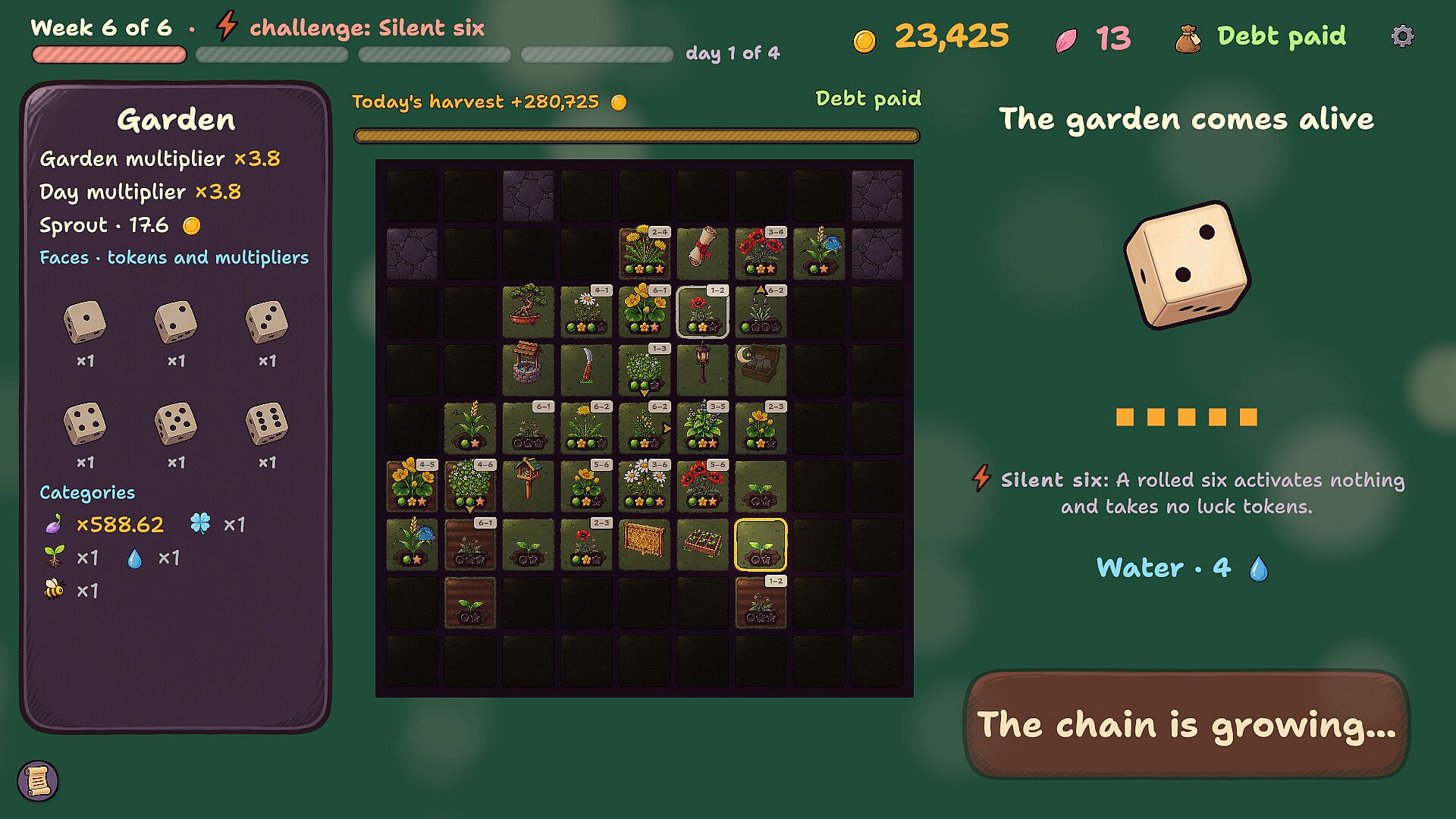
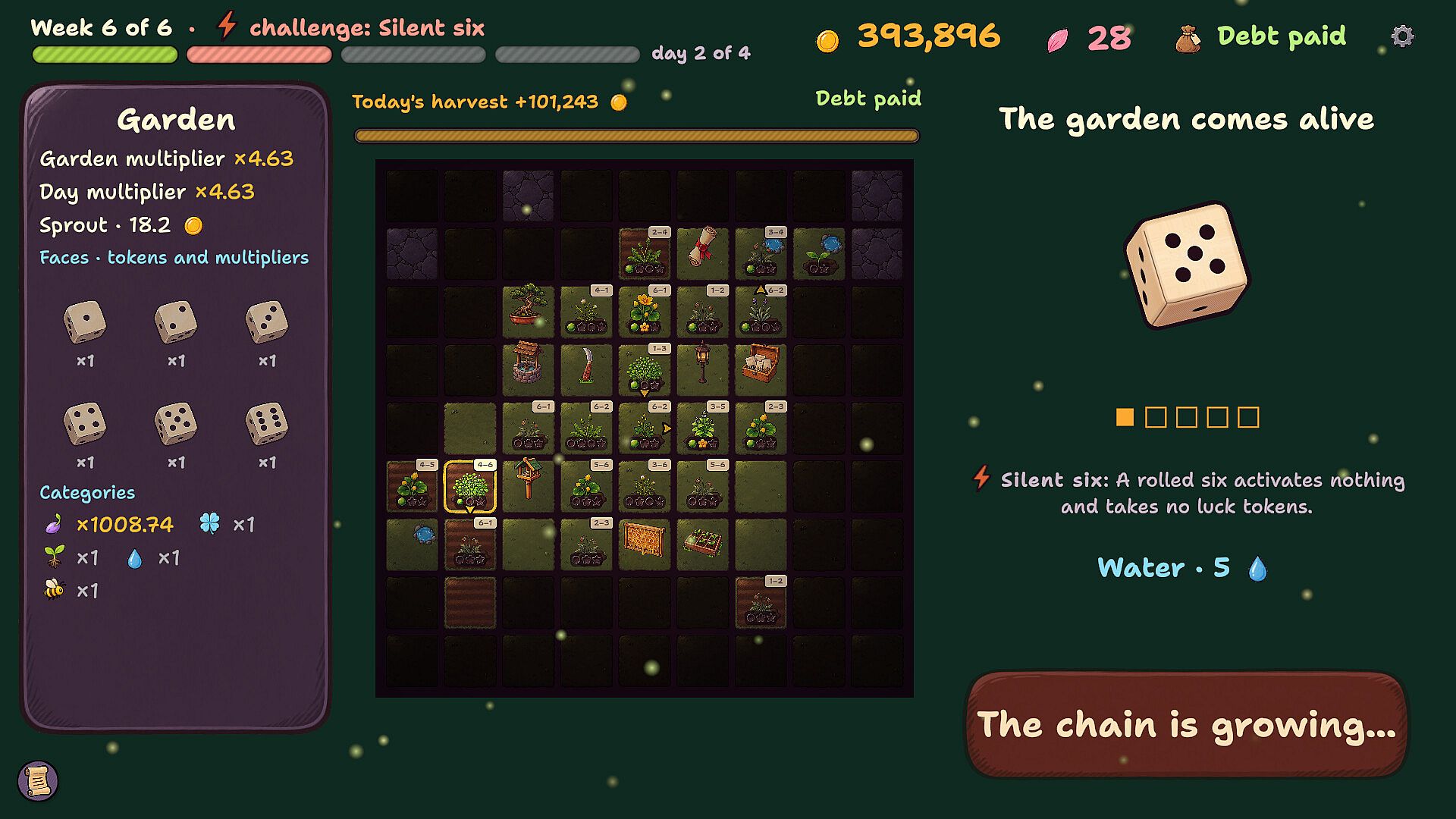
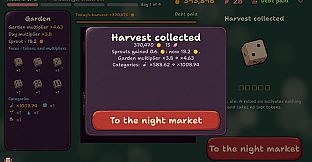
The core loop centers on rolling a single die each morning to wake specific plants based on the face shown. Plants that activate then influence their neighbors, creating visible sequences of growth, bees, seeds, and other effects that fill a harvest basket. The garden processes these events one at a time, allowing clear observation of how each step contributes to the outcome.
One hundred plants fall into ten categories, each with distinct behaviors. Nectar plants release bees, roots supply resources to adjacent plants, windsown types spread sprouts outward, fungi appear on unused rolls, and thorns convert growth from others into their own strength. Individual plants carry unique faces and abilities that shape possible interactions during chains.
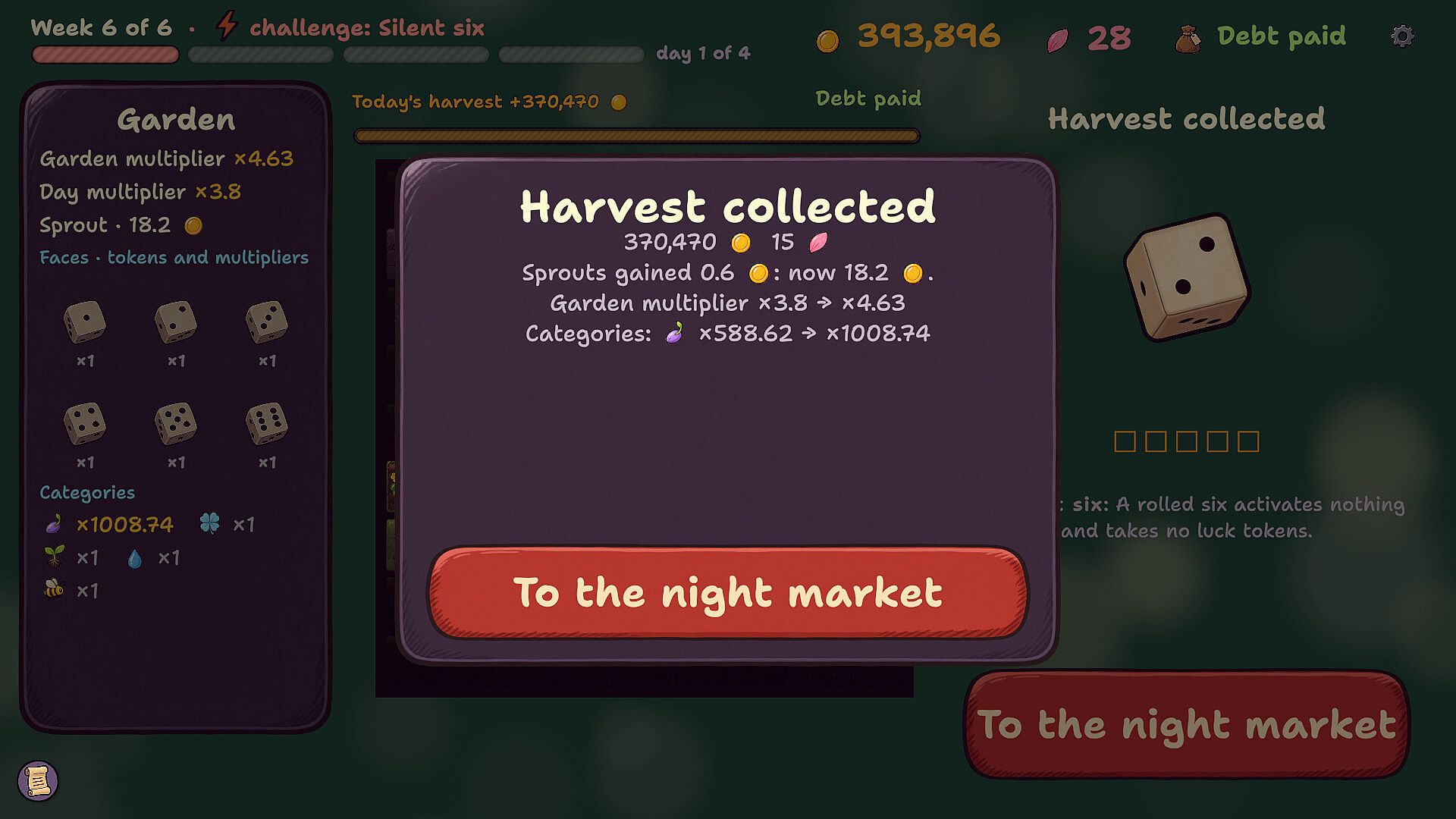
Run-long multipliers build across categories, die faces, and the overall garden layout. Strong combinations compound over multiple days, turning initial rolls into larger yields. The system rewards planning around plant placement and category synergies rather than isolated actions.
Game Modes
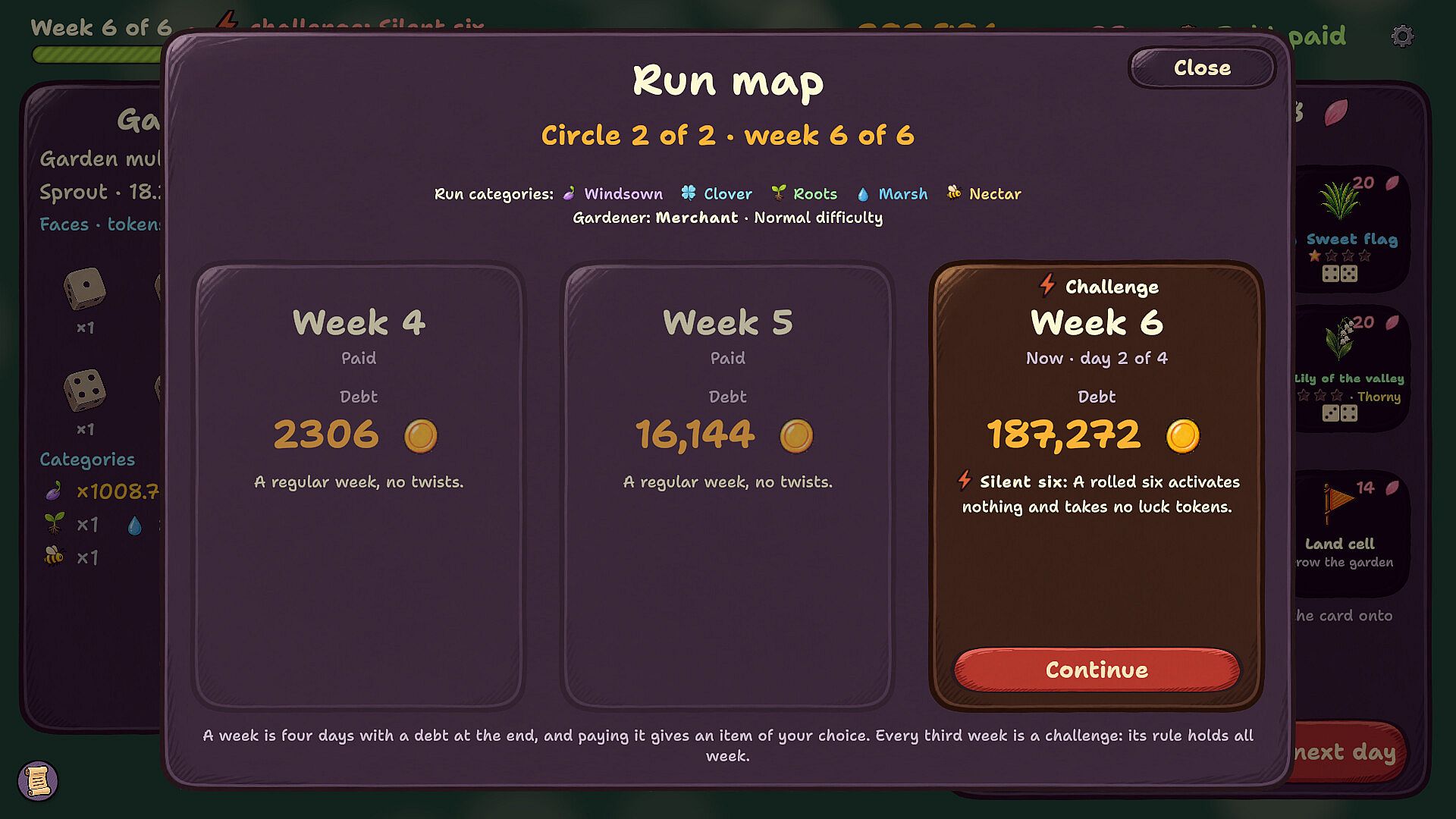
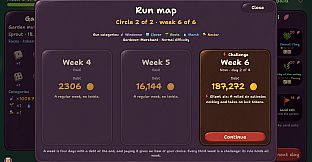
The main experience unfolds across a year divided into twelve weeks of four days each. Debt rises steadily, requiring consistent harvests to meet payments. Every third week introduces a special rule that alters standard play, while the final weeks feature more demanding conditions.
Endless mode unlocks after completing the year on the highest difficulty setting. This extends the garden indefinitely, testing how far built systems can scale without the weekly structure.
Progression and Challenges
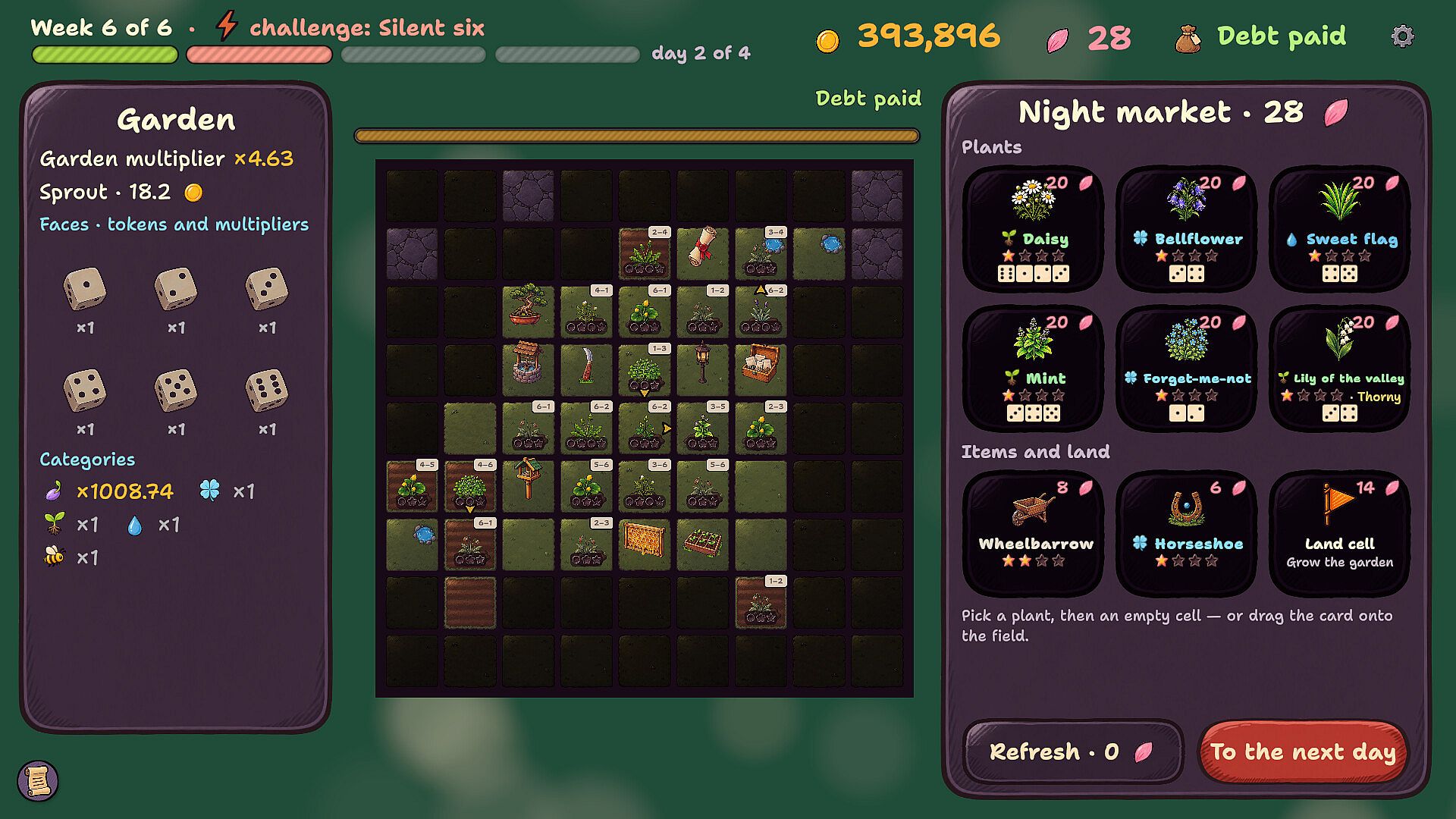
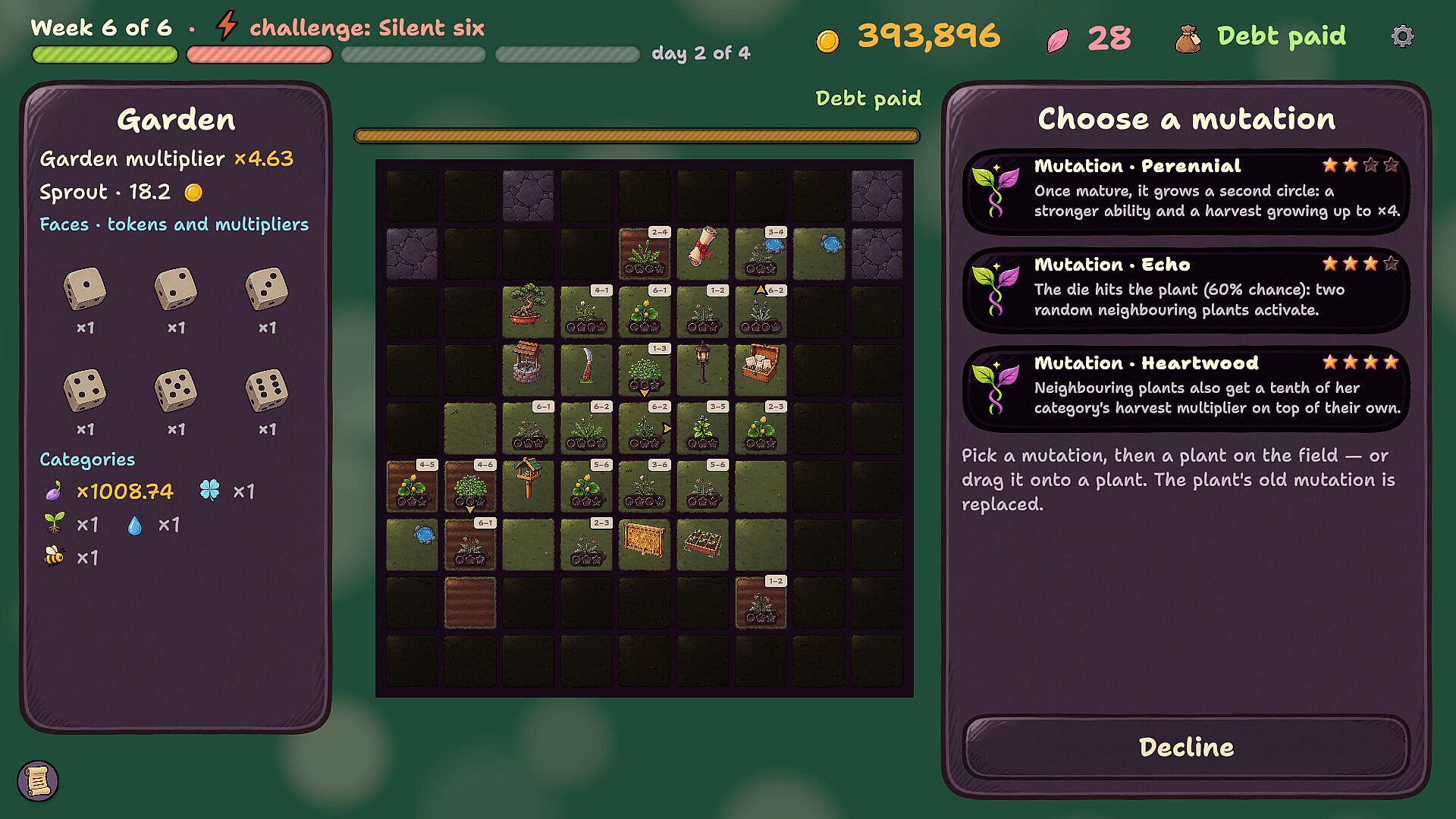
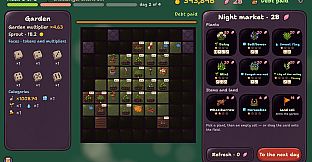
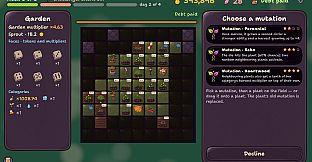
The night market serves as the central hub for acquiring plants and garden gear, with eighty-five items available for purchase or trade. Players can reposition and rotate items, plus expand available land. Twenty-seven deals from three recurring guests range from balanced exchanges to higher-risk options that include mutations.
Market plants arrive with category traits, and guest interactions provide stronger modifications such as additional blooms, extra faces on dice, or shared power effects. These changes integrate directly into existing engines for varied runs.
Three distinct gardeners offer starting perks that influence early strategies. Eight difficulty levels adjust the challenge, with new plants and items unlocking based on prior completions and choices made during play.
Is It Worth Playing?
Dicebloom suits players who enjoy deliberate strategy within a relaxed pace, where dice outcomes feed into readable chain reactions and long-term engine building. The single-player structure emphasizes careful plant selection and positioning over fast reflexes, with day and night themes adding visual variety across sessions.
A gentle tutorial guided by Bramble the hedgehog introduces the systems gradually. Full controller support and Steam Deck compatibility broaden accessibility for different play styles. The combination of roguelite runs, weekly pressures, and mutation options provides replay depth for those drawn to cozy management with strategic layers.
Those seeking quick sessions or heavy action may find the deliberate pacing less engaging, while fans of garden-themed strategy and dice-driven growth will appreciate the focused mechanics and progression options. The game remains in development ahead of its planned release, with the described features forming the foundation of its approach.











