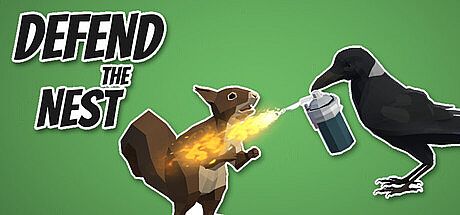


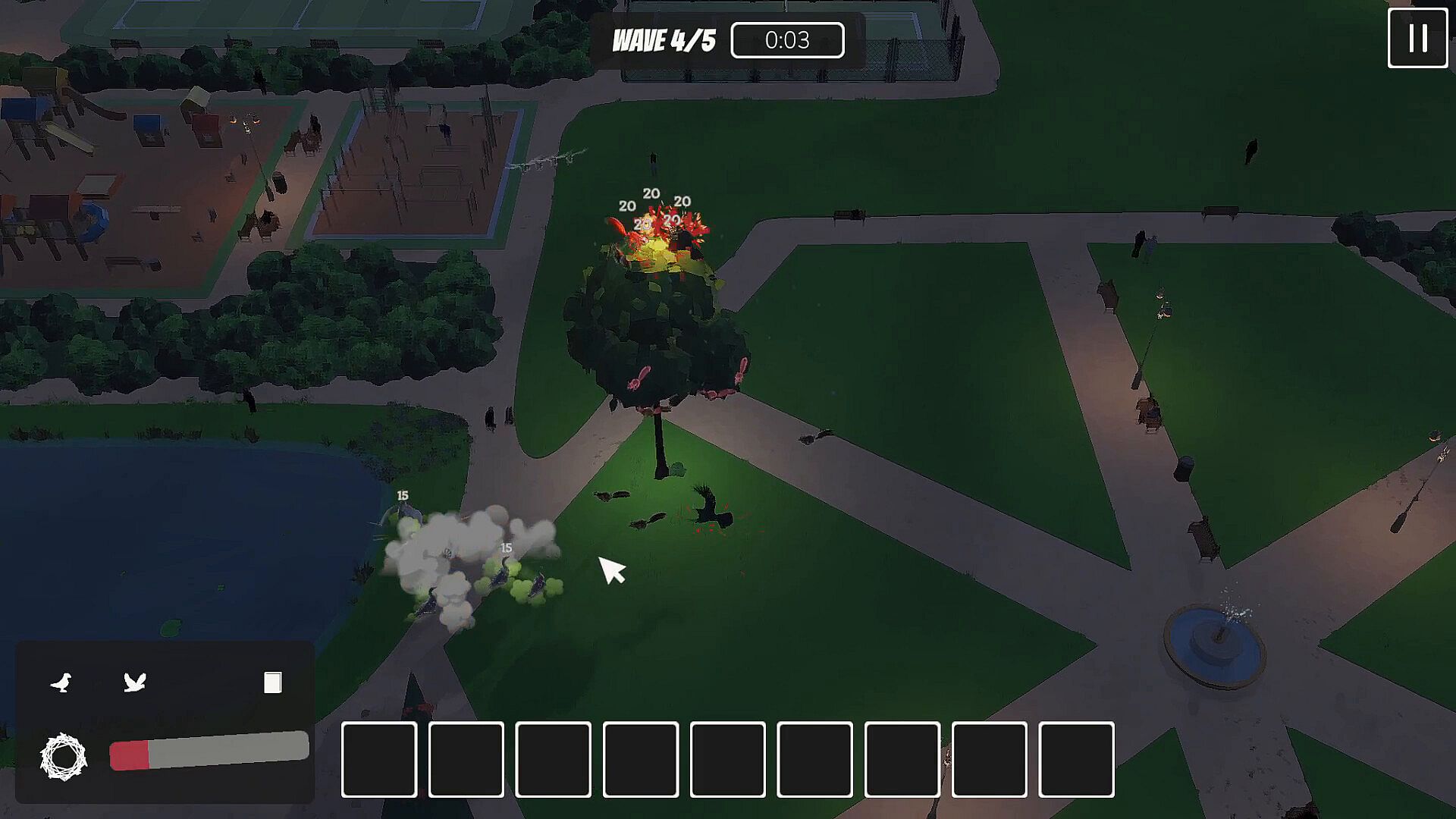
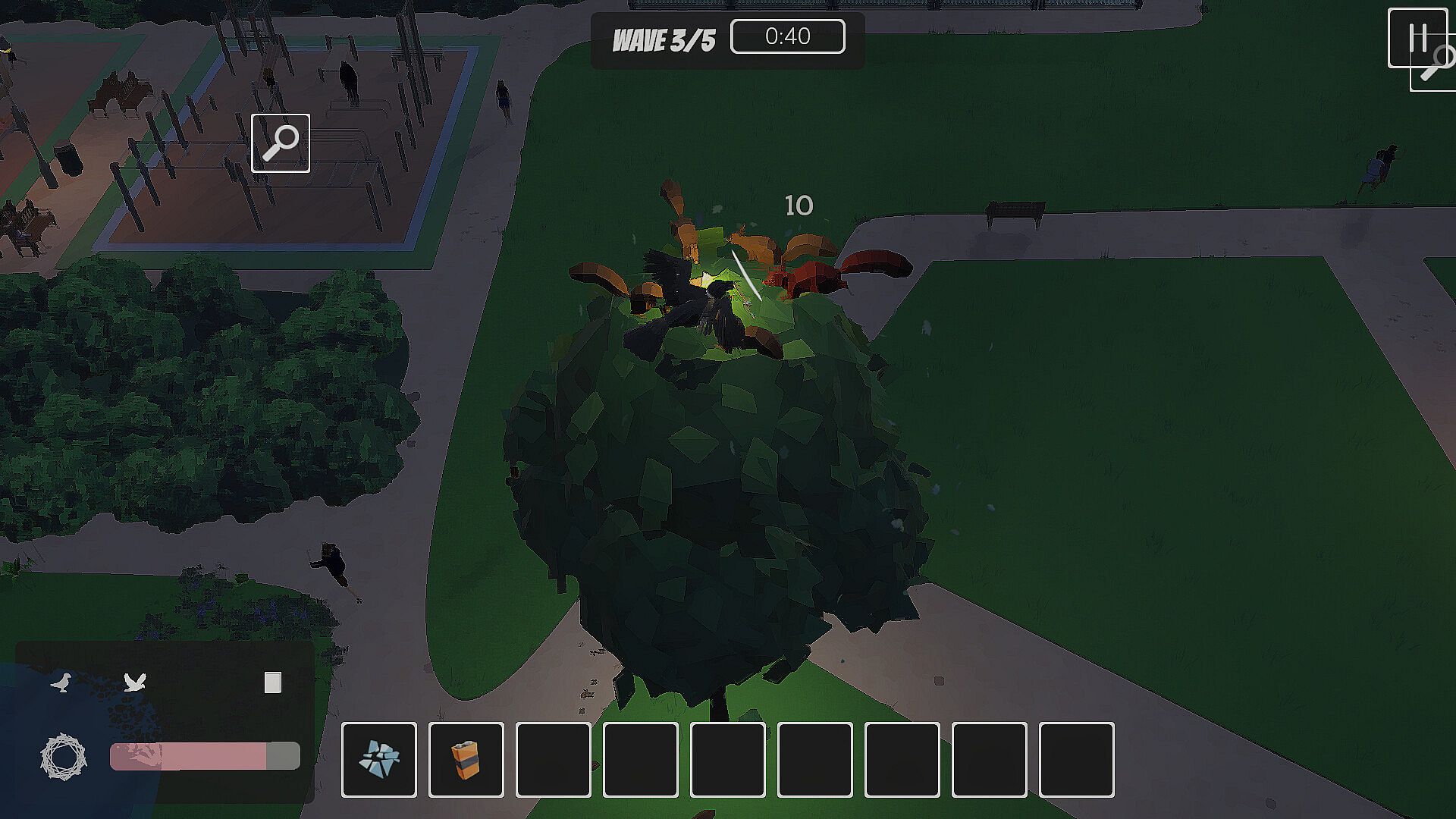

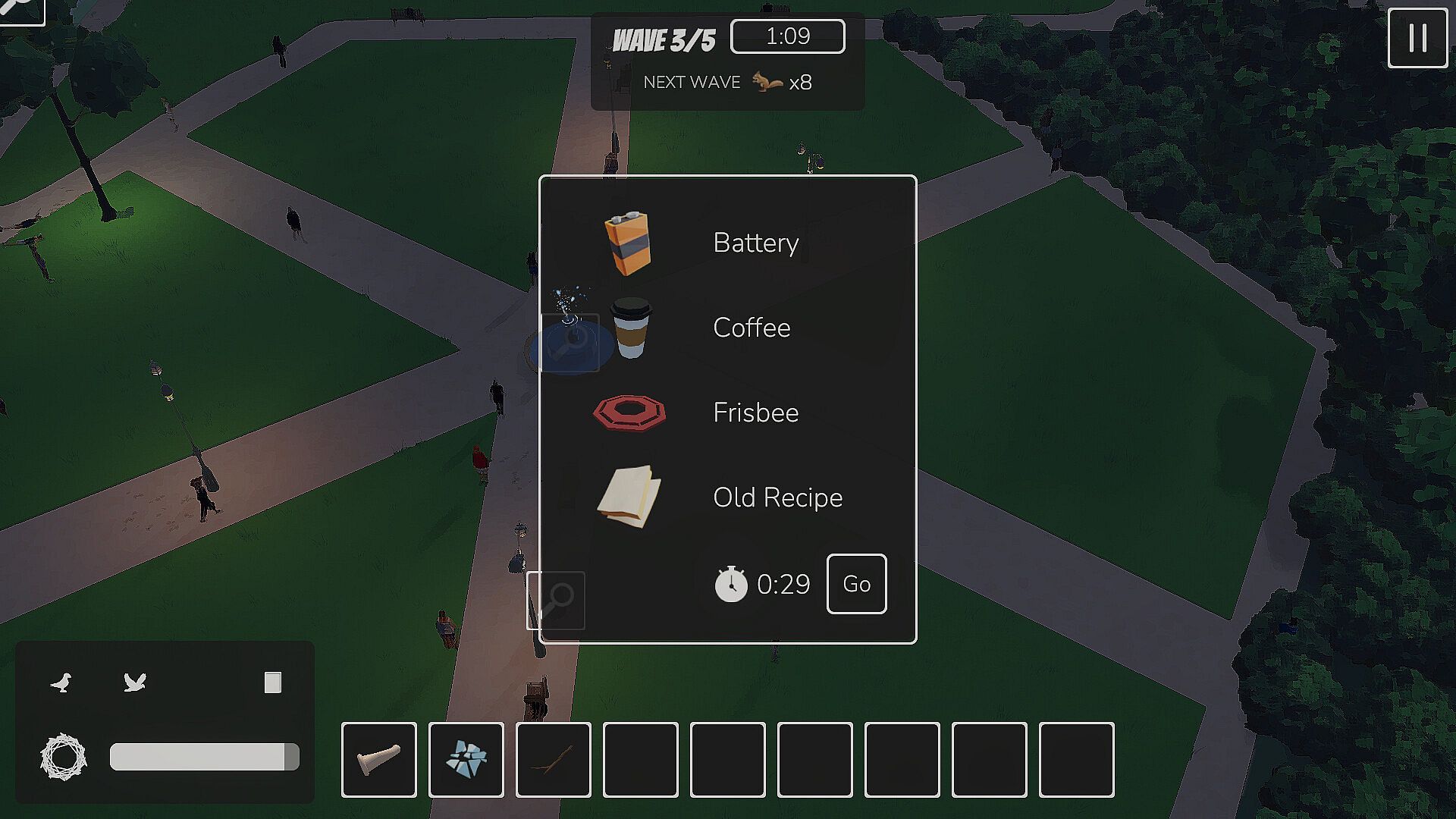
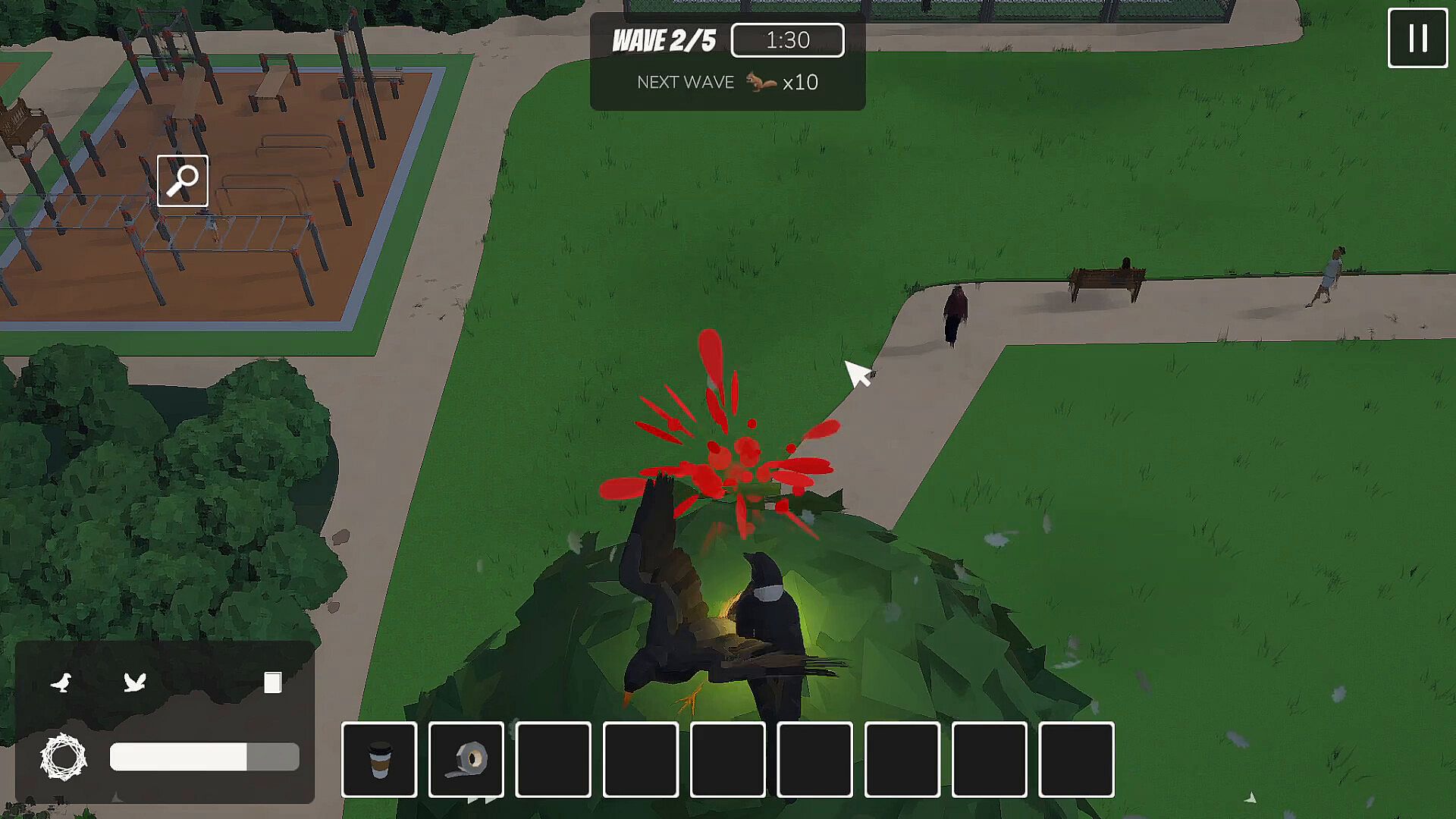
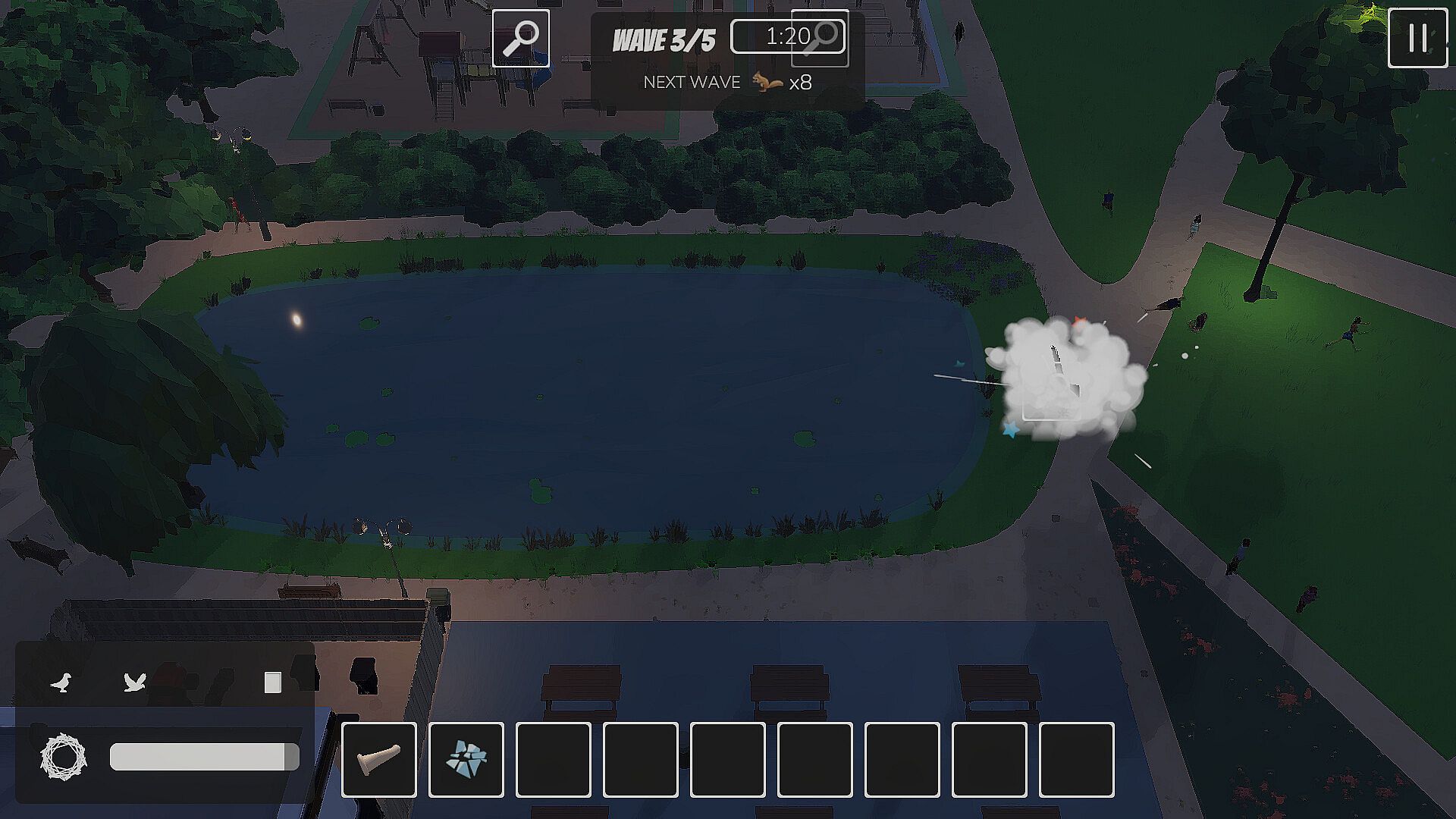
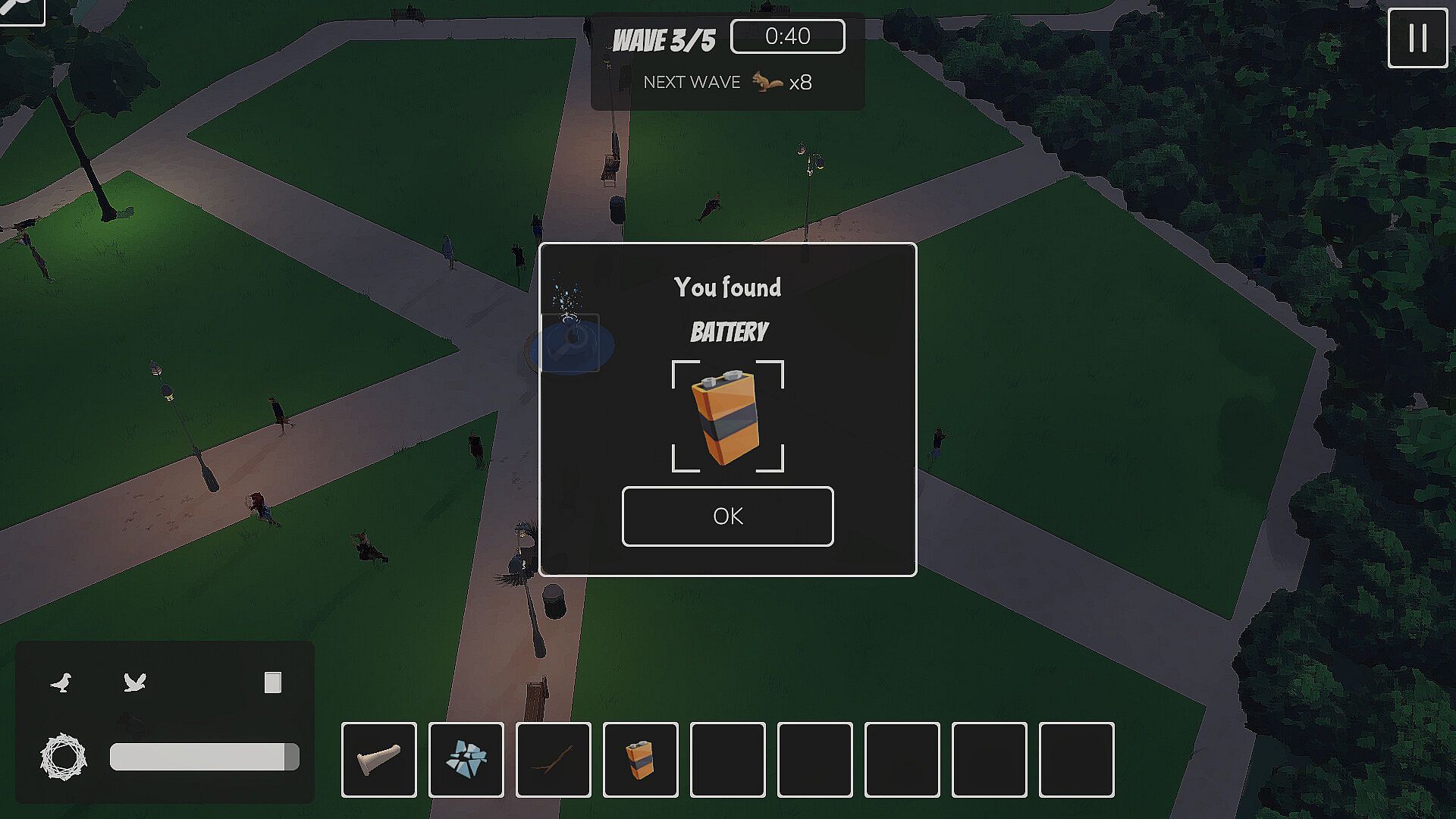
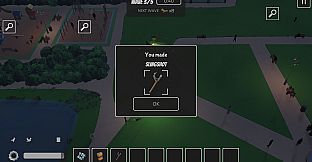
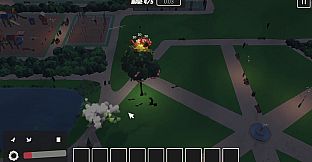
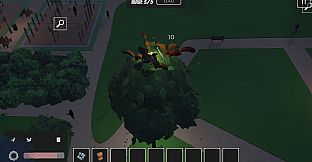
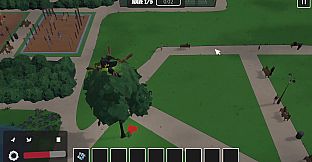
Defend The Nest is a strategy game for PC in which players control two resourceful birds tasked with protecting their nest from waves of thieving critters in a park littered with usable junk. The core experience centers on resource gathering, item combination, and automated defense that players can influence with timely interventions. Birds venture out to collect materials from bins, benches, and picnic areas, turning everyday discards into tools for survival.
Gameplay
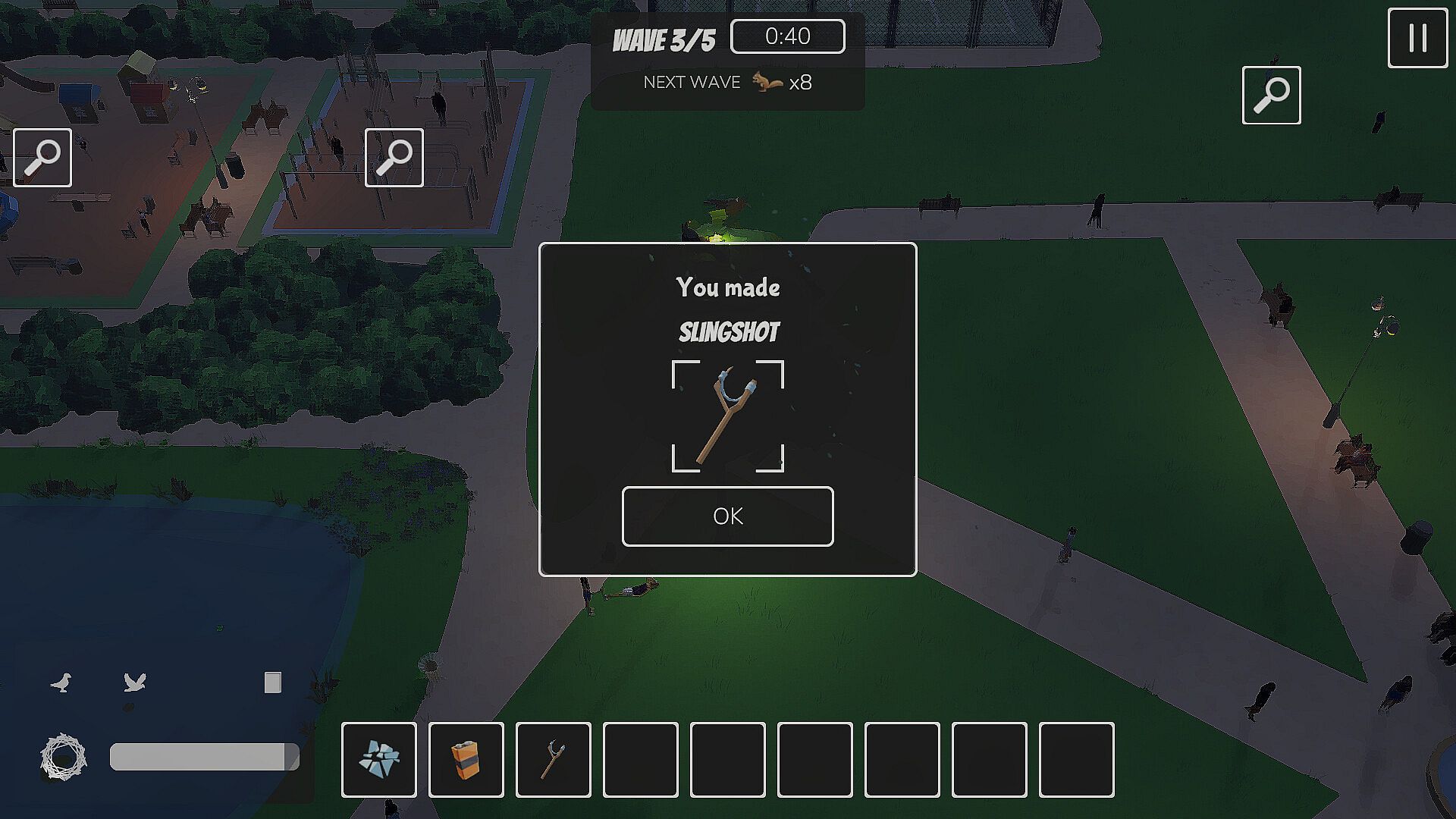
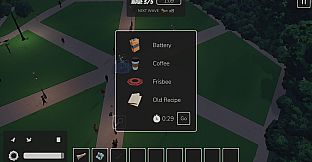
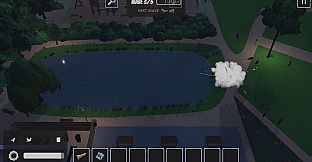
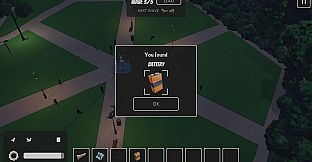
The central loop begins with sending one or both birds into the park to search for items. Players direct these expeditions toward specific locations where objects like glass shards, rubber scraps, batteries, and spray cans appear. Each find adds to an inventory that supports two main uses. Items combine into improvised weapons capable of dealing damage during attacks or serve as reinforcements that strengthen the nest structure against incoming threats.
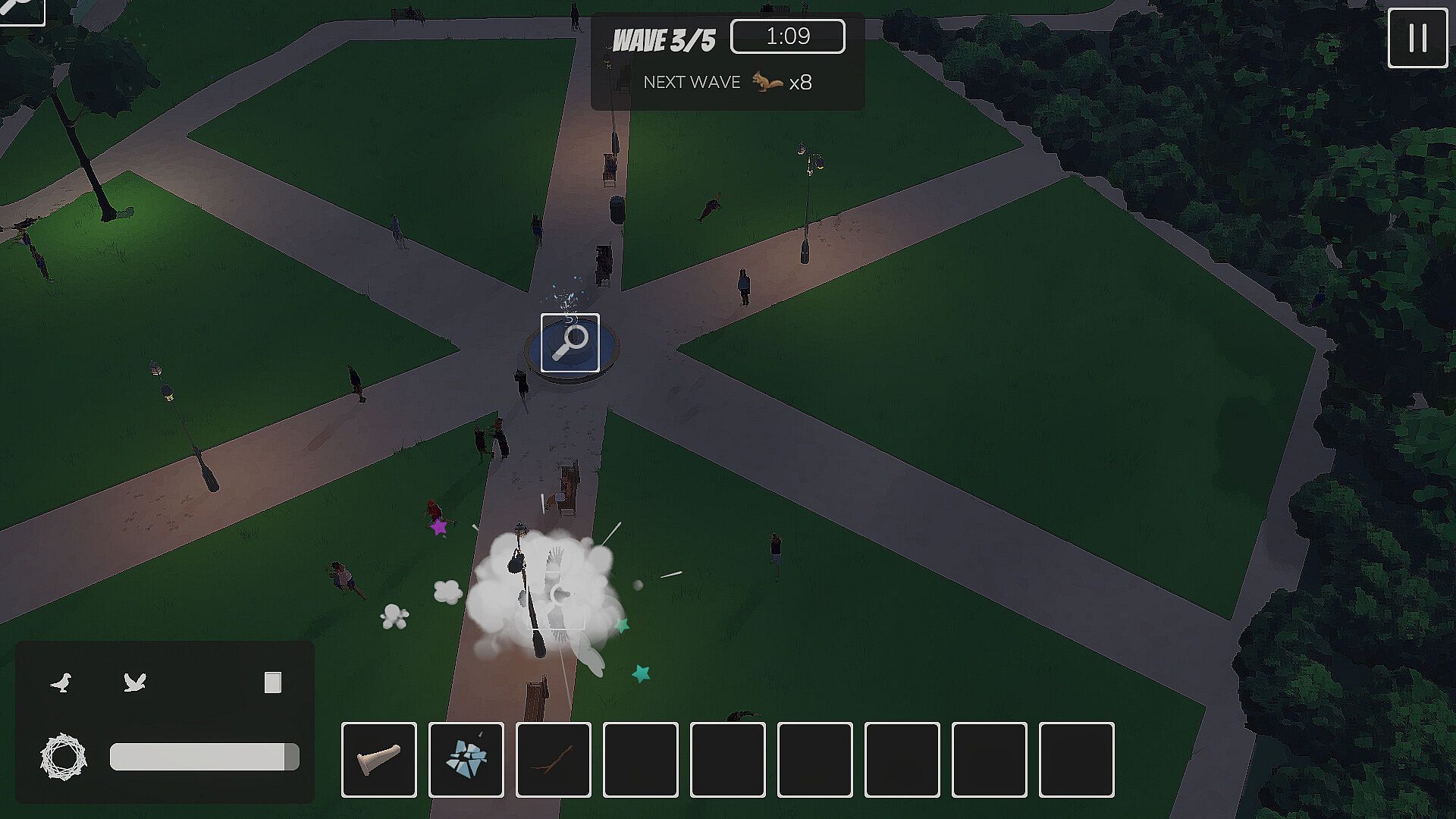
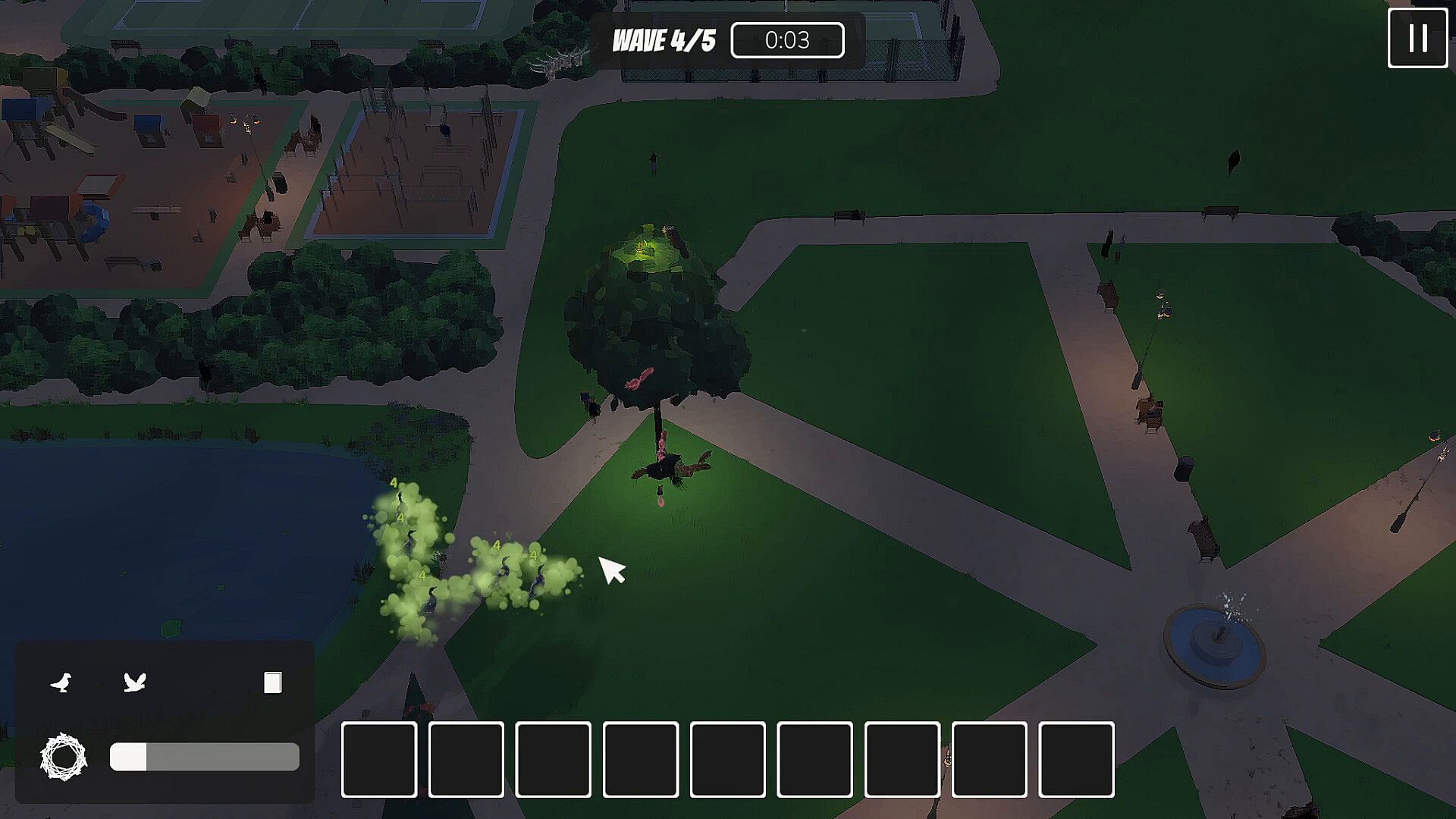
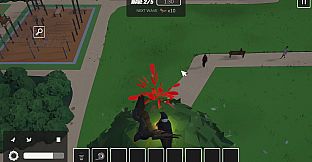
Defense occurs automatically once enemies approach. Squirrels, geese, and other critters advance toward the nest in groups, prompting the birds to engage without direct player commands for basic attacks. The system leaves room for player decisions when the situation turns critical. Holding back select crafted items allows targeted use to repel stronger assaults or patch vulnerabilities in the nest before damage accumulates.
Resource management forms the backbone of progression. Limited inventory space and the need to balance offensive and defensive crafting force choices on every expedition. Successful defenses yield opportunities for more searches, creating a steady rhythm of exploration and fortification that rewards careful planning over rapid expansion.
Game Modes
Defend The Nest structures its play around interconnected phases of scavenging, crafting, and defense rather than separate named modes. The search phase focuses on directing birds across the park to gather materials efficiently. Crafting then converts those finds into either combat tools or structural upgrades, with each decision shaping the next defense sequence.
The defense phase emphasizes reactive strategy. Automatic bird combat handles routine threats, yet players monitor the flow of enemies and decide when to deploy reserved items for maximum impact. This integrated approach keeps sessions focused on a single continuous experience where each phase feeds directly into the next without switching between distinct game variants.
Core Mechanics and Progression
Item variety drives experimentation. Different materials produce distinct effects when combined, encouraging players to test combinations that suit their preferred defensive style. Some items excel at direct damage, while others provide area control or temporary barriers around the nest.
The two-bird limit adds a layer of coordination. Sending both birds out maximizes collection speed but leaves the nest unattended during that time. Alternating between solo and paired searches lets players adapt to the current threat level and available resources.
Enemy variety influences strategy over time. Smaller critters test basic defenses early, while larger or more aggressive foes later require stronger crafted weapons or reinforced nest sections to hold the line. The automatic combat system handles positioning and targeting, freeing players to focus on inventory decisions and timing.
Is It Worth Playing?
Defend The Nest suits players who enjoy deliberate strategy games built around resource loops and light automation. The scavenging and crafting systems reward observation of the park layout and inventory planning, while the defense sequences provide steady tension without requiring constant manual input. Those who prefer games where every collected item carries meaningful weight will find the core loop satisfying.
The title remains a focused single-player experience on PC with no additional modes or expansions confirmed at this time. Its strength lies in the tight integration of search, craft, and defend actions rather than broad feature sets. Players seeking a compact strategy title centered on nest protection and improvised tools may find it a worthwhile addition to their library, particularly if they appreciate games that emphasize preparation and reactive decision-making over large-scale campaigns.