

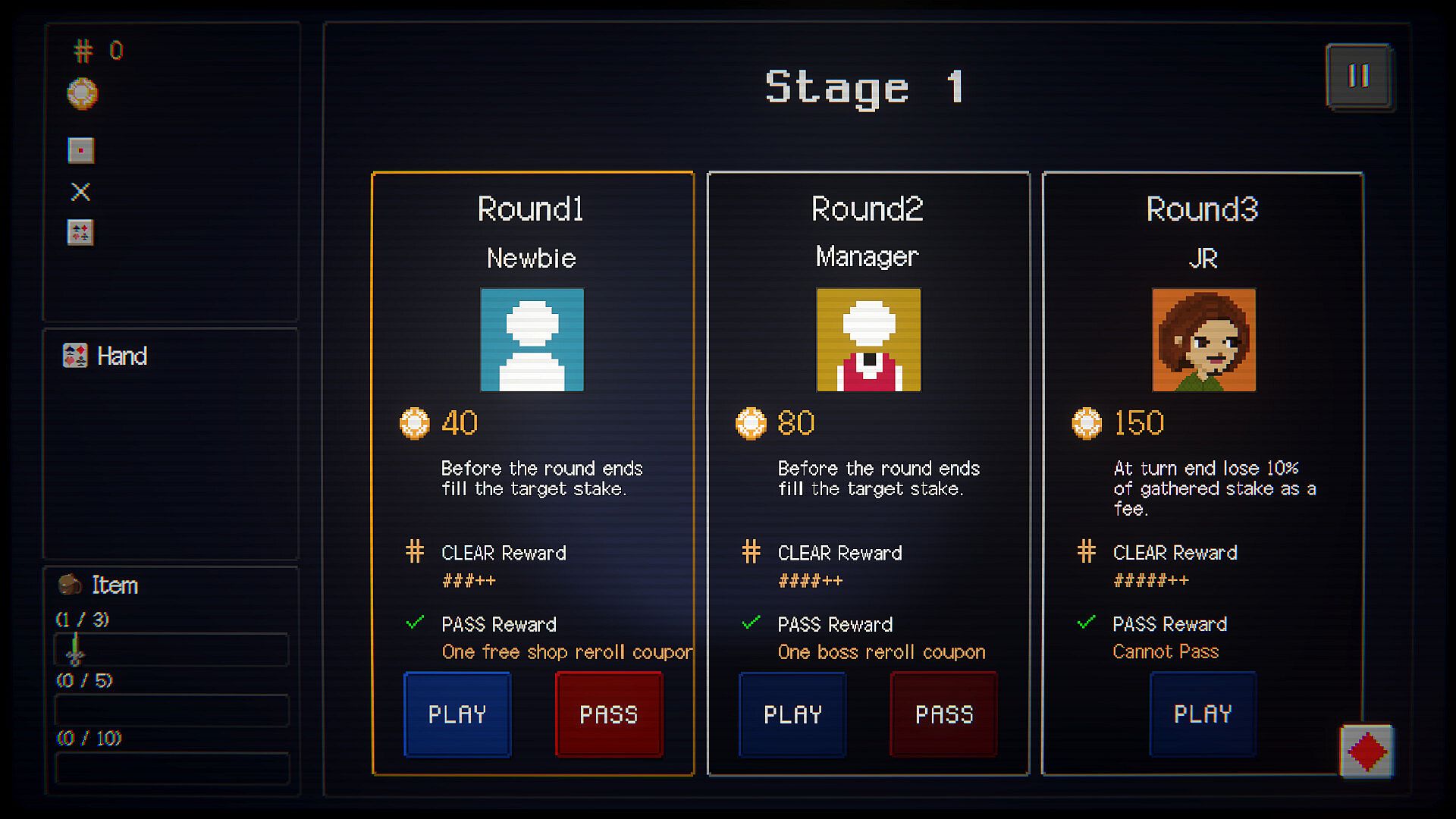
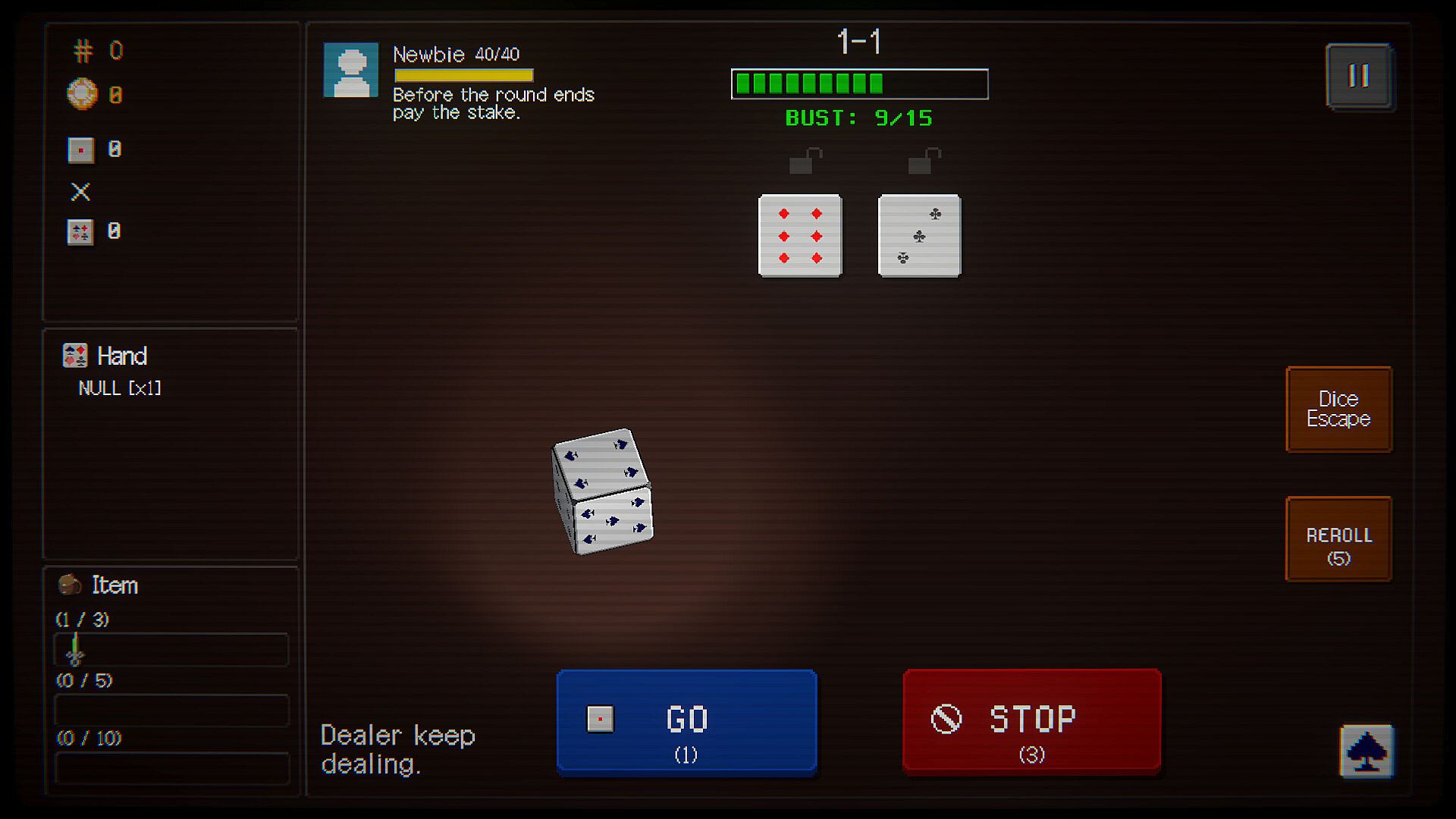
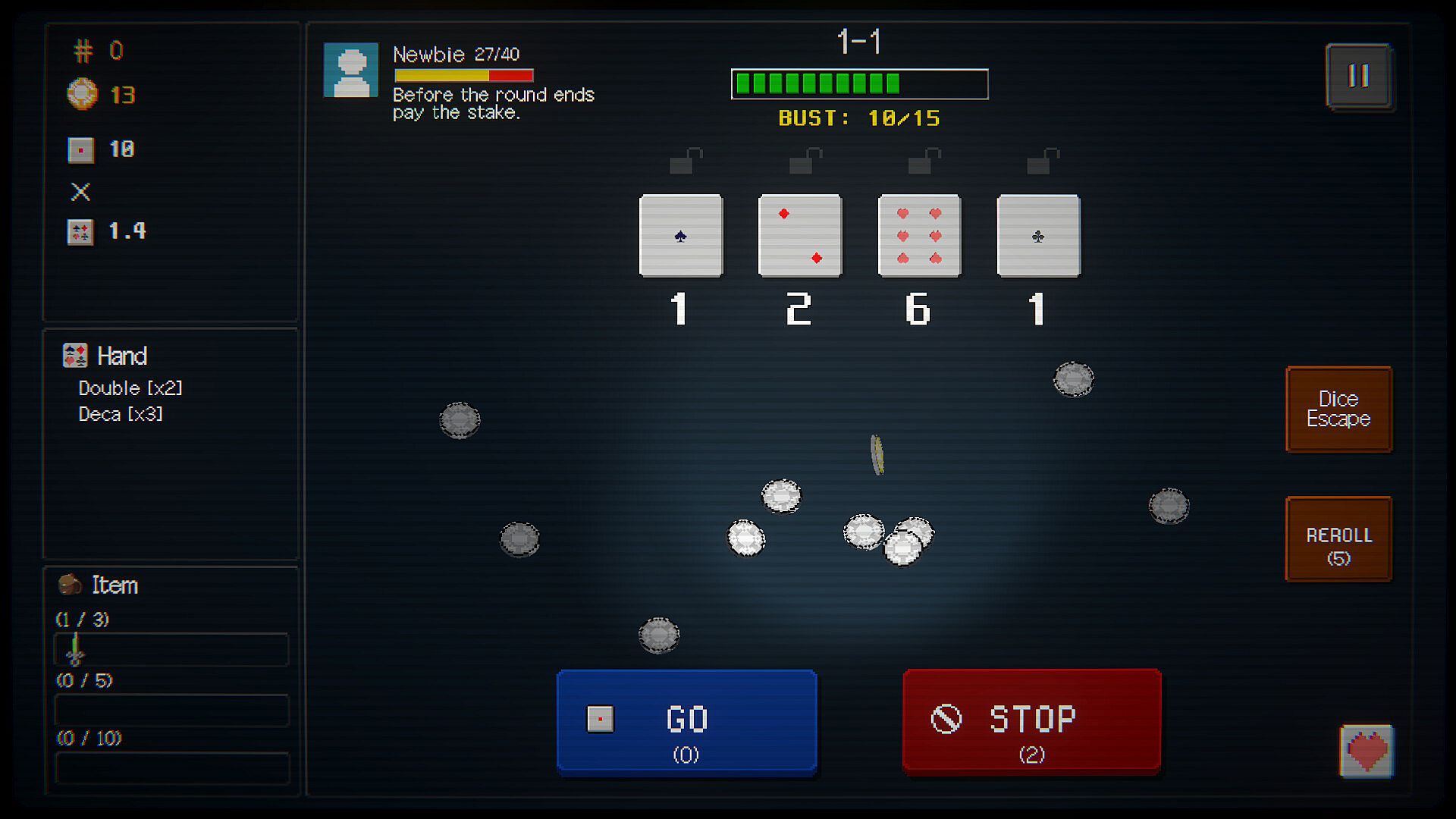
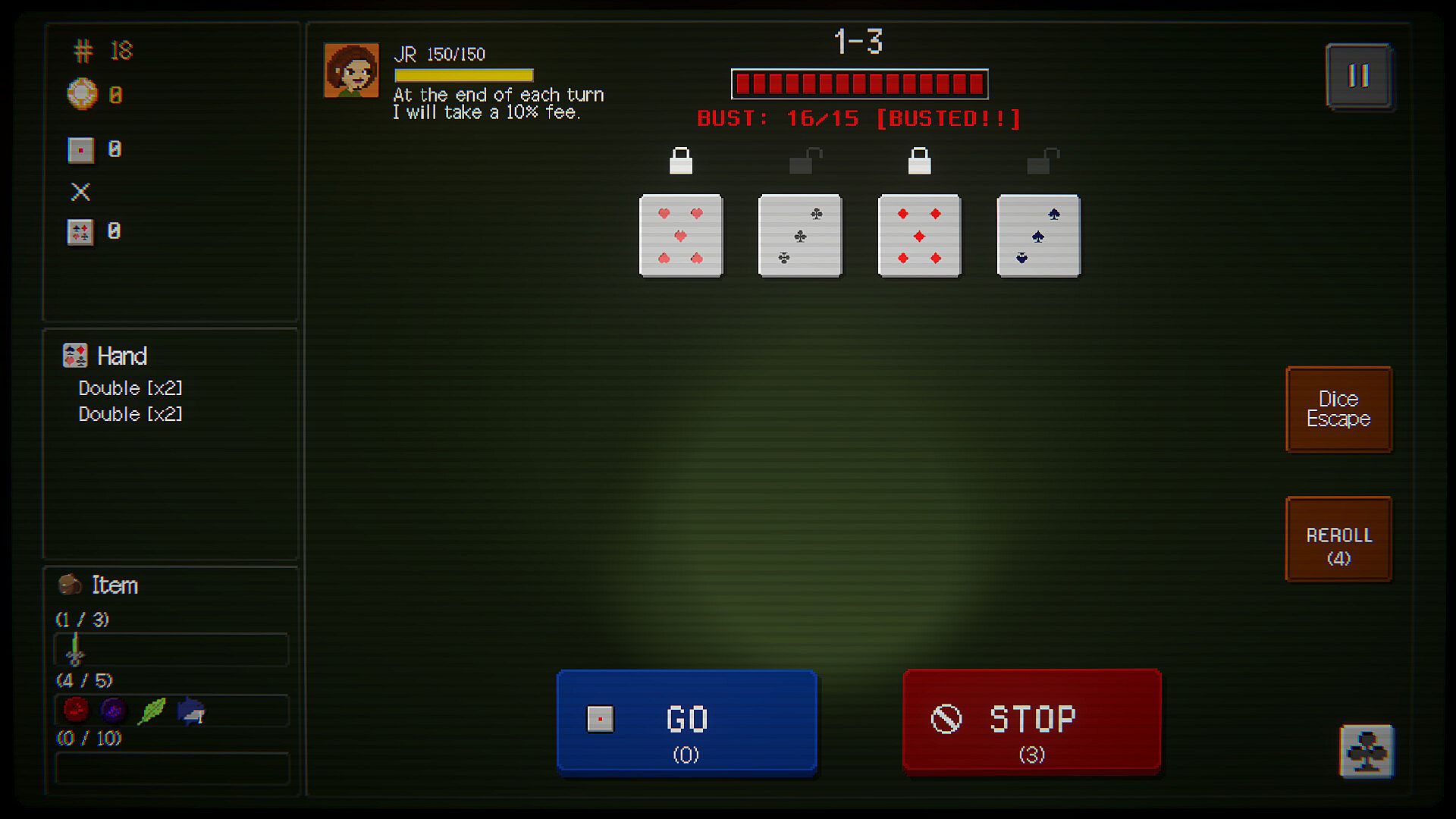
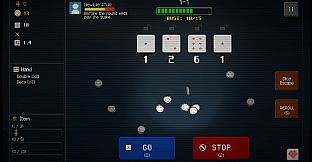
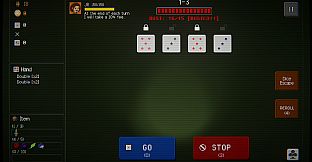
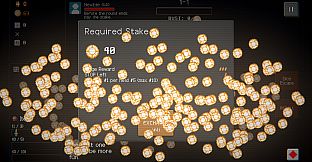
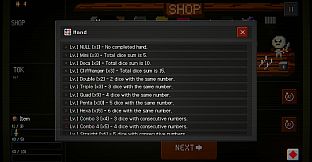
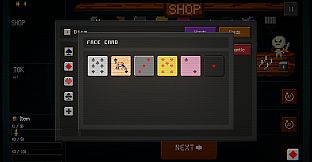
Deadroll es un juego indie de estrategia para un solo jugador que combina el lanzamiento de dados con la construcción de manos de póker en un formato roguelike. El objetivo es formar combinaciones de póker superando los objetivos de cada ronda mientras se enfrenta al crupier. La mecánica principal gira en torno a construir un mazo de dados, administrar recursos entre rondas y adaptarse a las condiciones cambiantes a lo largo de cada partida en PC.
Gameplay
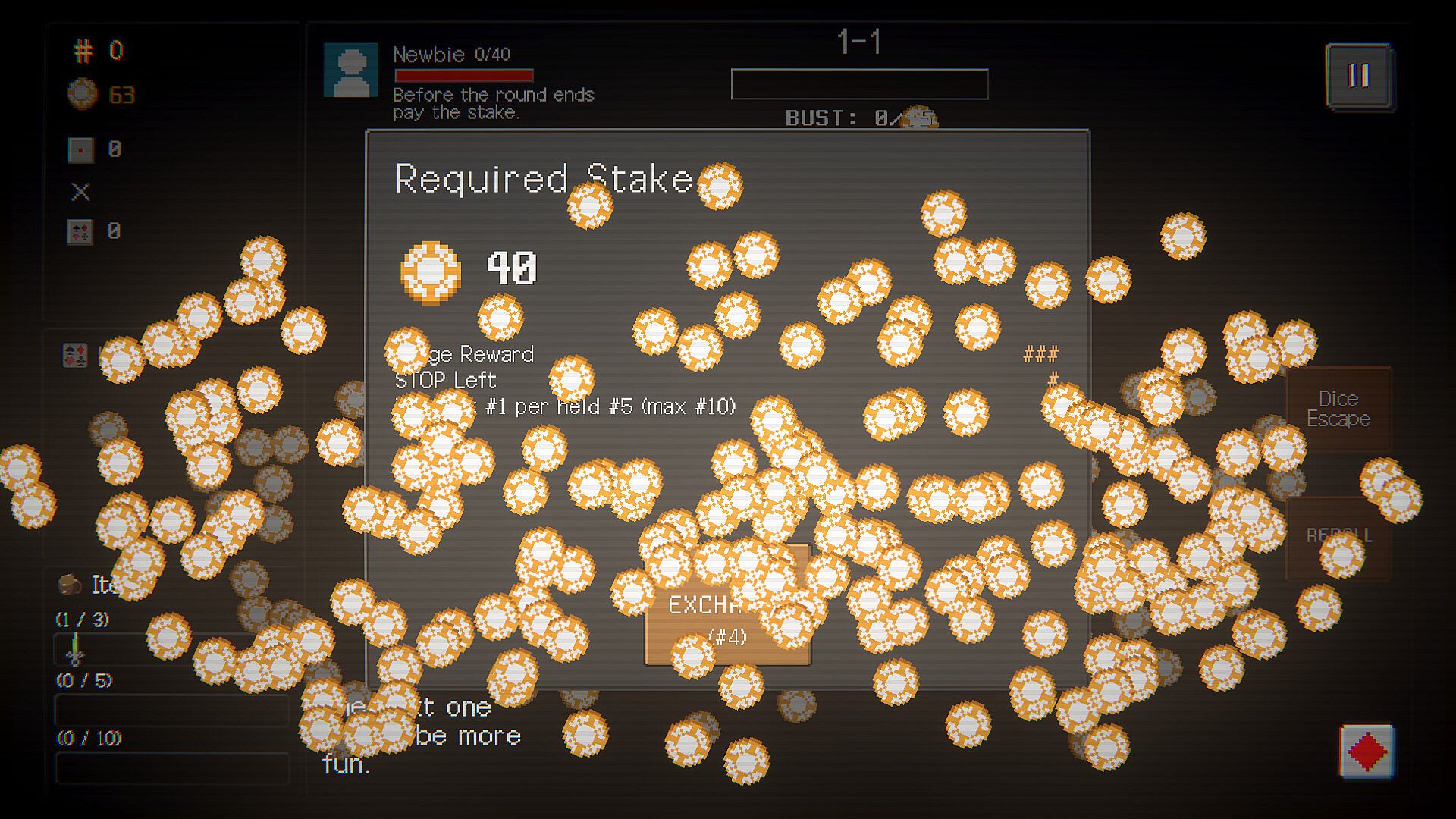
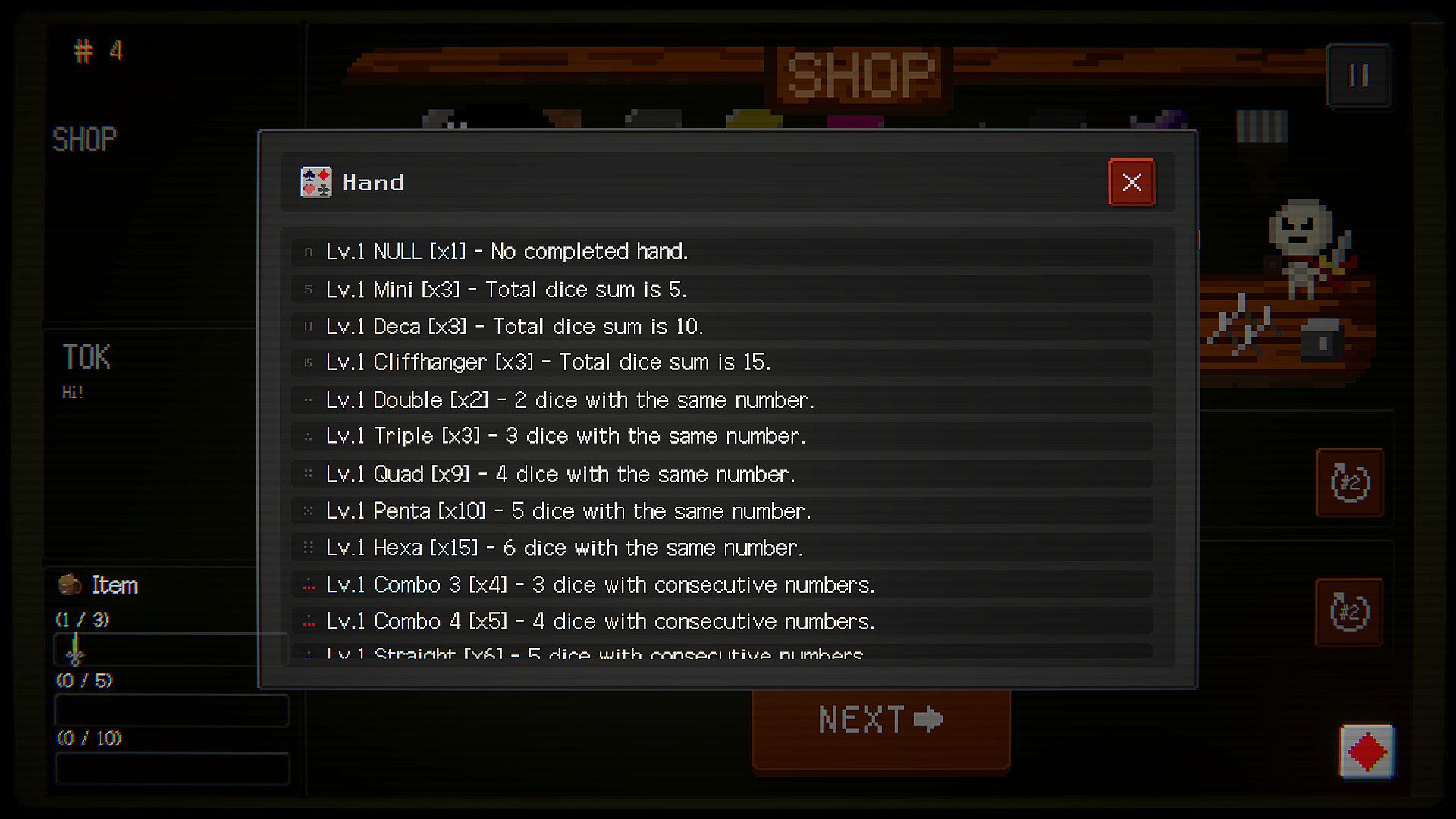
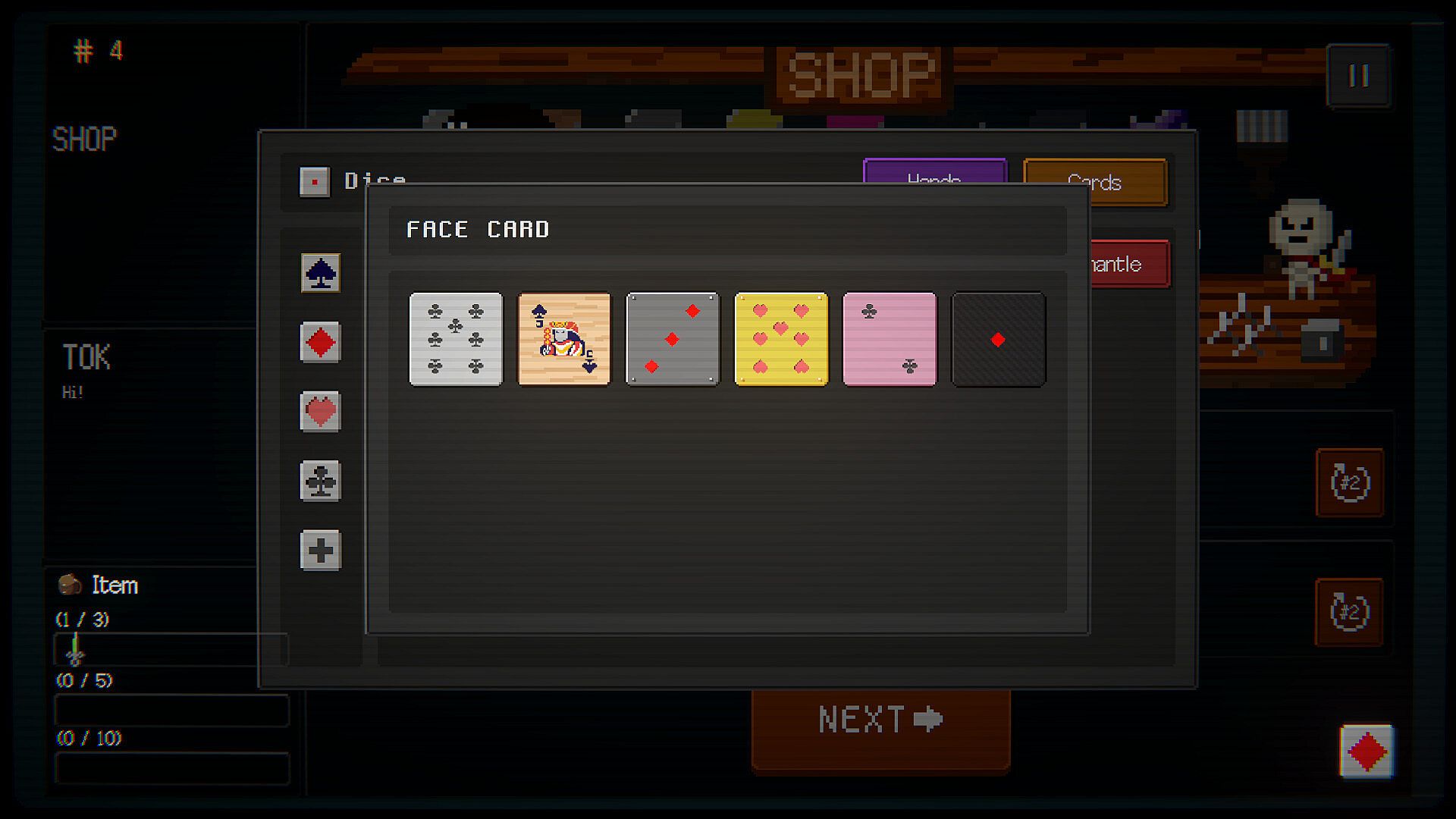
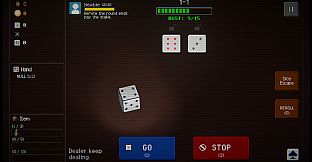
La partida consiste en lanzar dados para formar manos de póker como parejas, escaleras o colores. Cada ronda establece una puntuación objetivo que hay que superar con la mano completada. El jugador decide cuándo detener los lanzamientos y fijar resultados, equilibrando riesgo y recompensa a medida que se incorporan nuevos tipos de dados y efectos de objetos. Las construcciones evolucionan mediante la personalización de las caras de cada dado, permitiendo orientar la partida hacia combinaciones de alto valor.
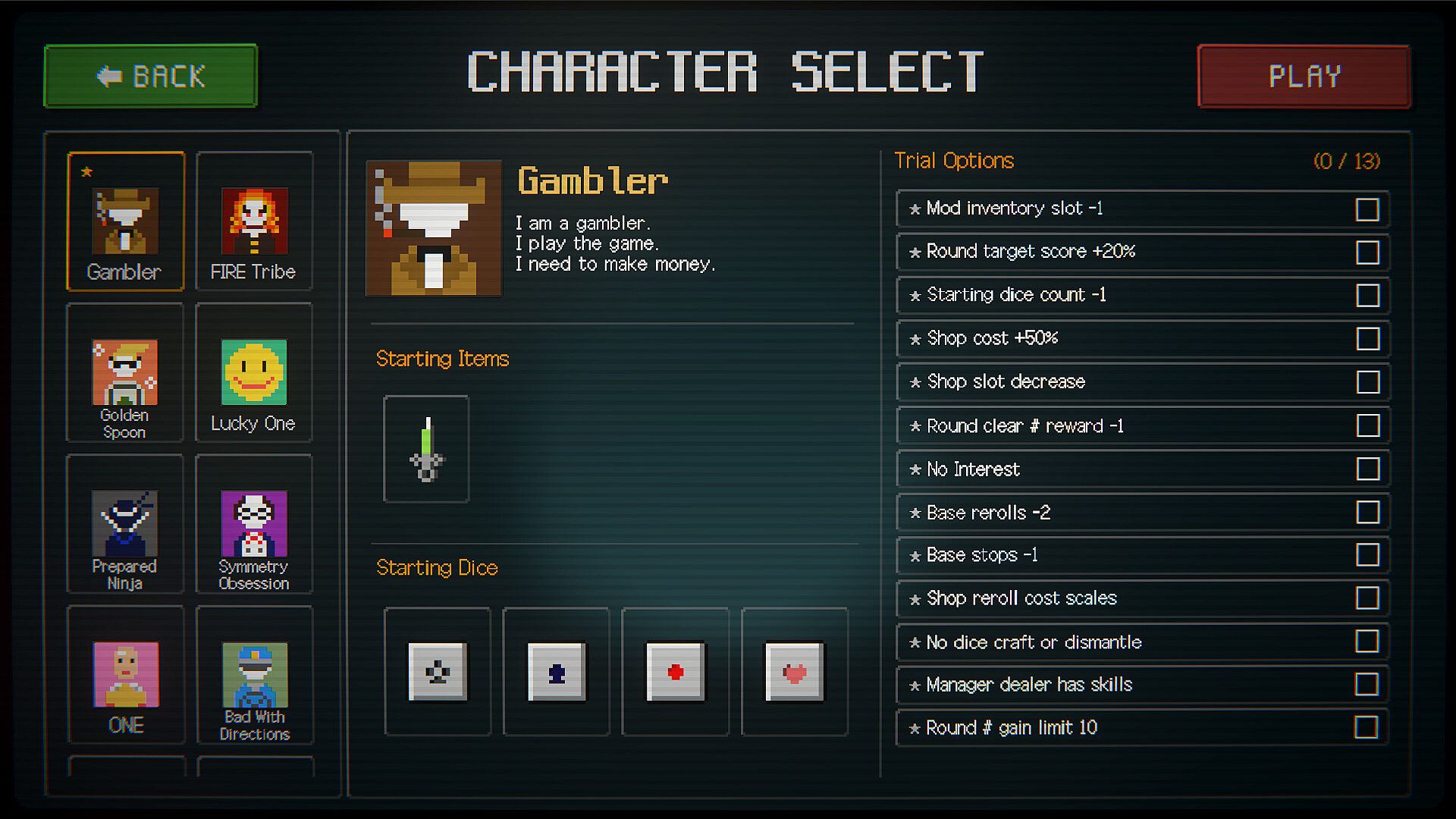
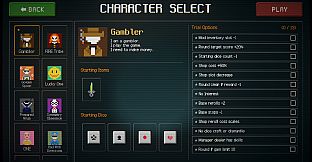
Hay más de 10 personajes jugables, cada uno con configuraciones y enfoques distintos. Algunos priorizan la progresión estable hacia puntuaciones fiables, mientras que otros apuestan por combinaciones arriesgadas o comienzan con restricciones inusuales que modifican las decisiones iniciales. Esta variedad hace que el mismo conjunto de reglas genere trayectorias estratégicas diferentes según el personaje elegido.
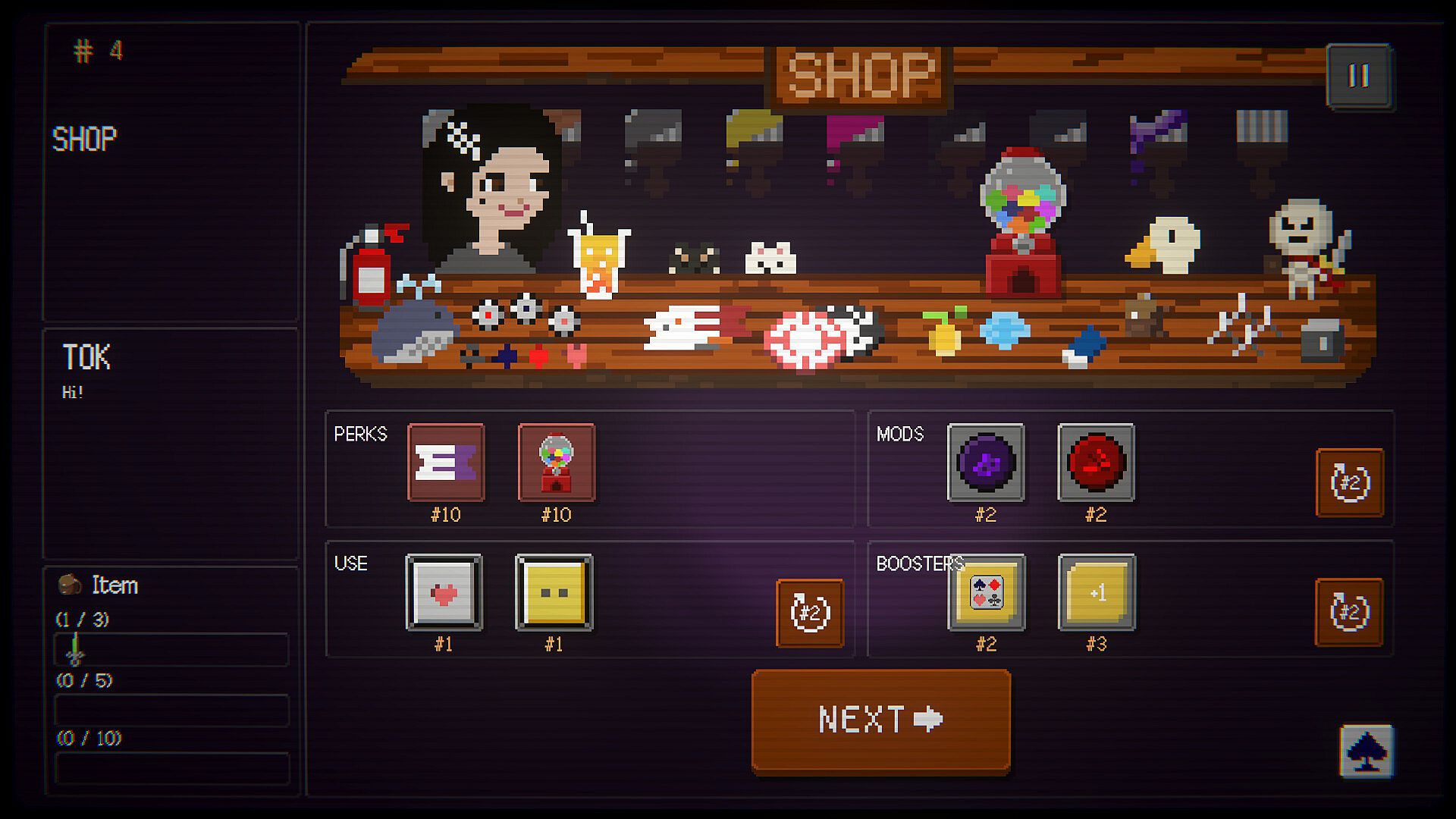
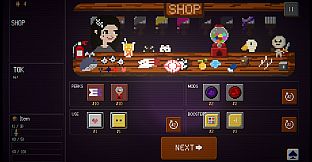
Entre rondas se pueden comprar objetos y consumibles que añaden multiplicadores, activadores condicionales y ajustes de construcción. Con más de 100 opciones disponibles, estos elementos compensan carencias del conjunto de dados o convierten tiradas normales en resultados destacados. La modificación de dados constituye el núcleo de la progresión, permitiendo alterar los resultados, crear nuevas caras y orientar la colección hacia las combinaciones de póker deseadas.
Modos de juego
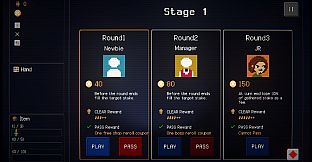
Deadroll es una experiencia roguelike para un solo jugador centrada en rondas sucesivas contra una oposición creciente del crupier. Cada partida consiste en superar una serie de objetivos mientras se acumulan recursos para visitar la tienda y ampliar las opciones de las siguientes fases. Los encuentros con el crupier introducen cambios de reglas, interrupciones dirigidas o mayor presión que obligan a modificar las estrategias establecidas.
La progresión se construye a través de partidas repetidas donde la suerte interactúa con las construcciones preparadas y las interferencias externas. No existen modos multijugador ni competitivos, manteniendo el enfoque en la adaptación en solitario a través de diferentes elecciones de personaje y enfrentamientos contra el crupier. La estructura favorece la experimentación con la personalización de dados y las sinergias entre objetos para superar los desafíos de cada intento.
Estilo visual y atmósfera
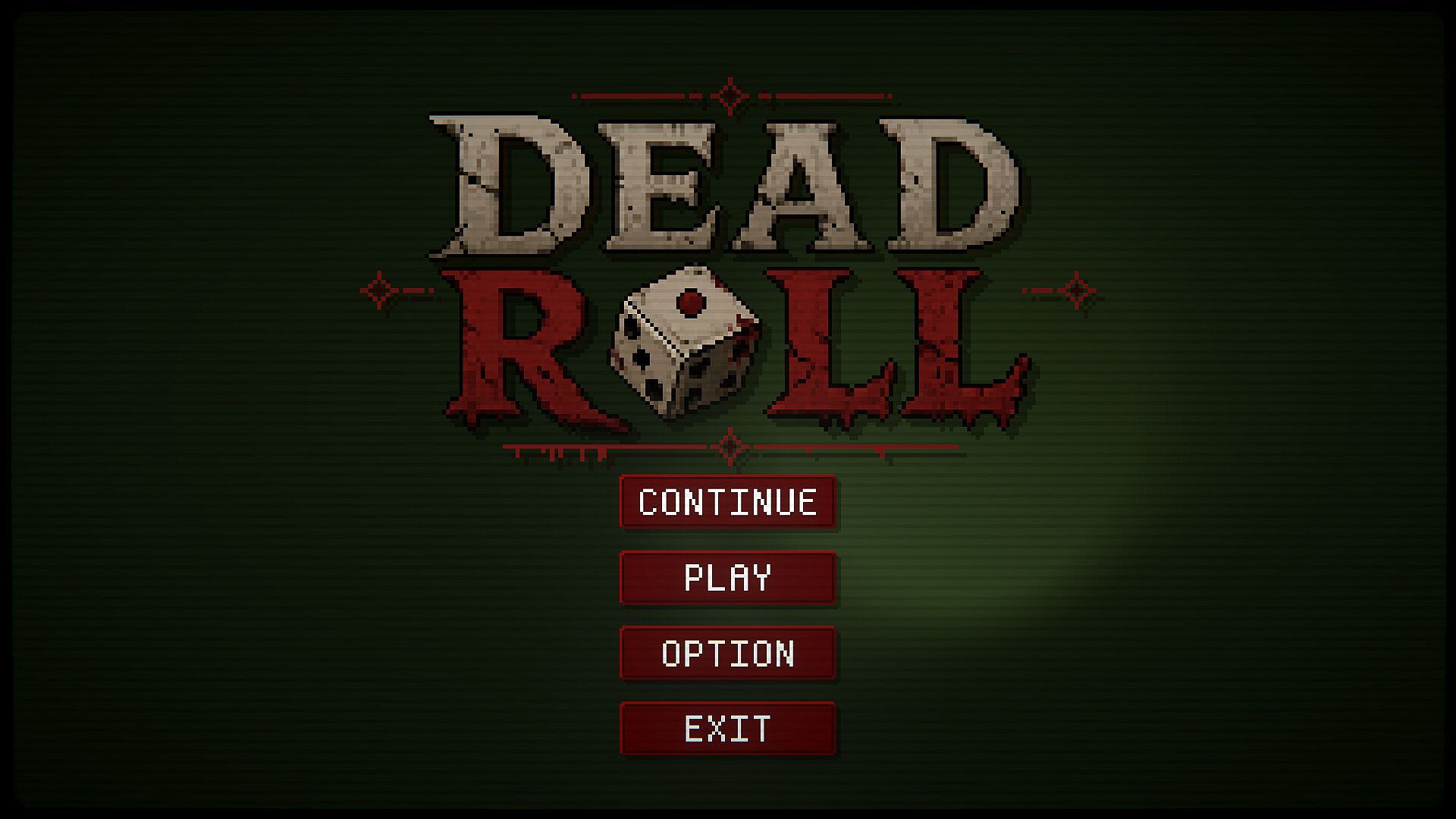
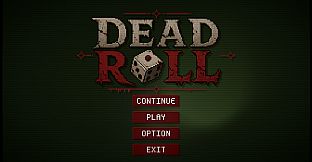
La presentación combina arte pixelado dibujado a mano con un efecto de textura de monitor CRT. Esto genera una estética retro que evoca una consola antigua en un casino con iluminación tenue. Los personajes y crupieres transmiten un tono sospechoso y atmosférico que refuerza el tema del juego sin depender de gráficos de alta fidelidad modernos.
El sonido y los elementos de interfaz apoyan las acciones de lanzamiento de dados y construcción de manos, manteniendo la claridad a medida que aumenta la complejidad de los tipos de dados y los efectos de los objetos. El diseño general prioriza la legibilidad de las clasificaciones de póker y el seguimiento de puntuaciones durante las rondas más tensas.
¿Merece la pena jugarlo?
Deadroll está dirigido a jugadores que disfrutan de la progresión roguelike combinada con la gestión de dados y mecánicas de póker familiares. El formato para un solo jugador permite intentos repetidos para perfeccionar construcciones contra reglas cambiantes del crupier, recompensando la personalización cuidadosa y la toma de decisiones adaptativa. La variedad de personajes añade profundidad de repetición al alterar las condiciones iniciales y las estrategias viables sin necesidad de competencia externa.
Dado que el juego se encuentra en fase de prelanzamiento y no hay reseñas de usuarios disponibles, su atractivo se basa en los sistemas descritos de creación de dados, integración de objetos e interferencia del crupier. Quienes se sientan atraídos por títulos indie de estrategia que mezclan suerte y construcción de builds pueden encontrar el bucle central atractivo una vez que se lance. La disponibilidad se limitará a PC a través de las tiendas digitales habituales en el momento del lanzamiento.